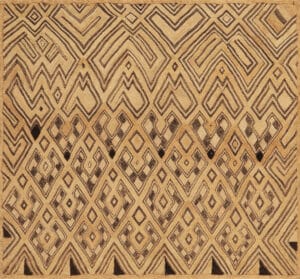
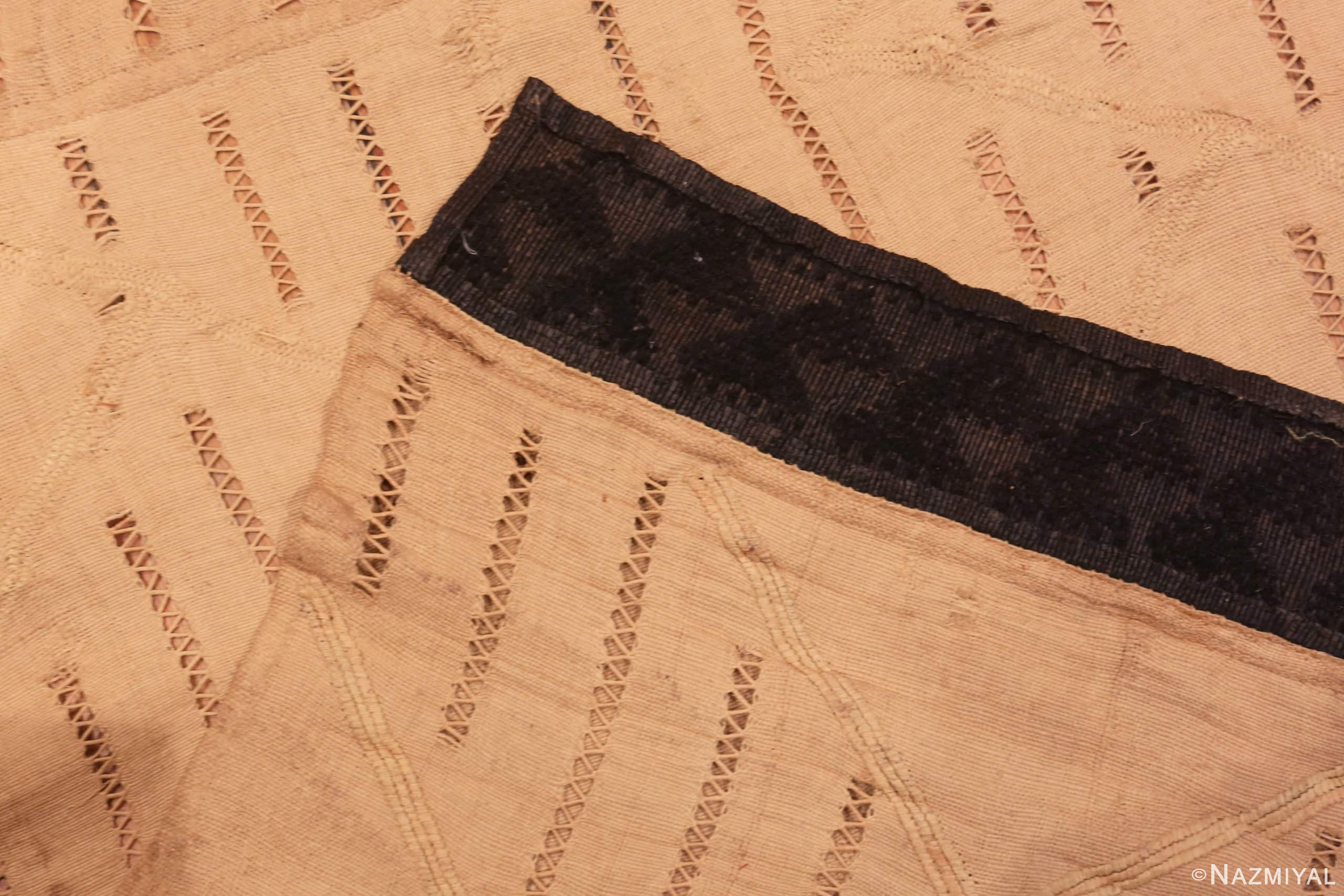
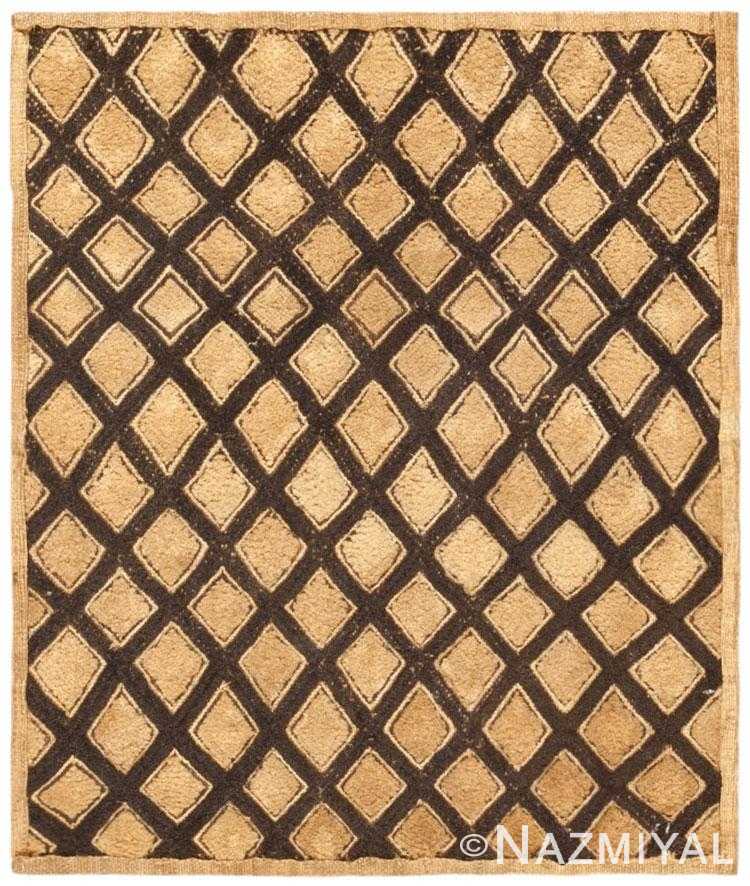
African Rugs and Textiles – Textile weaving has been an important part of various African civilizations for millennia. The ancient Egyptians were some of the first people to use the loom, around the year 4000 BC. In most regions, the labor was split between the sexes: the women would dye and spin the thread, while the men would do the actual weaving. The rugs of North Africa, including Moroccan and Tunisian, are particularly famous, though many other African societies have created unique textiles that have warranted global attention.
Rugs woven by the Berber people of Morocco are particularly popular on the international scene. These Moroccan rugs traditionally were made of wool from black and white sheep, and the materials they used were not dyed. They often told a story about the weaver’s life while also serving a practical purpose, helping to keep their owners warm during the cold nights they would spend on the Atlas Mountains.
Many African societies used textiles as a means of communicating messages, weaving historical stories and conveying symbolism. The Ewe would weave Kente cloths that had particular meanings depending on the colors used, for example. Similarly, Andinkra fabrics had symbols stamped on them using black ink. Each of these symbols held a specific meaning, and together would convey a message or story to anyone who could decipher them. With such a long history of textile-weaving and such a diversity of cultures, it is no wonder that the continent of Africa has produced so many different symbolic interpretations of this ancient art form.
African Influenced Interiors and Decors
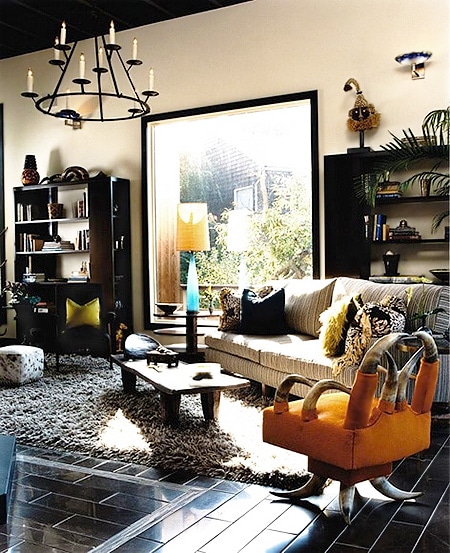
African Influenced Interiors – Bright colors and animal imitations are no longer featured in the far-away villas of vacation homes. Now, African influenced style is showcasing in eclectic interiors everywhere, adding elements of exotic sophistication to modern residences.
“In 2013, African influences are said to be a major trend,” says architecture and design weblog, Freshhome. Among their top 10 most talked about interior design trends, African stands out stands out for their “particularly dynamic and ‘exotic’ features.”
The movement pulls sculpture, wallpaper, antique rugs and ritual art into the home. But, the most compelling characteristics are the bold hues and competing patterns that define African design.
In African culture, colors and patterns hold symbolic meaning. They are emblematic of the land and beings around tribes. According to African legend, the very first textile design was a spider web pattern, a mirror of what two boys witnessed in action and recreated in print.
African Influenced Interiors
Today, African influences hold less of this traditional meaning, but their essence remains the same. The mixed motifs and textures they add to a space brings out feelings of nature and project a calm, international presence.
Beyond the psychological comfort African influences bring to the home, is the trend’s versatility. From a single animal rug, to rooms of full-on safari chic or scattered with tribal pieces, African influenced style works with any and every interior design.
             Posted on Google        Clay Pendergrast     Trustindex verifies that the original source of the review is Google. My wife and I are so pleased with the antique Uzbek Bokhara Rug purchased from the Nazmiyal Collection. Not only does the rug have a spectacular design, it also was very reasonably priced. The way it transforms our living room, reconciling the classic modern furniture with the 1913 Craftsman interior is remarkable.         Posted on Google        Terence Hayes     Trustindex verifies that the original source of the review is Google. I have purchased multiple rugs at multiple Nazmiyal auctions and I am extremely pleased with the quality, price, and experience.  Highly recommended!         Posted on Google        Victor Florintsev     Trustindex verifies that the original source of the review is Google. The only ones I'd ever buy rugs from. The best.         Posted on Google        Jeffrey NeumanB     Trustindex verifies that the original source of the review is Google. I bought two gorgeous Serapi rugs from Farhad at Nazmiyal Rugs!  Beautiful carpets, fair prices and great service.  Very happy customer.  Farhad (the sales person) was very patient and gave us great service.         Posted on Google        john haid     Trustindex verifies that the original source of the review is Google. Alen is a gentleman and an expert.  Really great to work with.         Posted on Google        Edward Yasuna     Trustindex verifies that the original source of the review is Google. I recently purchased a modern Kandinsky rug from Nazmiyal Auctions.  It was just as described, and the director (Farhad) of the auctions had it sent to me quickly and safely.  Payment was easy, the rug was reasonably priced, and I highly recommend Nazmiyal Auctions and Antique Rugs.  Quality merchandise and first-class service.         Posted on Google        Nicholas Carr     Trustindex verifies that the original source of the review is Google. Had a excellent experience buying a rug in Nazmiyal's 1/18/26 online auction.  First, prior to the auction, viewing a number of lots at the 32nd St showroom (I had prepared a list from the online catalog). The staff were great to work with: helpful, knowledgable, honest, and flexible.  Second, after placing an online bid and winning the desired item, arranging payment and pickup was simple and straightforward. Everything went seamlessly and the overall experience was educational and fun. Many thanks to Jason and his team.         Posted on Google        Andrea Gared     Trustindex verifies that the original source of the review is Google. Everyone at Naziyal is proffessional, especially Jason and Farhad.
They are knowledgeable, truthful, and true gentlemen. I have sold several rugs through them and will always go to them first, to buy or sell. The best in the business!
Frequently Asked Questions
Many African societies used textiles as a means of communicating messages, weaving historical stories and conveying symbolism. The Ewe would weave Kente cloths that had particular meanings depending on the colors used, for example. Similarly, Andinkra fabrics had symbols stamped on them using black ink.
Bright colors and animal imitations are no longer featured in the far-away villas of vacation homes. Now, African influenced style is showcasing in eclectic interiors everywhere, adding elements of exotic sophistication to modern residences.
THE NAZMIYAL NEWSLETTER
Discover Your Next Favorite Rug
Get new arrivals, rug inspiration, educational blogs, and collection highlights delivered to your inbox.
By subscribing, you agree to receive marketing emails from Nazmiyal. Unsubscribe anytime. View our Privacy Policy.