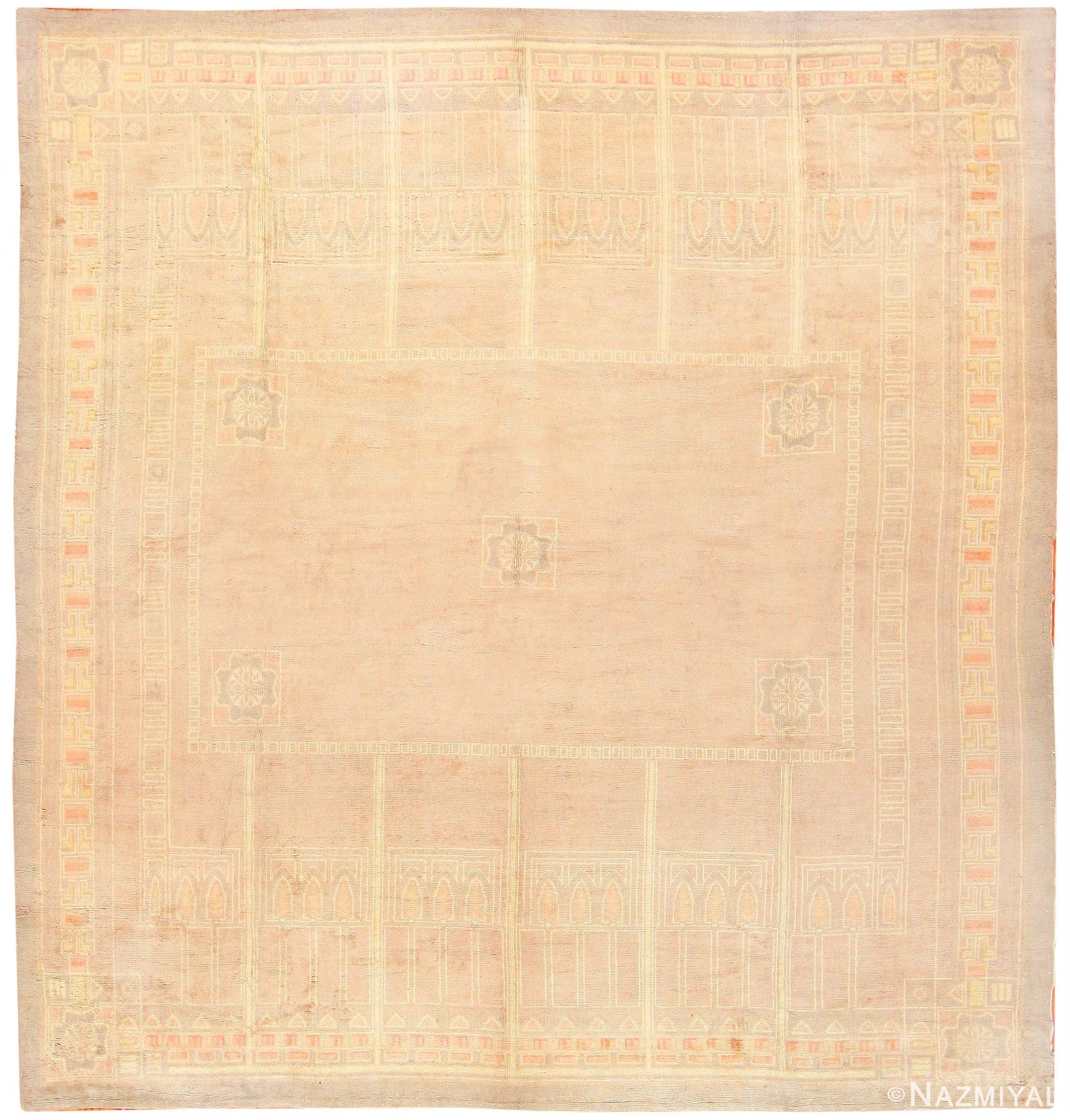
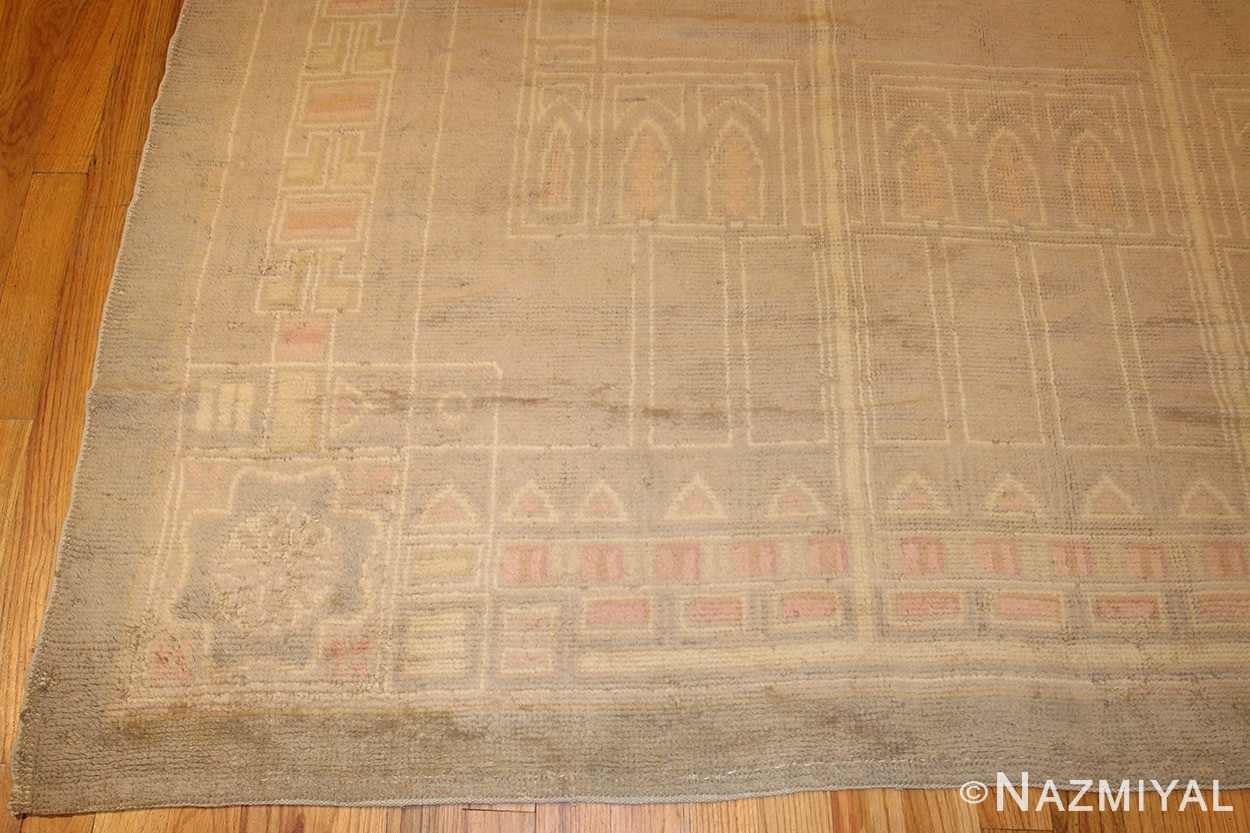
Antique Aubusson, Savonnerie & French Art Deco Carpets
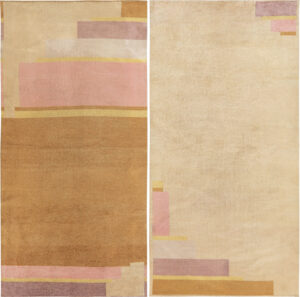
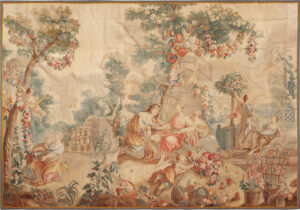
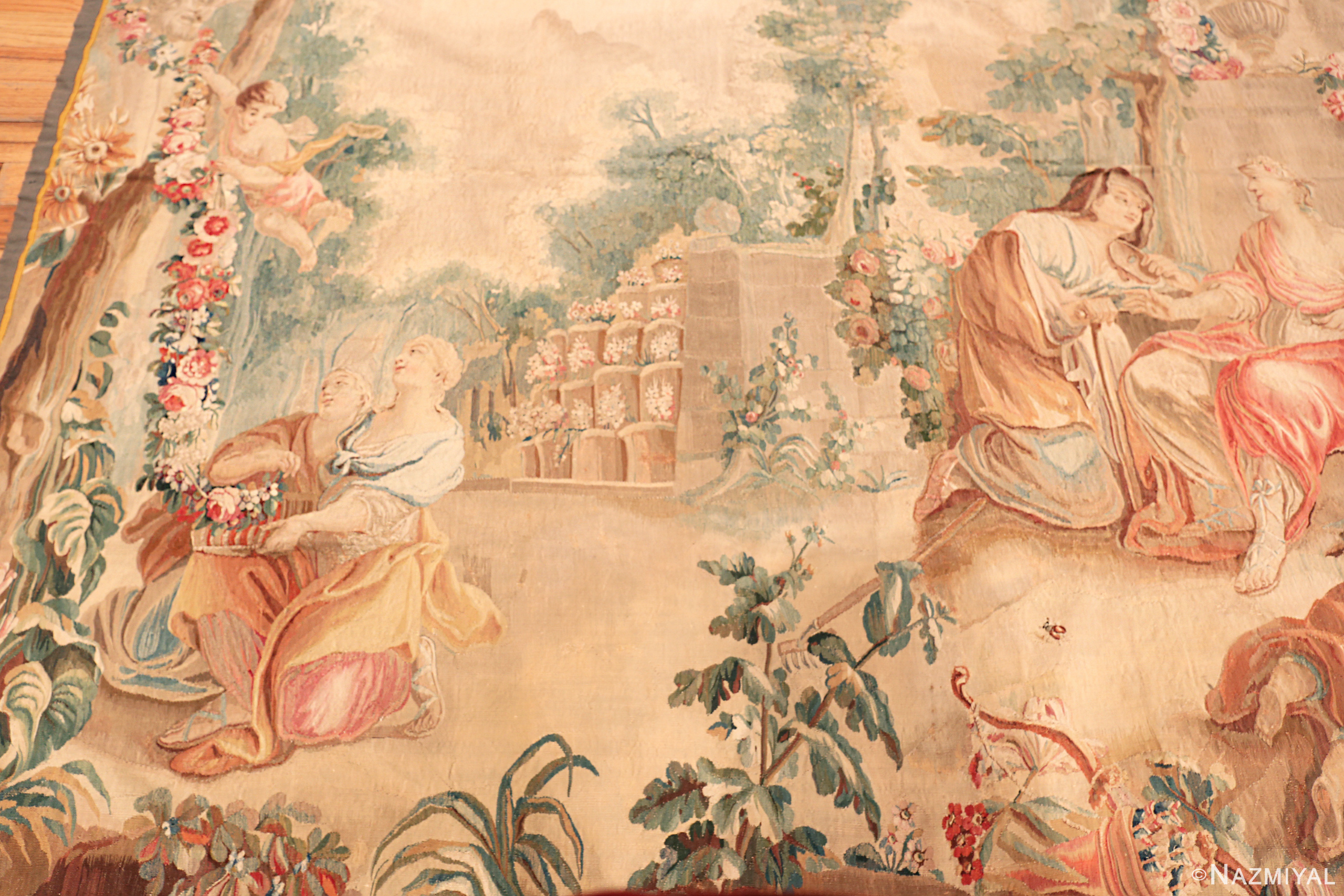
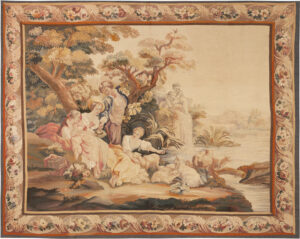
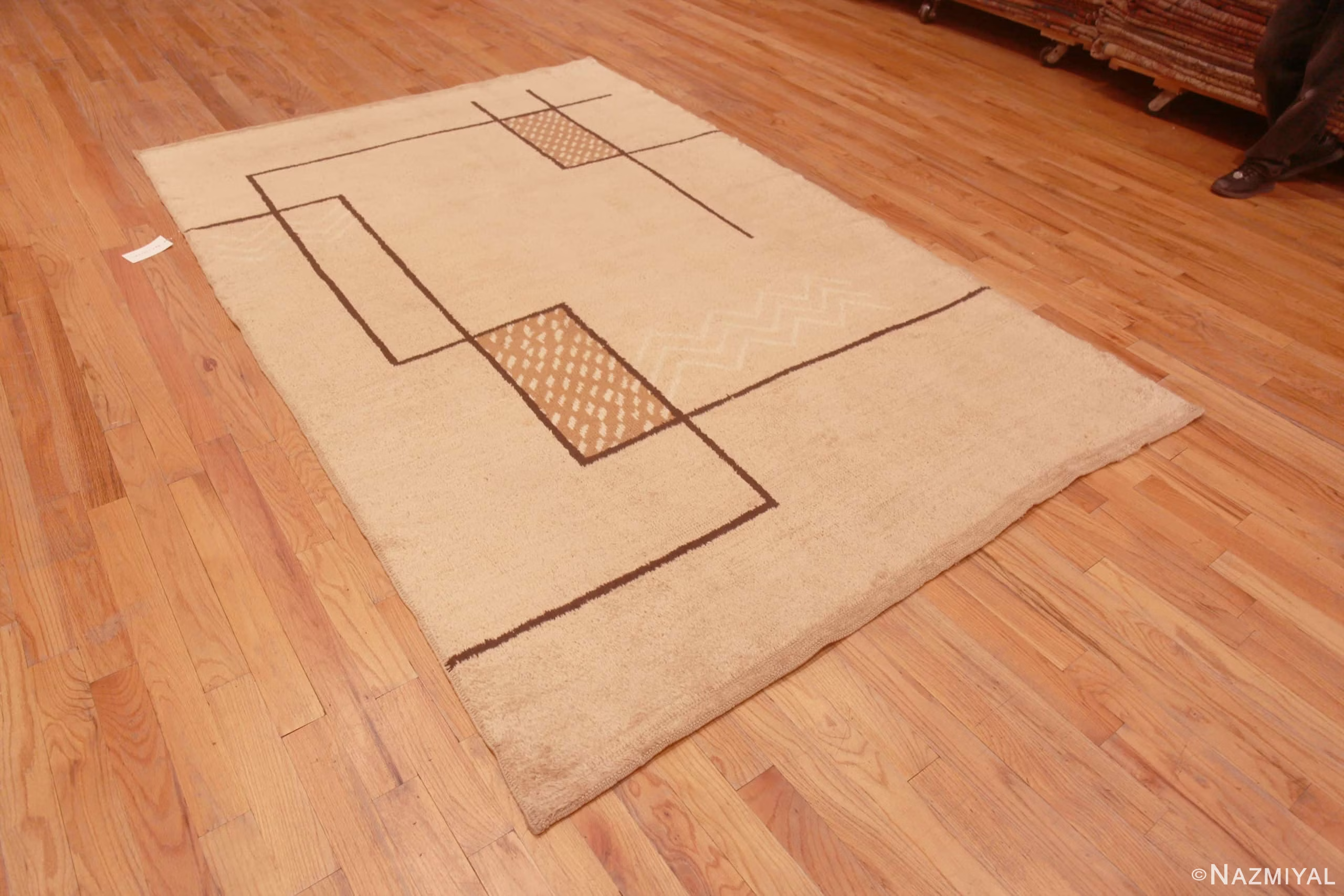
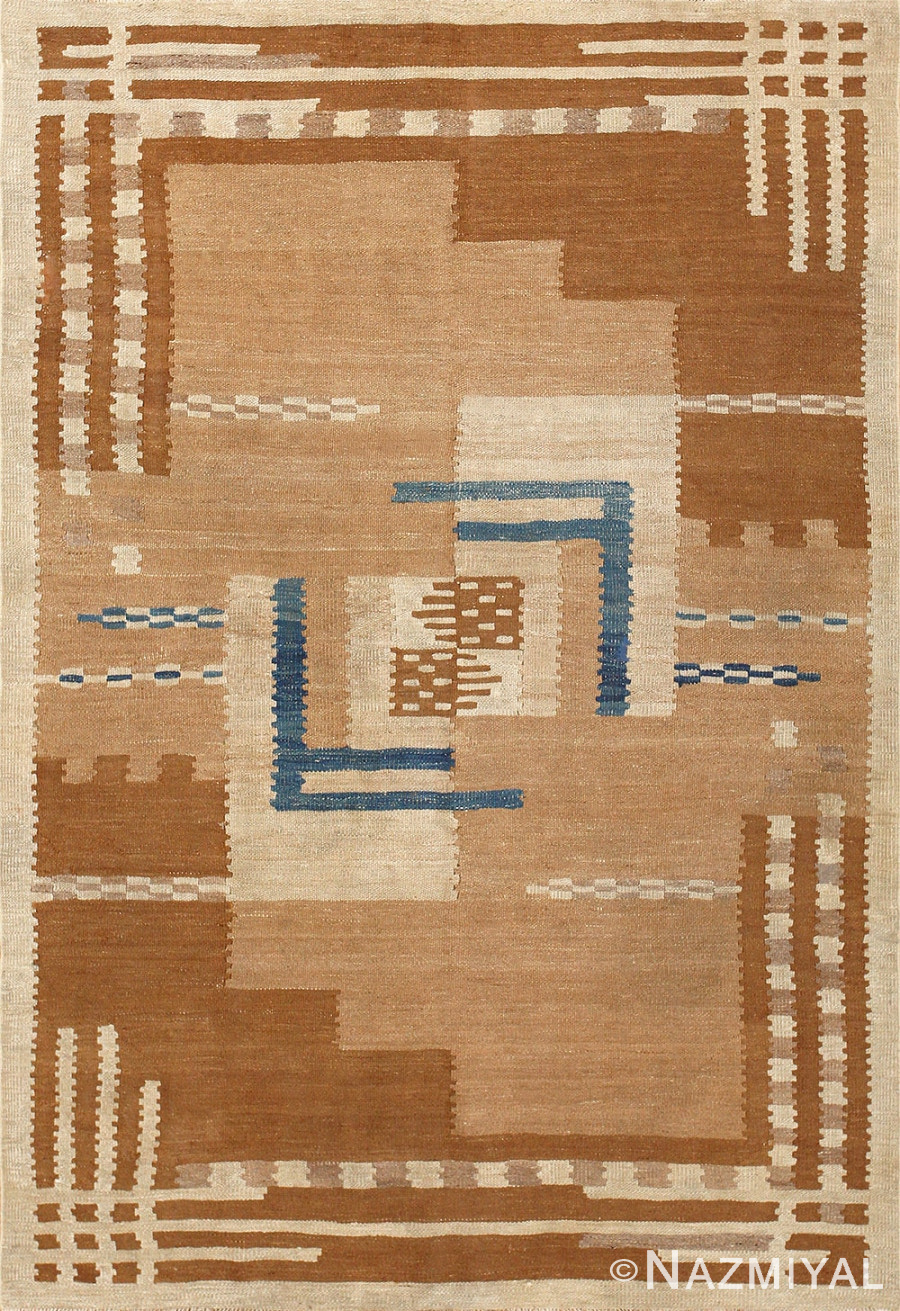
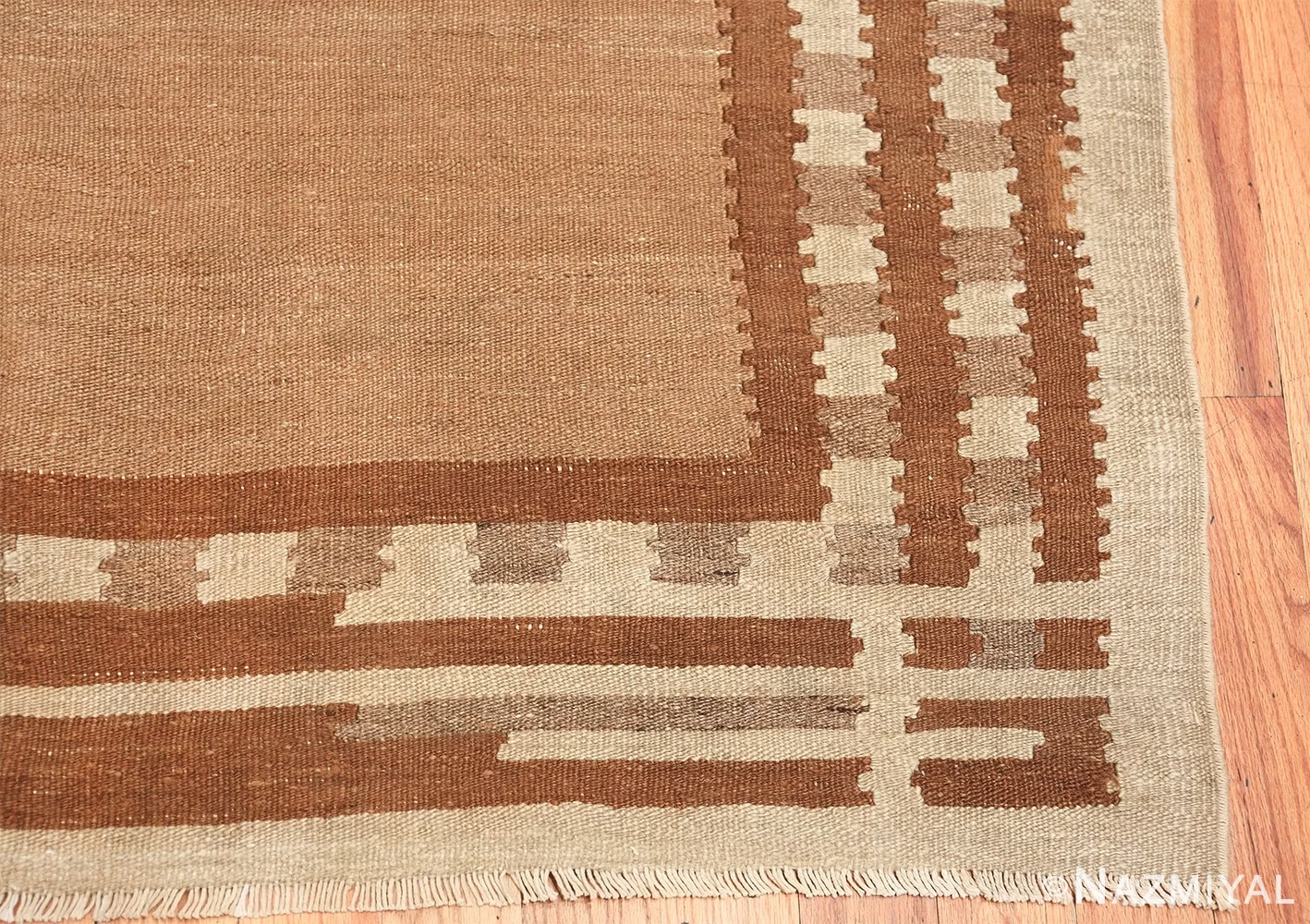
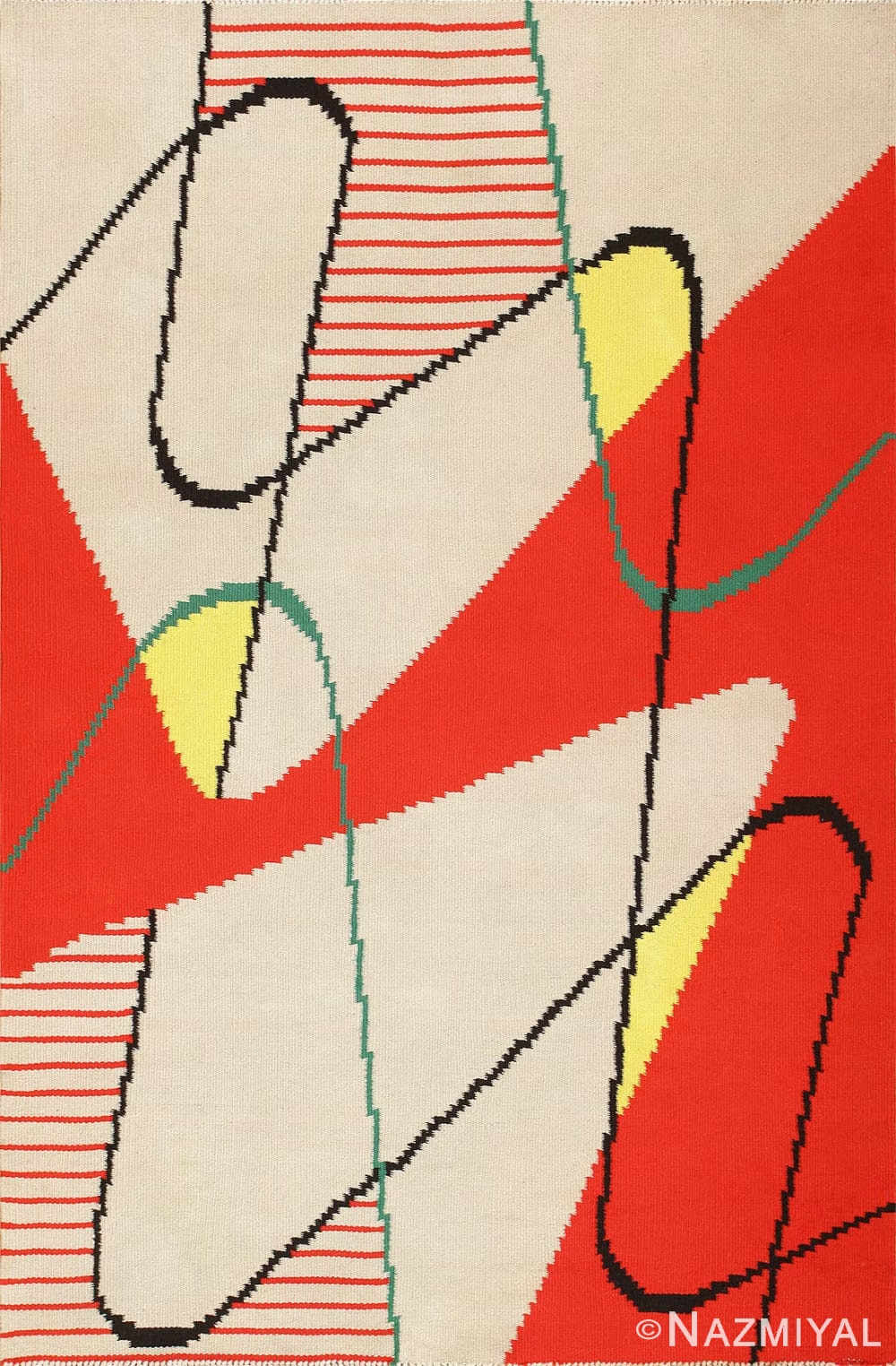
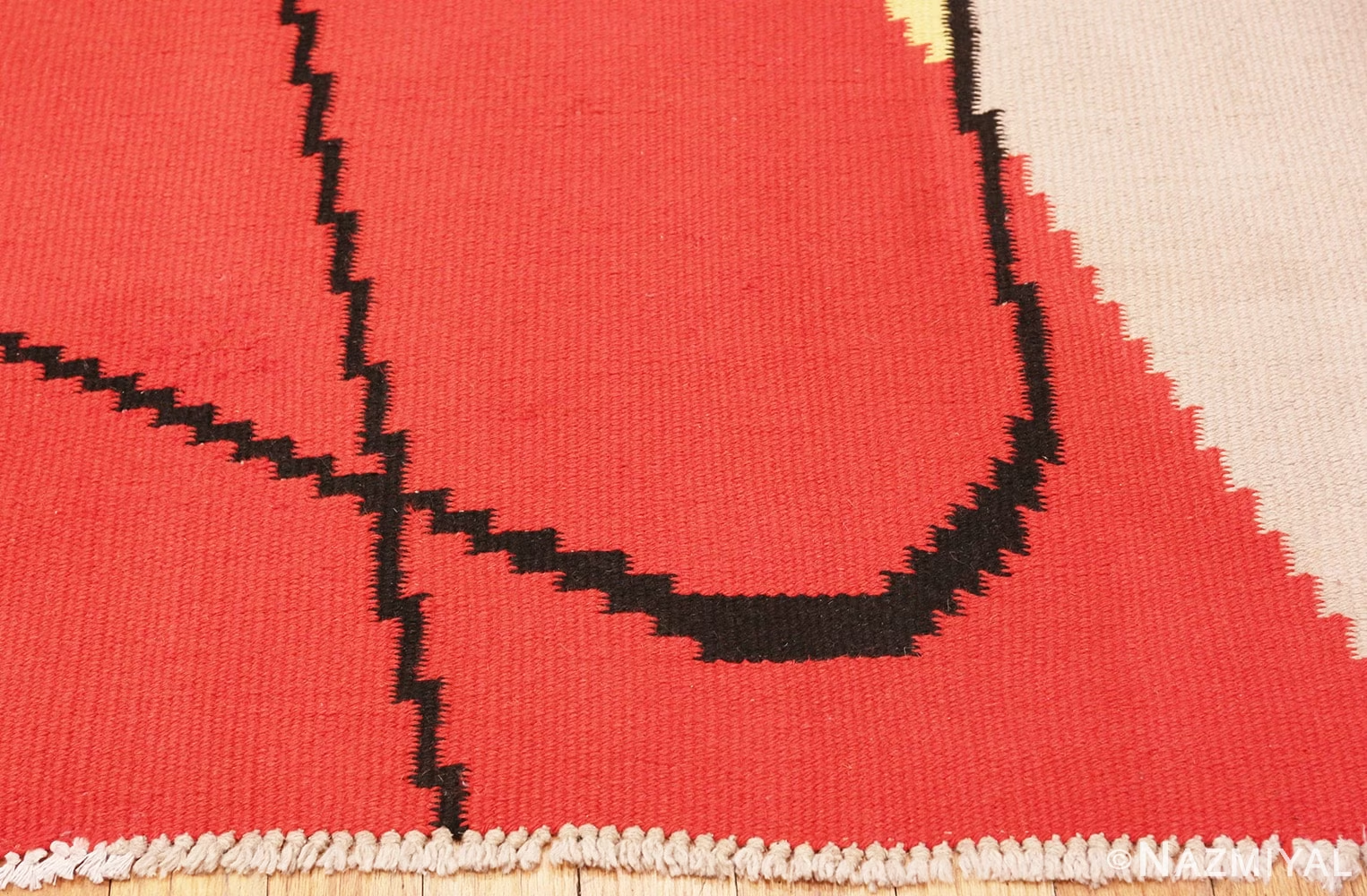
French rugs are some of the most refined decorative carpets ever made—celebrated for painterly drawing, soft architectural palettes, and elegant scale. At the Nazmiyal Collection, we curate exceptional French pieces—from Aubusson tapestry-woven flatweaves and Savonnerie pile carpets to Art Deco and verdure-inspired decorative weavings—ready for designers, collectors, and beautiful homes worldwide.
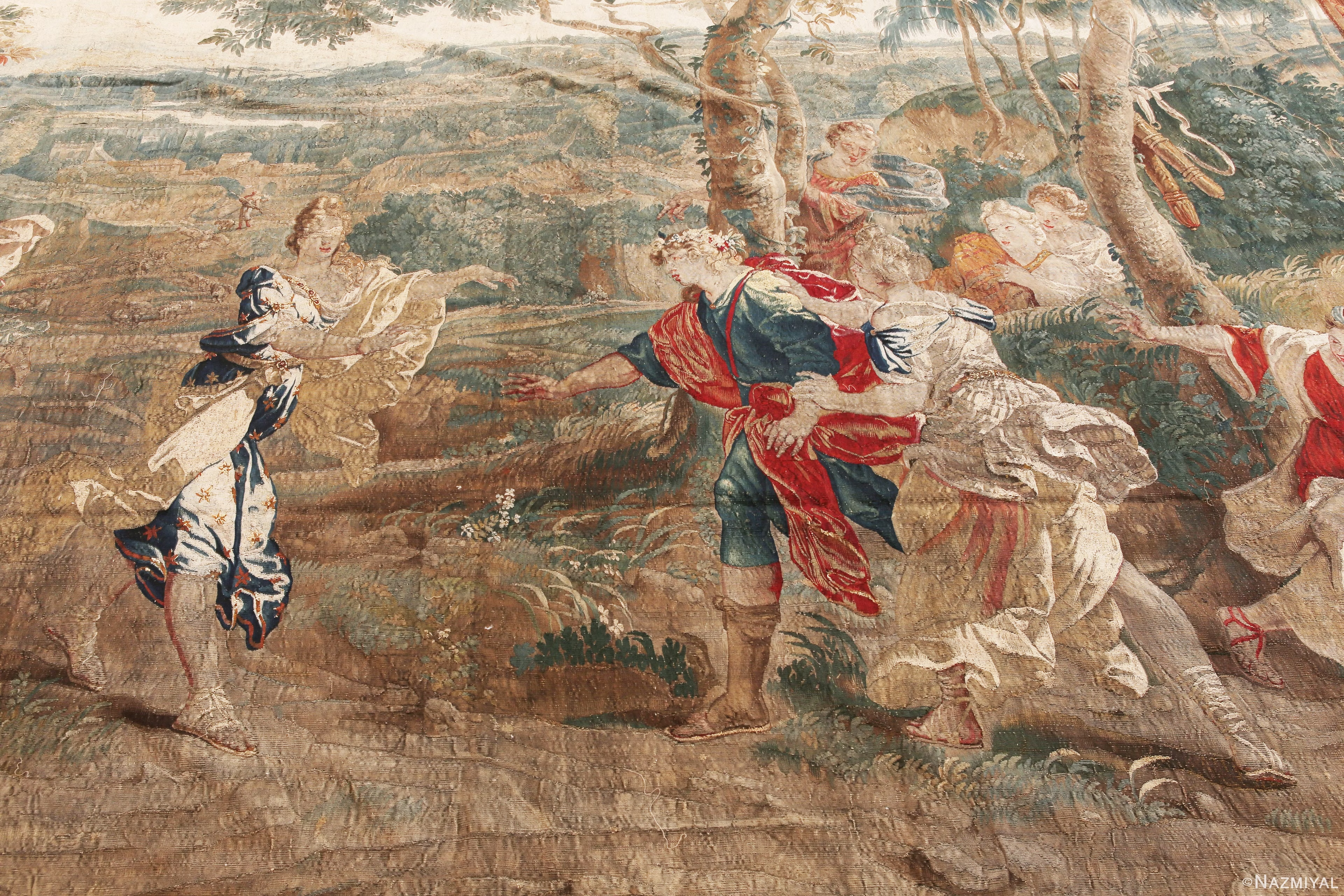
French rugs are decorative carpets and tapestry-woven floor coverings produced in France—especially Aubusson flatweaves and Savonnerie piled carpets—known for refined drawing, pastel-to-neutral palettes, and grand, room-defining proportions.
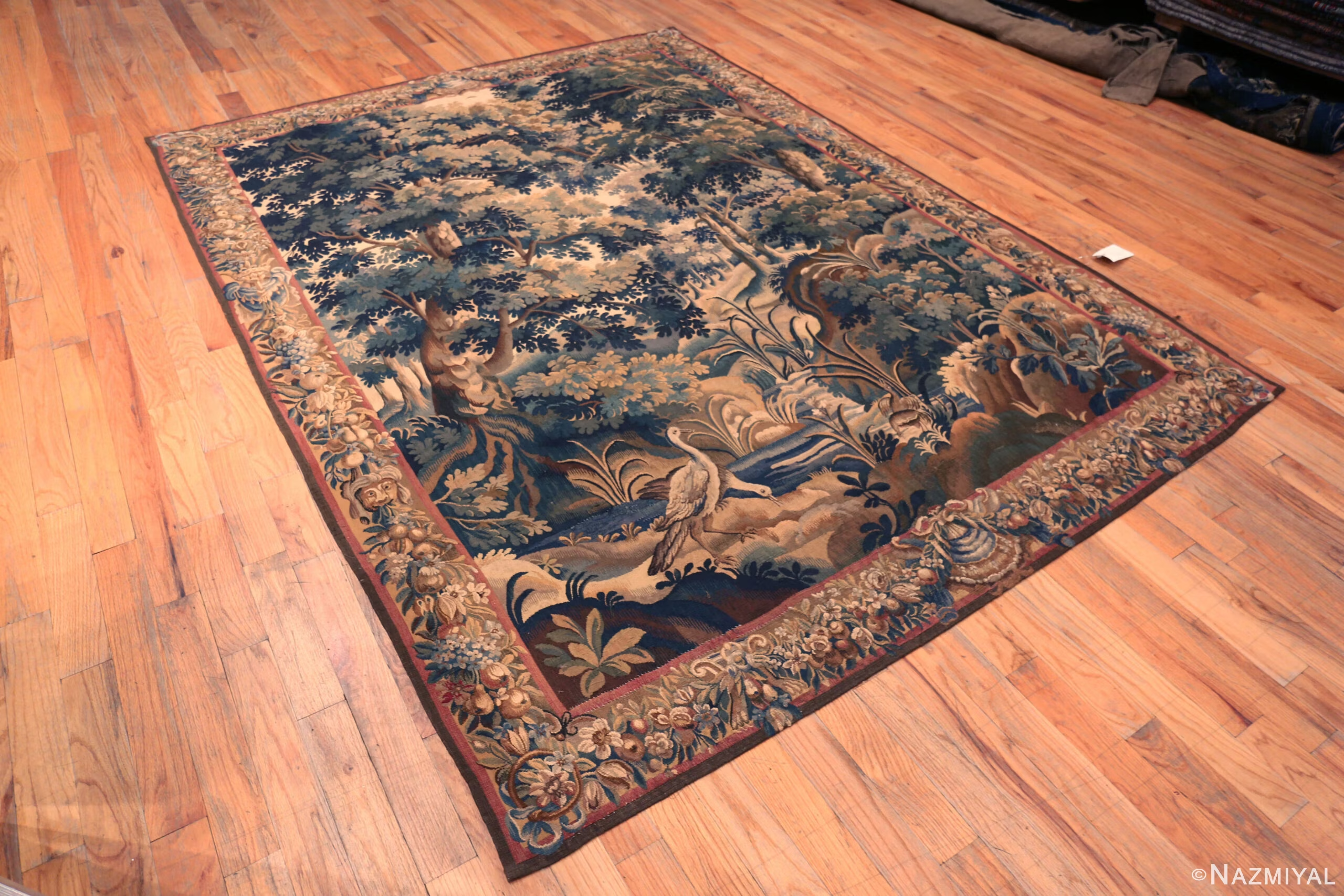
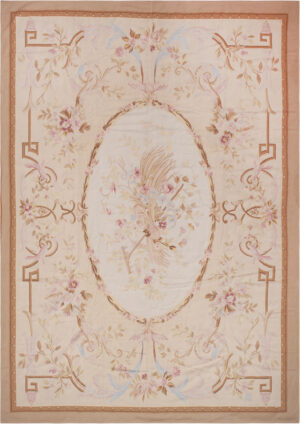
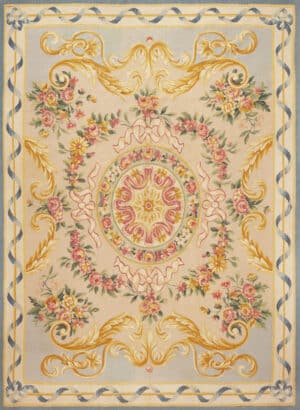
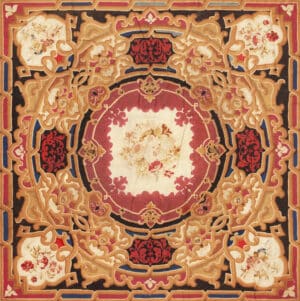
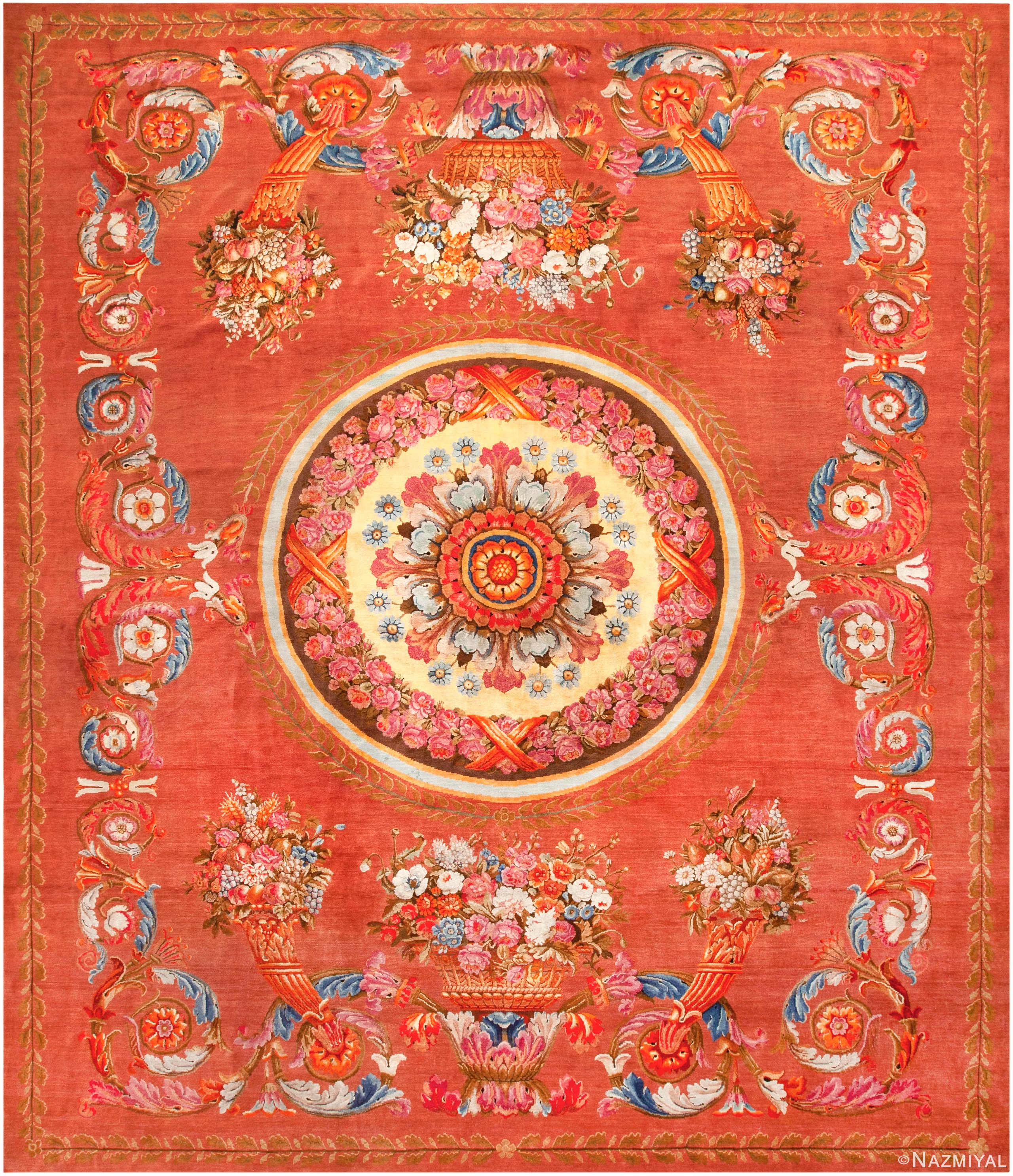
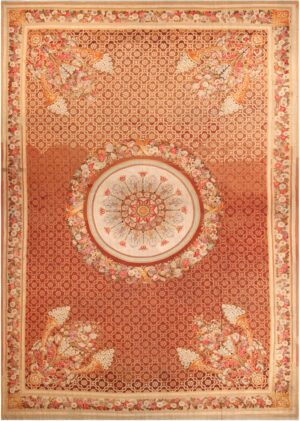
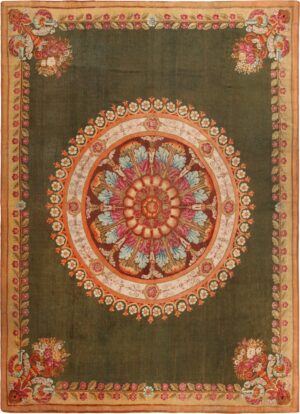
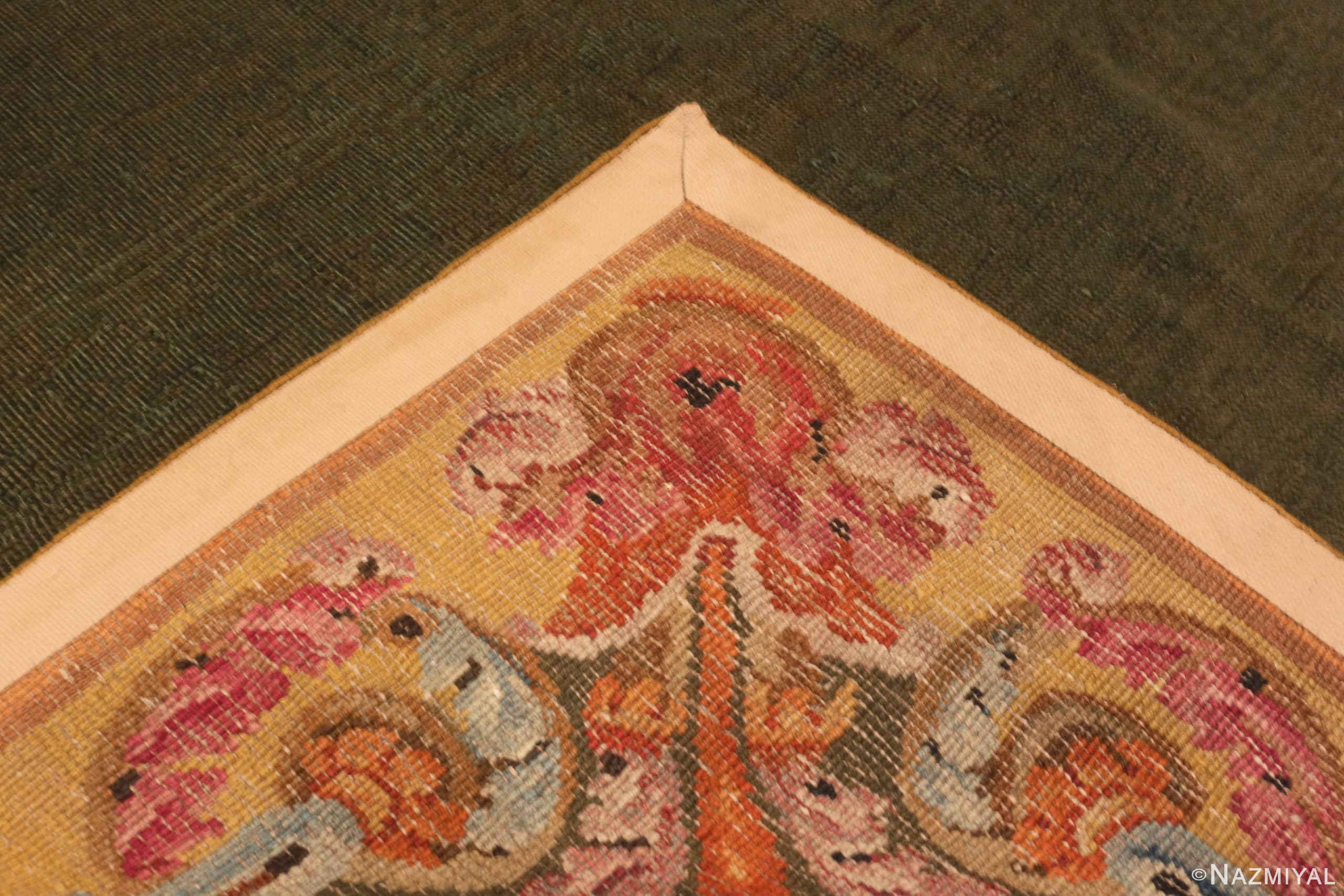
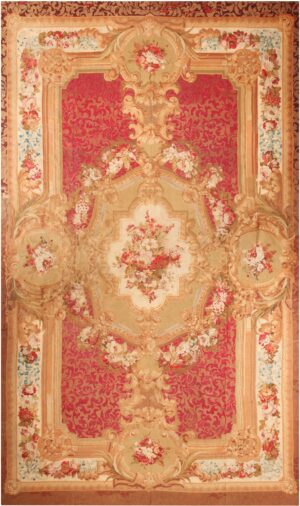
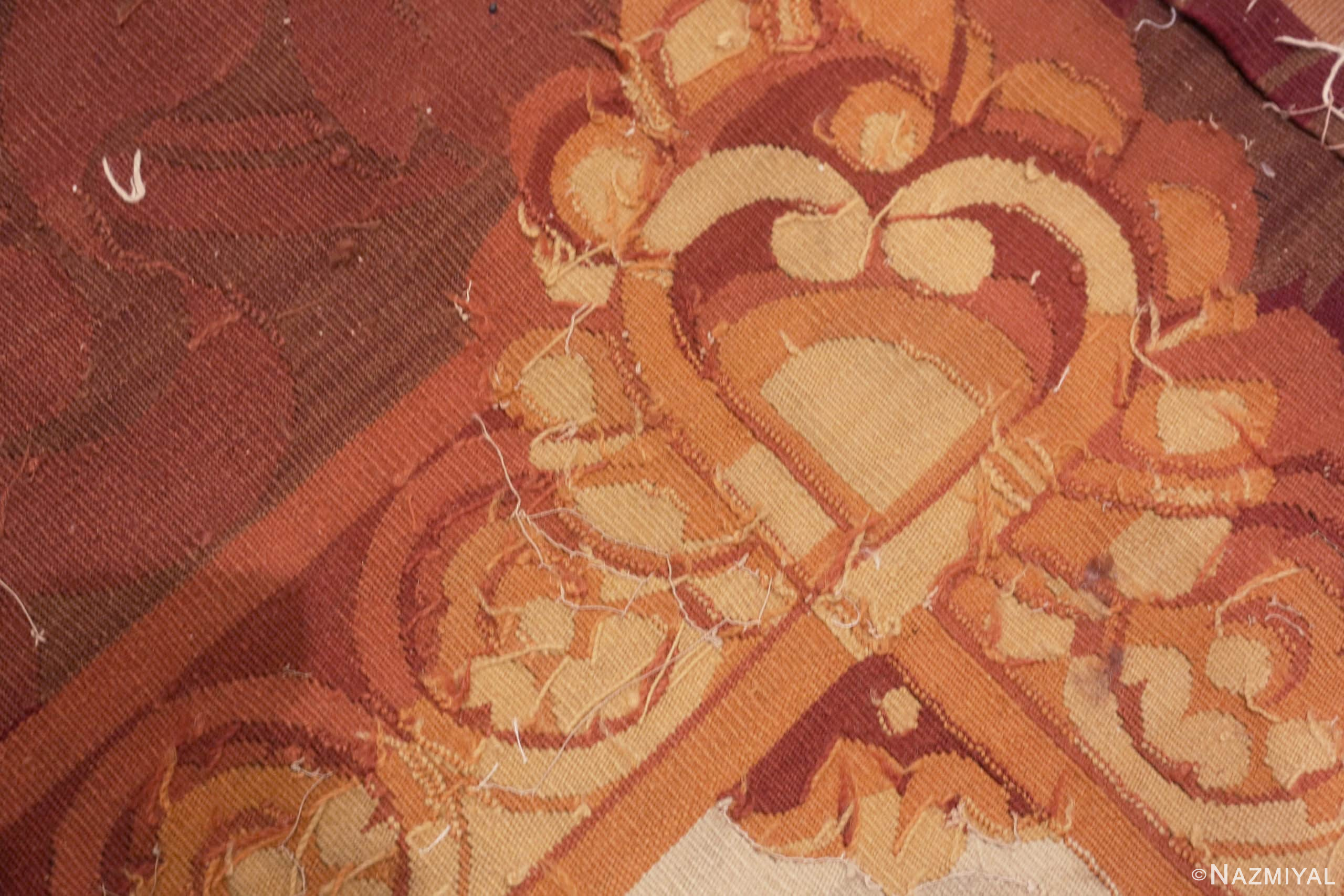
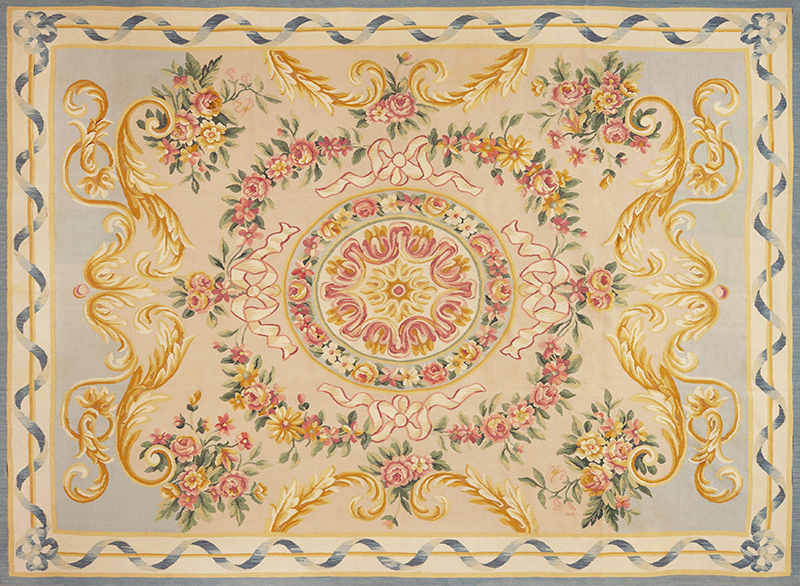
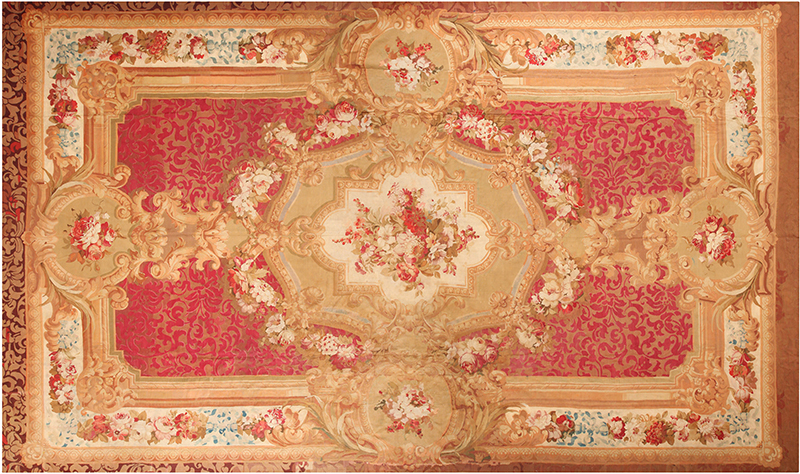
Featured French Rug Antique French Aubusson Rug with Rococo Floral Wreaths and Scrollwork #73674
Antique French Aubusson Rug with Rococo Floral Wreaths and Scrollwork Nazmiyal Collection #73674
What are French rugs?
French rugs are prized for their decorative intelligence: balanced composition, elegant scrollwork, floral garlands, neoclassical medallions, and a “finished” look that reads beautifully in classic interiors and clean modern rooms. Many were made to complement architecture—paneling, parquet floors, gilded mirrors—so they often feel unusually harmonious and intentional.
For a broader continental view, explore European rugs. And if you love formal medallion planning, you may also enjoy classic Persian rugs—a different tradition, but similarly strong design structure.
Aubusson vs Savonnerie
Aubusson (typically flatwoven / tapestry-woven)
Smoother surface and “painterly” detail
Often pastel, airy, and decorative
Medallions, wreaths, floral garlands, ribbons, and rococo scrolls
Savonnerie (typically piled carpet)
Plush pile and a more “carpet-like” feel underfoot
Often more formal and palatial in presence
Grand classical motifs, architectural borders, and statement scale
Quick rule: If the surface reads tapestry-smooth → think Aubusson. If it feels plush and piled → think Savonnerie.
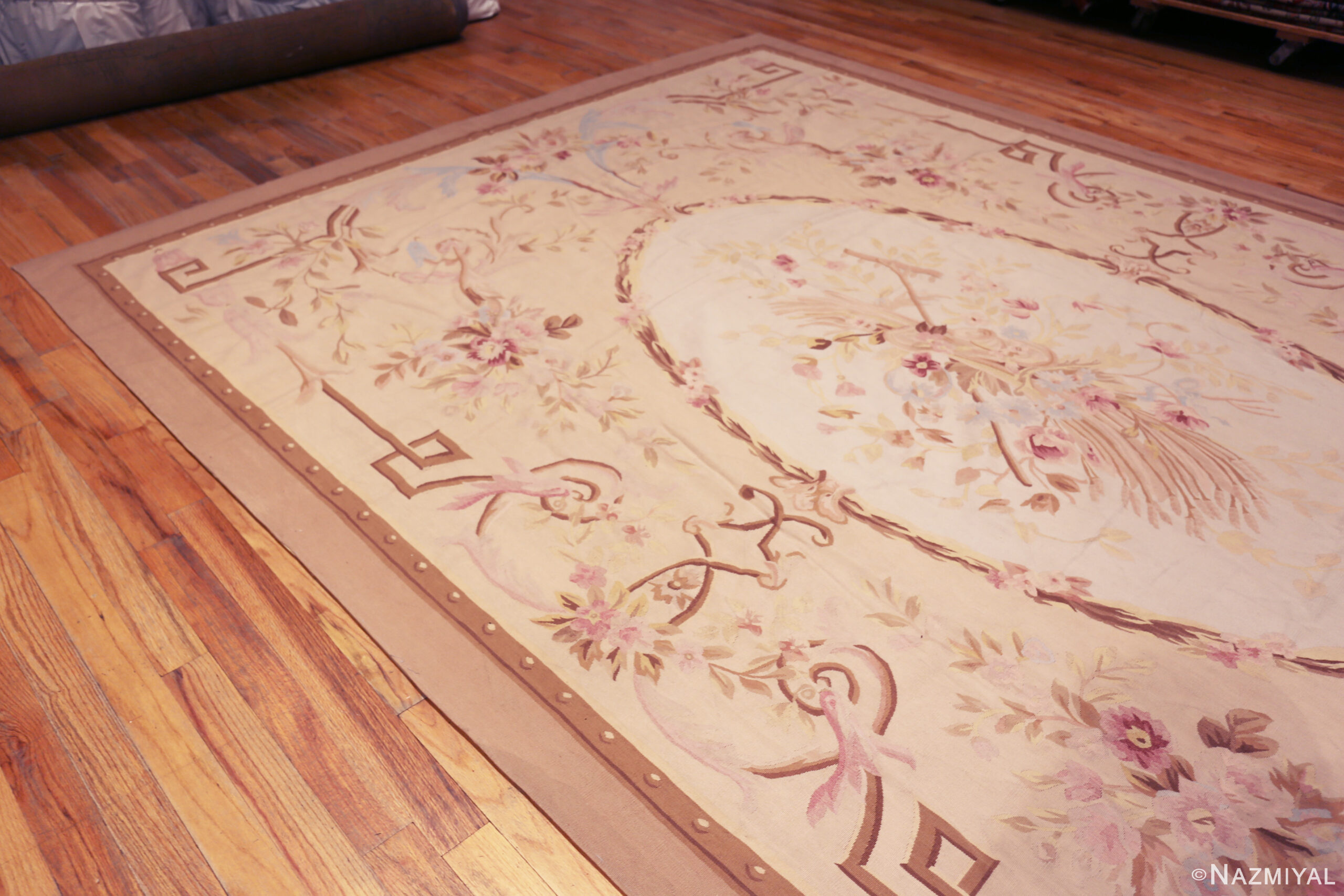
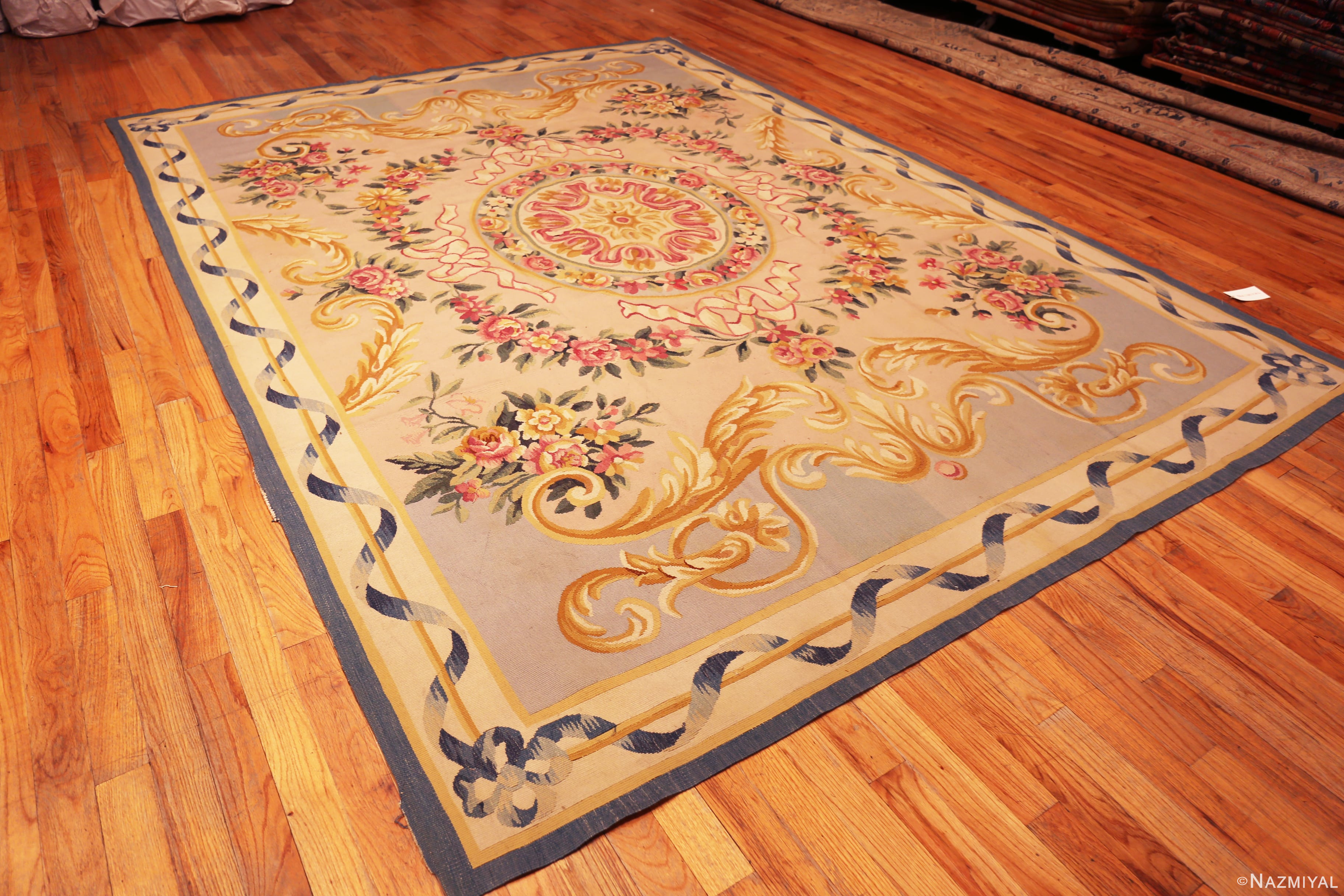
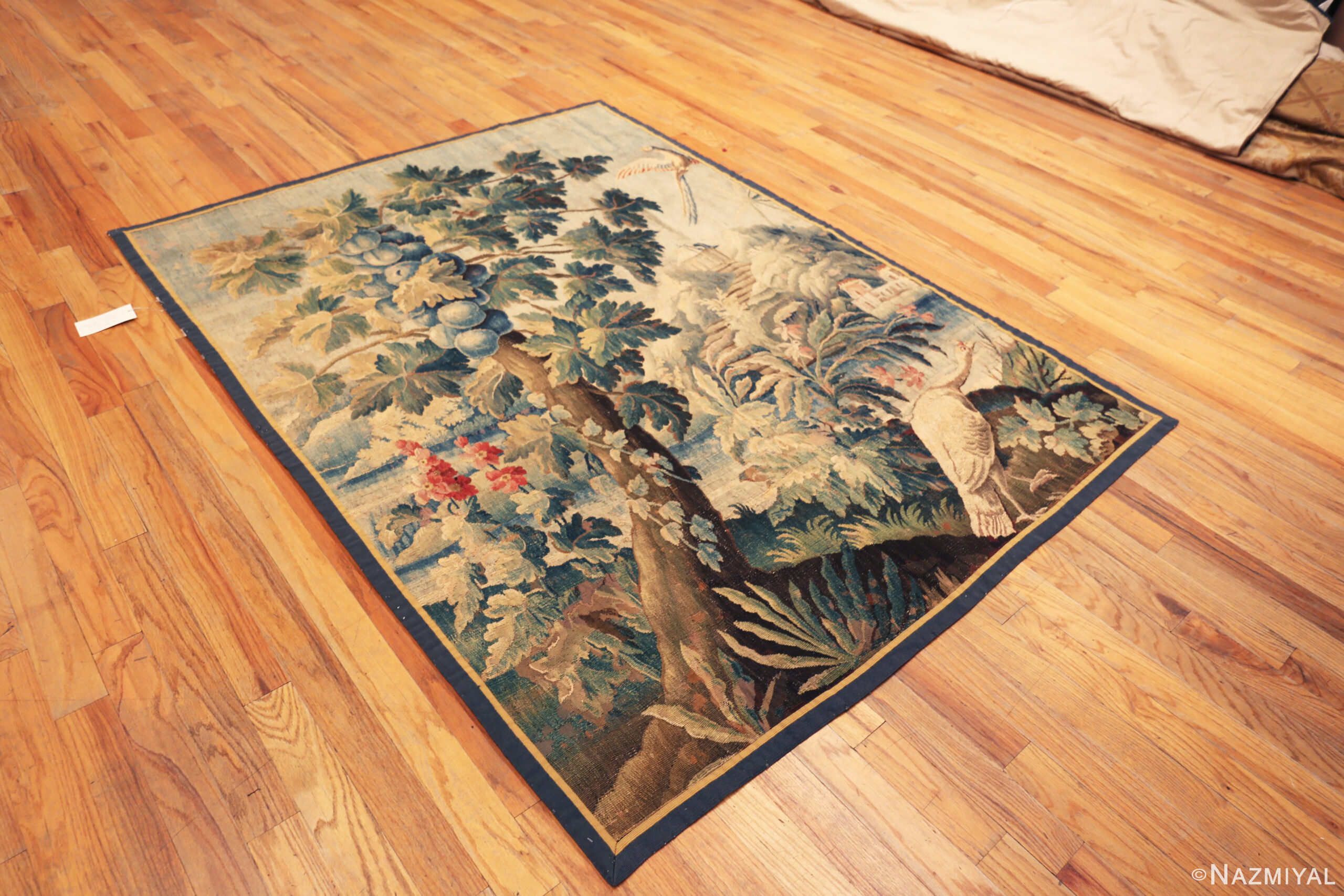
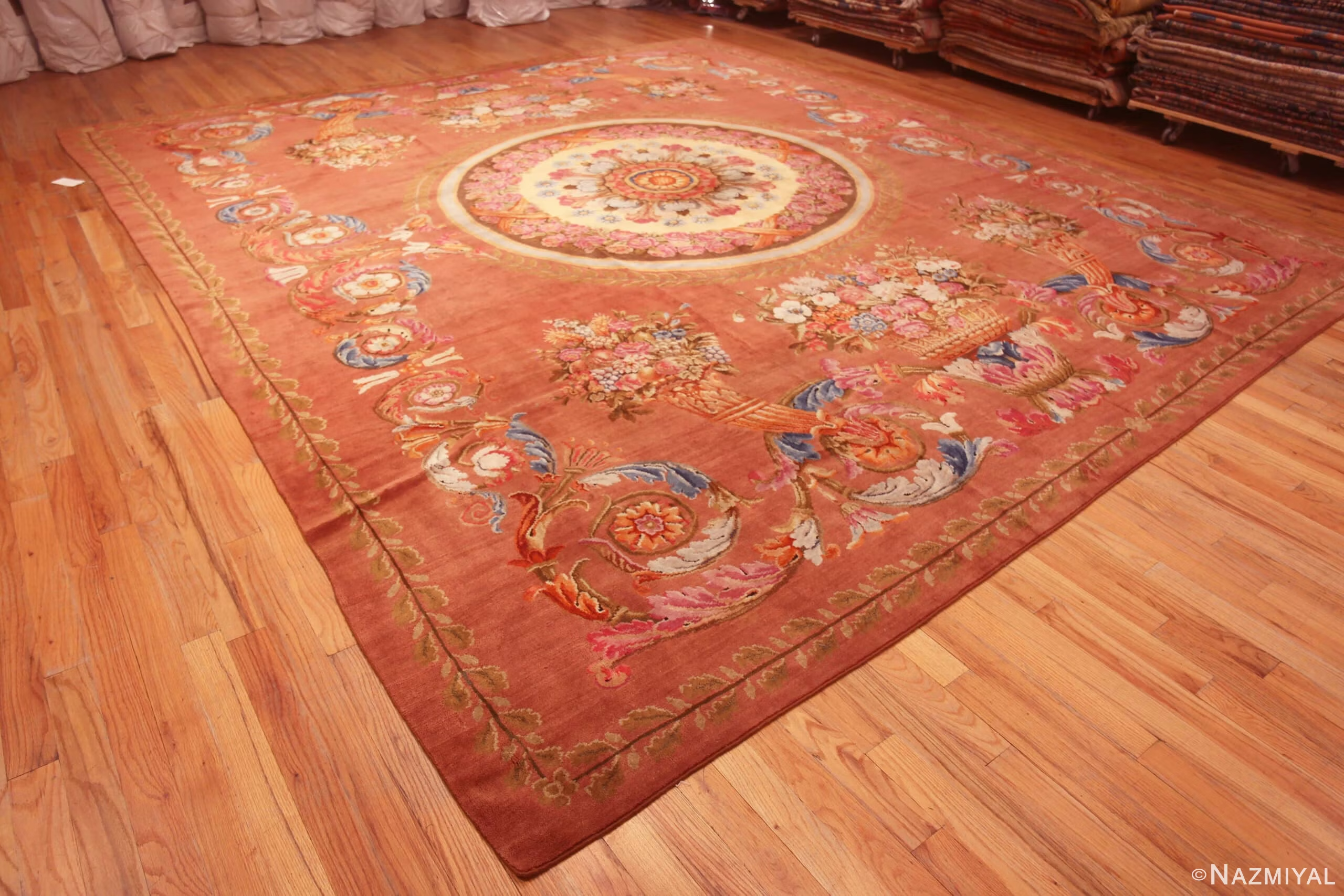
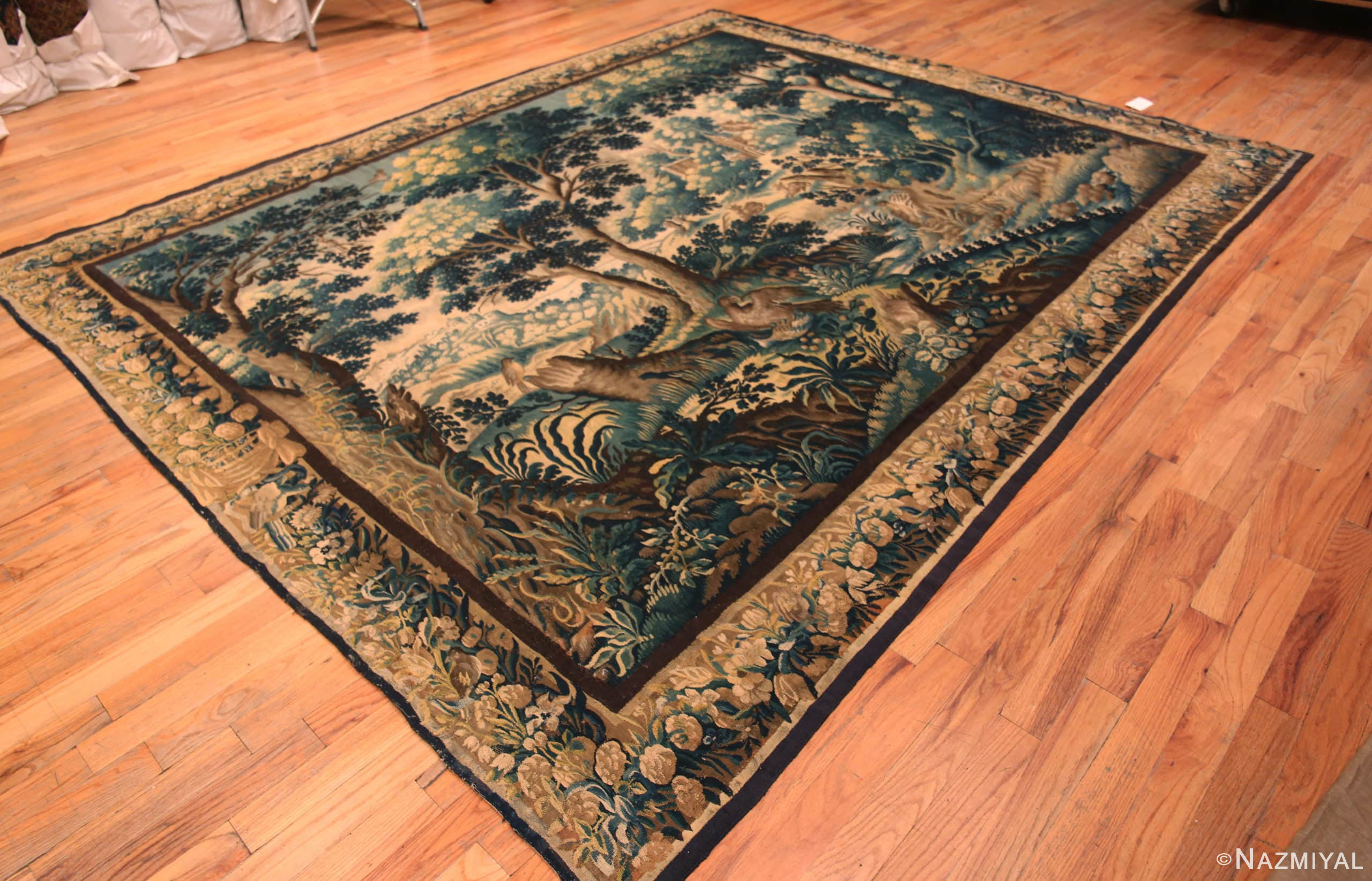
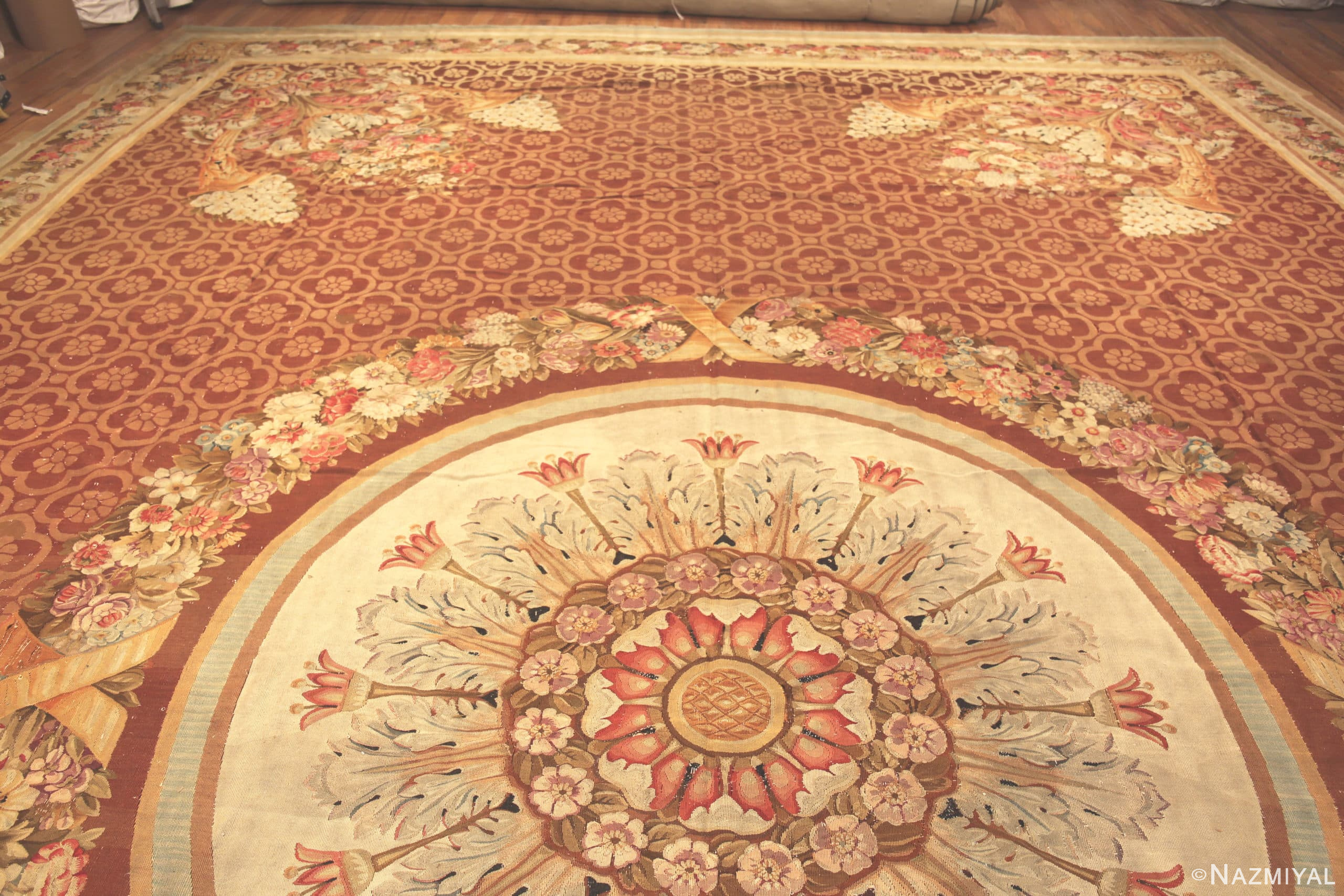
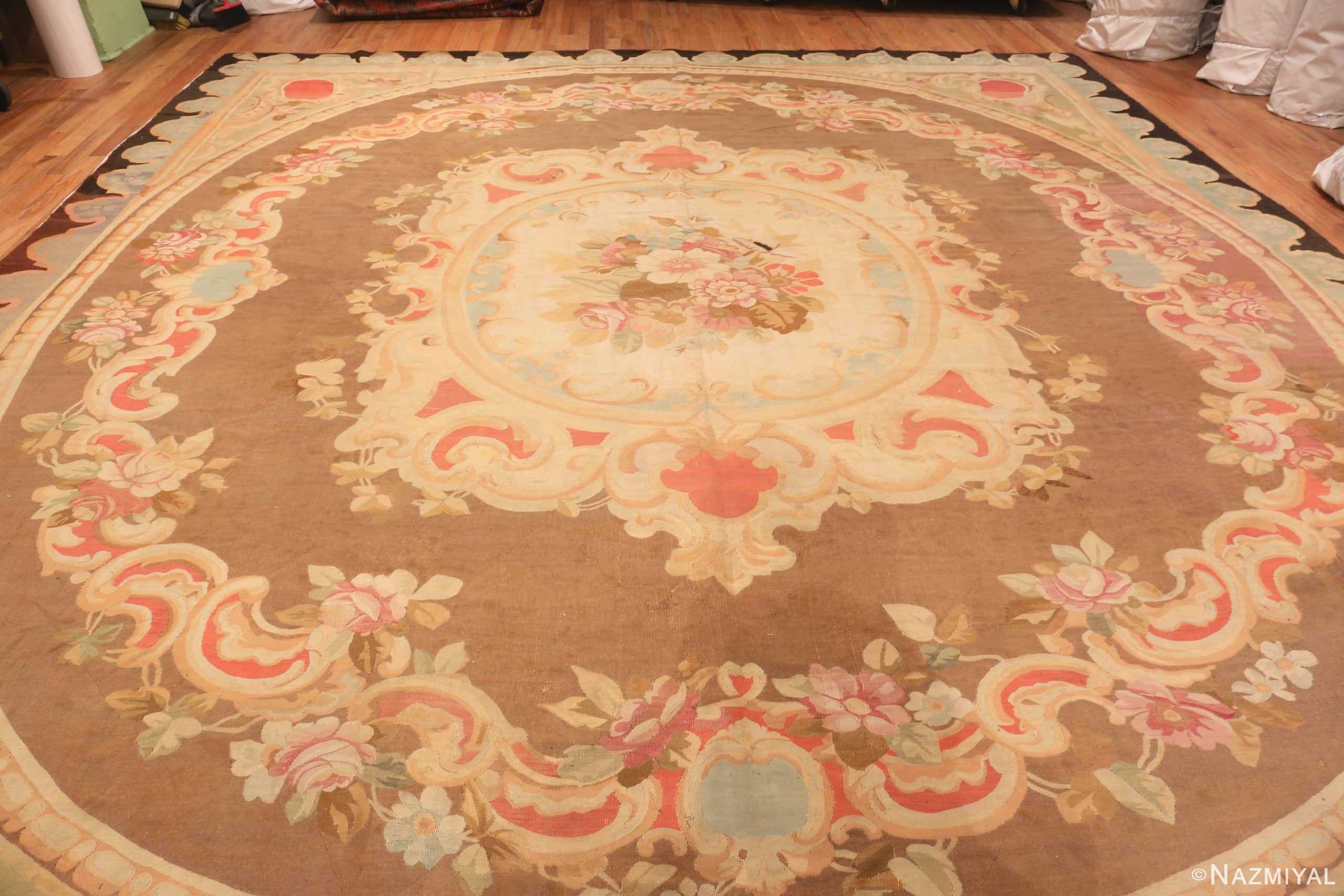
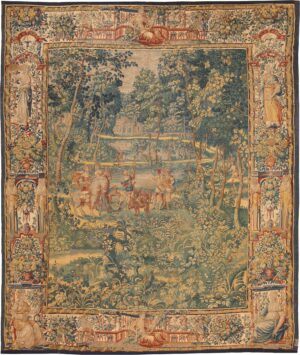
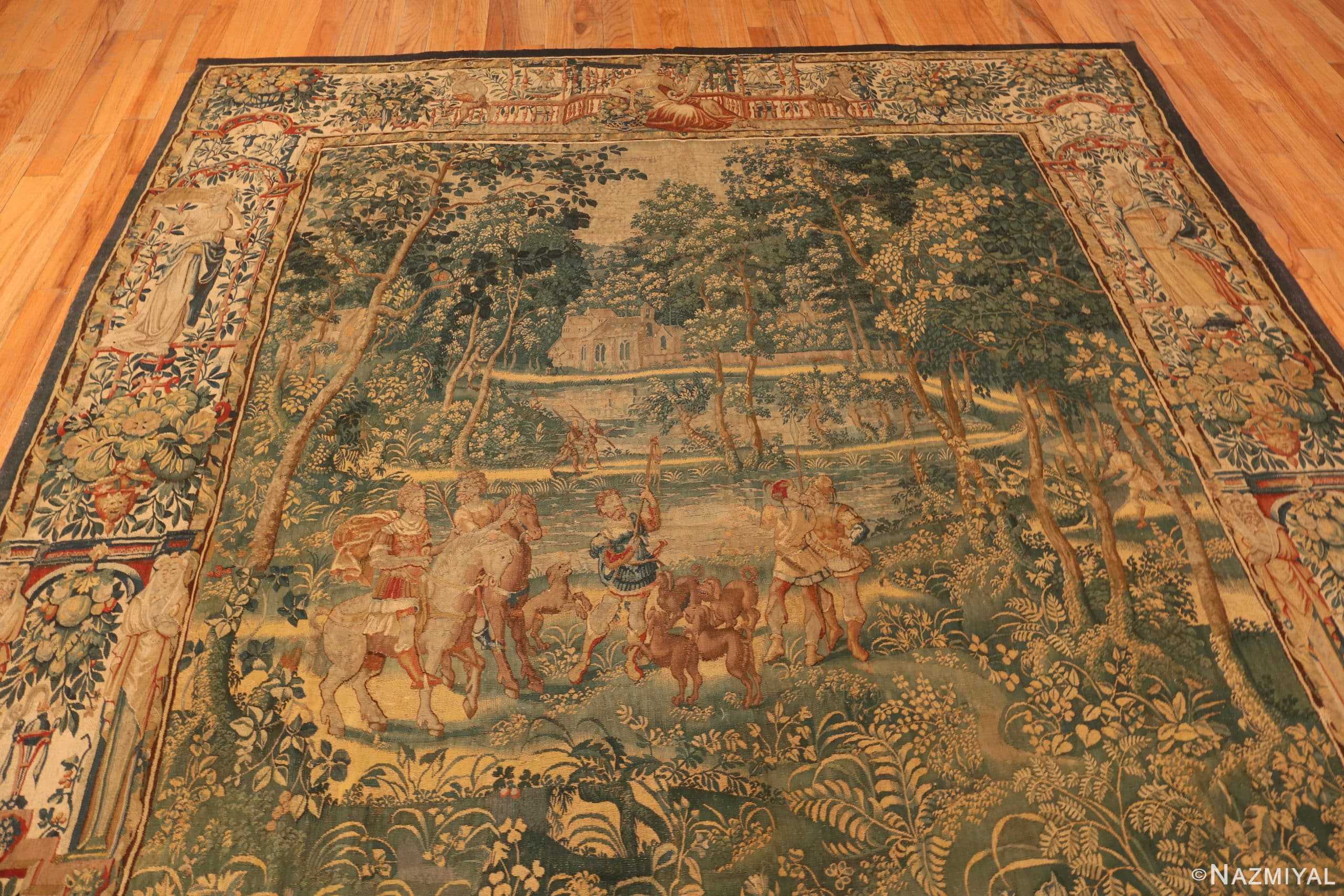
Oversized Antique French Aubusson Rug Nazmiyal Collection #70926
Key French styles & eras collectors look for
Louis XIV / Baroque: bold symmetry, grand flourishes, palace energy
Rococo / Louis XV: lighter movement, scrolls, florals, playful elegance
French rugs are a cheat code for making a room look “finished.”
Traditional rooms: echo architecture and elevate antiques
Modern interiors: add softness and history without visual clutter
Minimal spaces: choose quieter palettes (ivory, sand, celadon, pale blue)
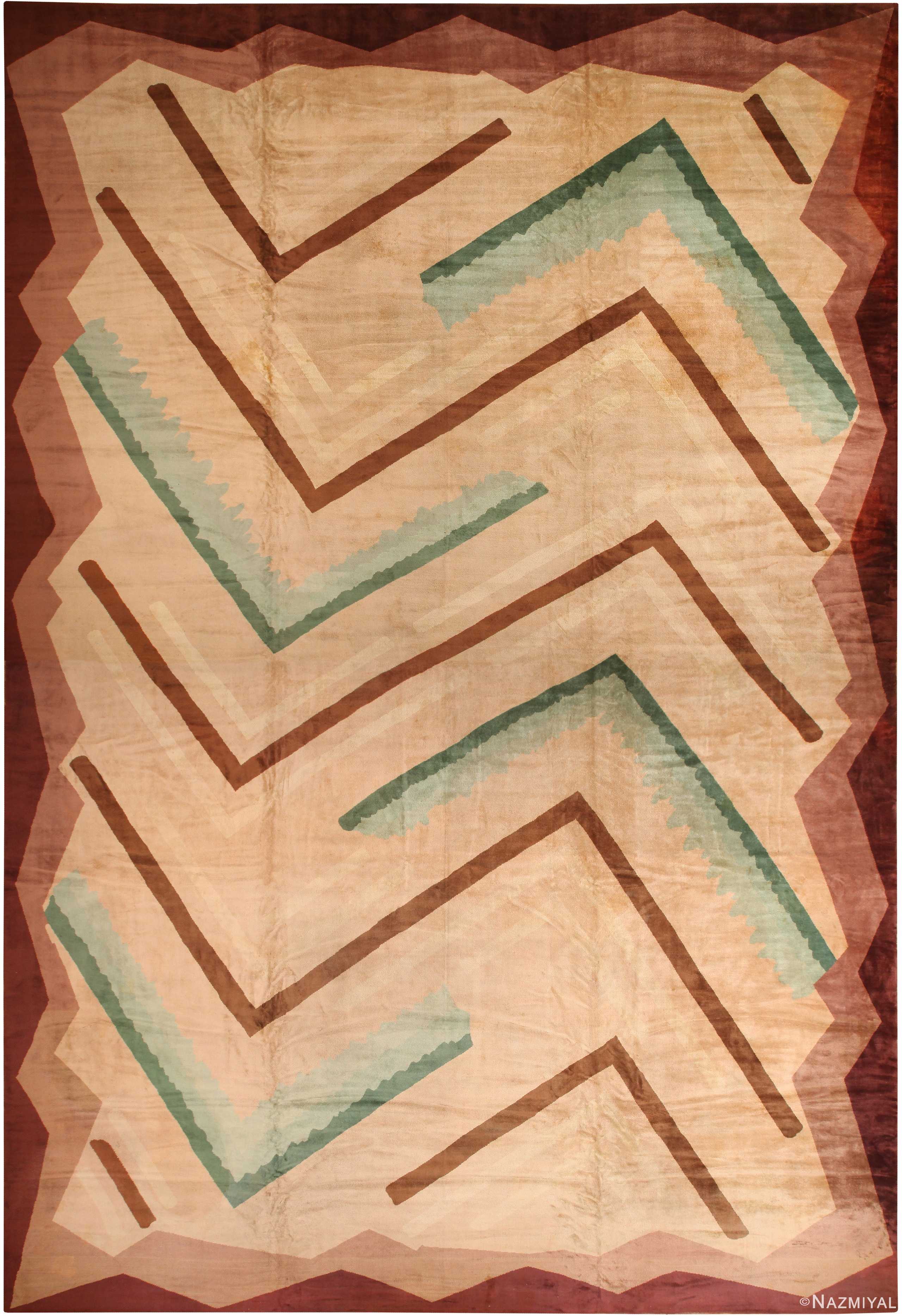
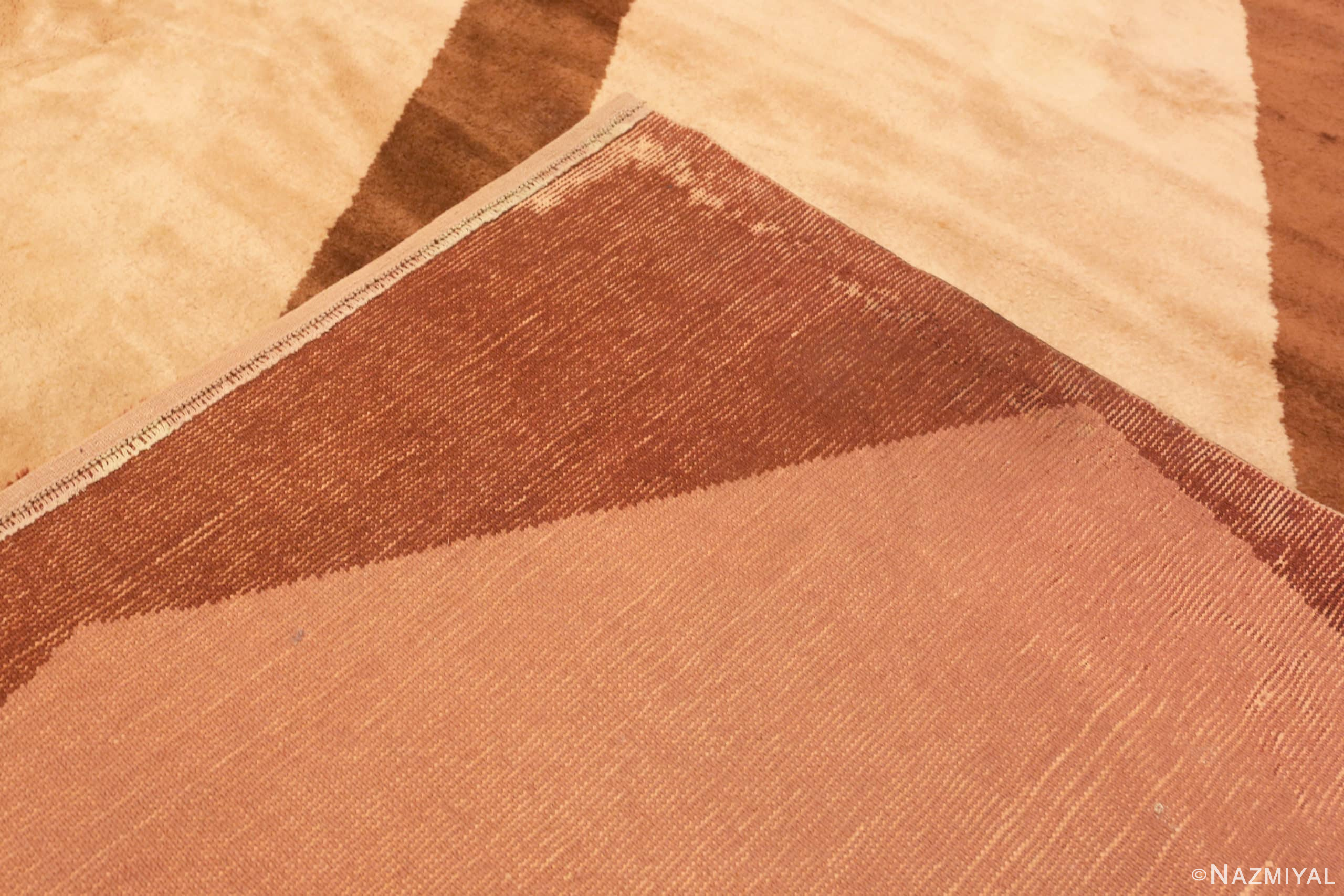
Eclectic rooms: Art Deco French rugs pair beautifully with mid-century and contemporary pieces
Designers often like French rugs because they’re decorative but controlled—ornament without chaos. If you’re sourcing professionally, see our Designer Trade Program.
Sizes, shapes & placement
Living rooms: anchor seating with the front legs on the rug (or full furniture on top for palatial scale)
Dining rooms: add 24–30 inches beyond the table on all sides for chair clearance
Bedrooms: large rugs under the bed or long runners beside it for a tailored look
Tip: For long galleries or corridors, a French runner or long-format tapestry weave can look spectacular and unexpected.
Care, cleaning & conservation
Vacuum gently (avoid aggressive beater bars on delicate weaves)
Rotate periodically for even wear
Keep out of prolonged direct sunlight if possible
For antique French weavings, professional cleaning matters—ask before using household spot removers
French Rugs vs English Rugs
French rugs tend to emphasize decorative elegance—garlands, scrollwork, medallions, and softer architectural palettes—often in Aubusson flatweaves and Savonnerie pile carpets.
English rugs frequently show different influences and are a great option when you want European character with a different historical accent.
Explore both: Shop French Rugs or view English rugs.
Explore More
Looking beyond France? Use our countries & cities hub to browse rugs by origin and compare regional approaches to color, materials, and design.
If you’d like help narrowing options by size, palette, and weaving type, our team can guide you quickly and precisely.
             Posted on Google        Clay Pendergrast     Trustindex verifies that the original source of the review is Google. My wife and I are so pleased with the antique Uzbek Bokhara Rug purchased from the Nazmiyal Collection. Not only does the rug have a spectacular design, it also was very reasonably priced. The way it transforms our living room, reconciling the classic modern furniture with the 1913 Craftsman interior is remarkable.         Posted on Google        Terence Hayes     Trustindex verifies that the original source of the review is Google. I have purchased multiple rugs at multiple Nazmiyal auctions and I am extremely pleased with the quality, price, and experience.  Highly recommended!         Posted on Google        Victor Florintsev     Trustindex verifies that the original source of the review is Google. The only ones I'd ever buy rugs from. The best.         Posted on Google        Jeffrey NeumanB     Trustindex verifies that the original source of the review is Google. I bought two gorgeous Serapi rugs from Farhad at Nazmiyal Rugs!  Beautiful carpets, fair prices and great service.  Very happy customer.  Farhad (the sales person) was very patient and gave us great service.         Posted on Google        john haid     Trustindex verifies that the original source of the review is Google. Alen is a gentleman and an expert.  Really great to work with.         Posted on Google        Edward Yasuna     Trustindex verifies that the original source of the review is Google. I recently purchased a modern Kandinsky rug from Nazmiyal Auctions.  It was just as described, and the director (Farhad) of the auctions had it sent to me quickly and safely.  Payment was easy, the rug was reasonably priced, and I highly recommend Nazmiyal Auctions and Antique Rugs.  Quality merchandise and first-class service.         Posted on Google        Nicholas Carr     Trustindex verifies that the original source of the review is Google. Had a excellent experience buying a rug in Nazmiyal's 1/18/26 online auction.  First, prior to the auction, viewing a number of lots at the 32nd St showroom (I had prepared a list from the online catalog). The staff were great to work with: helpful, knowledgable, honest, and flexible.  Second, after placing an online bid and winning the desired item, arranging payment and pickup was simple and straightforward. Everything went seamlessly and the overall experience was educational and fun. Many thanks to Jason and his team.         Posted on Google        Andrea Gared     Trustindex verifies that the original source of the review is Google. Everyone at Naziyal is proffessional, especially Jason and Farhad.
They are knowledgeable, truthful, and true gentlemen. I have sold several rugs through them and will always go to them first, to buy or sell. The best in the business!
Frequently Asked Questions
Most Aubusson rugs are tapestry/flatweave constructions with a smooth surface that shows crisp drawing.
Aubusson is typically flatter and painterly, while Savonnerie is typically a plush piled carpet with a more formal, palatial feel.
Often, yes—many were designed for salons and grand rooms, so oversized and room-size formats are common.
Yes. Their controlled ornament and sophisticated palette can soften minimalist rooms without feeling busy.
Use furniture placement as the guide. For living rooms, aim for at least the front legs on the rug; for dining rooms, add 24–30 inches beyond the table for chair clearance.
Construction, drawing quality, palette, age, rarity, size, and condition (including restorations) all influence value.
THE NAZMIYAL NEWSLETTER
Discover Your Next Favorite Rug
Get new arrivals, rug inspiration, educational blogs, and collection highlights delivered to your inbox.
By subscribing, you agree to receive marketing emails from Nazmiyal. Unsubscribe anytime. View our Privacy Policy.