Quick Navigation
Key Takeaways
- Refined Caucasian weaving: Shirvans are admired for precise articulation, strong color, and confident design structure.
- Format often runs long: many classic examples are narrow runners or prayer rugs, built for corridors, galleries, and layered collector interiors.
- Symbol + geometry balance: multi-medallion layouts, lattice/allover repeats, and iconographic devices are common—especially on deep indigo or madder-red grounds.
At-a-Glance Specs
- Region association: historic Shirvan (Caucasus), tied to present-day Azerbaijan
- Construction: hand-knotted wool pile rugs (foundation varies by workshop and period)
- Typical formats: runners and long narrow carpets; also prayer rugs and room-size pieces
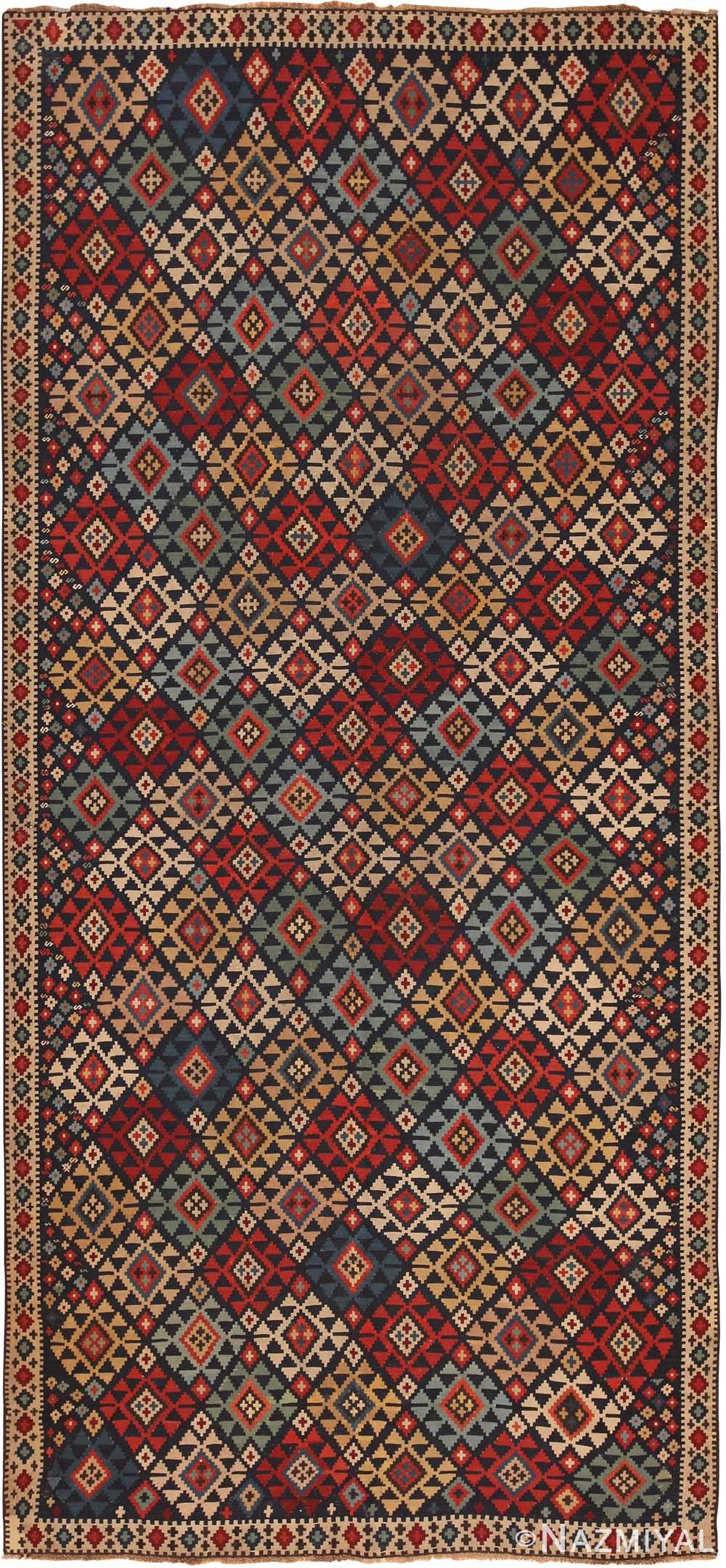
- Design language: stacked medallions • lattice/allover repeats • angular florals • symbolic devices • strong framing borders
- Color feel: saturated, high-contrast palettes (indigo, red, ivory, sky blue, emerald accents)
- Best rooms: hallways • entry galleries • libraries • living rooms • collector-focused interiors
- What to look for: crisp drawing • balanced negative space • stable edges/ends • honest condition and clean structure
Popular Searches
Runner rugs | Medallion layouts | Tribal rugs | Shop by color | Rug size guide | Prayer rugs
Featured Shirvan Rugs (Nazmiyal Collection)
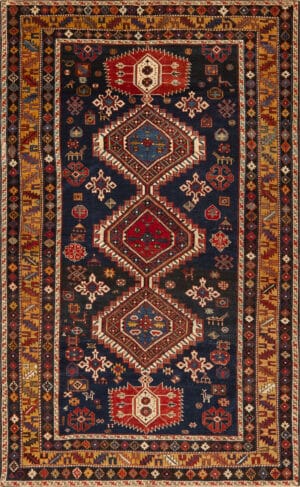
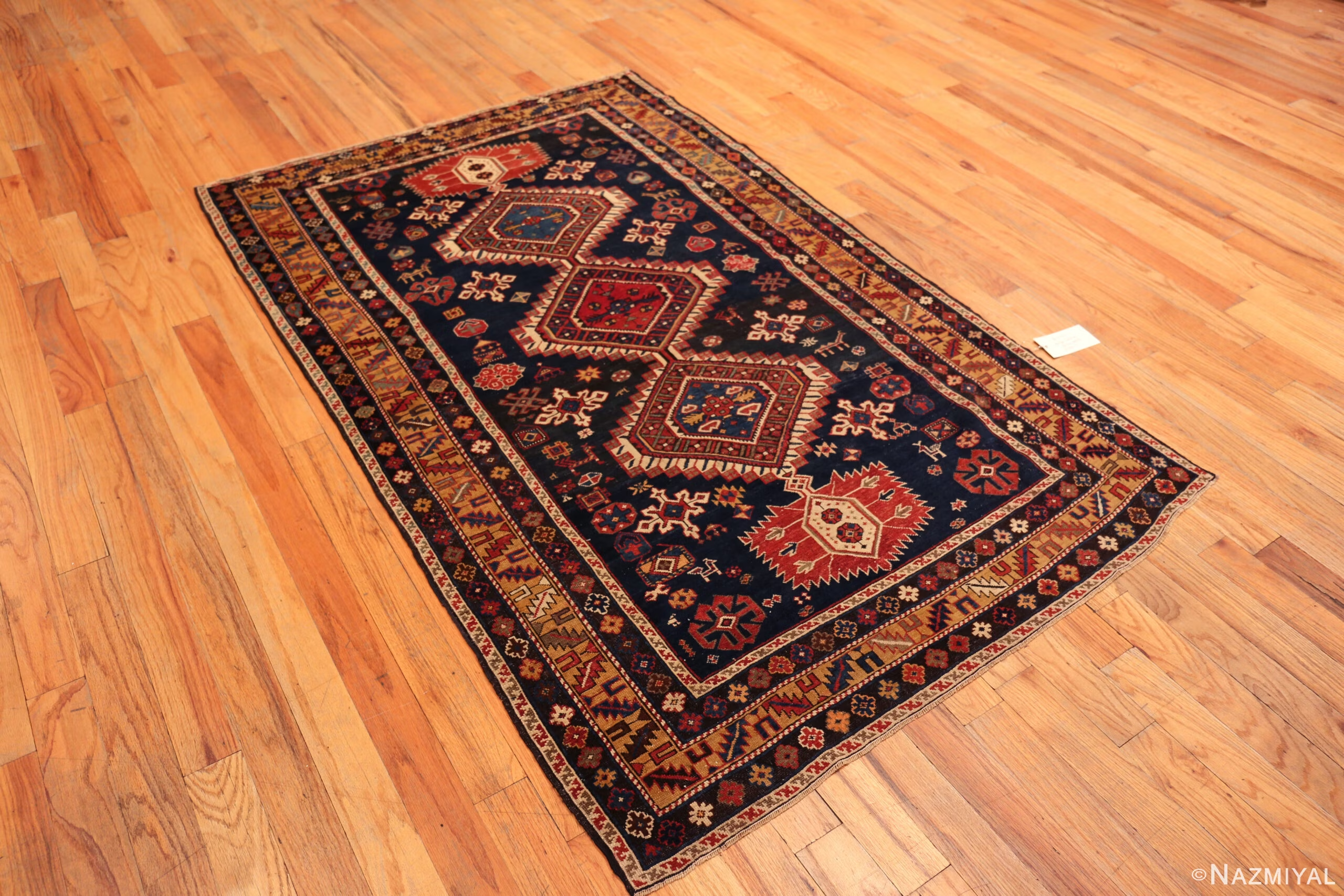
A quick “Featured 3” to match how collectors and designers shop Shirvan: one large statement carpet, one classic room-size, and one runner format.
Large Statement Carpet
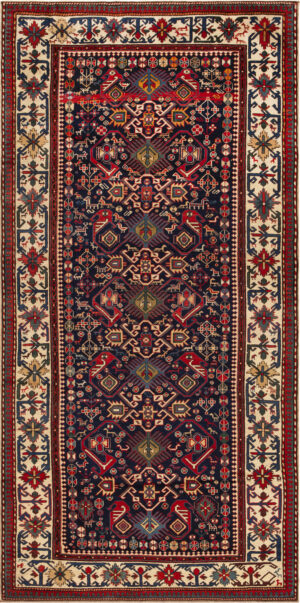
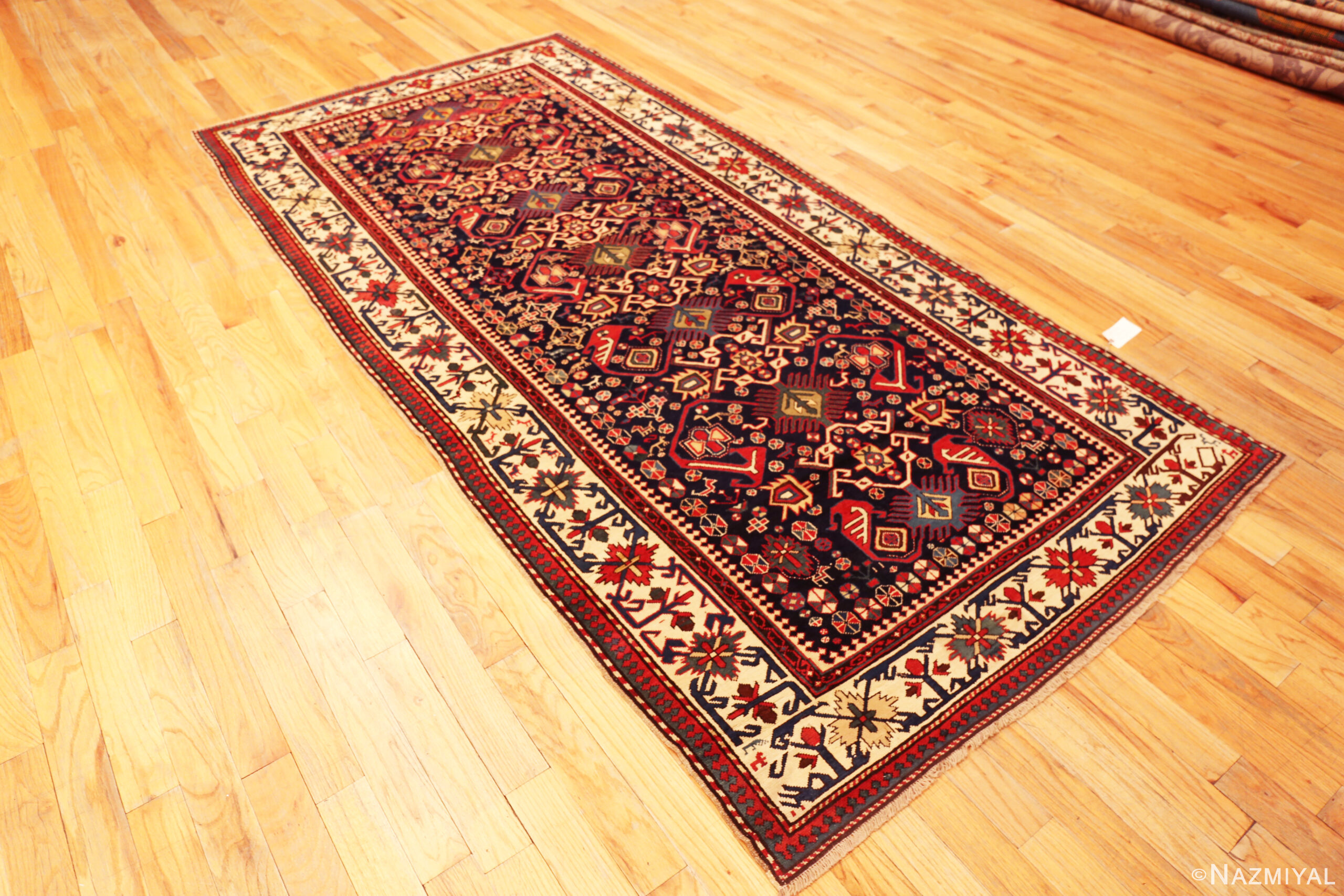
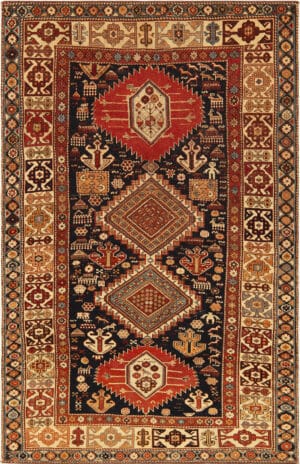
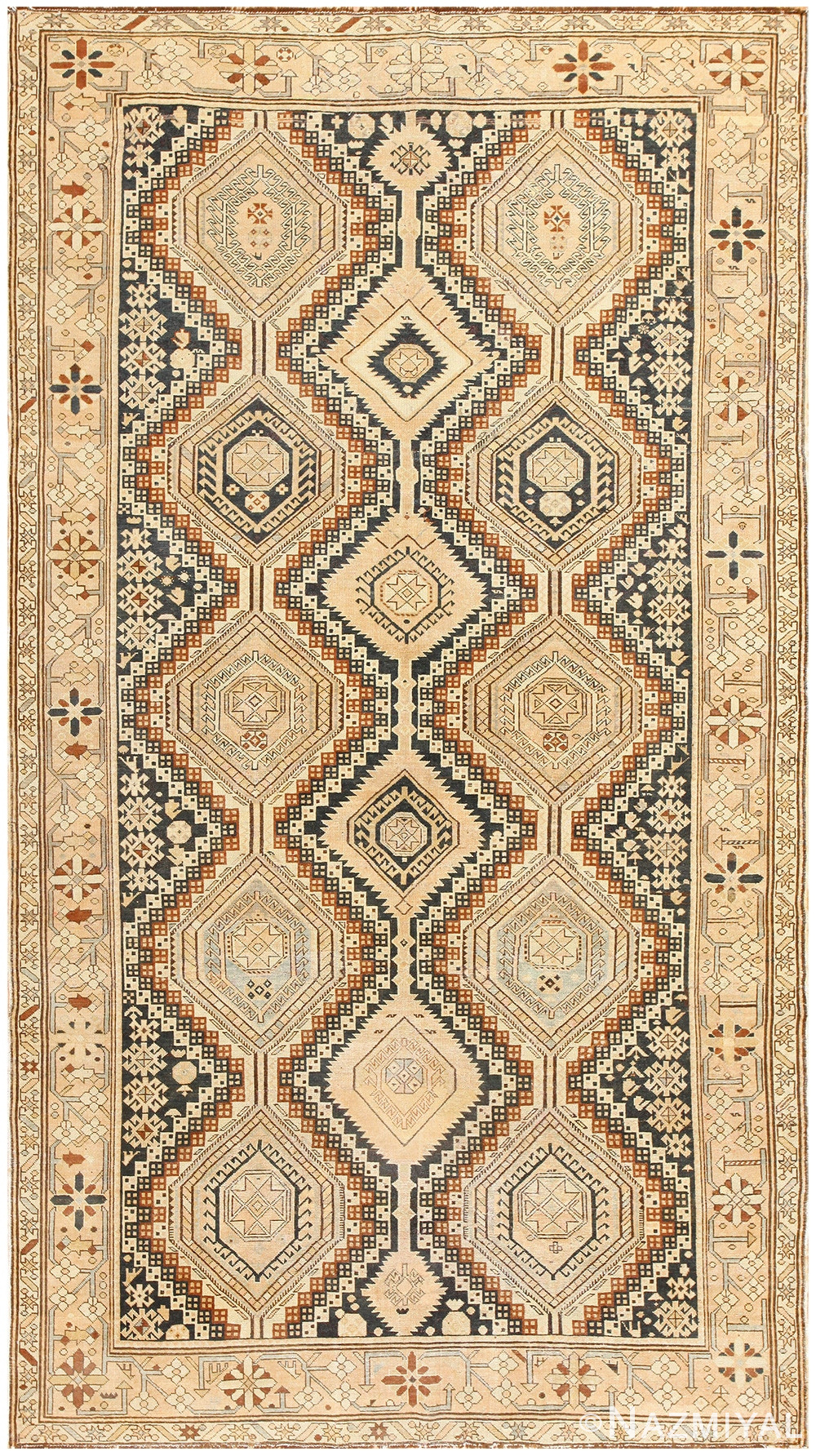
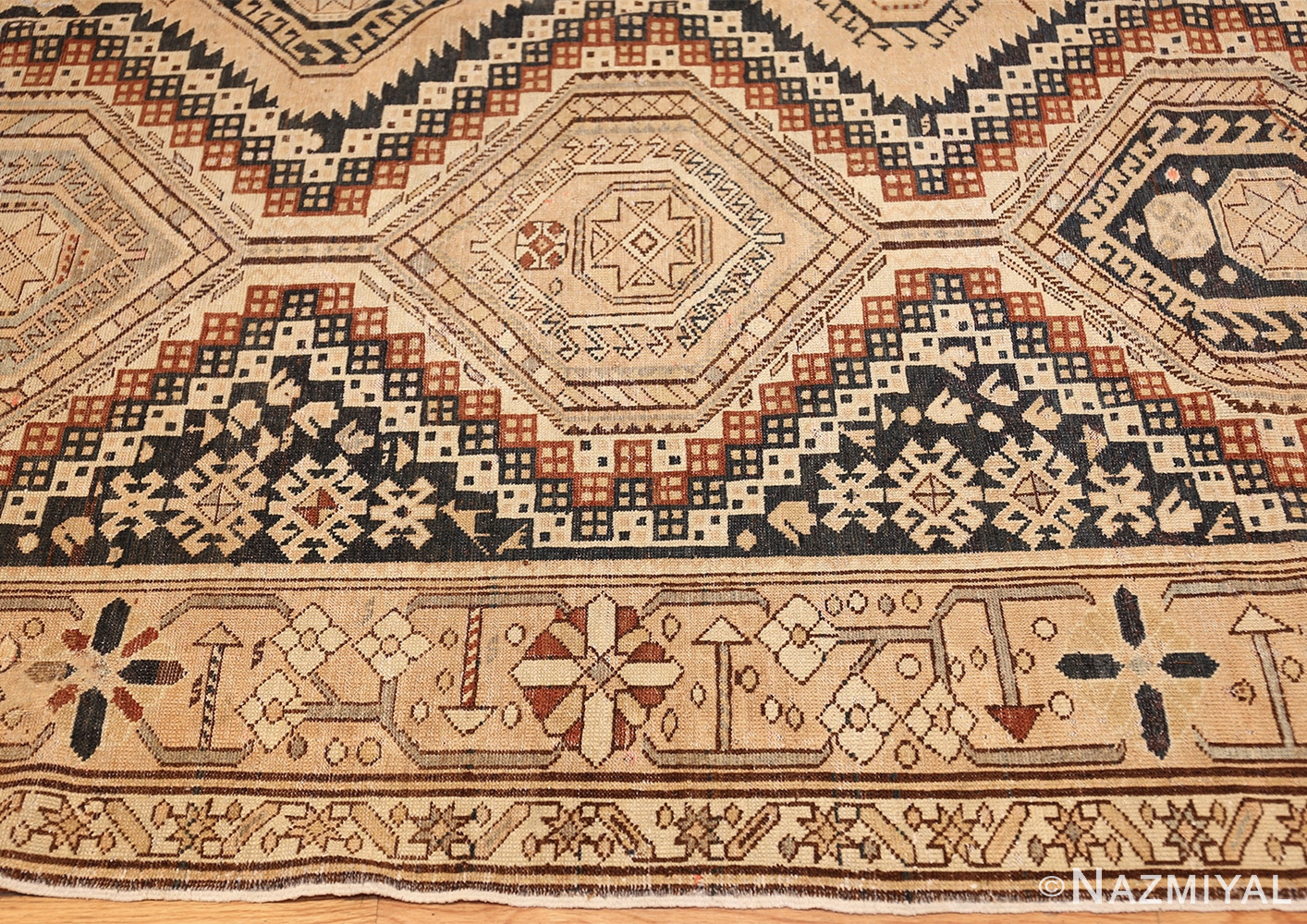
Earth Tone Tribal Large Antique Caucasian Shirvan Rug 50473
(circa 1920) — Size: 6 ft 3 in x 11 ft 3 in — a grounded palette with tribal energy and strong architectural presence.
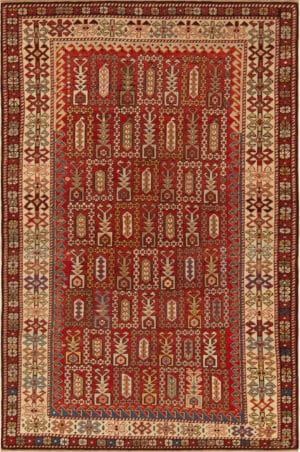
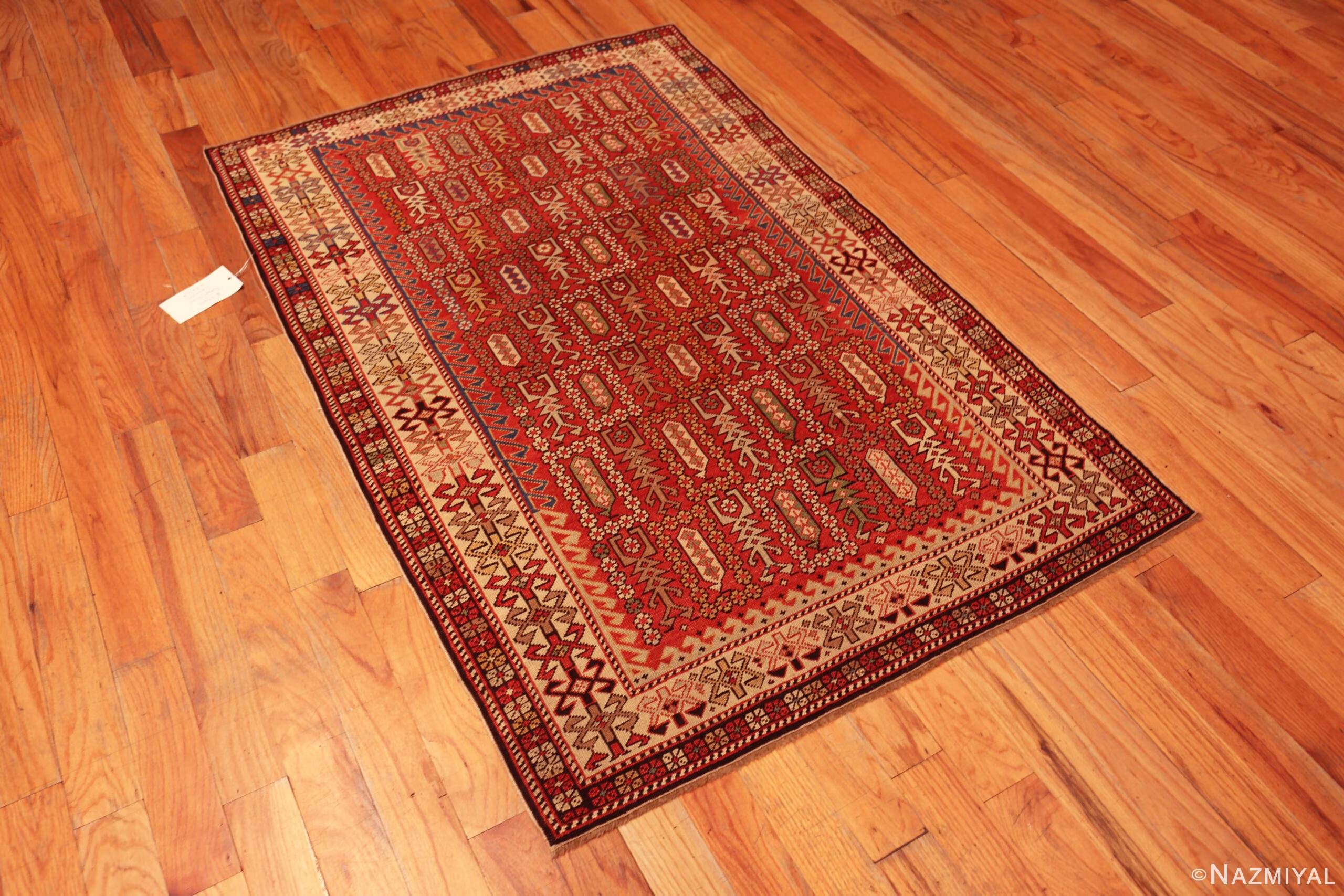
Classic Room-Size Shirvan
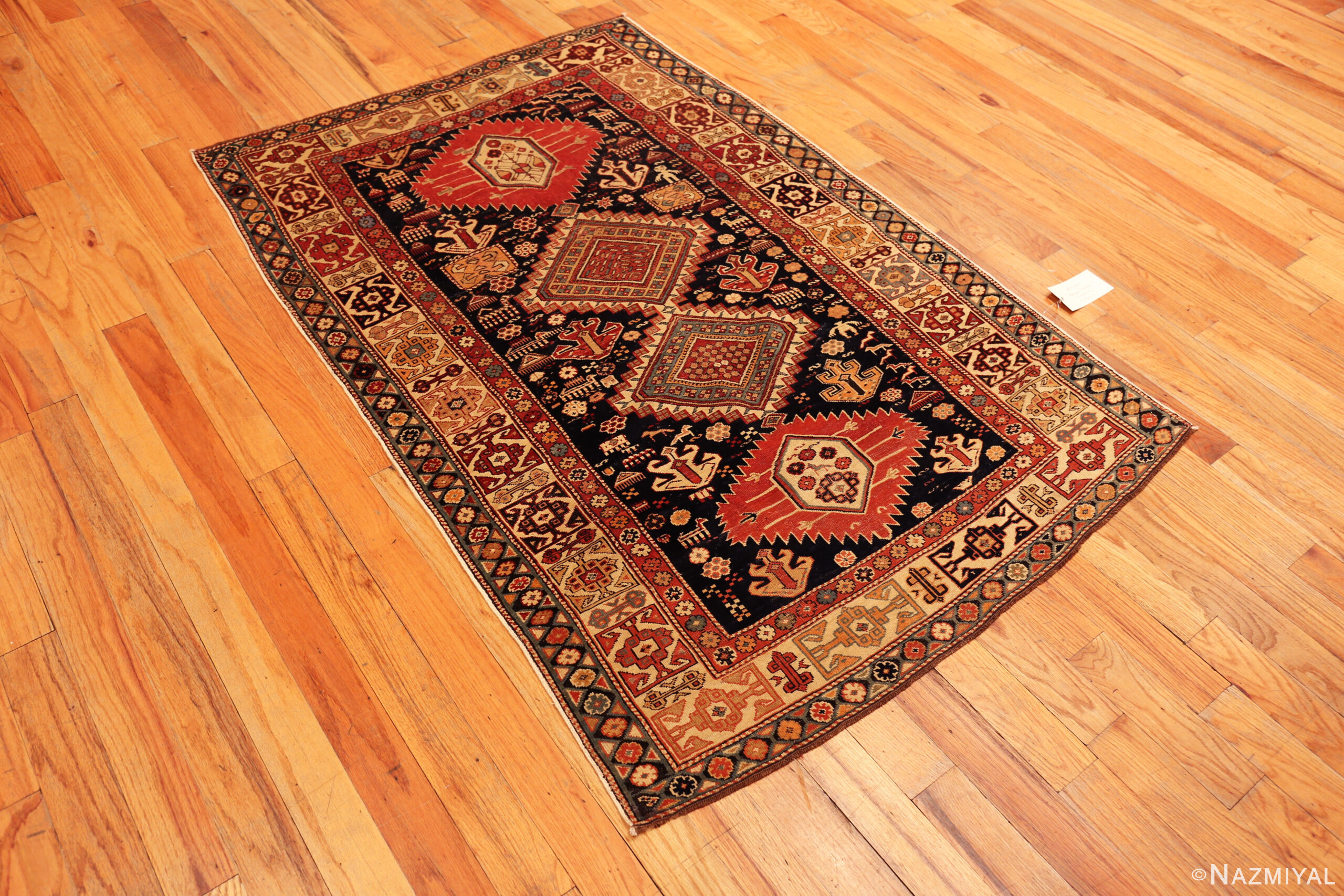
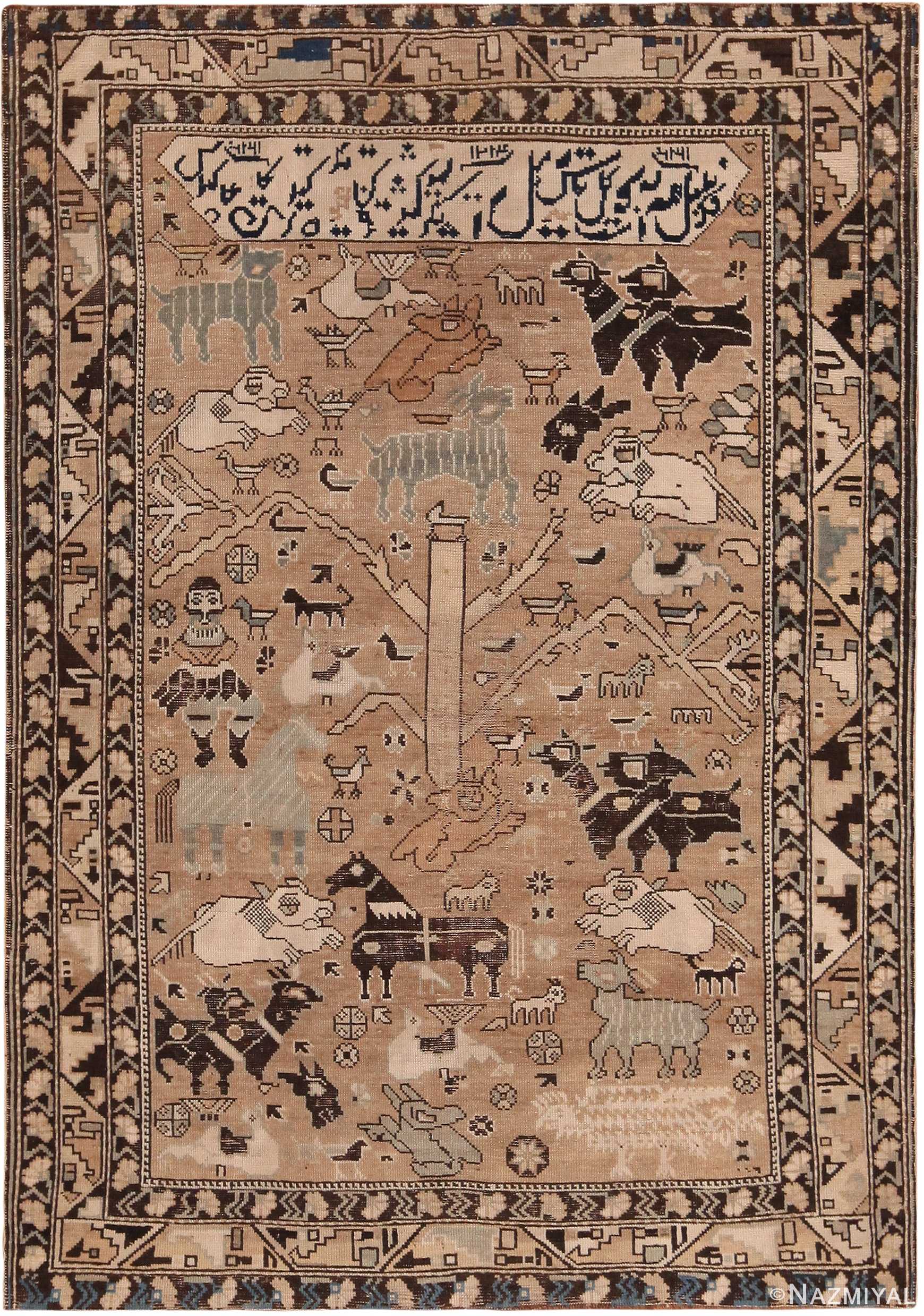
Gallery Size Tribal Antique Caucasian Shirvan Rug 70649
(circa 1900) — Size: 5 ft 9 in x 7 ft 11 in — refined drawing and rich color in a highly livable scale.
Runner Format
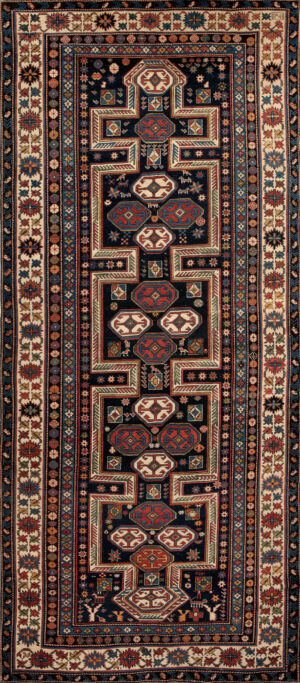
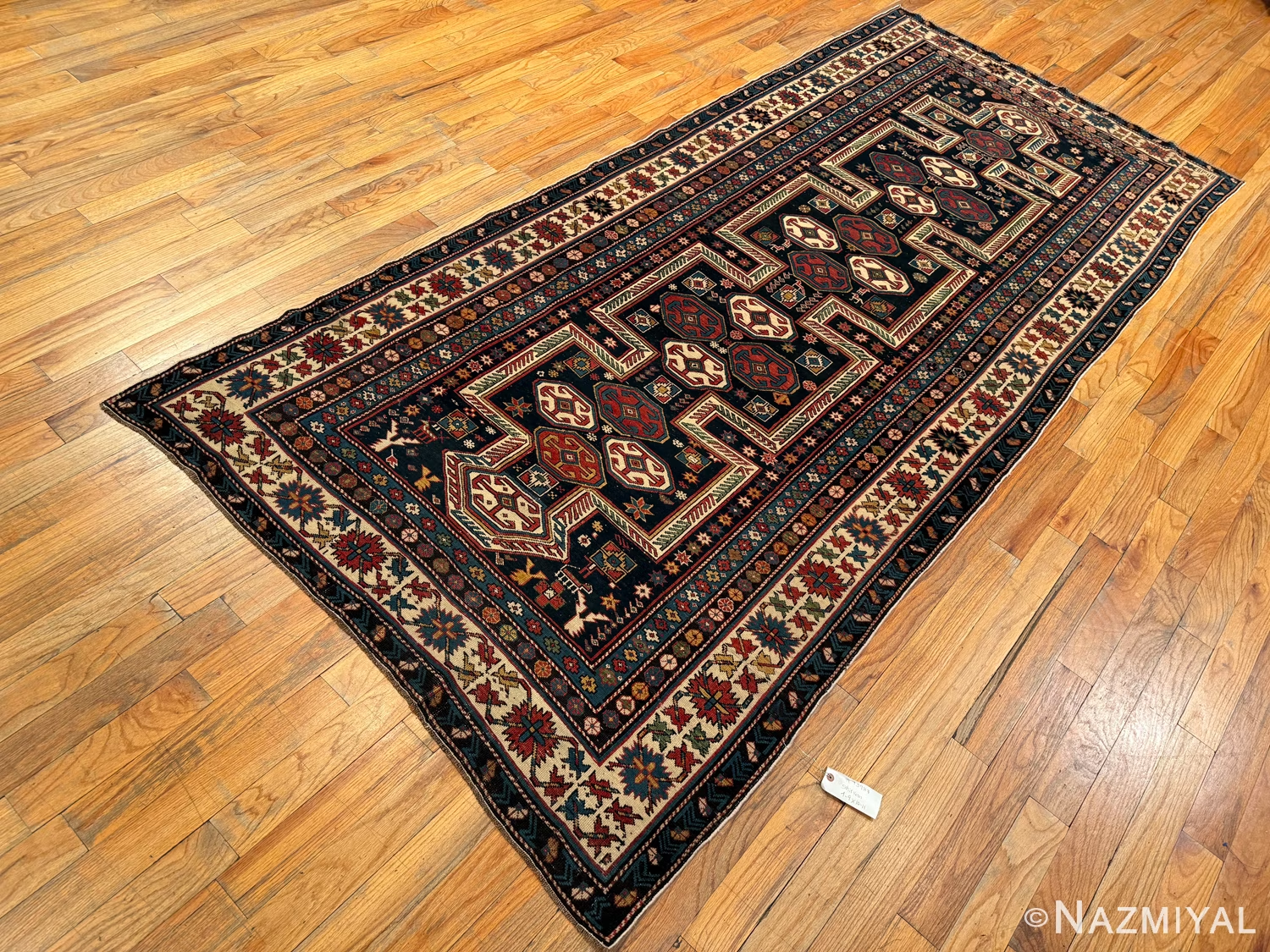
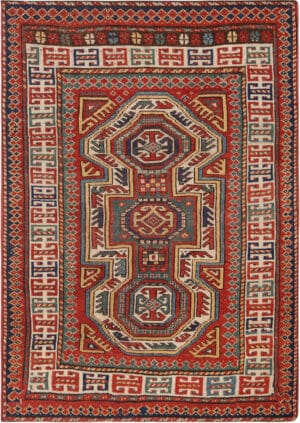
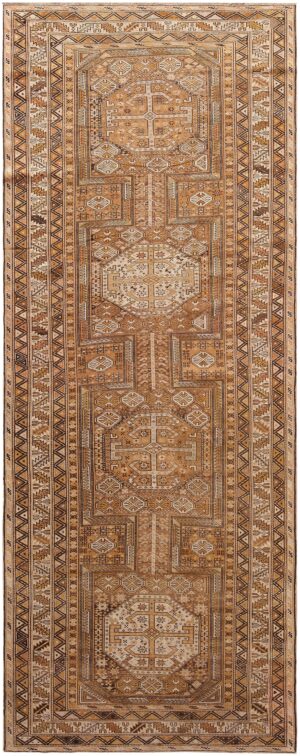
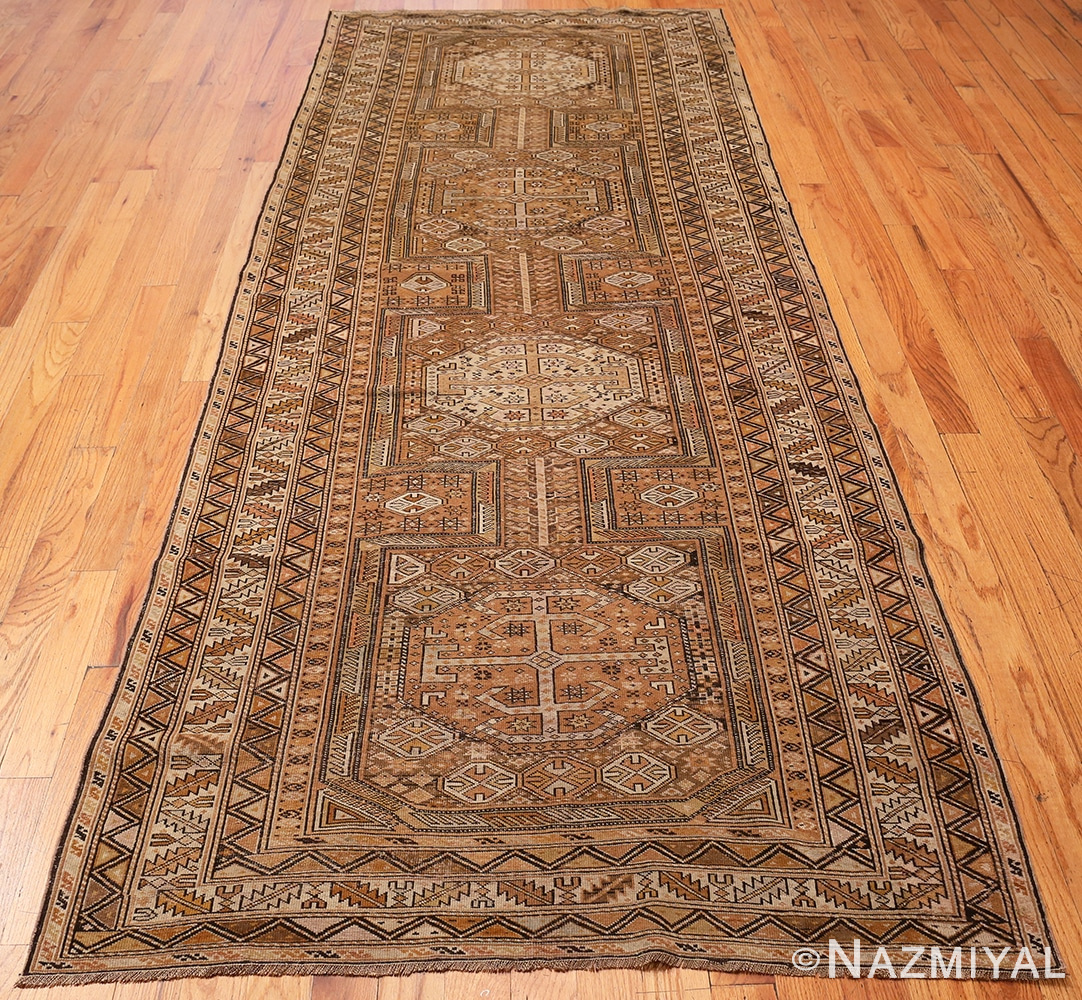
Geometric Antique Caucasian Shirvan Runner Rug 73180
(circa 1900) — Size: 3 ft 1 in x 7 ft 3 in — a corridor-friendly Shirvan with confident geometry and crisp border logic.
Where Do Shirvan Rugs Come From?
“Shirvan” refers to a historic district in the Caucasus, closely associated with present-day Azerbaijan. In the rug world, Shirvan is used both as a regional name and as a style family describing finely articulated, richly colored Caucasian carpets—often in long, narrow formats—made for domestic use and trade. You may also see nearby place names used to describe related weavings (villages, market centers, and districts), which is why design and construction are often more reliable identifiers than labels alone.
How to Identify a Good Shirvan Rug
- Format intelligence: many Shirvans are runners or elongated carpets that support stacked medallions and rhythmic repeats.
- Design clarity: strong outlines, legible medallions, and coherent secondary motifs that hold up from across the room.
- Color confidence: saturated, high-contrast palettes (often indigo/red/ivory) that feel deliberate rather than muddy.
- Border architecture: borders that “lock” the field and echo the rug’s internal rhythm (not an afterthought).
- Condition truthfulness: age wear is normal; prioritize structural stability at edges/ends and evaluate repairs realistically.
Signature Design Families
Shirvan design can be formal and intricate, but it stays graphic and readable. Common families you’ll see include:
- Multi-medallion Shirvans: stacked or paired medallions that create a strong vertical cadence (especially in runners).
- Allover lattice / Afshan-style repeats: angular arabesques and sprigs that fill the field without feeling crowded.
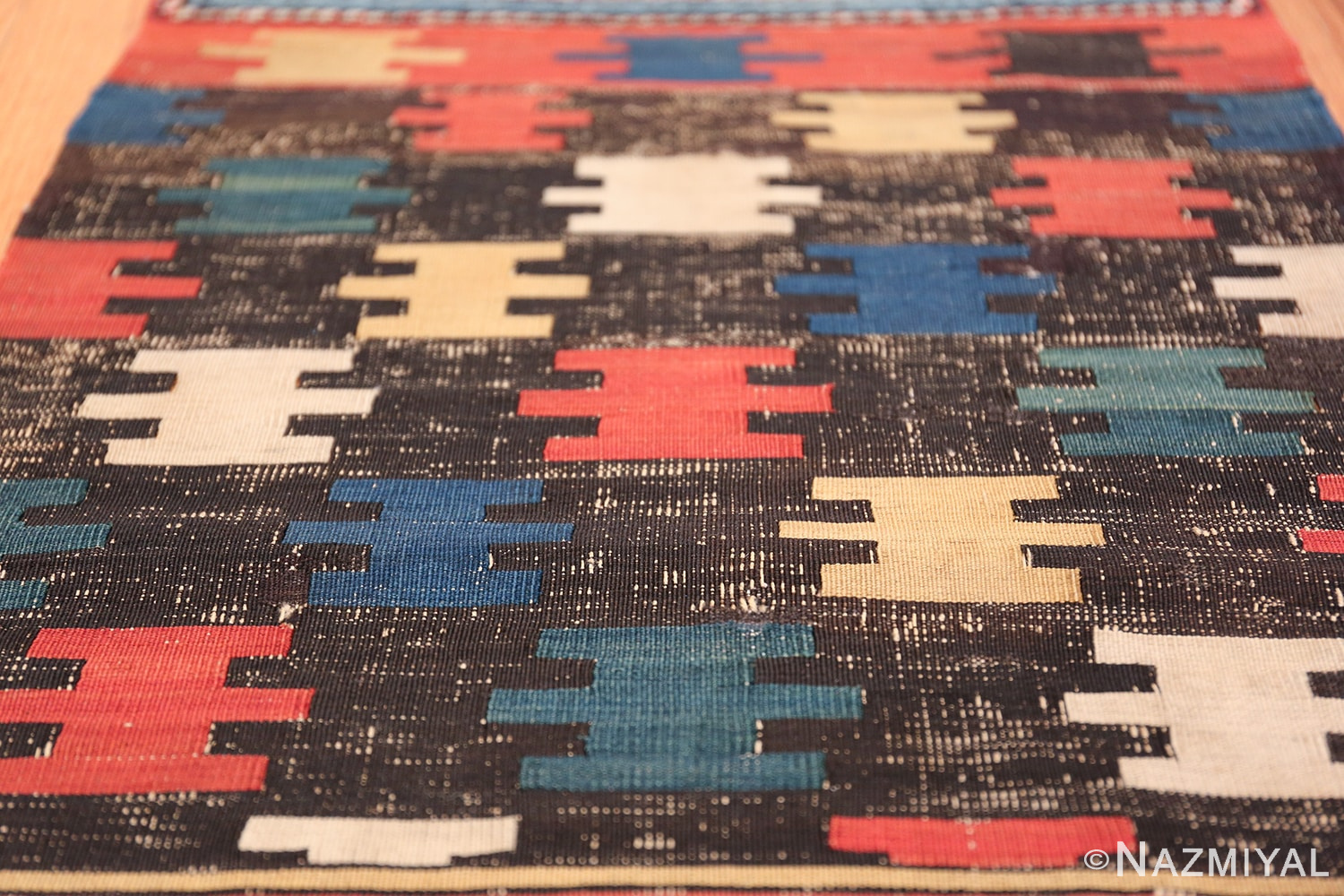
- Symbol-rich compositions: iconographic devices, rosettes, hooked forms, and small protective motifs integrated into structure.
- Prayer-rug formats: mihrab structures rendered with Caucasian geometry and bold color contrast.
Decorating With Shirvan Rugs
Shirvans are especially effective when you want pattern that feels curated rather than loud: they’re graphic, detailed, and often perfectly scaled for hallways and layered rooms. If you want to compare by era as you decorate, cross-shop antique rugs, vintage rugs, and modern rugs to match the room’s tone.
- Hallways & galleries: long Shirvan runners add rhythm and color while staying slim and architectural.
- Living rooms: use the border to frame a seating group; Shirvan geometry pairs beautifully with both antiques and clean-lined furniture.
- Libraries & studies: saturated palettes and fine detail make a space feel finished instantly.
- Layering strategy: Shirvans can sit under a quieter top layer (shearling, flatweave) or stand alone as the room’s “pattern engine.”
Closest Cousin: Shirvan Rugs vs Kuba Rugs
Shirvan and Kuba rugs are closely related within the Caucasian weaving world, but they often “read” differently in an interior. Shirvan tends to emphasize elongated cadence, medallion rhythm, and symbol-rich structure, while Kuba frequently leans into crisp allover repeats and decorative refinement.
Closest cousin: Kuba rugs
| Feature | Shirvan | Kuba |
| Common formats | Runners, elongated carpets, prayer rugs | Often room-size and decorative allover formats |
| Design feel | Medallion rhythm, symbols, structured geometry | Crisp repeats, refined decorative patterning |
| Best when you want | Architectural cadence and collector detail | Allover elegance and decorative clarity |
Also Compare: Shirvan Rugs vs Kazak Rugs
If you prefer bolder scale and a more graphic “big-shape” look, compare Shirvans with Kazak rugs. Kazaks often amplify scale and contrast, while Shirvans typically deliver finer articulation and denser detail.
Care Notes
- Vacuum gently; avoid aggressive beater bars (especially near ends and edges).
- Rotate periodically for even wear and balanced light exposure.
- Use a quality rug pad to reduce abrasion and keep the rug stable.
- Blot spills—don’t scrub—and avoid harsh spot chemicals.
- For cleaning and restoration, use a specialist familiar with antique Caucasian rugs.
Glossary
Medallion: a dominant central motif, often repeated or stacked in long-format rugs.
Field: the main interior ground of the rug where primary motifs live.
Border: the framing system that surrounds and stabilizes the field visually.
Motif: a repeatable design element (rosette, hook, sprig, device).
Full A–Z: Rug Glossary
FAQ
Are Shirvan rugs antique?
Many classic Shirvan rugs date to the late 19th and early 20th centuries, though later examples exist. Whether a specific piece qualifies as “antique” depends on its date and documentation.
Are Shirvan rugs usually runners?
Shirvans are famous for long, narrow formats—runners and elongated carpets are common—though room-size and prayer-rug formats also appear.
What colors are typical in Shirvan rugs?
Many Shirvans show saturated, high-contrast palettes—often deep indigo, red, and ivory—supported by smaller accents (sky blue, green, yellow, or black) depending on the piece.
How do I choose between Shirvan and Kuba?
If you want elongated cadence, medallion rhythm, and symbol-rich structure, Shirvan is often a great fit. If you prefer crisp allover repeats and decorative refinement, consider Kuba rugs.
What should I look for in condition?
Prioritize stable edges and ends, coherent design visibility, and honest repairs. Age wear can be acceptable—structural instability should be reflected in price and restoration needs.
Nazmiyal White-Glove Service
We make it easy to shop with confidence—whether you’re choosing a single statement piece or curating a full room.
Nazmiyal Collection has been a trusted source for antique rugs and vintage carpets for over 45 years. Our NYC gallery curates one-of-a-kind pieces with an emphasis on authenticity, provenance, and lasting decorative value.
Need help? Call us at (212) 545-8029 or visit our New York City showroom to work with a rug expert.