Quick Navigation

Antique tribal rugs bring graphic energy, warmth, and history into contemporary interiors.
Key Takeaways
- Graphic geometry is the signature: tribal rugs often favor bold, simplified drawing over strict workshop symmetry.
- Motifs act like a visual language: you’ll see emblems, protective devices, stylized animals, and abstracted florals.
- Built for real life: resilient wool and practical formats (especially runners and small pieces) are common in older examples.
Tribal Rugs at a Glance
- Where they come from: Persia (Iran), the Caucasus, Anatolia (Turkey), Central Asia, and North Africa
- Weave types: hand-knotted pile rugs and flatweaves (including kilims and other utility textiles)
- Common formats: small mats, area rugs, long runners, and tribal storage weavings (varies by community)
- Design traits: bold borders, geometric medallions, repeated emblems, and intentional variation
- Color behavior: older pieces may show softened palettes, abrash, and gentle age-related mellowing
- What to look for: honest wear, strong structure, lively drawing, and balanced scale for your room
Popular Tribal Rug Searches
hallway runner rugs | small rugs | rug patterns | rug colors | rug size guide
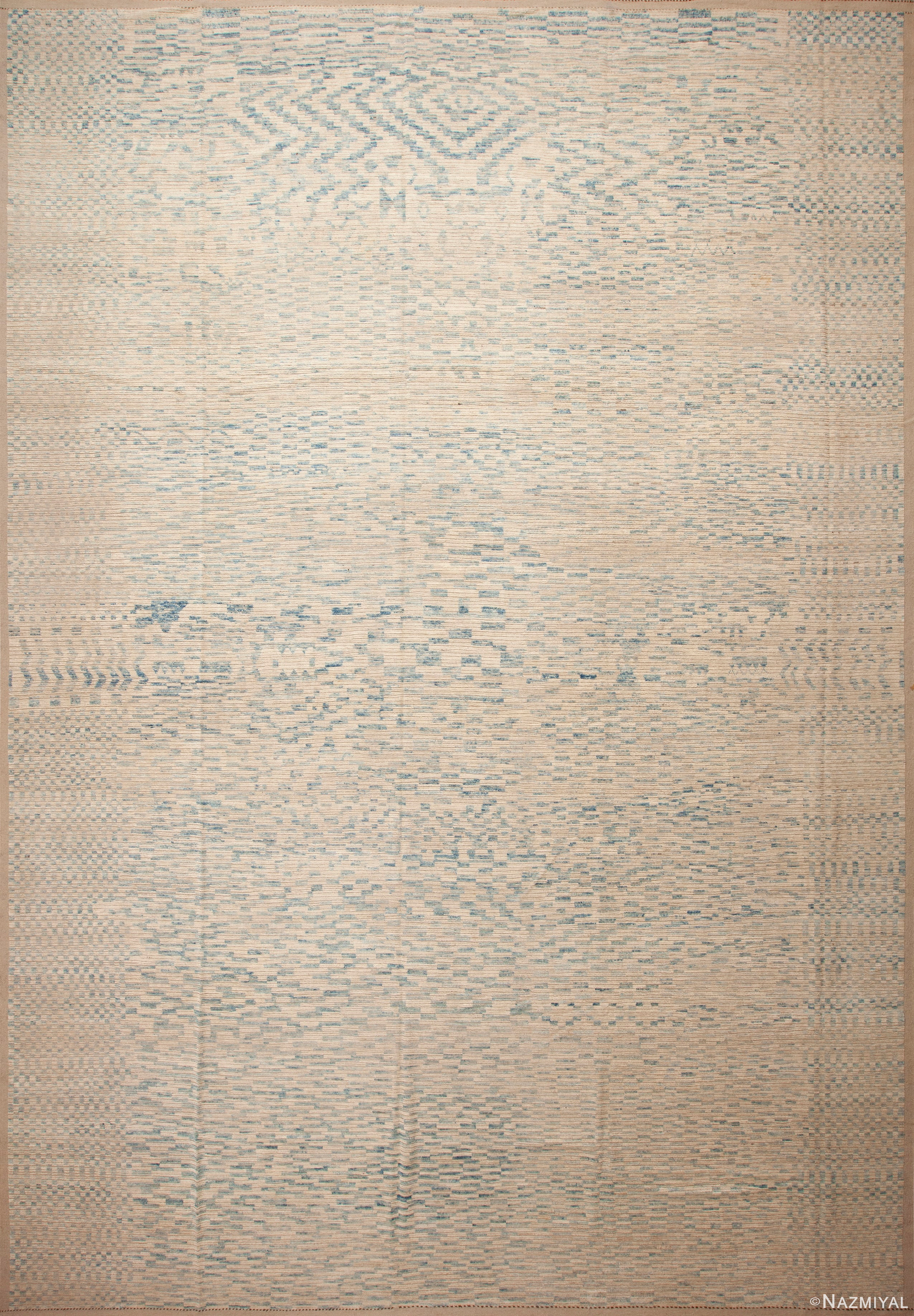
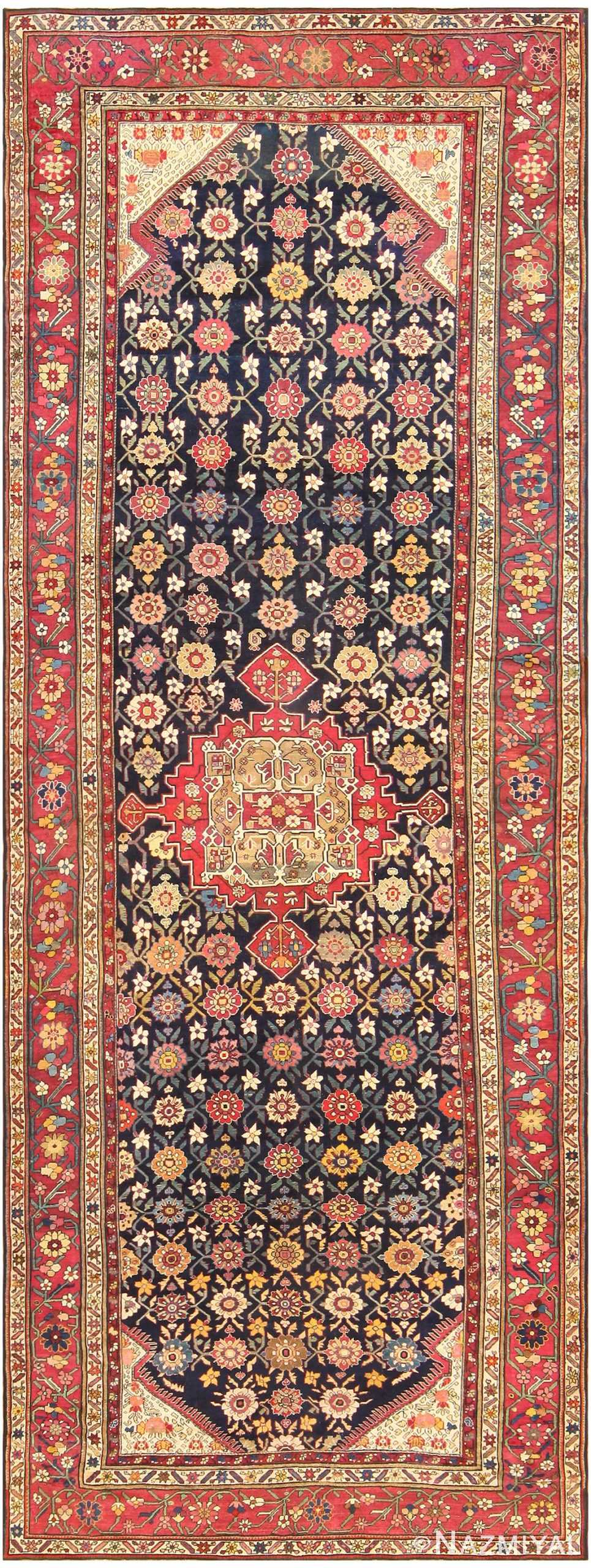
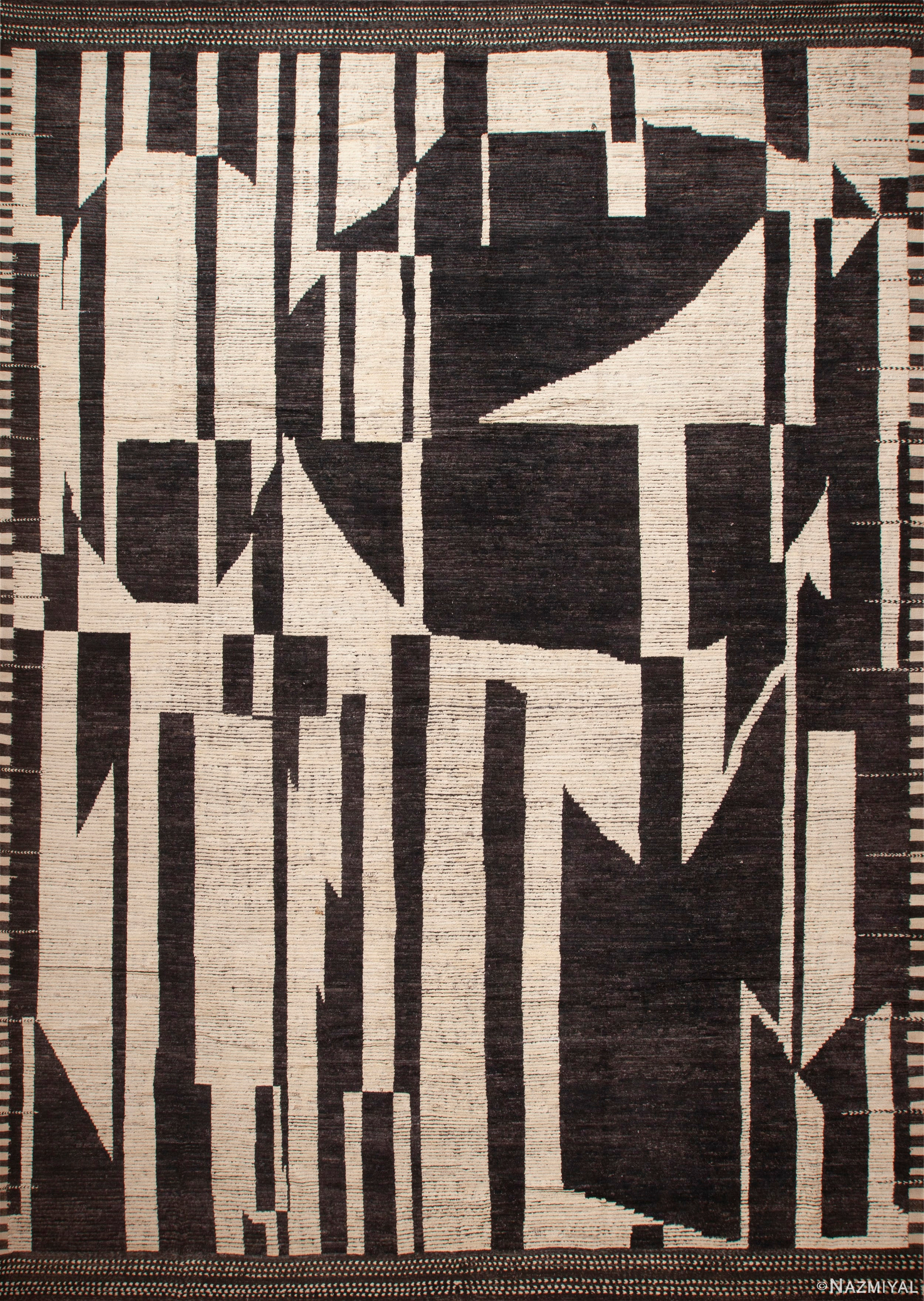
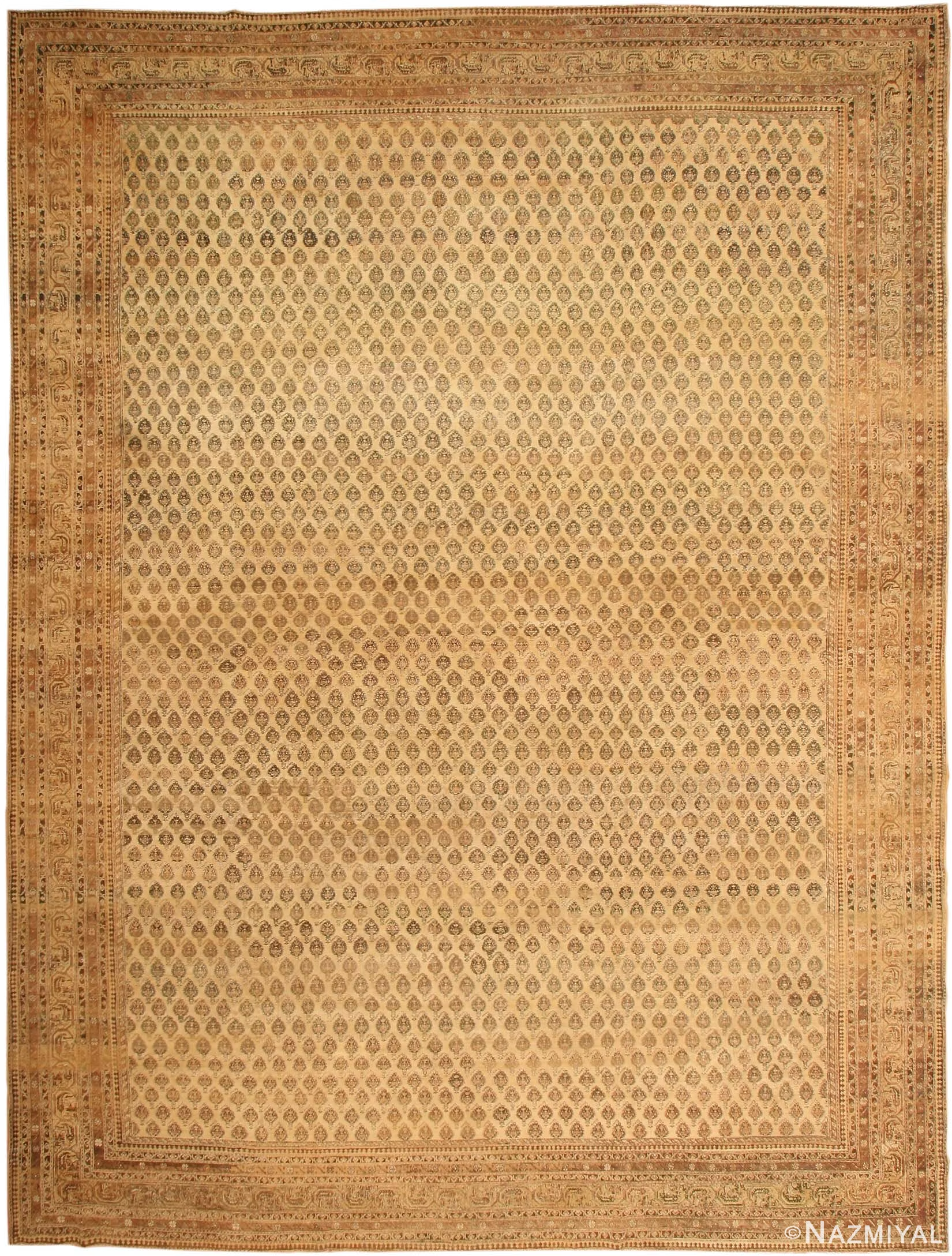
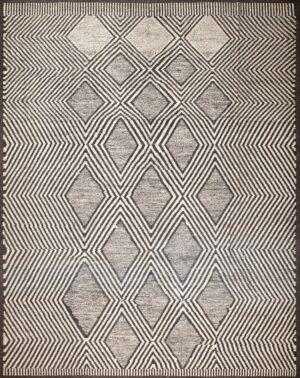
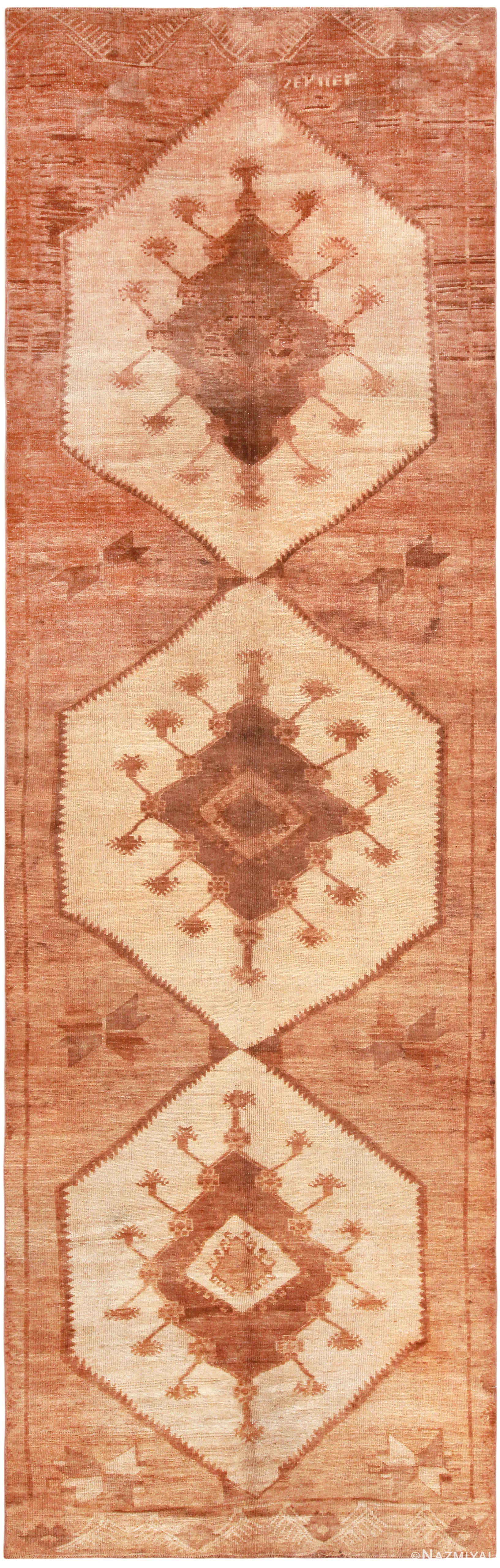
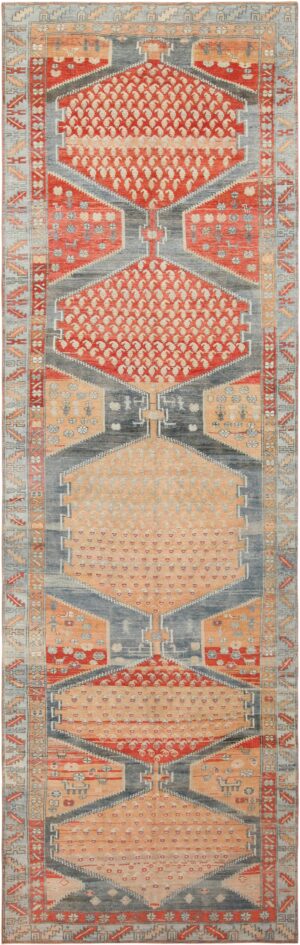
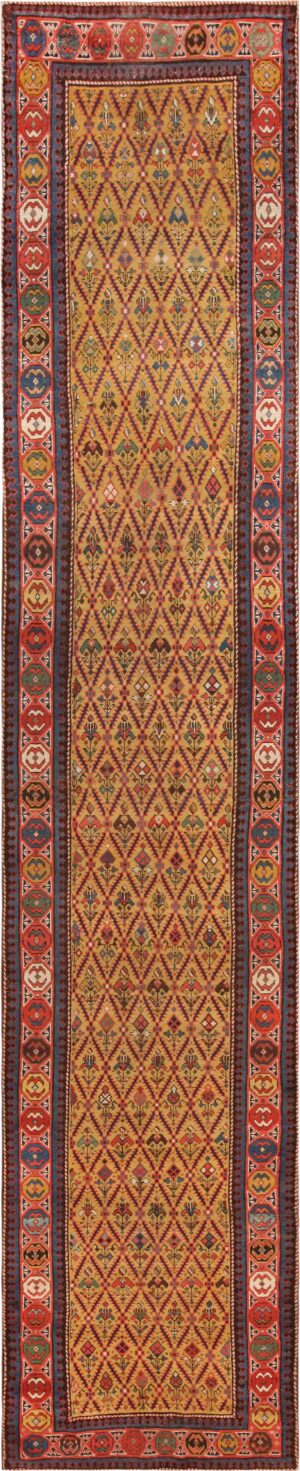
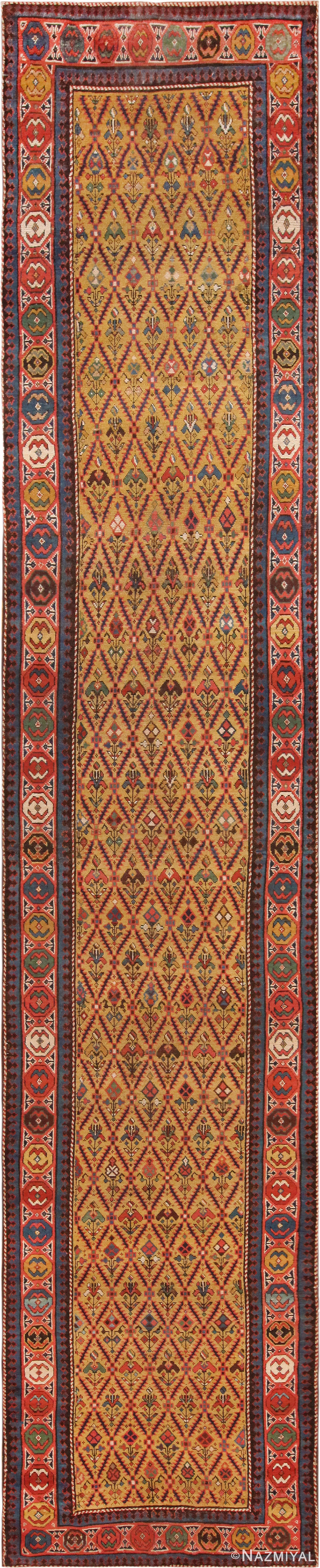
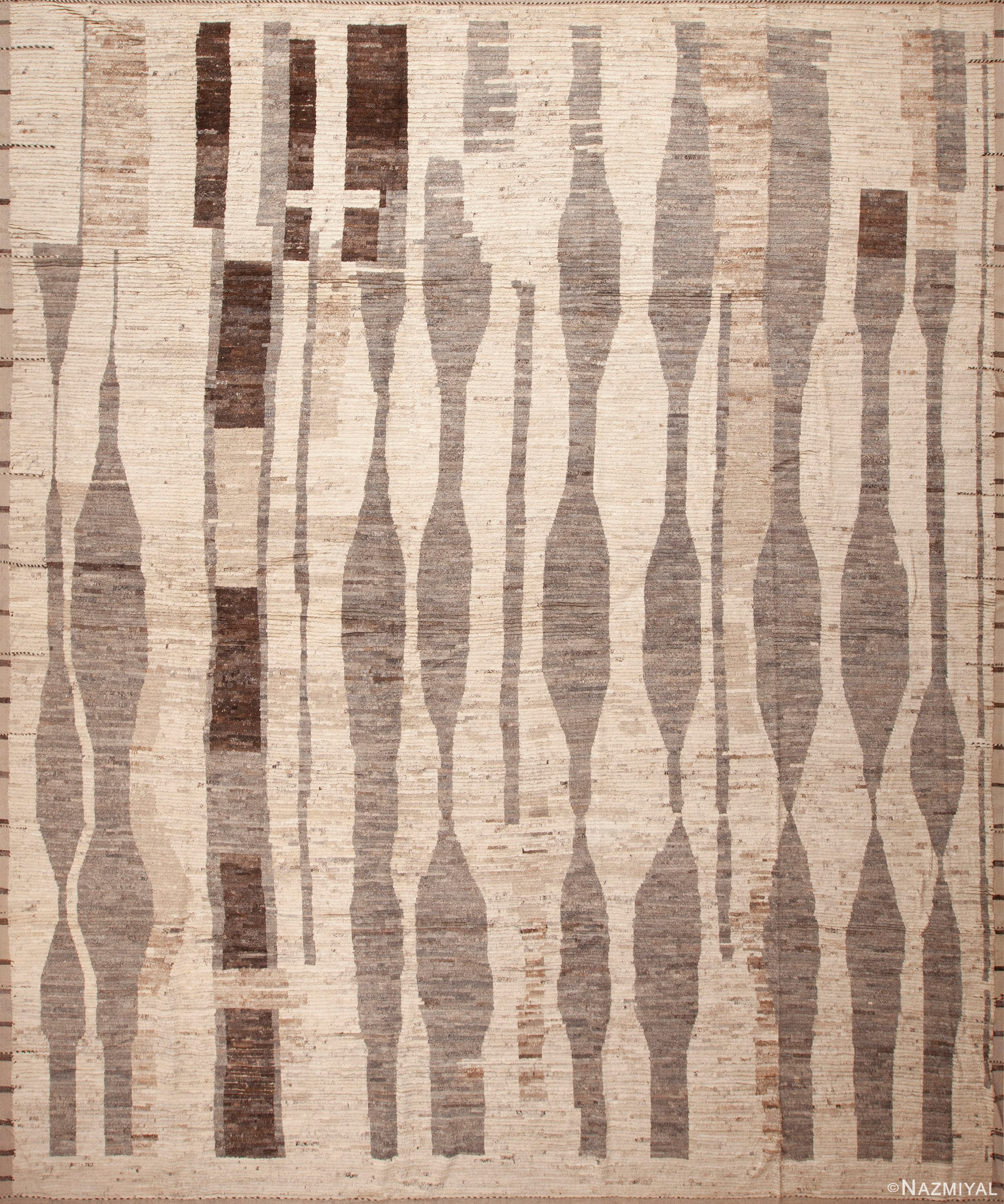
Featured Tribal Rugs From the Nazmiyal Collection
What Makes a Rug “Tribal”?
“Tribal” typically describes rugs woven outside major workshop centers—often in nomadic, semi-nomadic, or village settings where design is carried through tradition and memory rather than workshop cartoons.
That’s why tribal rugs can feel deeply personal: motifs are simplified, repeated, and adjusted as the rug grows on the loom.
Collectors and designers often love tribal rugs for their graphic clarity and symbolic presence.
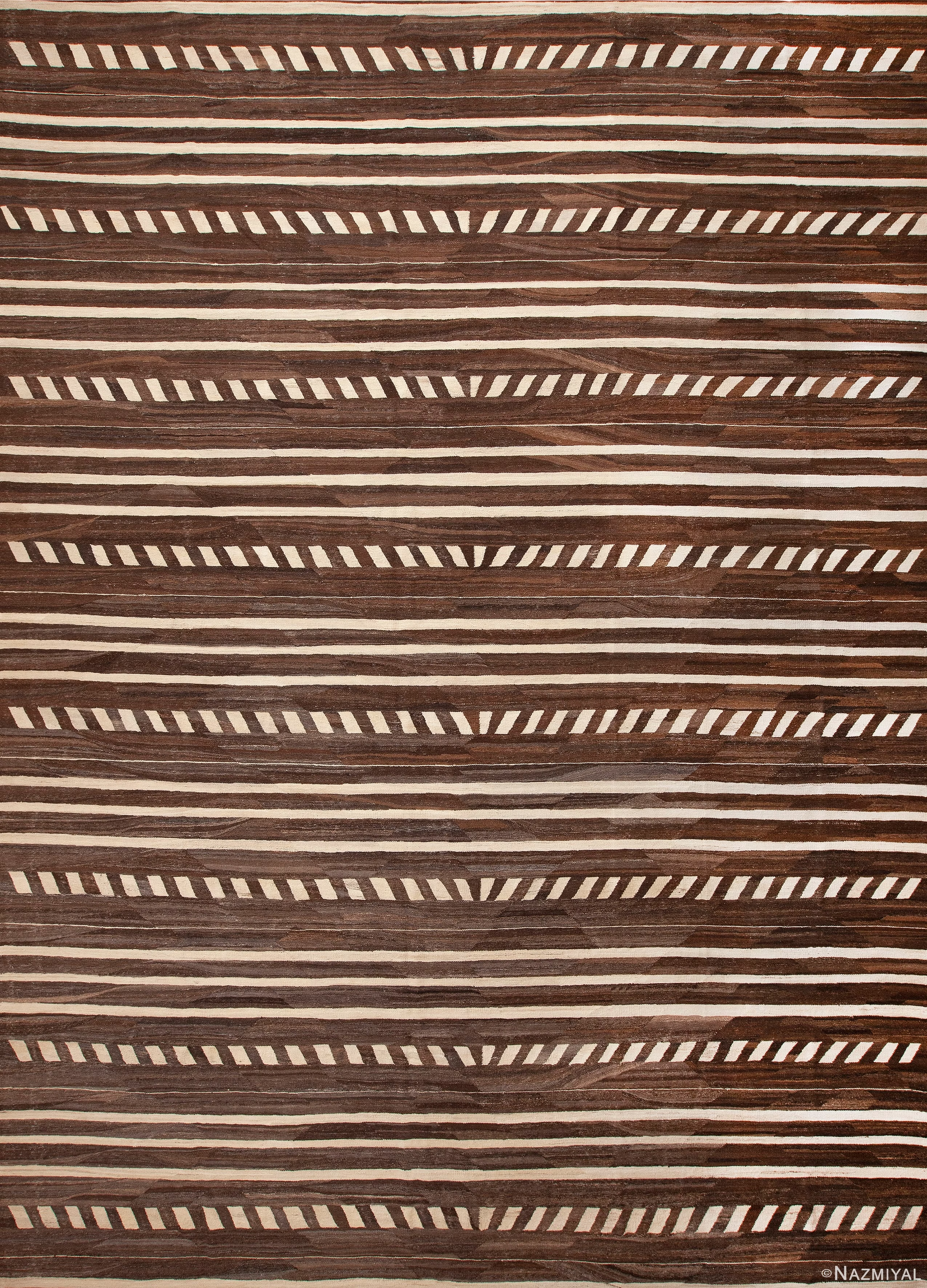
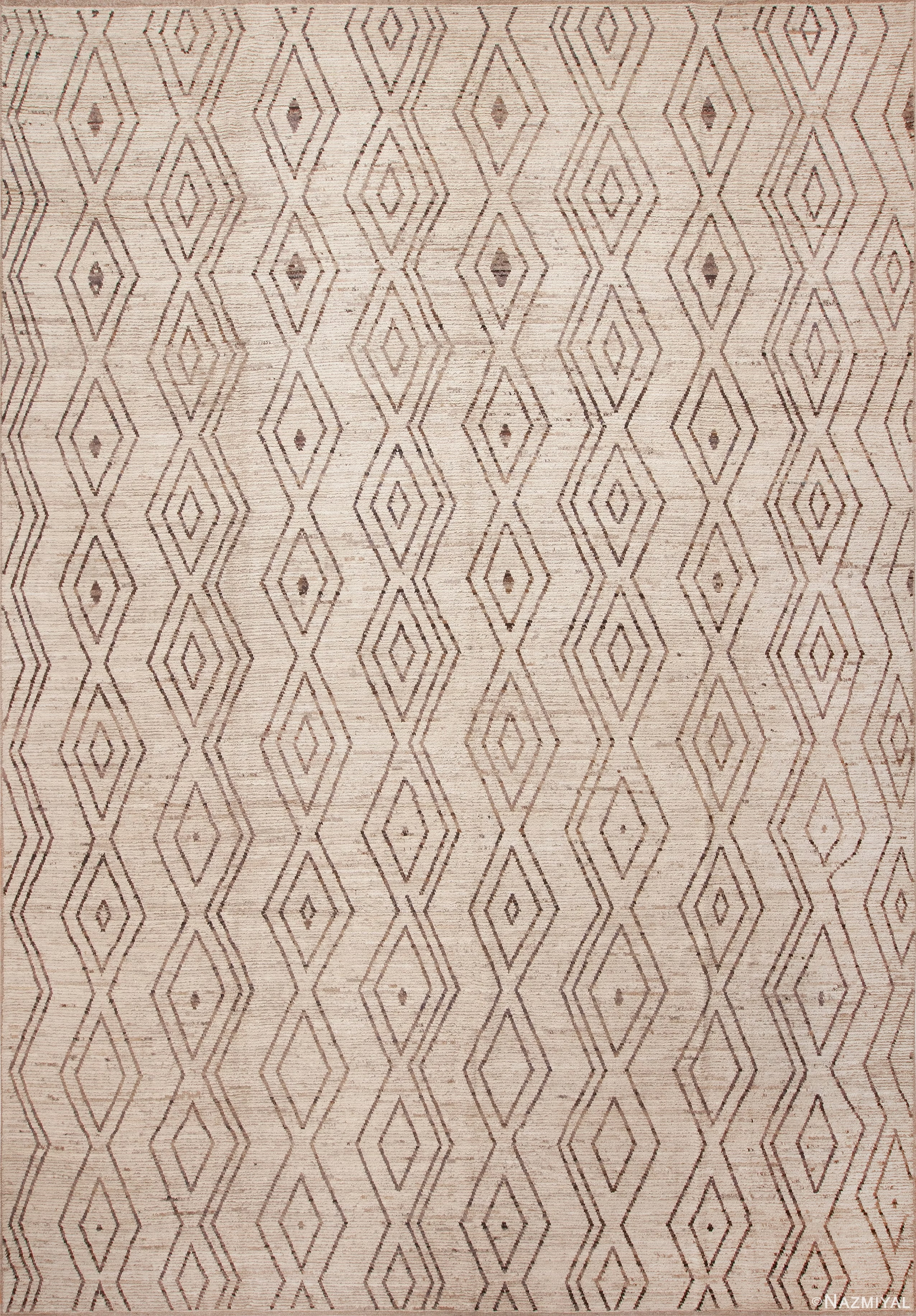
You may see protective devices, clan emblems, stylized animals, abstracted florals, or bold medallions—motifs that echo across regions while still reading as distinctly local.
Materials & Construction
Tribal rugs were commonly made for everyday use, so durability and warmth matter. Many feature resilient wool piles and sturdy foundations (wool or cotton depending on region and market access).
Flatwoven textiles are also common in tribal traditions, especially for portability and daily utility.
- Wool pile: warm, springy, and expressive—especially when yarn shows natural variation.
- Foundations: often wool in more remote settings; cotton appears more frequently where trade access is stronger.
- Drawing: geometric articulation is common, with intentional variation that signals handwork and tradition.
Decorating With Tribal Rugs
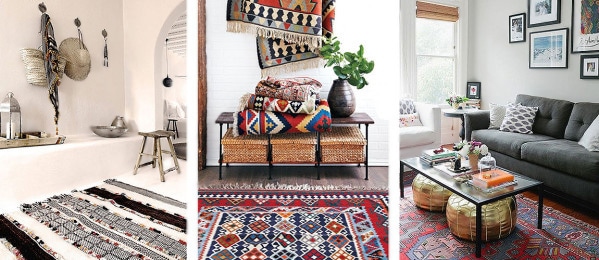
Tribal rugs are remarkably versatile. Their geometry works beautifully with clean-lined furniture, while their texture and patina add warmth to layered, collected rooms.
If you like mixing eras, tribal rugs pair well with vintage rugs and modern rugs alike.
- Let the rug lead: keep upholstery calm and allow the rug’s borders and motifs to create the “spark.”
- Control color: pull one accent tone from the rug into art or pillows for a cohesive look.
- Use runners with intention: tribal runners add character and movement in halls, kitchens, and galleries.
- Mix patterns by scale: pair bold tribal geometry with simpler stripes, solids, or larger-scale textures.
Tribal Rugs vs Folk Art Rugs
These categories overlap, but they aren’t identical. Folk art is a broader “maker + spirit” label, while tribal rugs usually point to specific weaving communities and regional structures.
If you love the raw, expressive side of textiles, explore our Folk Art Rugs collection as a close companion category.
| Feature | Tribal Rugs | Folk Art Rugs |
|---|
| What the label emphasizes | Weaving community, region, and tradition | Maker perspective, charm, and “outsider” spirit |
| Common look | Bold geometry, emblems, strong borders | Primitive drawing, whimsical motifs, charming irregularity |
| Typical structures | Hand-knotted pile and flatweaves | Broad mix: tribal weavings, hooked rugs, rag rugs, and more |
| Why designers love them | Graphic impact that anchors a room | Personality, narrative, and collectible character |
Tribal Rug Glossary
- Medallion: a central focal shape (geometric or floral) that anchors the composition.
- Allover design: repeating field patterns that cover the entire interior of the borders.
- Gul: repeated emblem-like motifs commonly associated with Central Asian traditions.
- Abrash: natural variation in color across a field from small-batch dyeing and handwork.
Want deeper definitions? Visit the Rug Glossary.
Tribal Rug FAQs
What is a tribal rug?
A tribal rug is a handmade weaving traditionally produced by nomadic or village communities, often featuring geometric motifs, personal symbolism, and region-specific construction. Many were woven for daily use and reflect local heritage rather than formal workshop rules.
Do tribal rugs work in modern interiors?
Yes. Tribal rugs are a favorite in modern rooms because their strong geometry and bold borders add character without feeling overly ornate. They pair especially well with clean-lined furniture and neutral walls.
Are antique tribal rugs durable?
Many are very durable. Tribal rugs were commonly woven for practical use, often with resilient wool and sturdy structures. Durability depends on materials, weave, and current condition—so each rug should be evaluated individually.
What size tribal rug should I choose?
Choose based on how you want the rug to frame the room. For living rooms, many prefer a size that allows front furniture legs to sit on the rug. For hallways, runners create definition and movement. For help, use our rug size guide.
What’s the difference between tribal rugs and kilims?
“Tribal” describes who made the weaving and the tradition behind it. A kilim refers to a flatwoven structure (no pile). Many tribal communities produced both flatweaves and knotted pile rugs, so kilims can absolutely be tribal in origin.
How should I care for an antique tribal rug?
Regular vacuuming (without aggressive beater settings), rotating for even wear, and prompt gentle spot cleaning help. For deeper cleaning, professional rug washing is recommended—especially for older rugs with sensitive dyes and historic fibers.
Why Nazmiyal? 3 Pillars of Nazmiyal Collection
Nazmiyal Collection supports collectors and designers with expertise, transparency, and one of the deepest curated rug inventories in New York City.
- Inventory Depth: antique, vintage, and modern rugs across major weaving regions and styles.
- Authenticity Focus: careful review and documentation that protects long-term value.
- Practical Guidance: help with size, placement, condition, and pairing for your space.
Want help narrowing the field? Contact us for tailored recommendations.
Nazmiyal White-Glove Service
Our commitment doesn’t end at checkout. Learn about the services that support every purchase:
Nazmiyal Collection has been a trusted source for antique rugs and vintage carpets for over 45 years. Our NYC gallery curates one-of-a-kind pieces with an emphasis on authenticity, provenance, and lasting decorative value.
Need help? Call us at (212) 545-8029 or visit our New York City showroom to work with a rug expert.

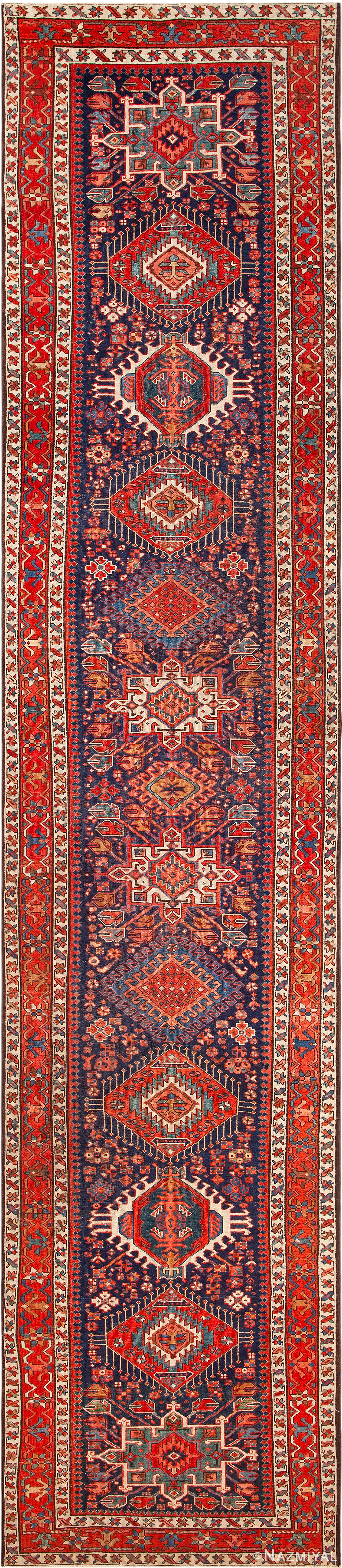
 Size: 3 ft 7 in x 21 ft (1.09 m x 6.4 m)
 Size: 4 ft 5 in x 20 ft (1.35 m x 6.1 m)
 Size: 6 ft 9 in x 19 ft 10 in (2.06 m x 6.05 m)
 Size: 7 ft 5 in x 19 ft 7 in (2.26 m x 5.97 m)
 Size: 3 ft x 19 ft 3 in (0.91 m x 5.87 m)
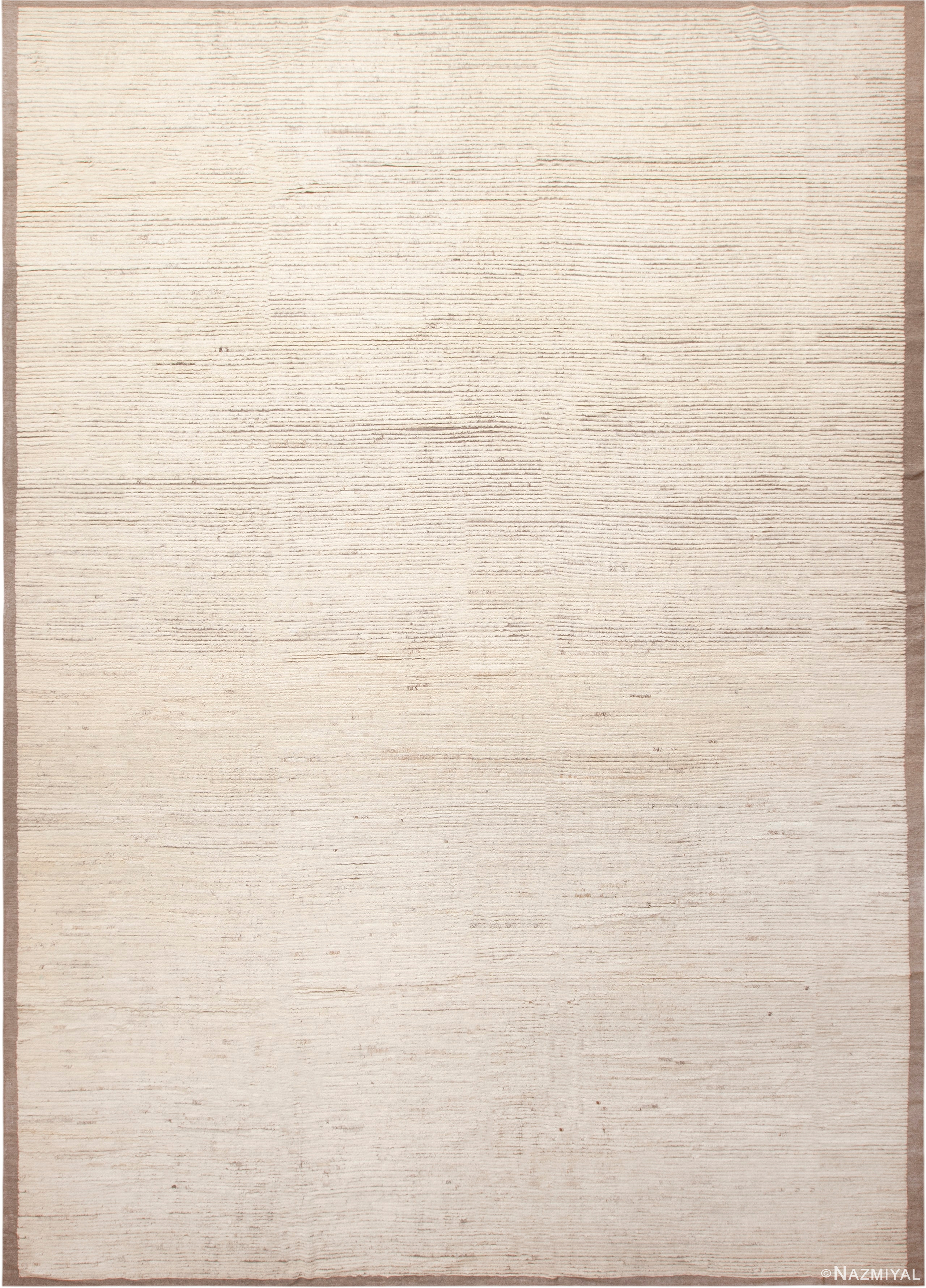
 Size: 14 ft 5 in x 19 ft 2 in (4.39 m x 5.84 m)
 Size: 13 ft 8 in x 19 ft 1 in (4.17 m x 5.82 m)
 Size: 2 ft 7 in x 18 ft (0.79 m x 5.49 m)
 Size: 3 ft 6 in x 17 ft 5 in (1.07 m x 5.31 m)
 Size: 5 ft 3 in x 17 ft (1.6 m x 5.18 m)
 Size: 5 ft 4 in x 17 ft (1.63 m x 5.18 m)
 Size: 3 ft x 16 ft 10 in (0.91 m x 5.13 m)