
Page 3: Vintage Moroccan Rugs
Showing 65–76 of 76 resultsSorted by latest
 Sale
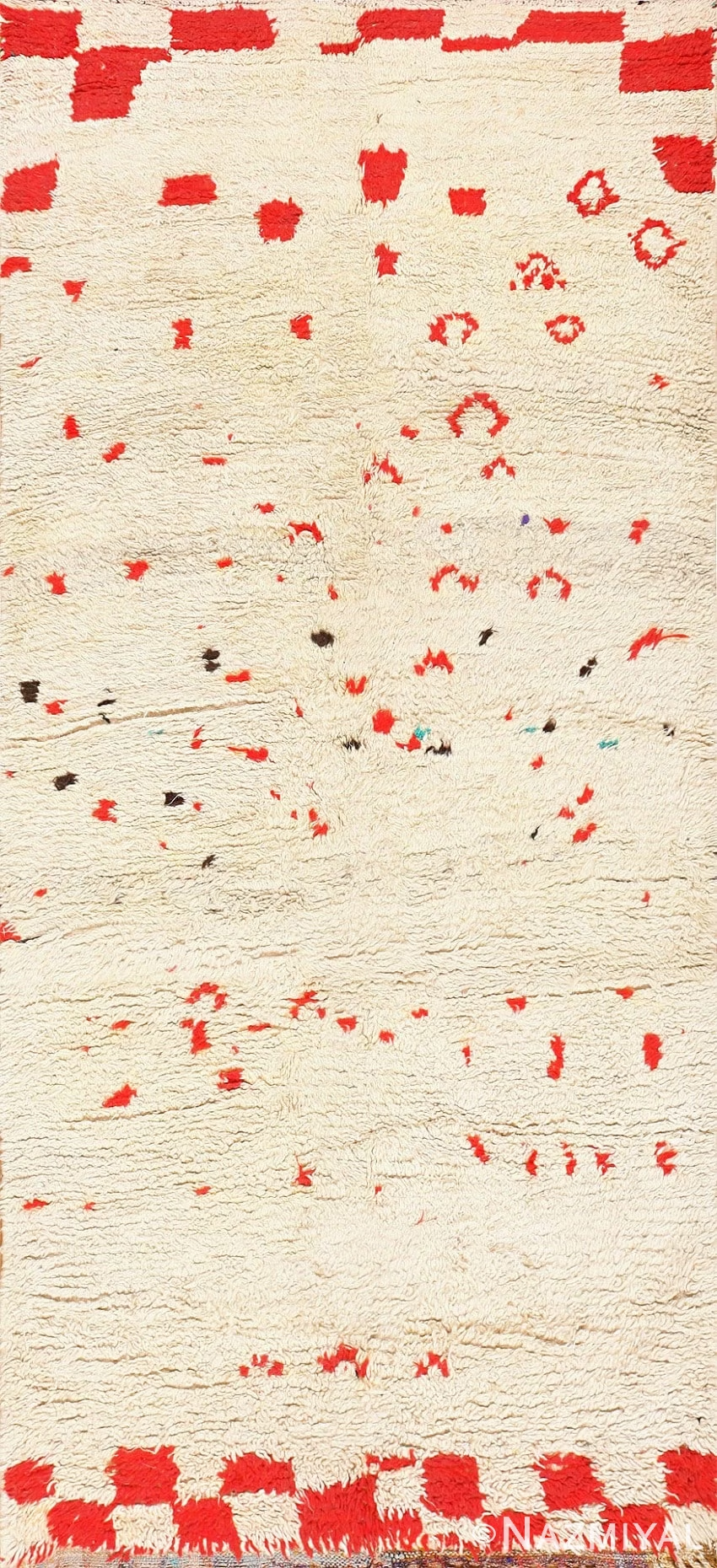
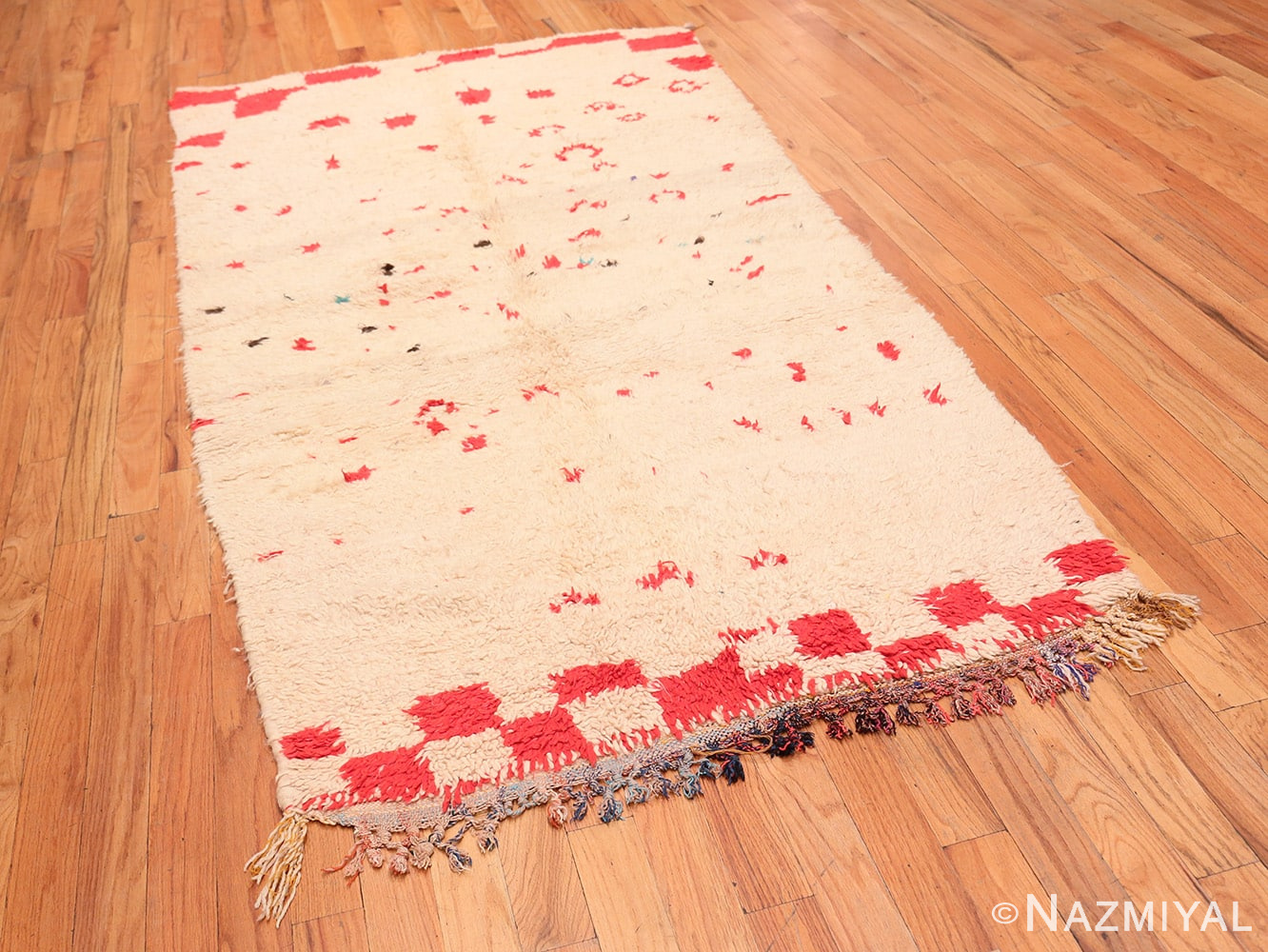
Sale Ivory and Red Vintage Mid Century Moroccan Rug 47939
4 ft 7 in x 9 ft (1.4 m x 2.74 m)
$5,900.00 Original price was: $5,900.00.$4,720.00Current price is: $4,720.00.
 Sale
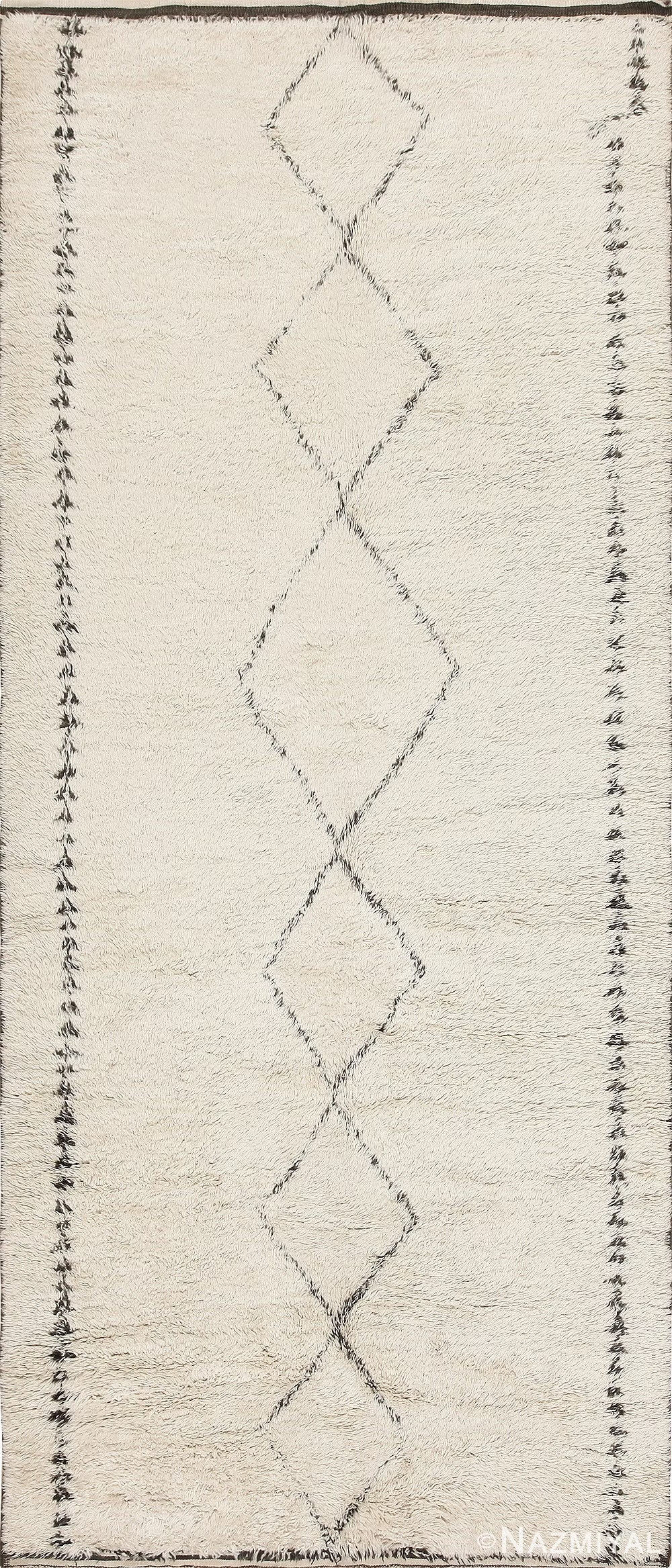
Sale Ivory and Black Vintage Moroccan Beni Ourain Shag Rug 47891
6 ft 4 in x 13 ft 7 in (1.93 m x 4.14 m)
$6,600.00 Original price was: $6,600.00.$4,620.00Current price is: $4,620.00.
 Sale
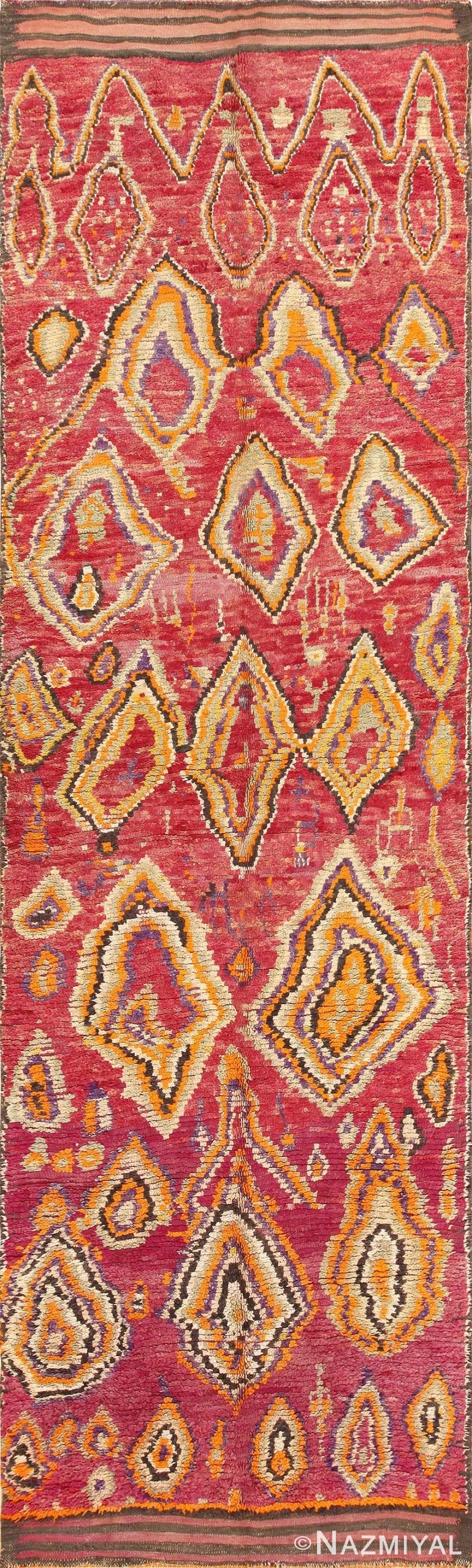
Sale Primitive Vintage Moroccan Rug 47897
4 ft 5 in x 13 ft 10 in (1.35 m x 4.22 m)
$9,500.00 Original price was: $9,500.00.$6,650.00Current price is: $6,650.00.
 Sale
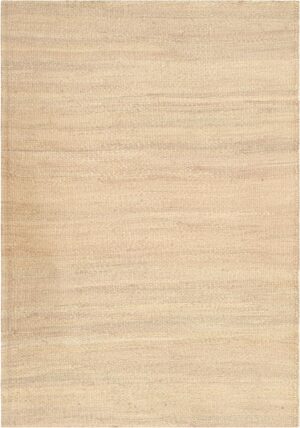
Sale Vintage Solid Cream Color Moroccan Sisal Rug 46630
2 ft 8 in x 3 ft 7 in (0.81 m x 1.09 m)
$450.00 Original price was: $450.00.$315.00Current price is: $315.00.
 Sale
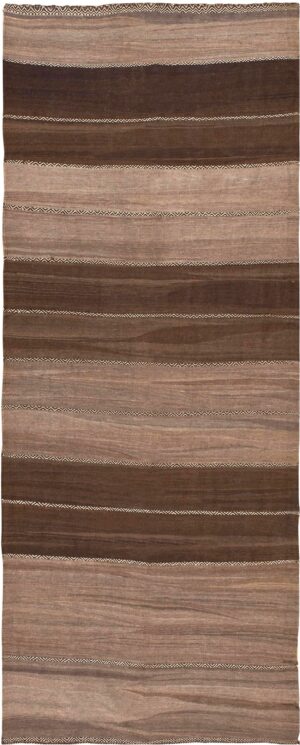
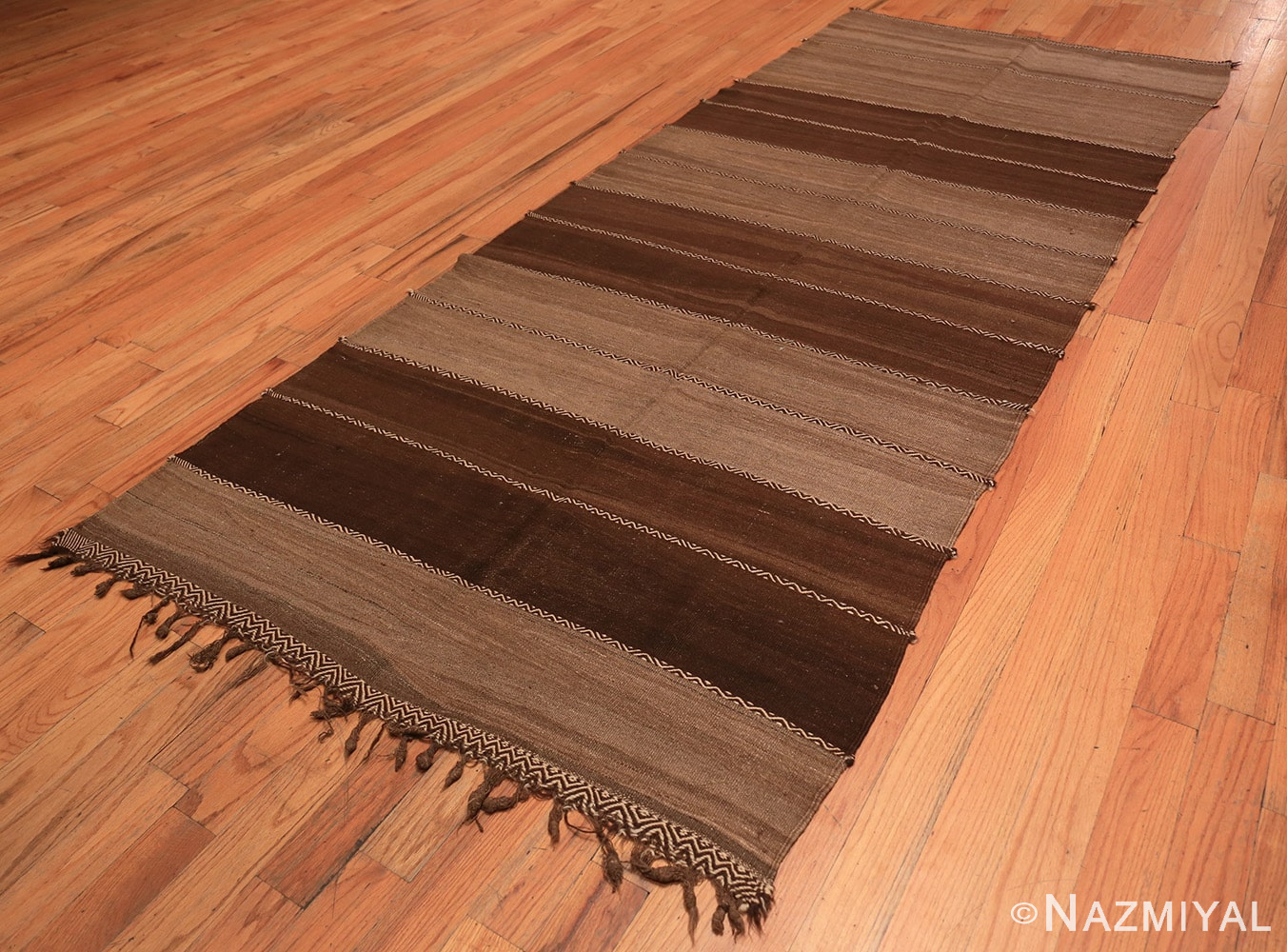
Sale Brown Vintage Mid Century Moroccan Kilim Rug 46442
4 ft 2 in x 10 ft 1 in (1.27 m x 3.07 m)
$3,600.00 Original price was: $3,600.00.$2,520.00Current price is: $2,520.00.
 Sale
Sale Vintage Moroccan Beni Ourain Rug 46429
5 ft 6 in x 10 ft 6 in (1.68 m x 3.2 m)
$6,900.00 Original price was: $6,900.00.$4,830.00Current price is: $4,830.00.
 Sale
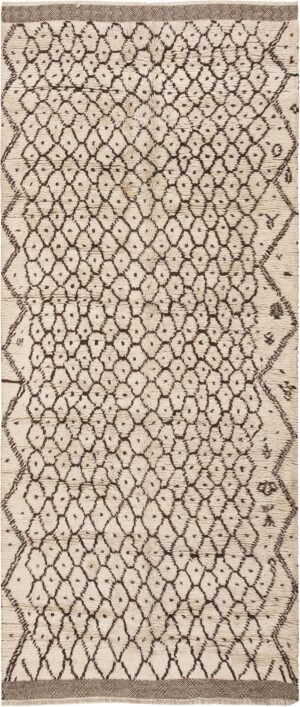
Sale Beni Ourain Vintage Moroccan Rug 46021
5 ft x 11 ft 6 in (1.52 m x 3.51 m)
$6,600.00 Original price was: $6,600.00.$4,620.00Current price is: $4,620.00.
 Sale
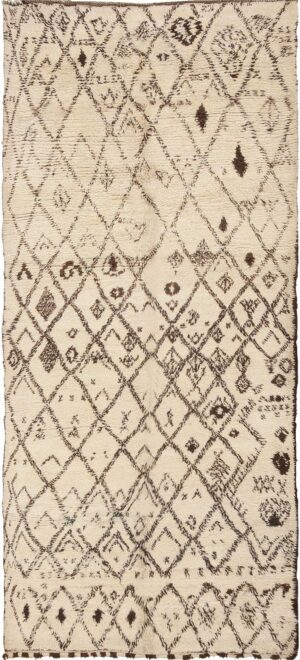
Sale Vintage Mid Century Moroccan Rug 45848
5 ft 6 in x 11 ft 9 in (1.68 m x 3.58 m)
$8,800.00 Original price was: $8,800.00.$6,160.00Current price is: $6,160.00.

 Sale
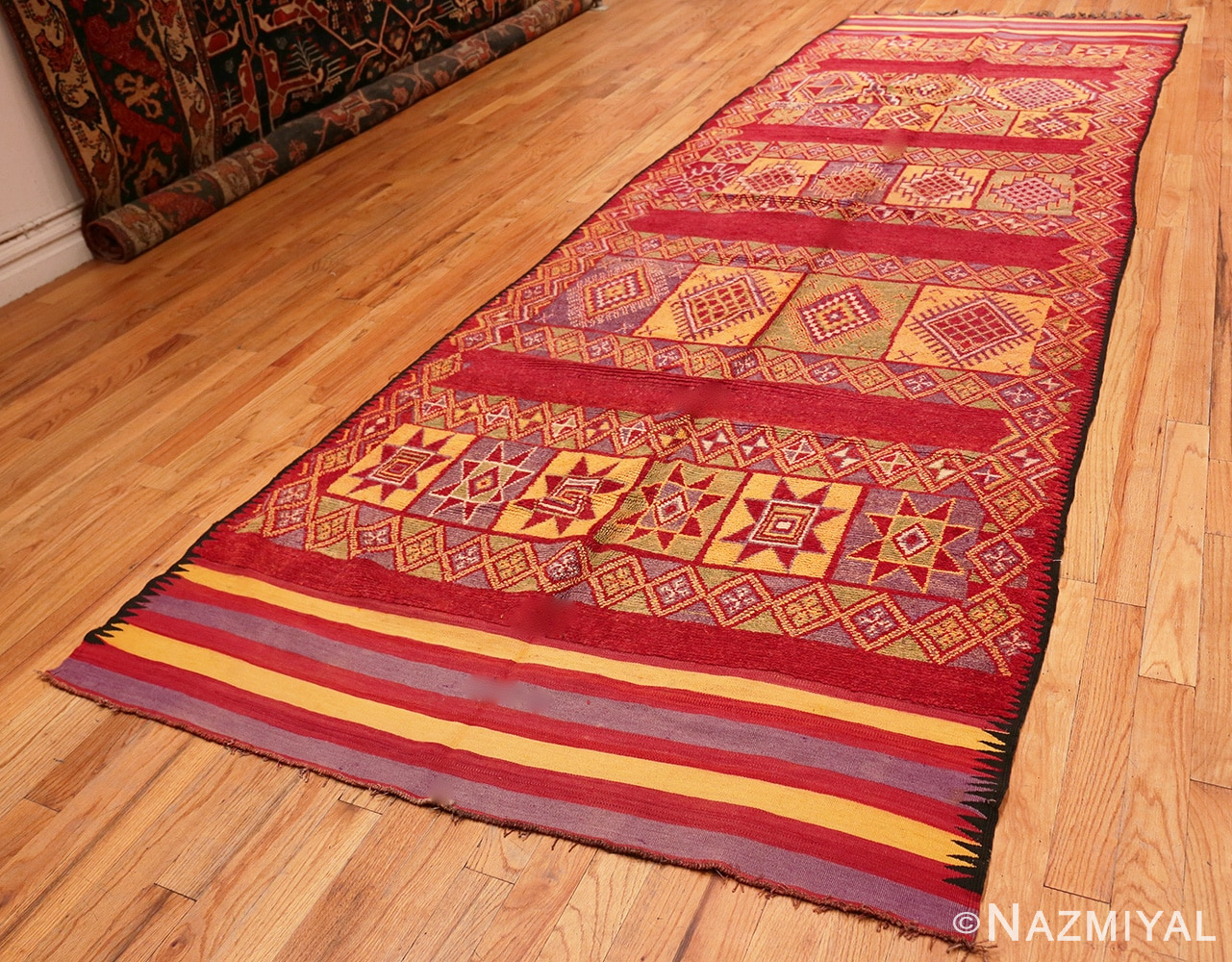
Sale Long and Narrow Vintage Colorful Moroccan Rug 45751
5 ft 3 in x 16 ft (1.6 m x 4.88 m)
$12,500.00 Original price was: $12,500.00.$8,750.00Current price is: $8,750.00.
 Sale
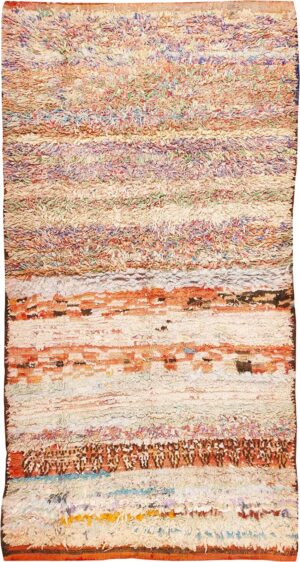
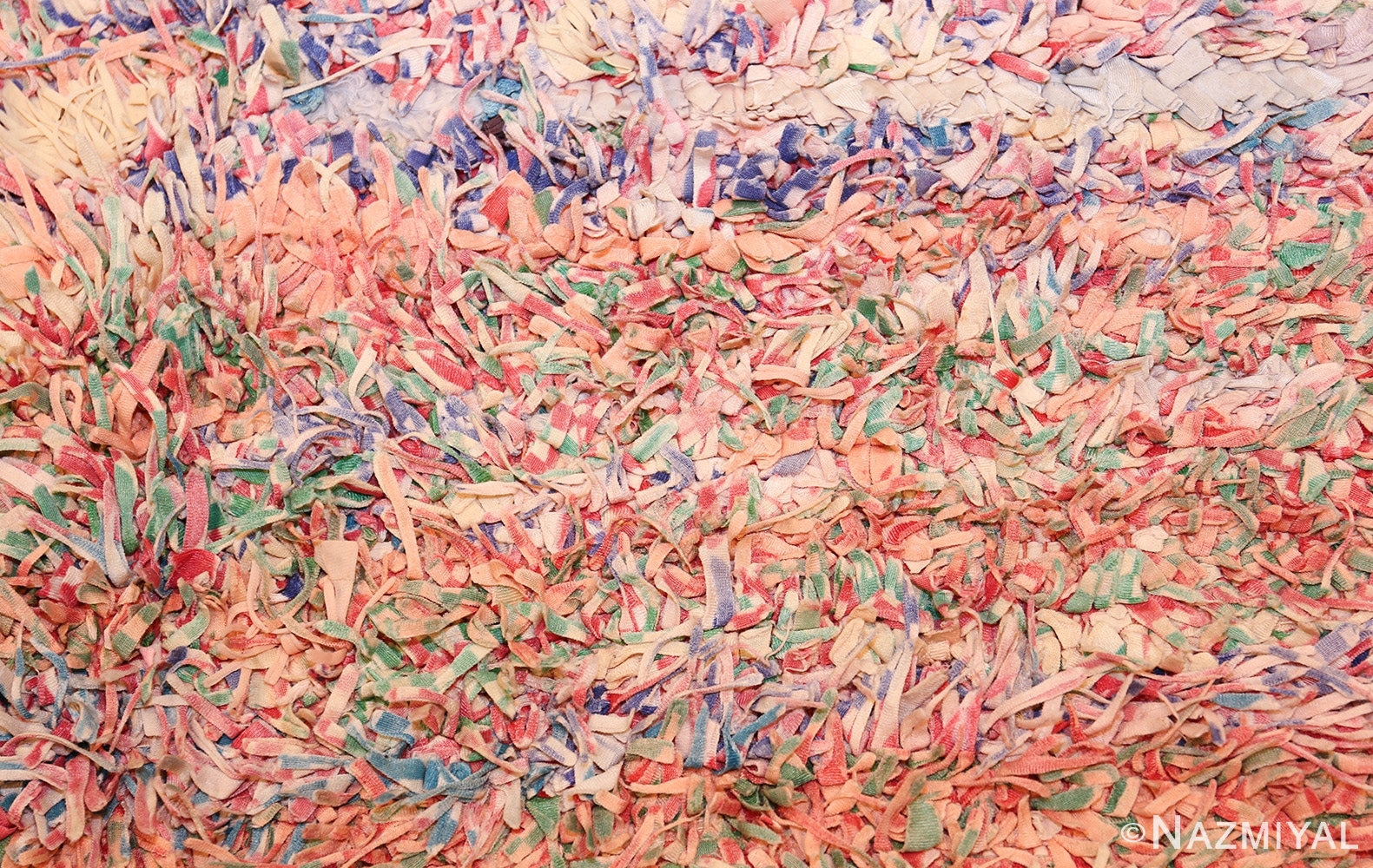
Sale Small Vintage Mid Century Rag Texture Moroccan Carpet 45696
4 ft x 6 ft 5 in (1.22 m x 1.96 m)
$1,900.00 Original price was: $1,900.00.$1,330.00Current price is: $1,330.00.

 Sale
Sale Large Vintage Moroccan Flat Woven Kilim Rug 45693
8 ft 3 in x 16 ft 4 in (2.51 m x 4.98 m)
$15,600.00 Original price was: $15,600.00.$10,920.00Current price is: $10,920.00.