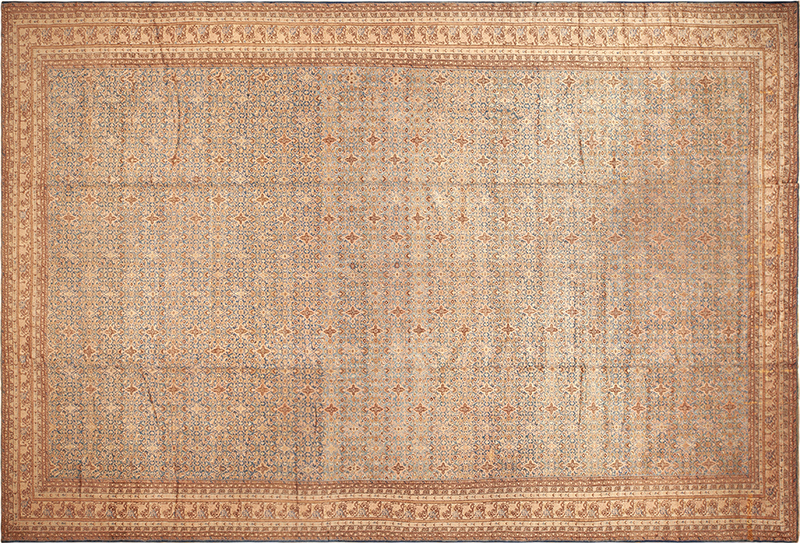
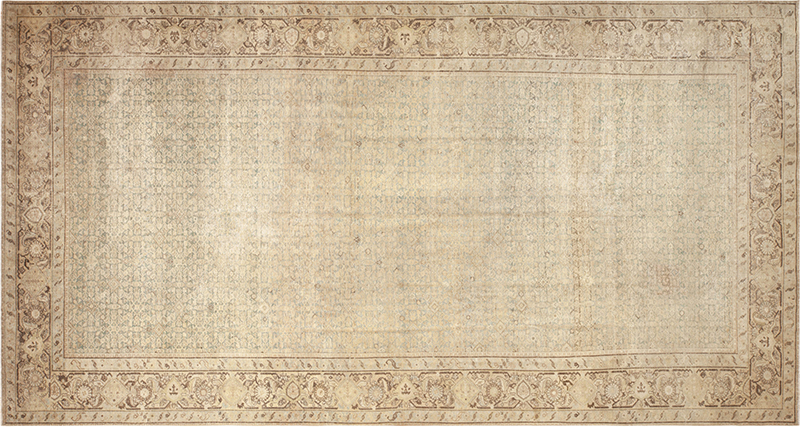
Antique Persian Malayer Rugs: Graphic Village Weavings With Collector Color
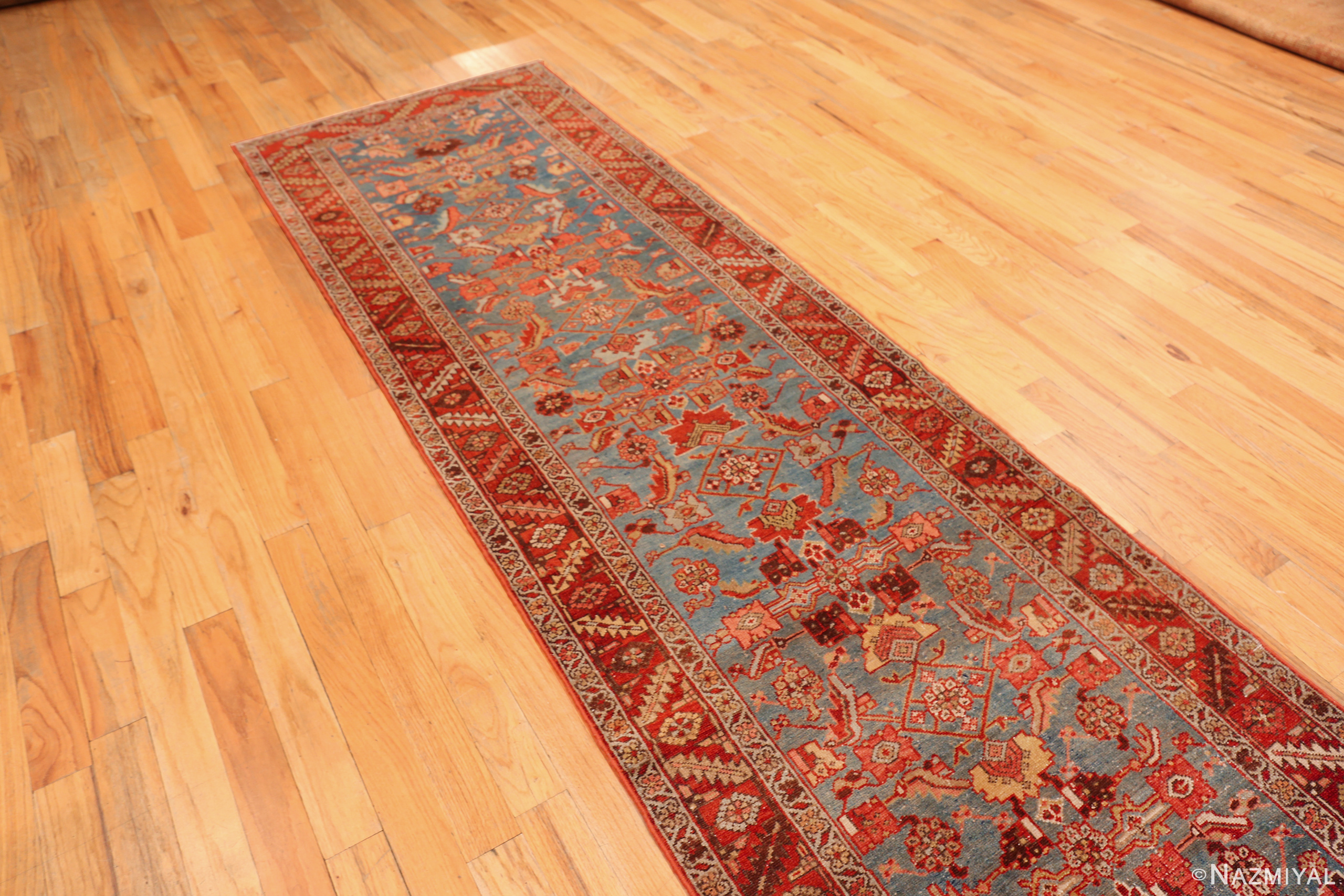
If you love Persian rugs with strong drawing, lively color, and real village character, Malayer rugs are one of the smartest places to look. Woven in the Hamadan province of western Iran, antique Malayers often feel like the “sweet spot” between refinement and bold geometry—easy to live with, deeply collectible, and incredibly versatile in both classic and modern interiors.
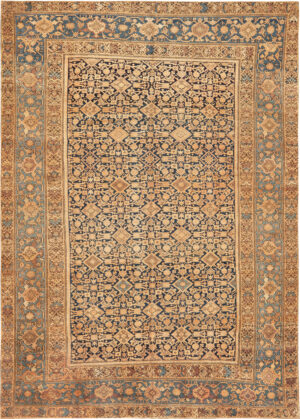
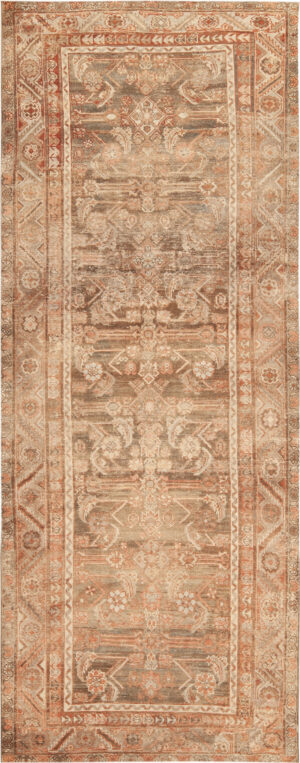
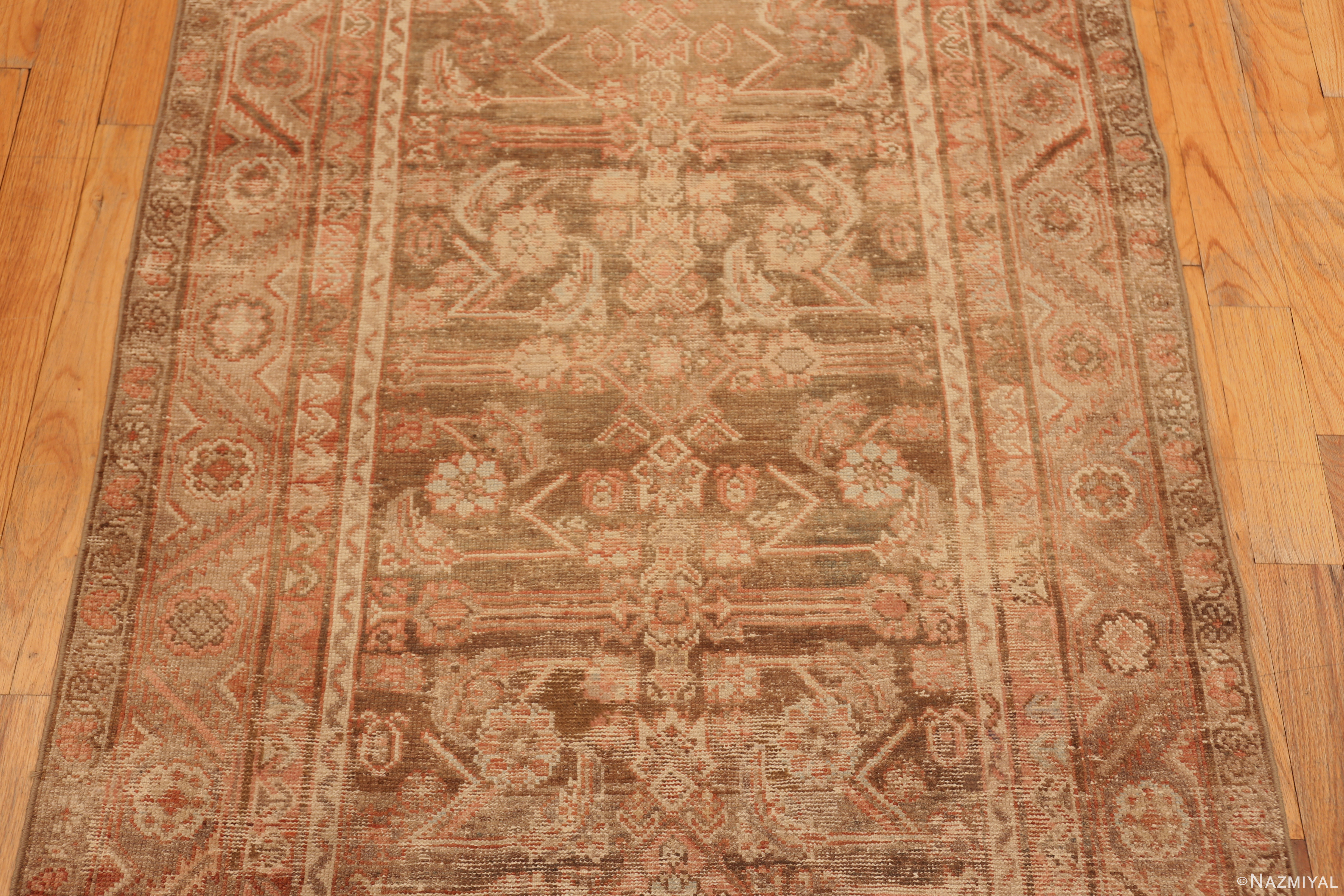
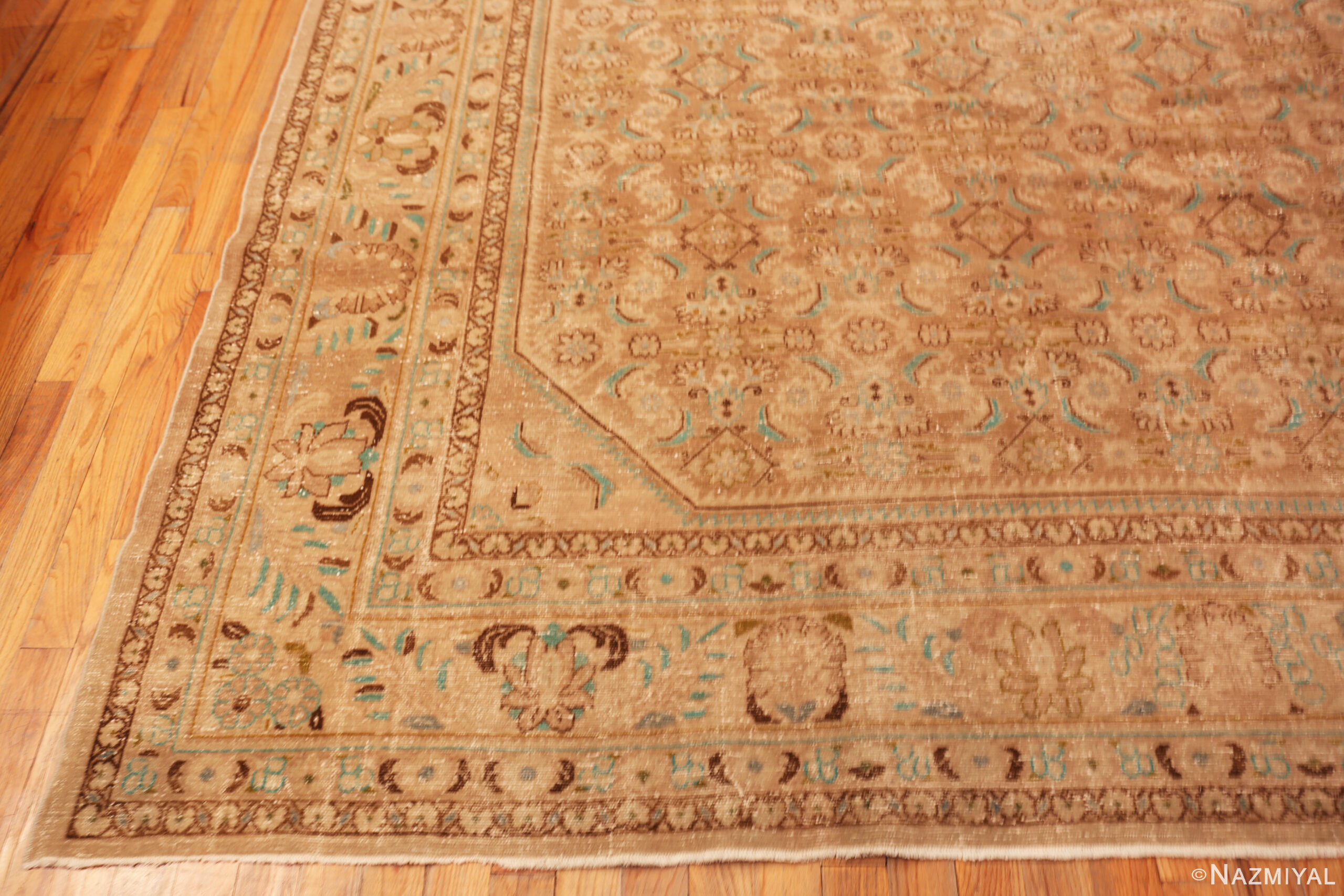
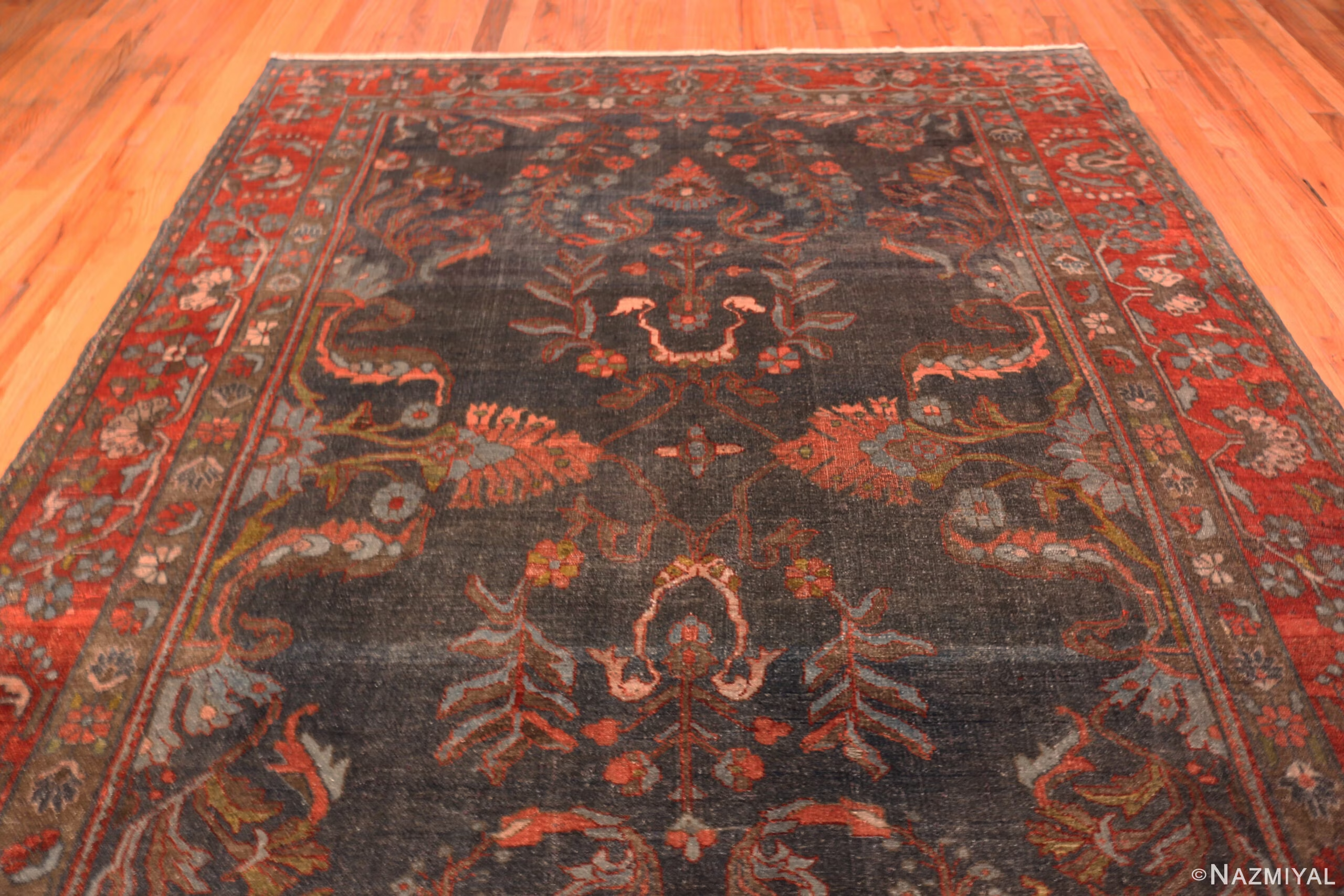
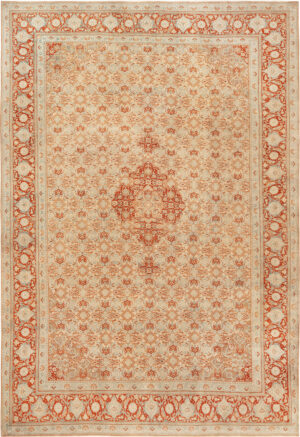
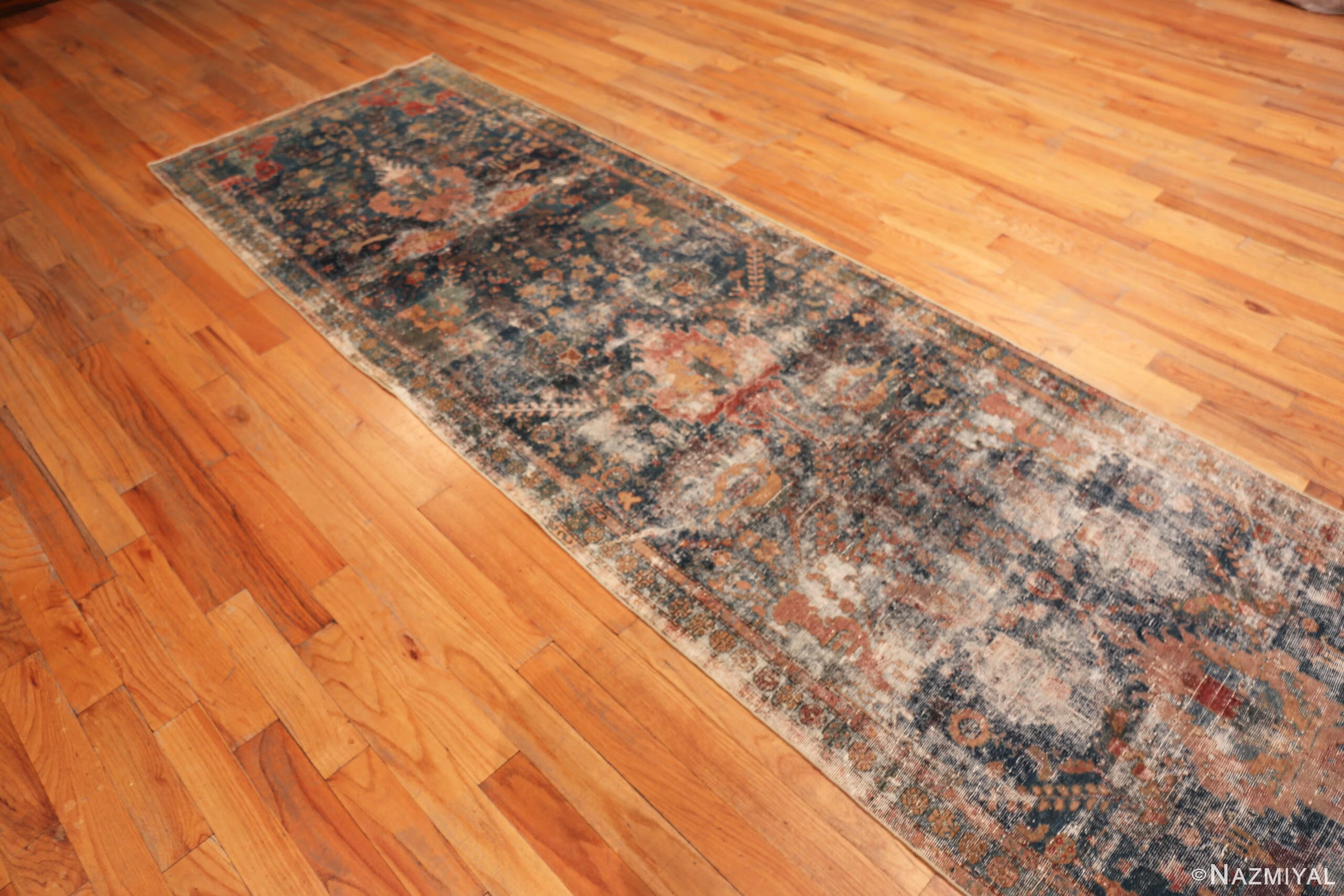
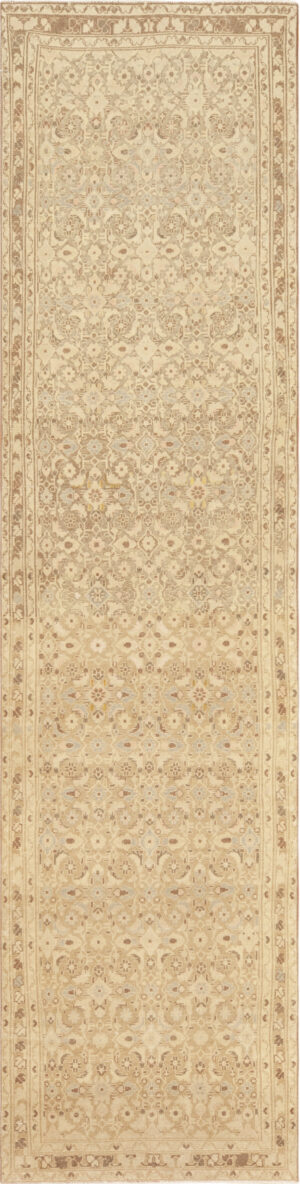
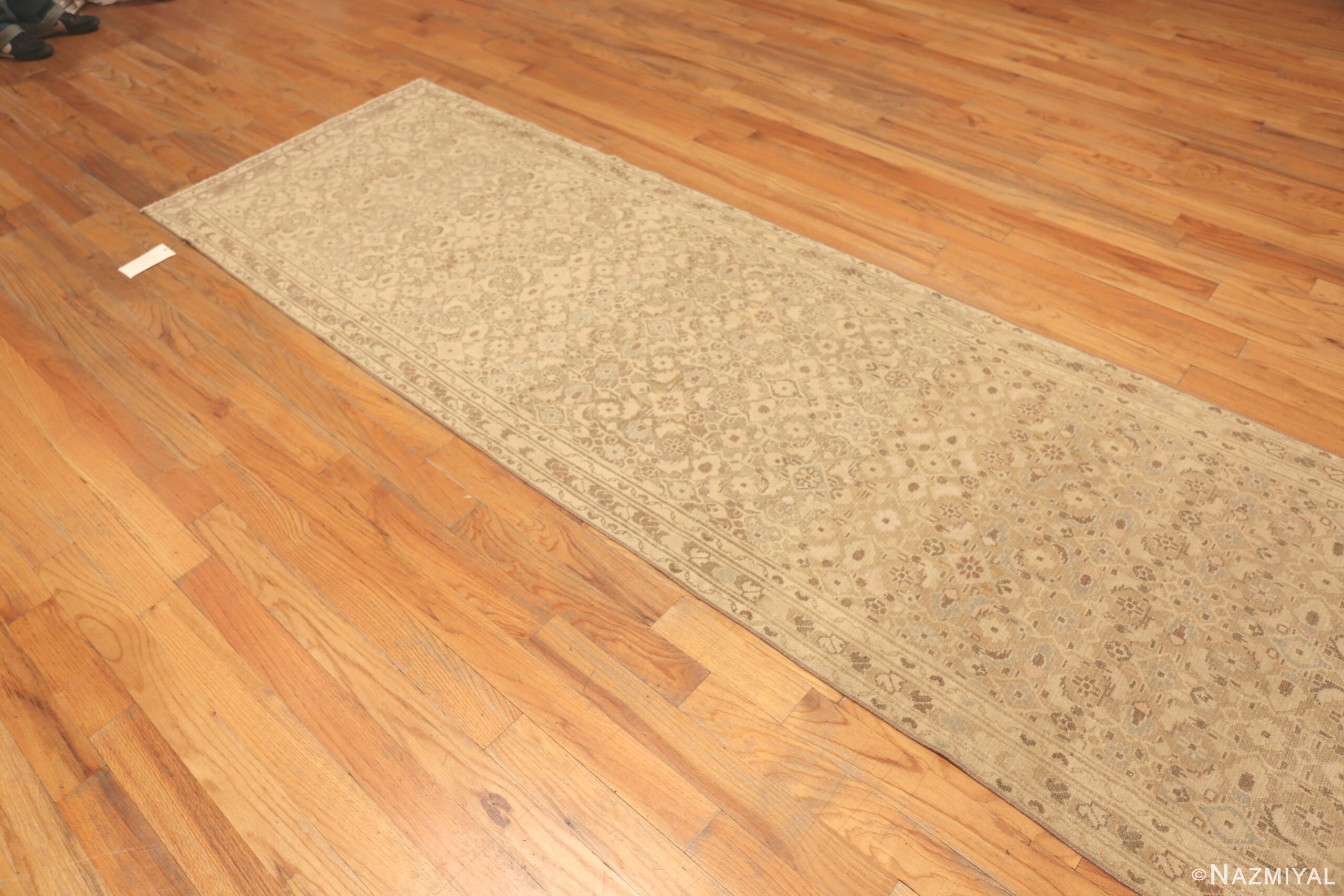
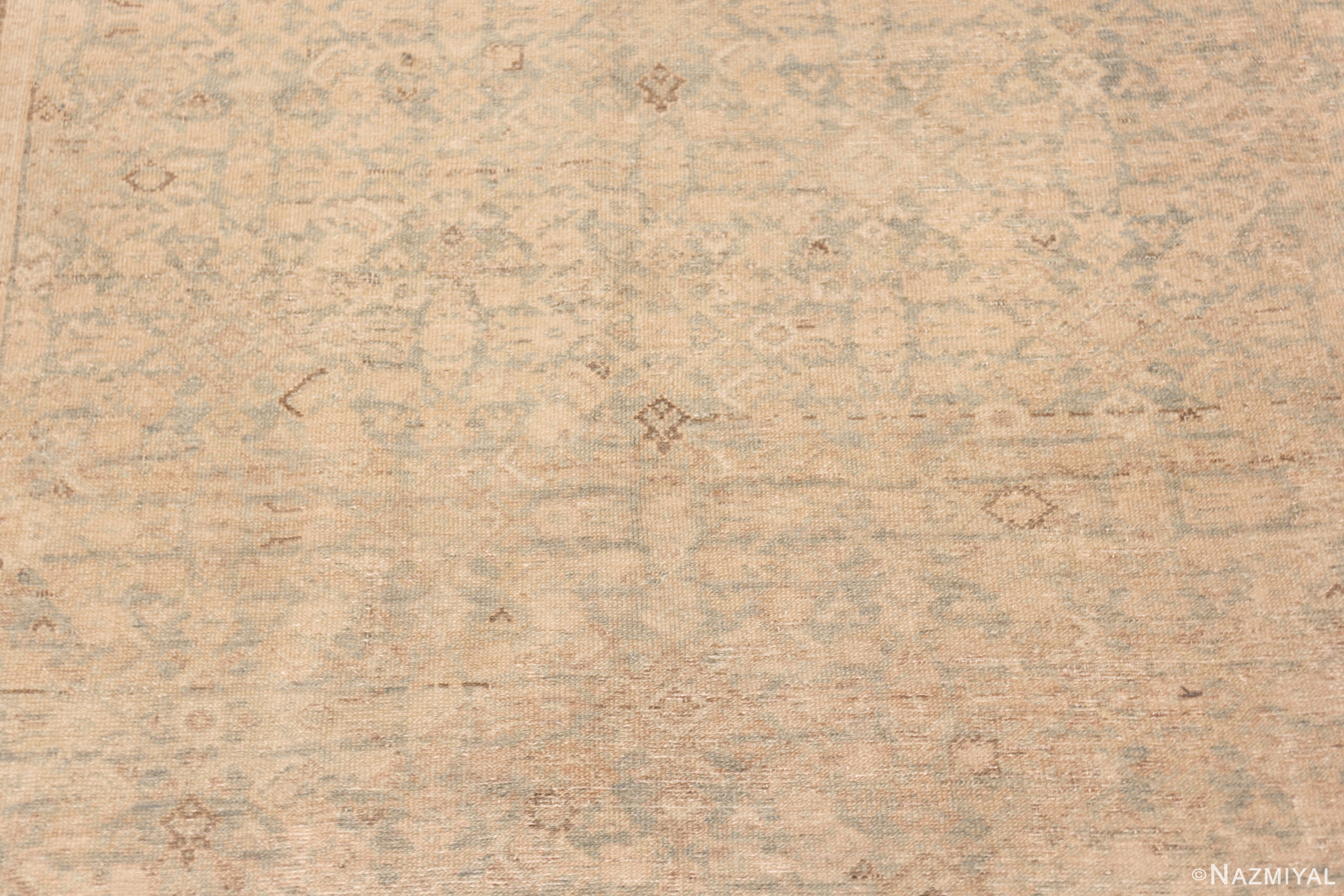
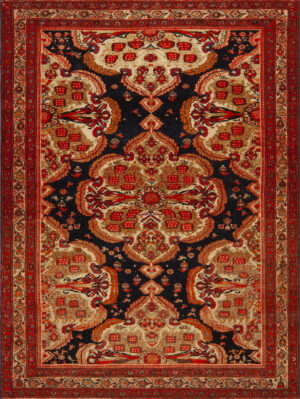
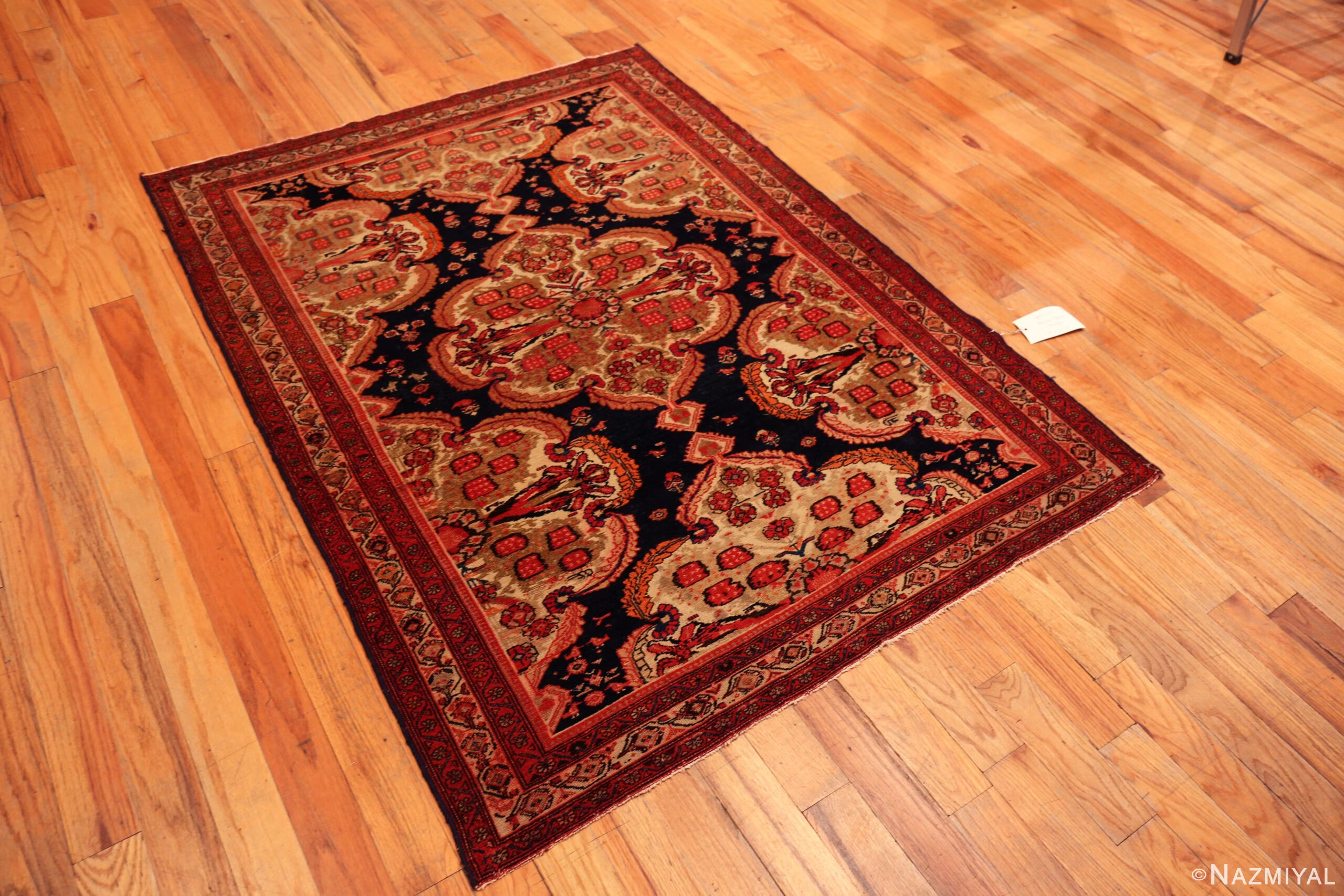
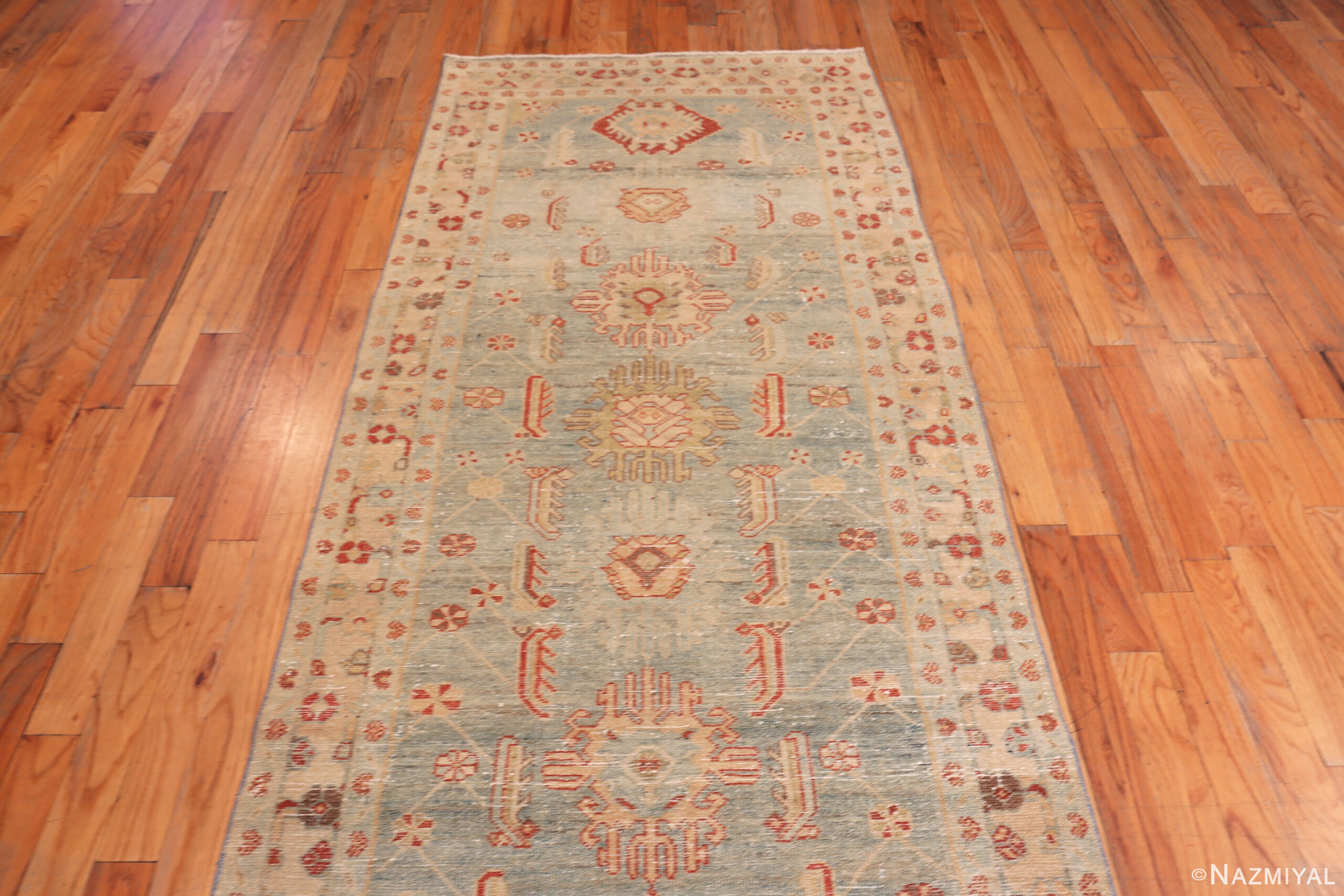
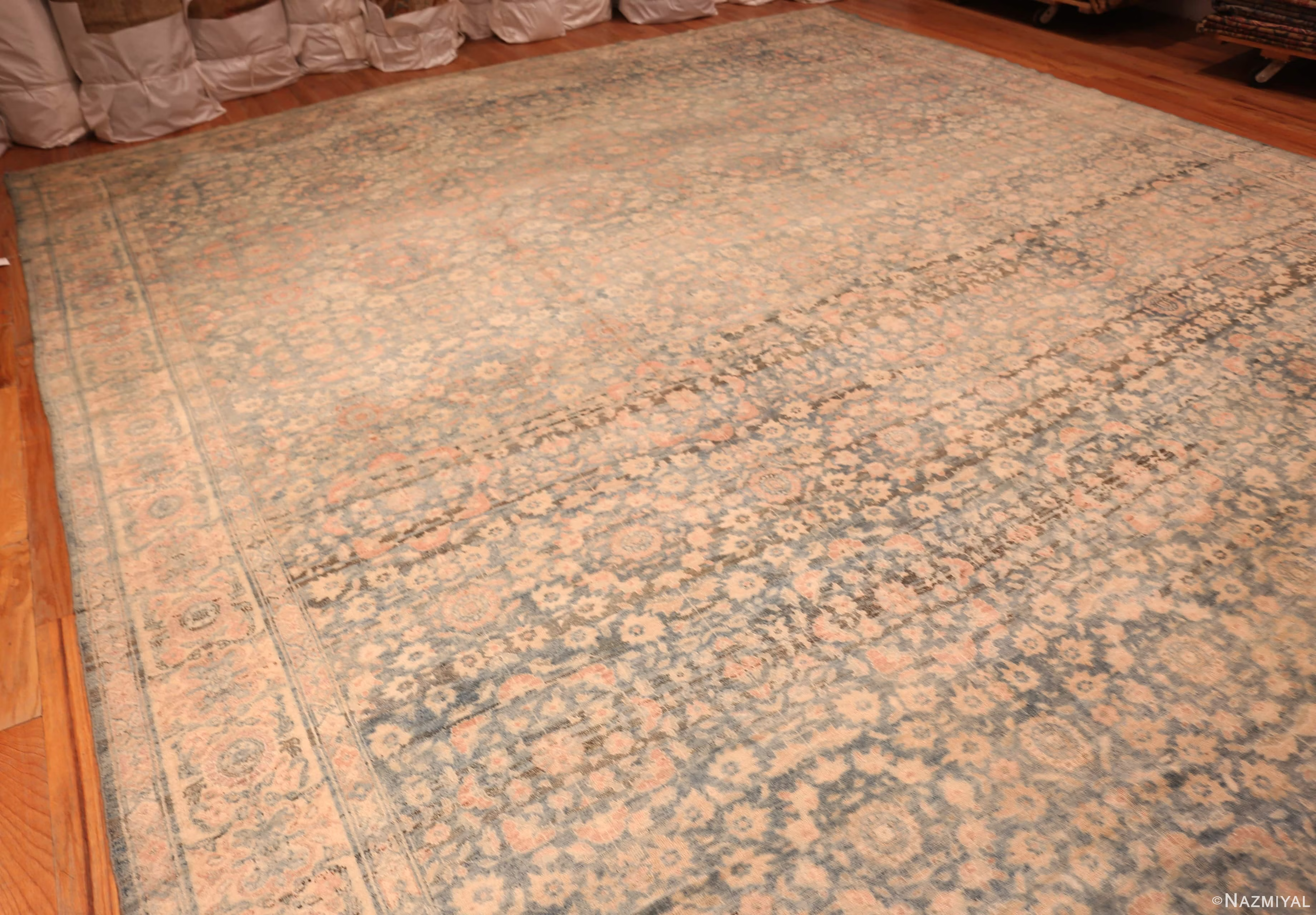
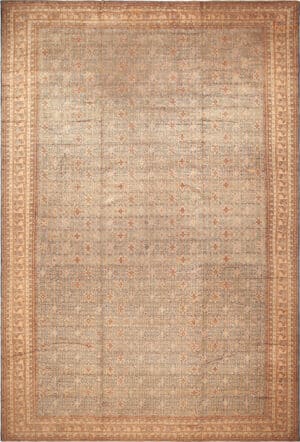
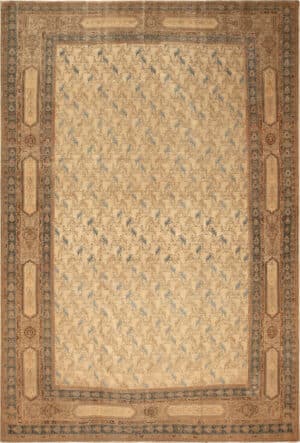
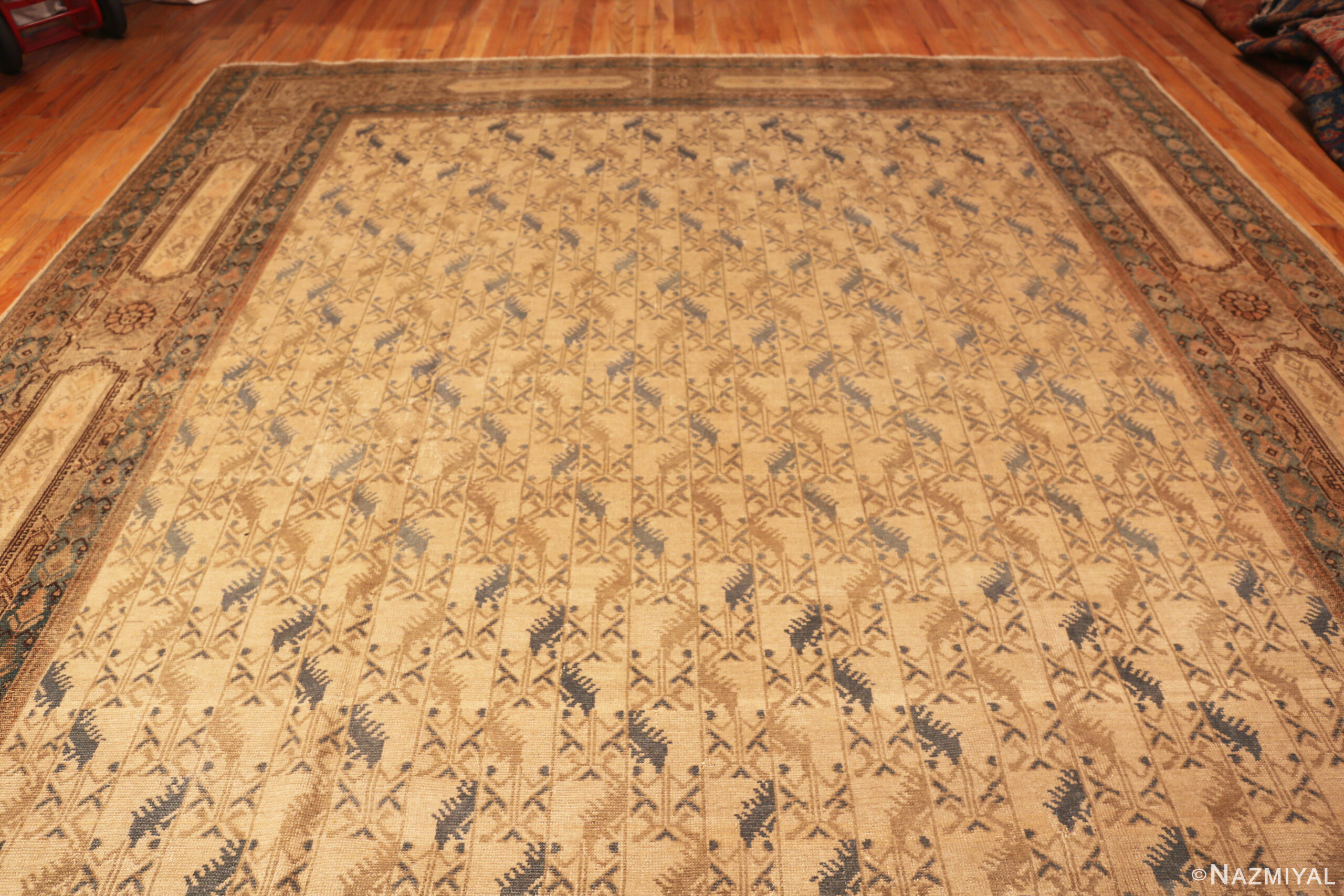
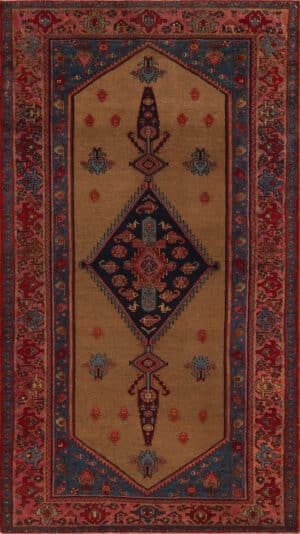
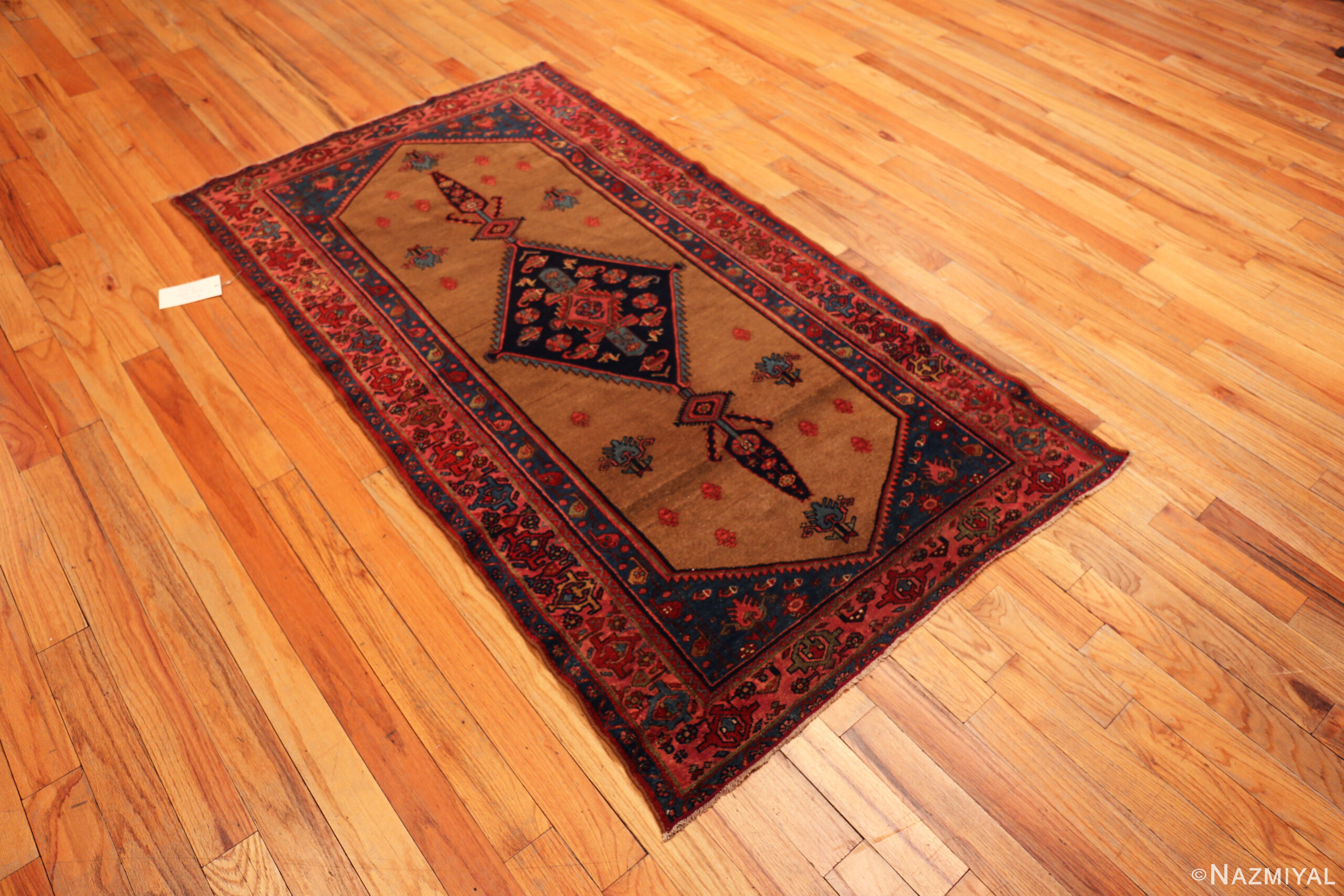
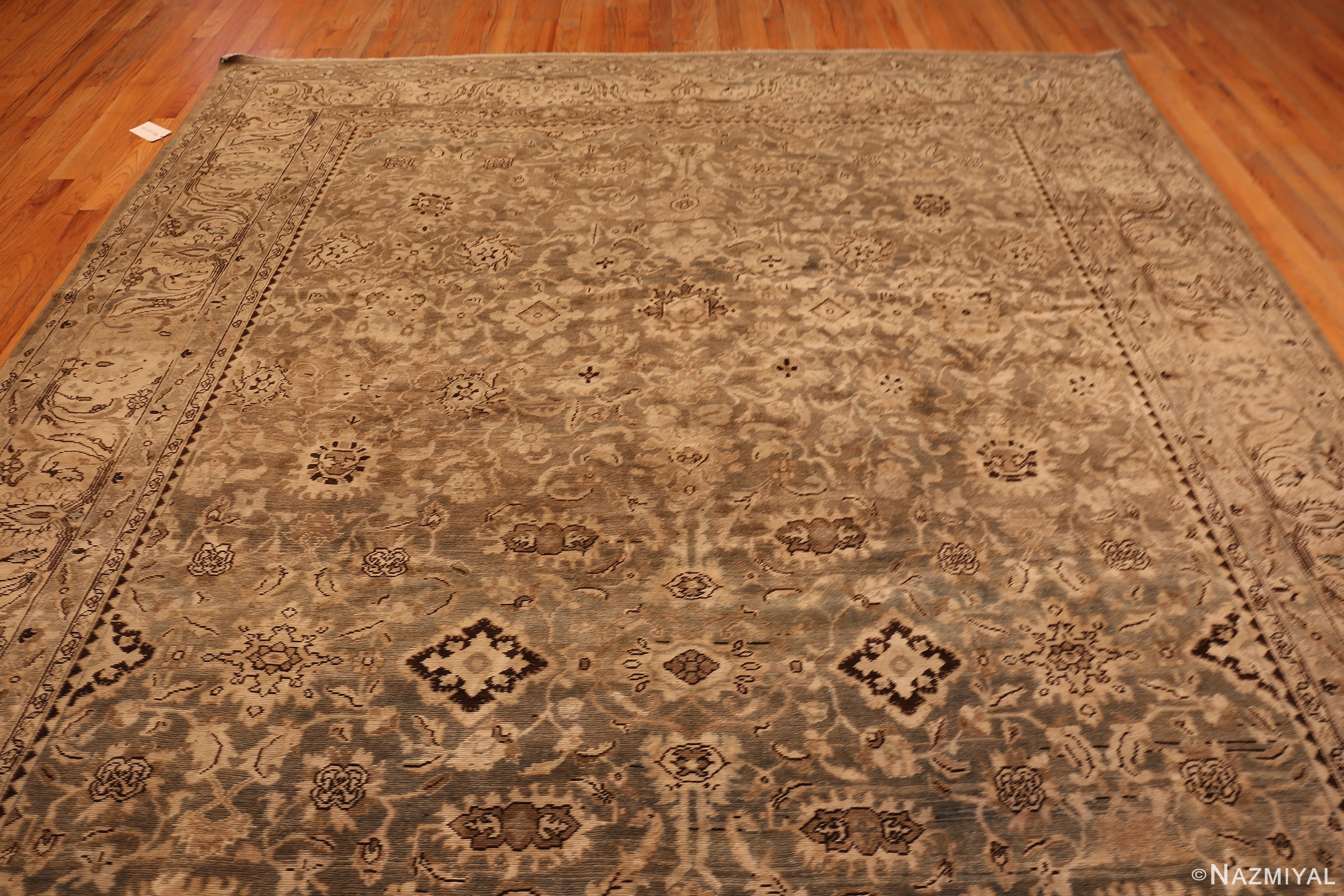
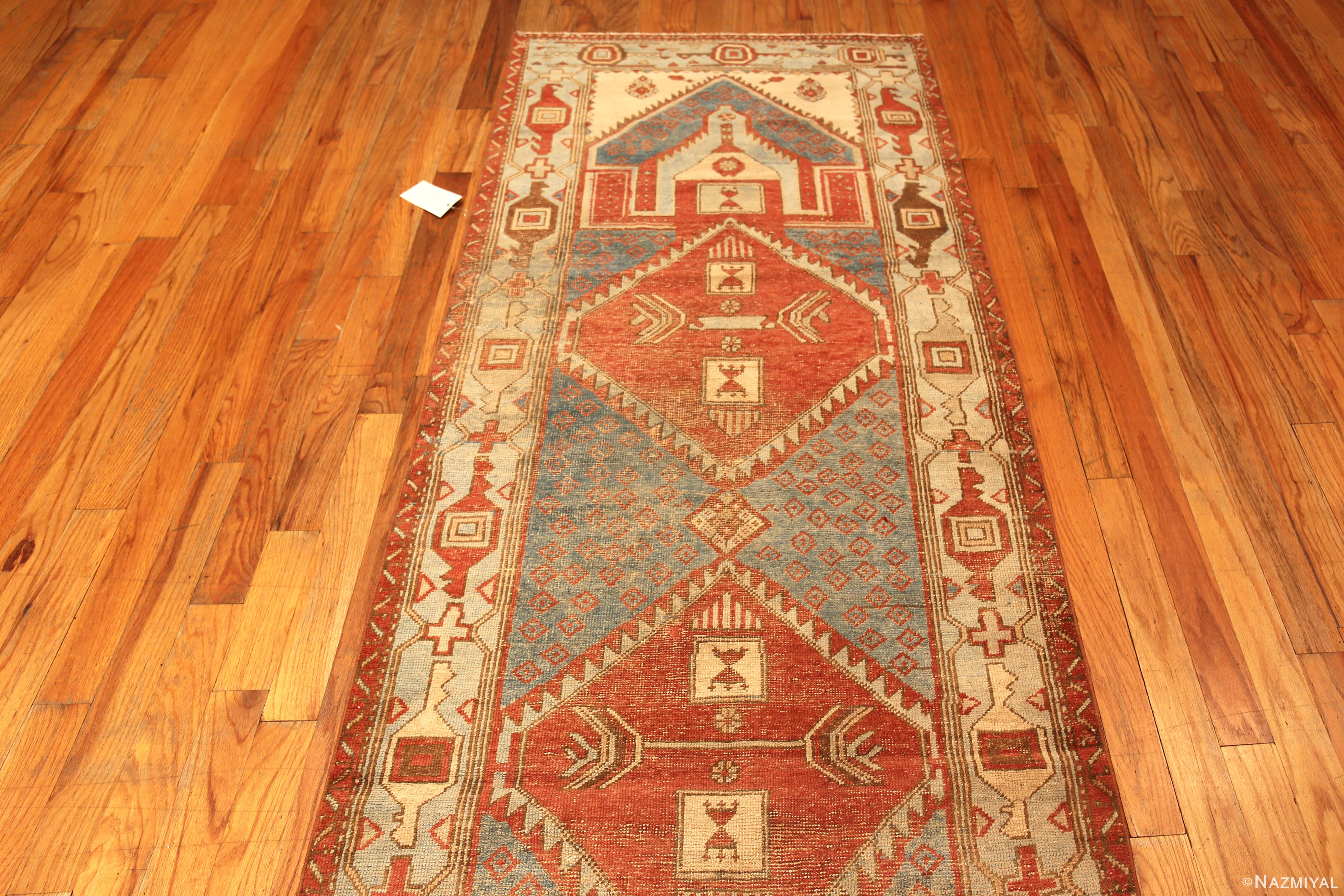
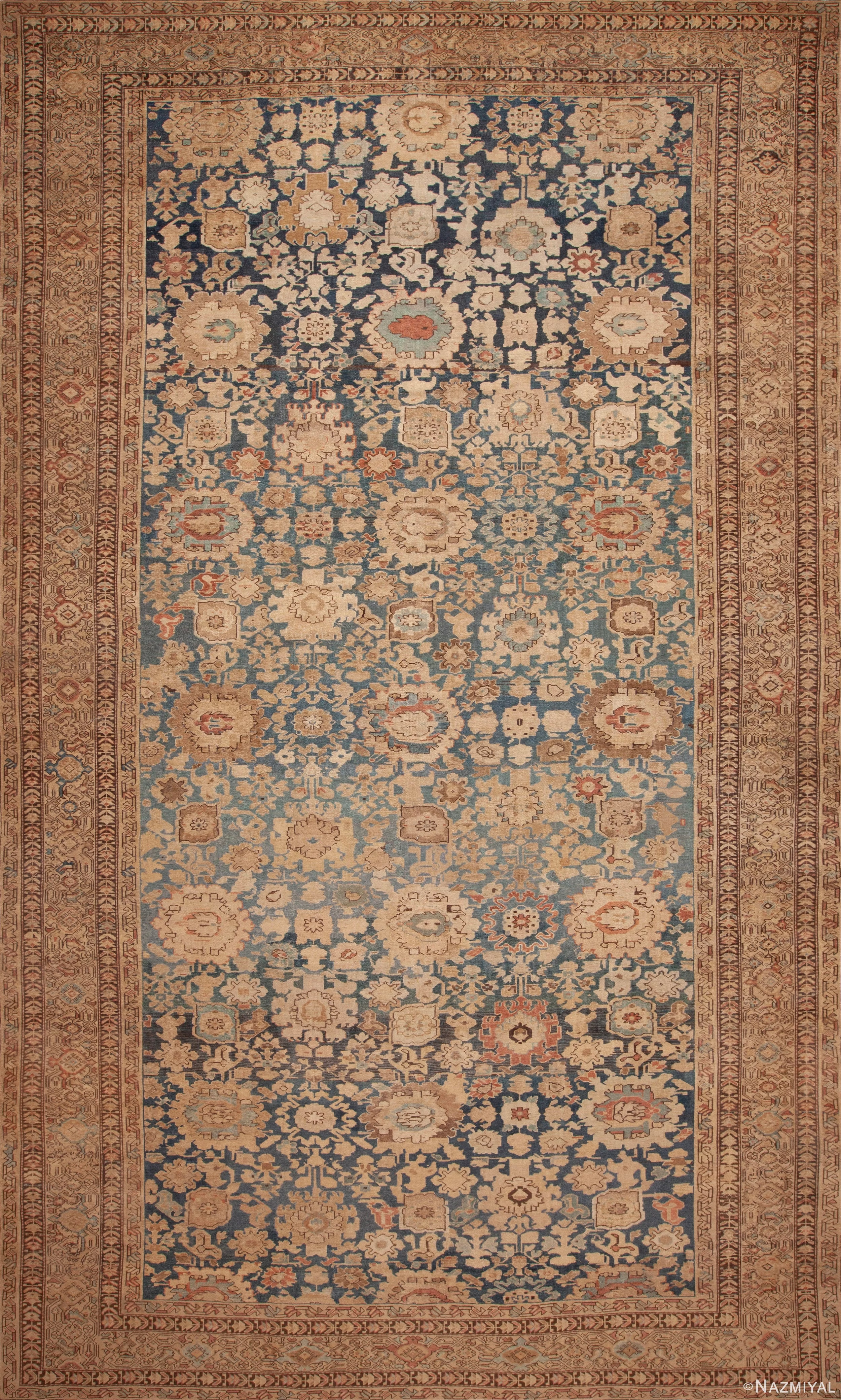
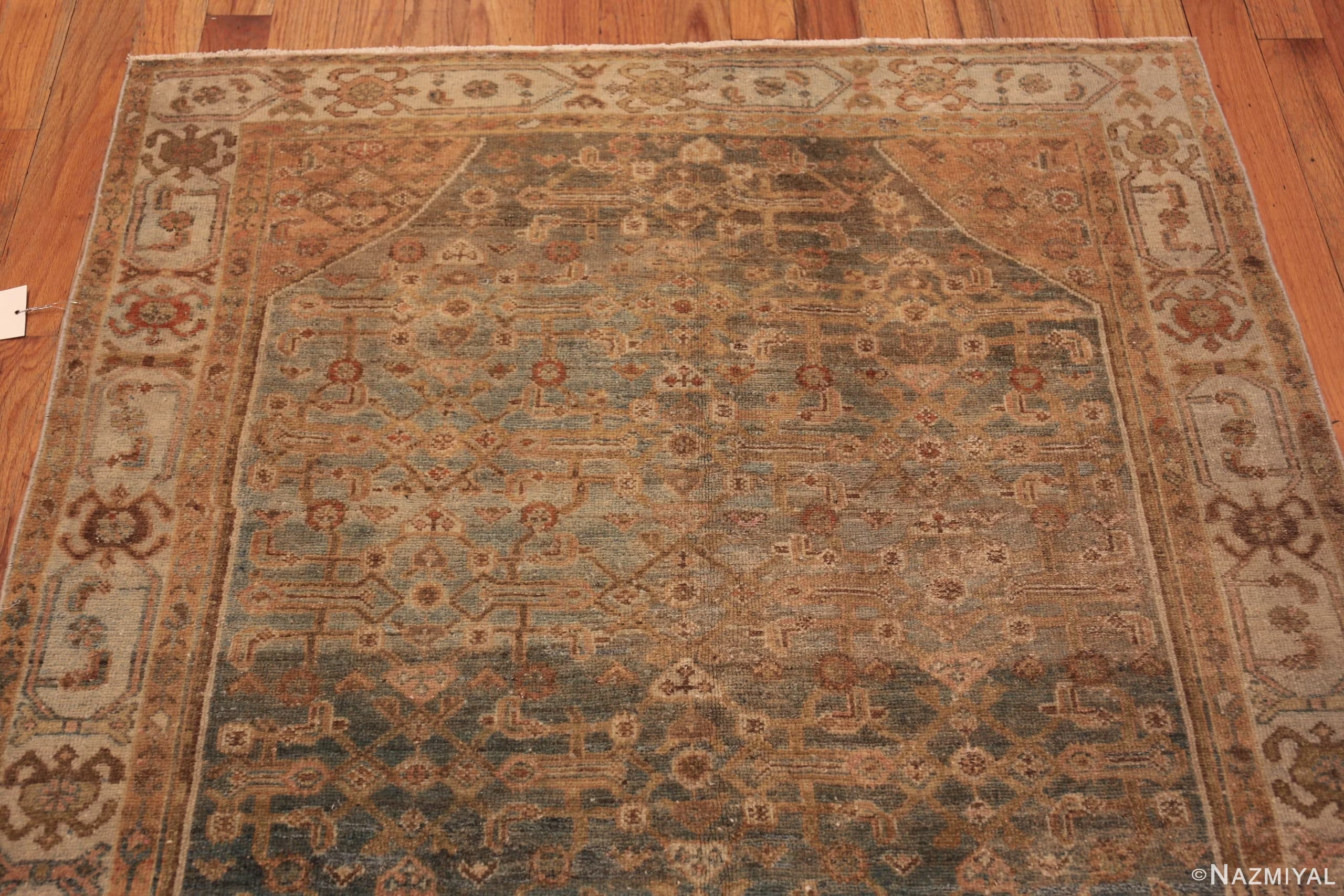
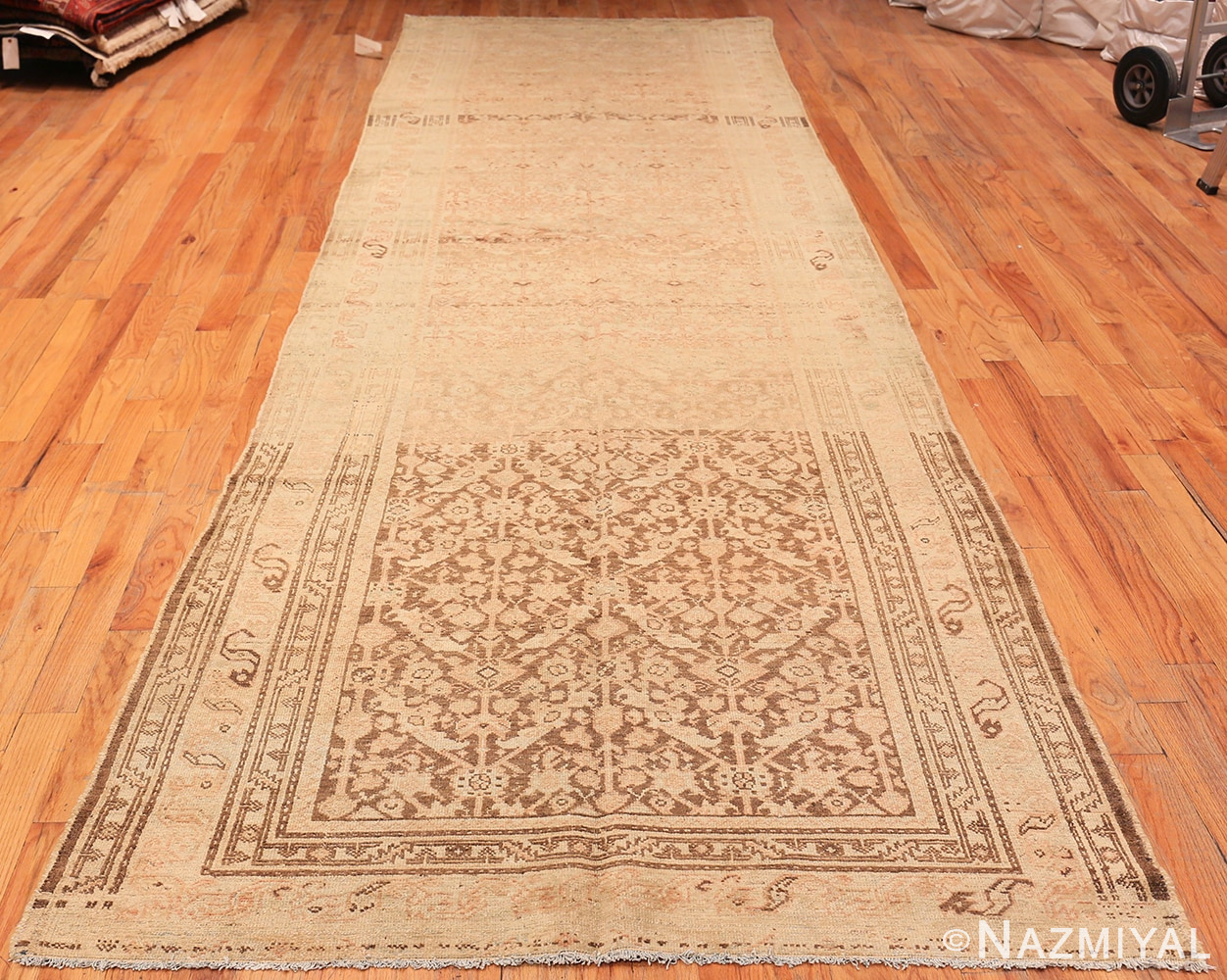
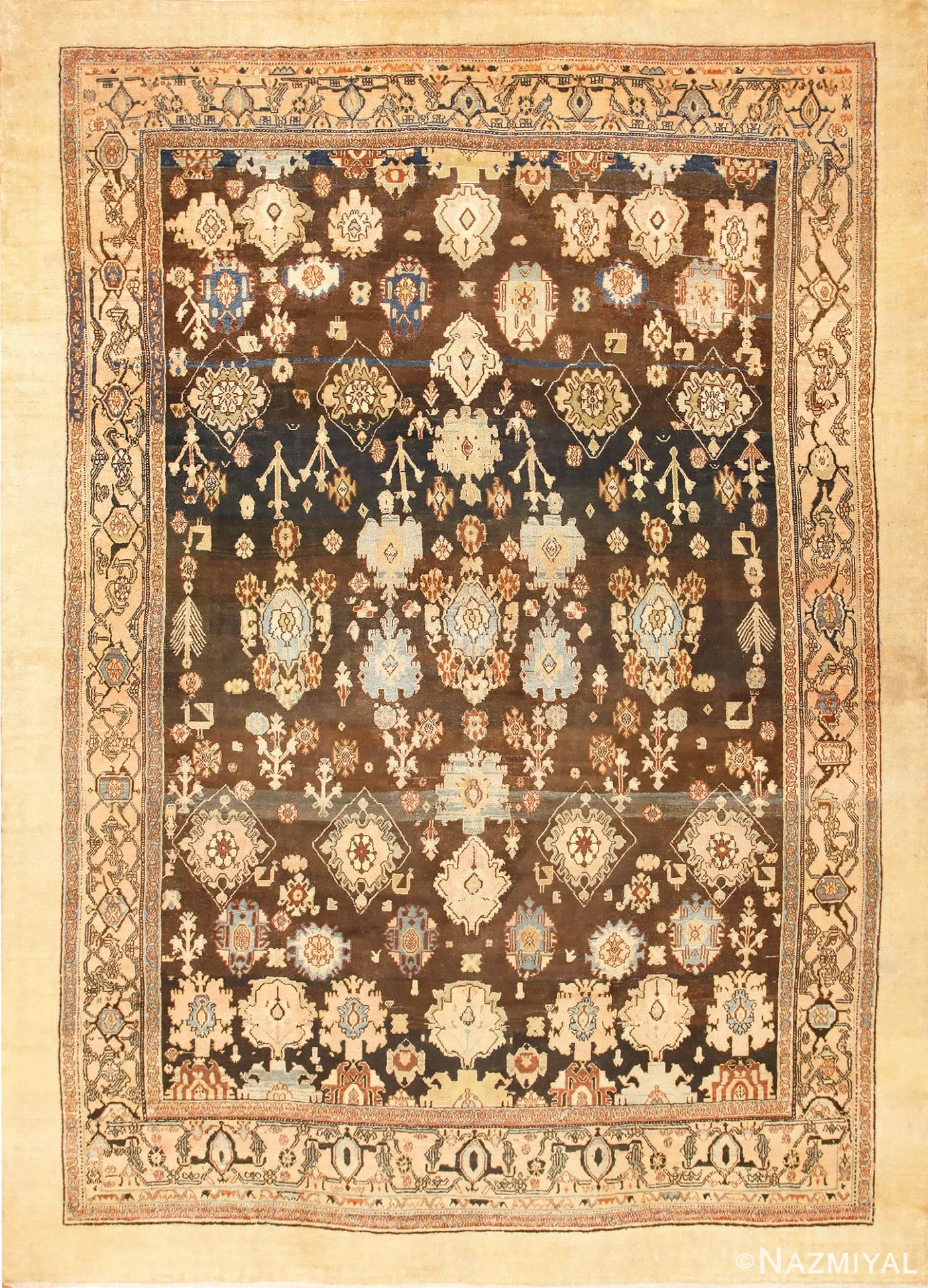
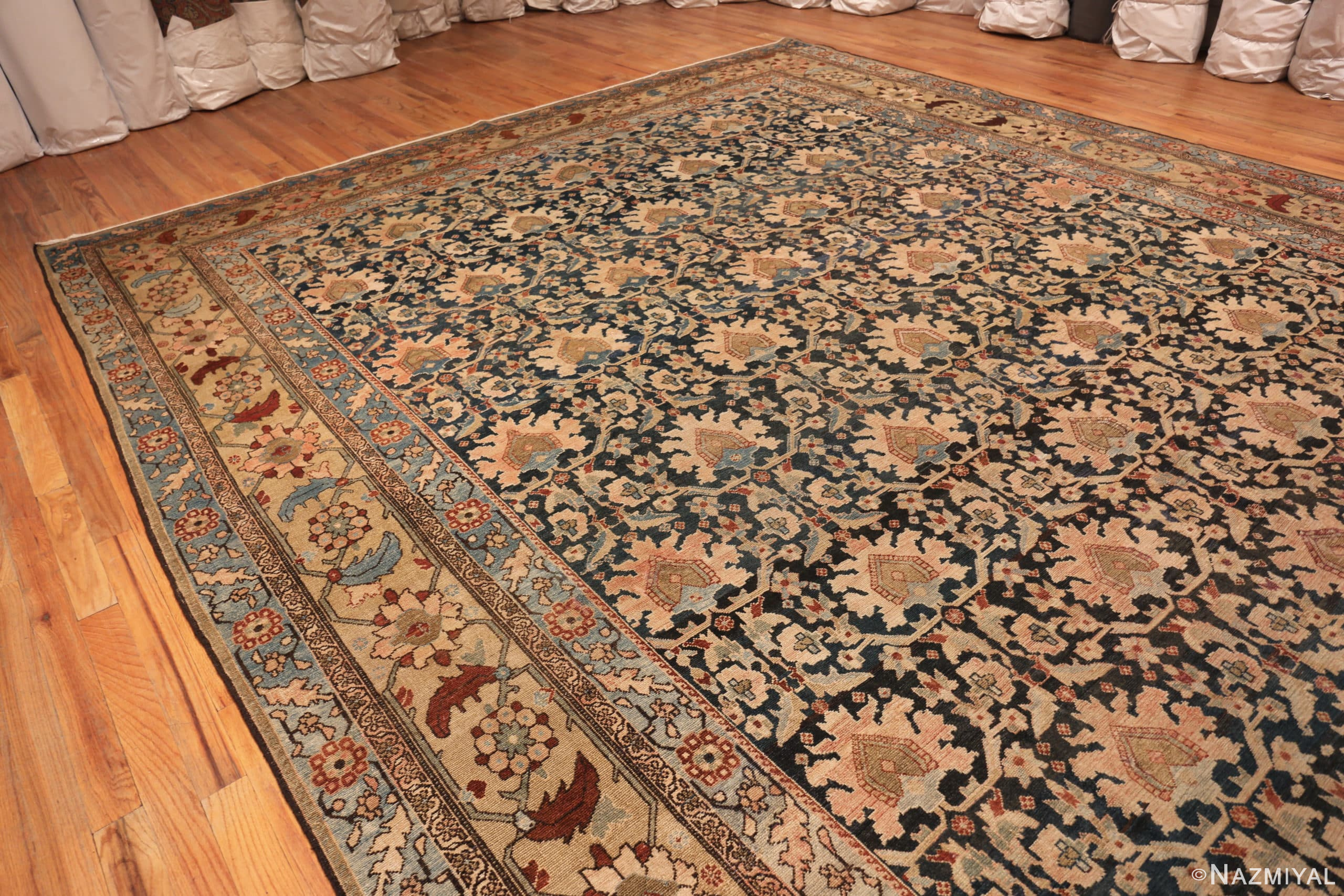
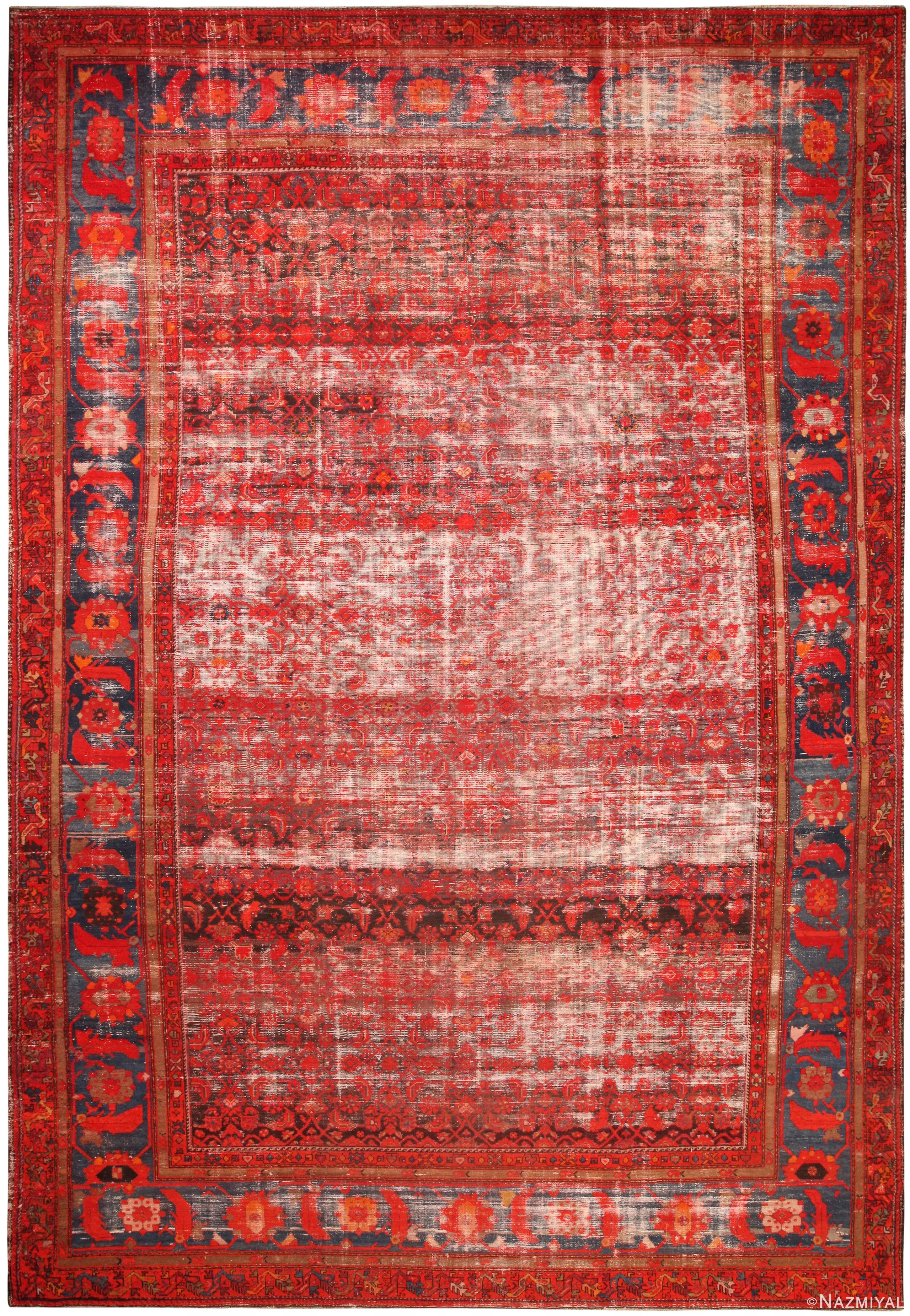
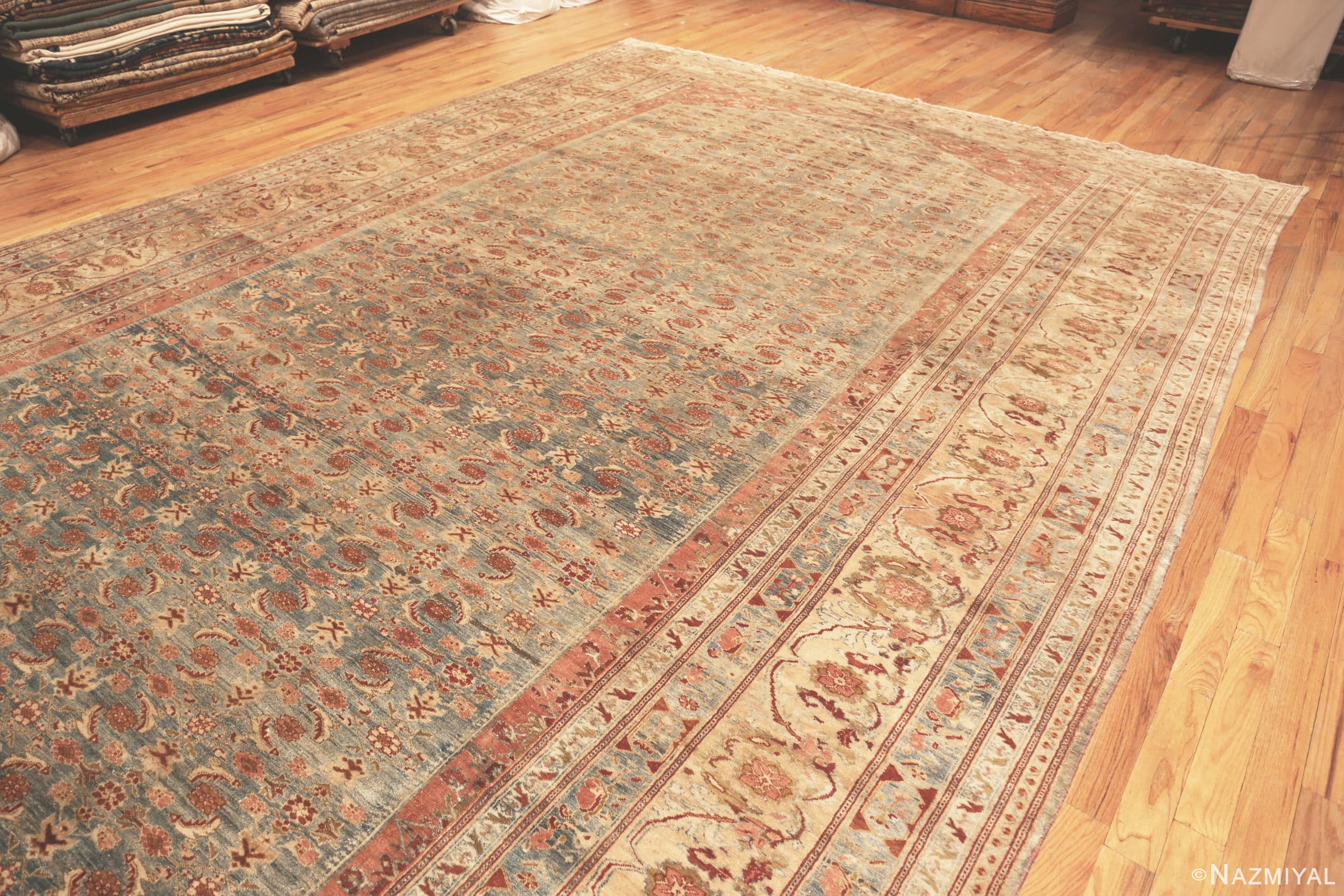
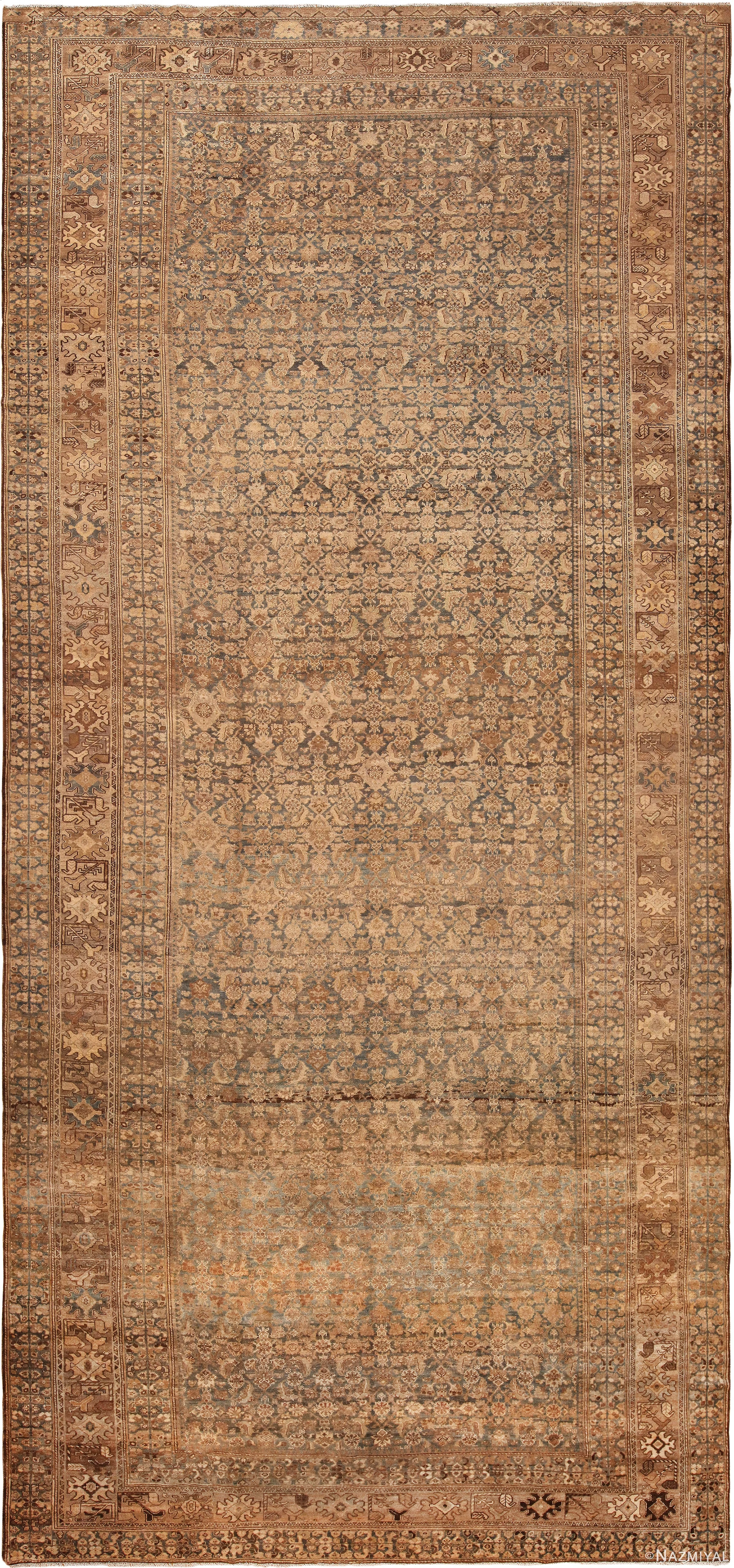
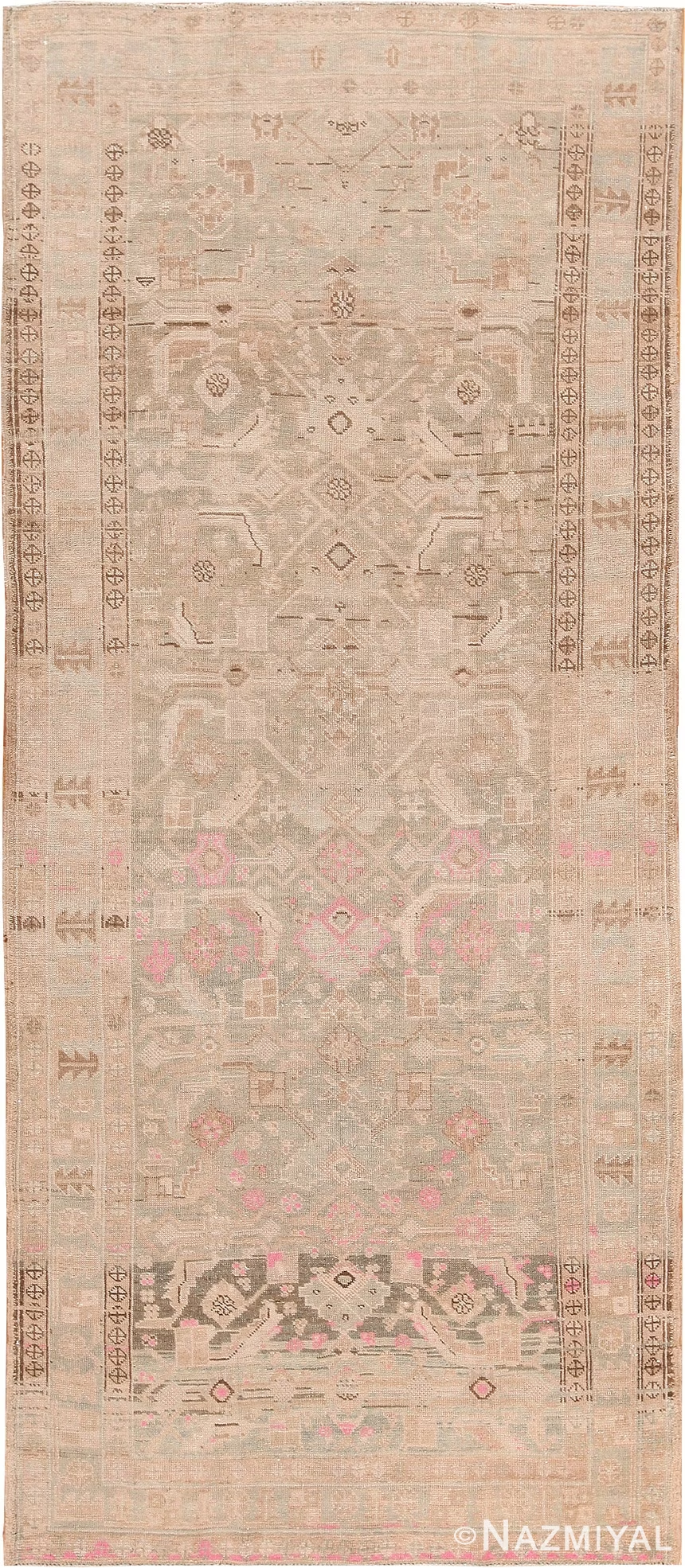
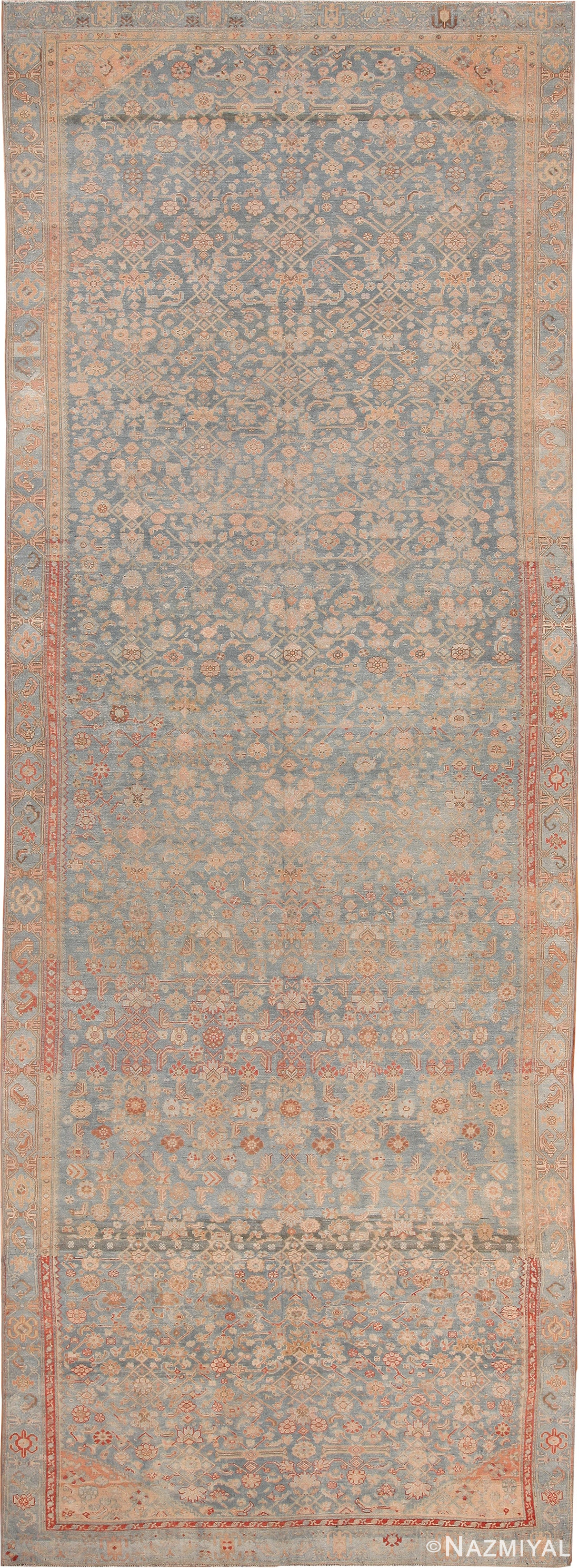
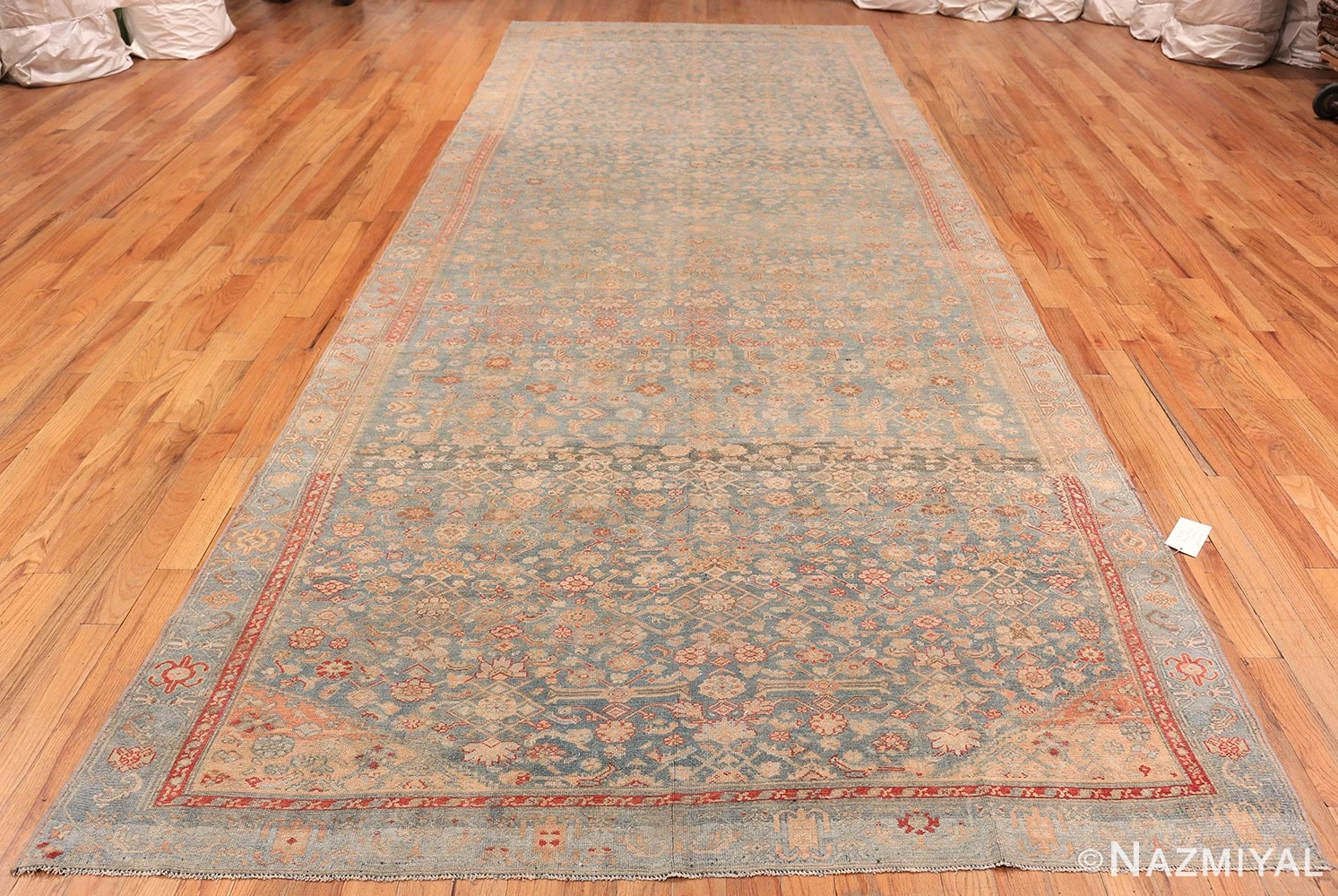
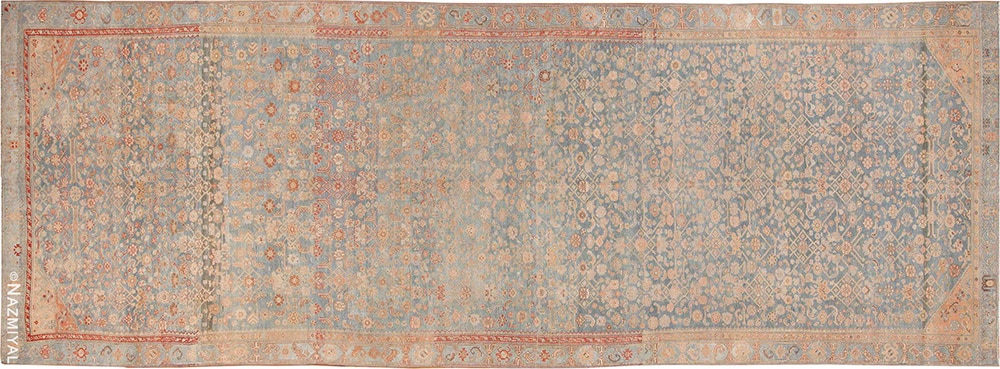
Malayer rugs are antique Persian village weavings from the Malayer region (Hamadan province), prized for their graphic Herati fields, boteh-based allovers, and slightly abstract, geometric reinterpretations of classical Persian motifs.
Malayer rugs don’t follow one rigid formula (that’s part of the charm), but the best examples tend to share a few tells:
1) The pattern has movement
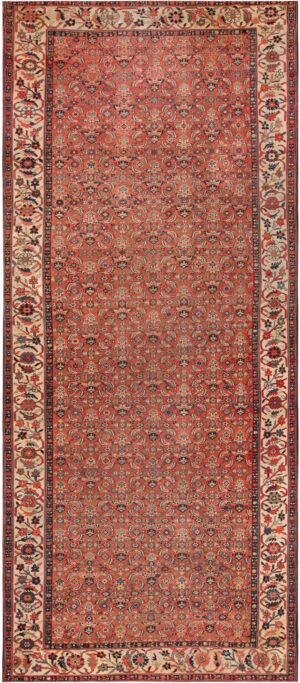
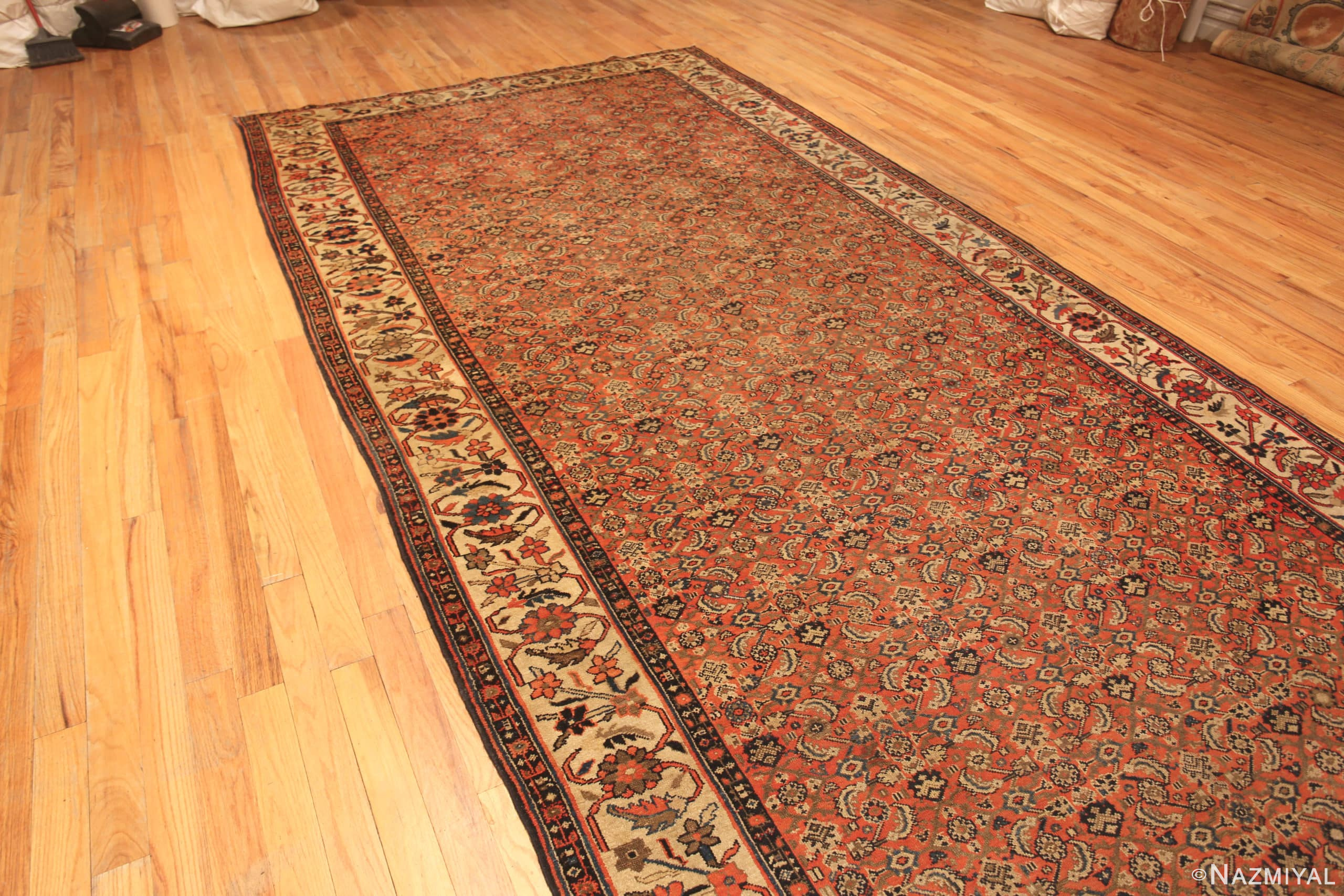
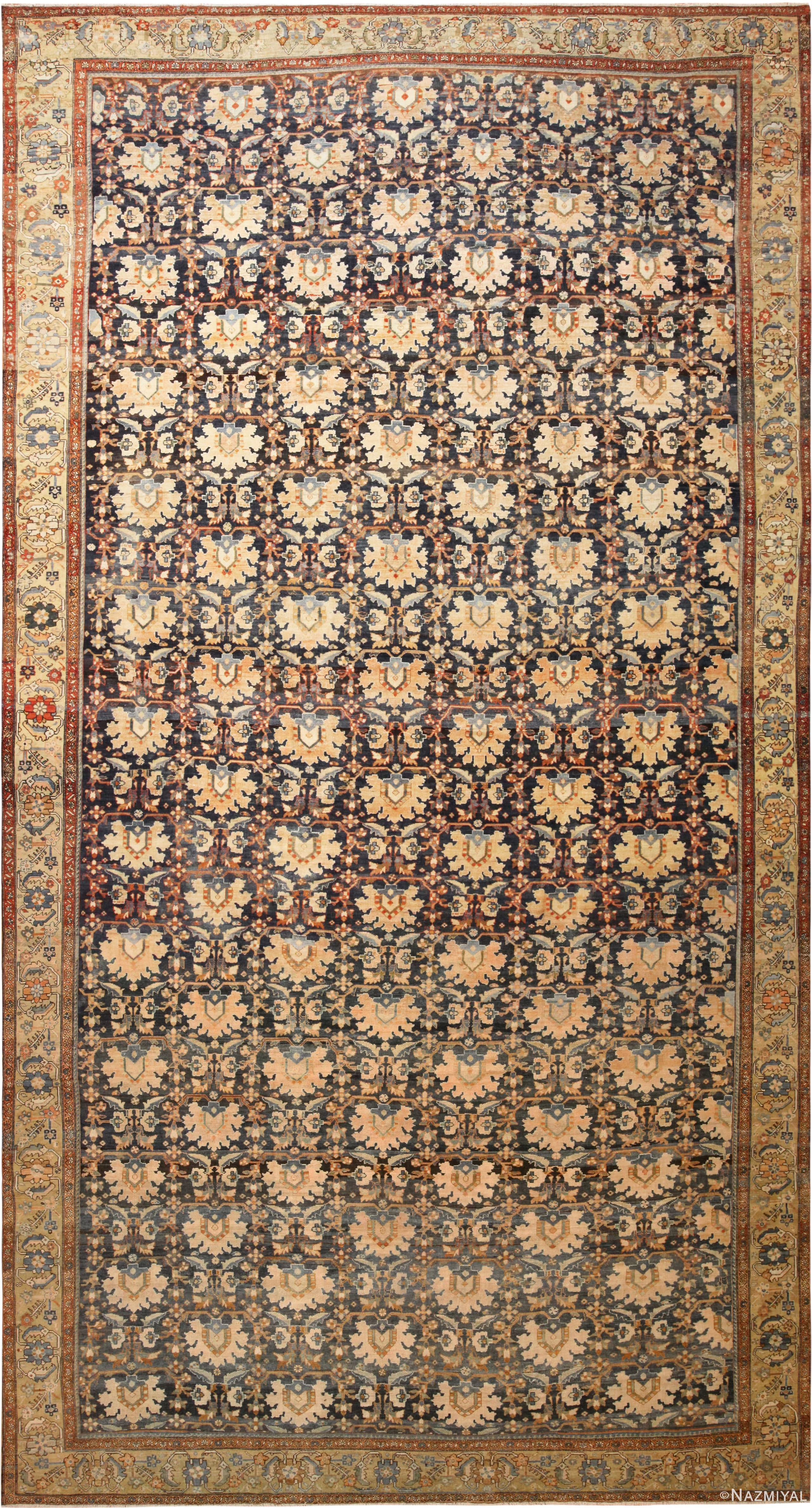
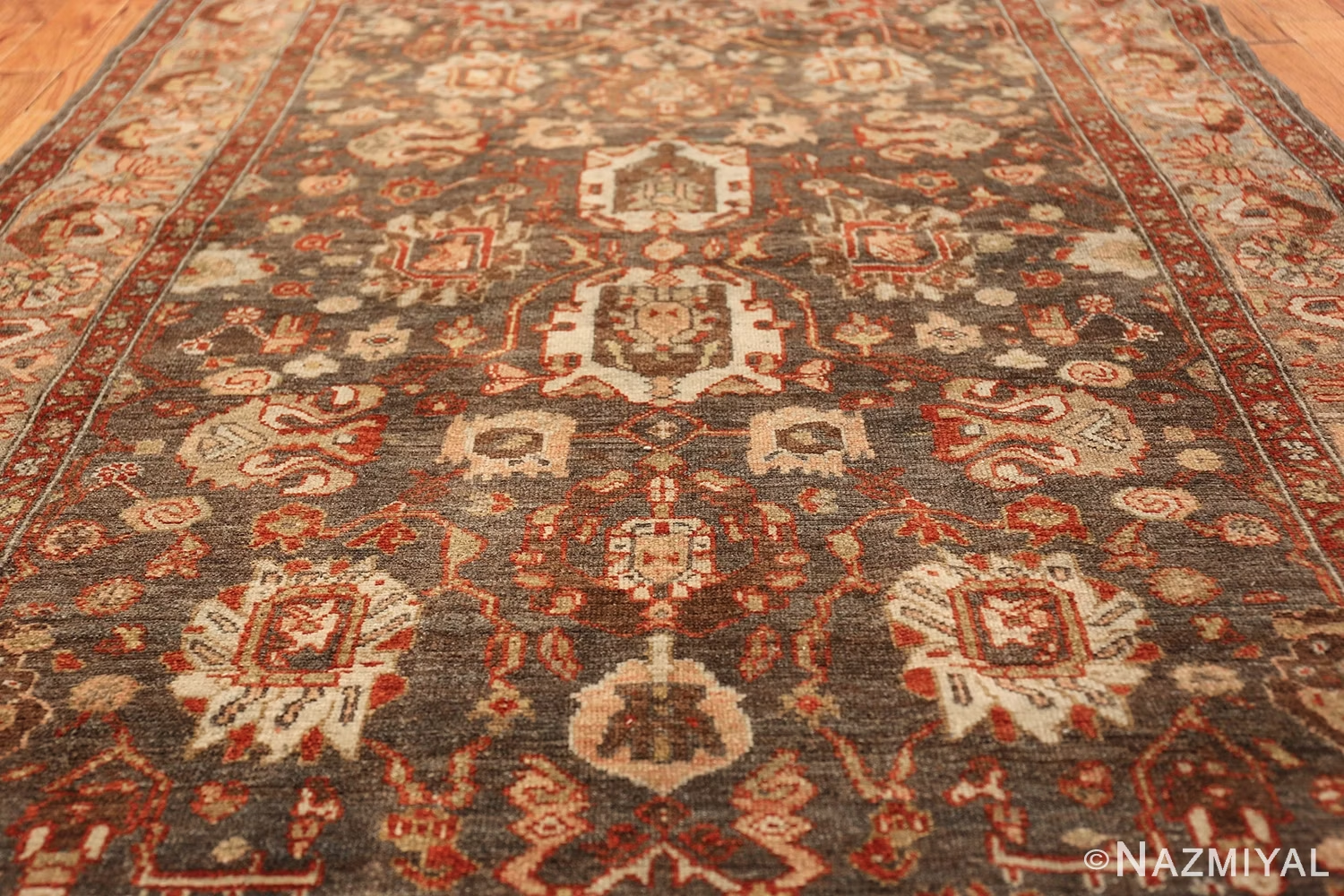
Many Malayers use small repeating motifs—often boteh or Herati variations—to create a field that feels animated, not static.
2) Geometry with Persian DNA
Even when the drawing is angular, you can usually feel classical Persian structure underneath: medallion logic, vine rhythm, or an ordered repeat.
3) Color that feels honest
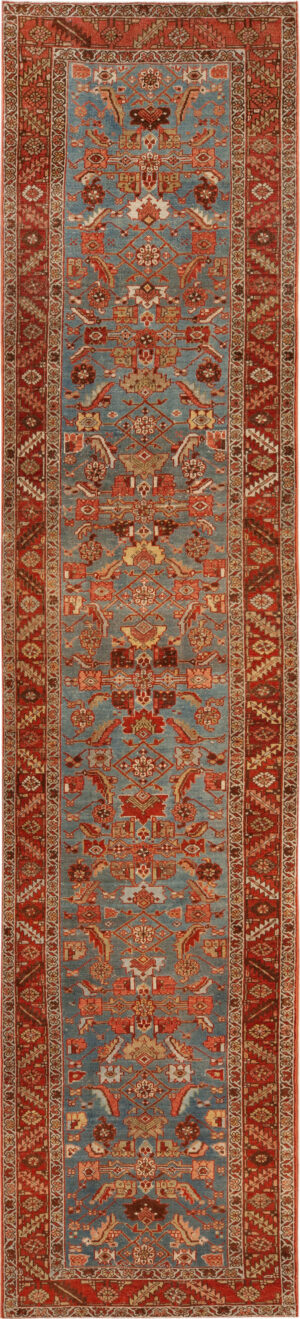
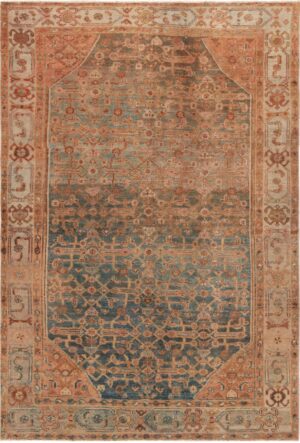
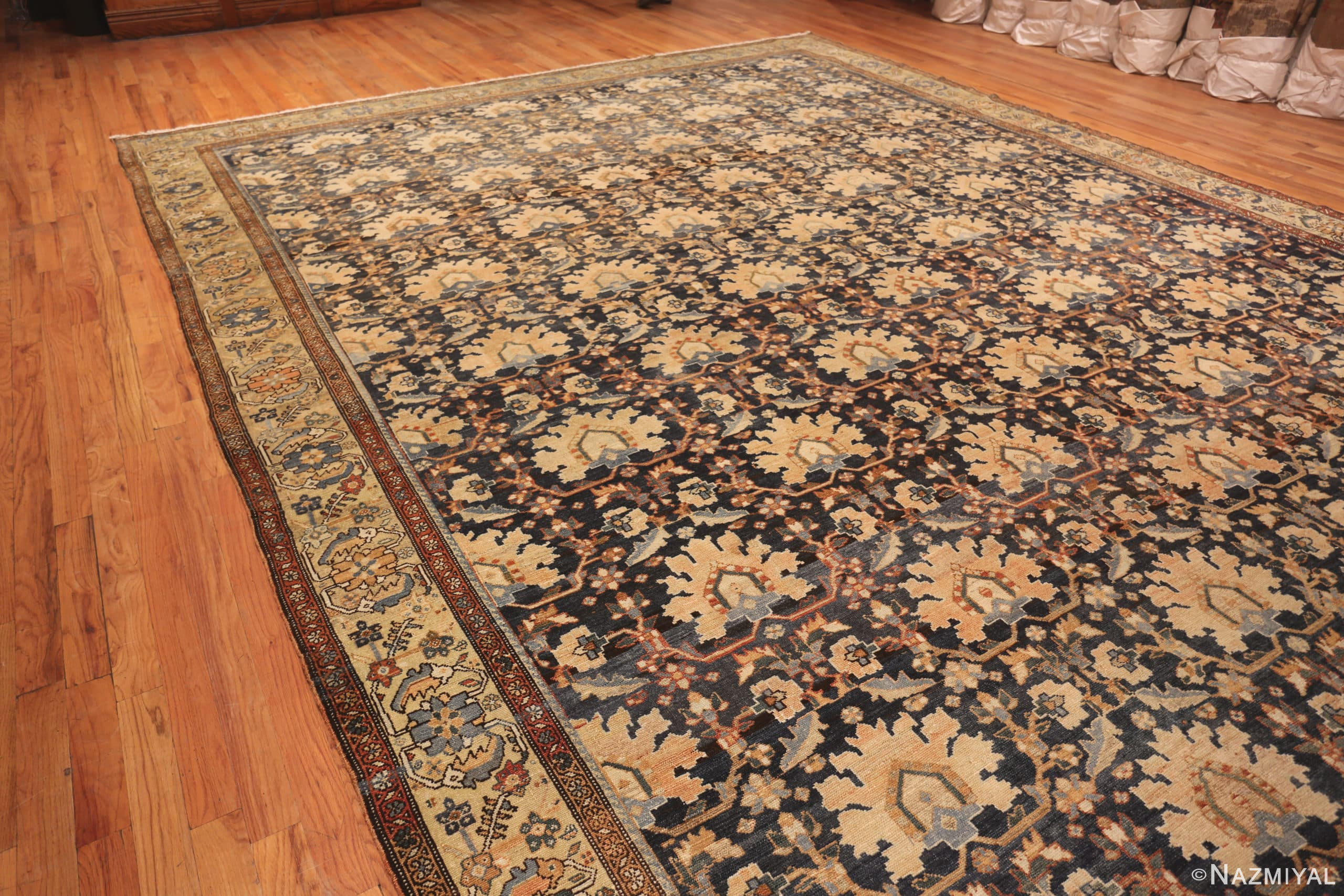
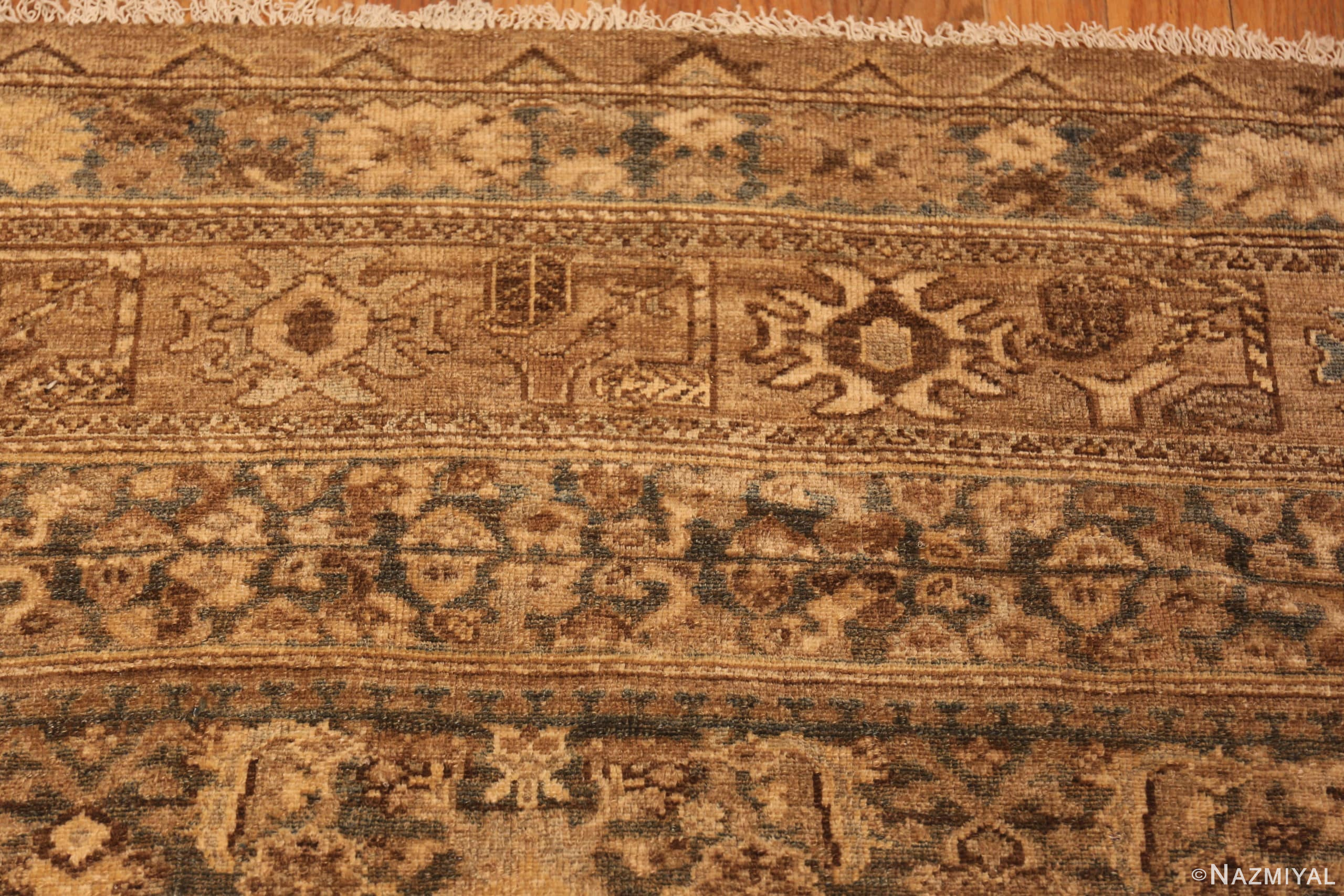
Collectors love Malayer for deep indigo, warm rusts, camel tones, and natural-looking contrast—often with gentle abrash that reads like patina, not “fade.”
Decorating With Malayer Rugs
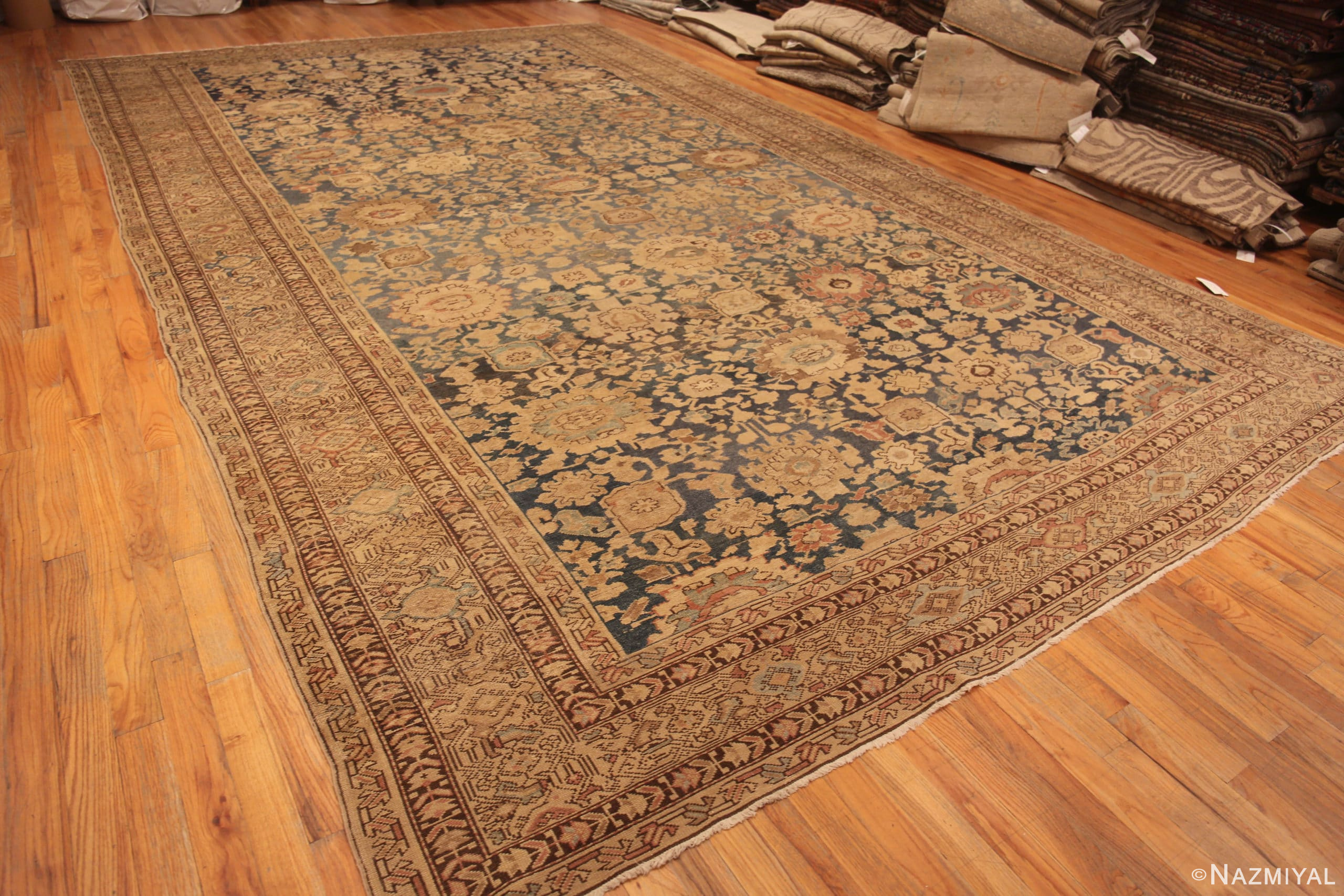
In living rooms: a Malayer adds pattern without the formality of court carpets—especially strong under linen seating and warm woods.
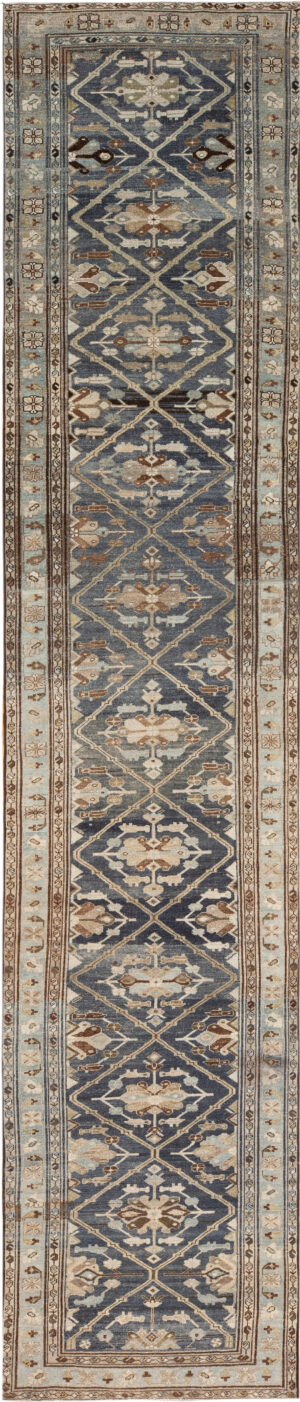
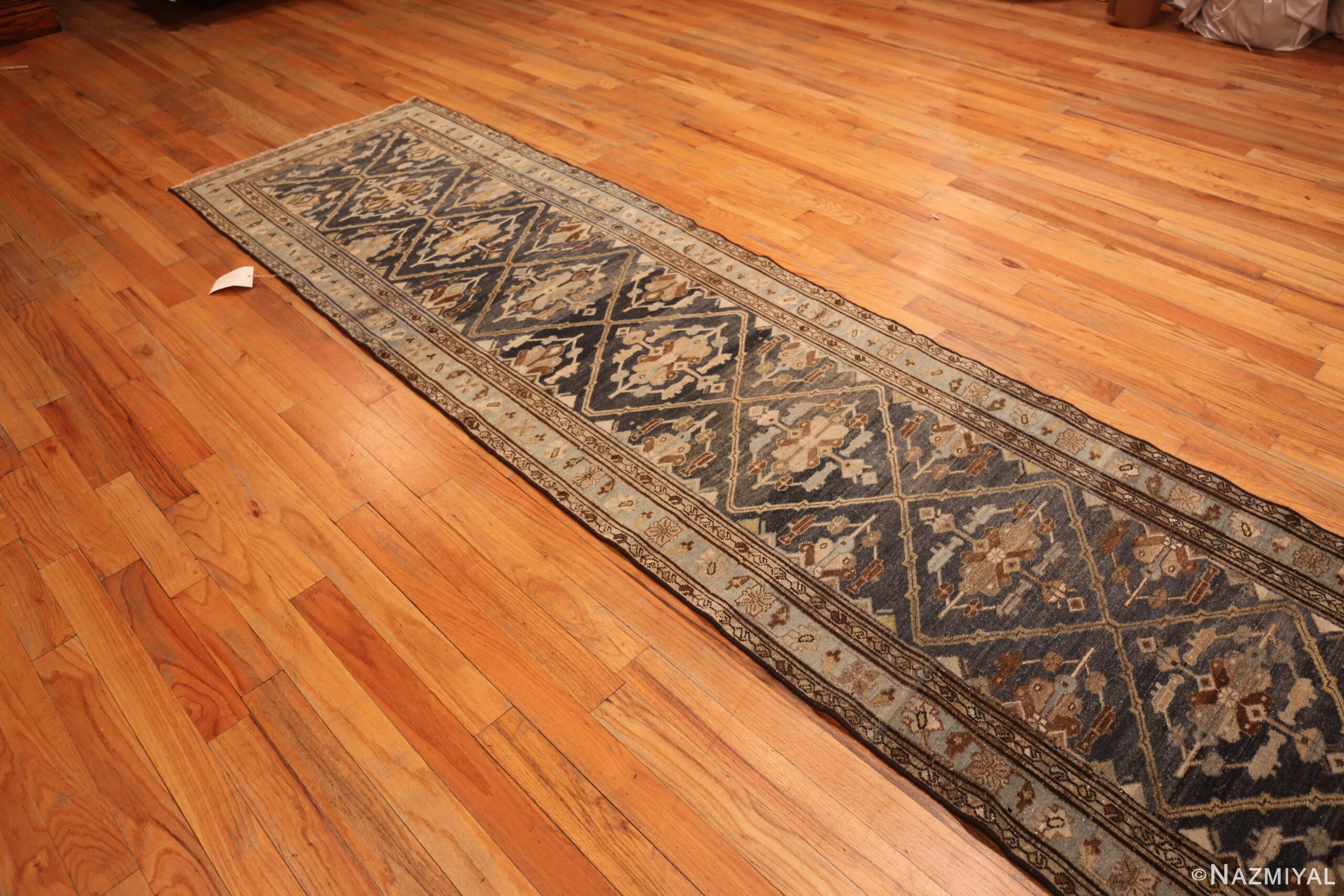
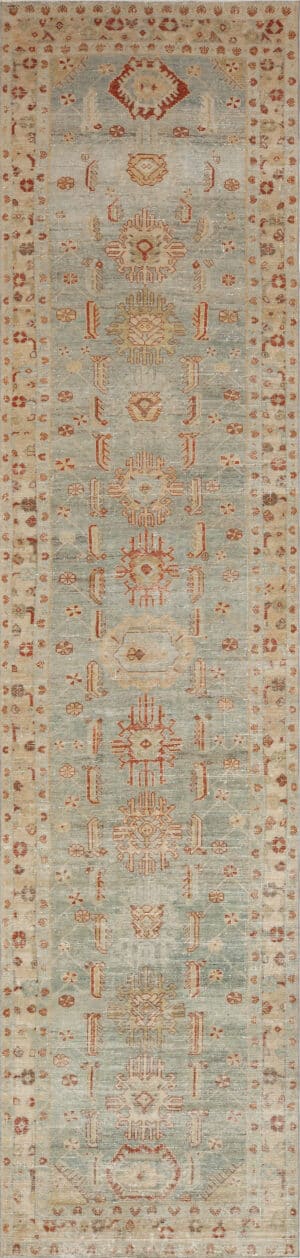
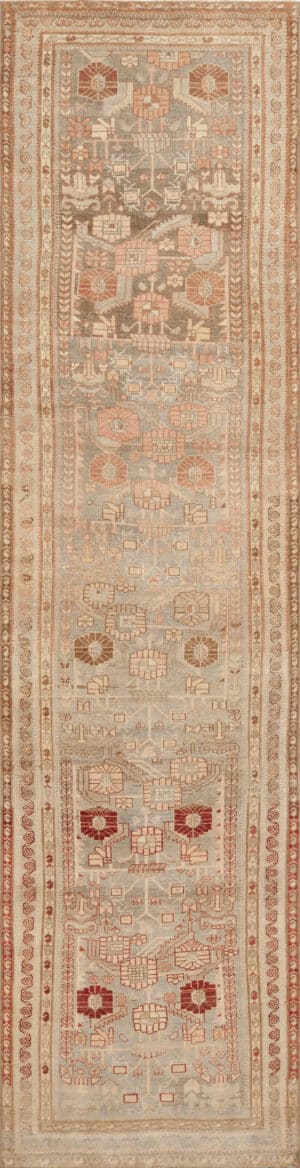
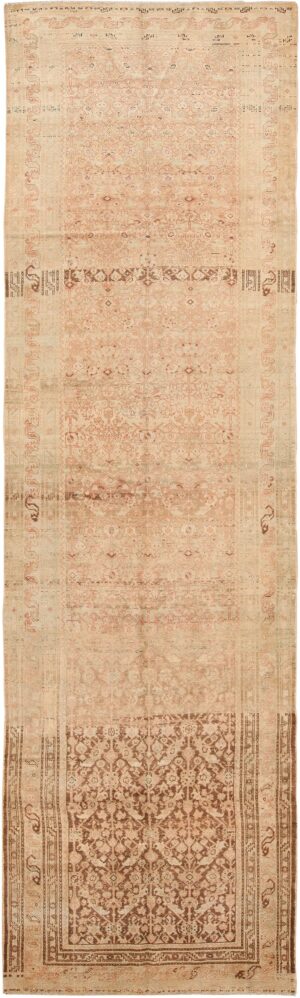
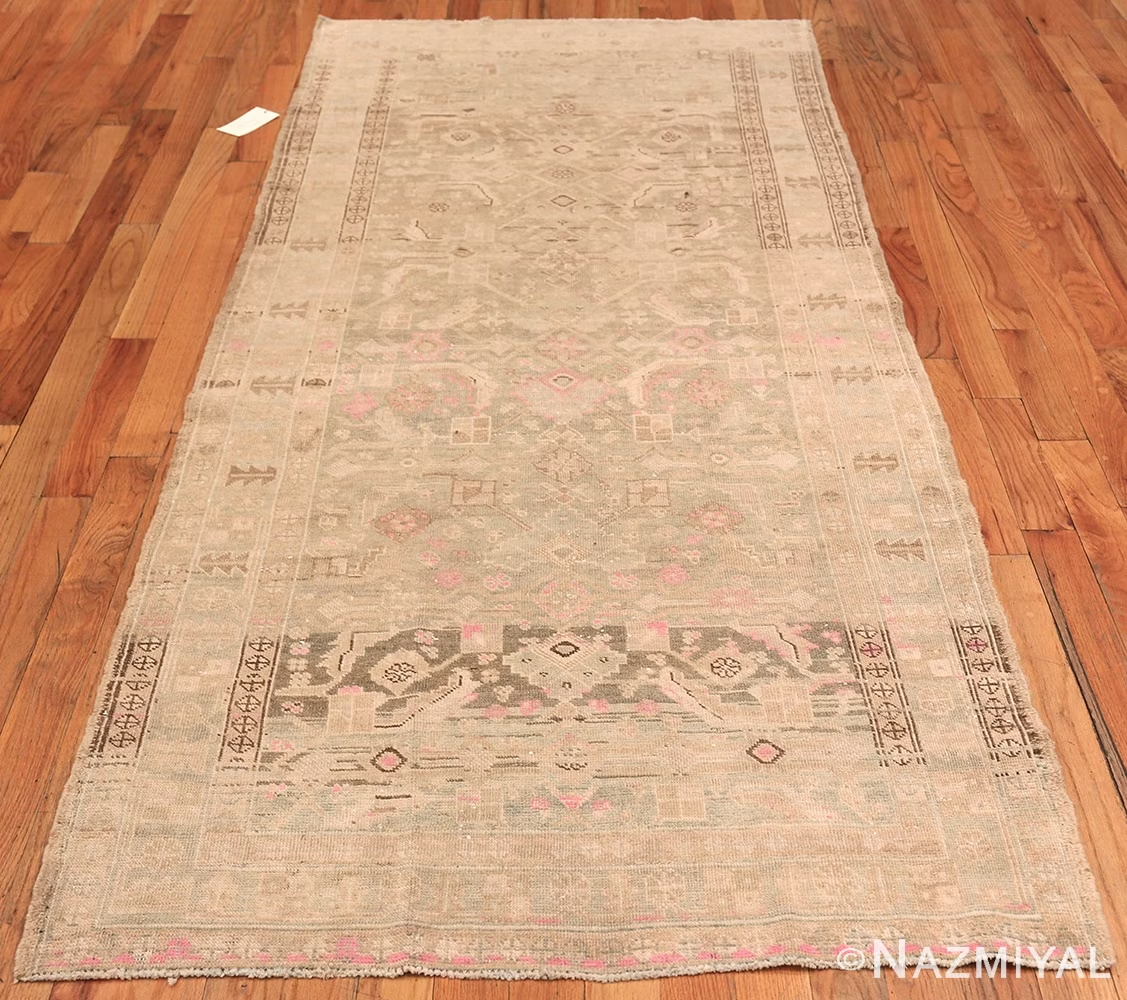
In hallways: Malayer runners bring color and durability; pair with a quality pad and regular rotation. Browse Runner Rugs.
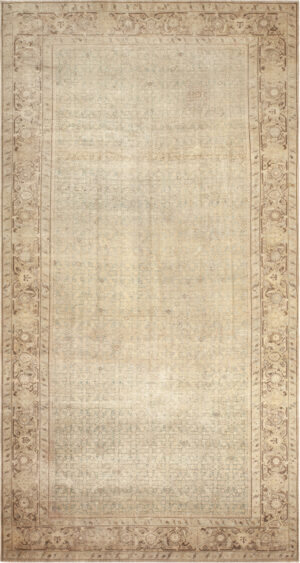
In long rooms: choose a gallery proportion to keep the space intentional. See Gallery Size Rugs.
Color-first approach: if you’re building a palette, start with Rugs by Color and work inward.
Related Rugs
Closest Cousins: Malayer vs Hamedan vs Senneh
Malayer vs Hamedan (Hamadan) Hamedan rugs are the broader family name for a huge weaving region—often more purely “village commercial” in feel, with many local sub-styles. If you want to widen your search while keeping that western-Persian character, explore Hamedan Rugs.
Malayer vs Senneh Senneh rugs are typically finer and more intricate in patterning, with a more delicate, often more “drawn” look. If you want Malayer’s sophistication turned up, explore Senneh Rugs.
Glossary
Herati: rosette + leaf repeat that creates an allover lattice feel.
Boteh: the paisley seed motif used in countless Persian traditions.
Abrash: intentional-looking natural shade variation from dye lots.
Expert Advisory — real guidance on size, placement, and long-term value
If you’d like, our team can shortlist 6–10 Malayers for your room size, palette, and budget. Start here: Contact Us.
FAQ
Are Malayer rugs good quality?
Yes—good Malayers are sturdy, expressive village rugs with excellent wool and highly livable patterns. Condition and craftsmanship vary, so buying from a vetted inventory matters.
Where are Malayer rugs made?
In western Persia (Iran), in and around the Malayer region of Hamadan province.
Are Malayer rugs mostly runners?
Many are runners and smaller/medium room rugs, but larger room-sized Malayers do exist—often made on commission.
What patterns are common in Malayer rugs?
Herati allovers, boteh-based repeats, angular medallions, and occasionally more curvilinear vine motifs.
How do I decorate with a Malayer rug?
Let the rug set the palette. Use solids and natural textures around it, and echo one accent color (rust, indigo, camel) in pillows or art.
Are Malayer rugs durable for high-traffic areas?
Many are, especially runners—use a pad, rotate periodically, and vacuum gently (no aggressive beater bar).
What’s the difference between Malayer and Senneh?
Senneh is often finer and more intricate; Malayer tends to be bolder, more graphic, and a touch more spontaneous in drawing.
Do Malayer rugs work in modern interiors?
Beautifully—Malayer’s geometry and color sit naturally with modern furniture, minimal spaces, and layered textures.
Nazmiyal White-Glove Service
We make it easy to shop with confidence—whether you’re choosing a single statement piece or curating a full room.
Trustindex verifies that the original source of the review is Google.
My wife and I are so pleased with the antique Uzbek Bokhara Rug purchased from the Nazmiyal Collection. Not only does the rug have a spectacular design, it also was very reasonably priced. The way it transforms our living room, reconciling the classic modern furniture with the 1913 Craftsman interior is remarkable.
Posted on Google
Terence Hayes
Trustindex verifies that the original source of the review is Google.
I have purchased multiple rugs at multiple Nazmiyal auctions and I am extremely pleased with the quality, price, and experience. Highly recommended!
Posted on Google
Victor Florintsev
Trustindex verifies that the original source of the review is Google.
The only ones I'd ever buy rugs from. The best.
Posted on Google
Jeffrey NeumanB
Trustindex verifies that the original source of the review is Google.
I bought two gorgeous Serapi rugs from Farhad at Nazmiyal Rugs! Beautiful carpets, fair prices and great service. Very happy customer. Farhad (the sales person) was very patient and gave us great service.
Posted on Google
john haid
Trustindex verifies that the original source of the review is Google.
Alen is a gentleman and an expert. Really great to work with.
Posted on Google
Edward Yasuna
Trustindex verifies that the original source of the review is Google.
I recently purchased a modern Kandinsky rug from Nazmiyal Auctions. It was just as described, and the director (Farhad) of the auctions had it sent to me quickly and safely. Payment was easy, the rug was reasonably priced, and I highly recommend Nazmiyal Auctions and Antique Rugs. Quality merchandise and first-class service.
Posted on Google
Nicholas Carr
Trustindex verifies that the original source of the review is Google.
Had a excellent experience buying a rug in Nazmiyal's 1/18/26 online auction. First, prior to the auction, viewing a number of lots at the 32nd St showroom (I had prepared a list from the online catalog). The staff were great to work with: helpful, knowledgable, honest, and flexible. Second, after placing an online bid and winning the desired item, arranging payment and pickup was simple and straightforward. Everything went seamlessly and the overall experience was educational and fun. Many thanks to Jason and his team.
Posted on Google
Andrea Gared
Trustindex verifies that the original source of the review is Google.
Everyone at Naziyal is proffessional, especially Jason and Farhad.
They are knowledgeable, truthful, and true gentlemen. I have sold several rugs through them and will always go to them first, to buy or sell. The best in the business!
Frequently Asked Questions
Antique Malayer rugs are known for their intricate small-scale patterns, nuanced color palettes, and village-level charm. Many feature repeating boteh or herati motifs arranged with remarkable variety and artistic freedom.
Collectors and designers appreciate Malayer rugs for their artistic diversity, expressive drawing, and versatile scale. Their subtle palettes and flowing patterns work well in both traditional and contemporary interiors.
Identification focuses on delicate motifs, softer palettes, and the use of wool foundations or mixed constructions. Malayer rugs often exhibit variations within repeating patterns, reflecting individual artistic choices by village weavers.
Yes. While lighter in construction than heavy workshop rugs, Malayer pieces were woven with strong wool and maintain good durability. Regular rotation and professional cleaning help preserve their condition over time.
Value depends on age, pattern quality, condition, and color harmony. Malayer rugs with refined boteh or herati designs, balanced spacing, and well-preserved natural dyes are especially desirable among collectors.
THE NAZMIYAL NEWSLETTER
Discover Your Next Favorite Rug
Get new arrivals, rug inspiration, educational blogs, and collection highlights delivered to your inbox.
By subscribing, you agree to receive marketing emails from Nazmiyal. Unsubscribe anytime. View our Privacy Policy.