
Page 2: Antique Caucasian Rugs
Showing 33–57 of 57 resultsSorted by latest
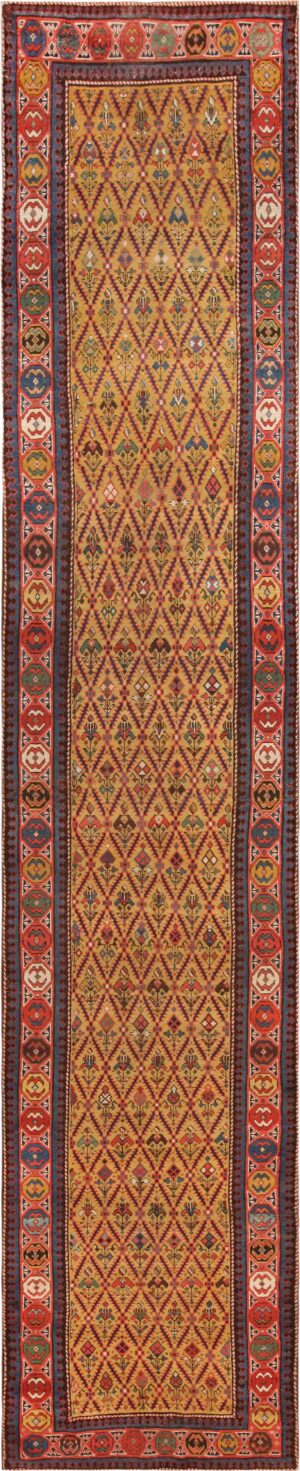
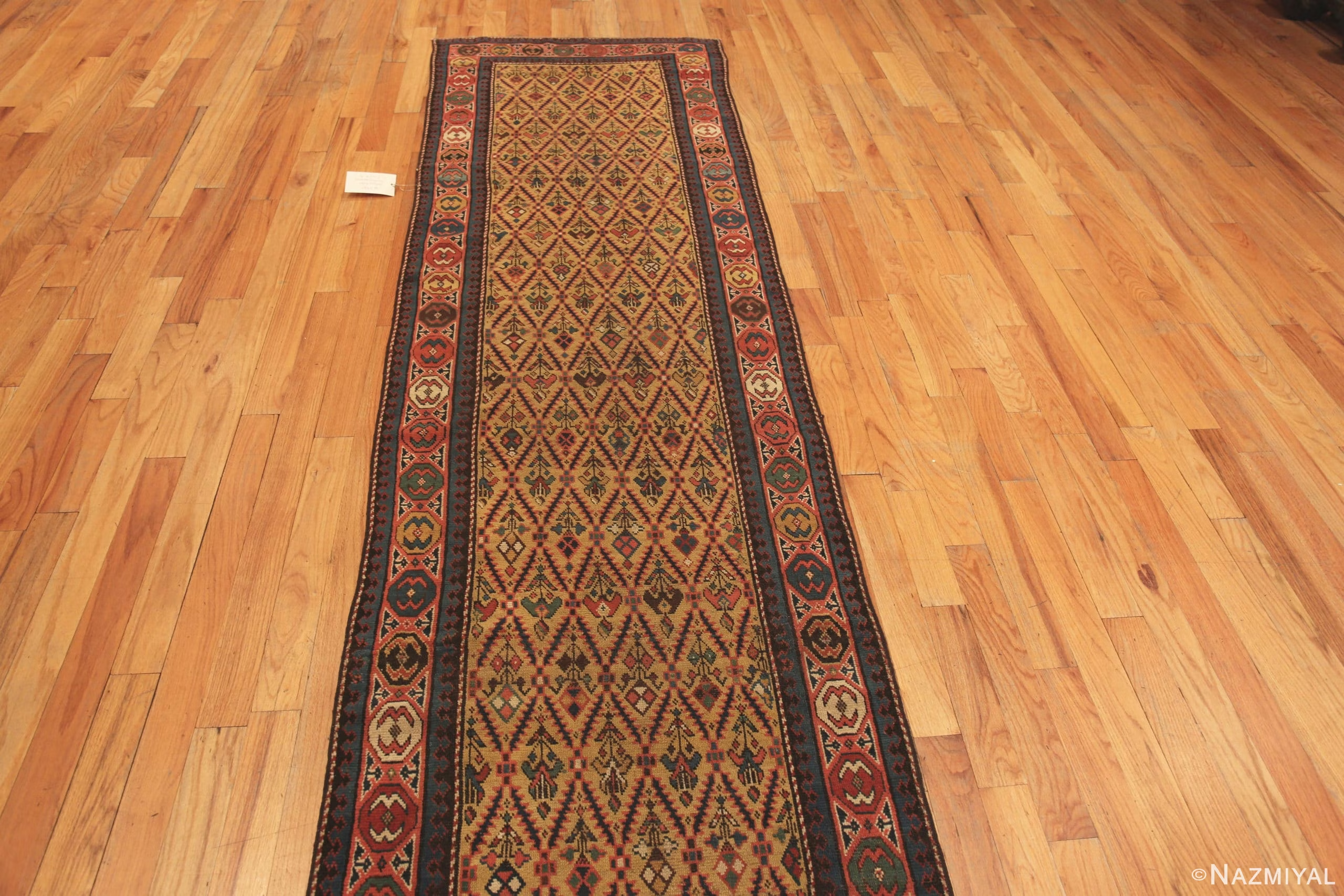
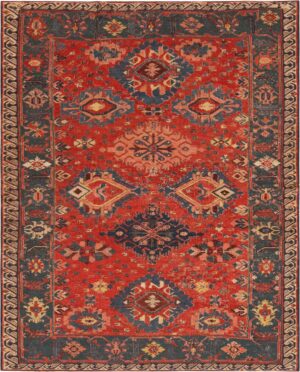

Rustic Red Tribal Antique Caucasian Soumak Flat Woven Kilim Rug 71969
5 ft x 6 ft (1.52 m x 1.83 m)
$9,500.00
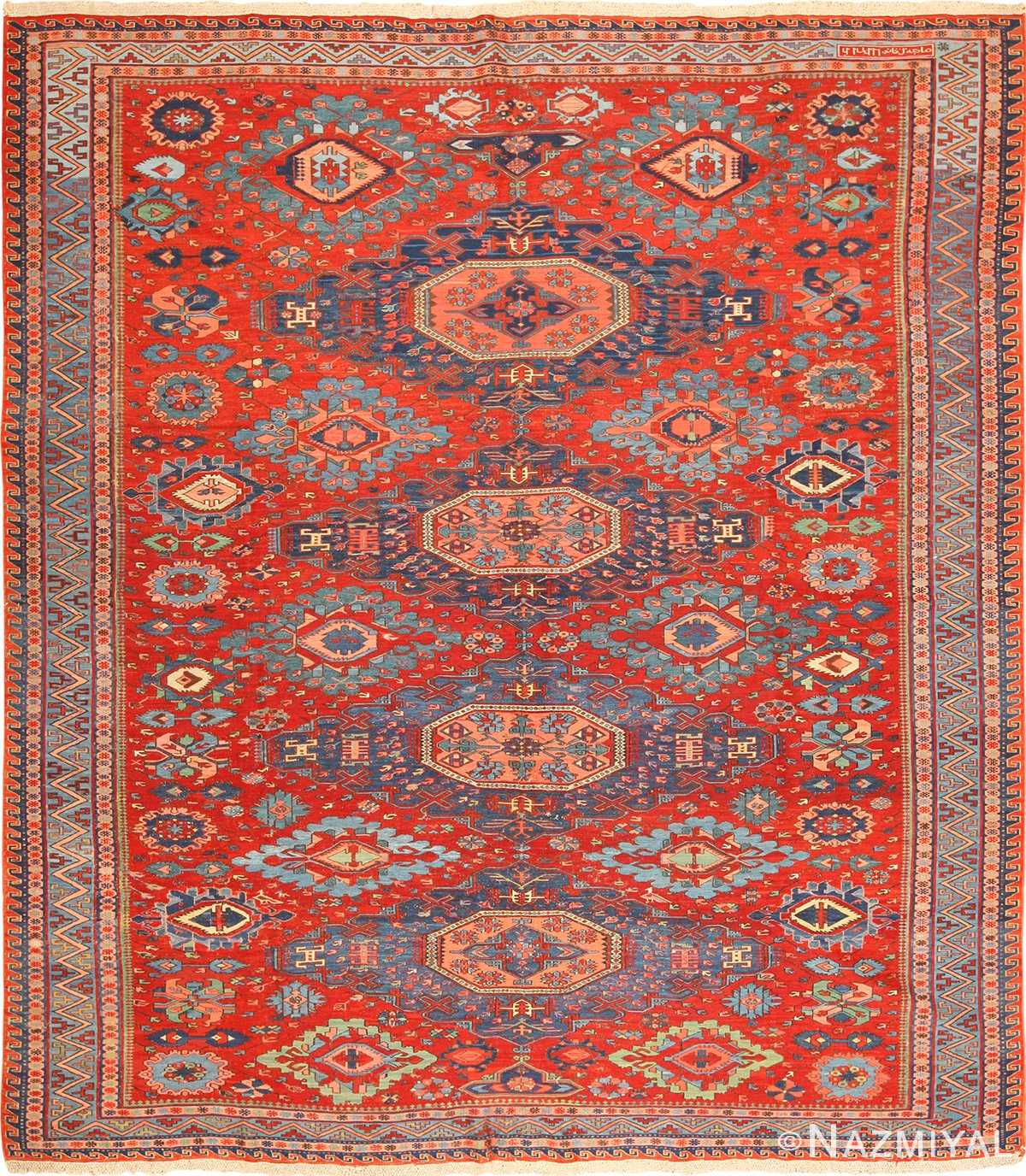
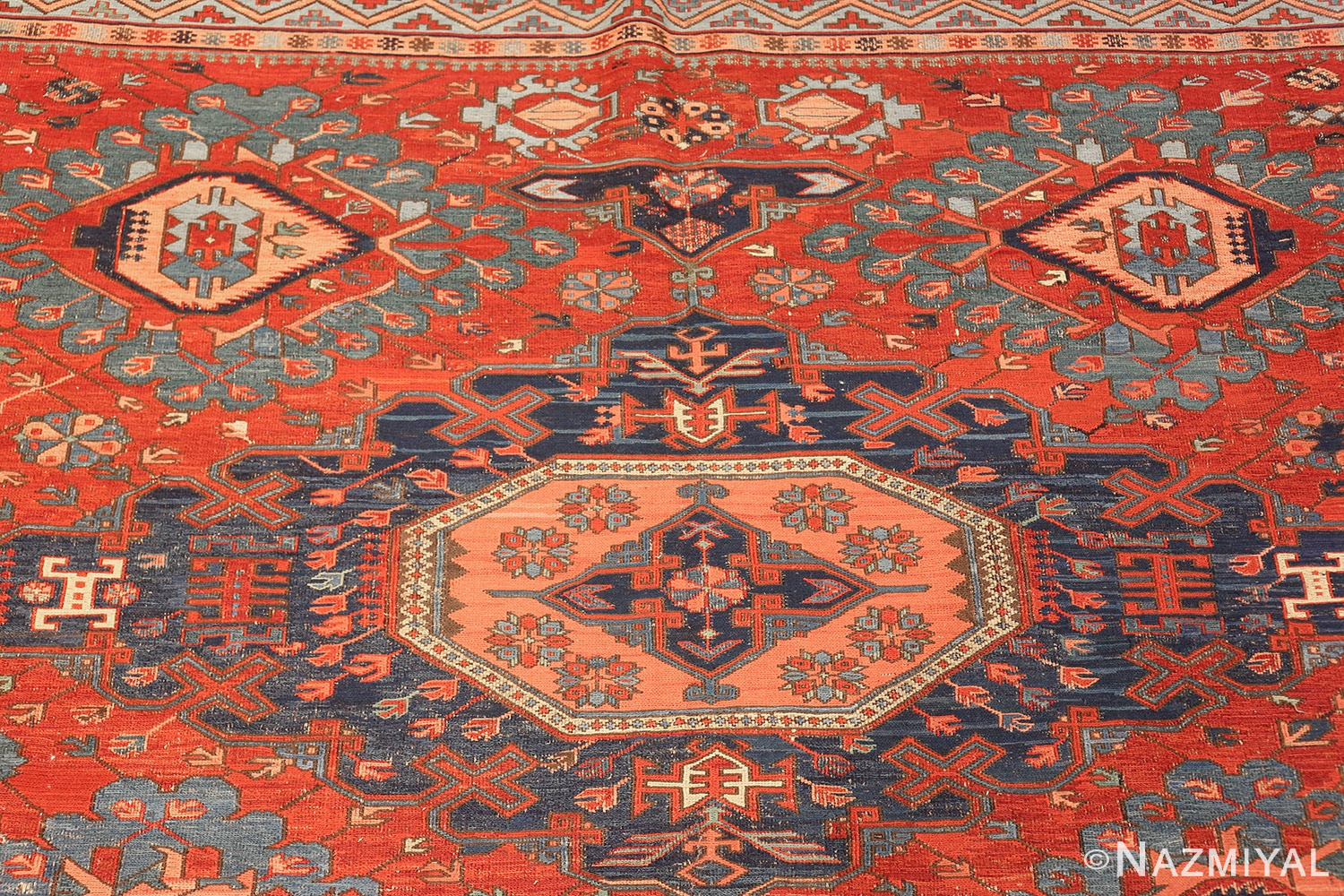
Beautiful Antique Flat Woven Tribal Caucasian Soumak Rug 49345
8 ft 5 in x 9 ft 6 in (2.57 m x 2.9 m)
$16,500.00
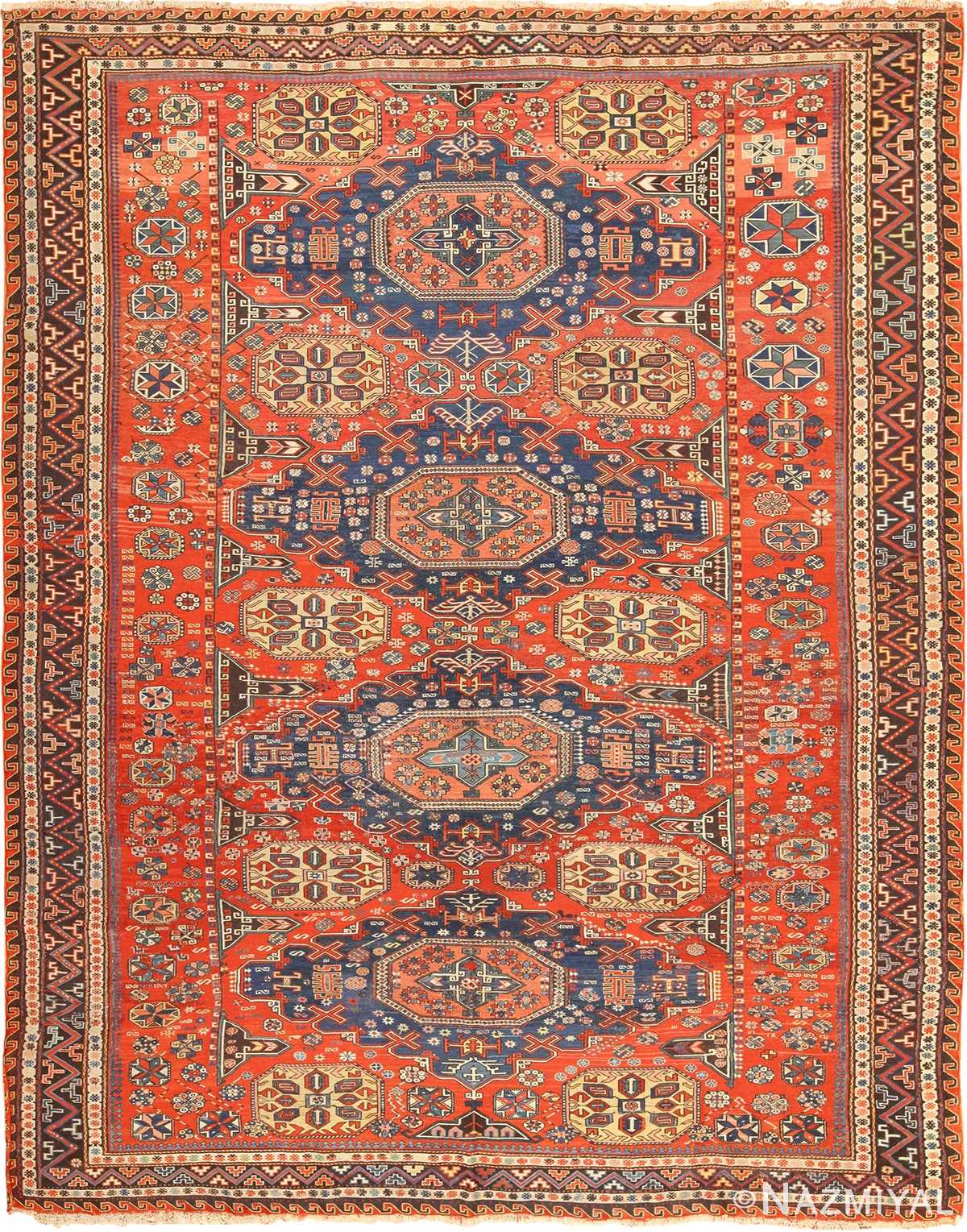
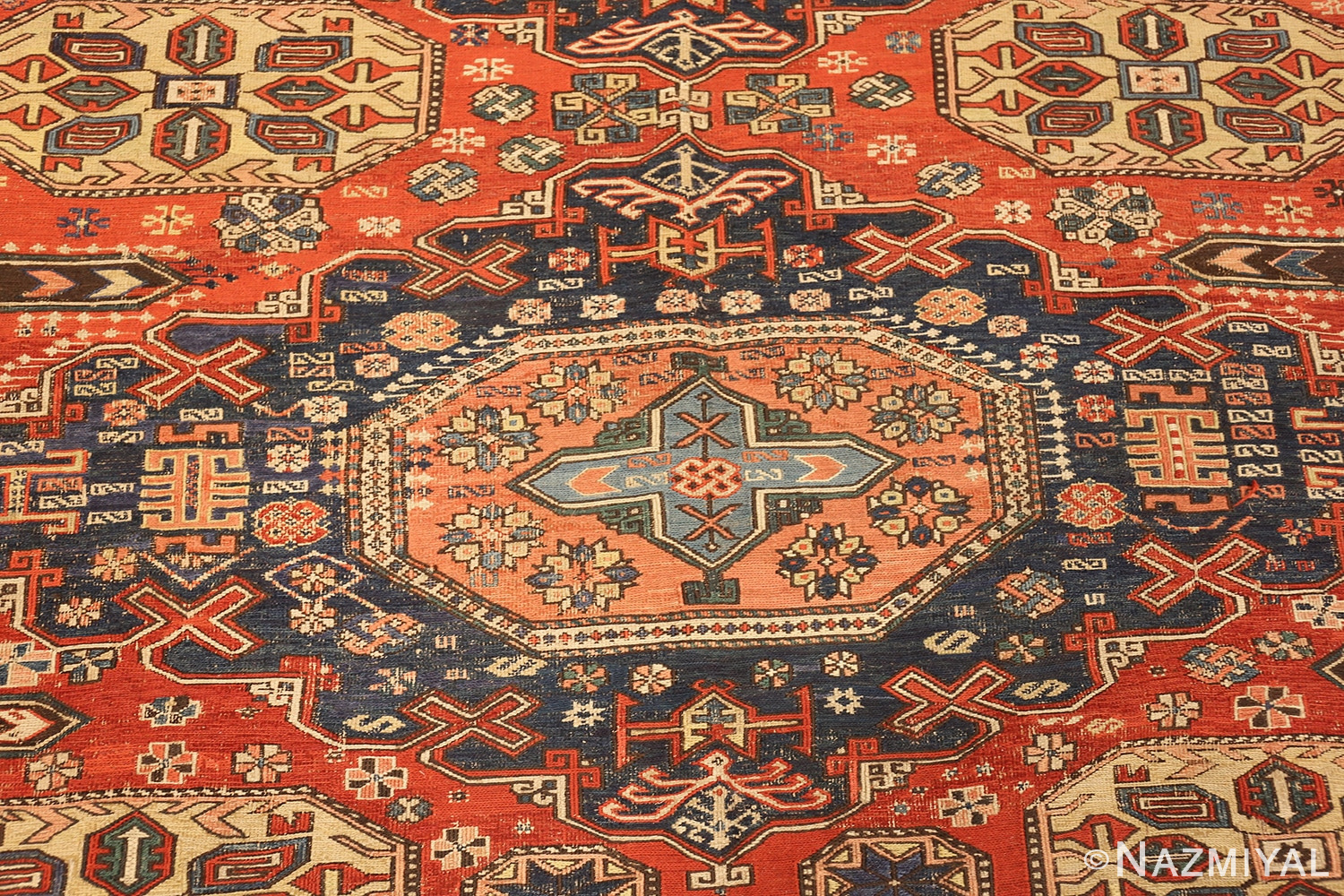
Tribal Room Size Antique Flat Weave Caucasian Soumak Rug 49340
8 ft 2 in x 10 ft 2 in (2.49 m x 3.1 m)
$17,000.00
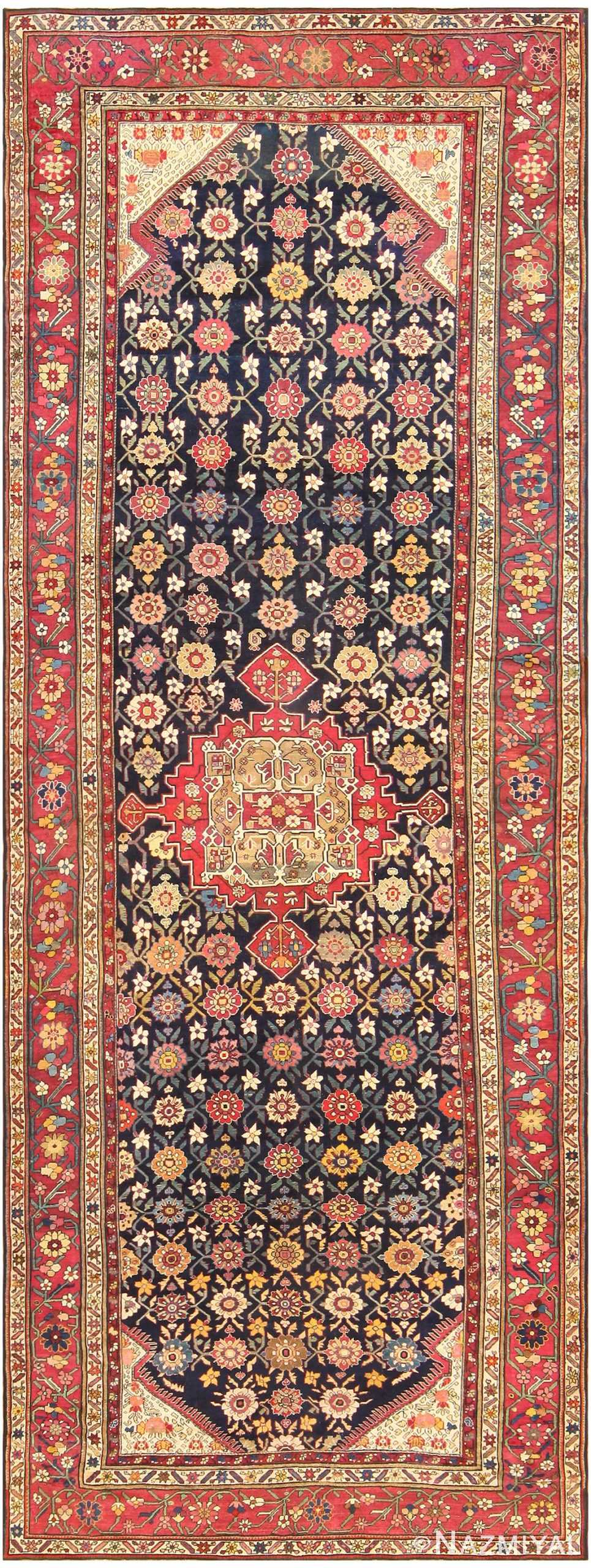

Beautifully Tribal Antique Caucasian Karabagh Rug 48096
7 ft 5 in x 19 ft 7 in (2.26 m x 5.97 m)
$26,000.00
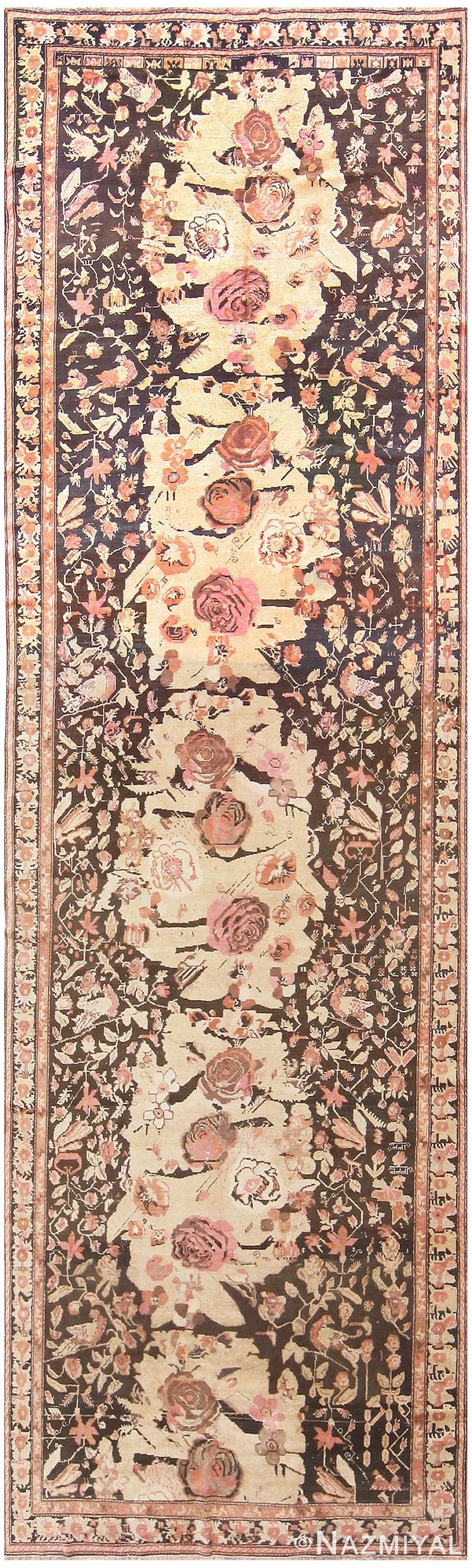
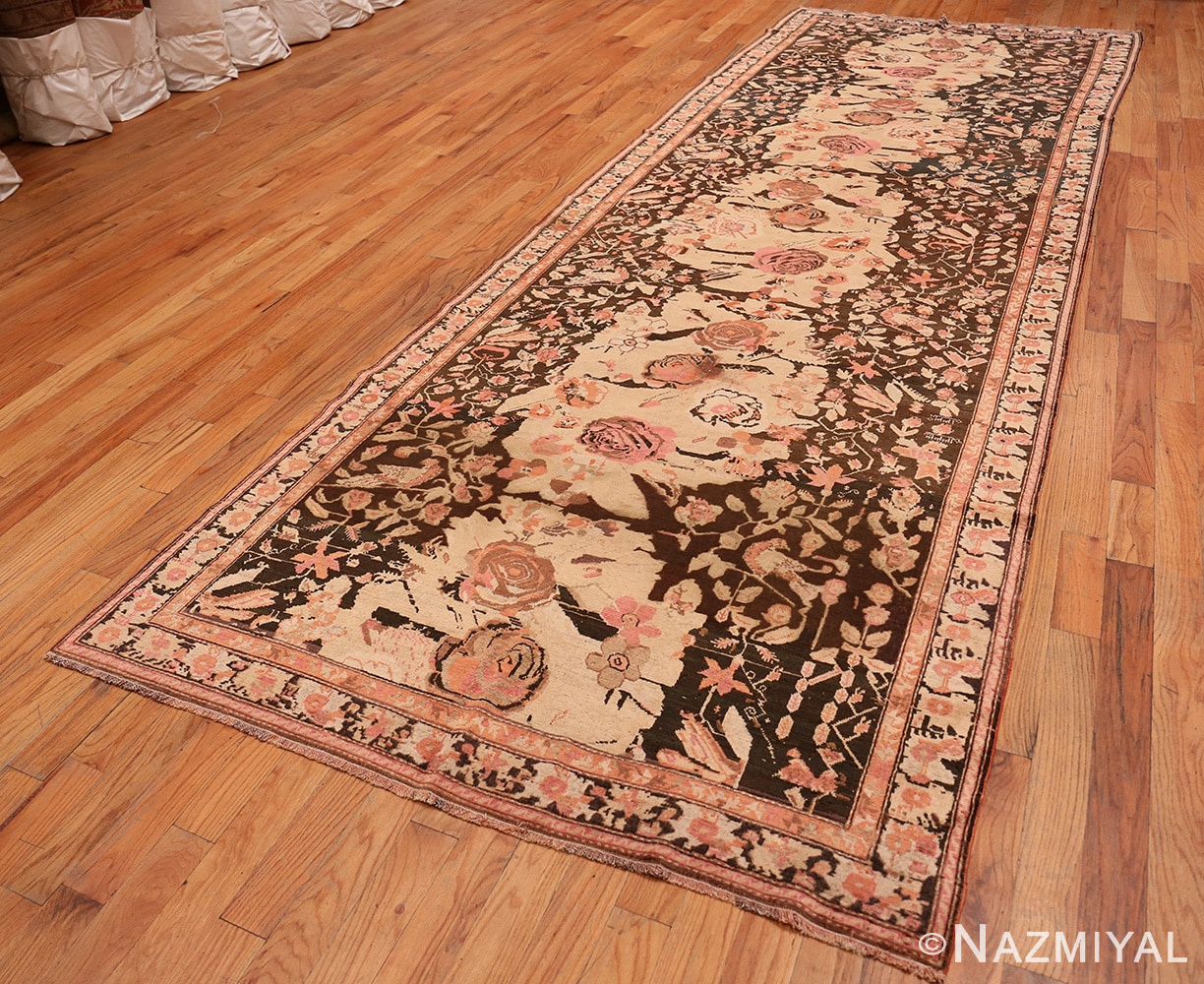
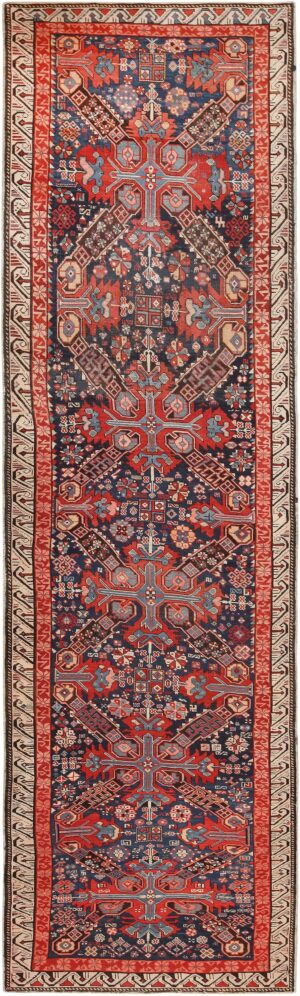
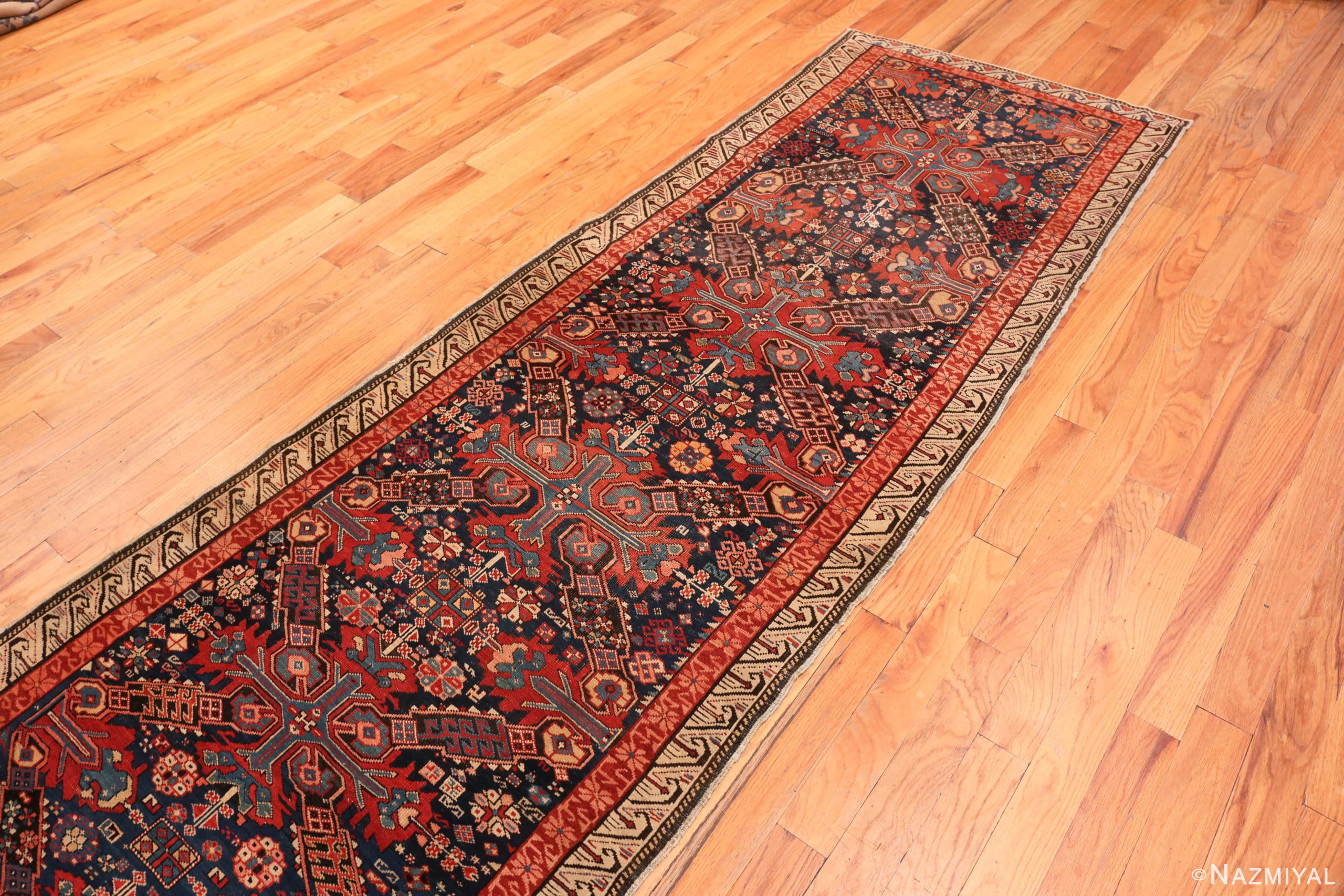
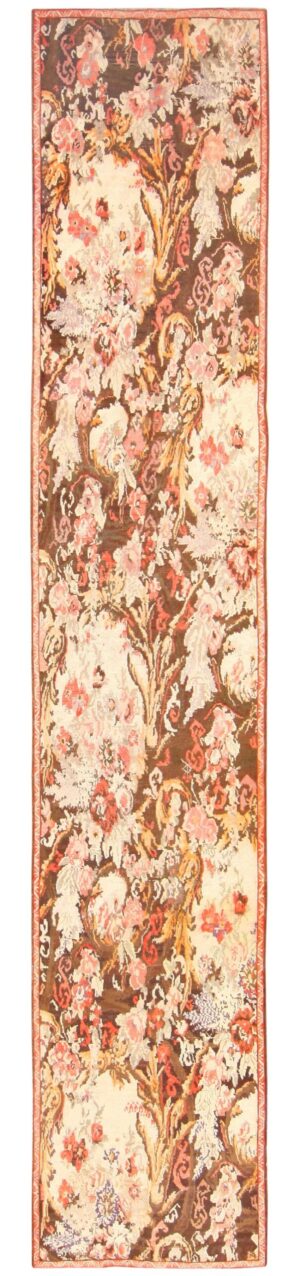
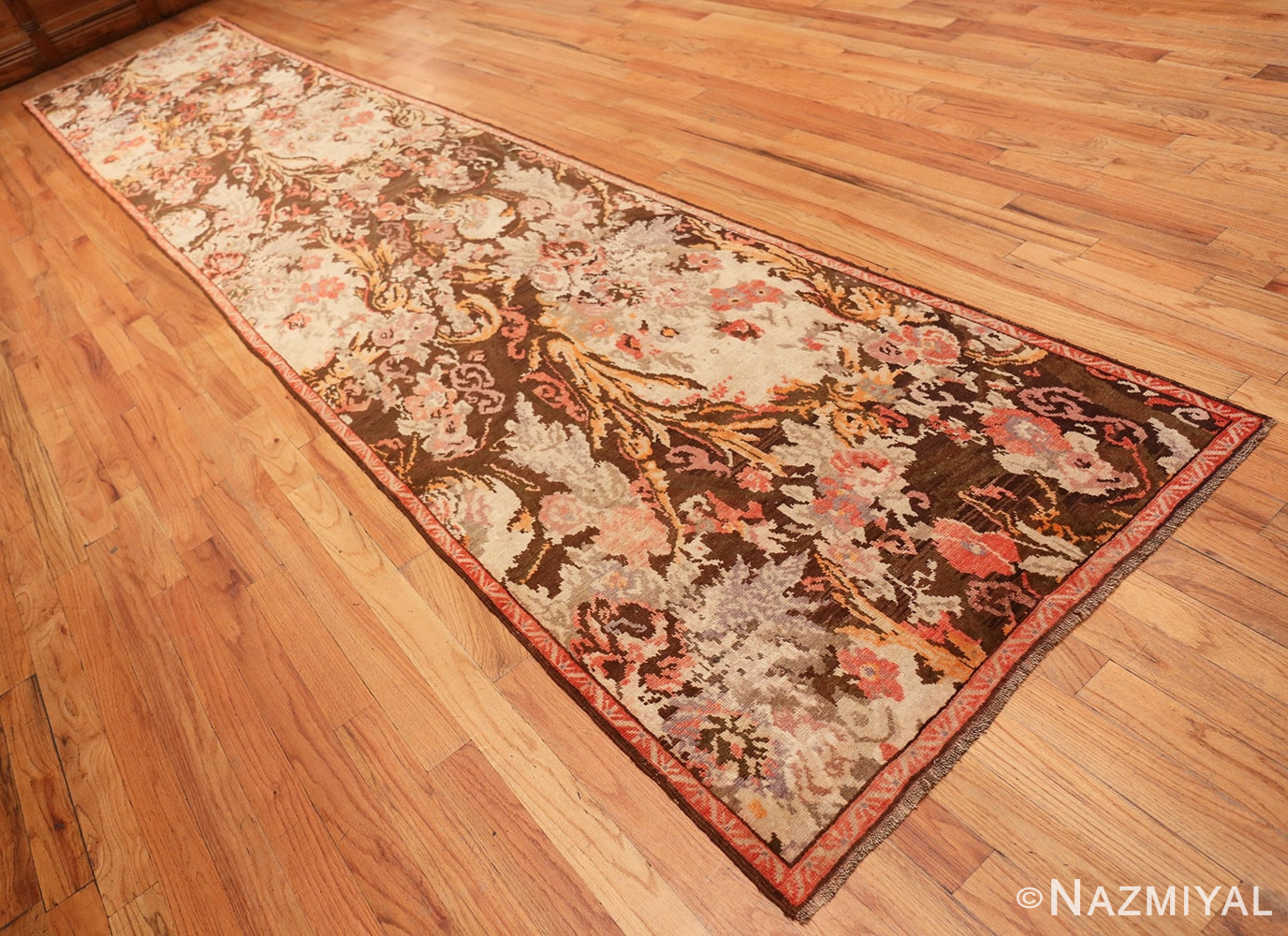
Primitive Antique Caucasian Karabagh Brown Runner Floral Rug 50141
3 ft 9 in x 19 ft (1.14 m x 5.79 m)
$14,000.00
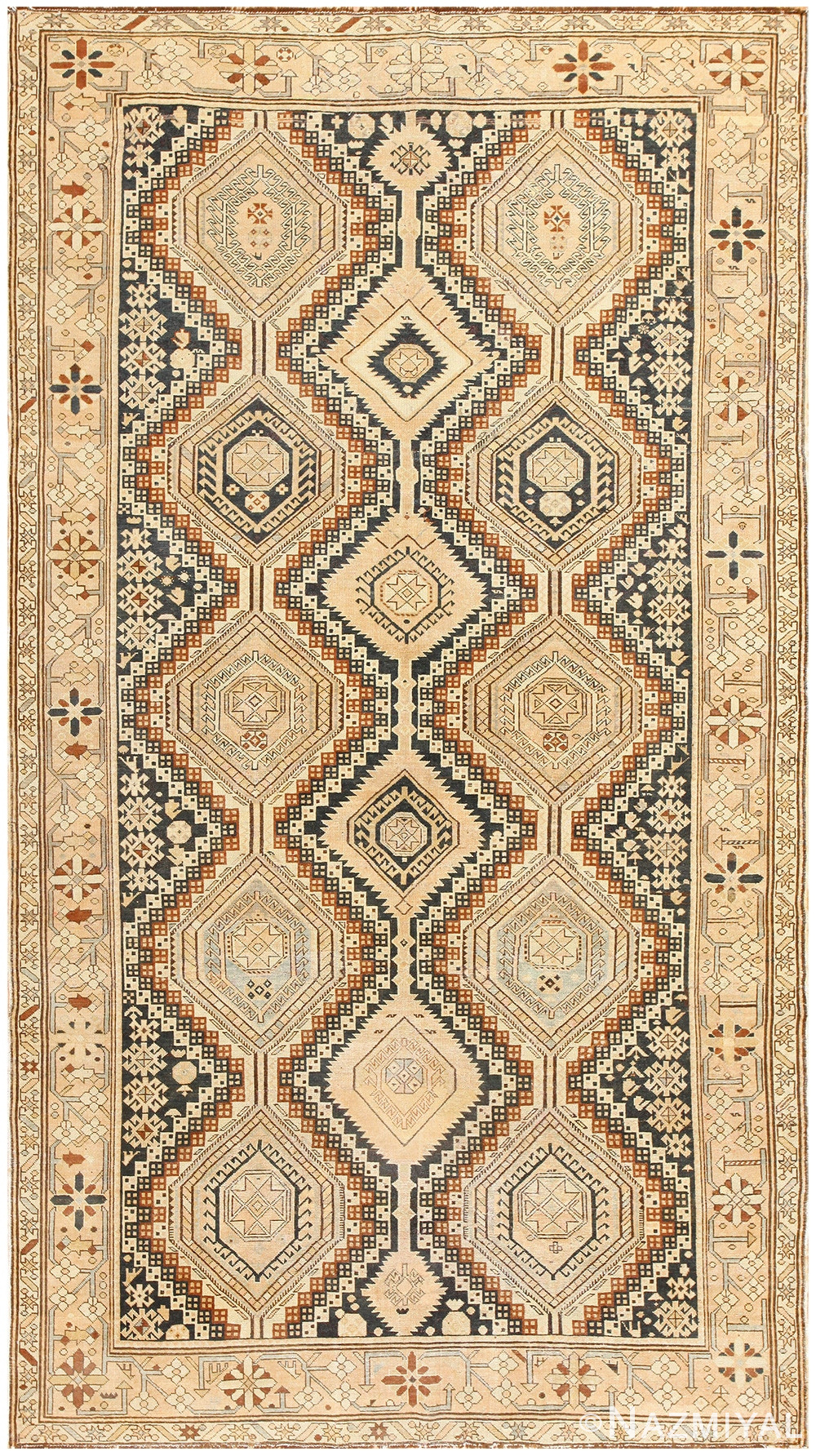
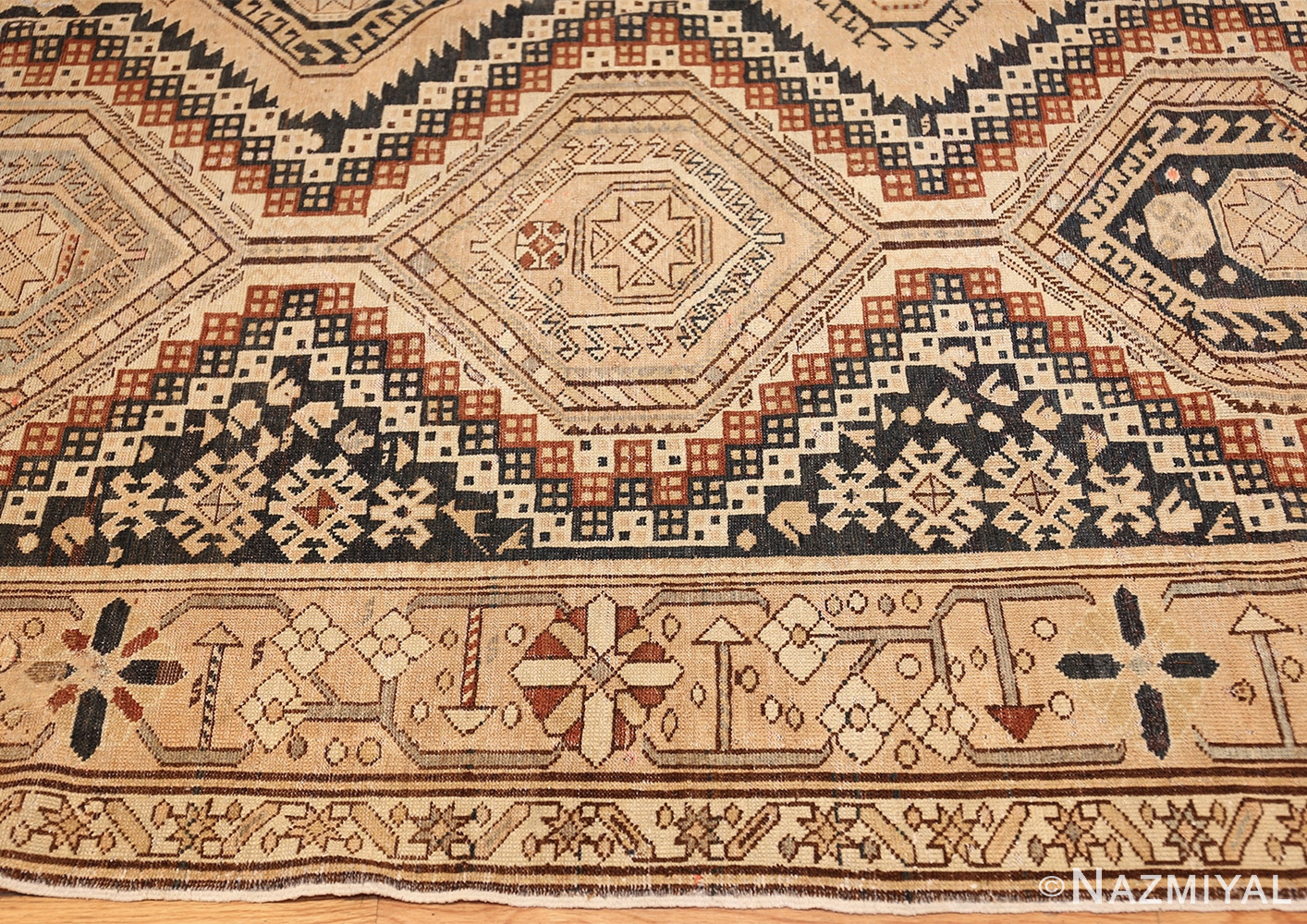
Earth Tone Tribal Large Antique Caucasian Shirvan Rug 50473
6 ft 3 in x 11 ft 3 in (1.9 m x 3.43 m)
$16,500.00
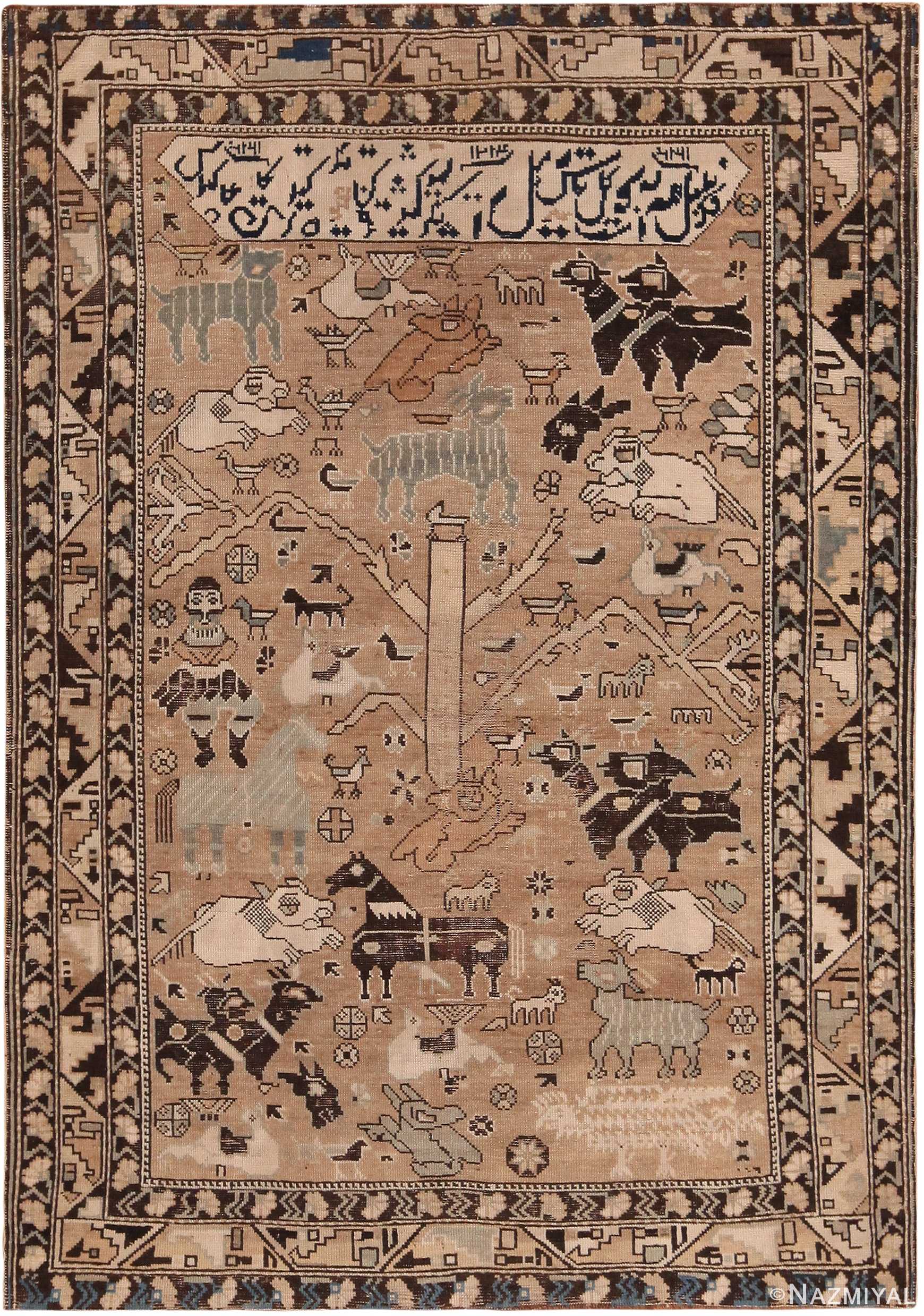

Collectible Earth Tone Tribal Animal Design Antique Caucasian Shirvan Rug 71404
3 ft 10 in x 5 ft 4 in (1.17 m x 1.63 m)
$12,500.00
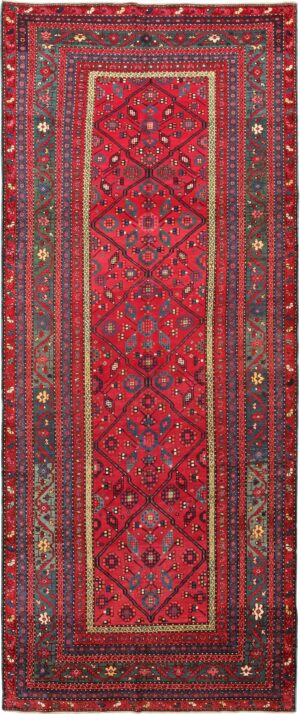
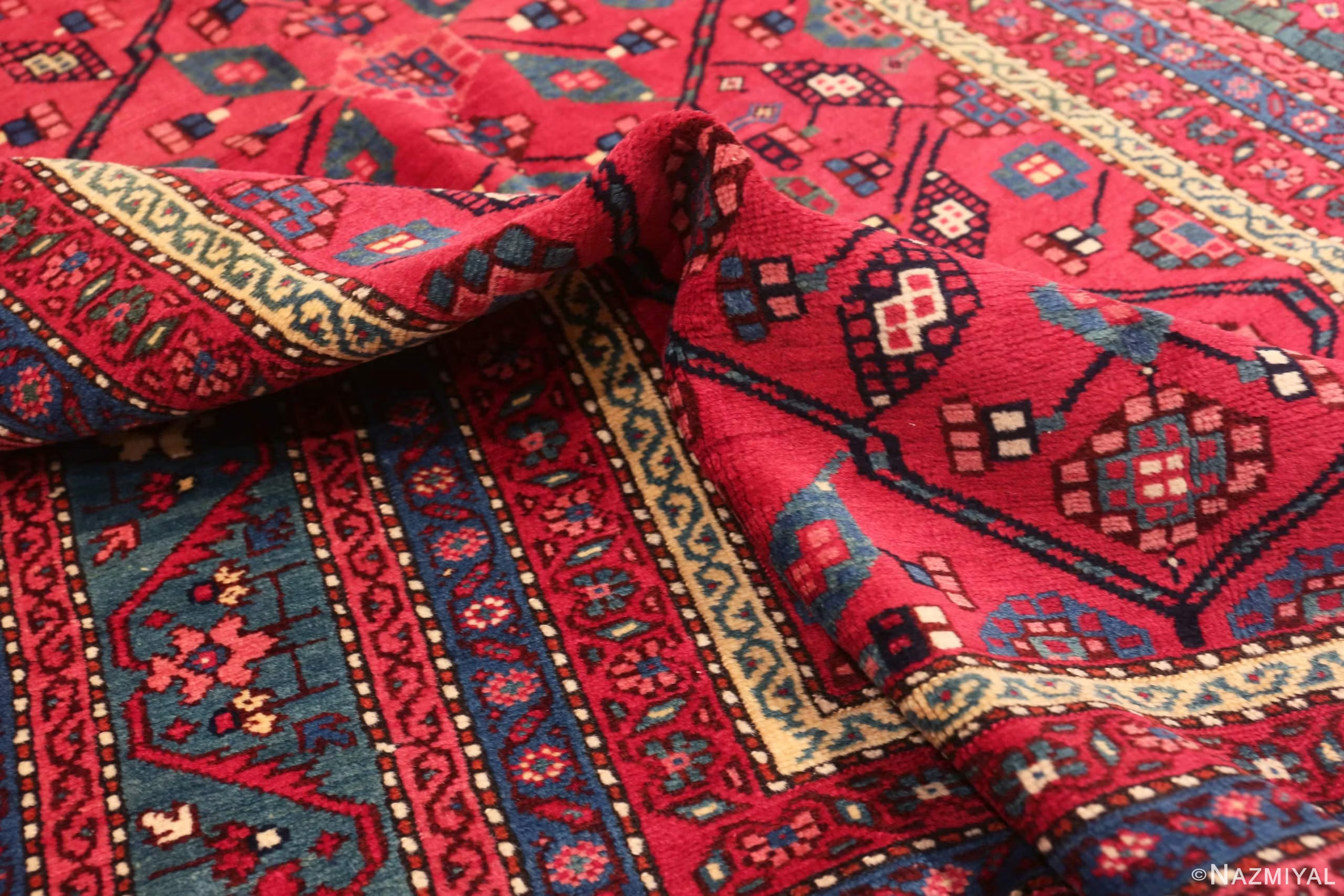
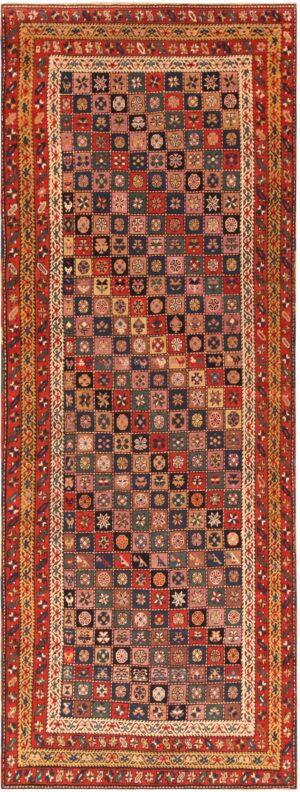
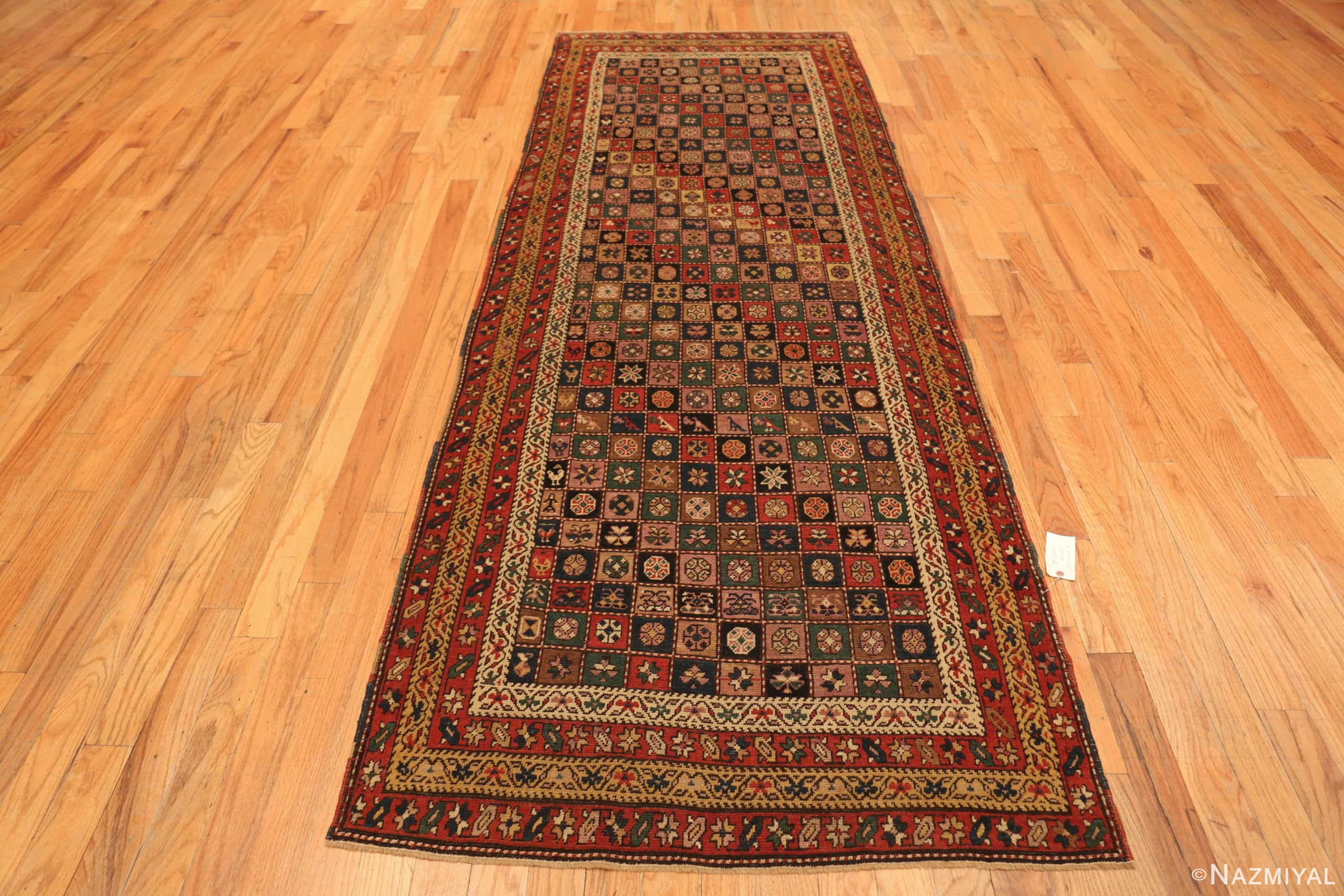
Geometric Rich Colorful Jewel Tone Antique Gallery Size Caucasian Karabagh Rug 70925
4 ft 8 in x 11 ft (1.42 m x 3.35 m)
$8,500.00
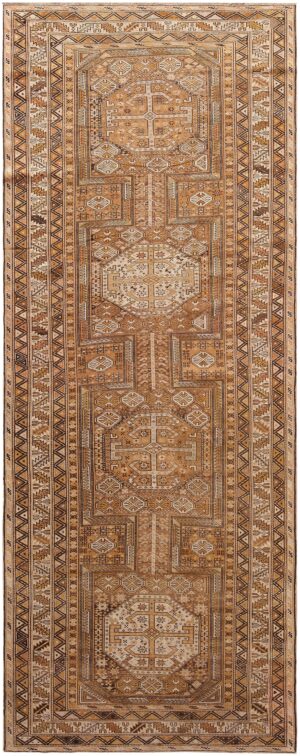
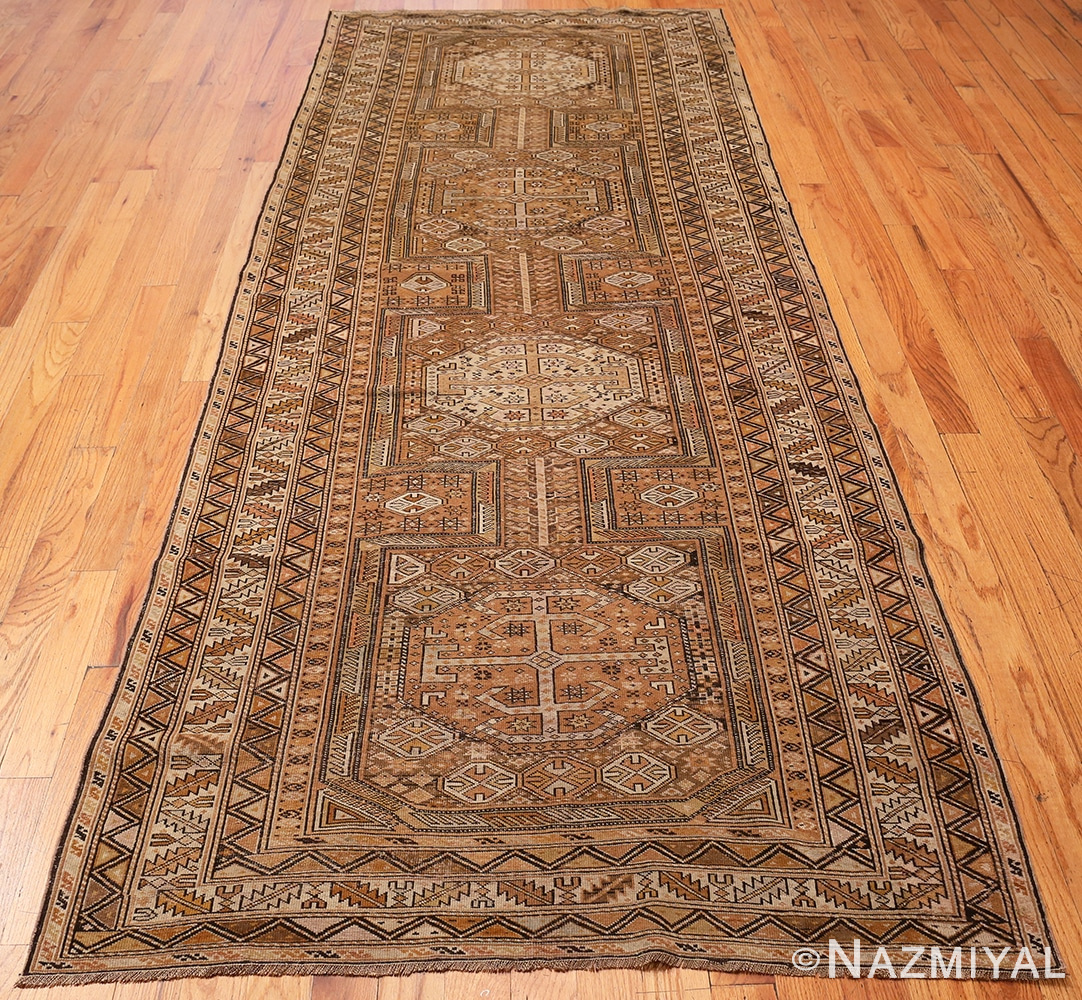
Gallery Size Tribal Antique Caucasian Shirvan Rug 70649
4 ft 3 in x 10 ft 9 in (1.3 m x 3.28 m)
$7,600.00
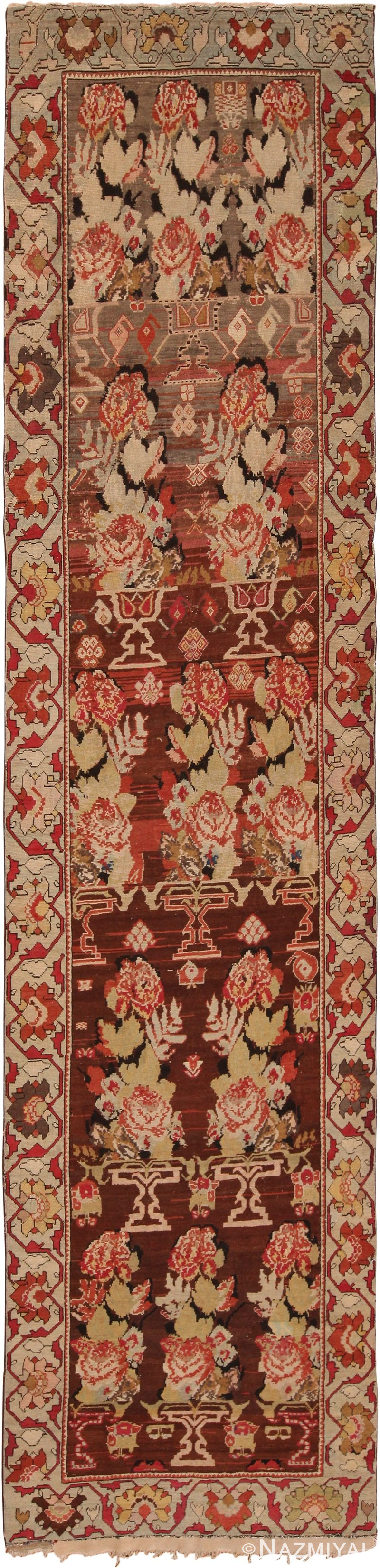
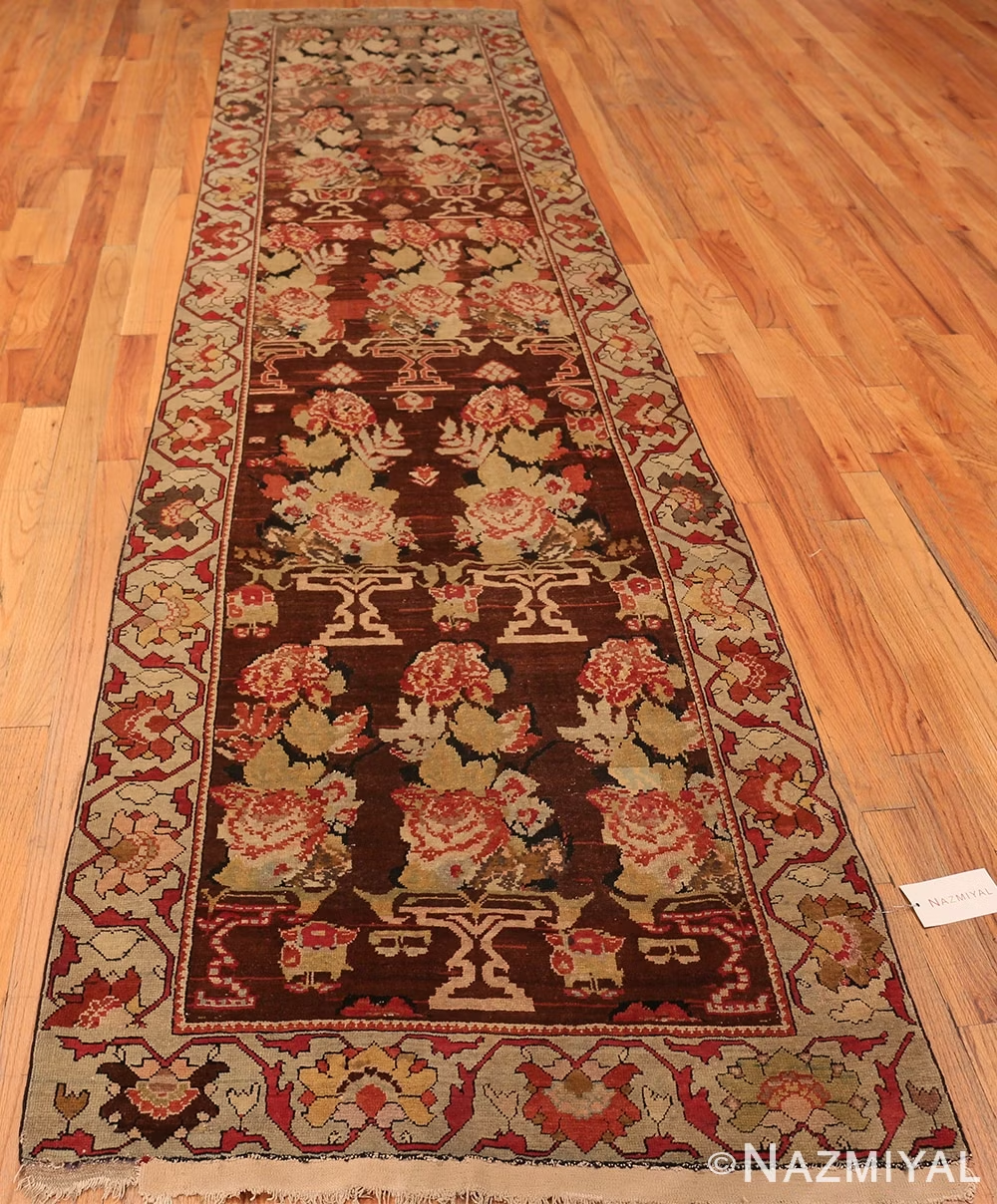
Tribal Floral Design Antique Caucasian Karabagh Runner Rug 70423
3 ft 6 in x 13 ft 8 in (1.07 m x 4.17 m)
$8,600.00
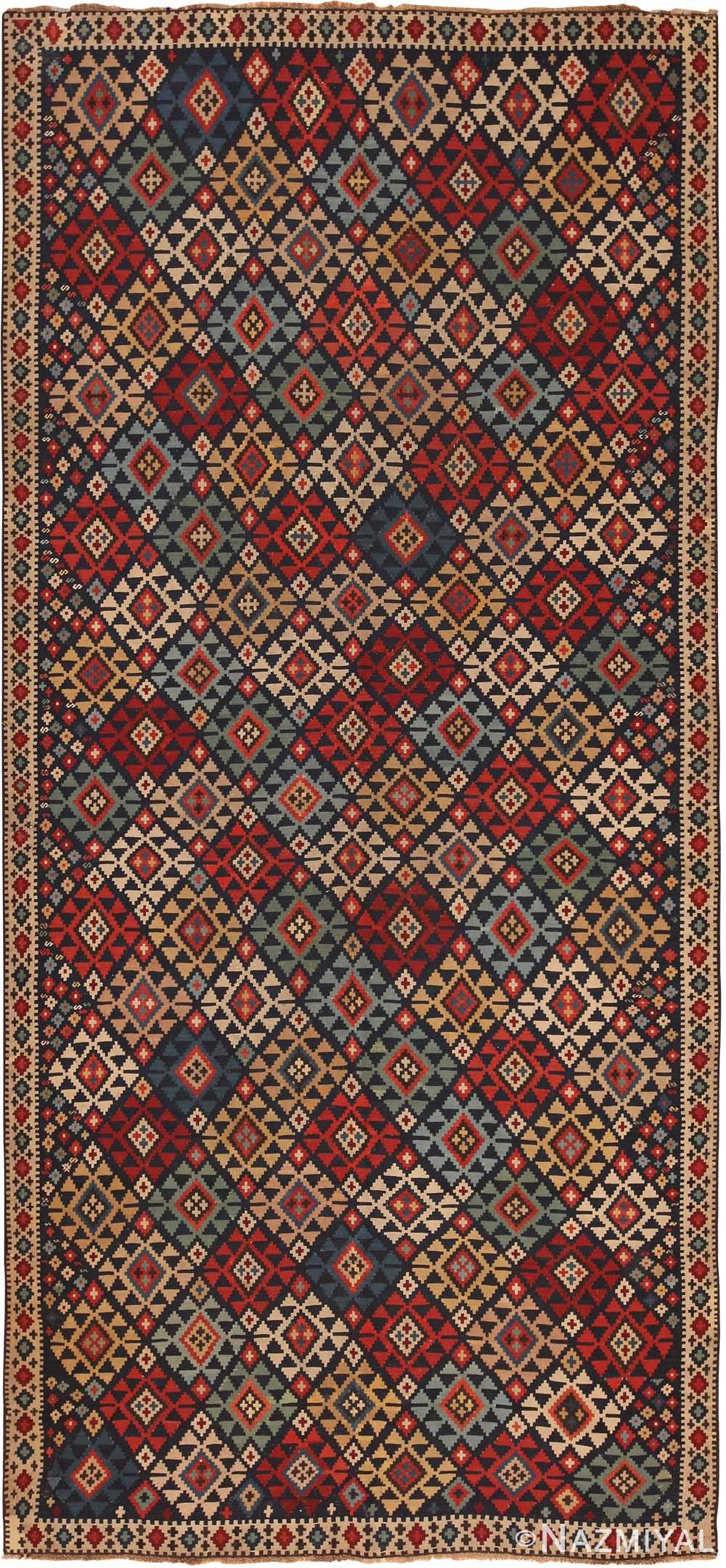


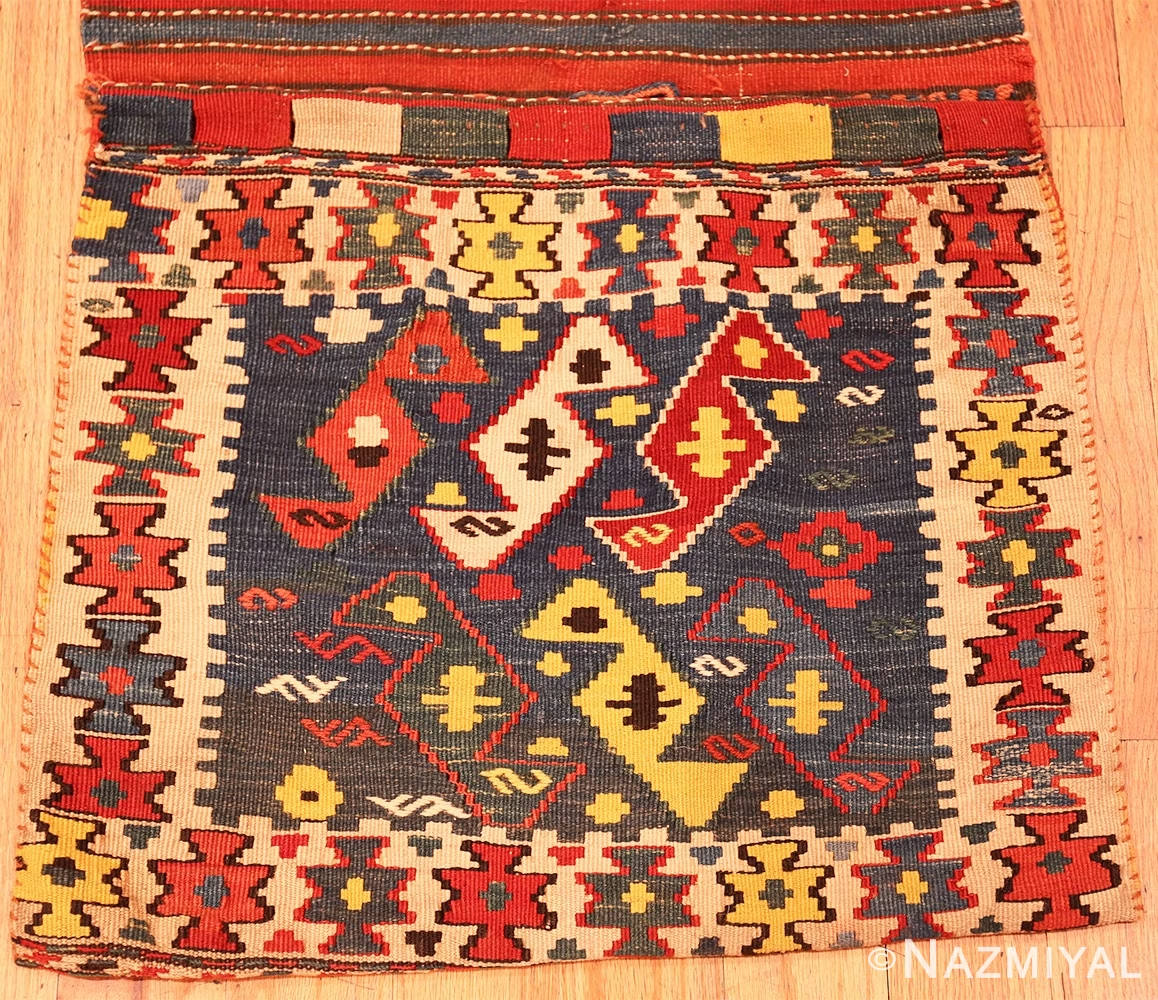
 Sale
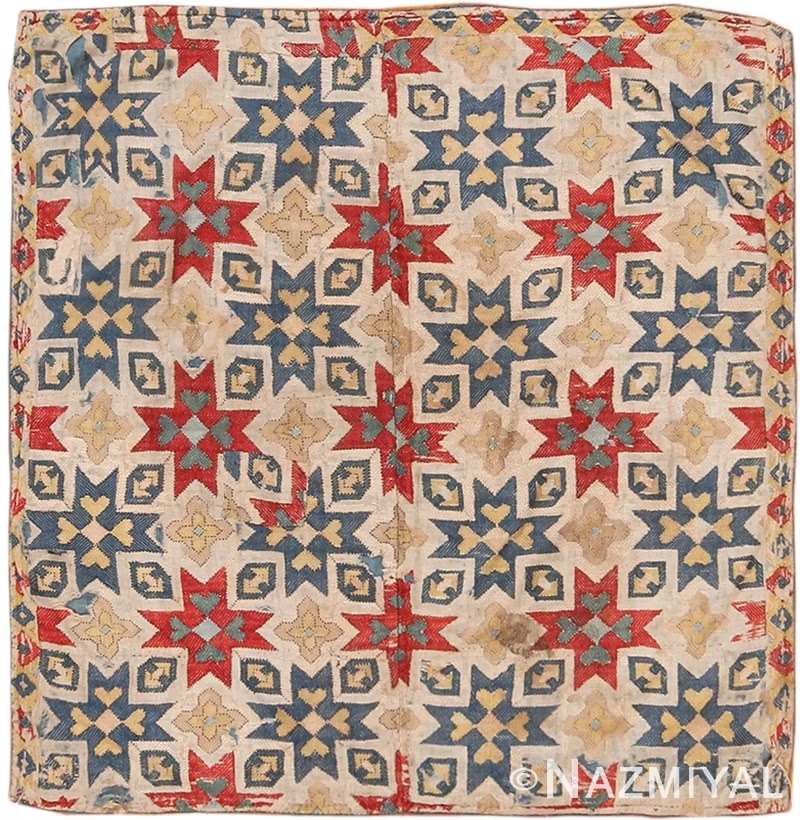
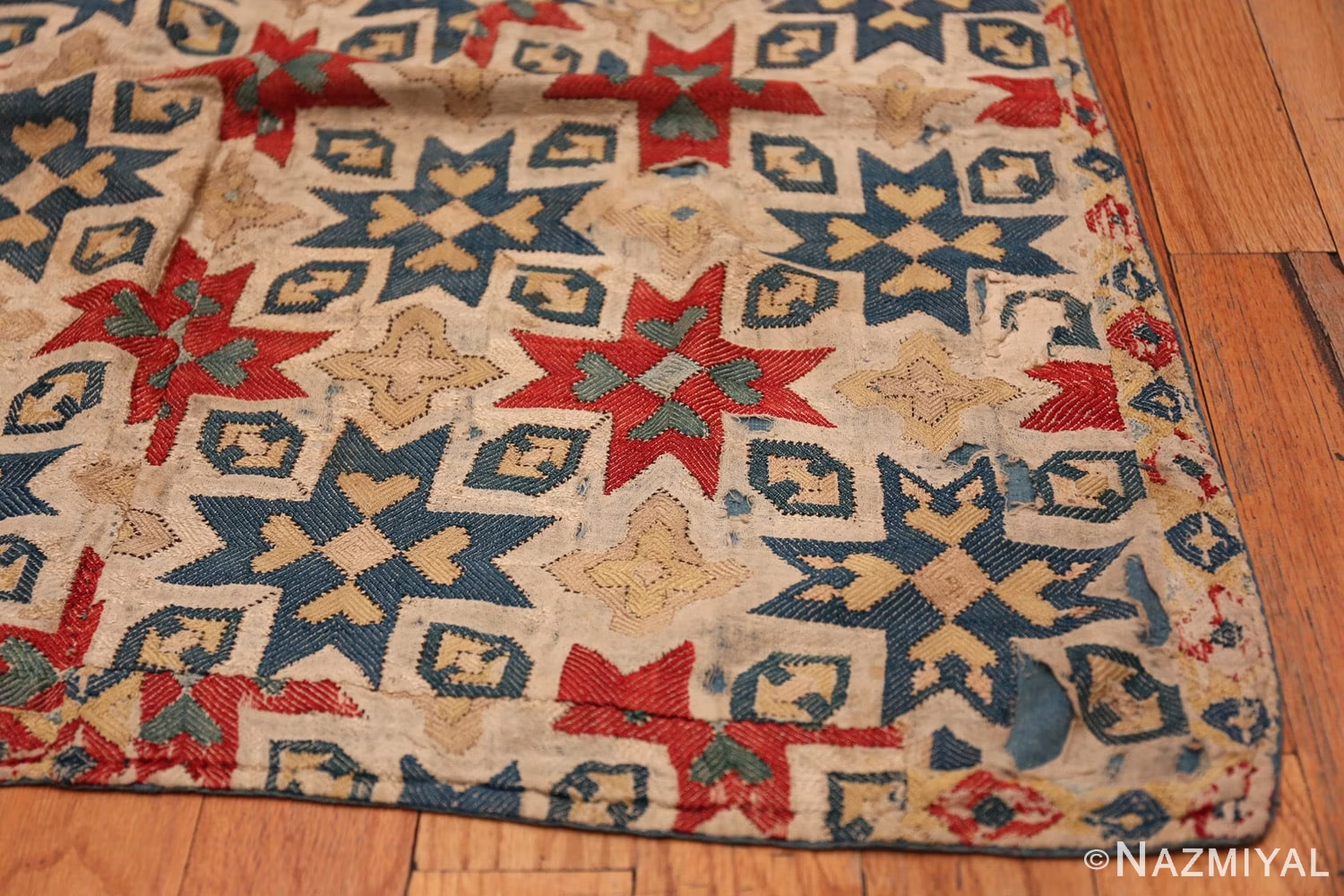
Sale Antique 17th Century Caucasian Kuba Star Embroidery 70088
3 ft 1 in x 3 ft 1 in (0.94 m x 0.94 m)
$12,800.00 Original price was: $12,800.00.$10,240.00Current price is: $10,240.00.
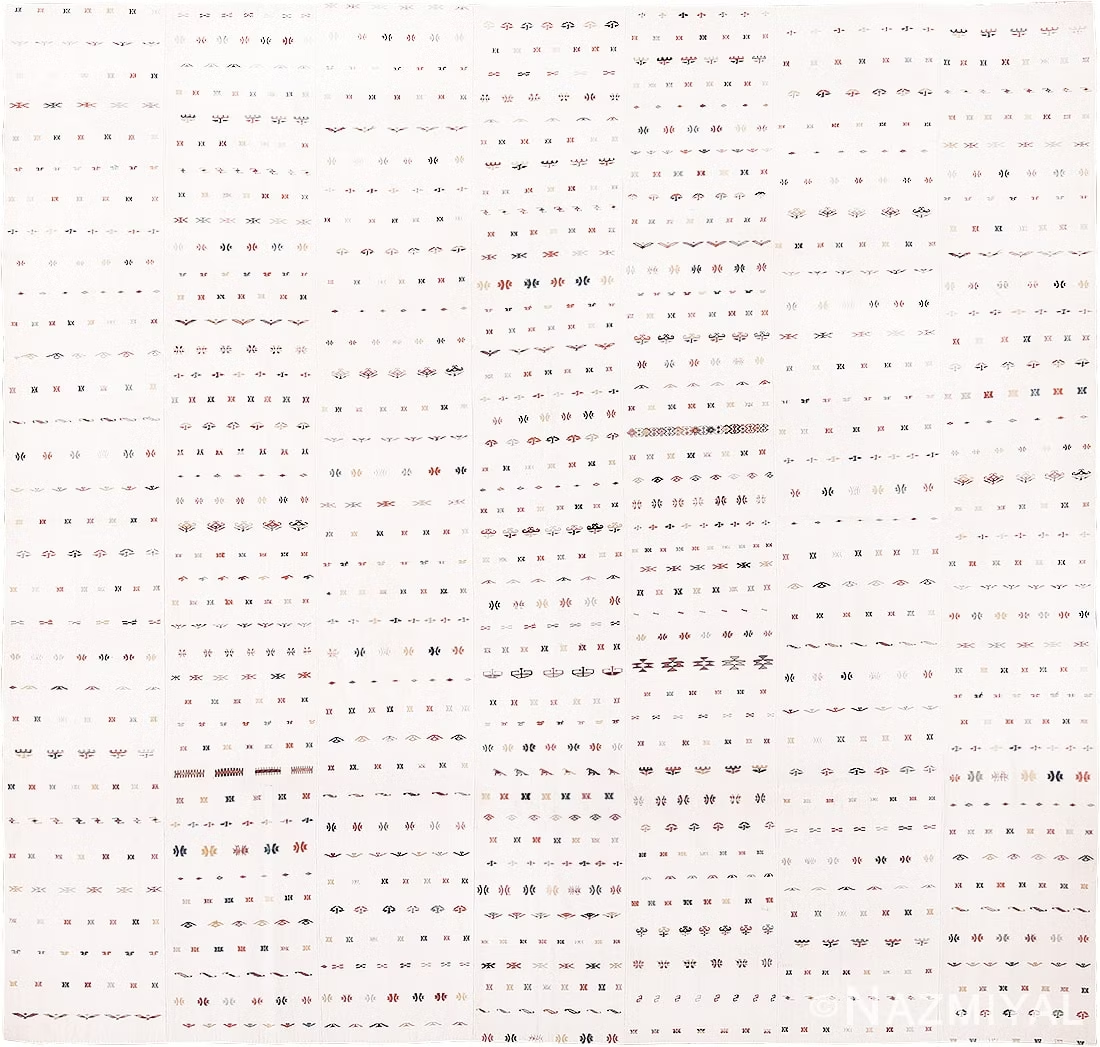
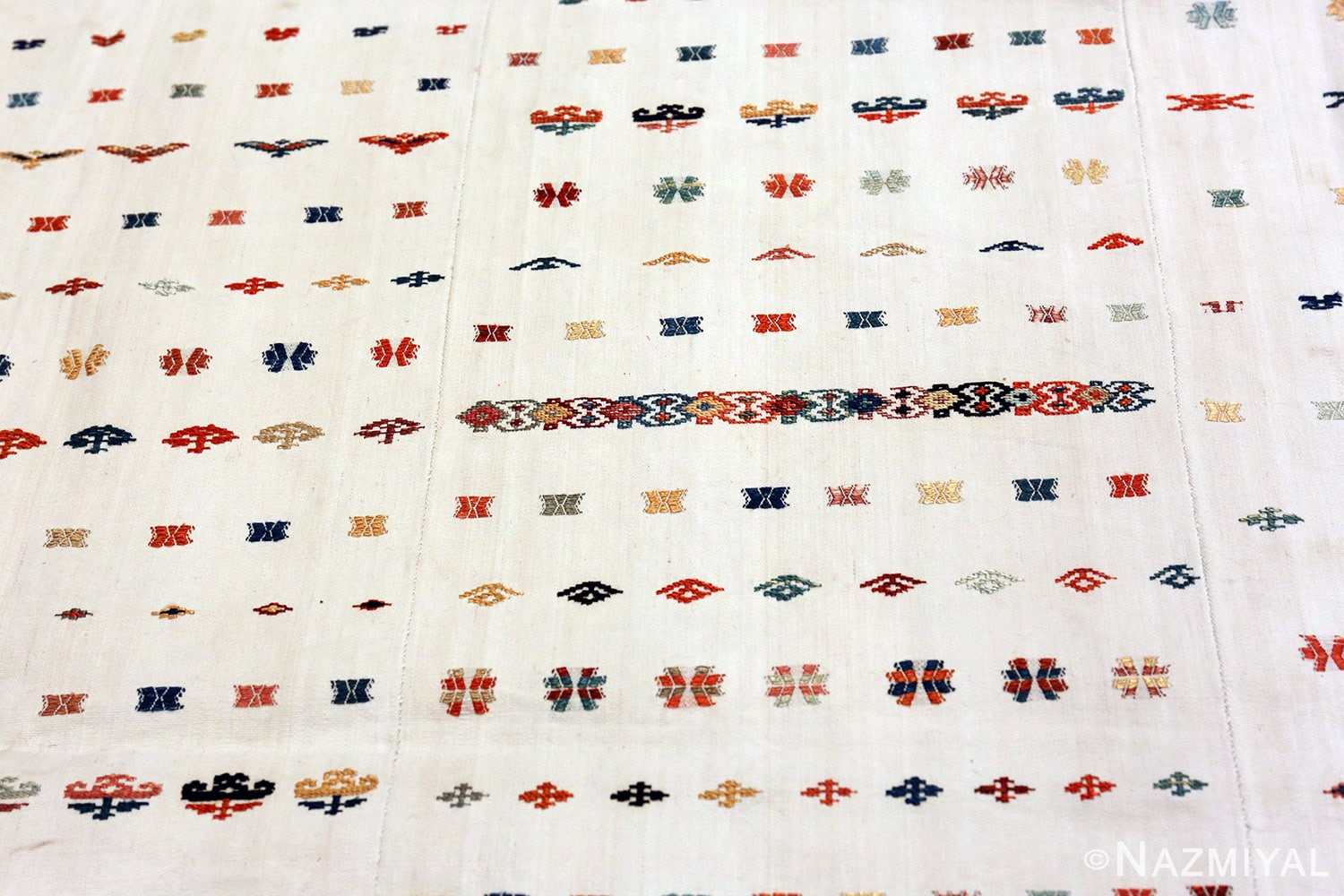
Ivory Antique Square Tribal Caucasian Shahsavan Jajim 49933
6 ft x 6 ft 5 in (1.83 m x 1.96 m)
$16,000.00
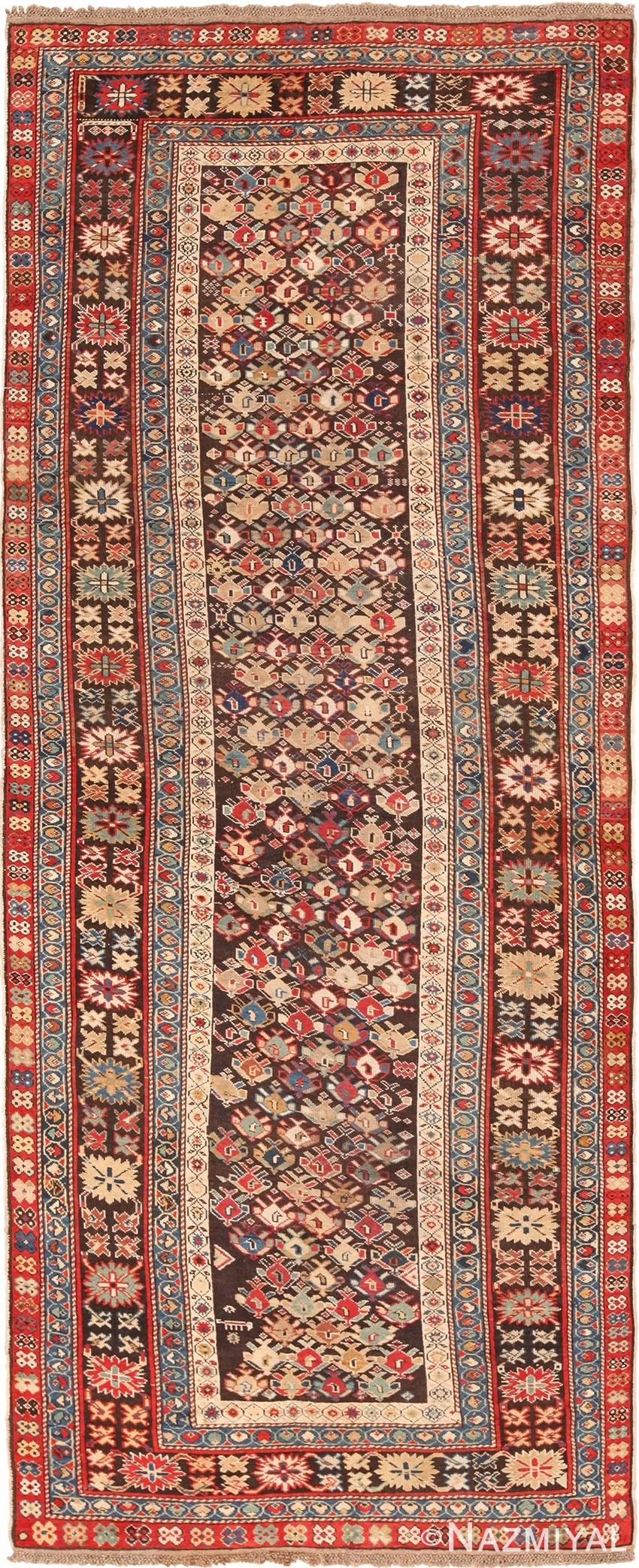
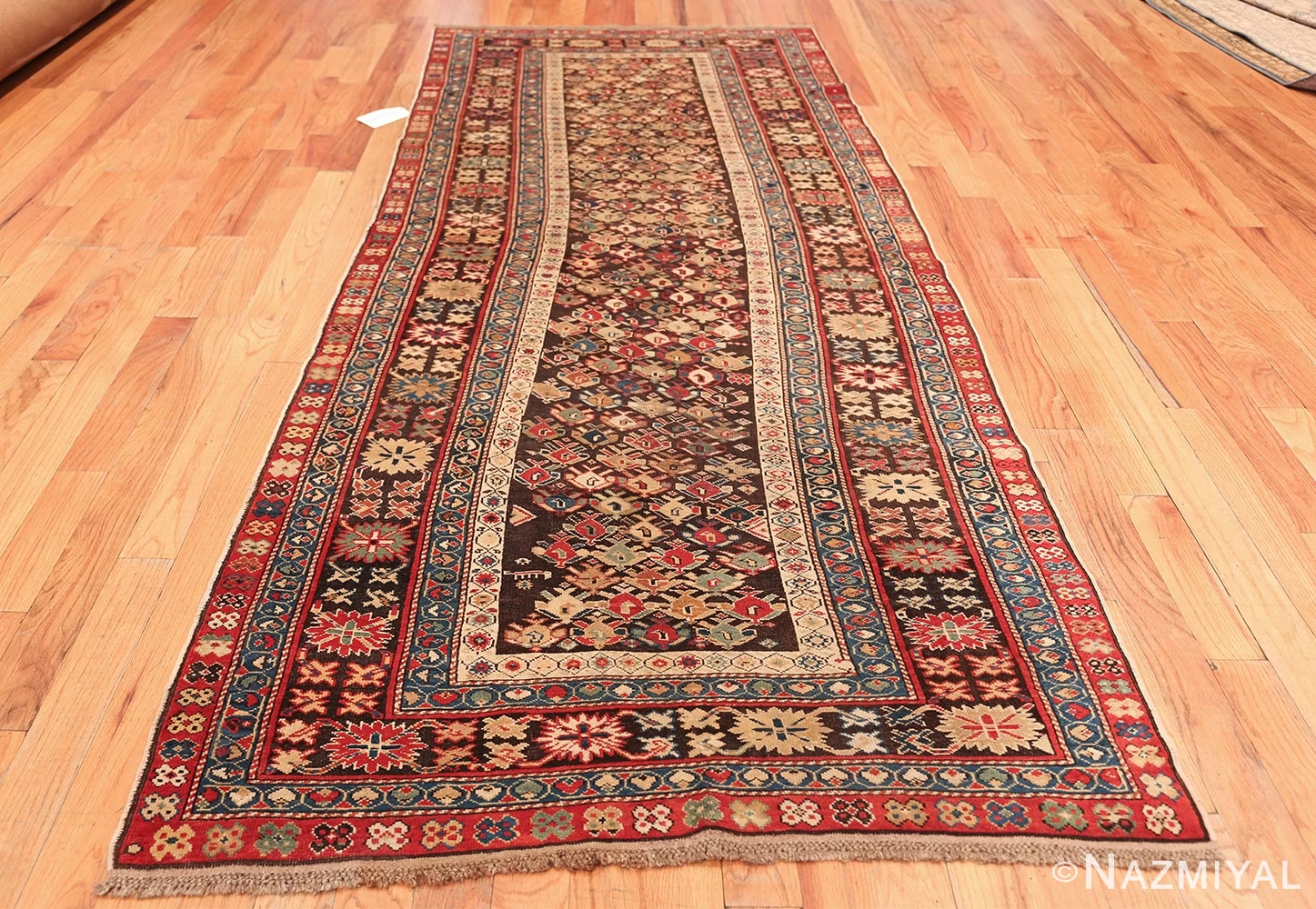
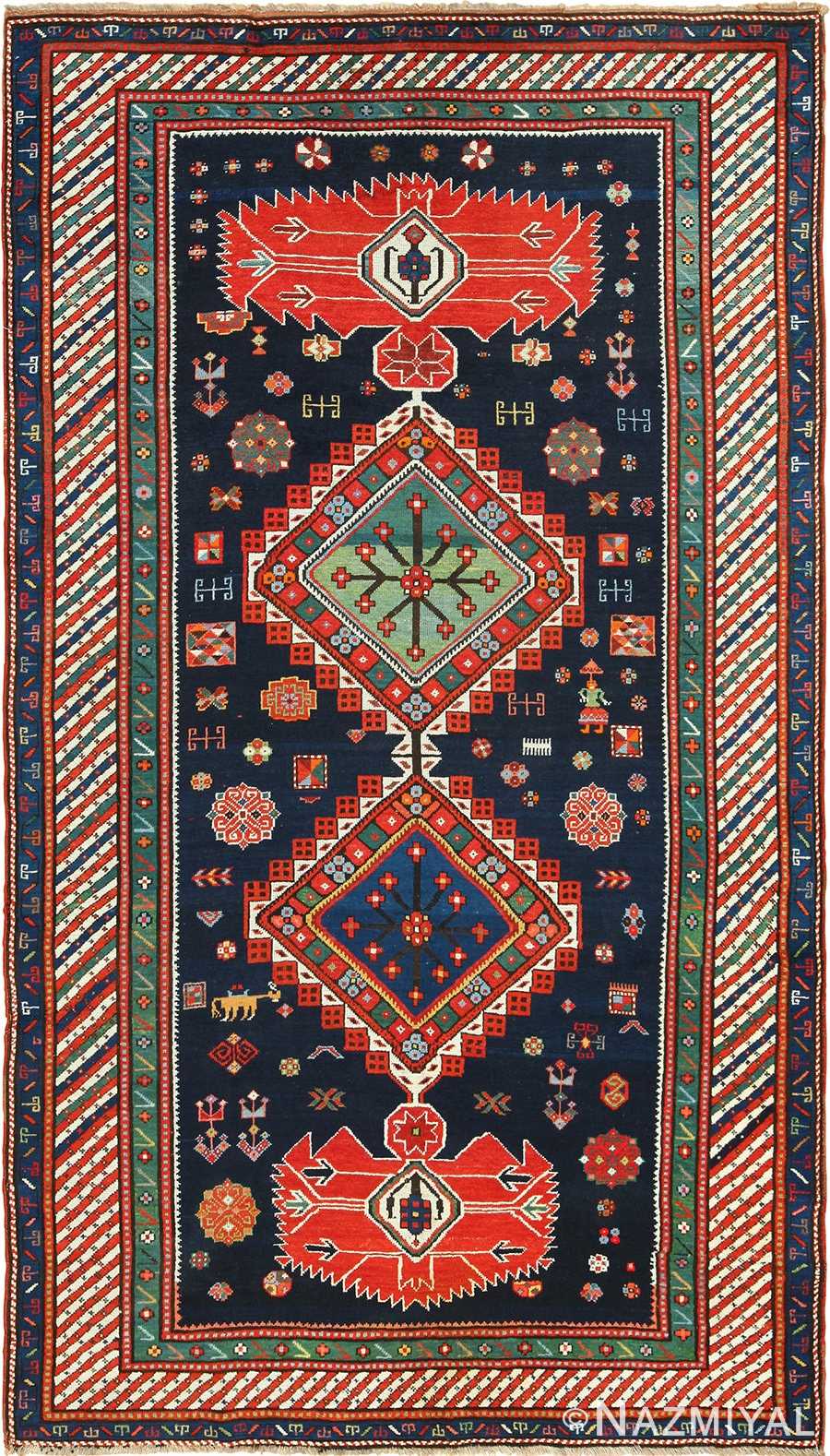
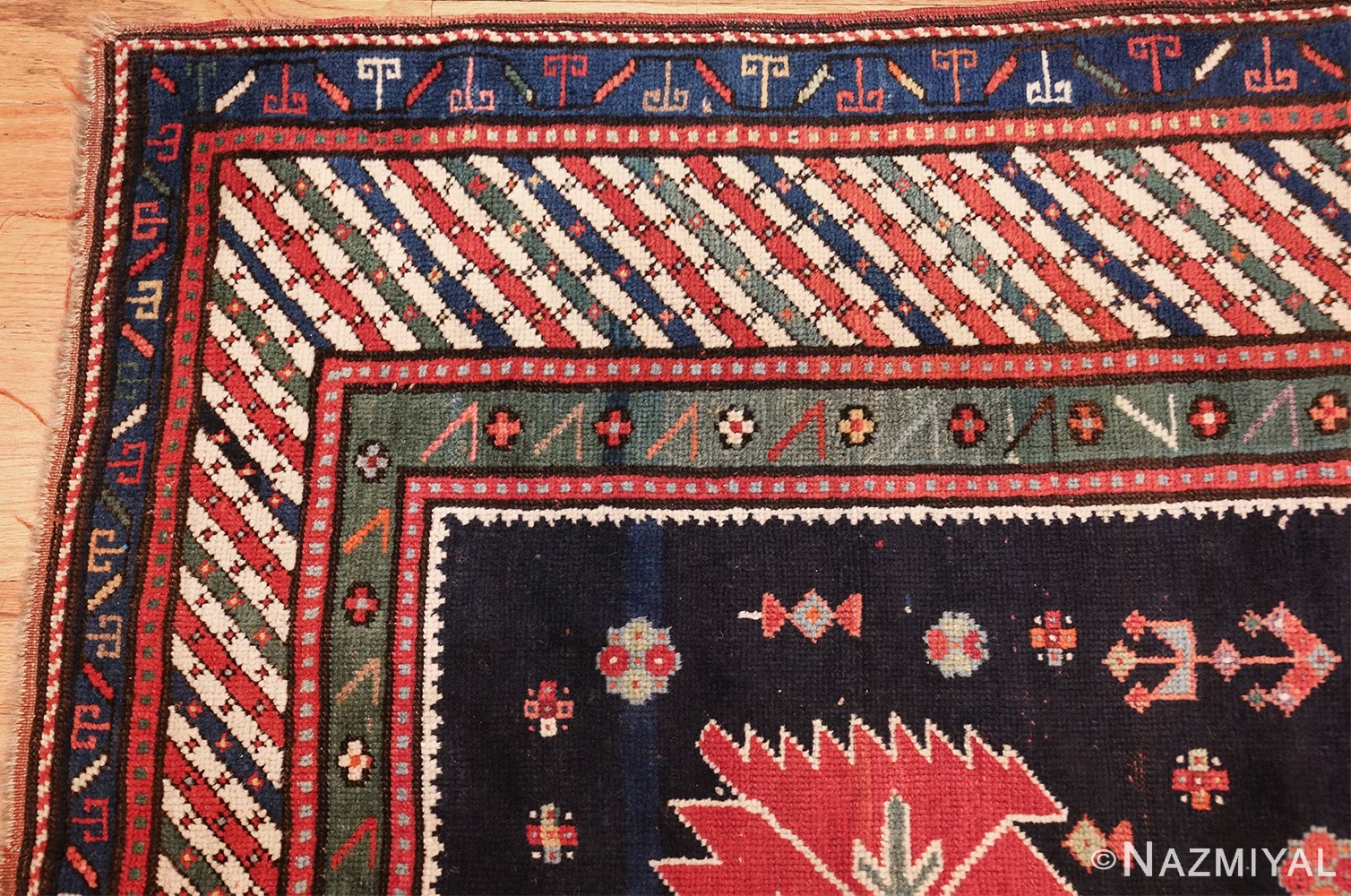
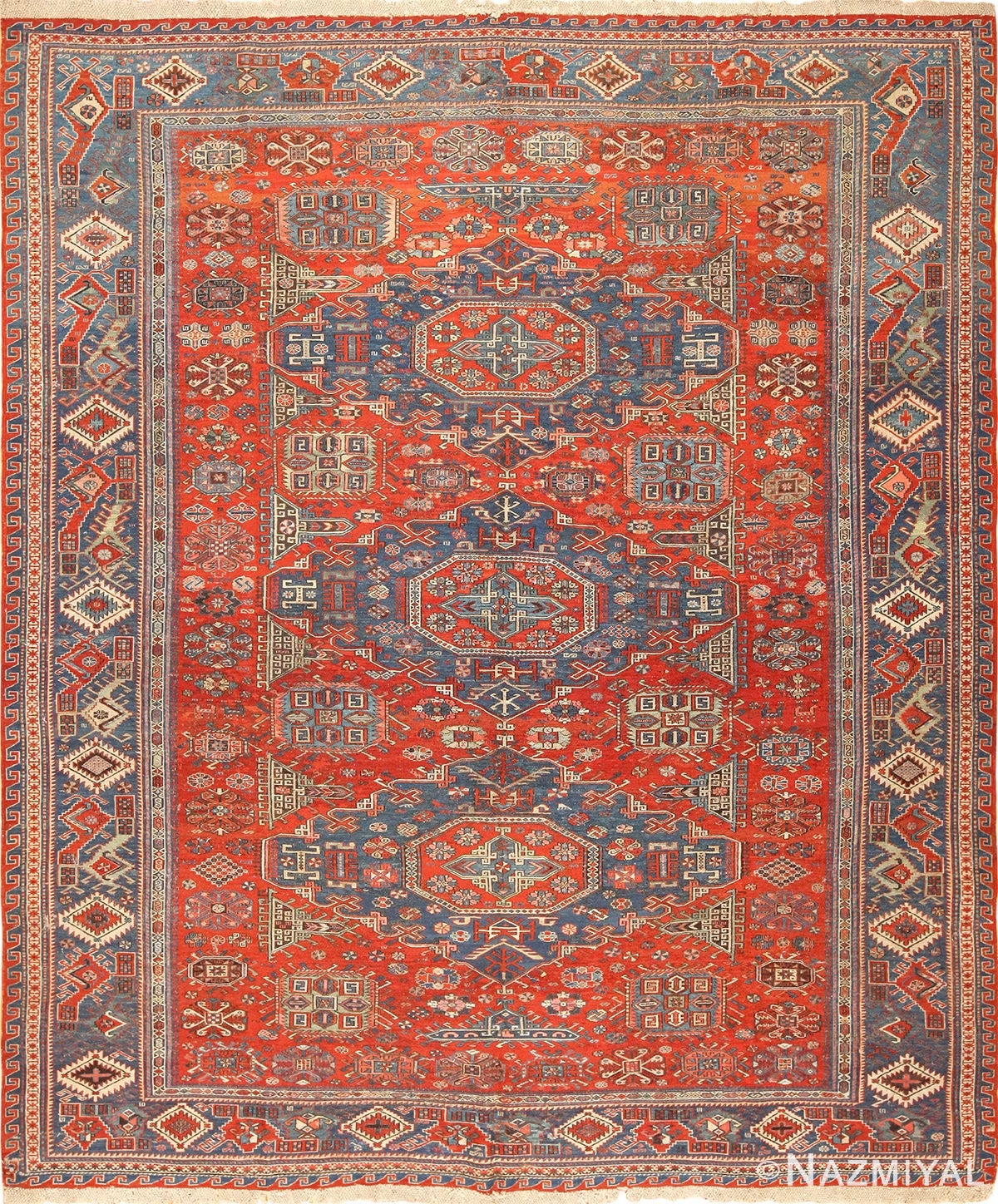
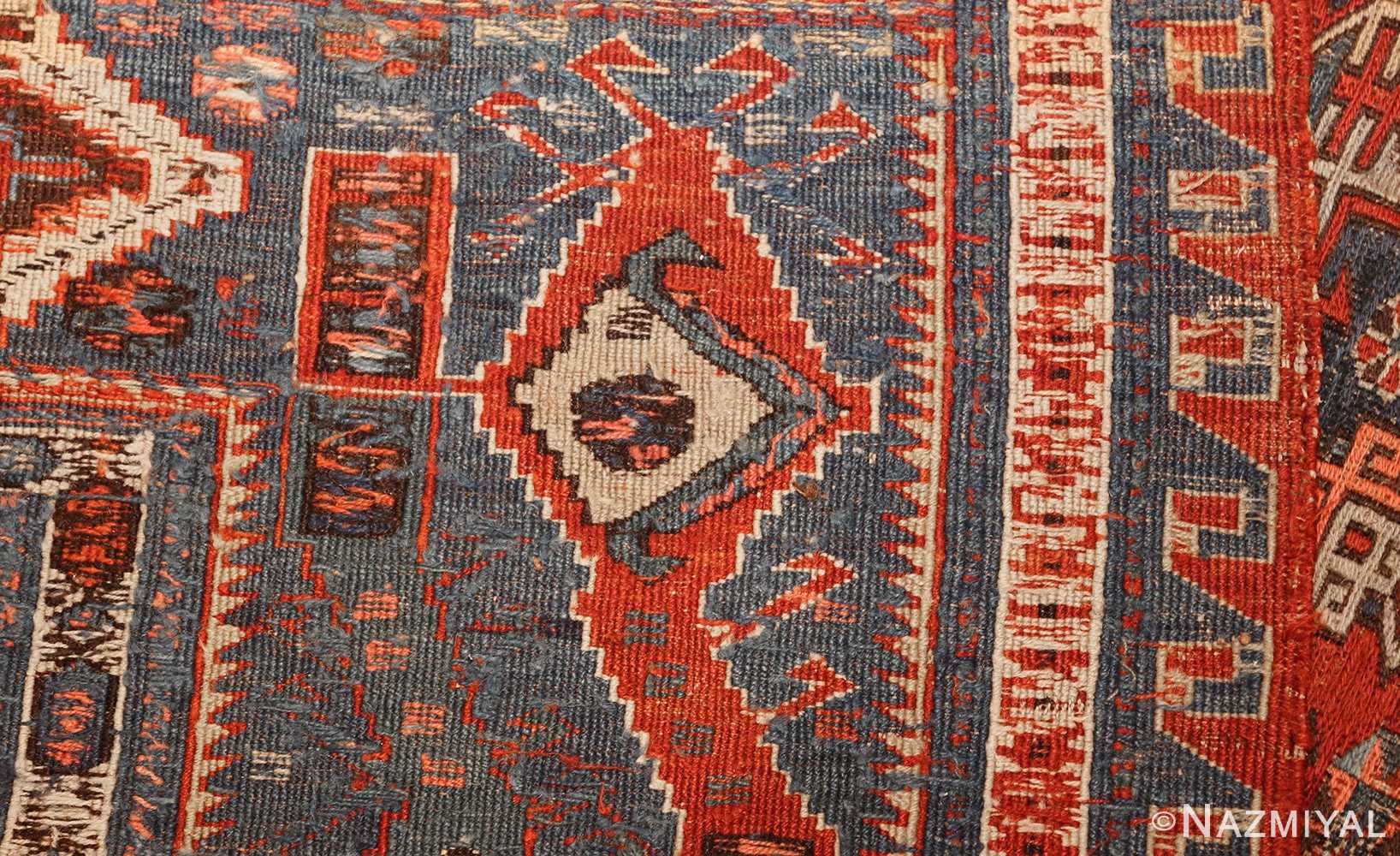
Rustic Tribal Geometric Antique Flat Weave Caucasian Soumak Rug 49342
8 ft 3 in x 9 ft 7 in (2.51 m x 2.92 m)
$19,500.00
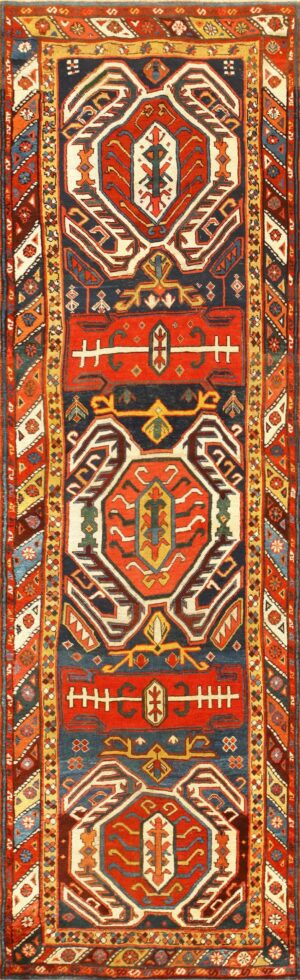
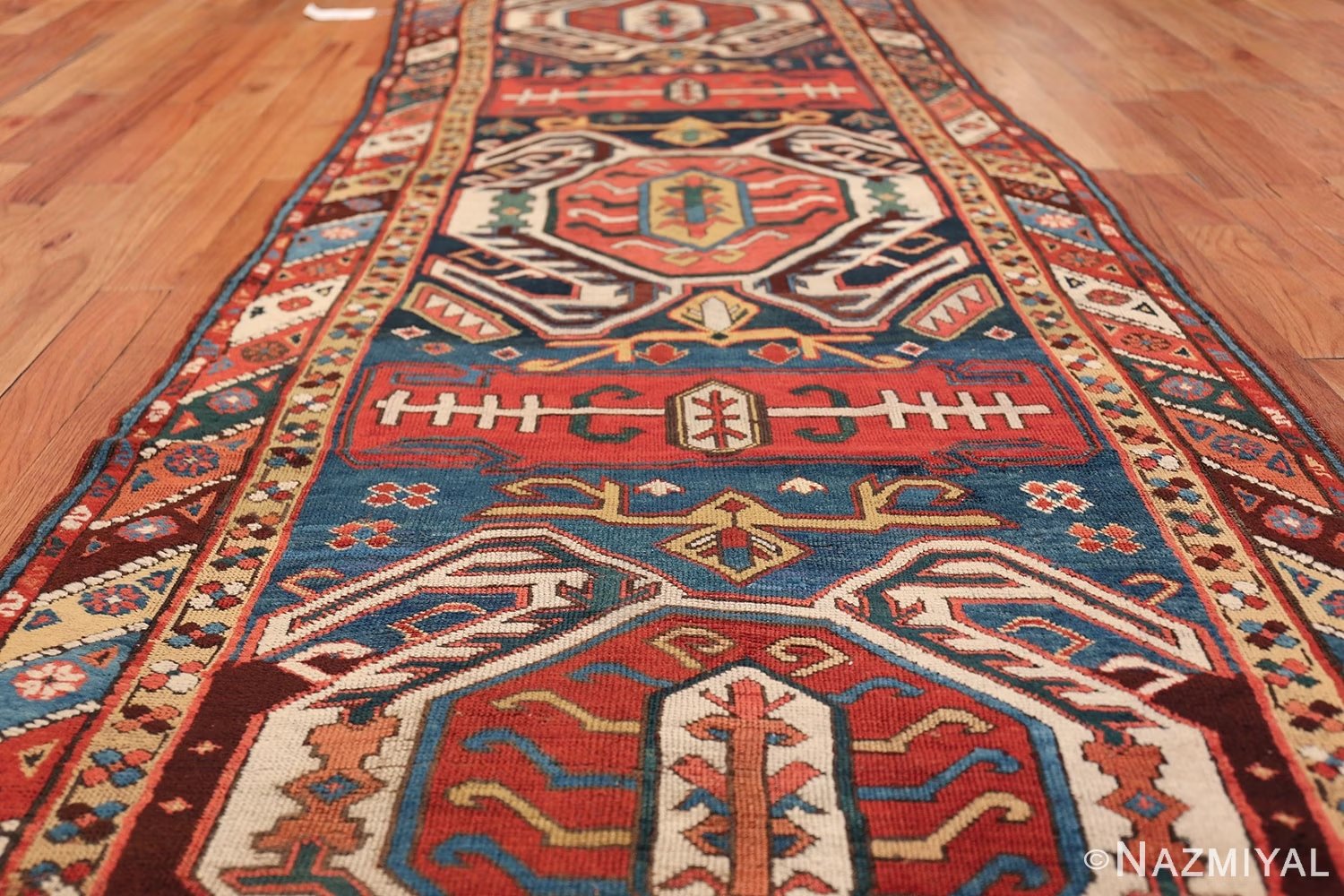
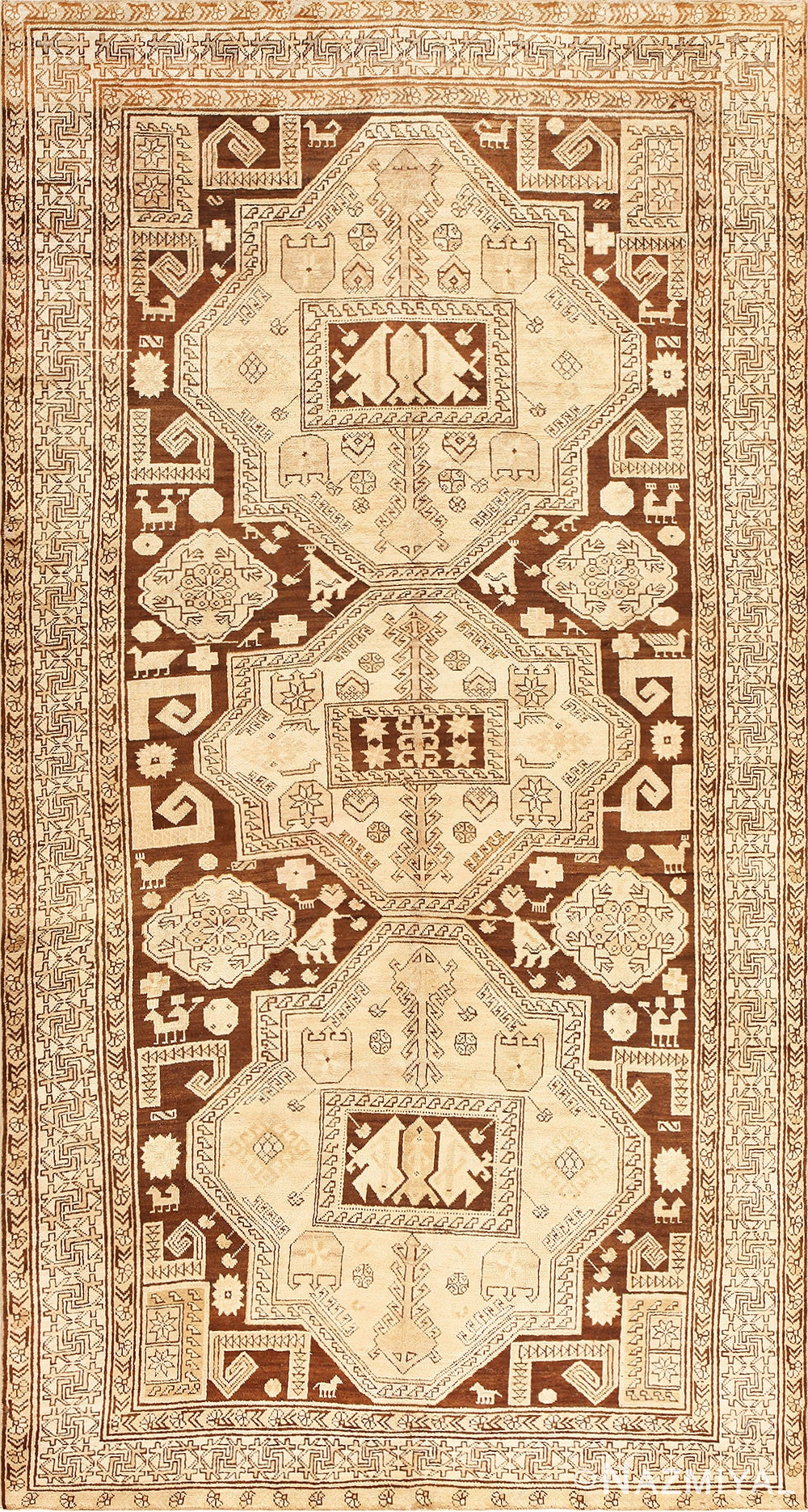
 On Hold
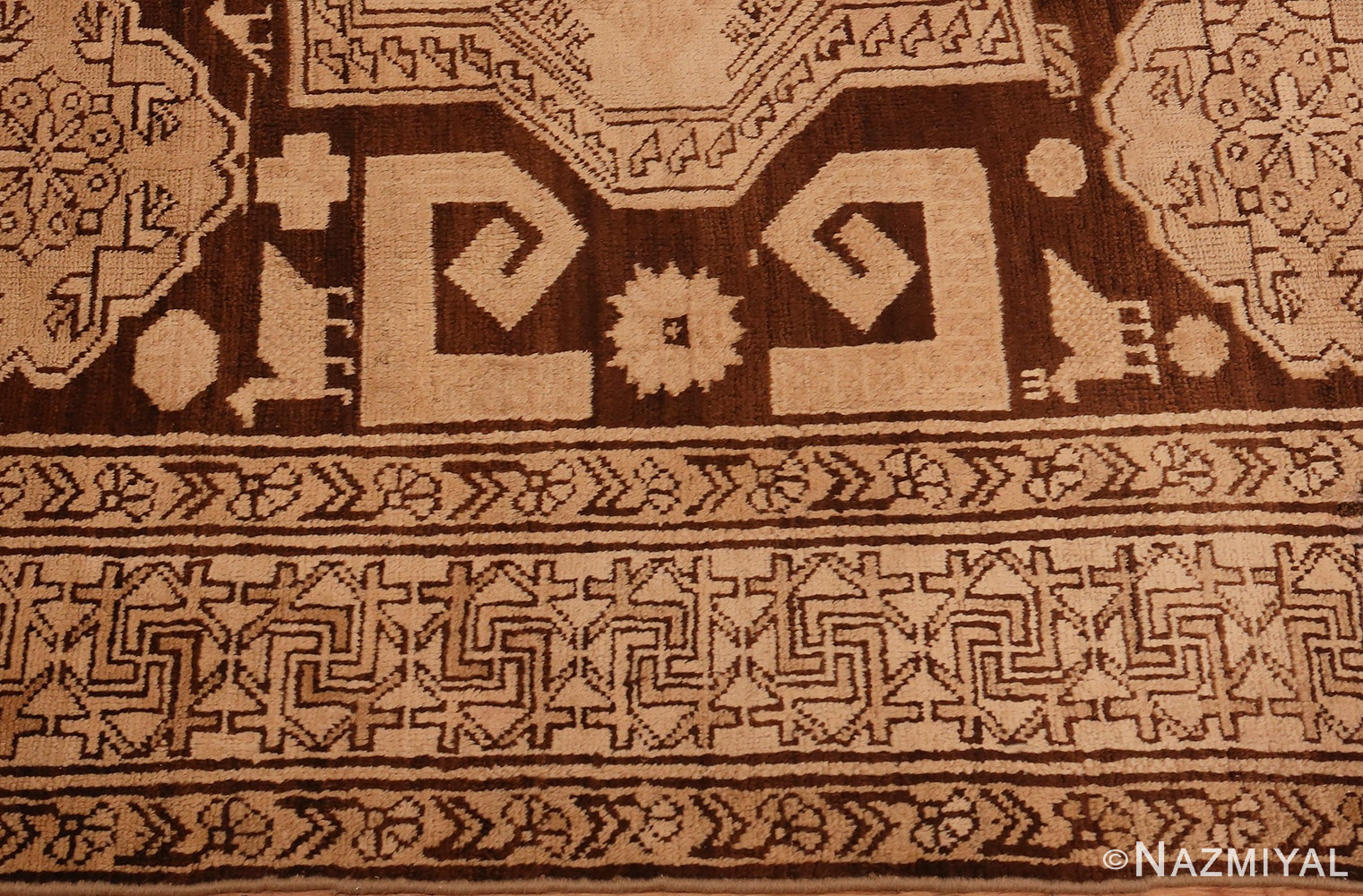
 Beautiful Antique Caucasian Tribal Karabagh Rug 50494
6 ft x 11 ft (1.83 m x 3.35 m)

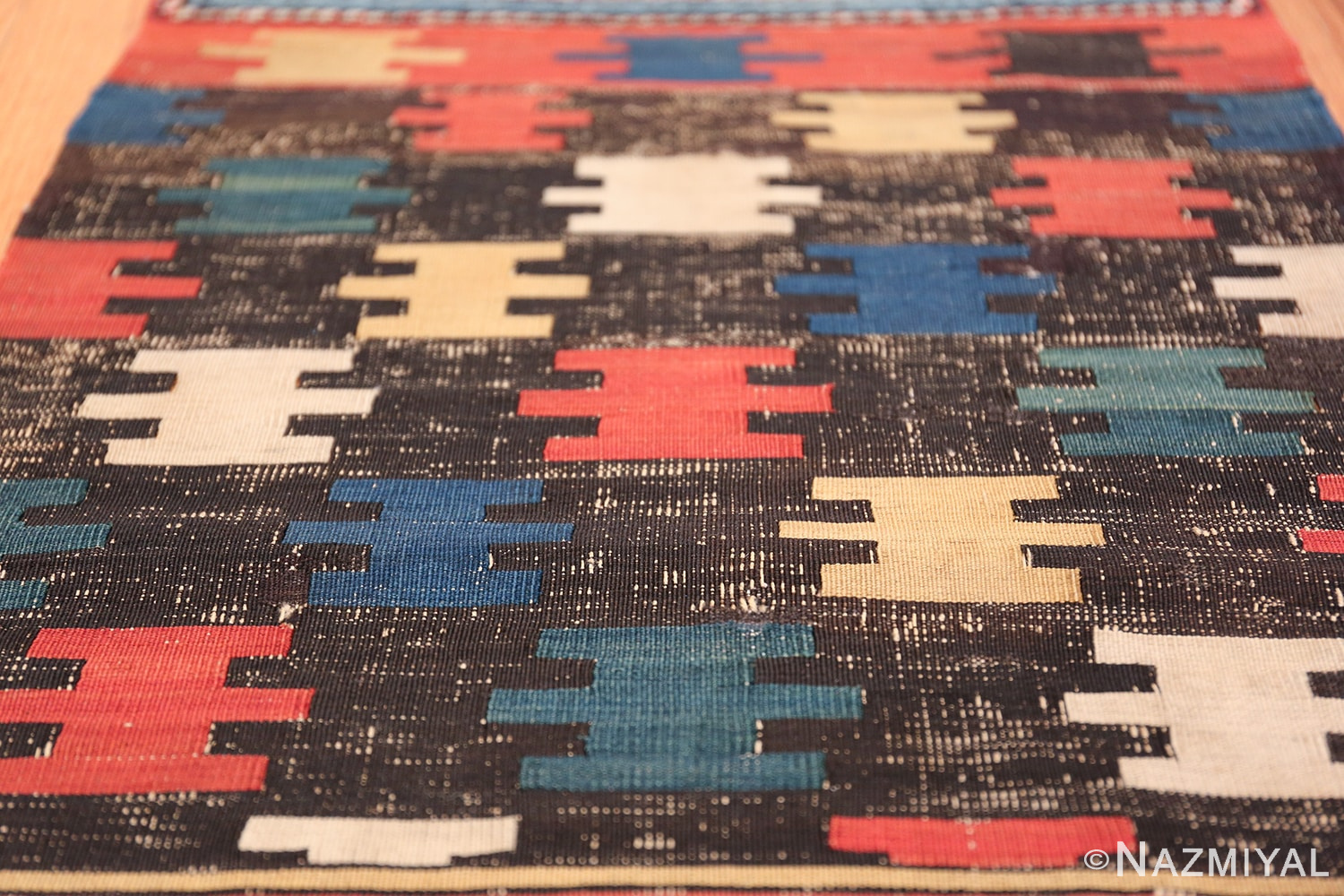
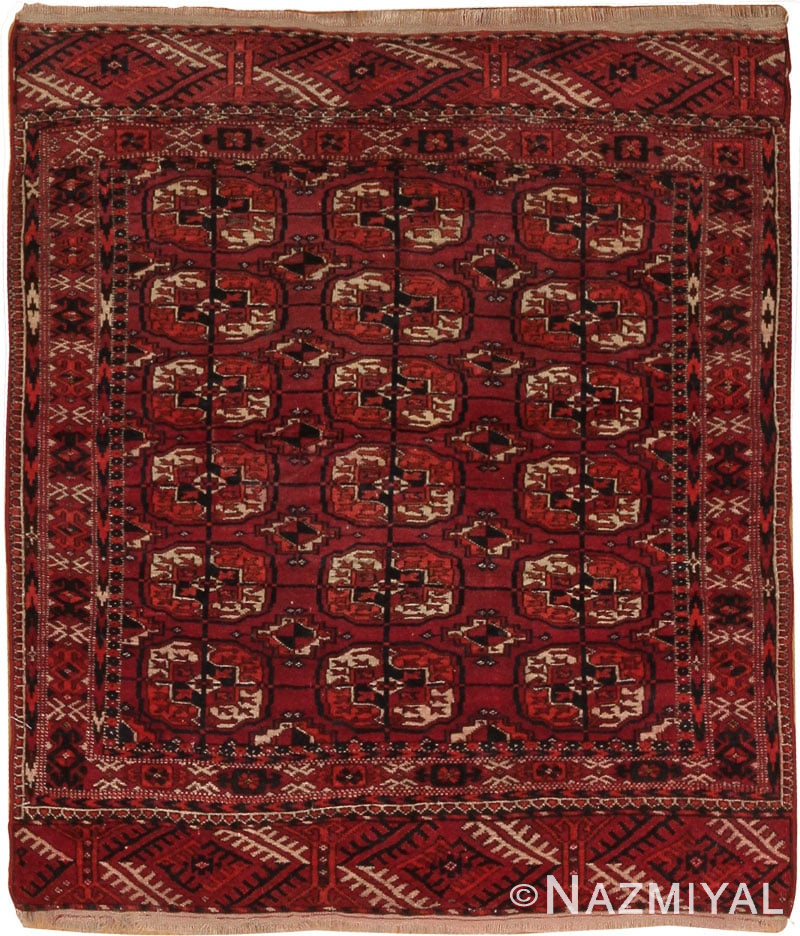
Small Size Red Color Classic Antique Tribal Geometric Caucasian Bokara Rug 44000
3 ft 2 in x 3 ft 5 in (0.97 m x 1.04 m)
$2,200.00