Popular Searches
Large rugs | Oversized rugs | Floral rugs | Allover designs | Medallion layouts | Shop by color | Rug size guide
Quick Navigation
Key Takeaways
- Authentic 17th century rugs are rare survivors—often collected as textile art as much as decor.
- Many important examples connect to workshop and court traditions, especially within classical Persian rugs.
- Value is driven by design clarity, materials, condition, and credibility—not age alone.
At-a-Glance Specs
- Era: 1600s (17th century)
- Weave: hand-knotted pile (structure varies by region)
- Materials: fine wool; silk details in some court pieces
- Typical formats: room-size carpets • long gallery rugs • statement pieces
- Palette: natural-dye reds • indigo/blues • softened earth tones • ivory highlights
- What to prioritize: confident drawing • stable edges/ends • repairs that respect original structure
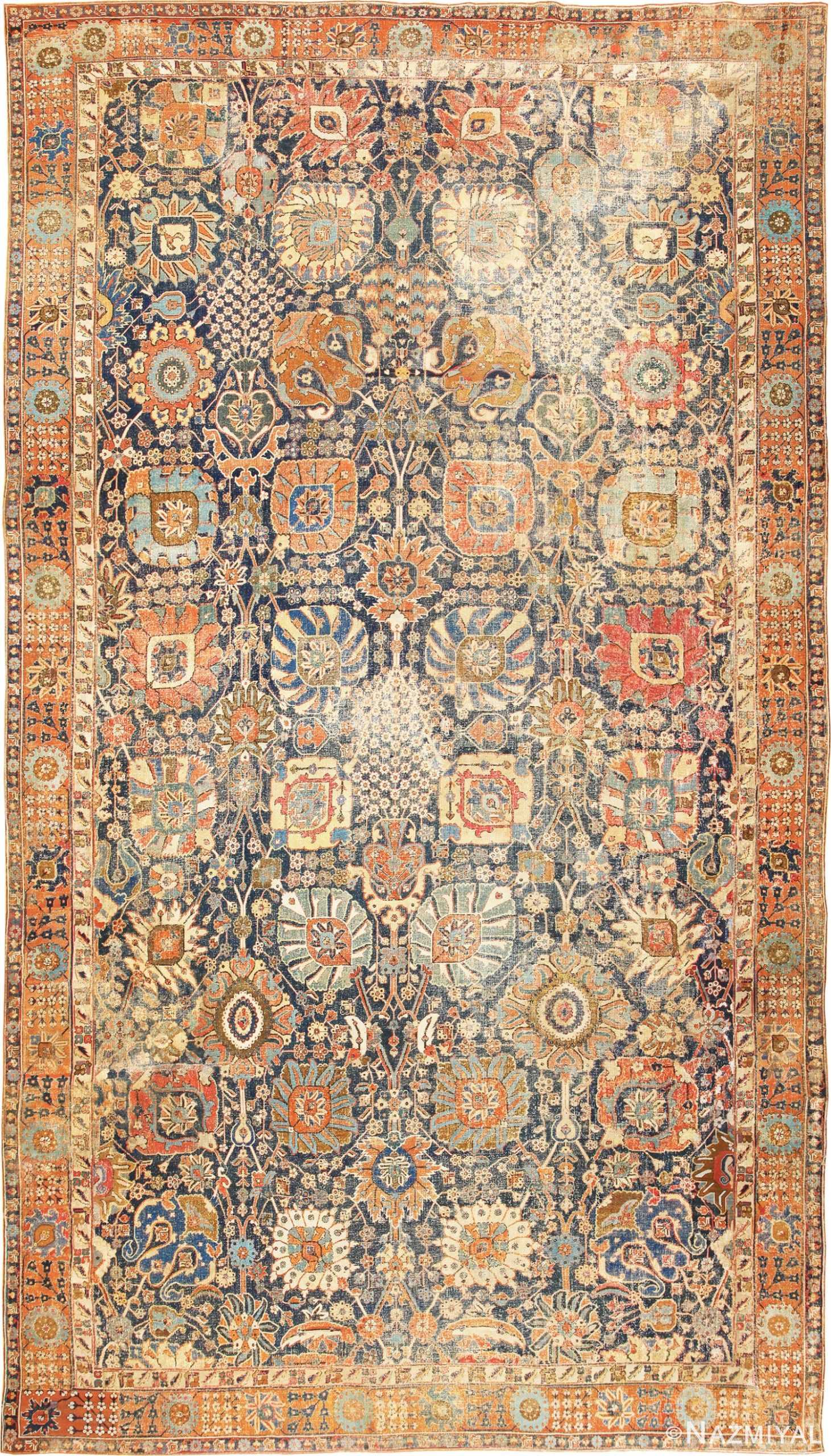
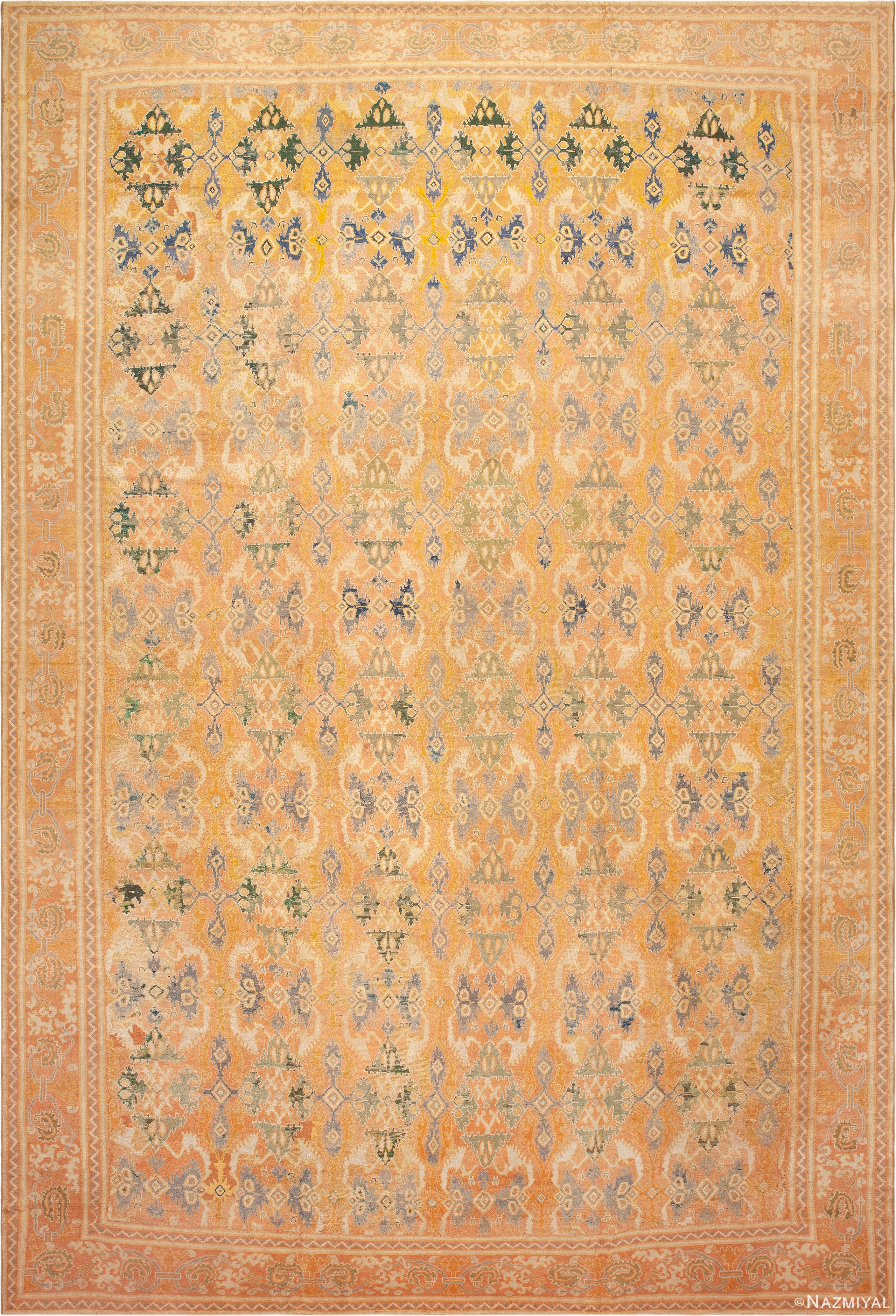
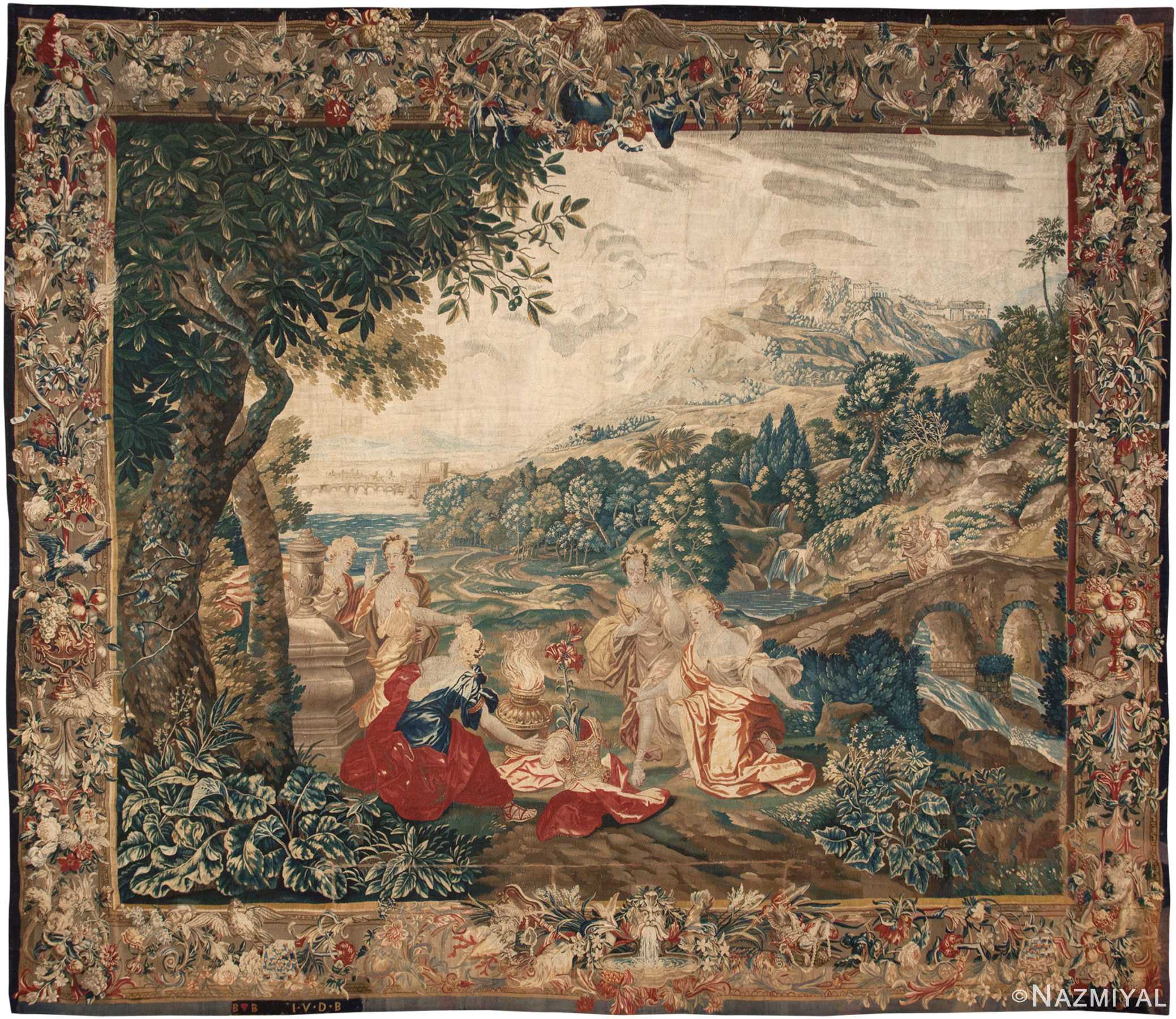
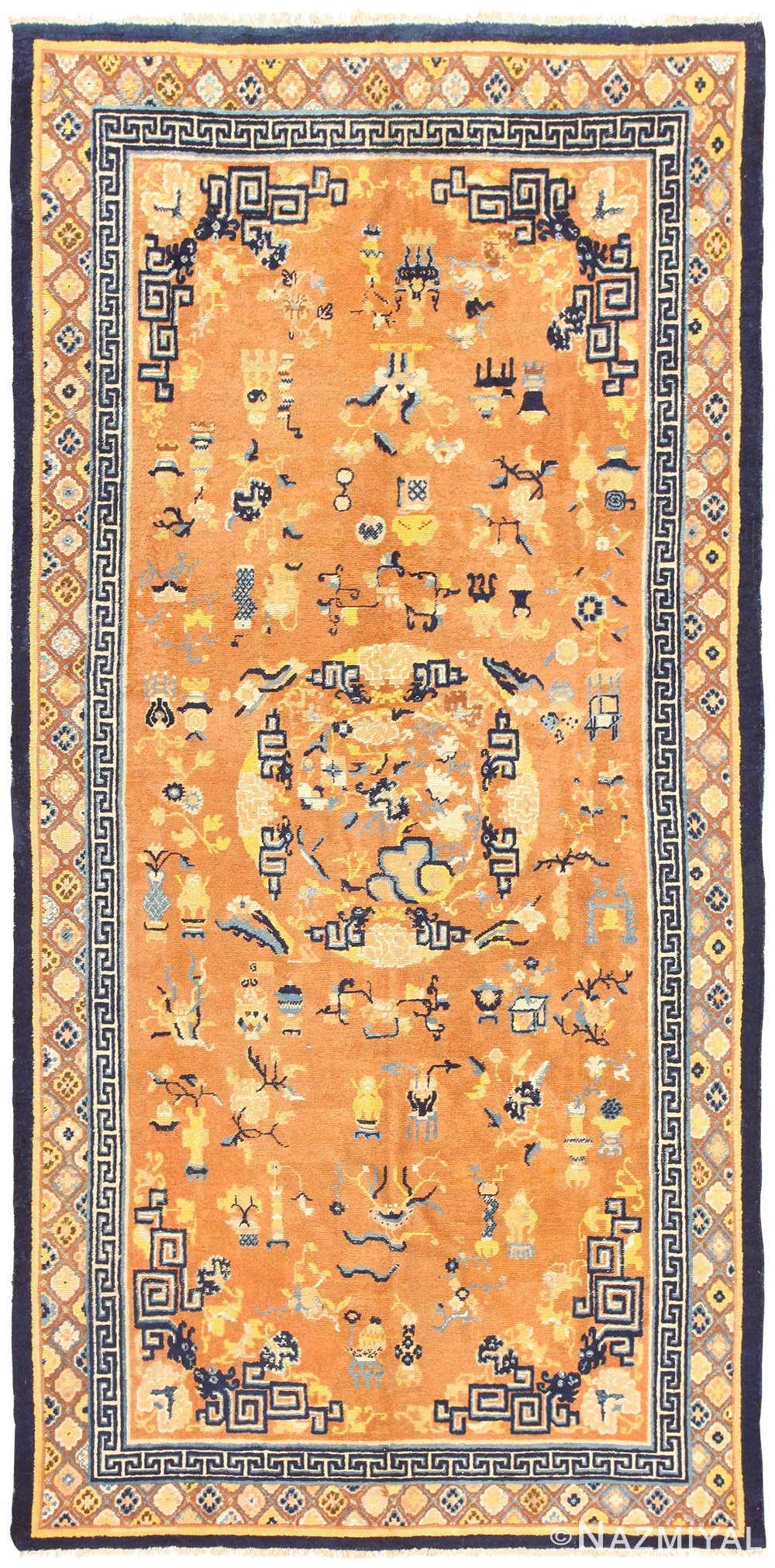
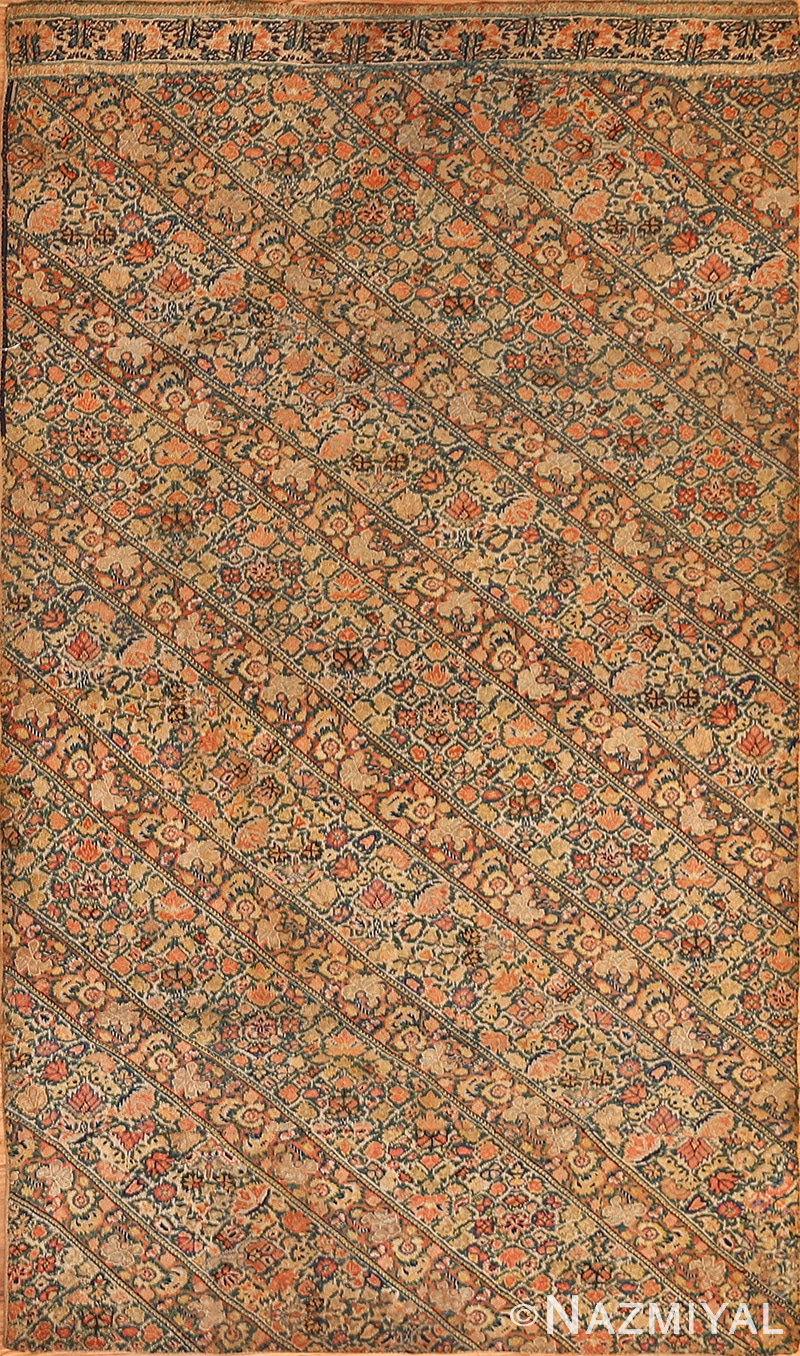
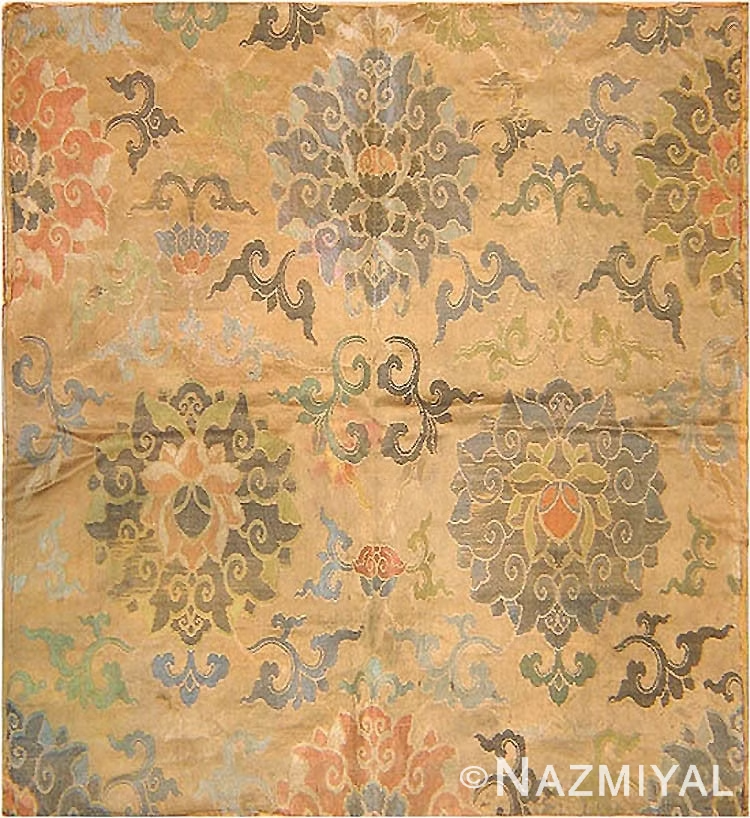
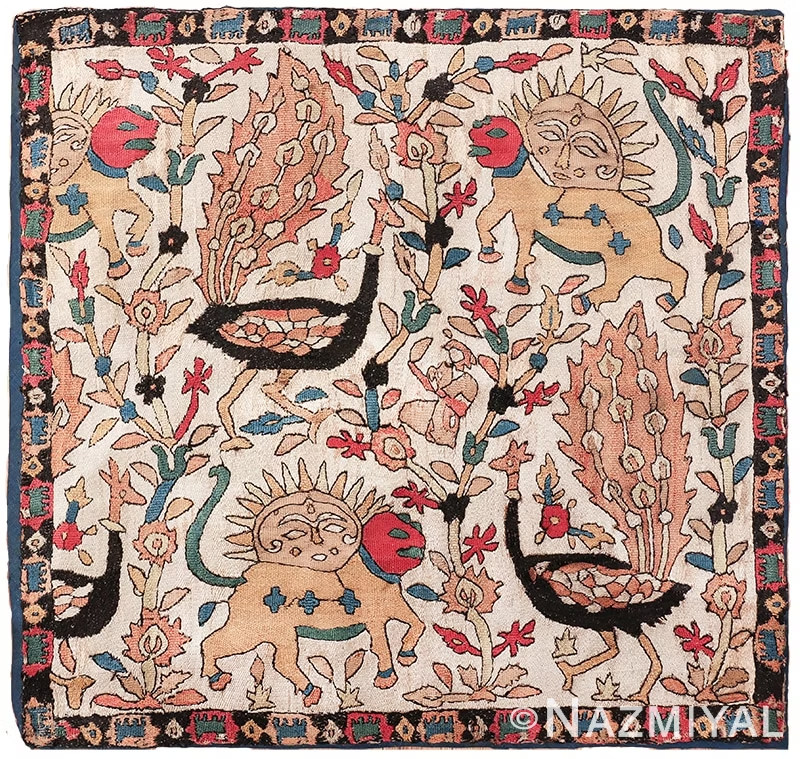
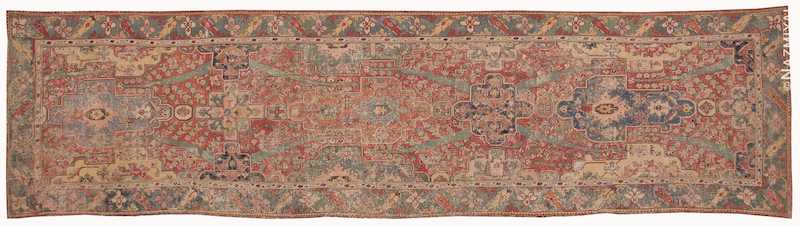
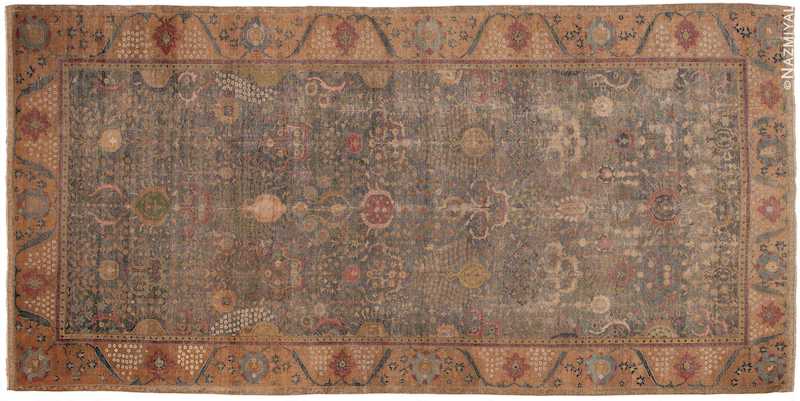
Featured 17th Century Rugs
Identification & Construction
How to recognize a true 17th century carpet
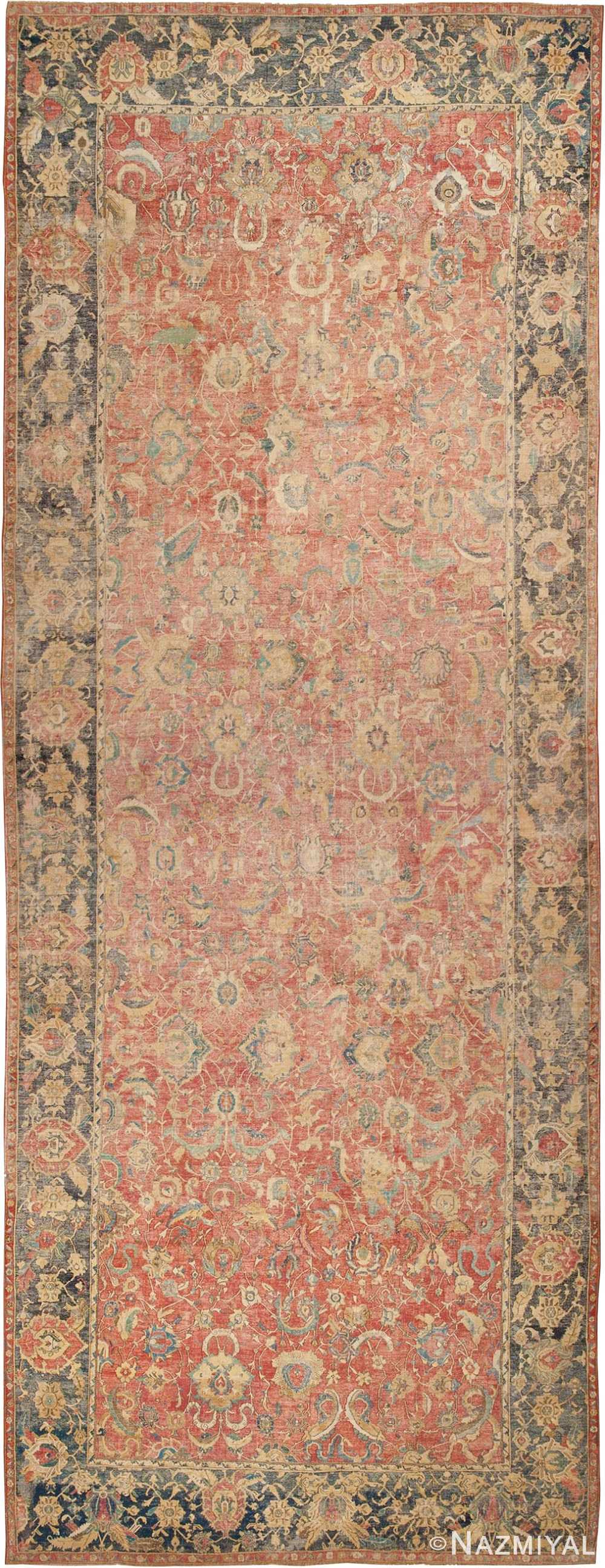
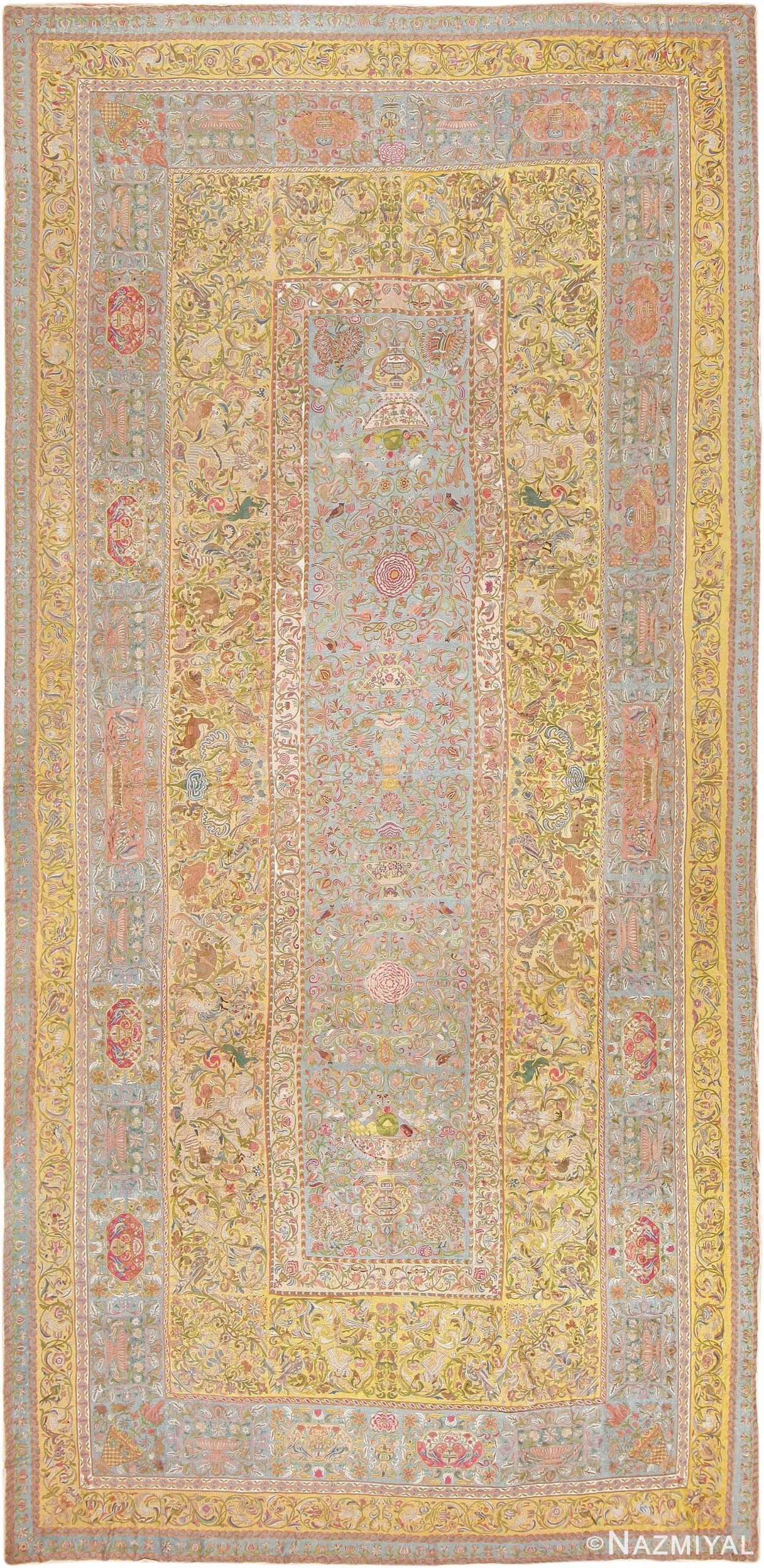
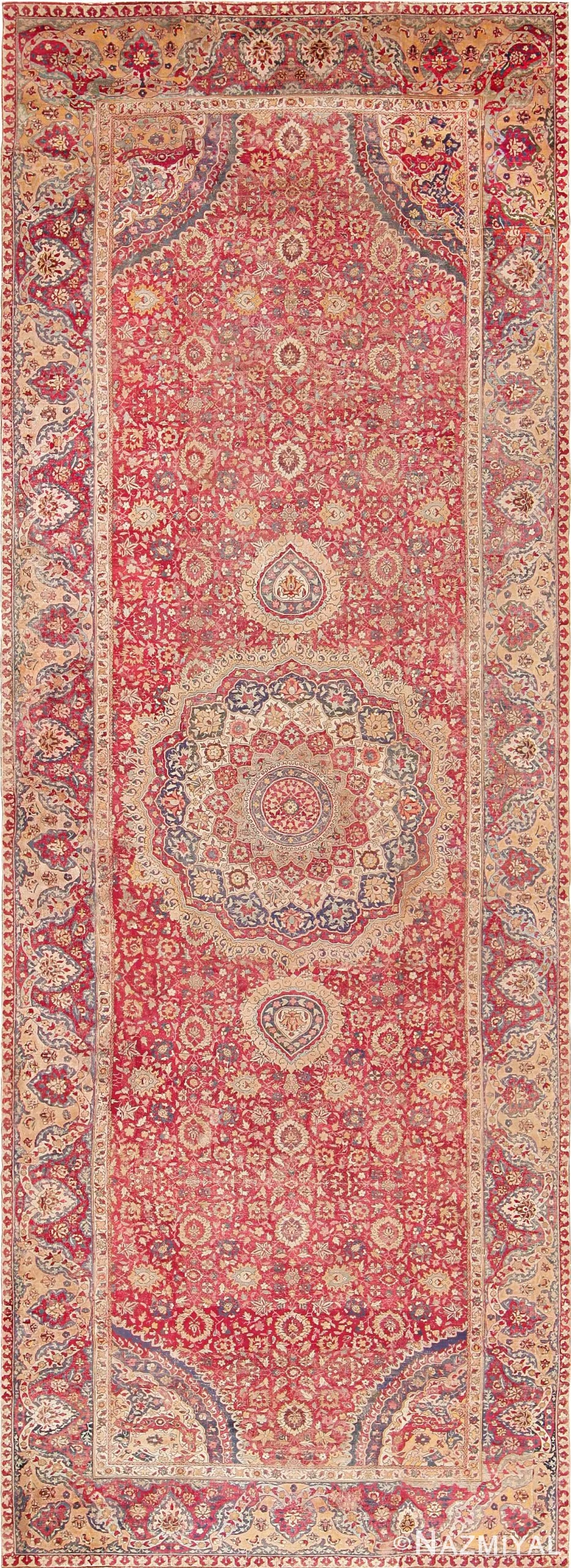
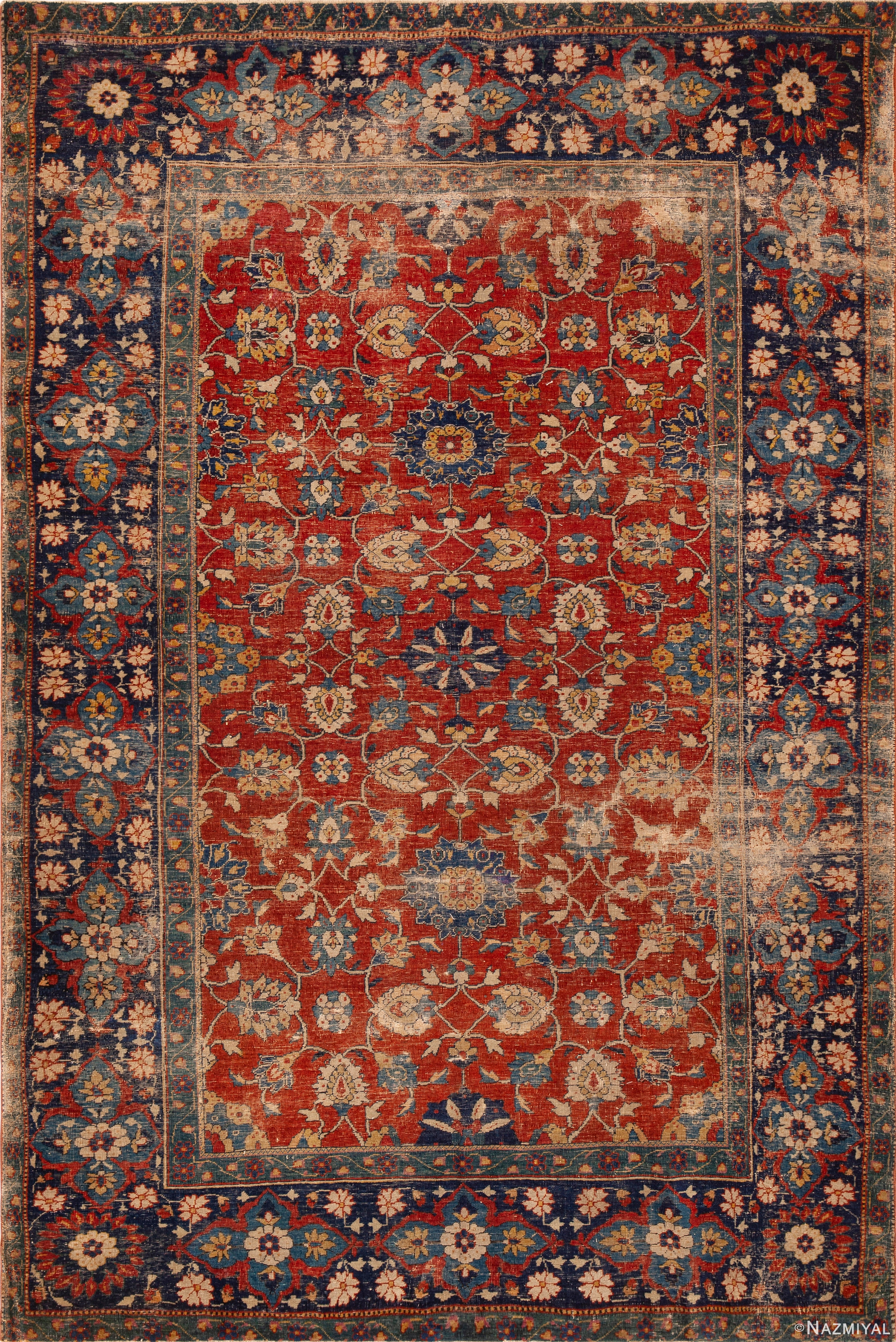
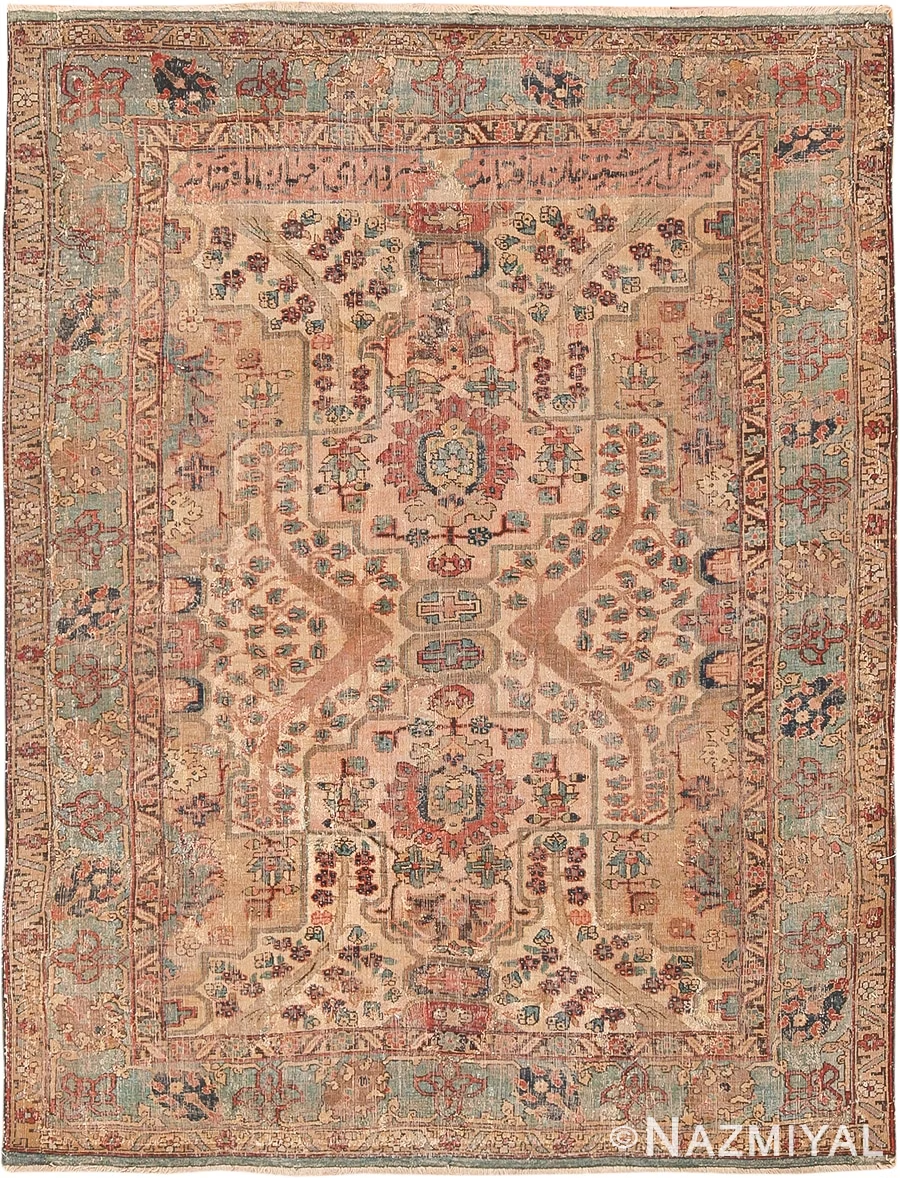
Early carpets often show disciplined composition: resolved spacing, confident line work, and borders that lock the design into place. When you compare pieces across traditions, it helps to understand the broader naming system for styles and structures—see types of rugs and antique carpet styles.
Materials, dyes, and structure
Expect fine wool, and in some workshop traditions, silk details. What matters most is consistency: structure that supports the design, natural-dye color that has mellowed well, and a handle/feel that aligns with the claimed weaving tradition.
Condition reality for 1600s rugs
Honest age is normal: wear, old restorations, and areas of pile reduction are common. Prioritize stable foundations, intact edges/ends, and repairs that respect original proportions.
Decorating & Placement Guidance
Designers often treat 17th century rugs as anchoring artworks: give them breathing room, repeat one or two tones elsewhere in the room, and let the pattern be the conversation starter. For a cohesive home, many clients mix an important early piece with complementary vintage rugs and clean-lined modern rugs to balance history with contemporary taste.
- Scale first: many survivors are long gallery formats or large room-size carpets—measure circulation paths early.
- Light matters: natural dyes can shift from day to night—test placement if possible.
- Placement: lower-traffic rooms (libraries, formal living rooms, primary bedrooms) tend to be ideal.
17th Century Rugs vs Early Rugs
If you’re widening beyond the 1600s while staying in the “important early” tier, the closest umbrella category is early rugs.
| 17th Century Rugs | Early Rugs (Broader Category) |
|---|
| Focused on the 1600s (highest scarcity concentration) | Includes multiple centuries before the 19th century |
| Often workshop/court refinement and classical design systems | Mix of workshop and early regional traditions |
| Best for collectors targeting a specific century and context | Best for widening options while staying “early” and important |
Closest Cousins
- Early Rugs — the closest umbrella for rare and important pre-19th-century carpets.
- 19th century rugs — a later period with broader availability and a wide range of regional styles.
Glossary
- Arabesque: Flowing vine-scroll drawing common in classical workshop aesthetics.
- Cartouche: A framed, panel-like motif used in fields and borders.
- Medallion: A central focal motif anchoring the composition.
- Natural dyes: Traditional colorants that often mellow beautifully with age.
- Gallery rug: A long format designed for halls and corridors.
For more terms collectors use, see the rug glossary.
FAQ
How rare are authentic 17th century rugs?
Extremely rare. The market is limited to a small number of true early examples with credible structure, design, and period alignment.
Are all 17th century rugs Persian?
No. Persia is central to the era’s court aesthetic, but important 17th-century carpets also relate to other early luxury traditions and regional histories.
What affects value the most?
Design quality, rarity, and condition are major drivers, followed by materials and how convincingly the rug aligns with its claimed origin and weaving period.
Can you use a 17th century rug on the floor?
Sometimes—if the structure is stable and placement is appropriate. Many owners prefer lower-traffic rooms, and some early rugs are better treated as display textiles.
How do experts evaluate age when there’s no label?
Age is assessed comparatively: structure, design language, dye behavior, and wear patterns are weighed against documented examples and known weaving traditions.
Why Nazmiyal Collection? 3 Pillars of Nazmiyal Collection
When you’re considering an early carpet from the 1600s, expertise and accurate representation matter as much as beauty.
- Unmatched Inventory Depth: access to rare early rugs across origins and formats.
- Rigorous Authenticity Standards: expert-vetted and accurately represented pieces.
- Expert Advisory: real guidance on size, placement, and long-term stewardship.
Nazmiyal White-Glove Service
We make it easy to shop with confidence—whether you’re choosing a single statement piece or curating a full room.
Nazmiyal Collection has been a trusted source for antique rugs and vintage carpets for over 45 years. Our NYC gallery curates one-of-a-kind pieces with an emphasis on authenticity, provenance, and lasting decorative value.
Need help? Call us at (212) 545-8029 or visit our New York City showroom to work with a rug expert.

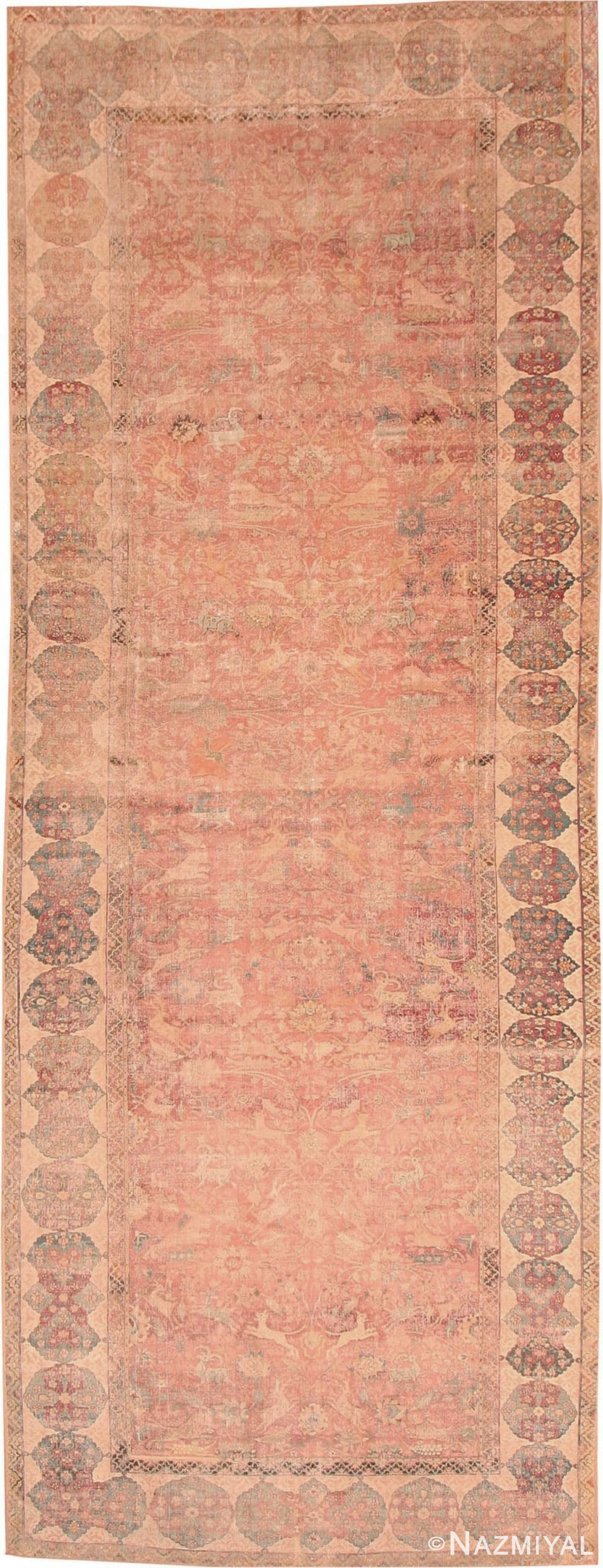
 Size: 11 ft 4 in x 30 ft (3.45 m x 9.14 m)
 Size: 13 ft 2 in x 26 ft (4.01 m x 7.92 m)
 Size: 9 ft x 24 ft 8 in (2.74 m x 7.52 m)
 Size: 7 ft 7 in x 20 ft 4 in (2.31 m x 6.2 m)
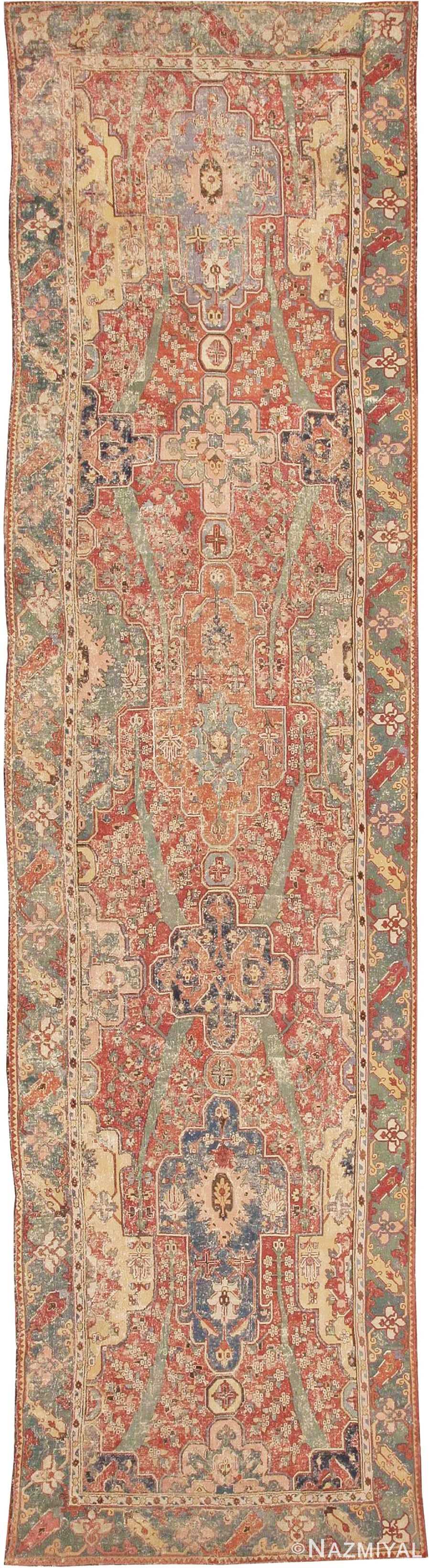
 Size: 5 ft 4 in x 20 ft 4 in (1.63 m x 6.2 m)
 Size: 11 ft 5 in x 20 ft 2 in (3.48 m x 6.15 m)
 Size: 13 ft 2 in x 19 ft 9 in (4.01 m x 6.02 m)
 Size: 12 ft 5 in x 16 ft 7 in (3.78 m x 5.05 m)
 Size: 12 ft 3 in x 16 ft (3.73 m x 4.88 m)
 Size: 9 ft 10 in x 15 ft 9 in (3 m x 4.8 m)
 Size: 11 ft 8 in x 13 ft 7 in (3.56 m x 4.14 m)
 Size: 10 ft x 12 ft 10 in (3.05 m x 3.91 m)
 Size: 10 ft x 12 ft 5 in (3.05 m x 3.78 m)
 Size: 6 ft 2 in x 12 ft (1.88 m x 3.66 m)
 Size: 8 ft x 11 ft 4 in (2.44 m x 3.45 m)
 Size: 8 ft 7 in x 10 ft 3 in (2.62 m x 3.12 m)
 Size: 8 ft 1 in x 9 ft 7 in (2.46 m x 2.92 m)
 Size: 7 ft 3 in x 9 ft 5 in (2.21 m x 2.87 m)
 Size: 5 ft 1 in x 7 ft 8 in (1.55 m x 2.34 m)
 Size: 4 ft 5 in x 5 ft 9 in (1.35 m x 1.75 m)
 Size: 1 ft 3 in x 2 ft 3 in (0.38 m x 0.69 m)
 Size: 2 ft x 2 ft 1 in (0.61 m x 0.63 m)
 Size: 1 ft 6 in x 1 ft 7 in (0.46 m x 0.48 m)