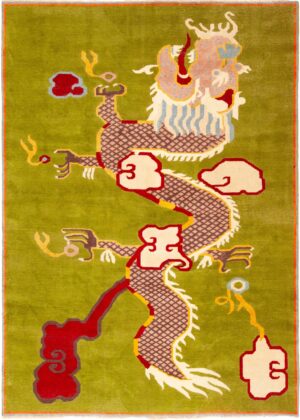
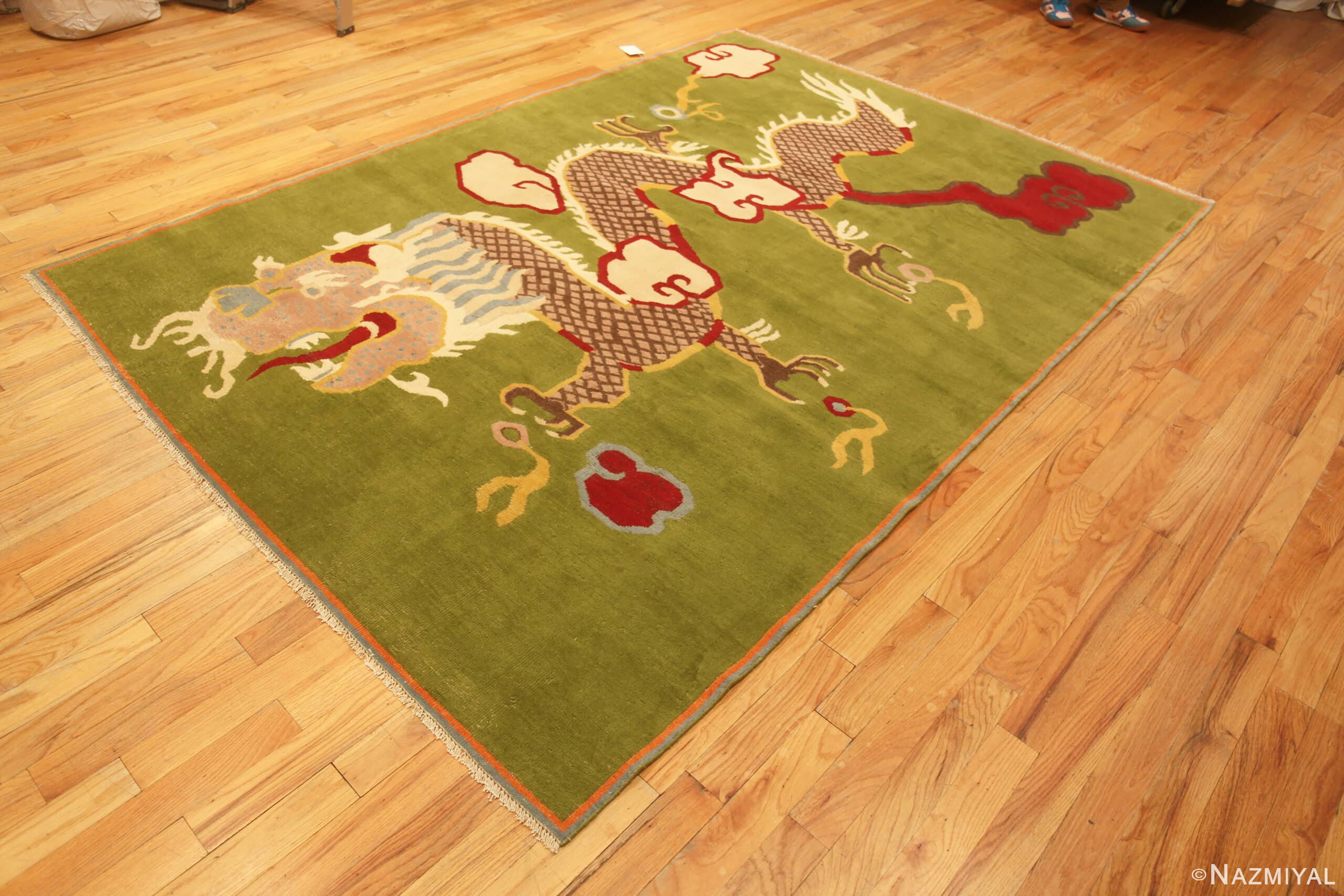
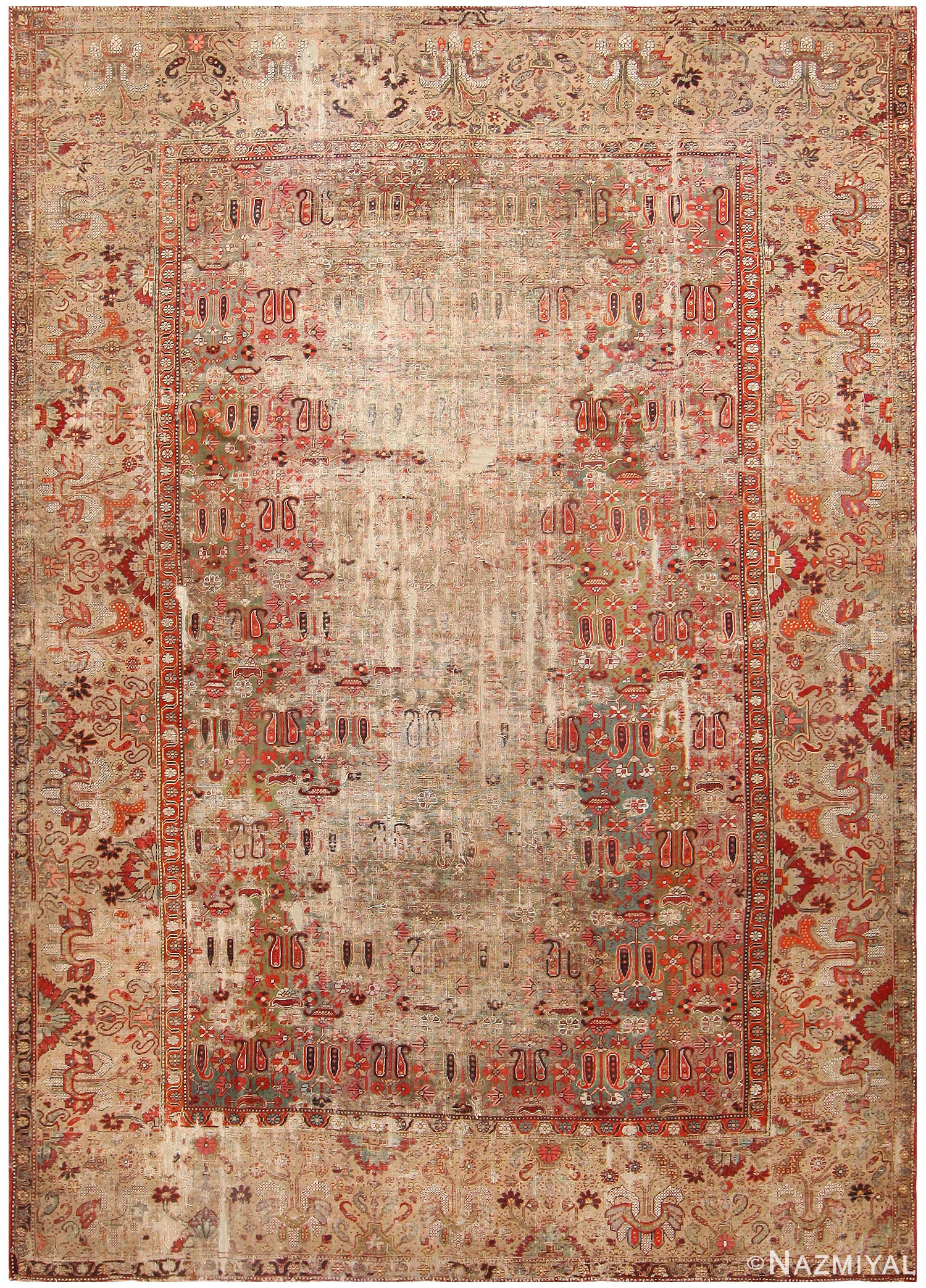
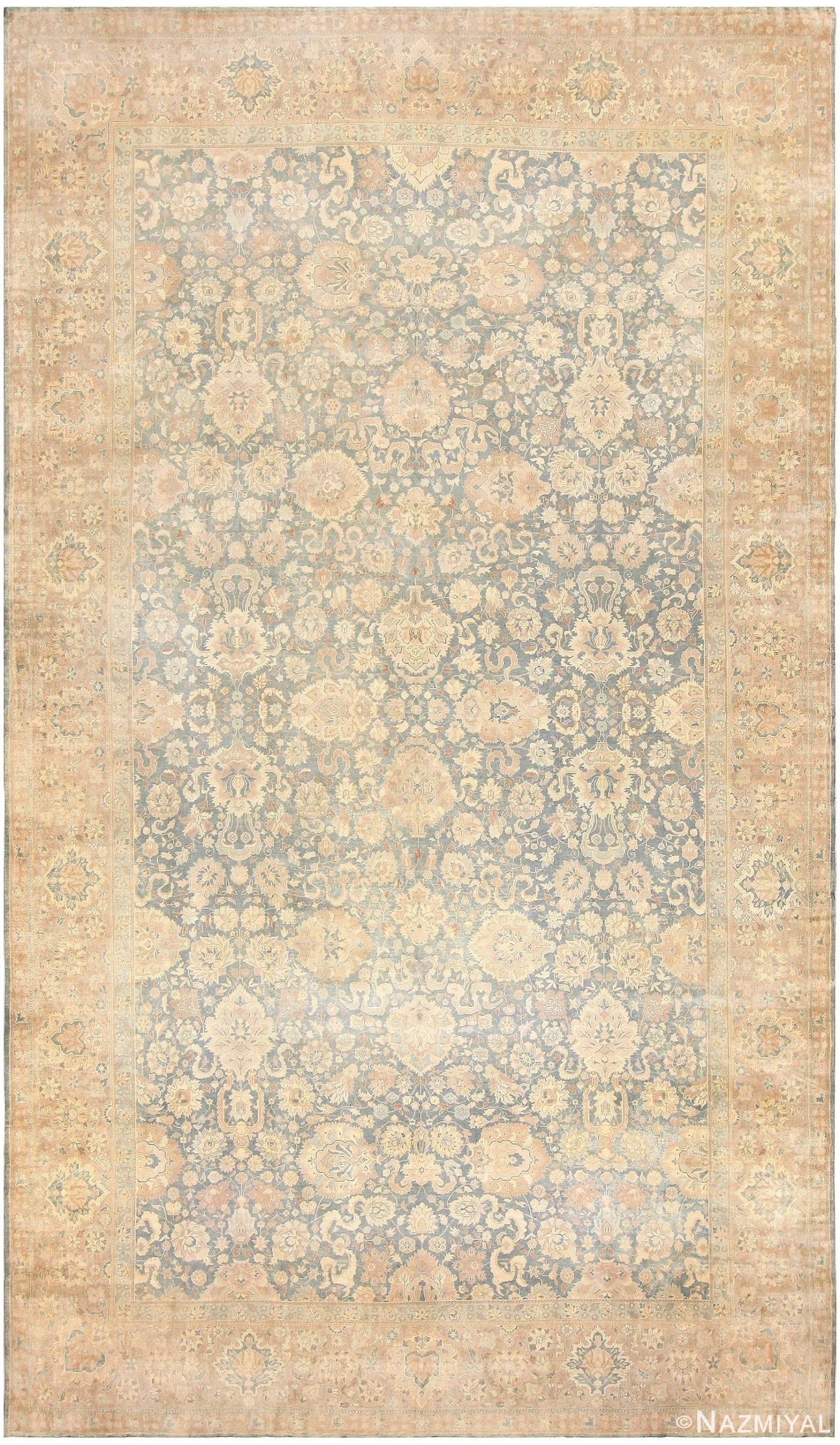
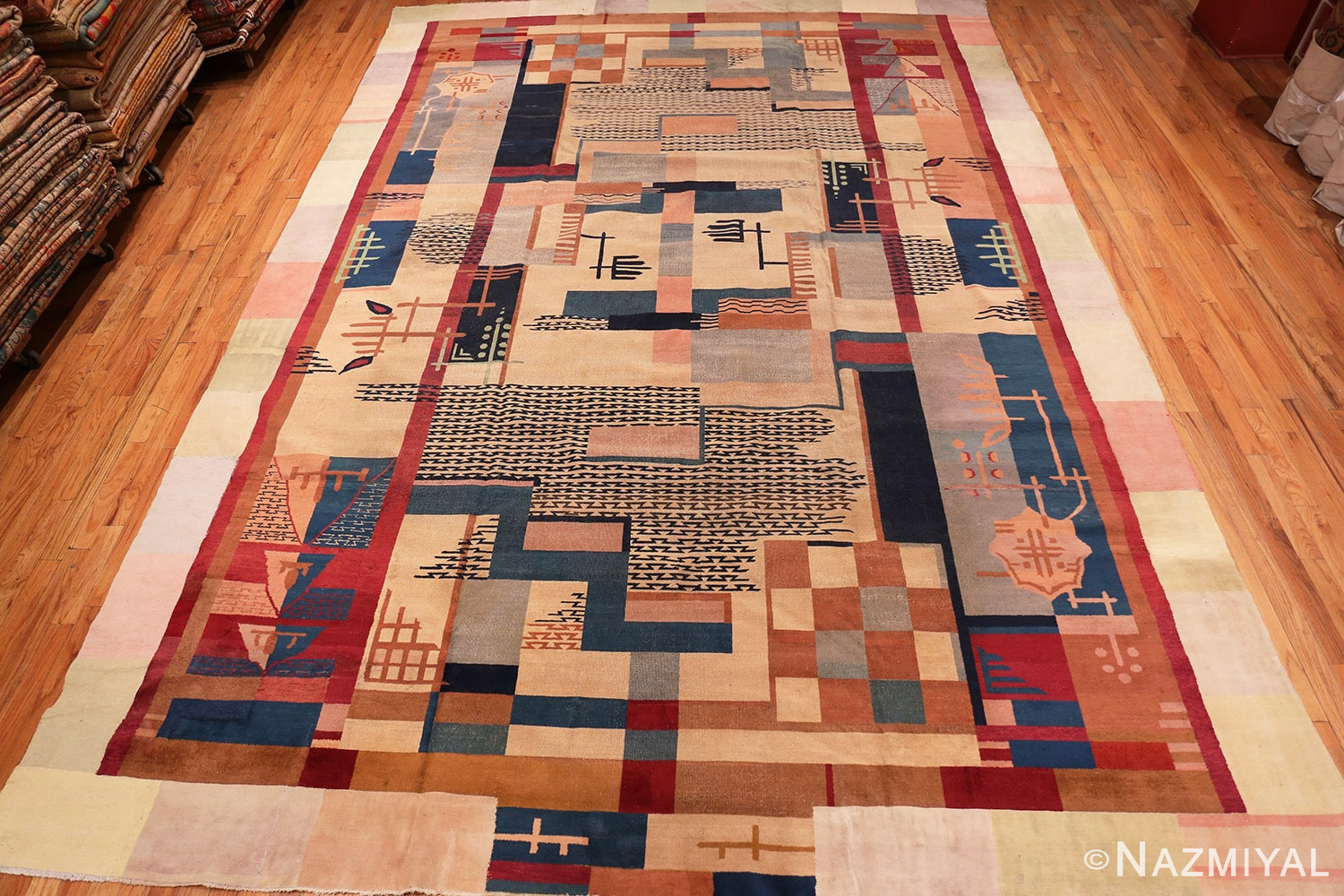
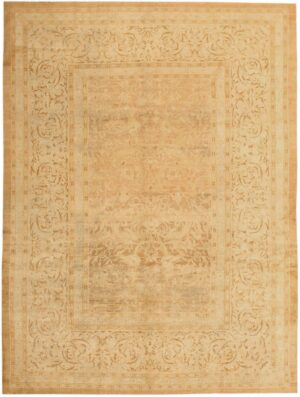
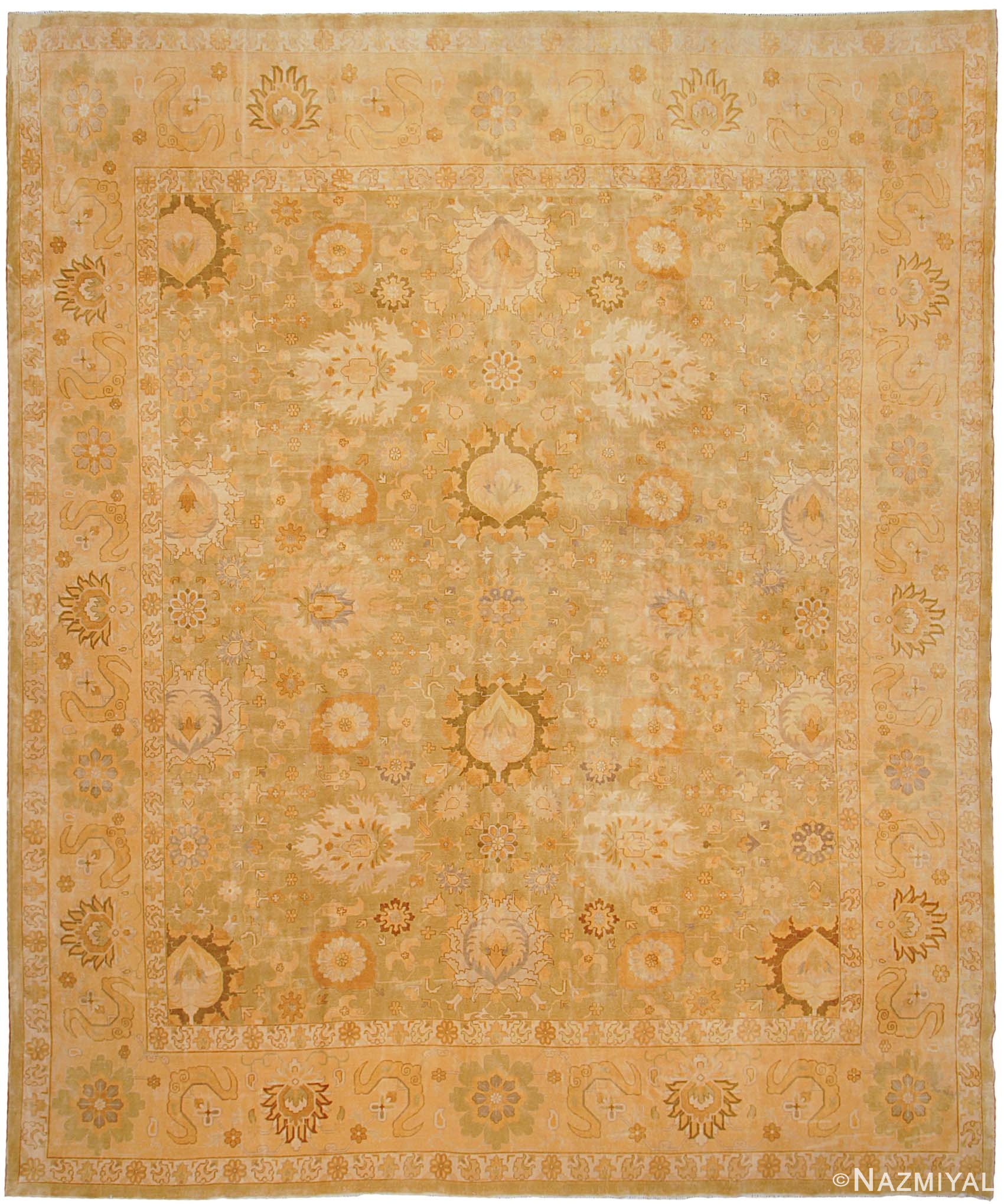
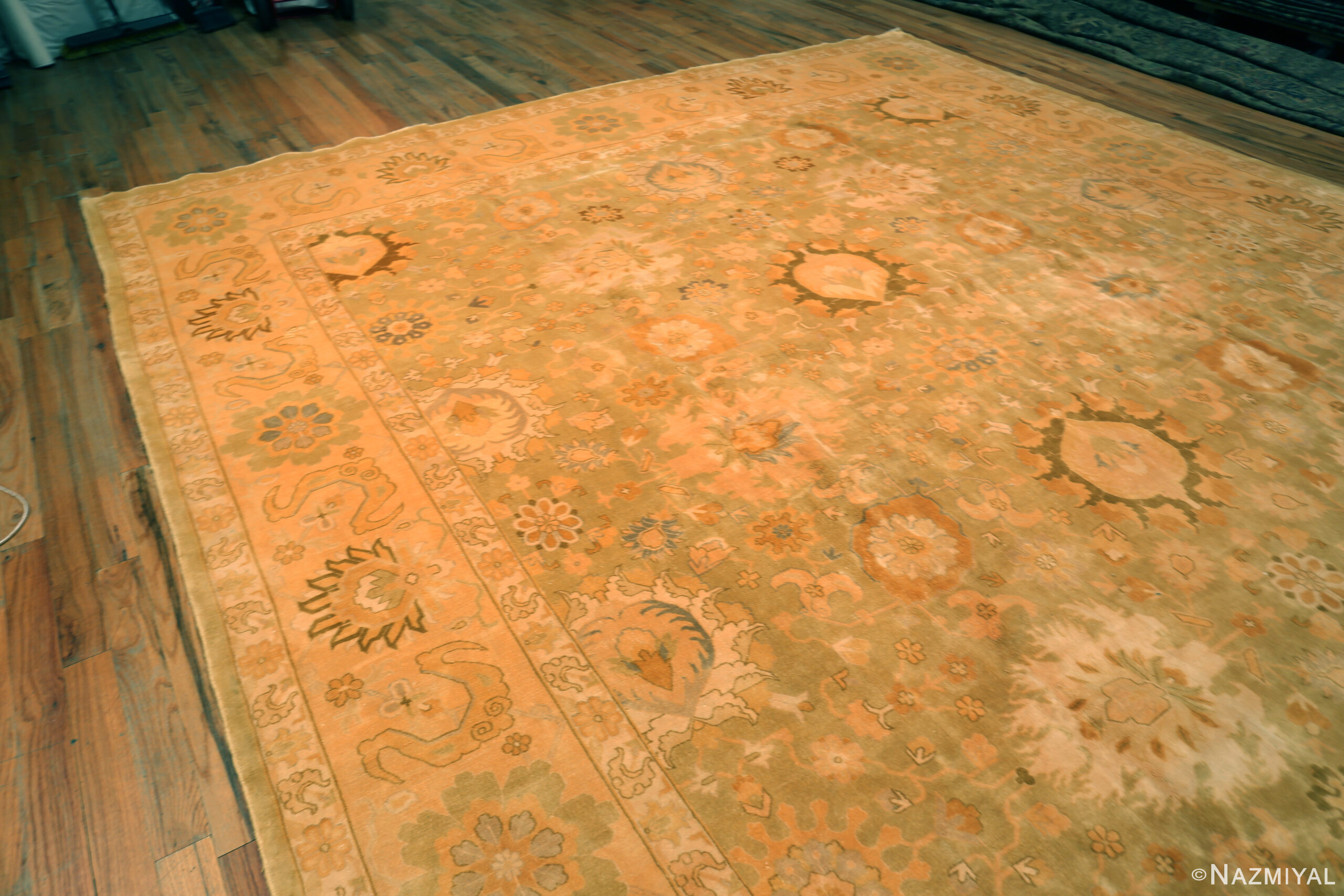
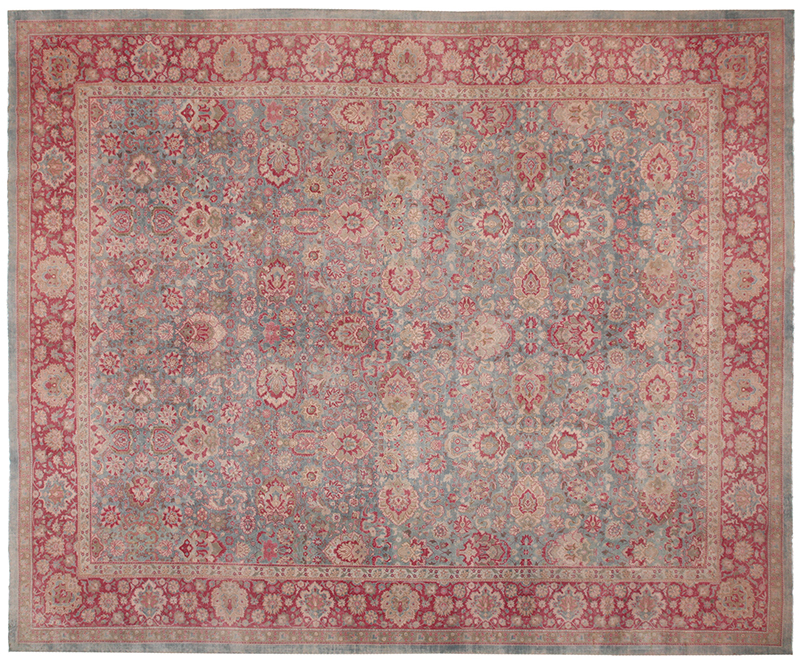
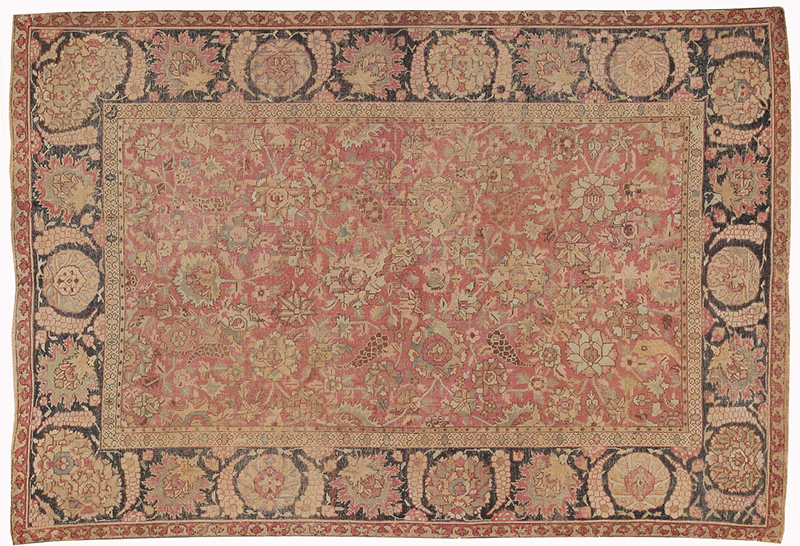
Antique Indian Rugs & Mughal Carpets with Refined Workshop Drawing and Palace-Scale Presence
Indian rugs are handwoven carpets from India—ranging from Mughal court designs to workshop traditions—recognized for elegant florals, confident scale, and a blend of local artistry with Persian-influenced design vocabulary.
These rugs span courtly Mughal-era masterpieces, workshop traditions like Agra and Amritsar, and later decorative carpets made for grand rooms. If you want an Indian rug that feels both luxurious and livable, focus on confident drawing, balanced repeats, and color that reads “settled” rather than loud. For curated inventory and guidance, start with Nazmiyal, and explore geography-first context through the Rug Origins hub.
Curated quality: we prioritize drawing, harmony, and condition integrity over labels.
Transparent guidance: practical help with size, placement, and how to read age and restoration.
Designer-friendly support: trade-ready service for single-room statements or full-home schemes.
How to Identify Indian Rugs
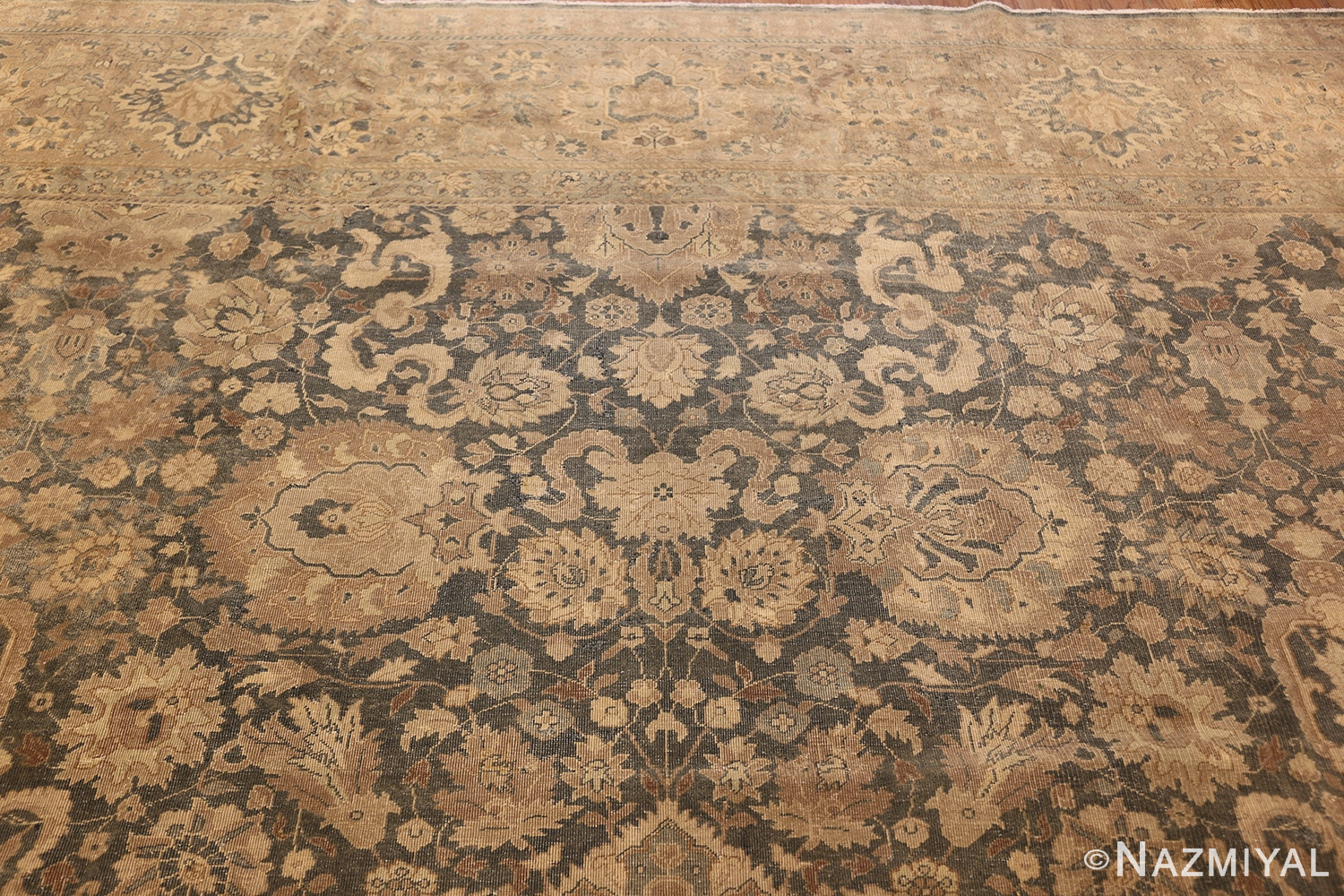
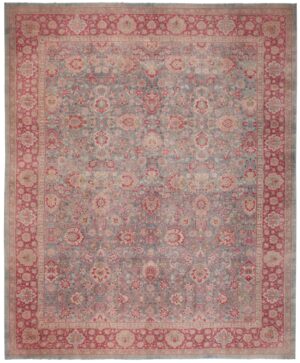
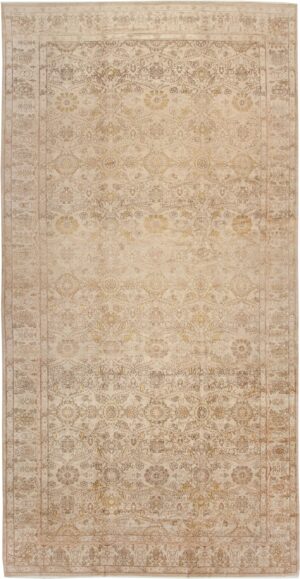
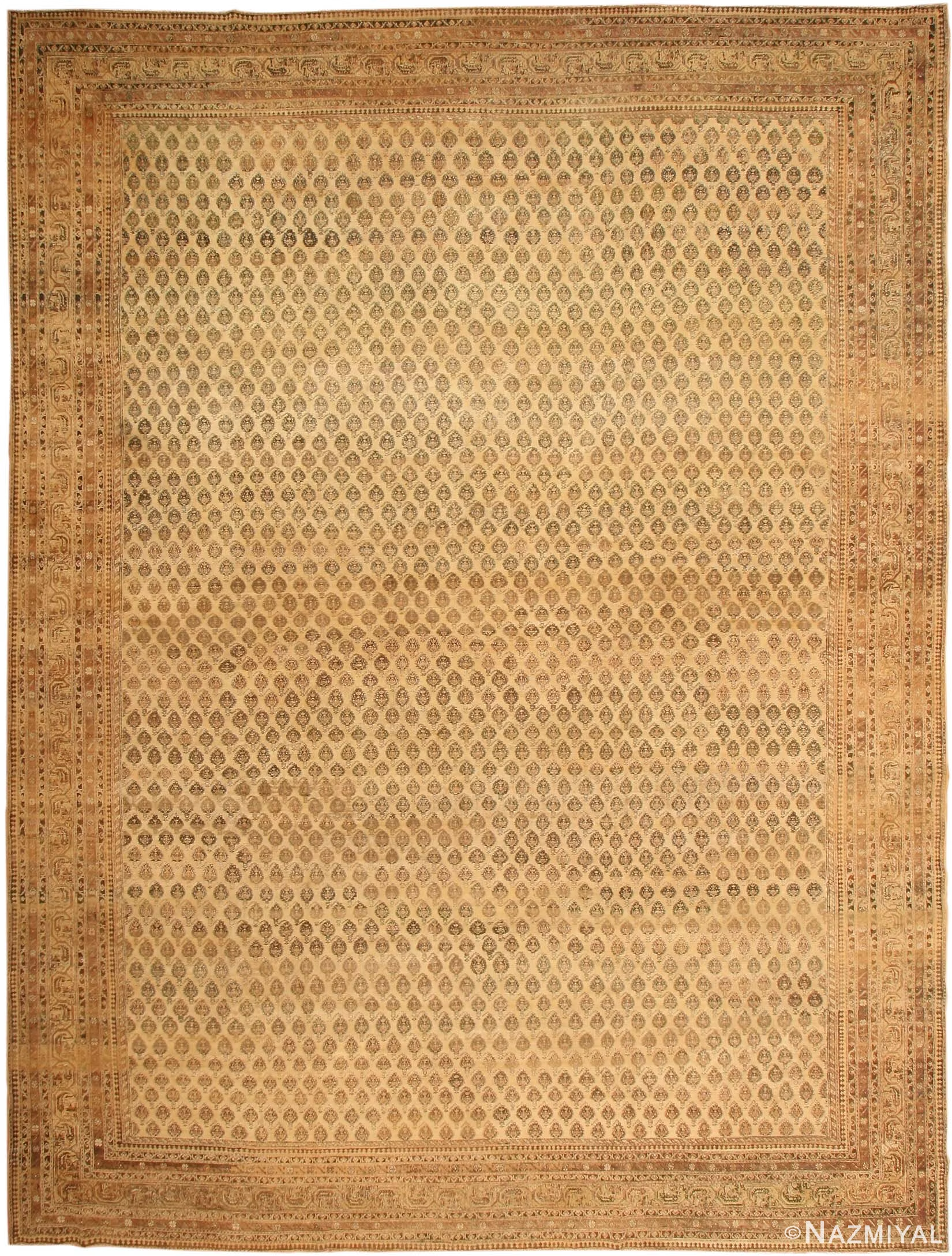
Indian rugs are often easiest to recognize by their confidence at scale—large fields that stay composed, borders that feel disciplined, and patterning that reads “settled” even when it’s detailed. Mughal-influenced pieces commonly show tight botanical rhythm (millefleur-like florals, palmettes, vine scrolls), while later workshop carpets may adapt classical language into more decorative, export-friendly palettes. When the exact city or workshop isn’t identified, focus on the fundamentals: drawing quality, structure, and how the palette behaves in natural light.
Materials and Construction
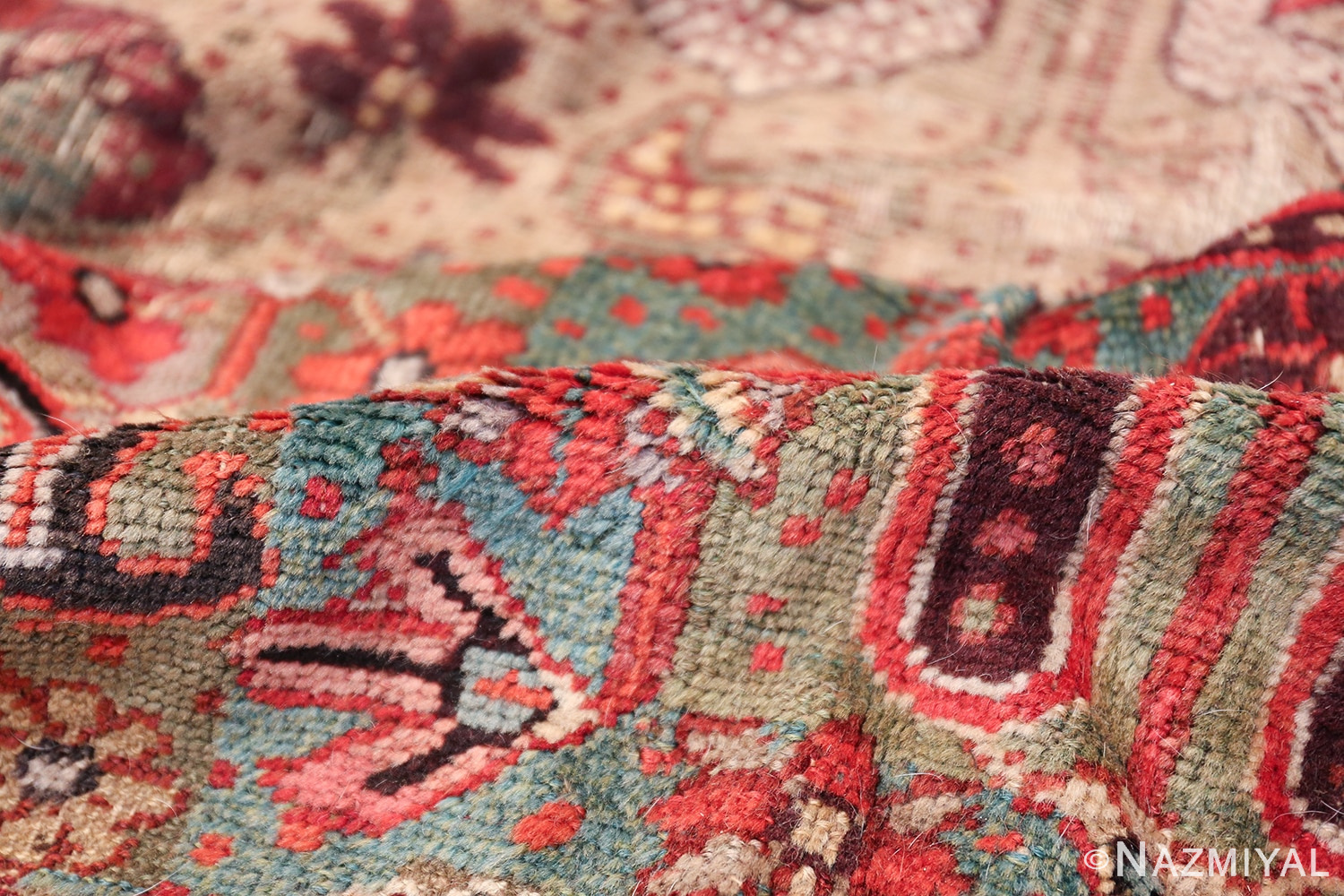
Many classic Indian carpets use a wool pile on a cotton foundation, with select pieces incorporating silk highlights for sheen and fine detail. Construction varies across traditions, but you’ll frequently see strong, serviceable foundations built for room-size use. Practical checkpoints:
Foundation health: look for stable warps/wefts and an even back (minor age irregularity is normal).
Surface character: mellowed pile can be desirable; heavy reconstruction can reduce collector value.
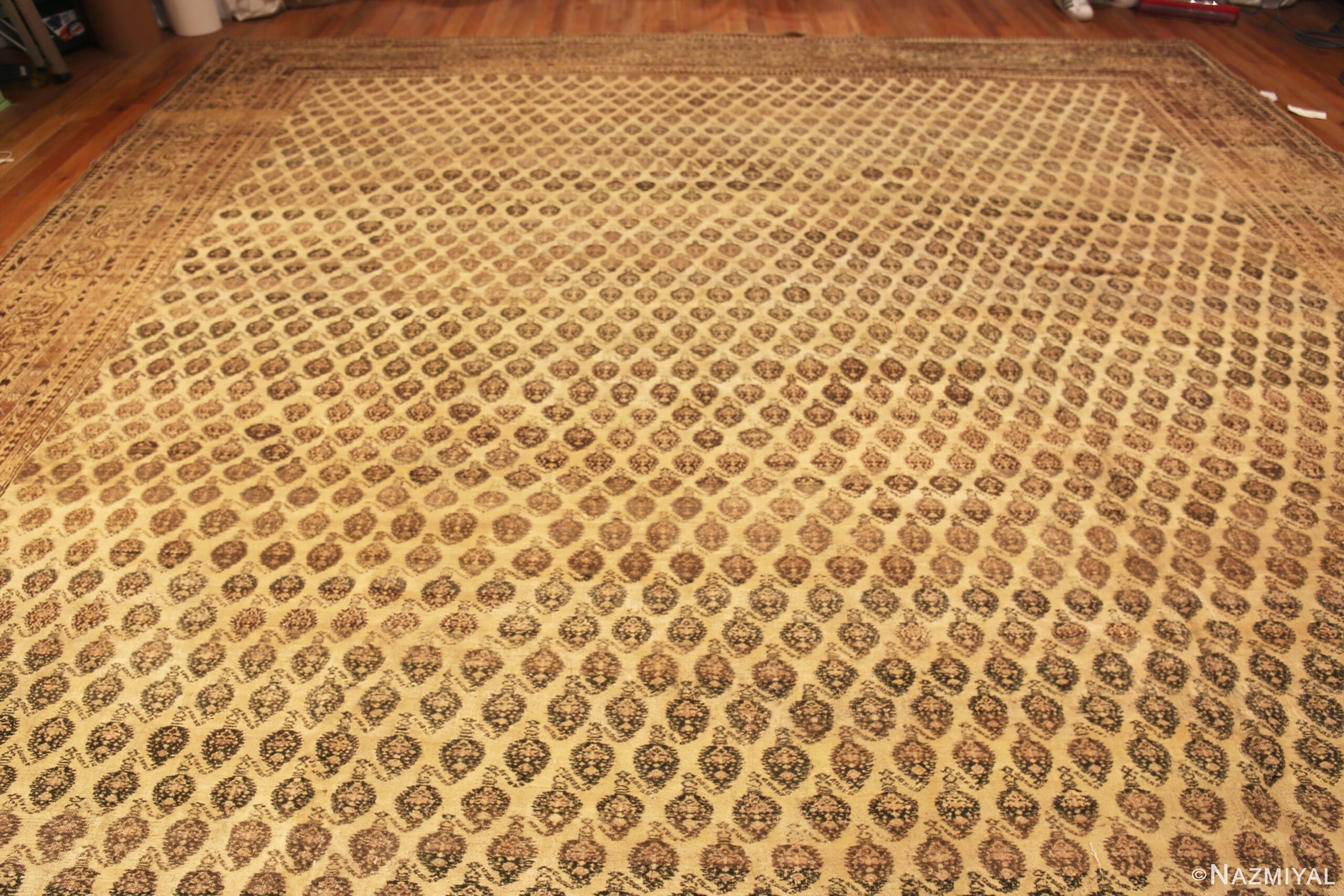
Drawing at scale: the best Indian rugs keep rhythm and clarity even at very large dimensions.
Decorating With Indian Rugs
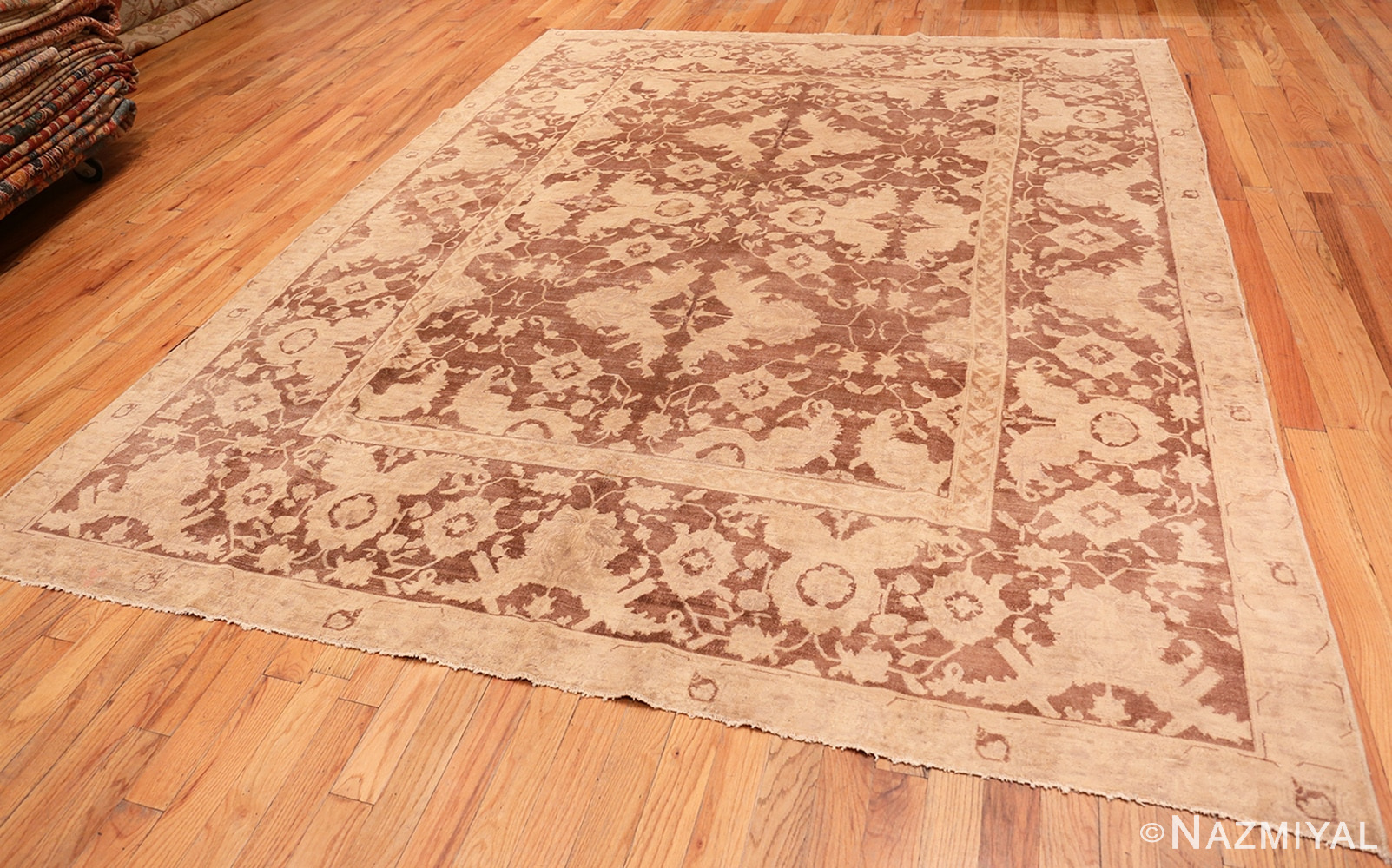
Indian rugs can anchor a room with calm authority: use one as a primary foundation under seating, then pull accent colors from the border and secondary motifs. For a layered look, pair a room-size antique rug with textured upholstery, mix complementary patterns through vintage rugs in adjacent spaces, or add contrast with clean-lined modern rugs and minimal furniture silhouettes.
Palette tip: if the pattern is dense, keep surrounding textiles quieter; if the field is open, you can bring in bolder art and fabrics without visual overload.
Value and Collecting
Value in Indian rugs is driven by a combination of age credibility, design authority, condition integrity, and size scarcity. Early and court-related pieces (including Mughal examples) command attention for rarity and artistry, while late-19th and early-20th workshop rugs can be exceptional decorating investments when the drawing is disciplined and the colors are harmonized. If you’re tracing design lineage and influence, it’s useful to compare classical vocabulary against Persian rugs—especially in floral organization and border logic.
Related Rugs
If you love the elegance of Indian rugs but want a more export-oriented, decorator-soft expression, the closest cousin is Amritsar rugs.
Type
What it’s known for
Best use
Indian rugs (broad)
Varied traditions; strong scale; classical florals and workshop discipline
Statement room-size carpets and diverse styling from classical to eclectic
Living rooms, dining rooms, and long-runner applications with calm color
Mughal (court tradition)
High artistry, millefleur florals, rare early examples
Collecting, formal rooms, and connoisseur-focused interiors
Related Categories
Agra rugs
Amritsar rugs
Mughal rugs
Indian dhurries
Indian Art Deco rugs
Persian rugs
Palace-size carpets
Explore More
For international shipping and home-approval options, see our Worldwide hub. If you want to go deeper on court-era aesthetics and millefleur patterning, explore Mughal rugs.
Glossary
Millefleur: “thousands of flowers” patterning with dense, refined botanical movement.
Palmette: a stylized leaf/flower form used as a major motif in classical carpet design.
Vine scroll: curving, branching lines that connect floral motifs and create rhythmic movement.
Cotton foundation: cotton warps/wefts that form the structural base under the pile.
Workshop drawing: the clarity and discipline of pattern design, especially visible at large scale.
In practice, “antique” usually refers to rugs made before the mid-20th century, but proper evaluation depends on structure, materials, age indicators, and condition—not the label alone.
Are Indian rugs always Mughal?
No. Mughal is a court-era tradition and design influence; many Indian rugs are later workshop productions that borrow, translate, or diverge from Mughal vocabulary.
Why do some Indian rugs resemble Persian designs?
Classical design language traveled through court culture, trade, and workshop exchange—so floral organization, border logic, and certain motifs often overlap, even when the weaving character differs.
What materials are most common in Indian rugs?
Many examples use wool pile on cotton foundations, with some rugs incorporating silk highlights (or, more rarely, silk pile) for sheen and finer detail.
What should I look for when buying a large Indian carpet?
Prioritize drawing quality at scale, foundation integrity, balanced color, and condition that remains serviceable without heavy rebuilding—especially in very large sizes where strong examples are scarce.
Do Indian runners exist, or is it mostly room-size?
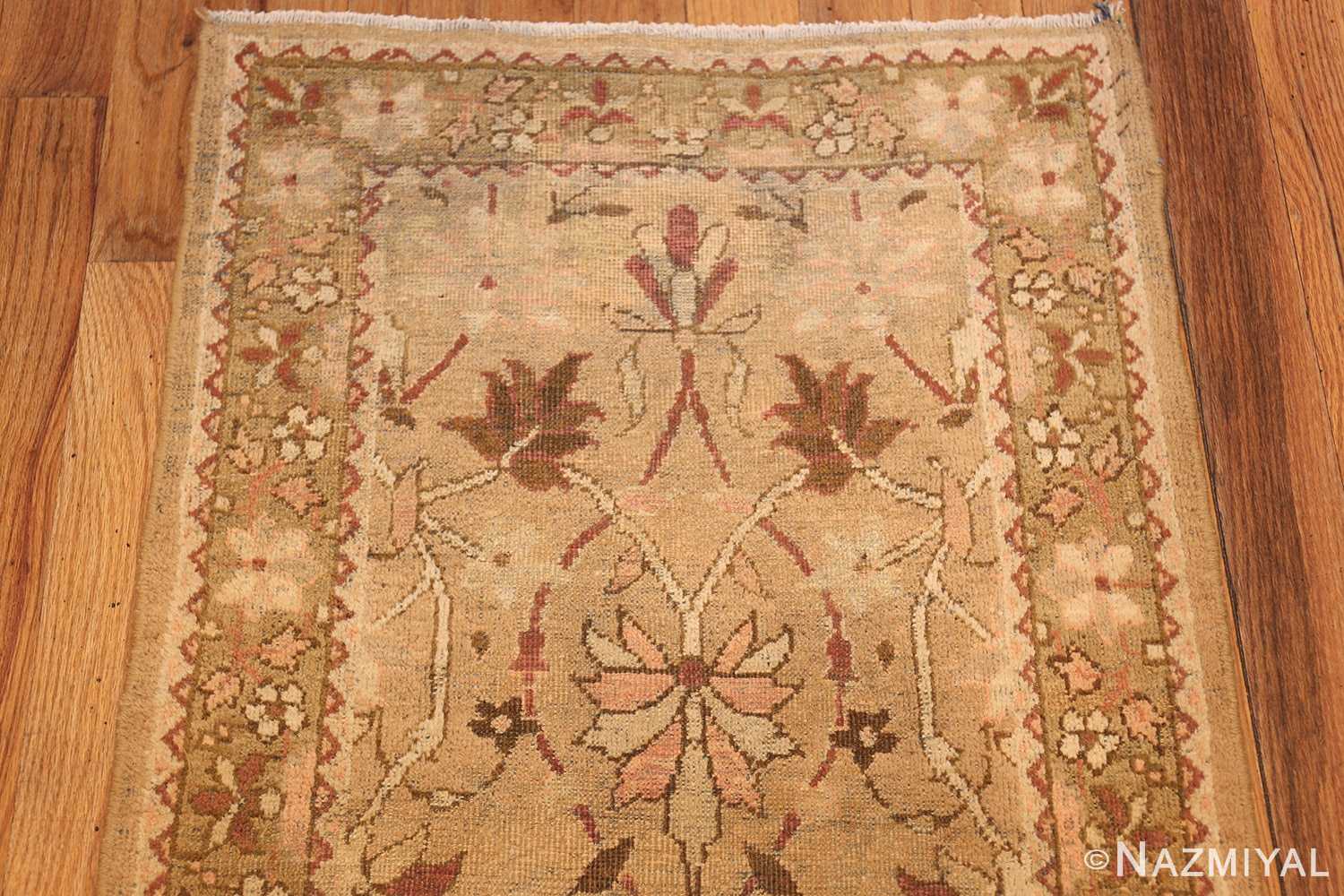
Indian weaving includes runners as well as room-size and palace-size carpets; long hallway pieces are especially common in certain styles made for Western interiors.
Nazmiyal White-Glove Service
We make it easy to shop with confidence—whether you’re choosing a single statement piece or curating a full room.
Nazmiyal Collection has been a trusted source for antique rugs and vintage carpets for over 45 years. Our NYC gallery curates one-of-a-kind pieces with an emphasis on authenticity, provenance, and lasting decorative value.
Need help? Call us at (212) 545-8029 or visit our New York City showroom to work with a rug expert.
             Posted on Google        Clay Pendergrast     Trustindex verifies that the original source of the review is Google. My wife and I are so pleased with the antique Uzbek Bokhara Rug purchased from the Nazmiyal Collection. Not only does the rug have a spectacular design, it also was very reasonably priced. The way it transforms our living room, reconciling the classic modern furniture with the 1913 Craftsman interior is remarkable.         Posted on Google        Terence Hayes     Trustindex verifies that the original source of the review is Google. I have purchased multiple rugs at multiple Nazmiyal auctions and I am extremely pleased with the quality, price, and experience.  Highly recommended!         Posted on Google        Victor Florintsev     Trustindex verifies that the original source of the review is Google. The only ones I'd ever buy rugs from. The best.         Posted on Google        Jeffrey NeumanB     Trustindex verifies that the original source of the review is Google. I bought two gorgeous Serapi rugs from Farhad at Nazmiyal Rugs!  Beautiful carpets, fair prices and great service.  Very happy customer.  Farhad (the sales person) was very patient and gave us great service.         Posted on Google        john haid     Trustindex verifies that the original source of the review is Google. Alen is a gentleman and an expert.  Really great to work with.         Posted on Google        Edward Yasuna     Trustindex verifies that the original source of the review is Google. I recently purchased a modern Kandinsky rug from Nazmiyal Auctions.  It was just as described, and the director (Farhad) of the auctions had it sent to me quickly and safely.  Payment was easy, the rug was reasonably priced, and I highly recommend Nazmiyal Auctions and Antique Rugs.  Quality merchandise and first-class service.         Posted on Google        Nicholas Carr     Trustindex verifies that the original source of the review is Google. Had a excellent experience buying a rug in Nazmiyal's 1/18/26 online auction.  First, prior to the auction, viewing a number of lots at the 32nd St showroom (I had prepared a list from the online catalog). The staff were great to work with: helpful, knowledgable, honest, and flexible.  Second, after placing an online bid and winning the desired item, arranging payment and pickup was simple and straightforward. Everything went seamlessly and the overall experience was educational and fun. Many thanks to Jason and his team.         Posted on Google        Andrea Gared     Trustindex verifies that the original source of the review is Google. Everyone at Naziyal is proffessional, especially Jason and Farhad.
They are knowledgeable, truthful, and true gentlemen. I have sold several rugs through them and will always go to them first, to buy or sell. The best in the business!
Frequently Asked Questions
Antique Indian rugs are known for their exceptional craftsmanship, luxurious wool, and artistic designs influenced by Mughal art. They often feature floral patterns, elegant symmetry, and a blend of Persian and Indian decorative traditions.
Collectors appreciate Indian rugs for their rich history, refined drawing, and high-quality materials. Designers value their graceful patterns and warm palettes, which work beautifully in both classical and modern interiors.
Identification involves examining the fine wool, detailed floral elements, curved vines, palmettes, and balanced compositions. Many antique Indian rugs show Mughal artistic influences, including arabesques and garden-inspired motifs.
Yes. Indian rugs were woven with high-quality wool and strong knotting, giving them excellent durability. They perform well in living rooms, dining areas, and bedrooms when cared for properly.
Value is determined by age, condition, design clarity, and the fineness of the weaving. Early examples with refined Mughal-inspired artistry, rich colors, and minimal restoration are especially prized in the market.
THE NAZMIYAL NEWSLETTER
Discover Your Next Favorite Rug
Get new arrivals, rug inspiration, educational blogs, and collection highlights delivered to your inbox.
By subscribing, you agree to receive marketing emails from Nazmiyal. Unsubscribe anytime. View our Privacy Policy.