Antique American Hooked Rugs: Folk Art Carpets with Soul
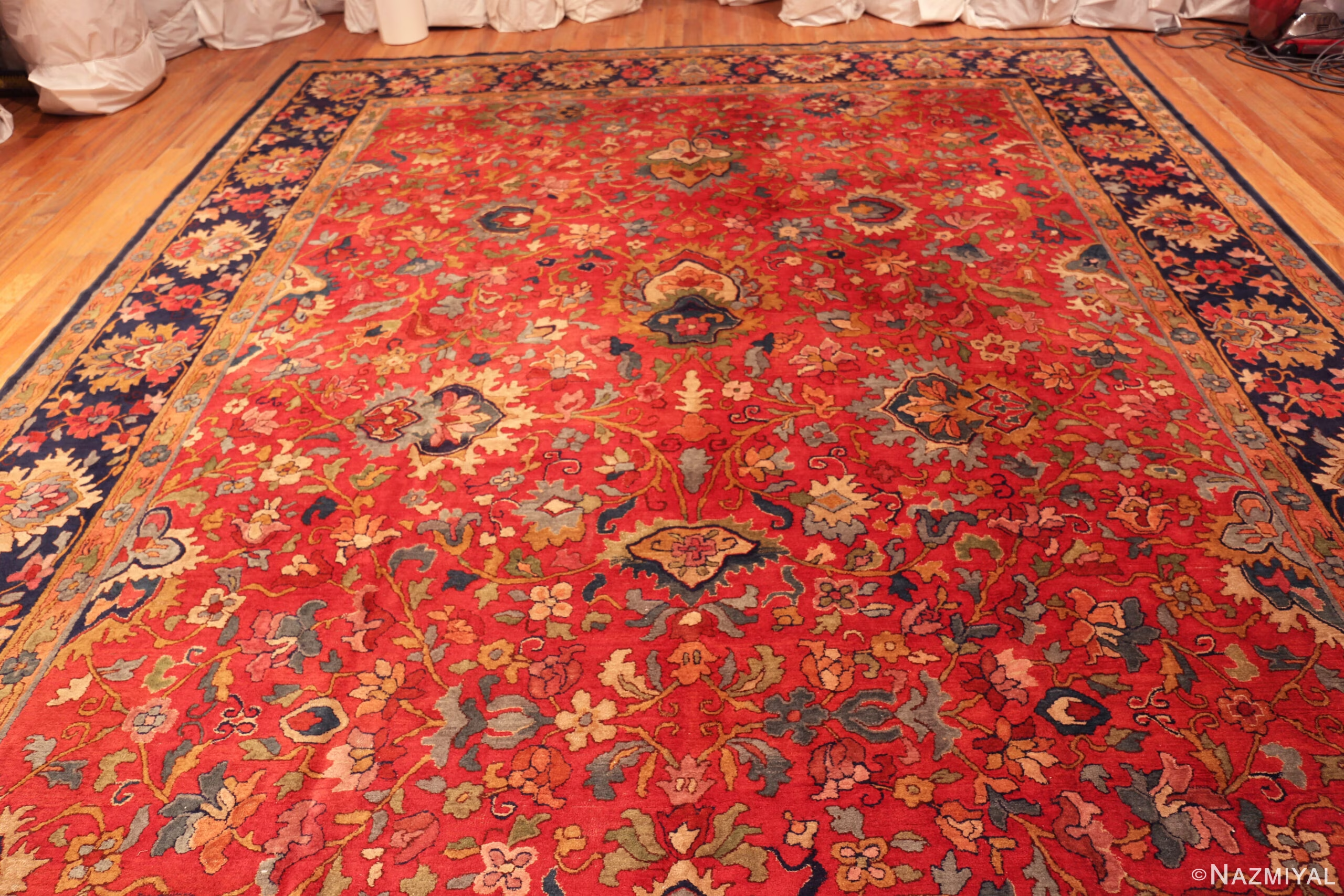
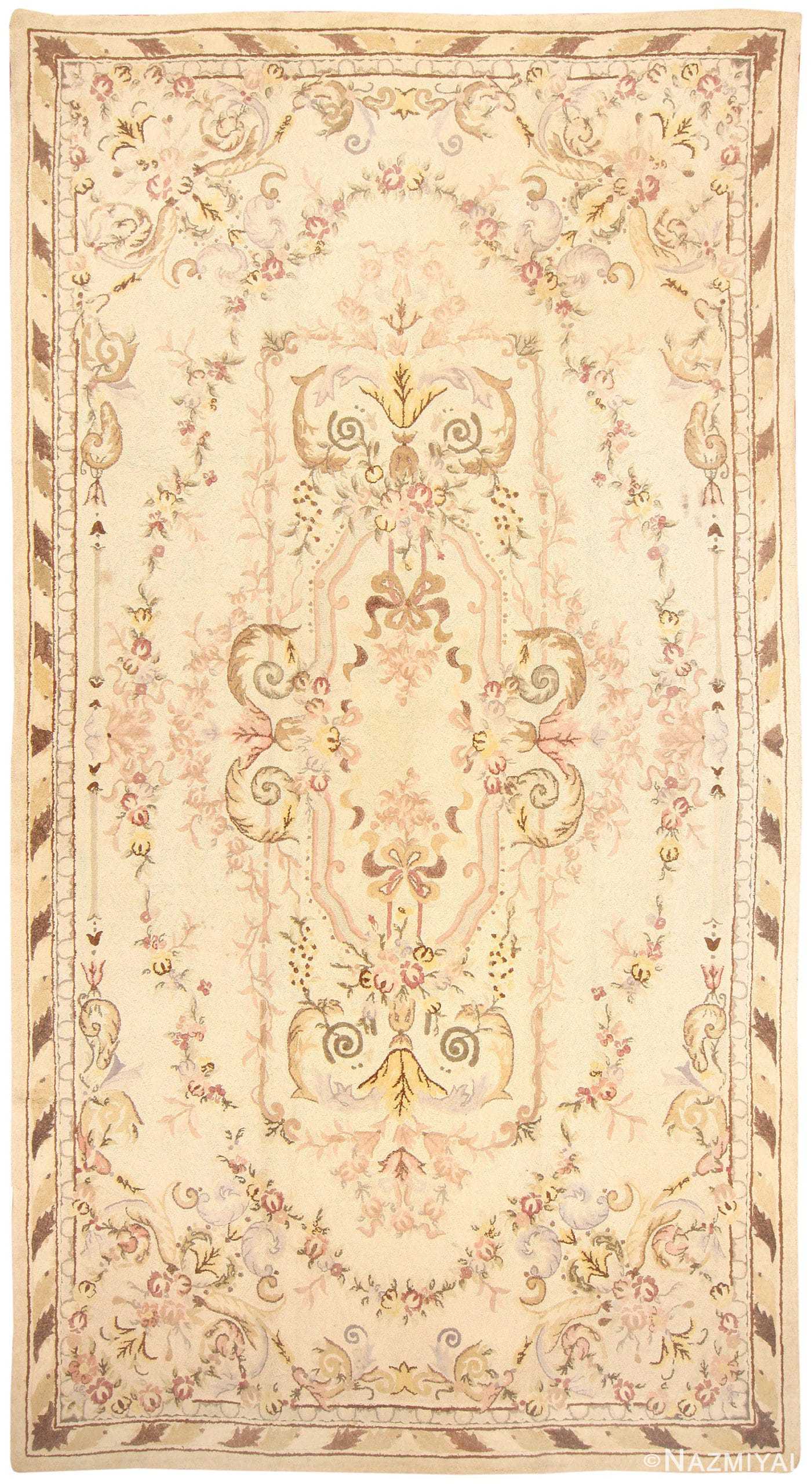
If you want a rug that feels collected—not just “decorated”—an antique American hooked rug is one of the best places to start. The look is unmistakable: hand-drawn charm, honest materials, and a surface that reads like a textile painting—equally at home in a refined townhouse, a layered country house, or a modern space that needs one warm, human note.
To browse the full collection with context, start at Nazmiyal and explore our wider Antique Rugs inventory.
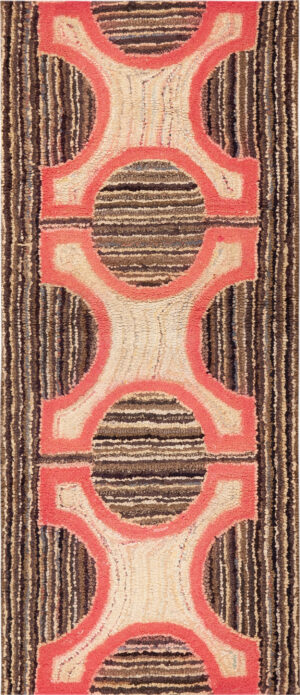
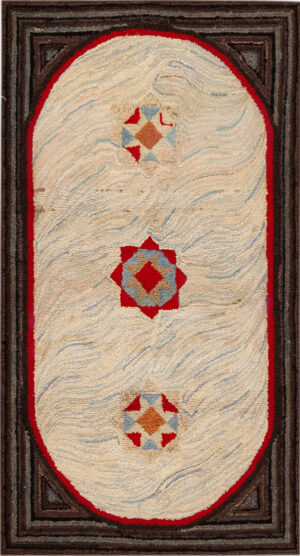
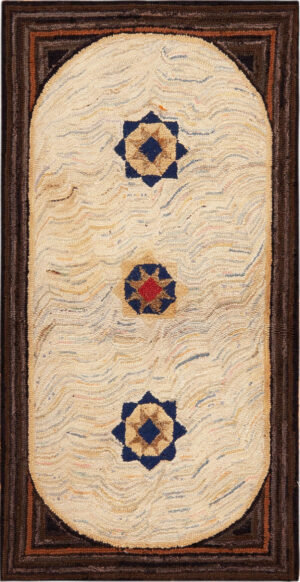
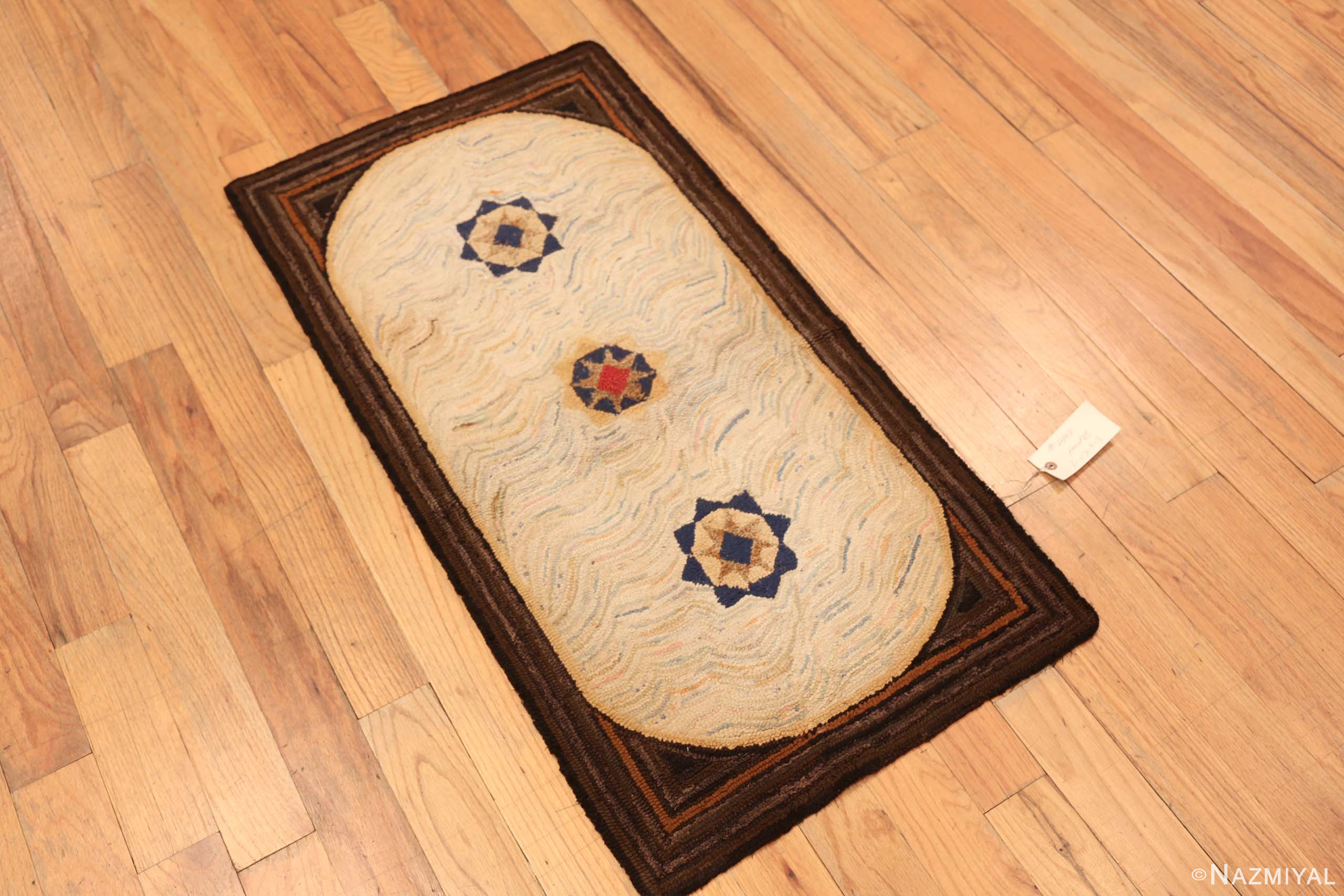
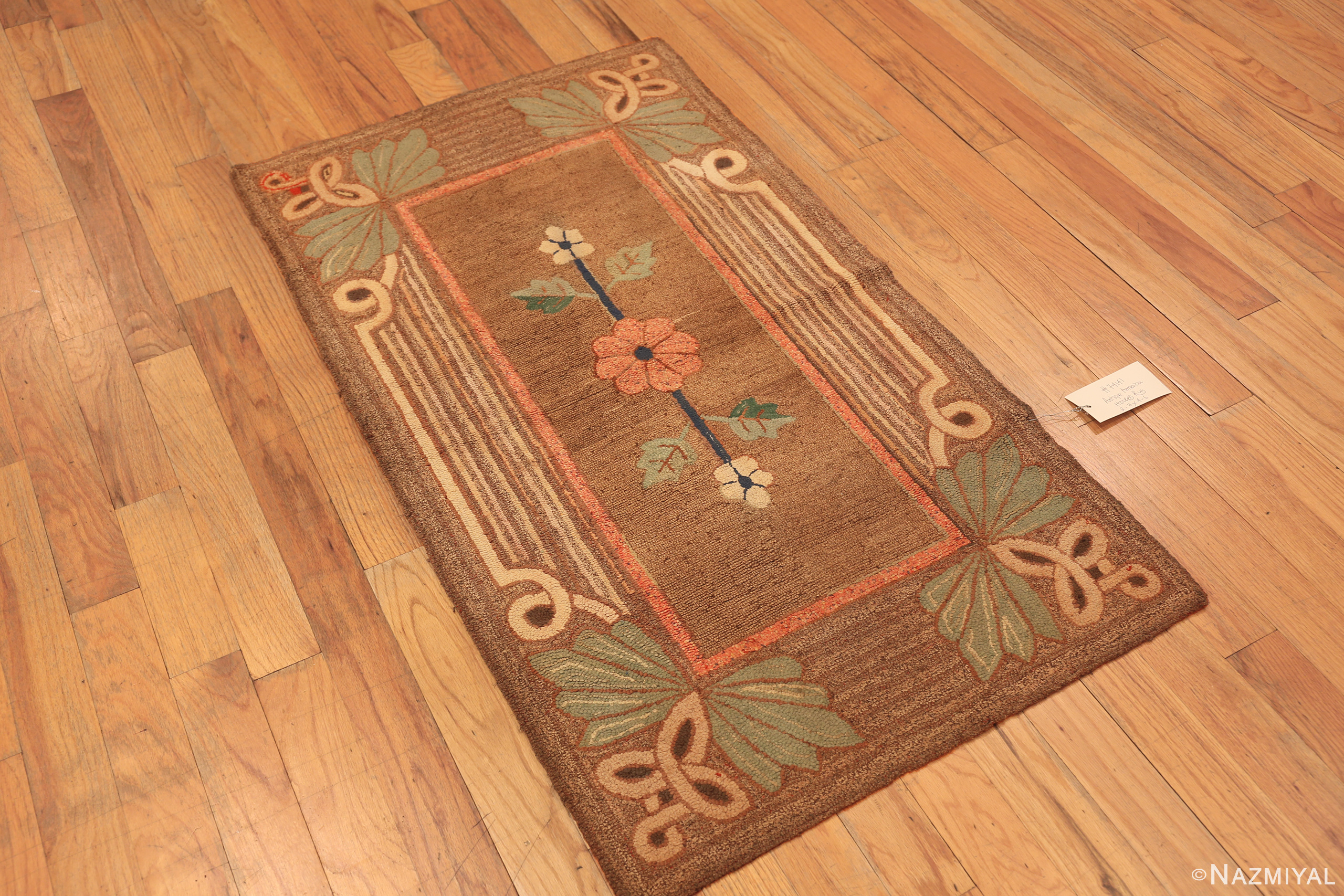
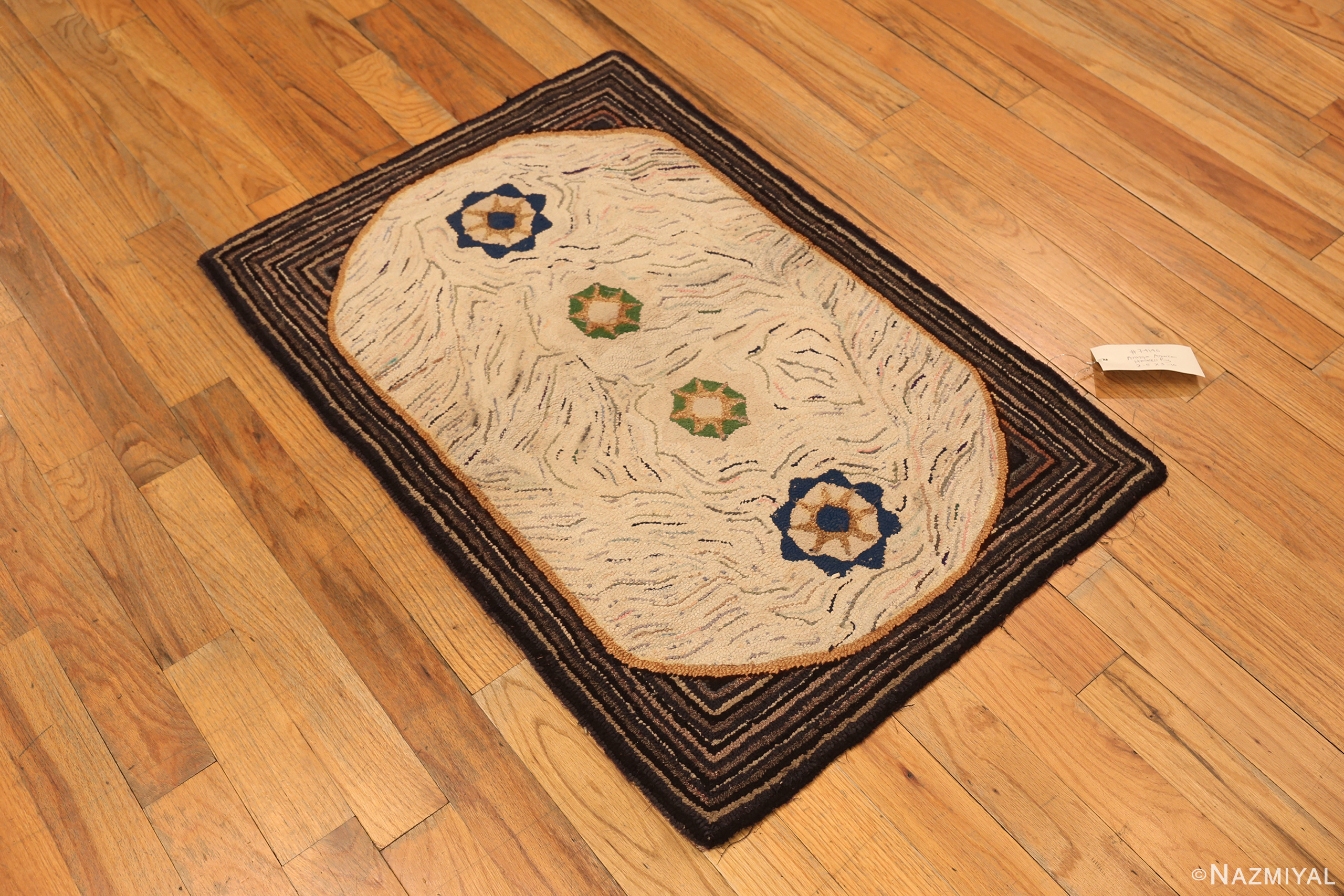
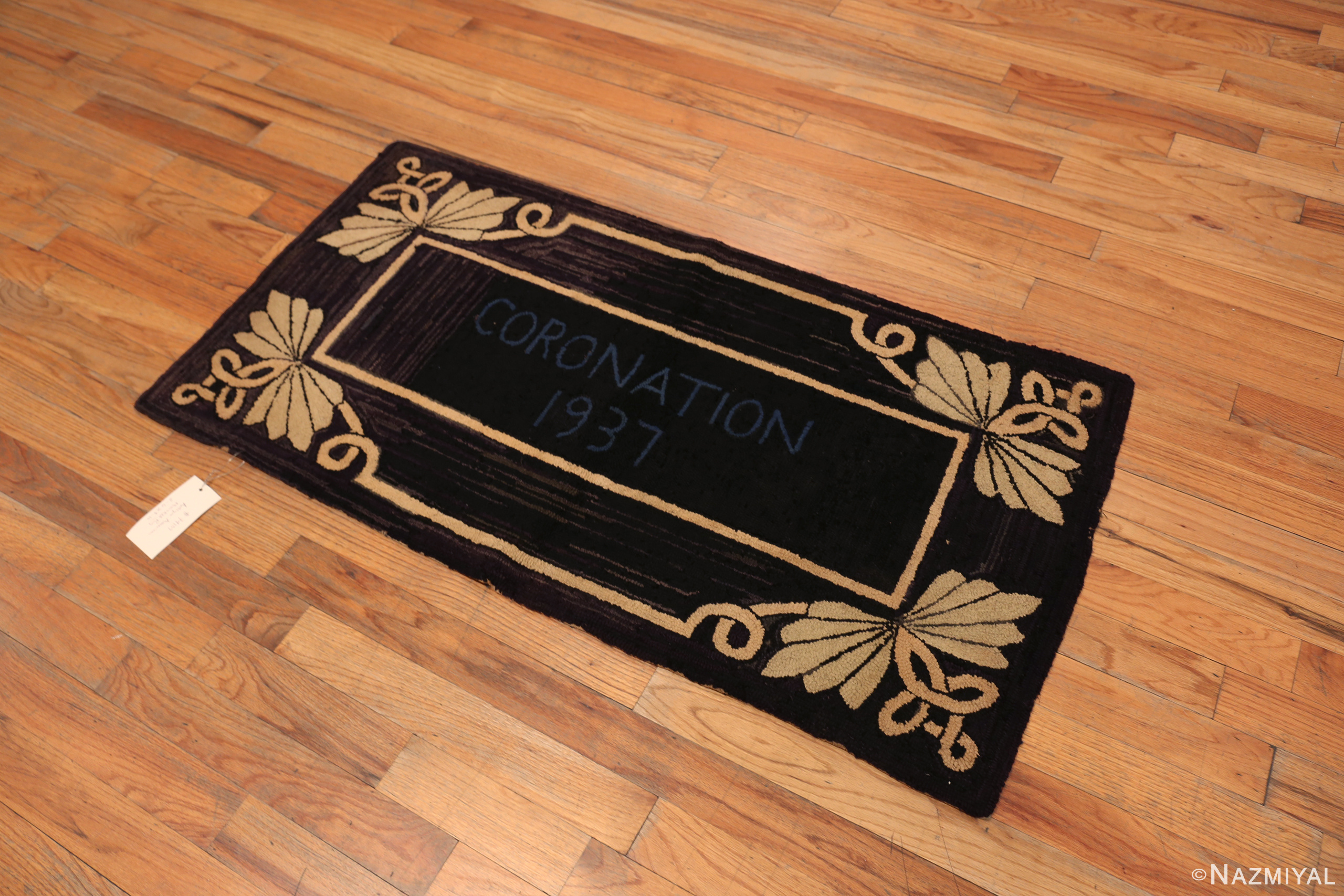
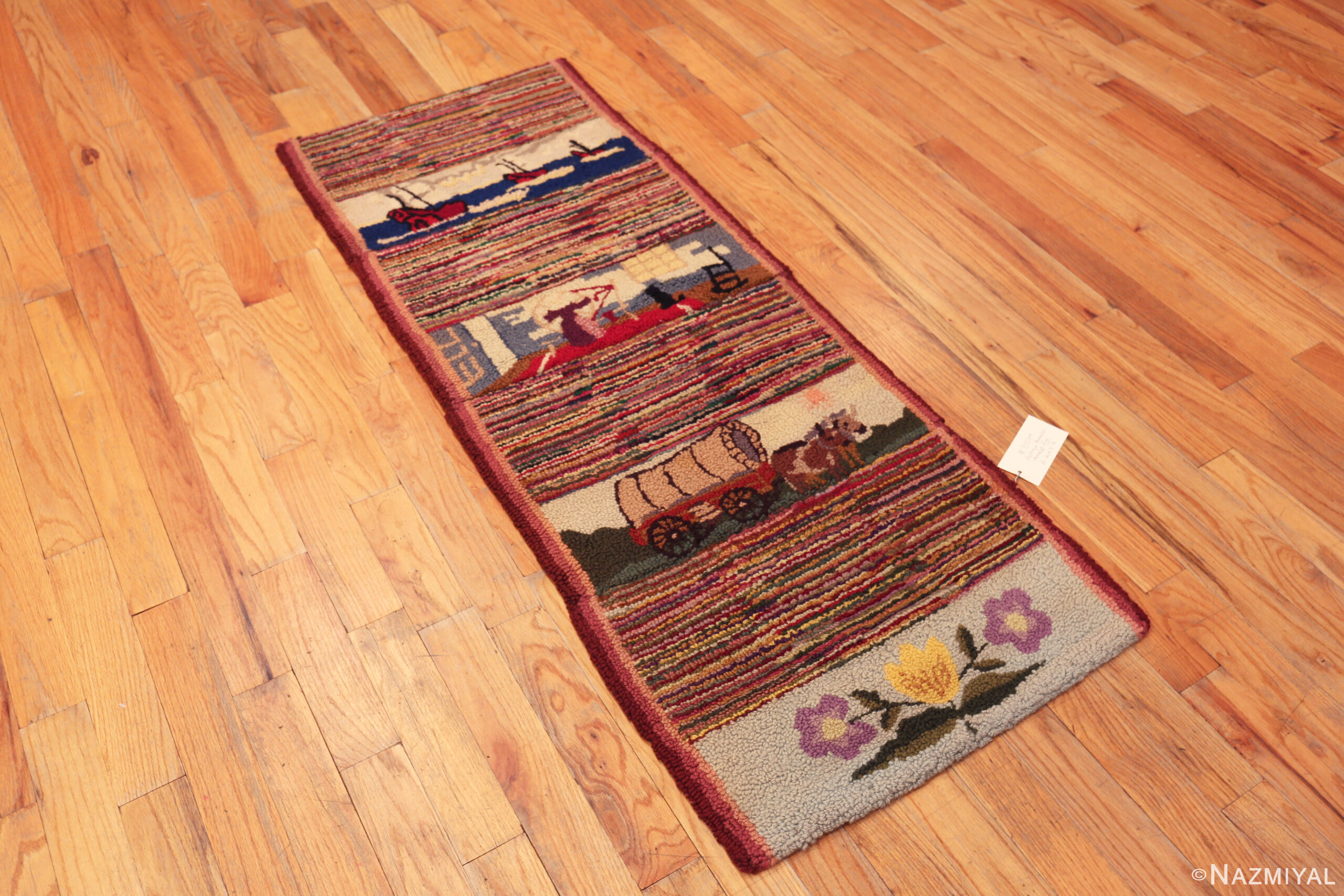
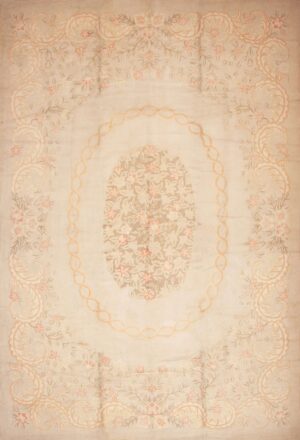
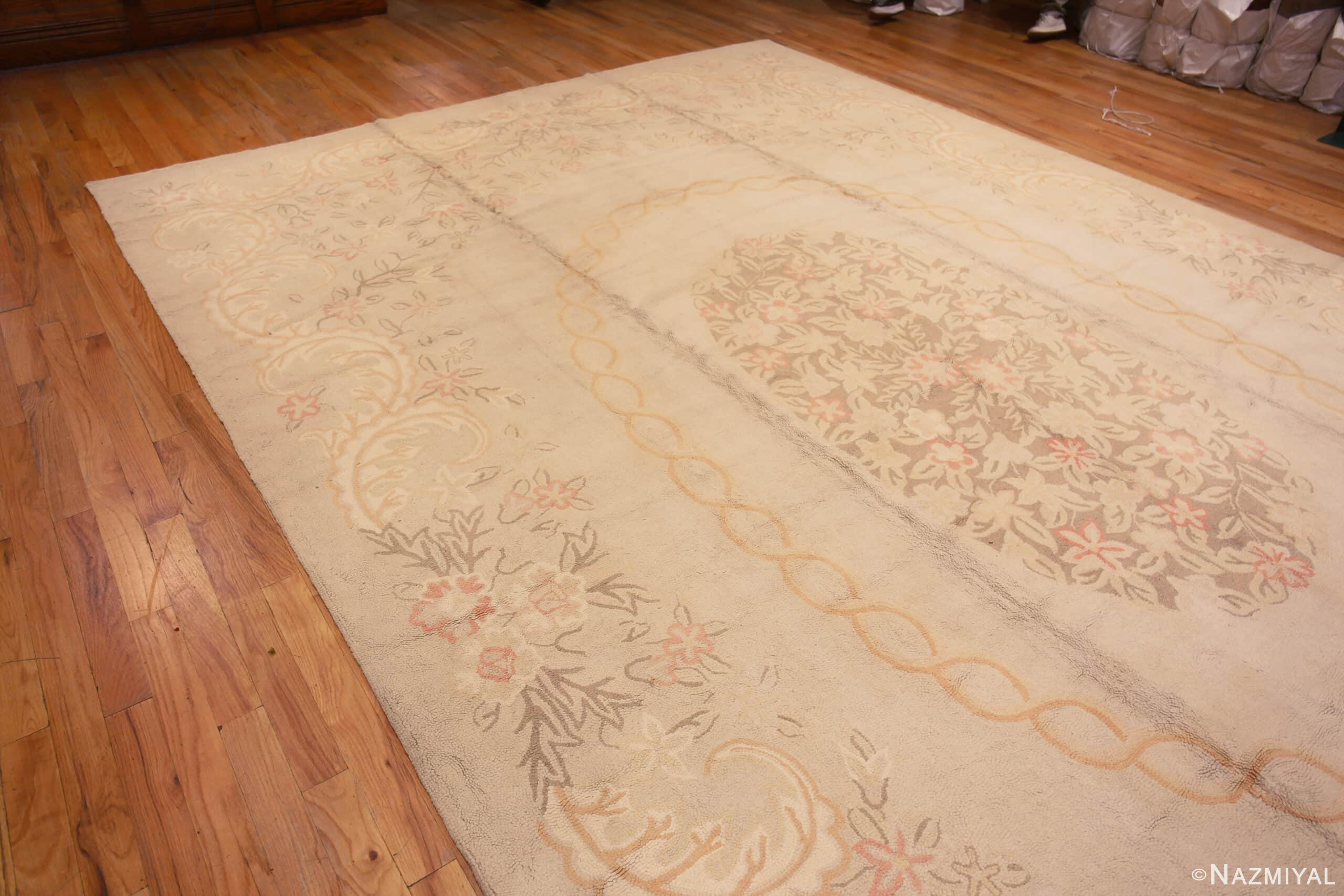
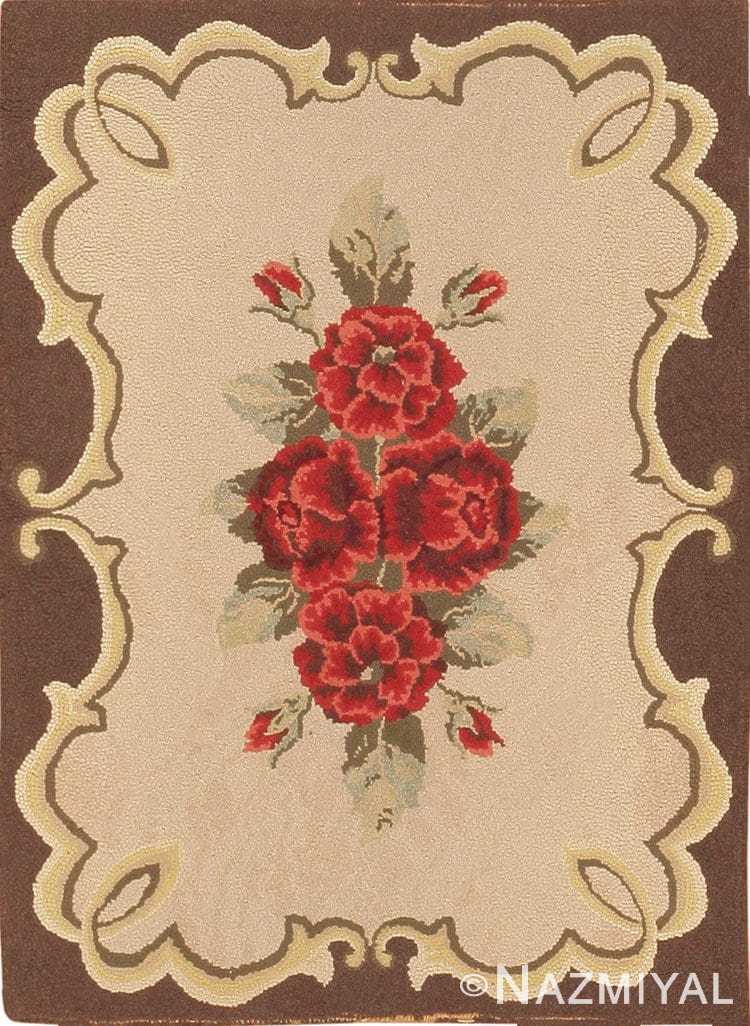
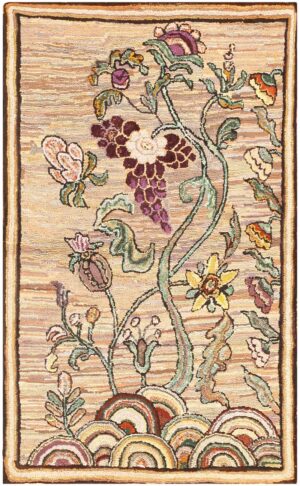
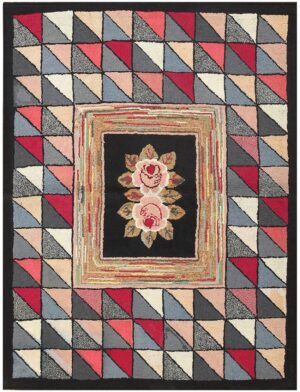
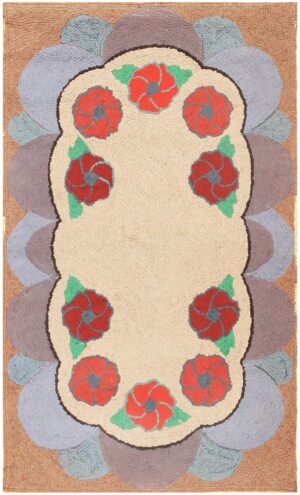
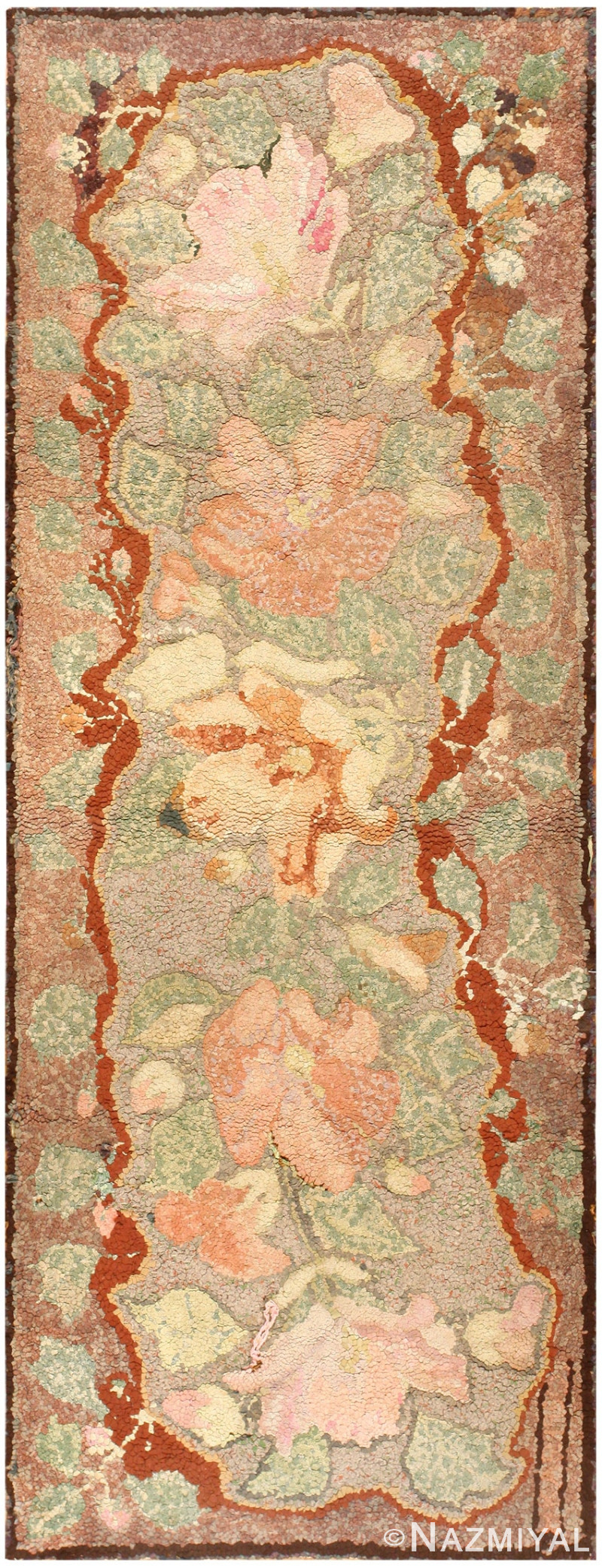
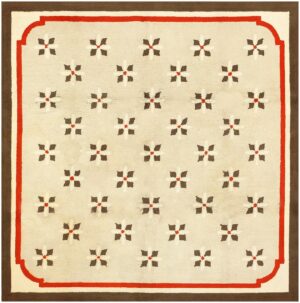
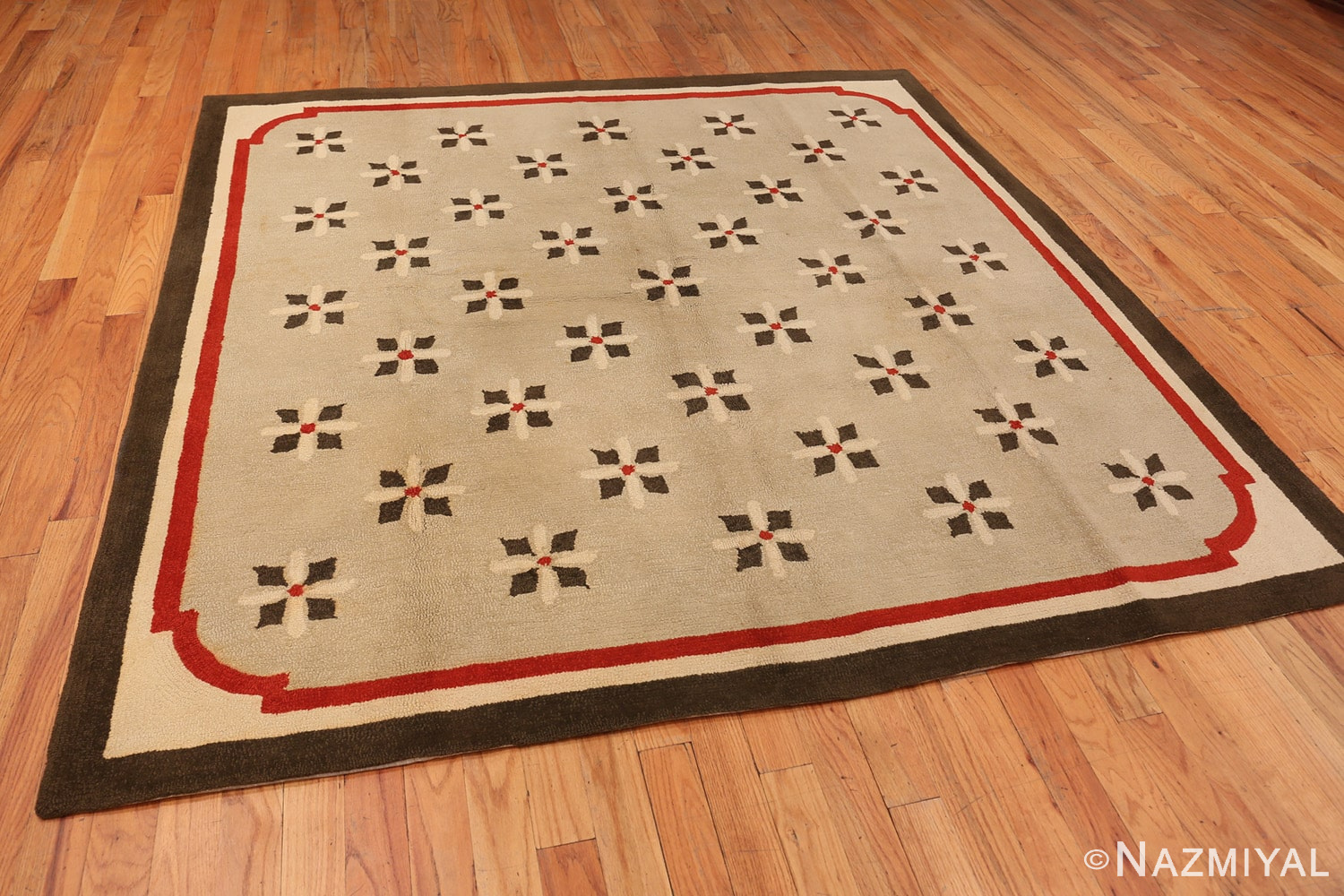
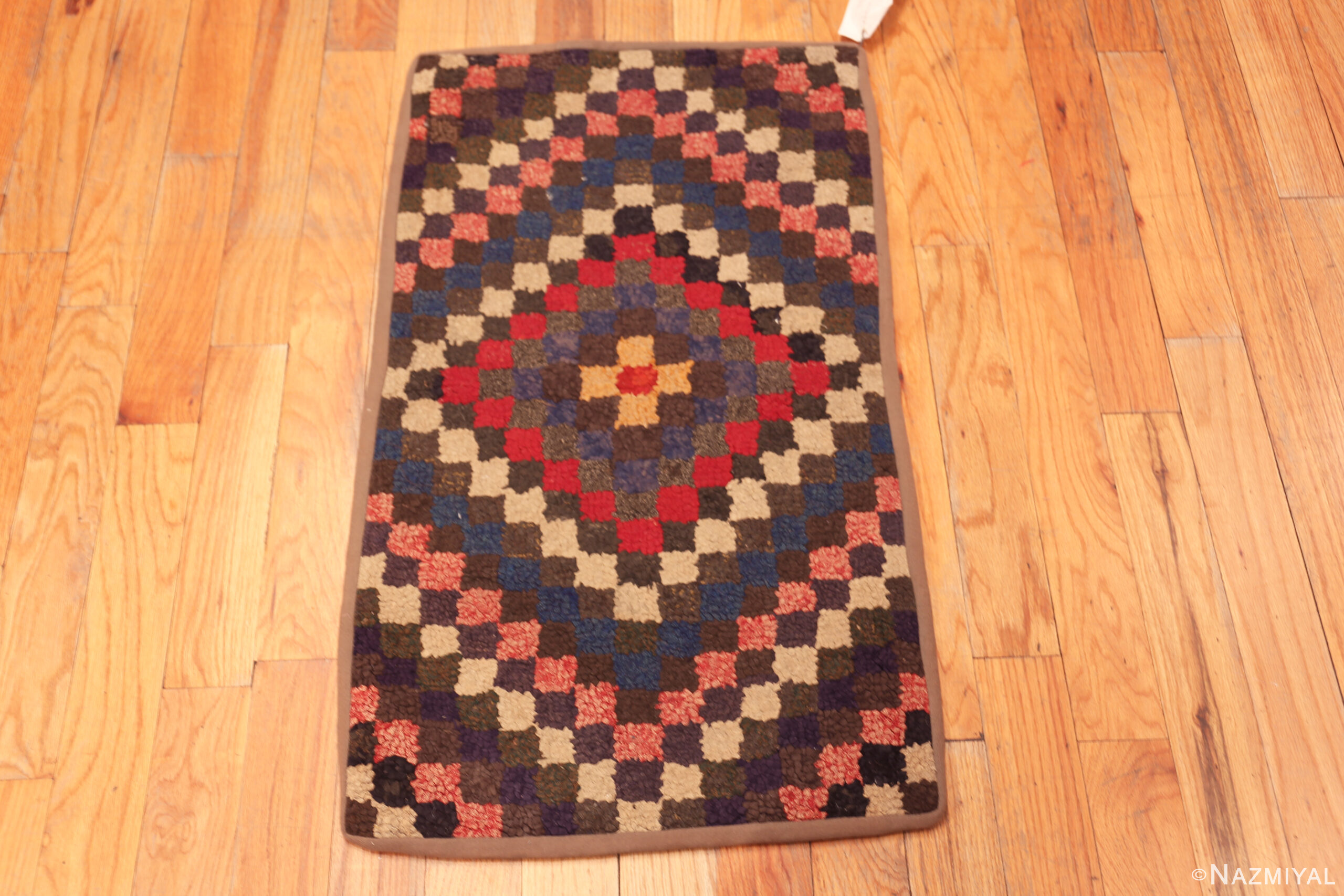
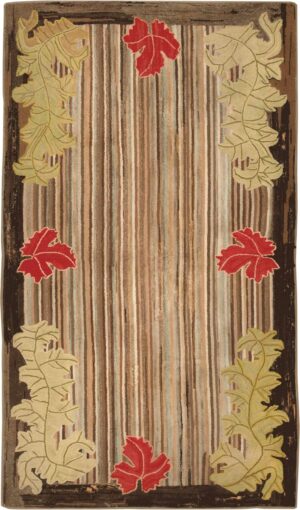
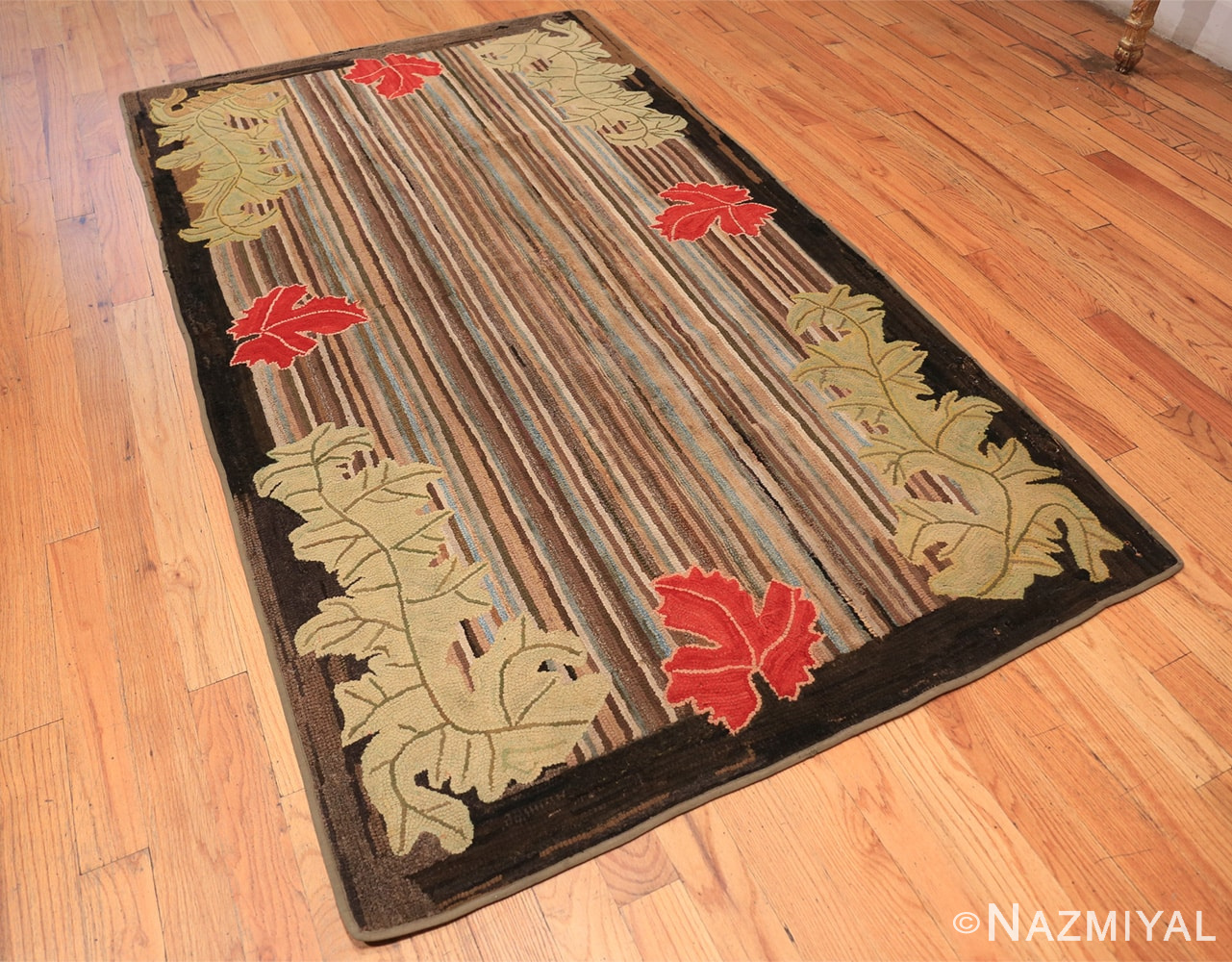
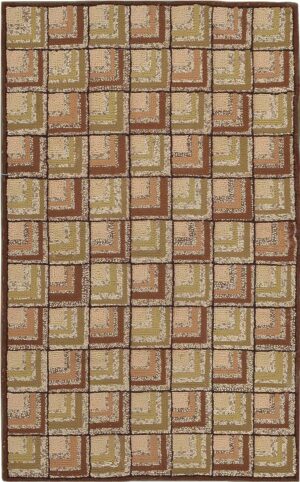
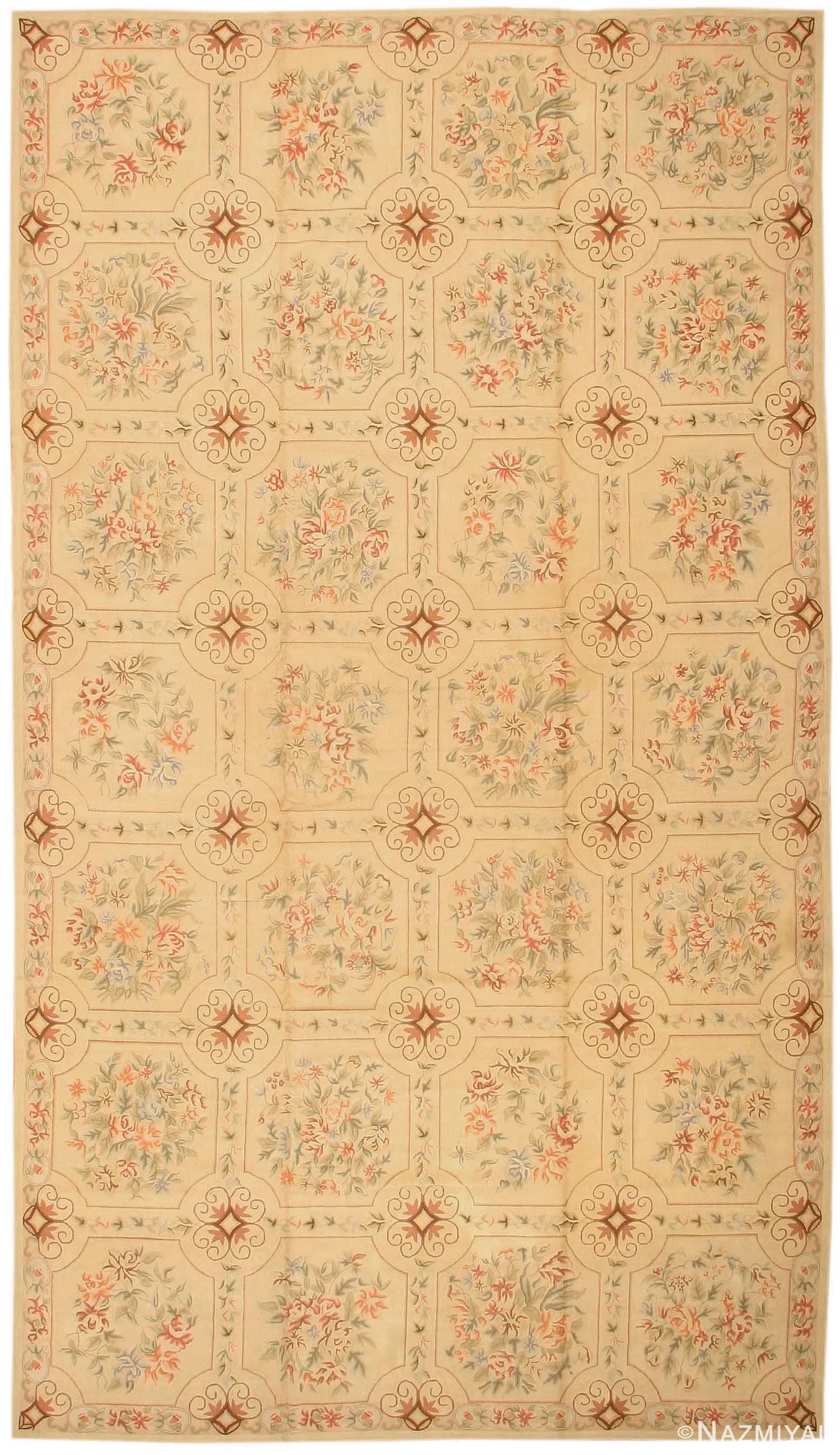
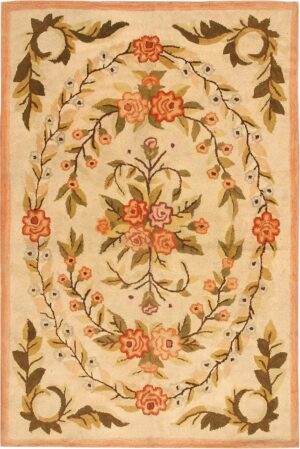
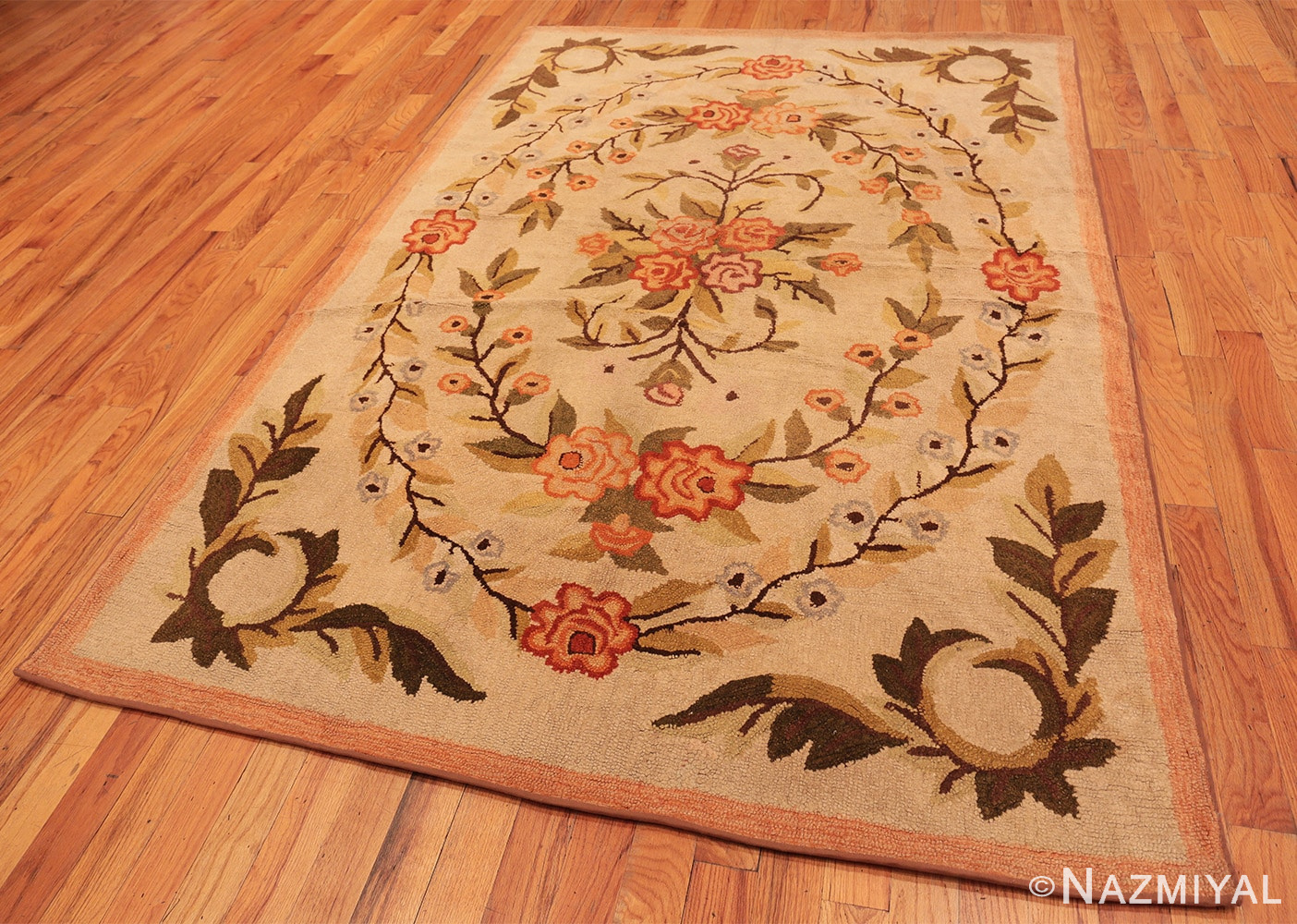
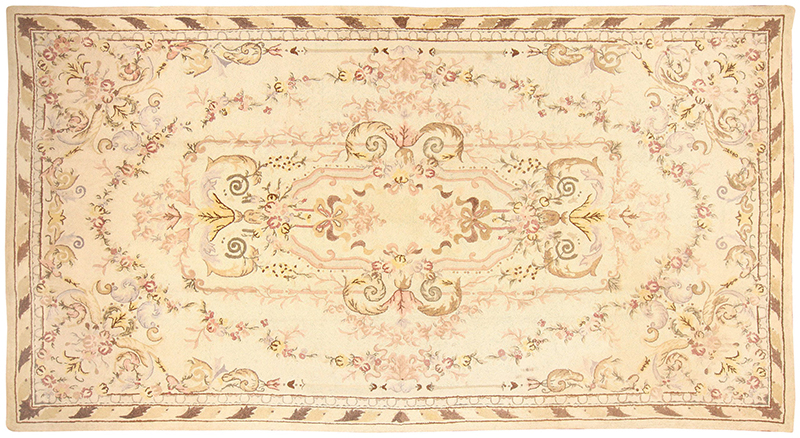
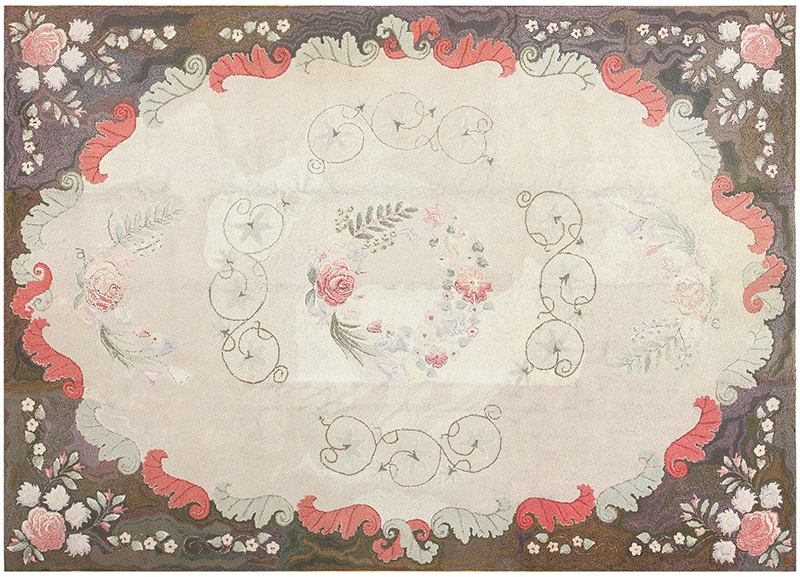
Hooked rugs are loop-pile textiles made by pulling yarn or fabric strips through a foundation to “draw” a design—an iconic American folk-art floor covering prized for character, color, and storytelling.
Hooked rugs sit at the intersection of function and folk art. They were made for daily life, but the best examples have a design intelligence that feels effortless—bold silhouettes, intuitive color, and a directness that modern interiors crave.
A short history, in plain language
Hooked rugs became one of the most distinctive North American textile floor coverings, first appearing in the mid-1800s and spreading as a small cottage industry. Many early makers worked with what was on hand—turning household textiles into lasting floor art.
Decorating With Hooked Rugs
1) Use a hooked rug as “warm contrast” in modern spaces
Clean rooms need one human element. A hooked rug adds softness and story—without forcing a traditional furniture program. If you’re mixing eras, it can be helpful to compare options across Vintage Rugs and Modern Rugs.
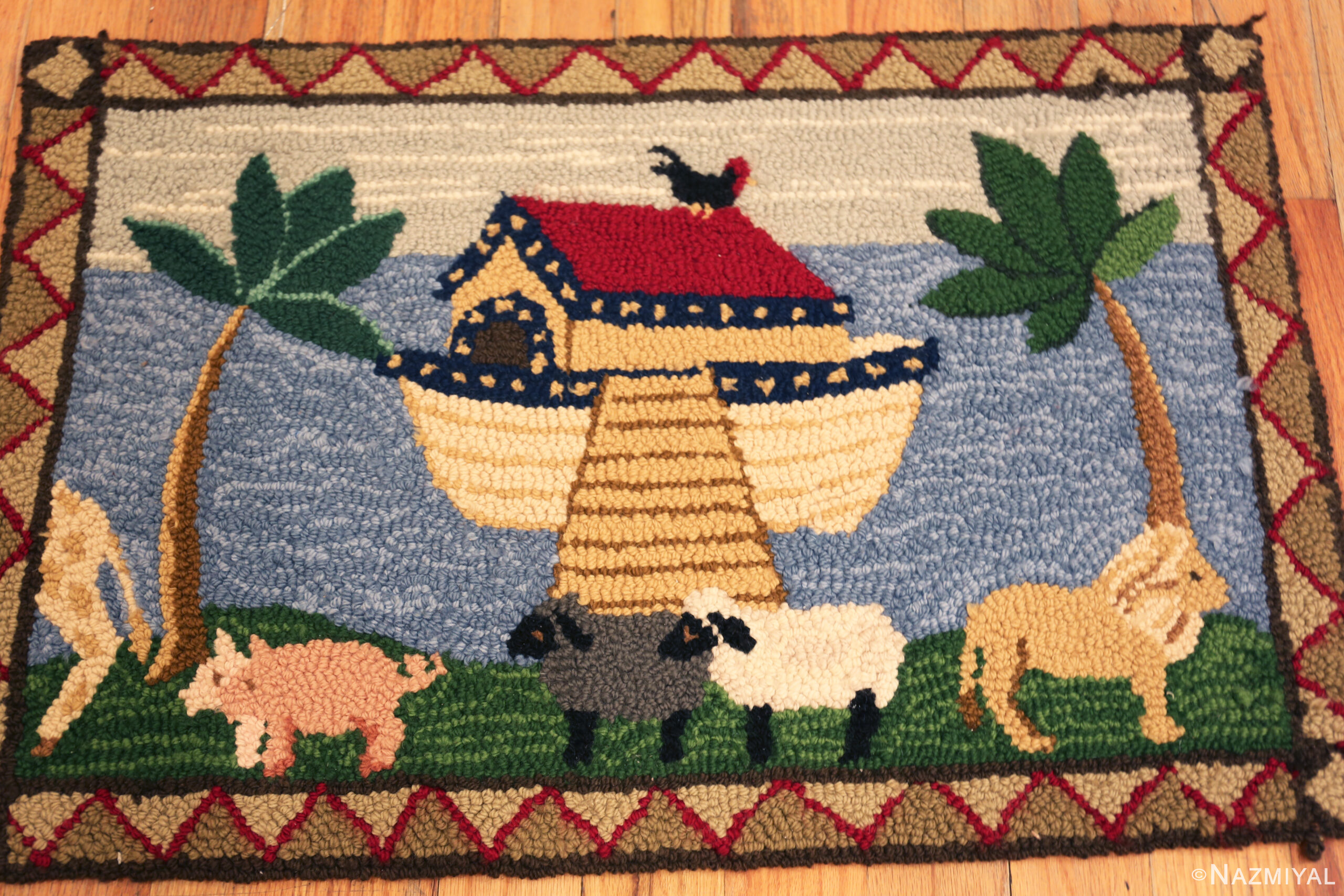
2) Let pictorial rugs behave like art
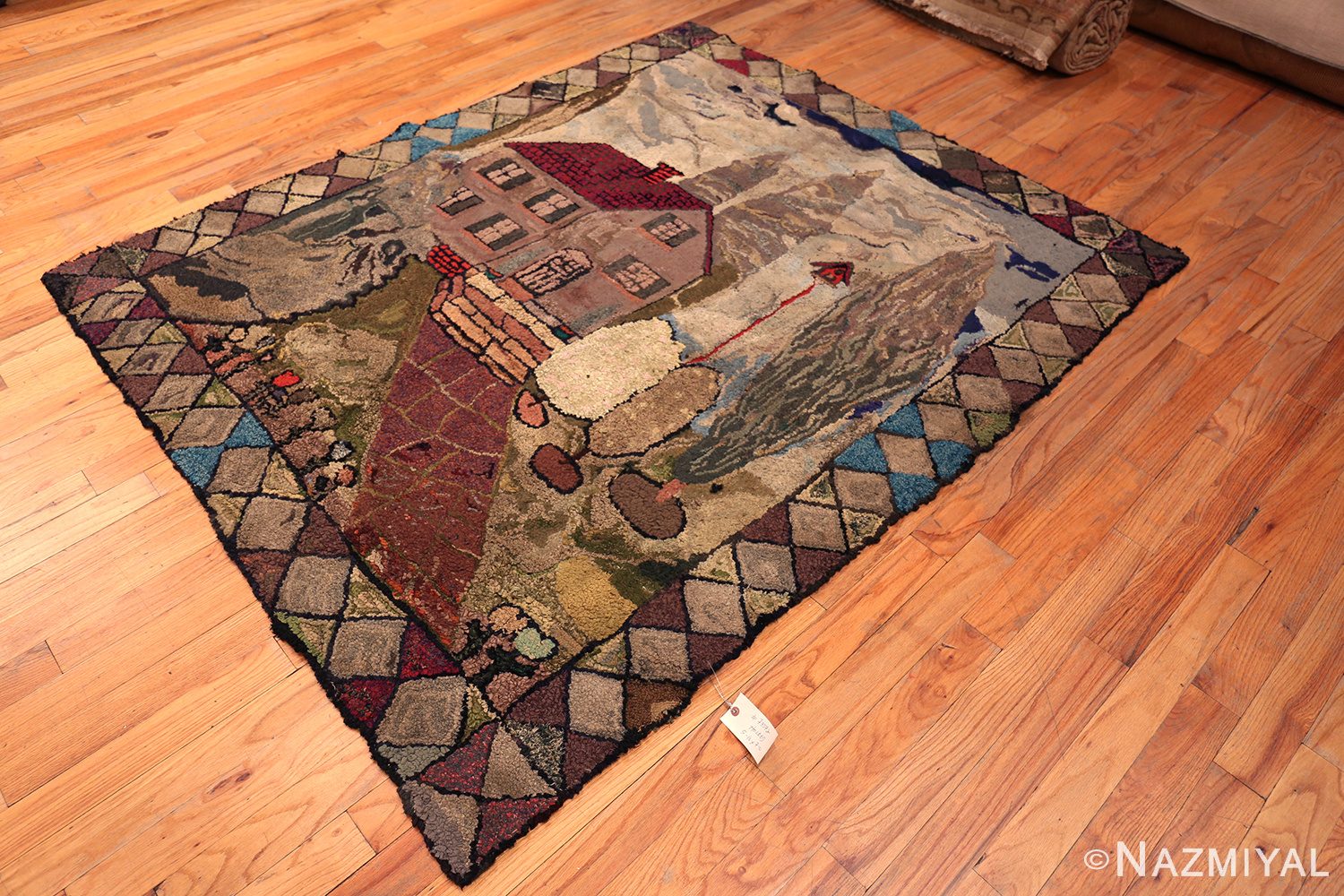
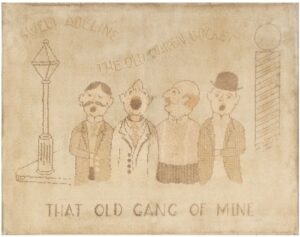
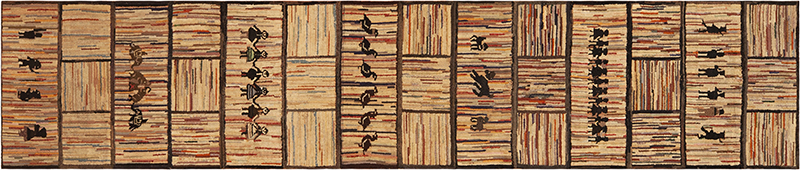
If you’re drawn to vignettes, animals, figures, or scenic compositions, consider wall-hanging (or low-traffic placement). These pieces read like paintings you can live with.
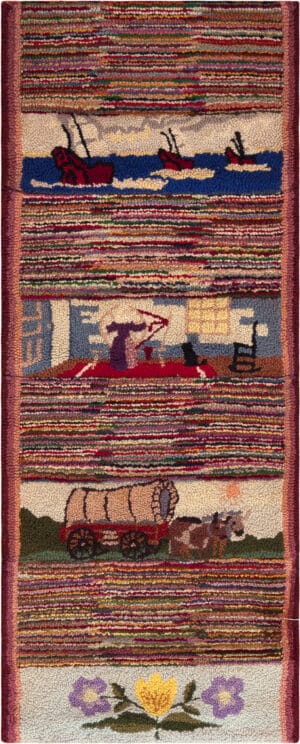
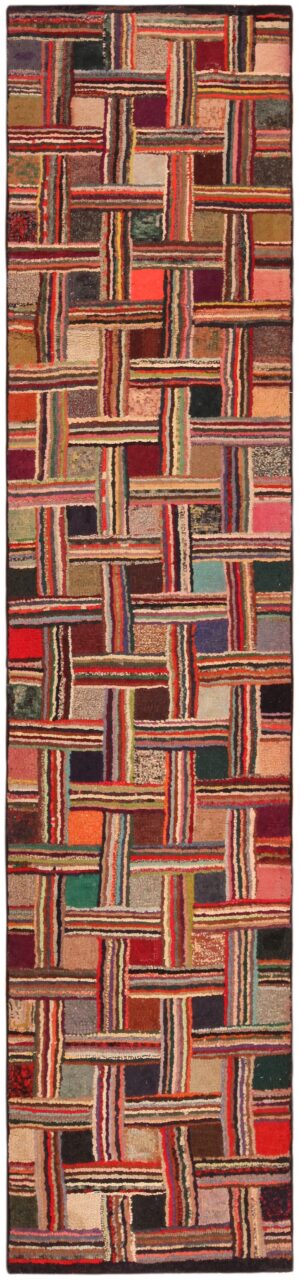
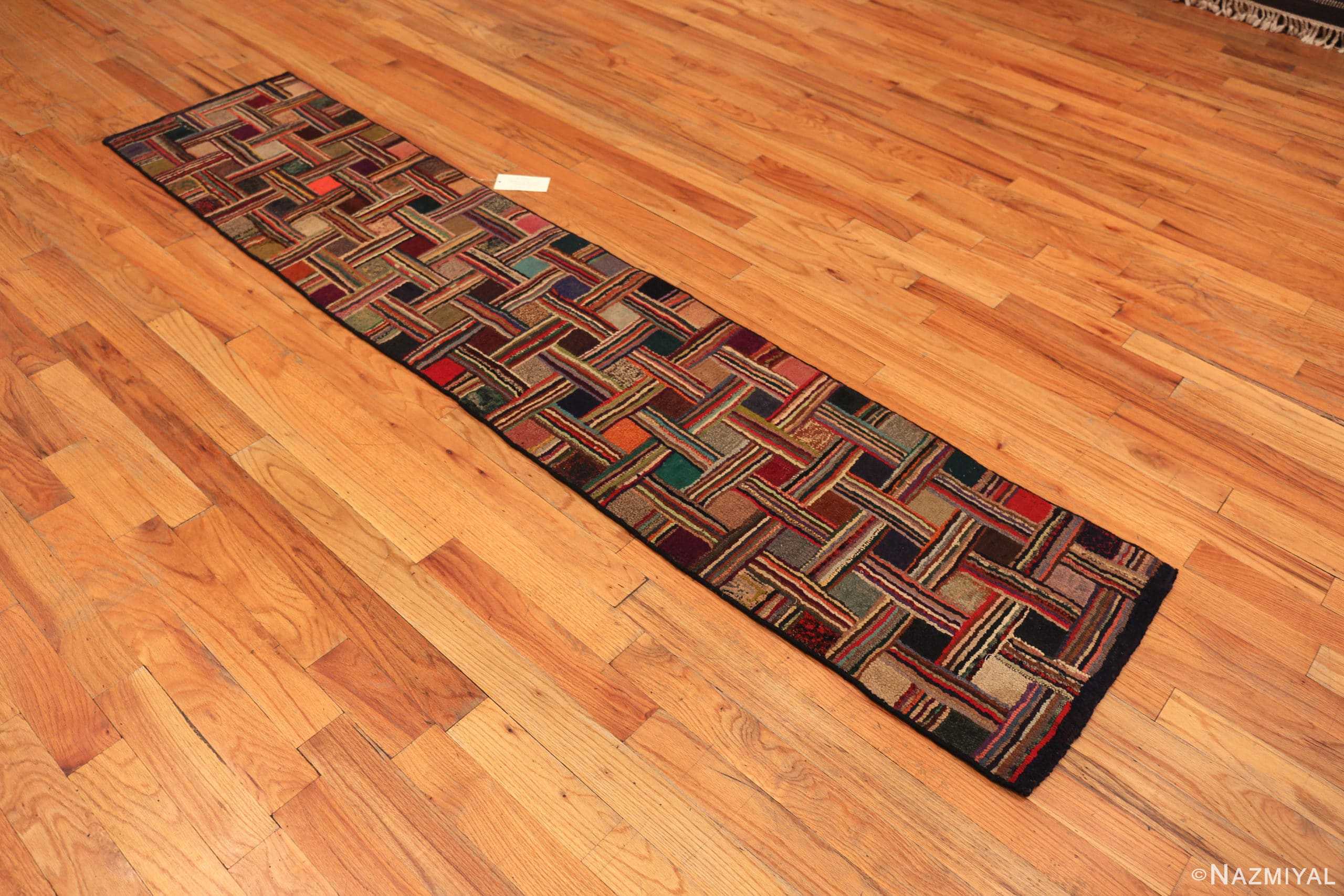
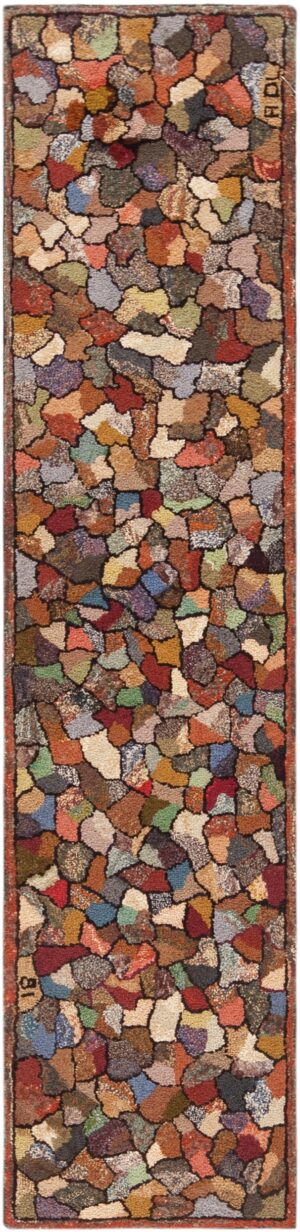
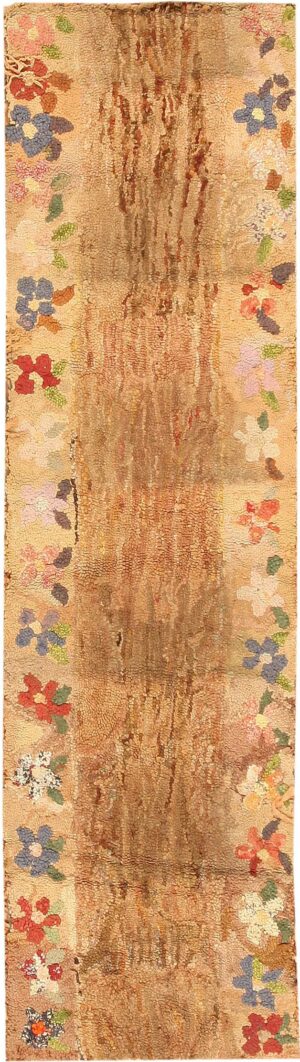
3) Runners are the secret weapon
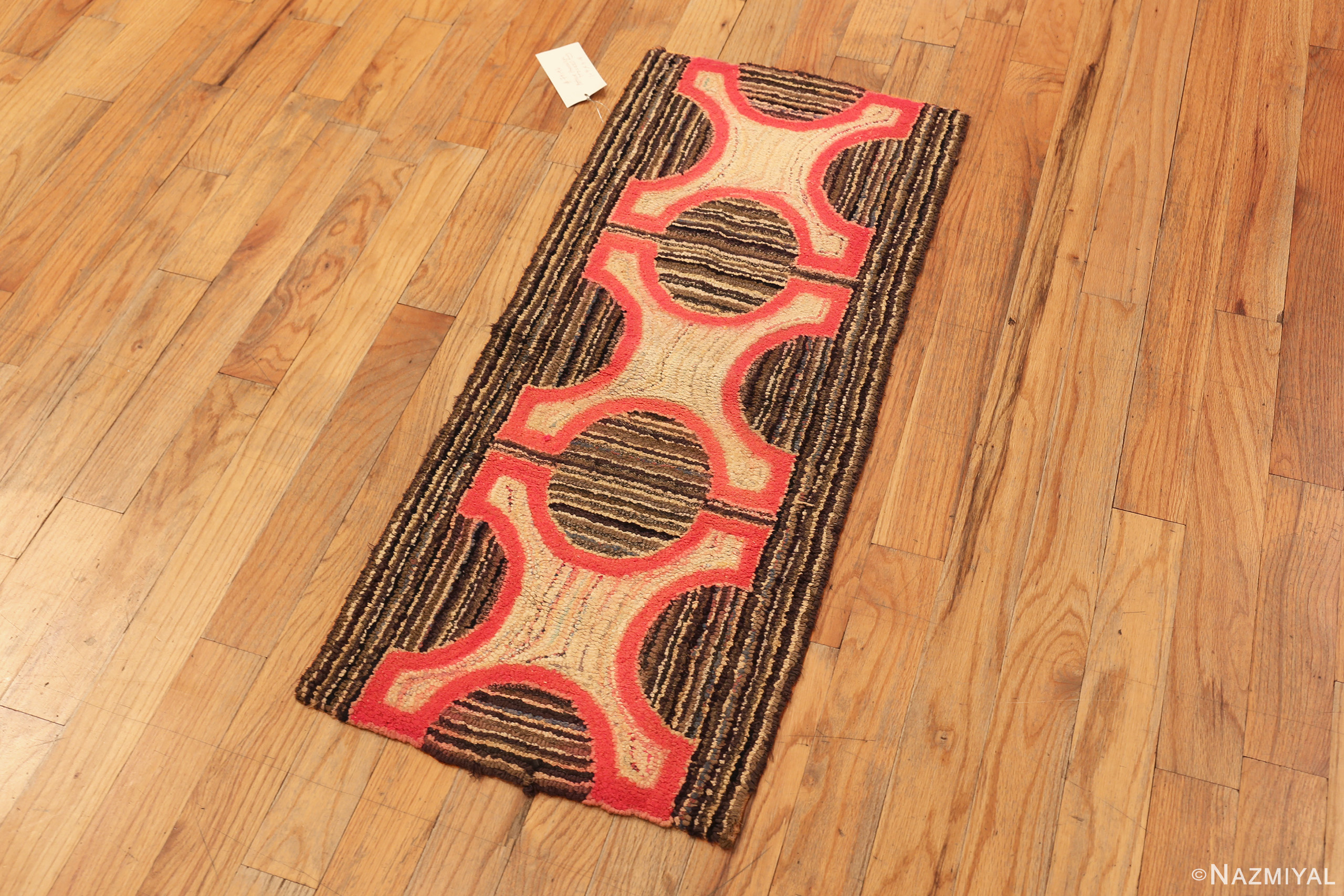
Hallways, kitchens, and long corridors love hooked runners: they add movement, color, and a collected feeling with minimal effort.
Identification Notes
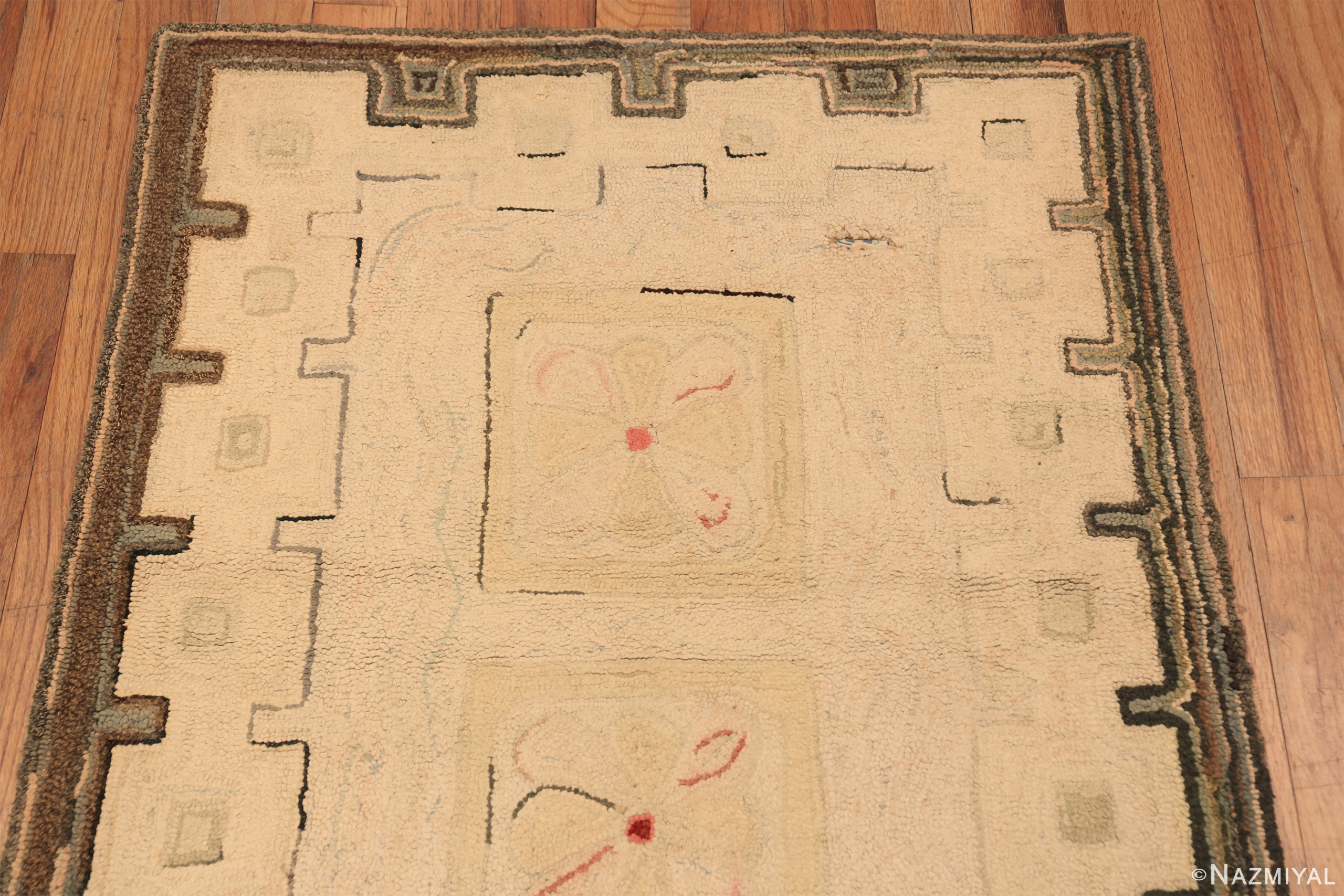
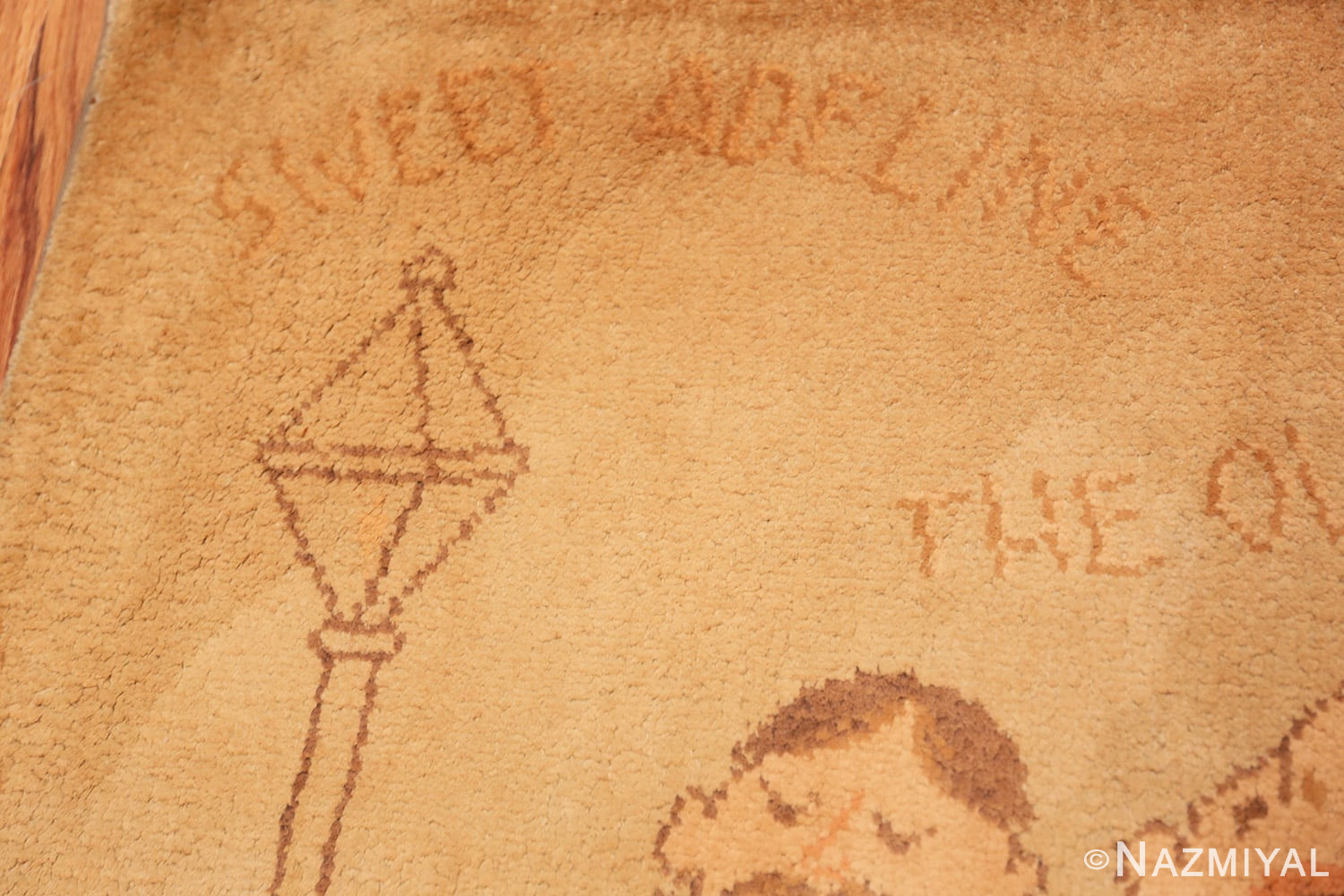
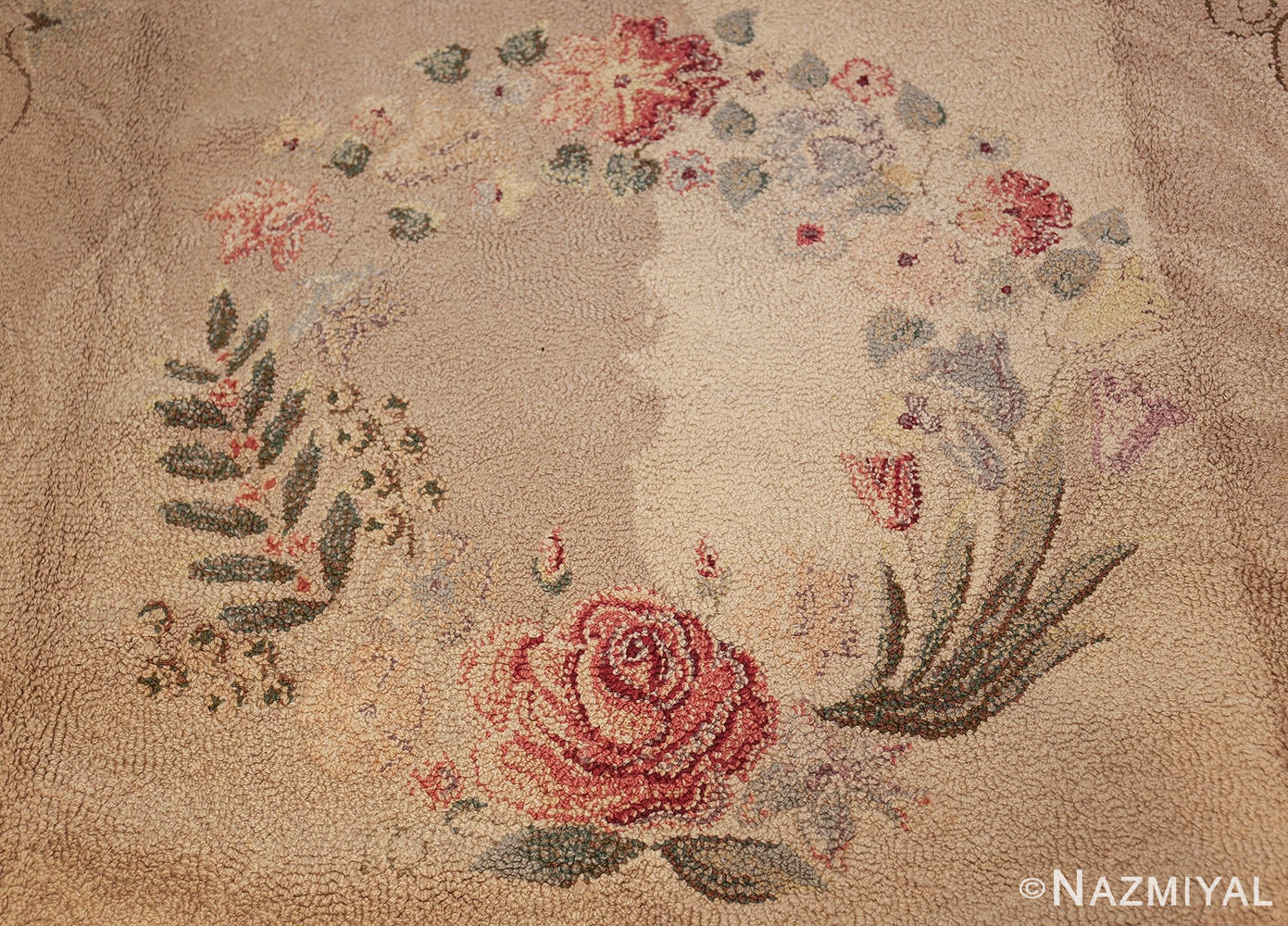
Surface: looped pile (you can usually see/feel the “hooked” structure).
Design language: often bold, graphic, and intentionally naïve—especially in figurative scenes.
Condition matters: look for stable foundation, consistent pile, and honest age; we’ll always help interpret what you’re seeing.
Both are part of America’s textile floor-covering story—but they behave very differently.
Hooked rugs: loop-pile surface (textural, painterly, warm); often folk-art imagery; great for layering and adding soul to clean rooms.
Ingrain rugs: flatwoven construction (smoother, crisper); often more architectural patterning; great when you want American history with a flatter profile.
If you want to widen the net, browse the broader American Rugs category and explore Folk Art Rugs for the same handmade spirit across traditions.
Browse the full hooked-rug collection below, then use filters to narrow by size, color, and price. If you want a fast, confident shortlist, start with your exact room size and your palette—we’ll do the rest.
Glossary
Hooked rug: a loop-pile textile made by pulling yarn/fabric through a foundation.
Loop pile: a surface where the pile remains uncut, forming loops.
Pictorial: designs showing scenes, figures, animals, or narrative panels.
Folk art: handmade work with vernacular design language and local tradition.
Runner: a long, narrow rug used in halls, kitchens, and corridors.
FAQ
Are hooked rugs actually rugs or more like textiles?
They’re both—constructed as textile floor coverings, but often collected and displayed like folk art.
When did American hooked rugs start?
Hooked rugs appear in the mid-19th century, then spread widely as a cottage industry.
Are hooked rugs durable enough for daily use?
Many are surprisingly durable, especially when used with a quality rug pad and placed in appropriate traffic areas.
Can I hang a hooked rug on the wall?
Yes—pictorial or rare examples can be displayed as textile art. We can advise on the safest mounting approach.
How do I choose the right size?
Match the room function first (entry, hall, seating area), then decide whether you want the rug to frame furniture or float as a focal point. Use the Rug Size Guide to dial in proportions.
Nazmiyal White-Glove Service
We make it easy to shop with confidence—whether you’re choosing a single statement piece or curating a full room.
Trustindex verifies that the original source of the review is Google.
My wife and I are so pleased with the antique Uzbek Bokhara Rug purchased from the Nazmiyal Collection. Not only does the rug have a spectacular design, it also was very reasonably priced. The way it transforms our living room, reconciling the classic modern furniture with the 1913 Craftsman interior is remarkable.
Posted on Google
Terence Hayes
Trustindex verifies that the original source of the review is Google.
I have purchased multiple rugs at multiple Nazmiyal auctions and I am extremely pleased with the quality, price, and experience. Highly recommended!
Posted on Google
Victor Florintsev
Trustindex verifies that the original source of the review is Google.
The only ones I'd ever buy rugs from. The best.
Posted on Google
Jeffrey NeumanB
Trustindex verifies that the original source of the review is Google.
I bought two gorgeous Serapi rugs from Farhad at Nazmiyal Rugs! Beautiful carpets, fair prices and great service. Very happy customer. Farhad (the sales person) was very patient and gave us great service.
Posted on Google
john haid
Trustindex verifies that the original source of the review is Google.
Alen is a gentleman and an expert. Really great to work with.
Posted on Google
Edward Yasuna
Trustindex verifies that the original source of the review is Google.
I recently purchased a modern Kandinsky rug from Nazmiyal Auctions. It was just as described, and the director (Farhad) of the auctions had it sent to me quickly and safely. Payment was easy, the rug was reasonably priced, and I highly recommend Nazmiyal Auctions and Antique Rugs. Quality merchandise and first-class service.
Posted on Google
Nicholas Carr
Trustindex verifies that the original source of the review is Google.
Had a excellent experience buying a rug in Nazmiyal's 1/18/26 online auction. First, prior to the auction, viewing a number of lots at the 32nd St showroom (I had prepared a list from the online catalog). The staff were great to work with: helpful, knowledgable, honest, and flexible. Second, after placing an online bid and winning the desired item, arranging payment and pickup was simple and straightforward. Everything went seamlessly and the overall experience was educational and fun. Many thanks to Jason and his team.
Posted on Google
Andrea Gared
Trustindex verifies that the original source of the review is Google.
Everyone at Naziyal is proffessional, especially Jason and Farhad.
They are knowledgeable, truthful, and true gentlemen. I have sold several rugs through them and will always go to them first, to buy or sell. The best in the business!
THE NAZMIYAL NEWSLETTER
Discover Your Next Favorite Rug
Get new arrivals, rug inspiration, educational blogs, and collection highlights delivered to your inbox.
By subscribing, you agree to receive marketing emails from Nazmiyal. Unsubscribe anytime. View our Privacy Policy.