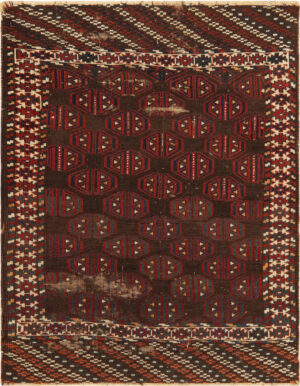
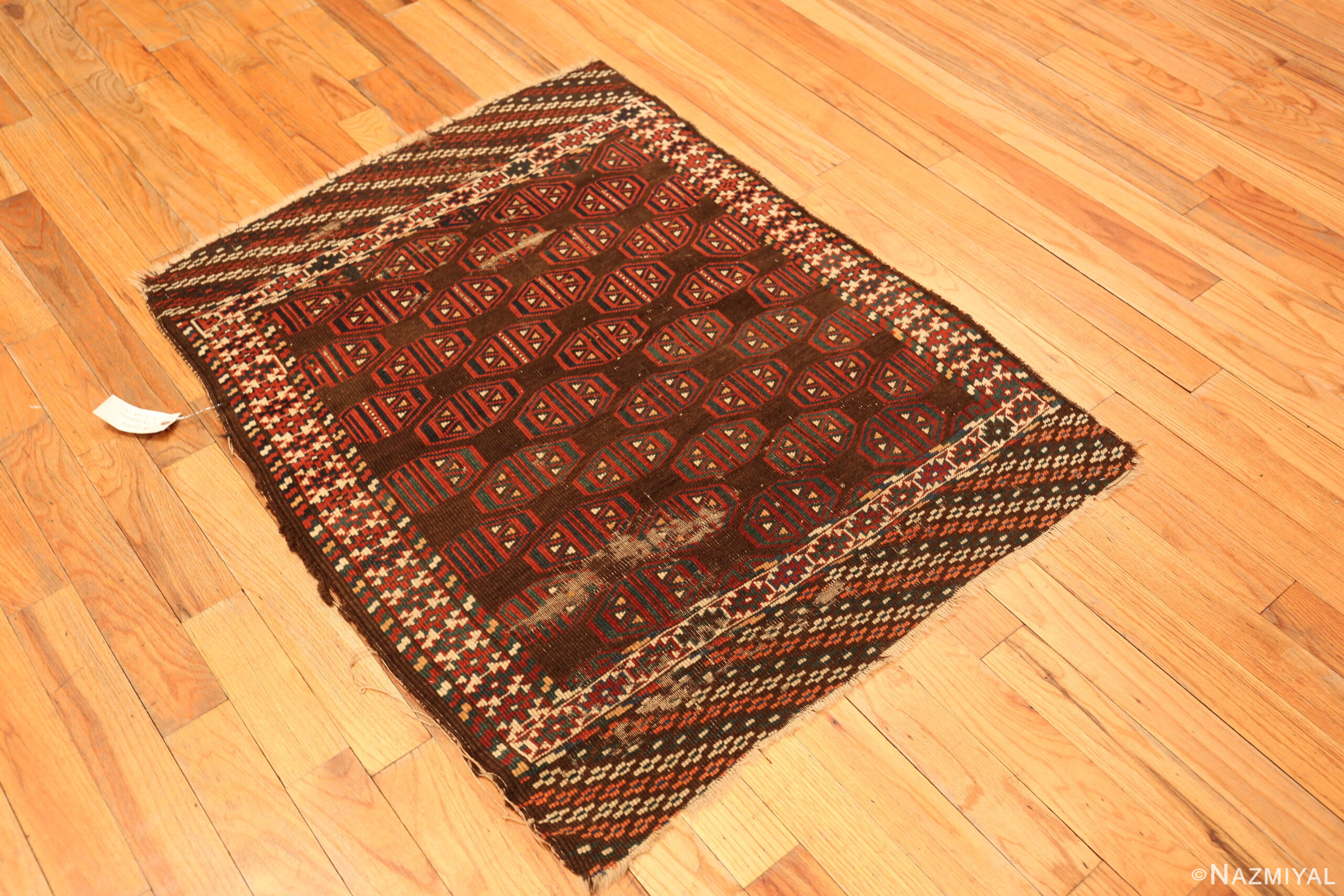
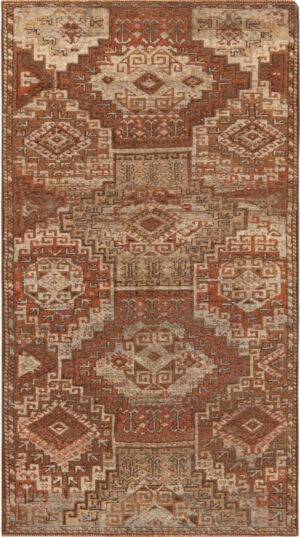
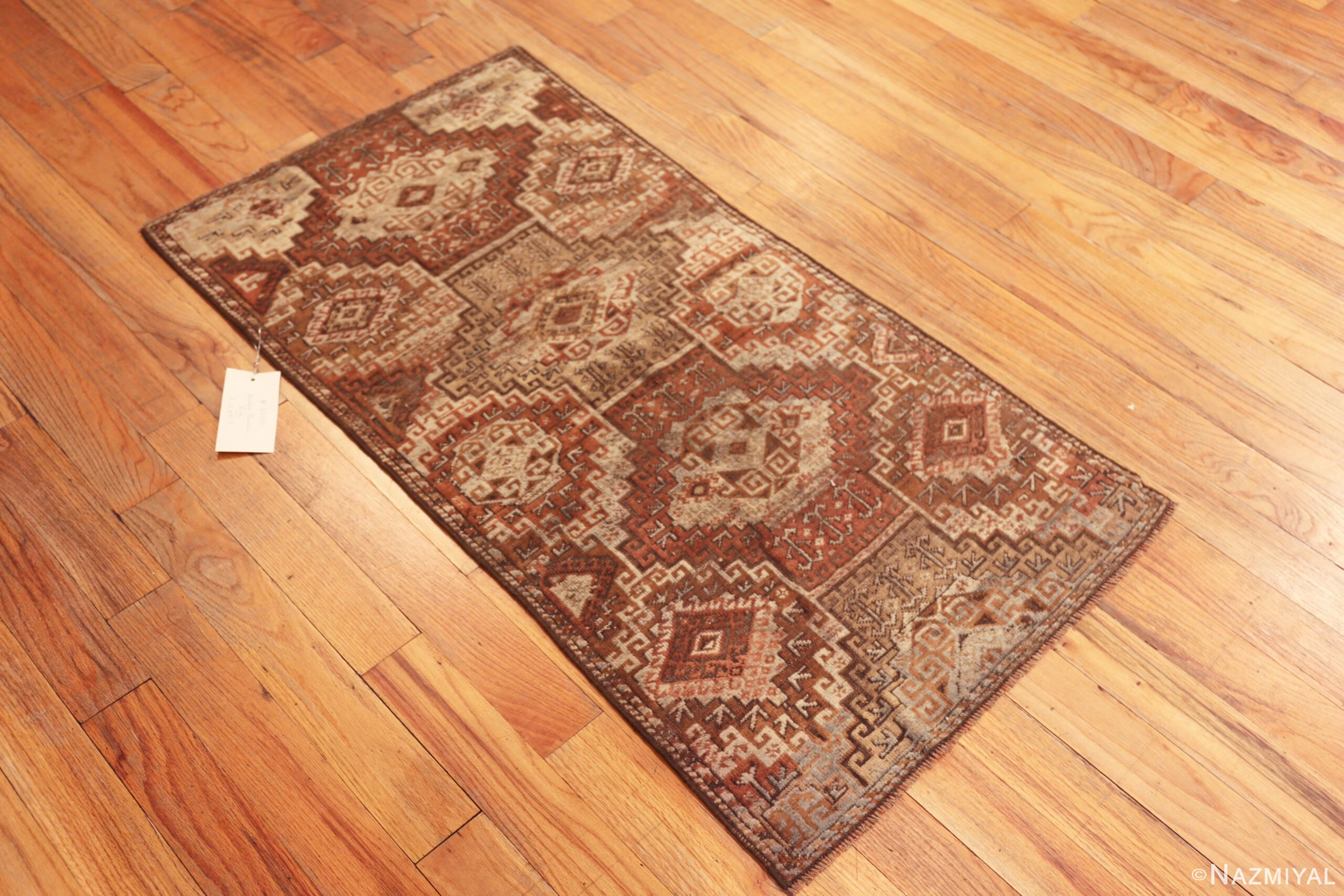
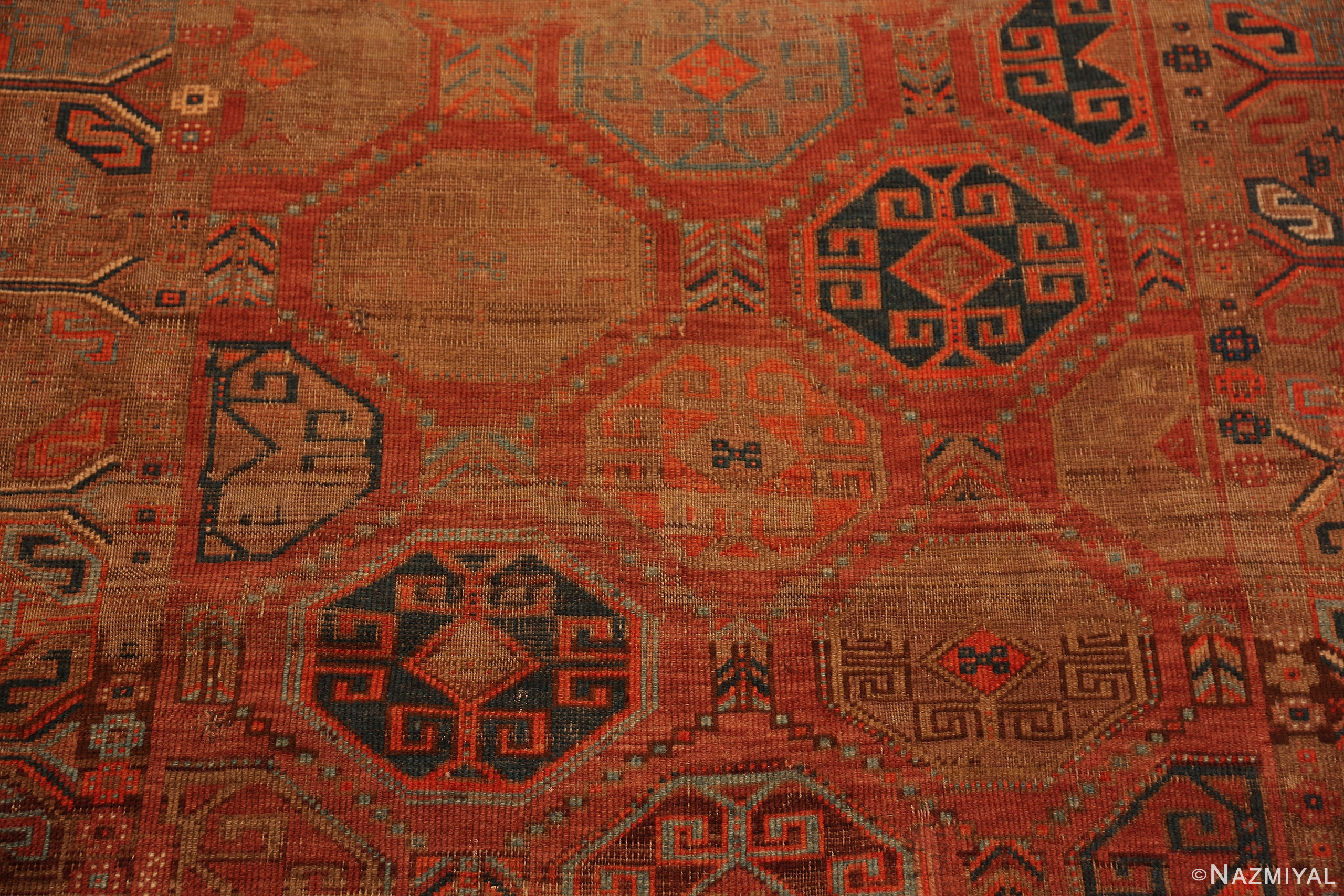
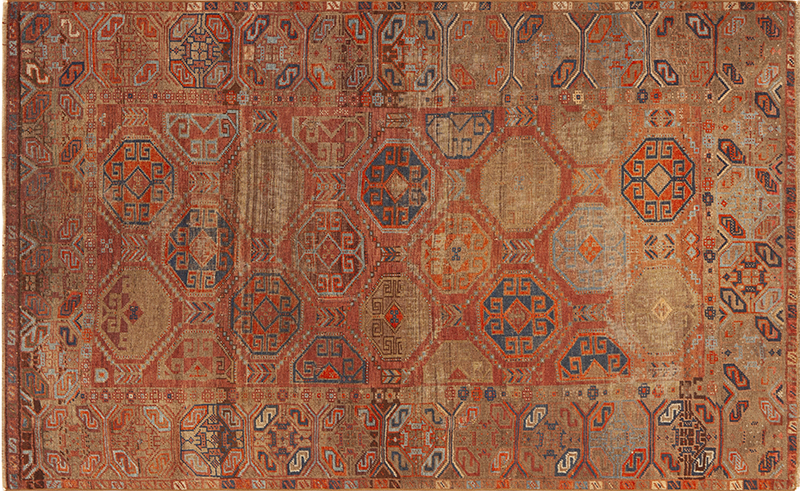
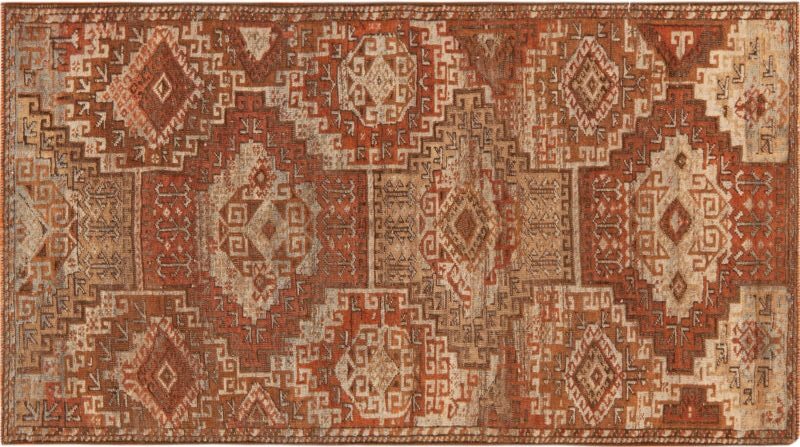
Antique Baluch rugs are compact, tribal carpets prized for saturated color, graphic geometry, and a distinctive nomadic “handle.” At Nazmiyal Collection, we evaluate Baluch weavings by structure, wool quality, dye character, and condition—then place them within the broader market for antique rugs, where design strength and authenticity drive long-term desirability.
Baluch rugs are tribal, usually small-format knotted carpets associated with Baluch and related weavers across eastern Iran and western Afghanistan, known for deep palettes, geometric symbolism, and lustrous wool.
Updated January 28, 2026 • Reviewed by Jason Nazmiyal
Origin/Type: Persian Baluch hand-knotted tribal rug
Why Nazmiyal Collection? 3 Pillars of Nazmiyal Collection
Baluch rugs can be mislabeled and misunderstood—so buying well depends on structure-led evaluation and honest representation.
Unmatched Inventory Depth: access to a wide range of tribal weavings across sizes, eras, and design languages.
Rigorous Authenticity Standards: expert-vetted pieces, accurately described by construction, origin indicators, and condition.
Expert Advisory: real guidance on size, placement, and value drivers—so you can choose confidently.
Identification & Construction
Baluch rugs sit at a crossroads of tribal traditions across historic Baluchistan and adjacent regions. The most reliable way to identify a Baluch weaving is to confirm structure and finishing, then interpret design language in regional context. If you want a framework for comparing traditions across countries, start with Rug Origins, then narrow into workshop and tribal groups (especially within Persian rugs and neighboring traditions).
Practical identification cues
Scale and intent: many Baluch pieces were made for tent life and travel, so smaller sizes and utilitarian formats are common.
Wool character: look for lustrous wool with natural depth; overly uniform surfaces can signal later production.
Finishing: stable side cords and intact ends are major value factors in tribal rugs that were used hard.
Baluch design language is often geometric and emblematic, ranging from tight repeating fields to prayer-format compositions. Common elements include:
Prayer niches and mihrab-inspired layouts (especially in small-format rugs).
Tree-of-life interpretations and botanical “sprigs” rendered as tribal geometry.
Diamond, stepped, and latch-hook forms that create strong rhythm in the field.
Compact borders with guard systems that frame the design without overpowering it.
Color & Dyes
Collectors often associate Baluch rugs with a dark, saturated palette—an aesthetic shaped by both taste and function. Typical color families include:
Deep burgundy and wine reds
Indigo and midnight blues
Chocolate browns, charcoal tones, and occasional camel fields
Ivory highlights used as contrast rather than as a dominant ground
Color alone does not date a rug; evaluate dyes alongside wool character, wear evidence, and construction consistency.
Value & Collectibility
Baluch rugs have grown steadily more collectible as strong older examples have become harder to find. Value is typically driven by:
Design strength: bold geometry, clear spacing, and memorable motif language.
Color quality: saturated, harmonious palettes with natural-looking depth.
Format rarity: exceptional prayer rugs, long runners, and unusual tribal utilitarian weavings can command premium interest.
Condition integrity: edges/ends and foundation stability (repairs should be conservative and disclosed).
Credible attribution: when a label is broad, construction and coherent regional indicators matter more than a name.
Important note: “Collectible” does not mean “guaranteed profit.” Outcomes vary, and the right approach is to buy quality, buy correctly, and choose a piece you’re happy living with.
Decorating & Placement Guidance
Baluch rugs work beautifully as “anchor textiles” in both classic and contemporary rooms—especially when you treat their dark palettes as intentional depth. A great vintage rug can layer under Baluch pieces for texture, while clean-lined interiors often benefit from the graphic clarity these tribal designs bring to modern rugs styling.
Scale wins: small Baluch rugs shine in entryways, bedside placements, studies, and layered seating areas.
Protect the structure: use a proper rug pad, and avoid constant harsh sunlight to preserve wool and dyes.
Let contrast do the work: pair dark Baluch palettes with light upholstery, natural wood, and calm wall color for balance.
Baluch Rugs vs Tribal Rugs
“Tribal rugs” is an umbrella category; Baluch rugs are one important branch within it. If you want a broader overview of nomadic weaving traditions, explore Tribal Rugs.
Decision Lens
Baluch Rugs
Tribal Rugs (Umbrella)
Scope
Specific tribal market group (Baluch and related weavers)
Many tribal traditions (Turkoman, Kurdish, Caucasian, Afghan, and more)
Typical size
Often smaller rugs, prayer formats, runners, and utilitarian pieces
Ranges from small to room-size, depending on the group
Common palette
Deep reds, indigo, browns; ivory as accent
Varies widely by region and tradition
Best for
Buyers who want saturated color, compact scale, and tribal geometry
Buyers who want to compare across many nomadic design languages
No. In the trade, “Baluch” can include weavings from eastern Iran and western Afghanistan, and attribution is best confirmed by structure and regional design logic.
Why are many Baluch rugs so dark?
Deep, saturated palettes are part of the Baluch aesthetic and can also reflect practical use in nomadic contexts, where darker grounds wear visually well.
Are Baluch prayer rugs common?
Prayer-format Baluch rugs are widely collected, especially when the drawing is disciplined and the condition is structurally stable.
What condition issues matter most?
Edges and ends, foundation stability, and any repairs. Conservative, well-matched restoration can protect a rug, while heavy-handed work can reduce value.
How should I care for an antique Baluch rug?
Use a proper rug pad, rotate periodically, avoid prolonged direct sun, and use specialist cleaning appropriate for older tribal wool and dyes.
Nazmiyal White-Glove Service
We make it easy to shop with confidence—whether you’re choosing a single statement piece or curating a full room.
Nazmiyal Collection has been a trusted source for antique rugs and vintage carpets for over 45 years. Our NYC gallery curates one-of-a-kind pieces with an emphasis on authenticity, provenance, and lasting decorative value.
Need help? Call us at (212) 545-8029 or visit our New York City showroom to work with a rug expert.
             Posted on Google        Clay Pendergrast     Trustindex verifies that the original source of the review is Google. My wife and I are so pleased with the antique Uzbek Bokhara Rug purchased from the Nazmiyal Collection. Not only does the rug have a spectacular design, it also was very reasonably priced. The way it transforms our living room, reconciling the classic modern furniture with the 1913 Craftsman interior is remarkable.         Posted on Google        Terence Hayes     Trustindex verifies that the original source of the review is Google. I have purchased multiple rugs at multiple Nazmiyal auctions and I am extremely pleased with the quality, price, and experience.  Highly recommended!         Posted on Google        Victor Florintsev     Trustindex verifies that the original source of the review is Google. The only ones I'd ever buy rugs from. The best.         Posted on Google        Jeffrey NeumanB     Trustindex verifies that the original source of the review is Google. I bought two gorgeous Serapi rugs from Farhad at Nazmiyal Rugs!  Beautiful carpets, fair prices and great service.  Very happy customer.  Farhad (the sales person) was very patient and gave us great service.         Posted on Google        john haid     Trustindex verifies that the original source of the review is Google. Alen is a gentleman and an expert.  Really great to work with.         Posted on Google        Edward Yasuna     Trustindex verifies that the original source of the review is Google. I recently purchased a modern Kandinsky rug from Nazmiyal Auctions.  It was just as described, and the director (Farhad) of the auctions had it sent to me quickly and safely.  Payment was easy, the rug was reasonably priced, and I highly recommend Nazmiyal Auctions and Antique Rugs.  Quality merchandise and first-class service.         Posted on Google        Nicholas Carr     Trustindex verifies that the original source of the review is Google. Had a excellent experience buying a rug in Nazmiyal's 1/18/26 online auction.  First, prior to the auction, viewing a number of lots at the 32nd St showroom (I had prepared a list from the online catalog). The staff were great to work with: helpful, knowledgable, honest, and flexible.  Second, after placing an online bid and winning the desired item, arranging payment and pickup was simple and straightforward. Everything went seamlessly and the overall experience was educational and fun. Many thanks to Jason and his team.         Posted on Google        Andrea Gared     Trustindex verifies that the original source of the review is Google. Everyone at Naziyal is proffessional, especially Jason and Farhad.
They are knowledgeable, truthful, and true gentlemen. I have sold several rugs through them and will always go to them first, to buy or sell. The best in the business!
Frequently Asked Questions
“Antique” is judged by more than age alone. Collectors typically look at structure, wool character, natural wear patterns, and the overall integrity of the foundation and edges.
Many Baluch rugs lean toward darker palettes, especially deep reds and indigo. However, strong examples often show lively contrast and nuanced color variation, particularly in older pieces.
Not necessarily. “Baluch” refers to a broader tribal weaving tradition associated with the historic Baluchistan region, so attribution can span multiple border areas depending on the weaving community and period.
Many older Baluch rugs were dyed with natural materials, but later weavings may include synthetic dyes. Dye use often depends on the rug’s age, origin context, and intended market.
Yes, many can be restored by qualified textile conservators. Typical work includes stabilizing edges and ends and addressing worn areas while maintaining the rug’s structure and original character.
THE NAZMIYAL NEWSLETTER
Discover Your Next Favorite Rug
Get new arrivals, rug inspiration, educational blogs, and collection highlights delivered to your inbox.
By subscribing, you agree to receive marketing emails from Nazmiyal. Unsubscribe anytime. View our Privacy Policy.