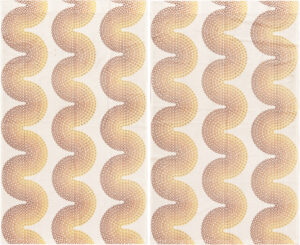
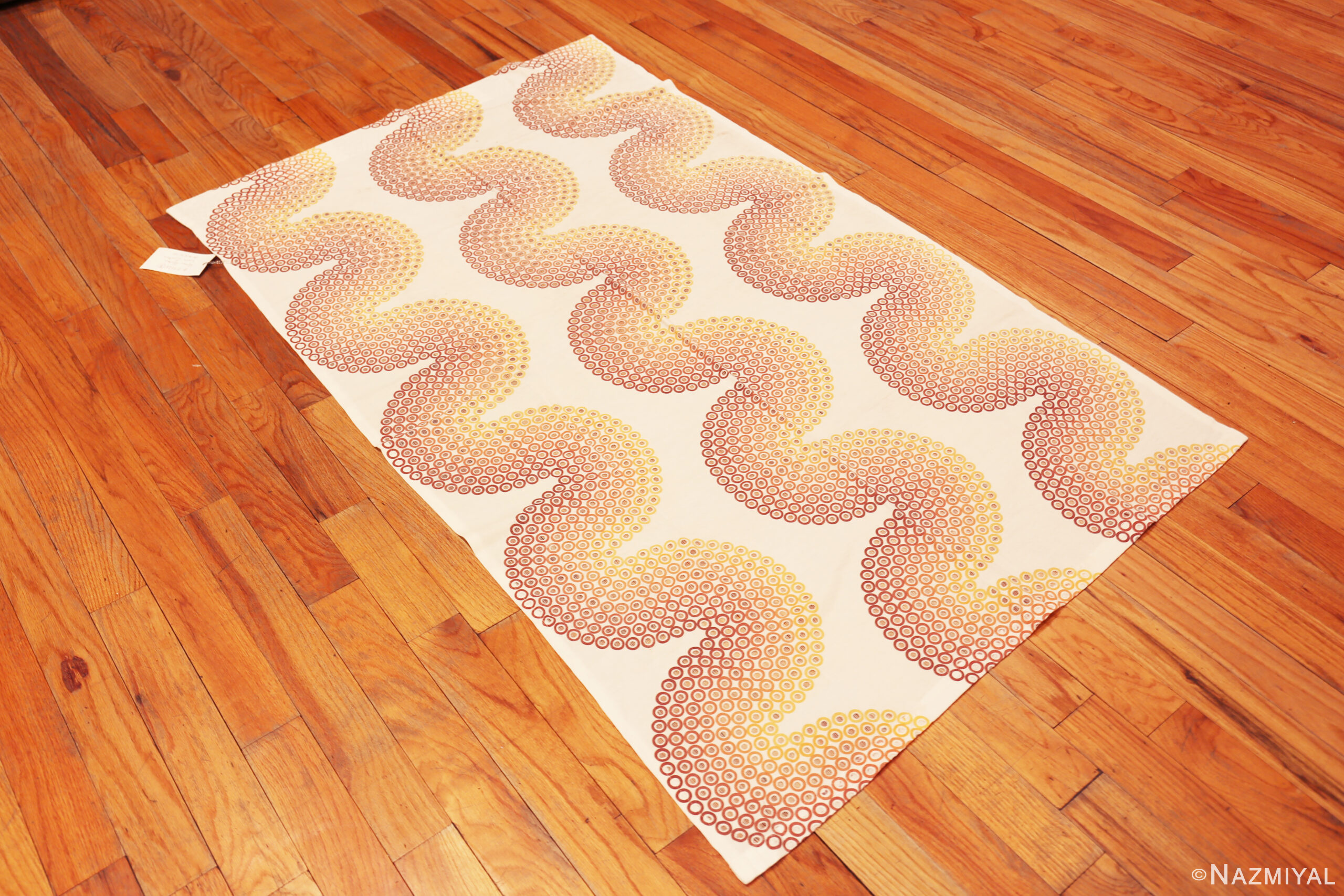
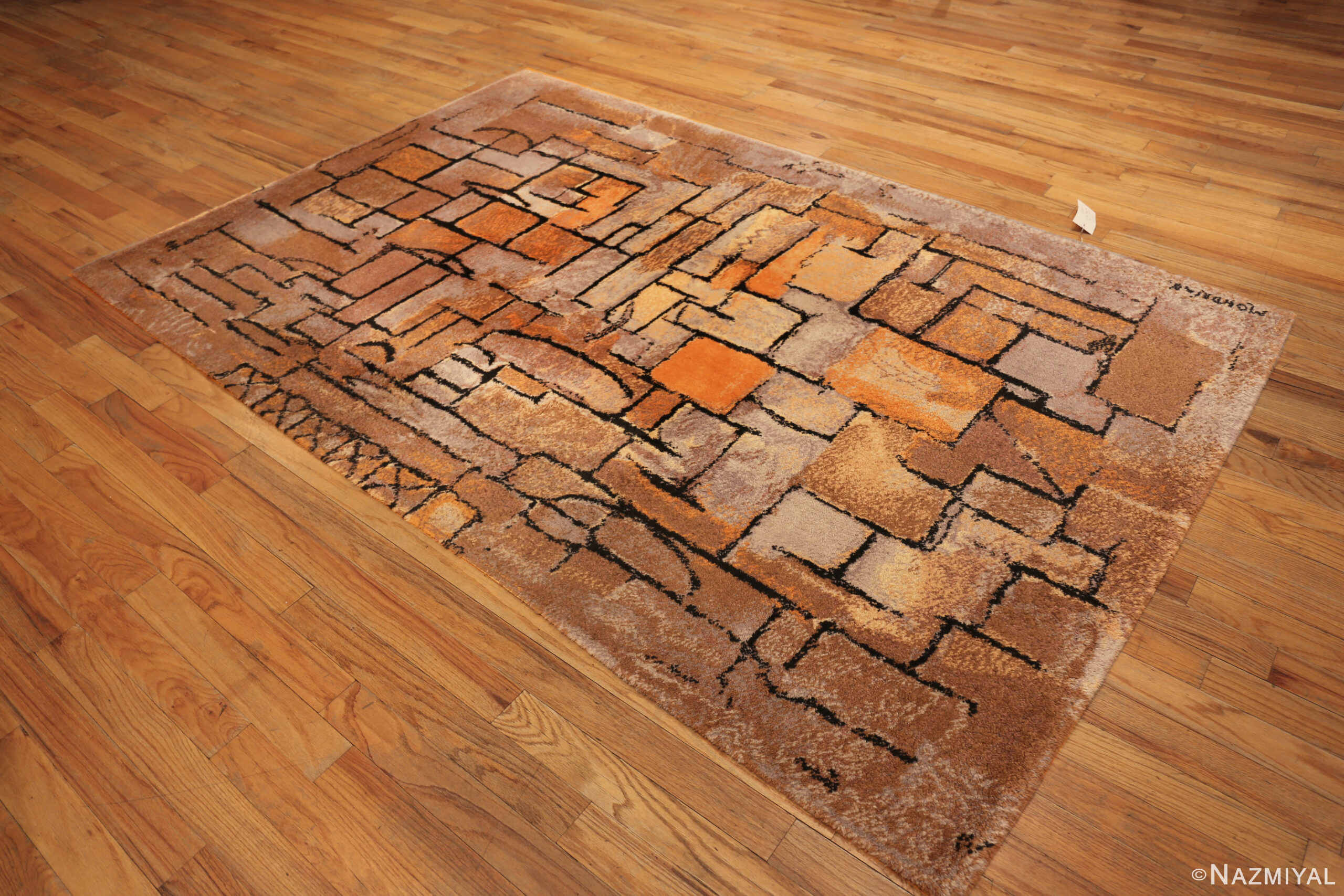
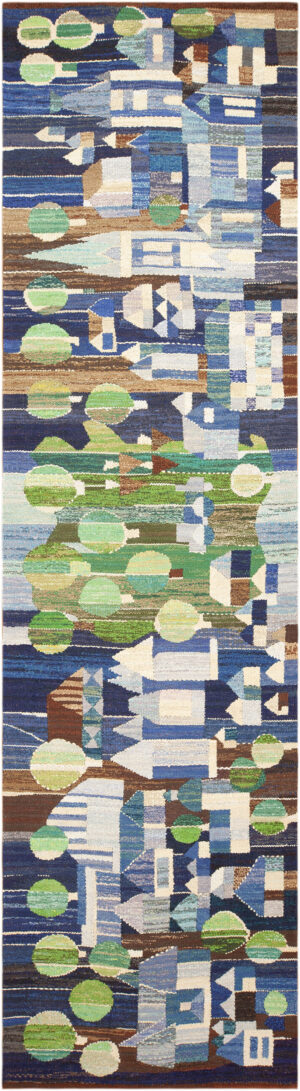
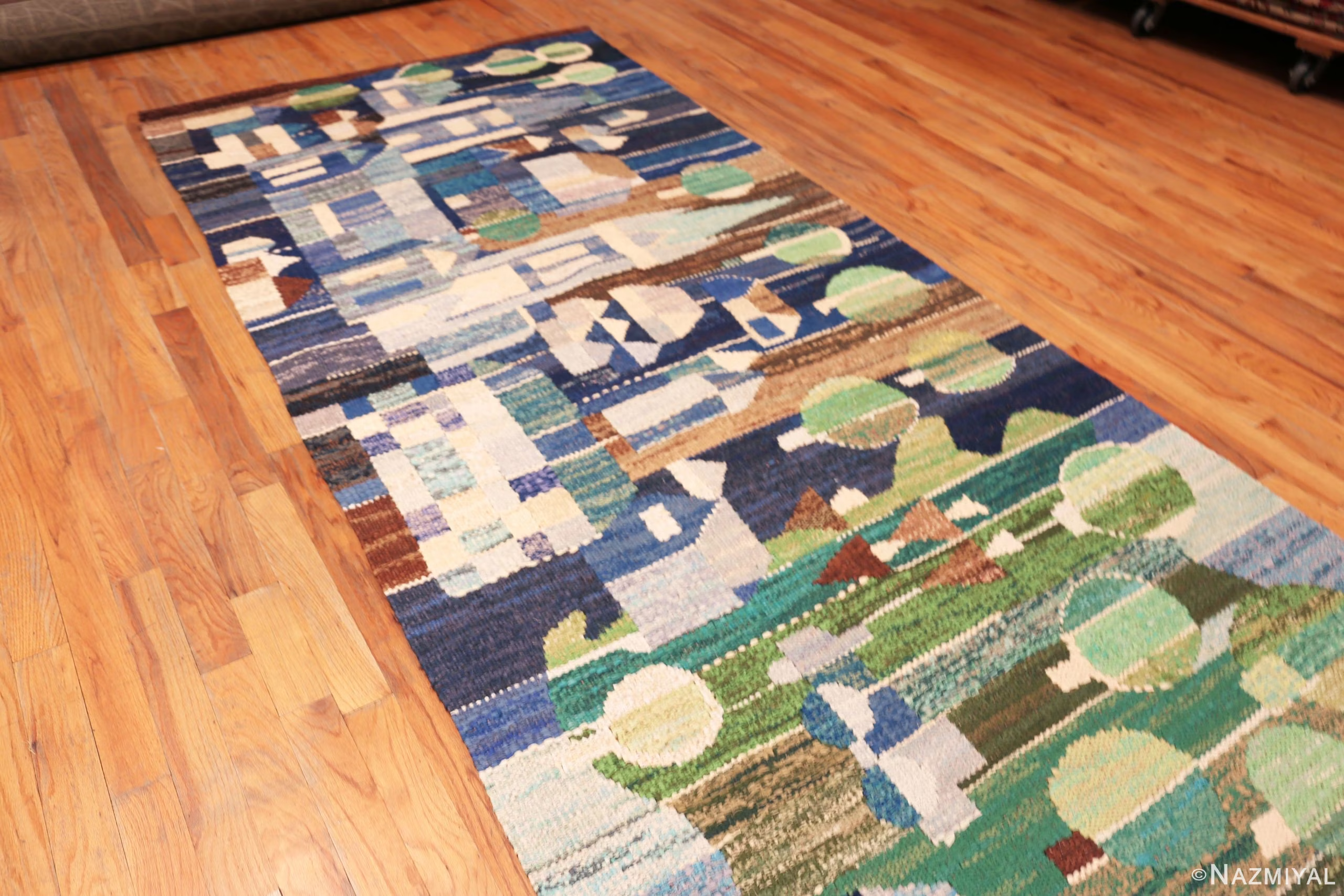
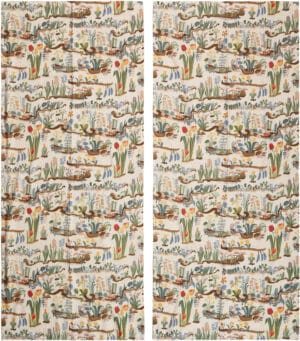
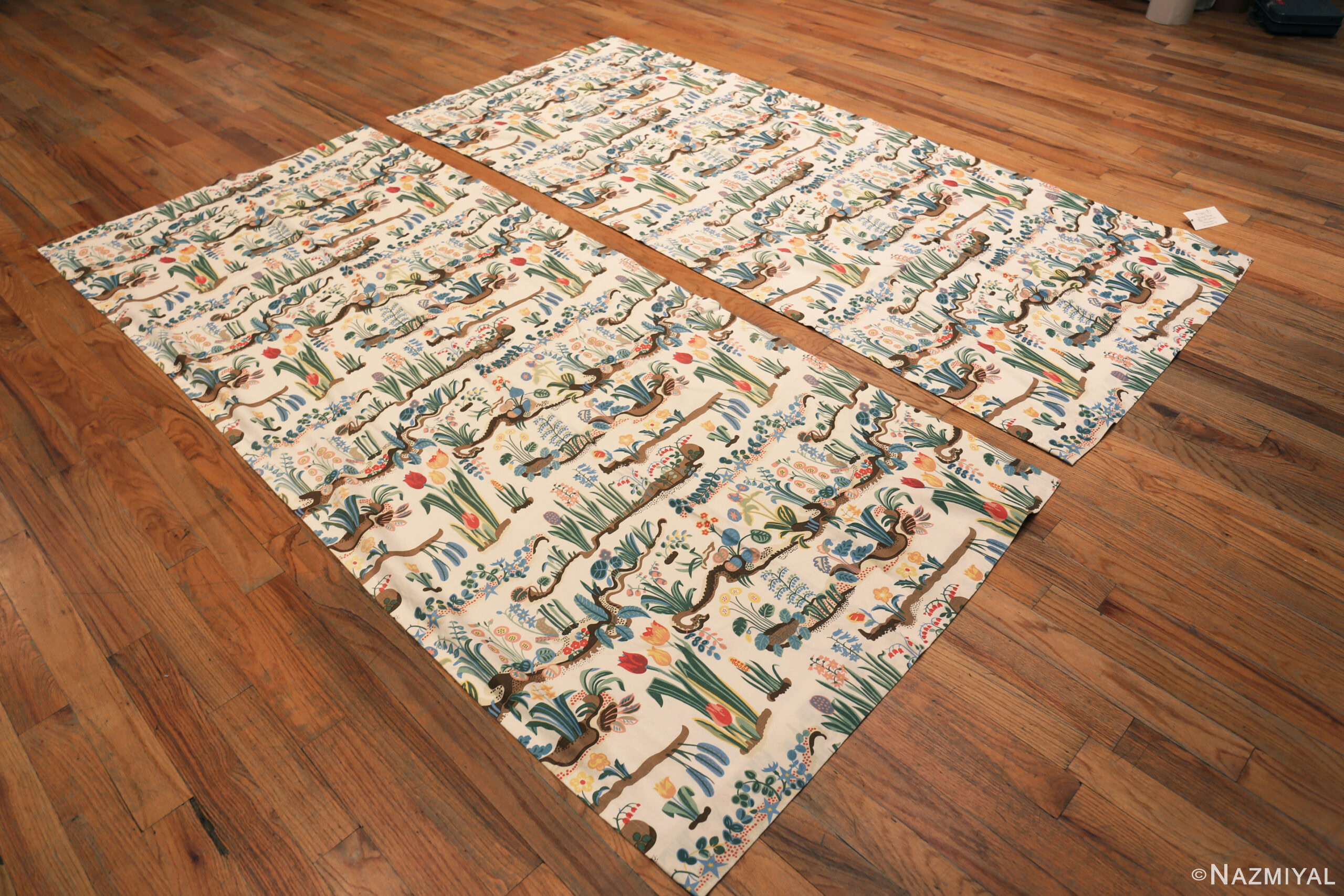
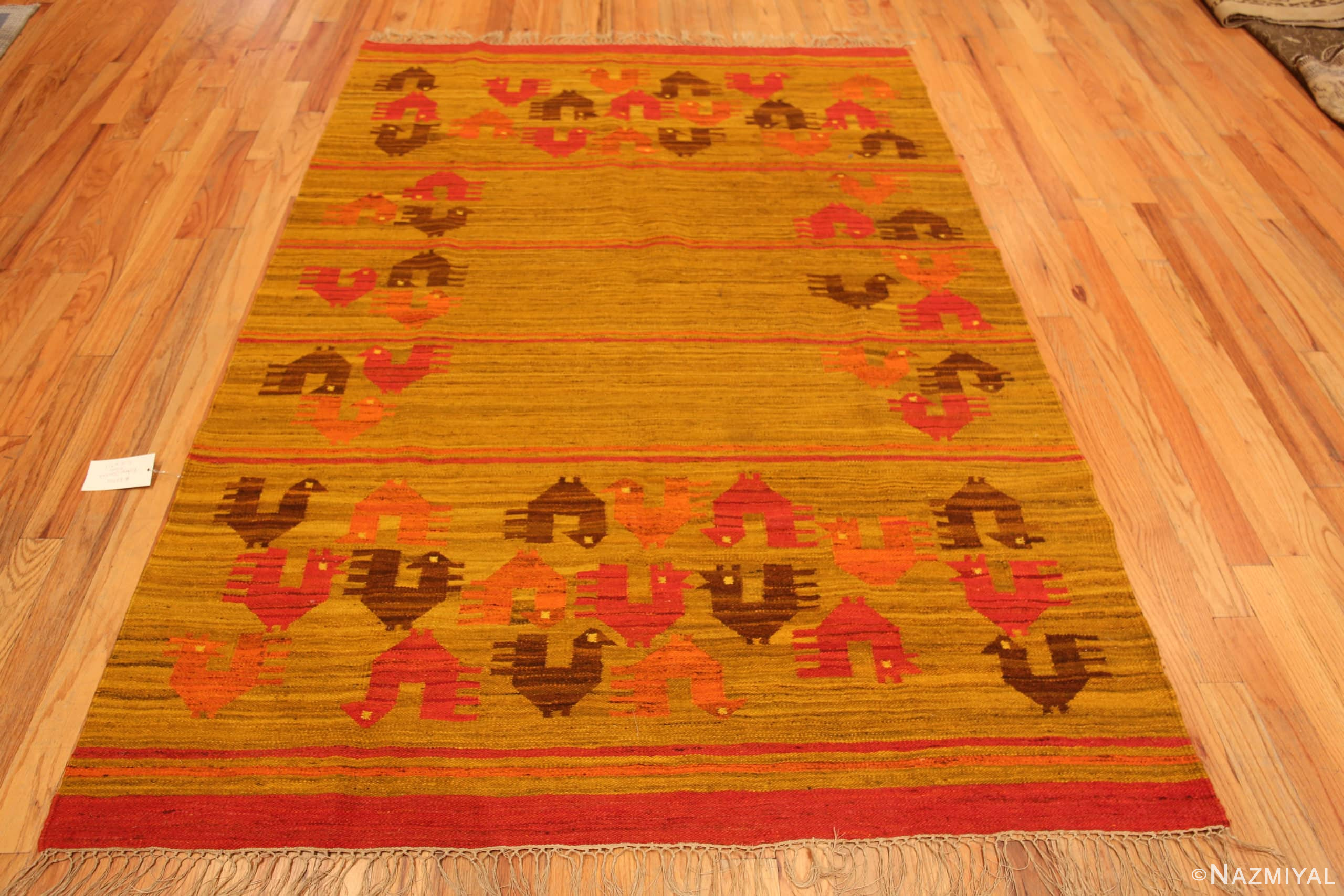
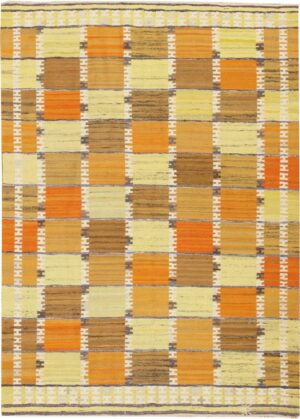
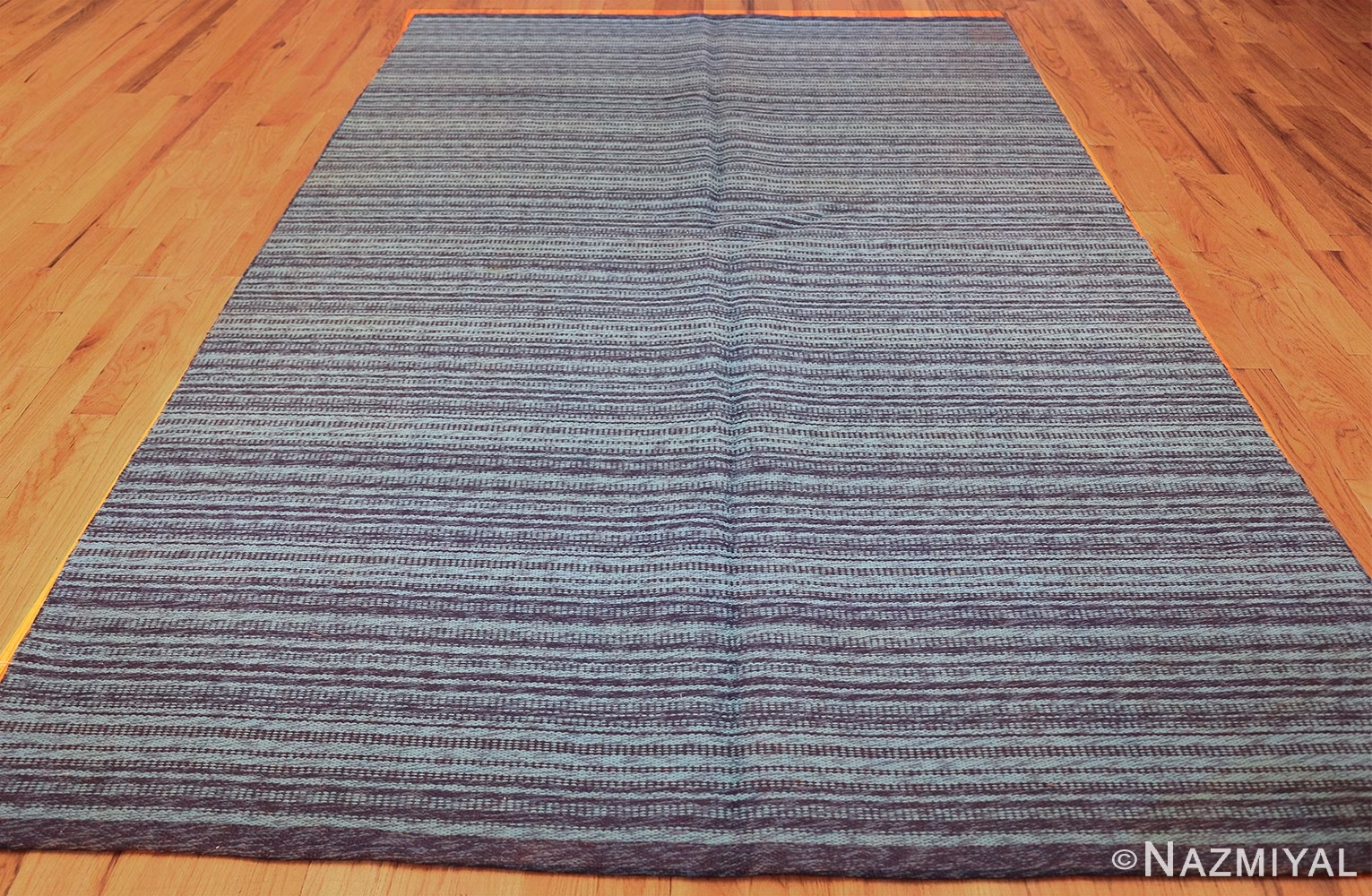
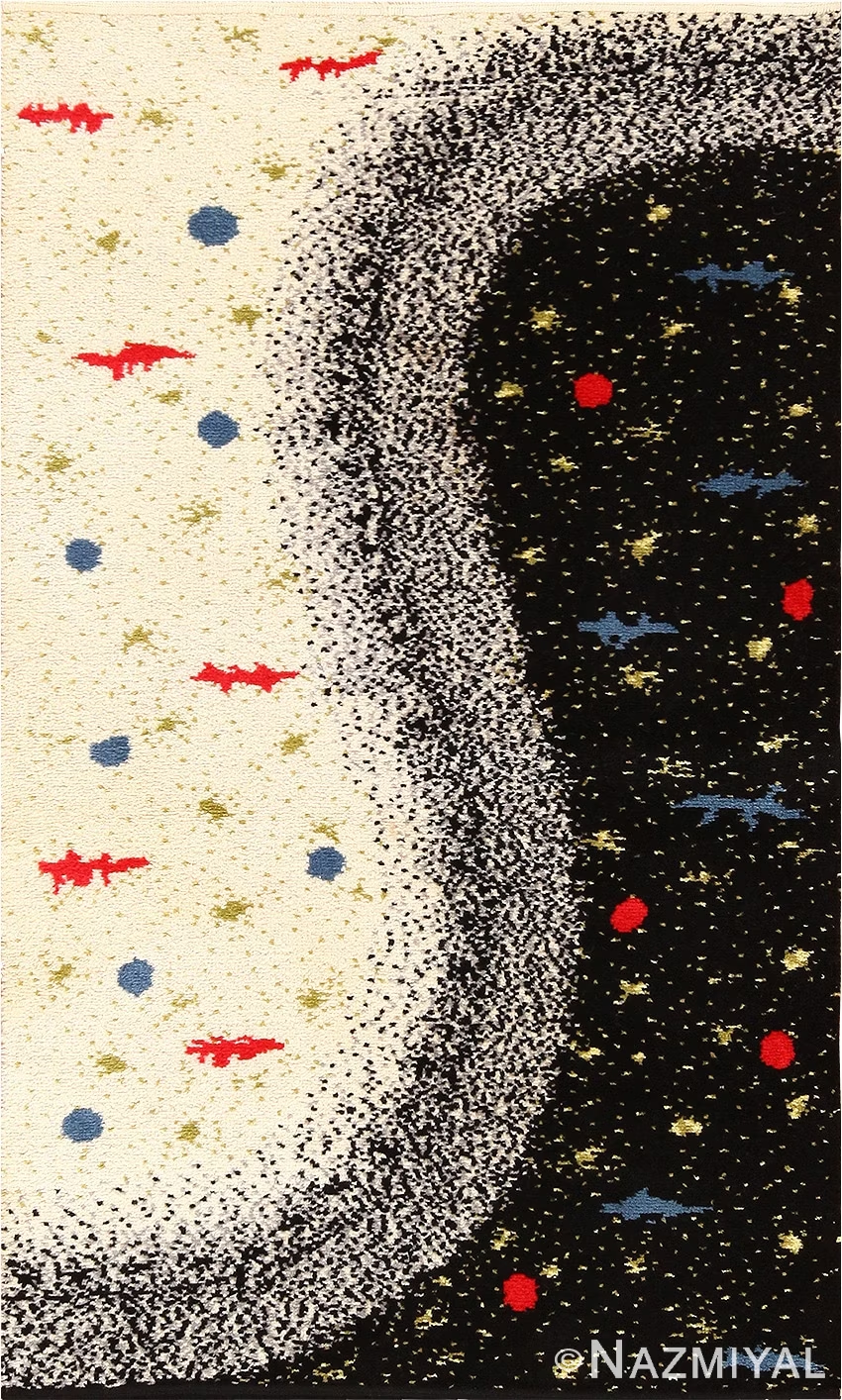
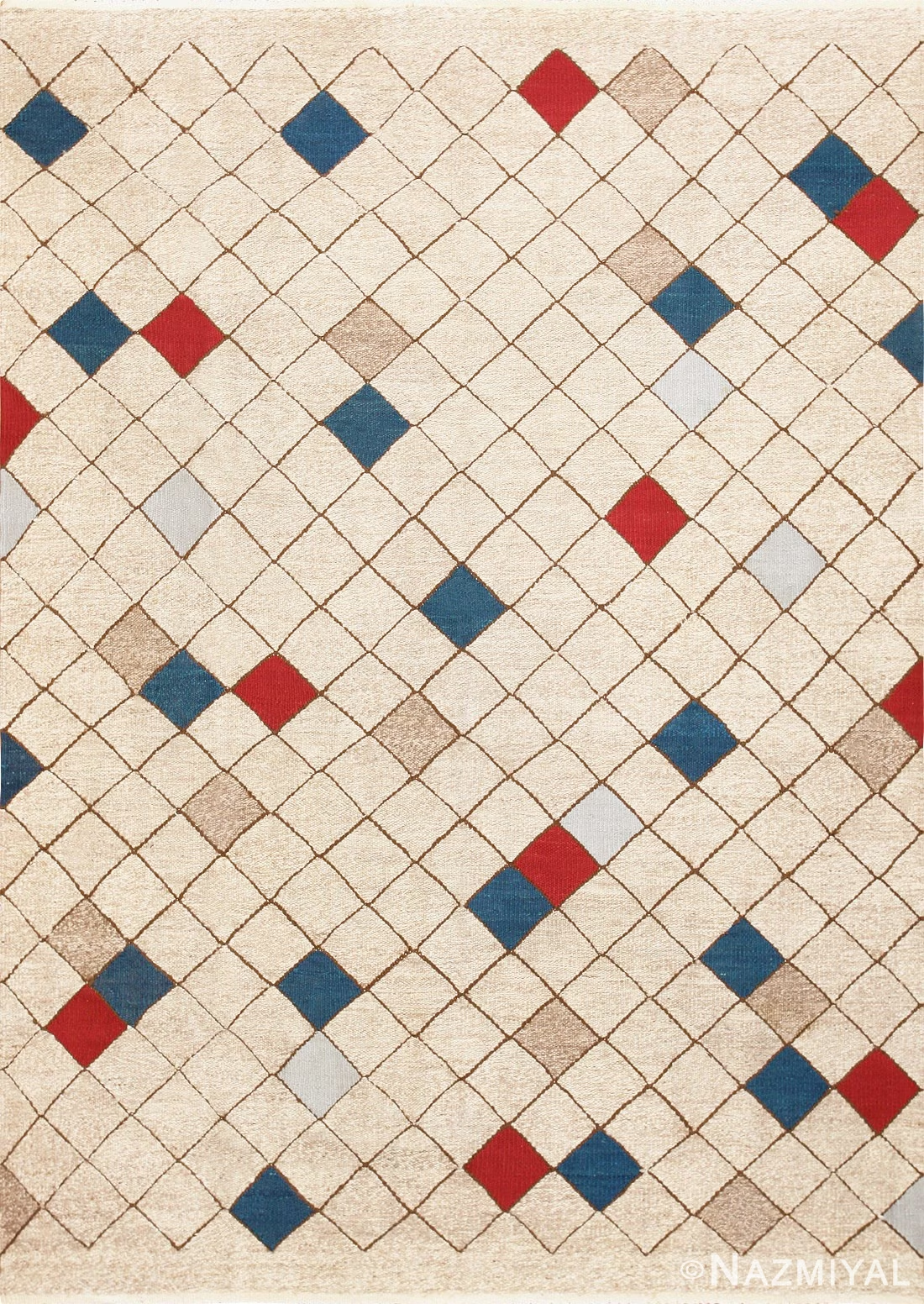
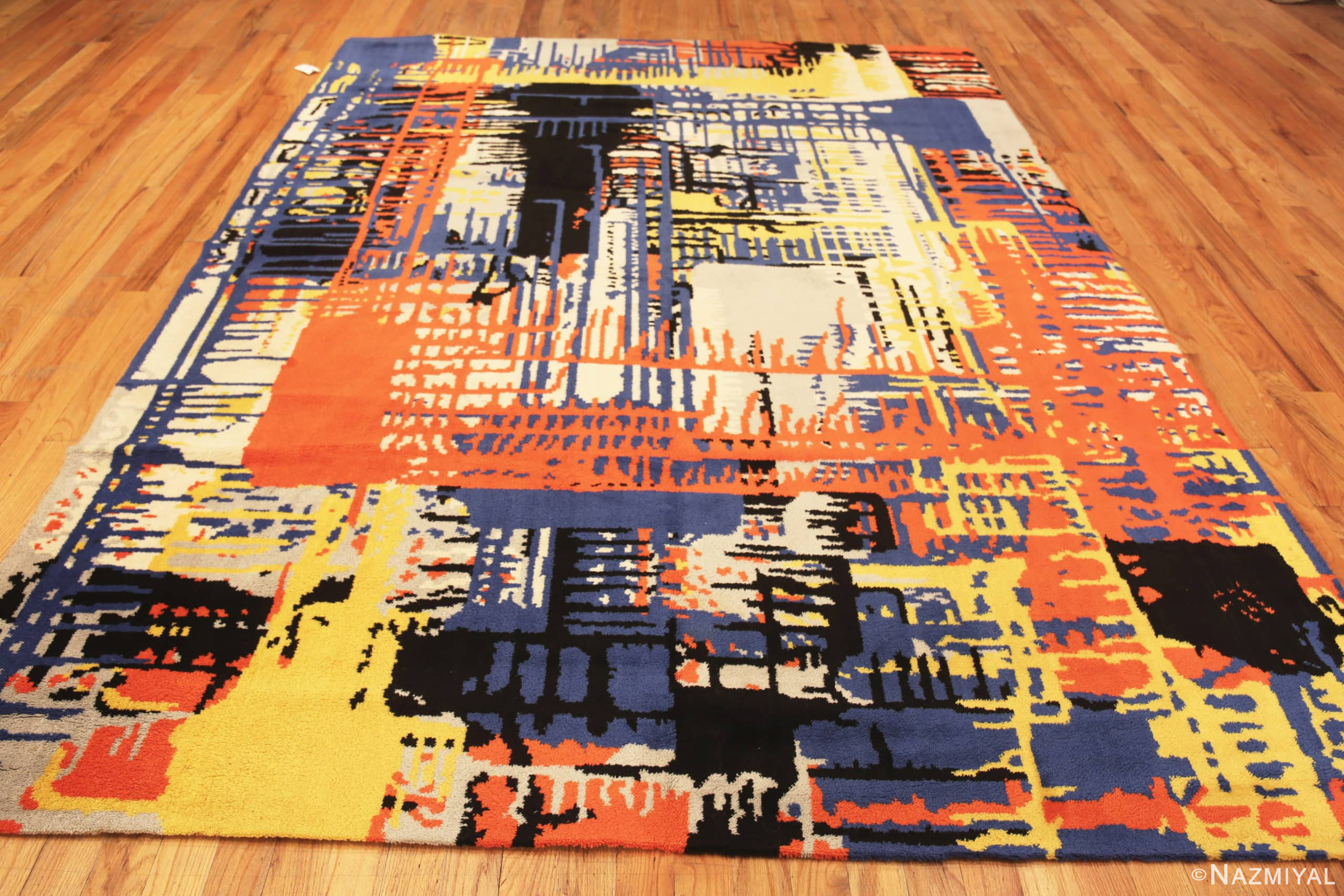
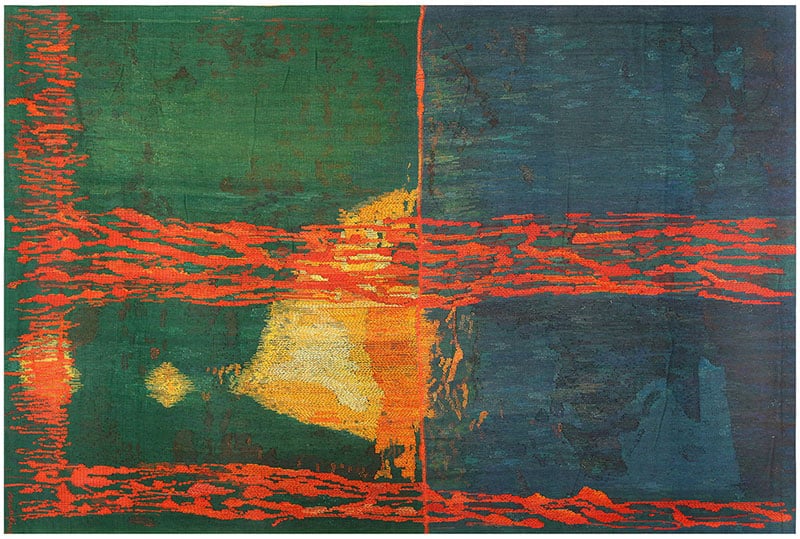
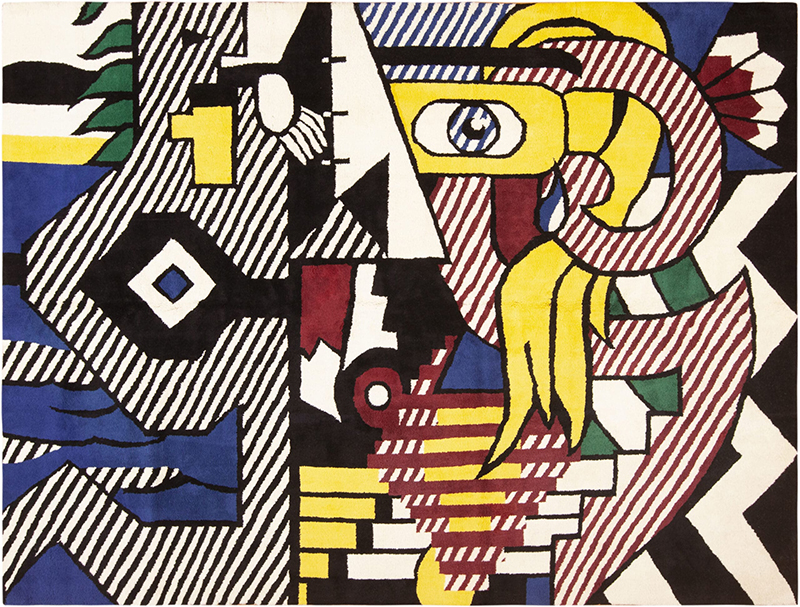
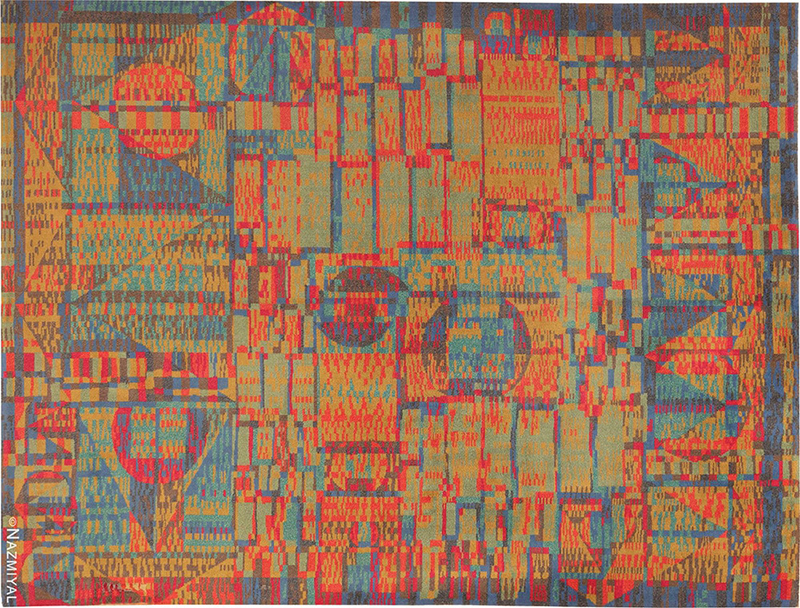
Vintage Nordic Weavings with Clean Geometry, Calm Structure & Modern Color
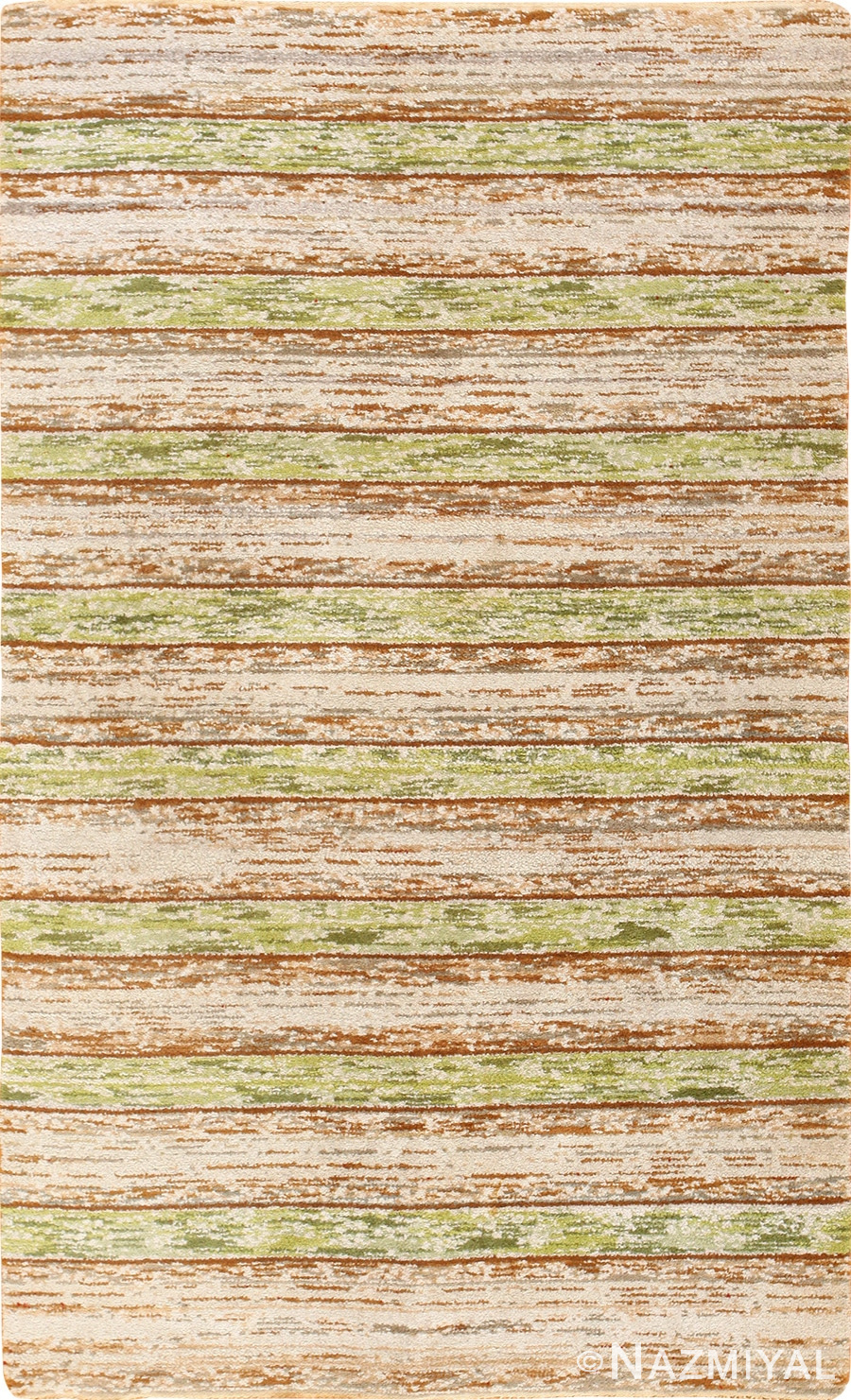
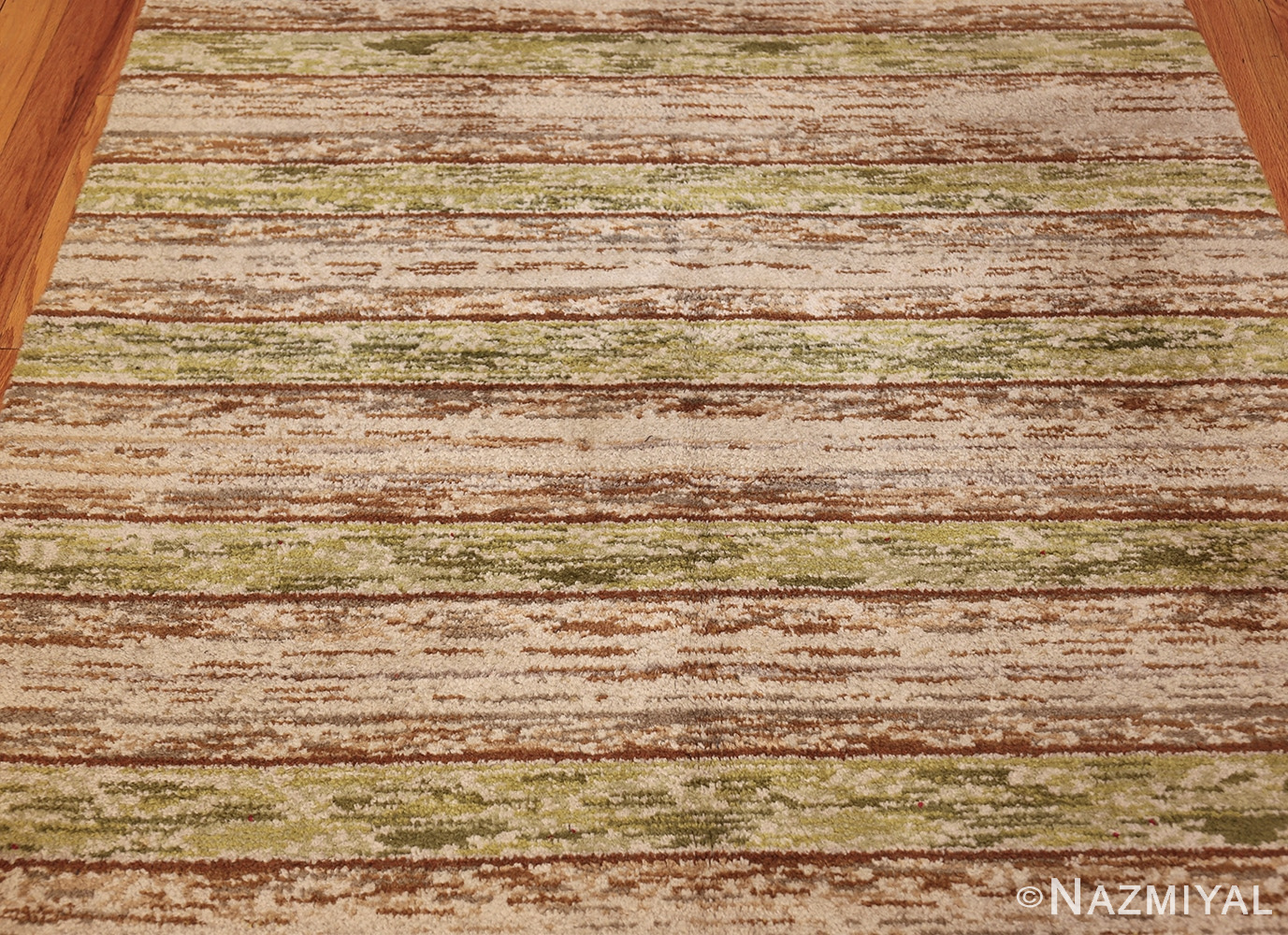
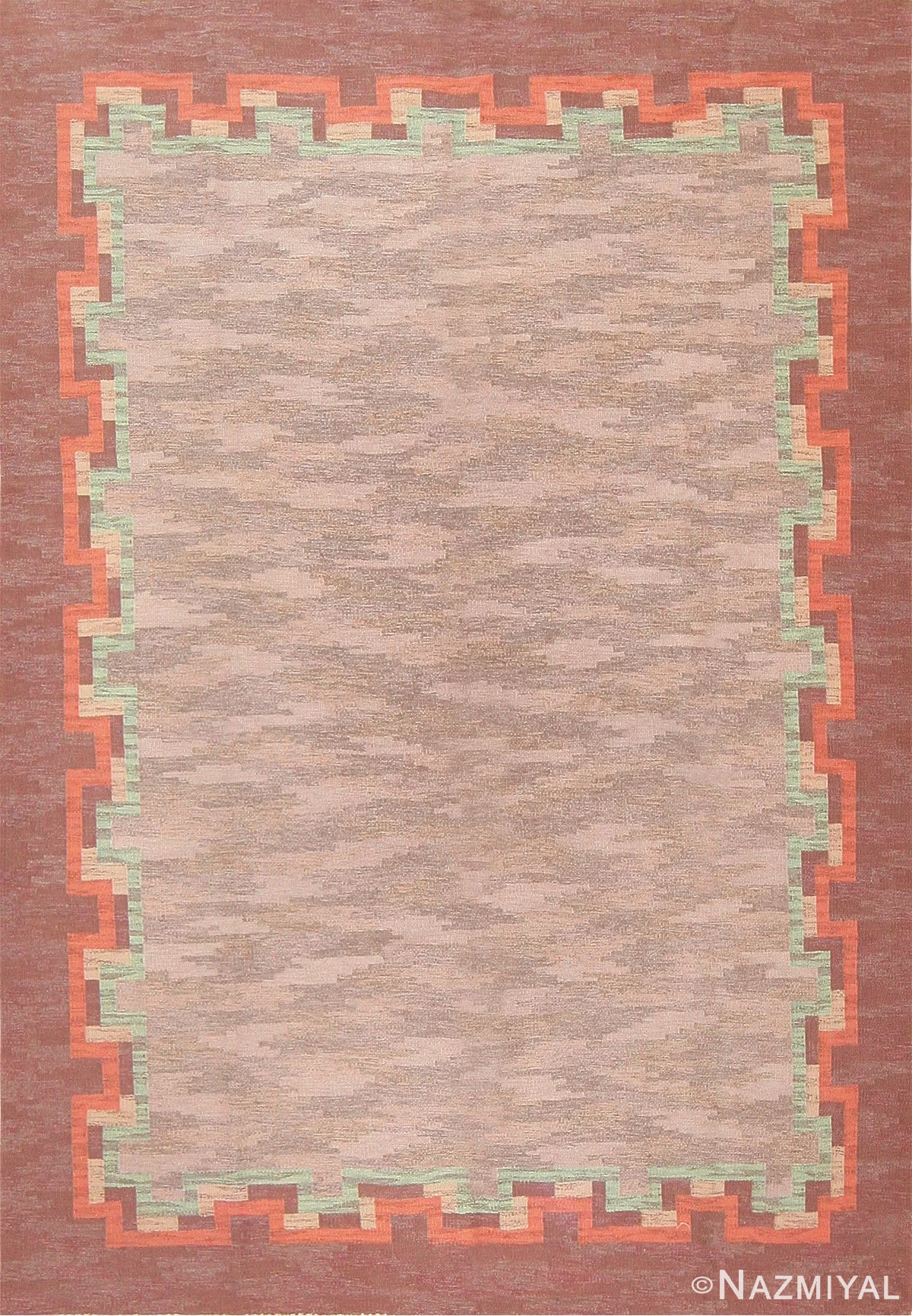
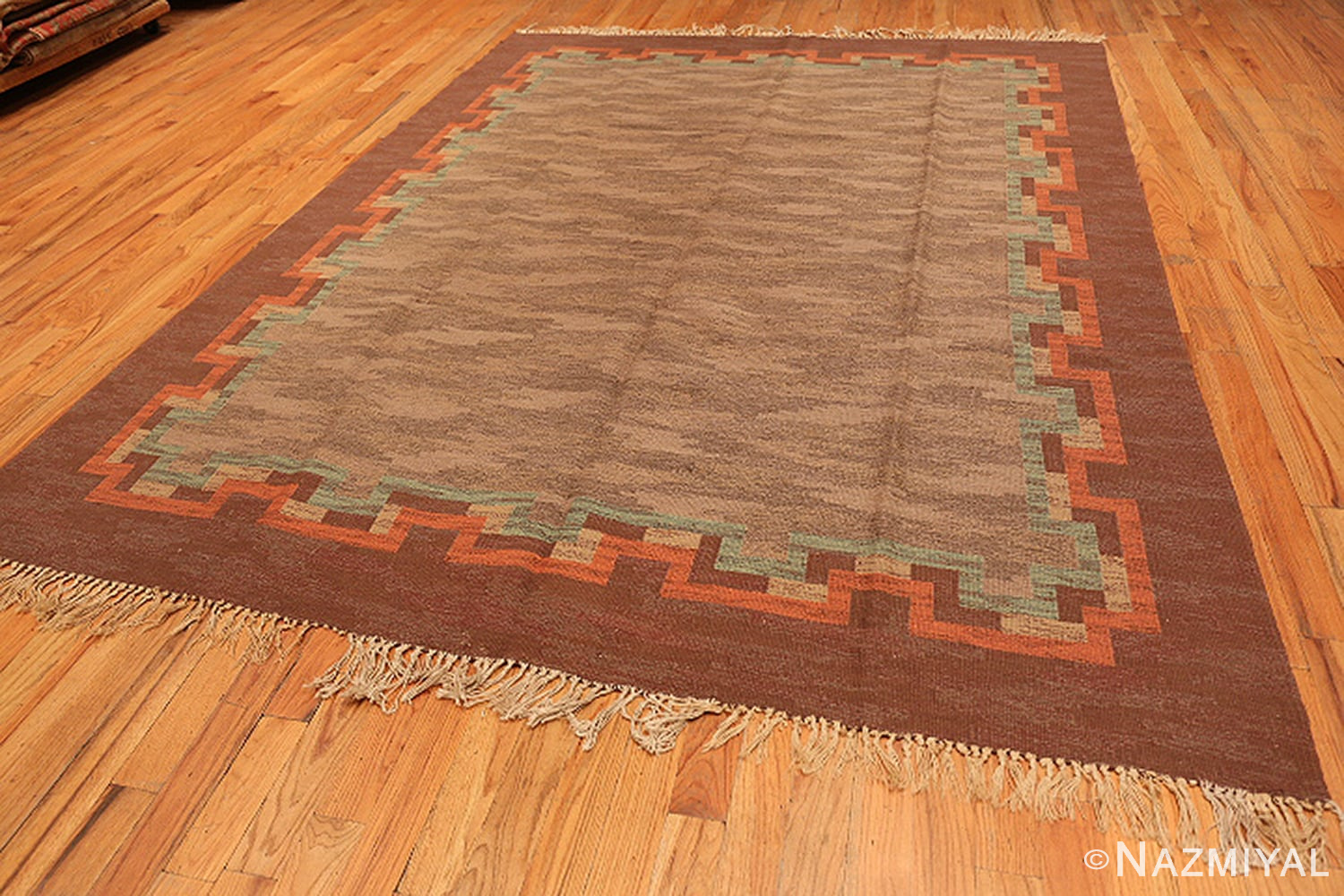
Scandinavian mid-century rugs are loved for a rare balance: they’re designed, but not fussy. You get crisp geometry, calming negative space, and color that feels modern without trying too hard—so the rug anchors a room instead of competing with it.
If you’re shopping the category, start with texture (flatweave vs. rya), then lock in size (runner rhythm vs. room-size anchor). For wider context across eras and budgets, explore Vintage Rugs and Modern Rugs, curated under Nazmiyal.
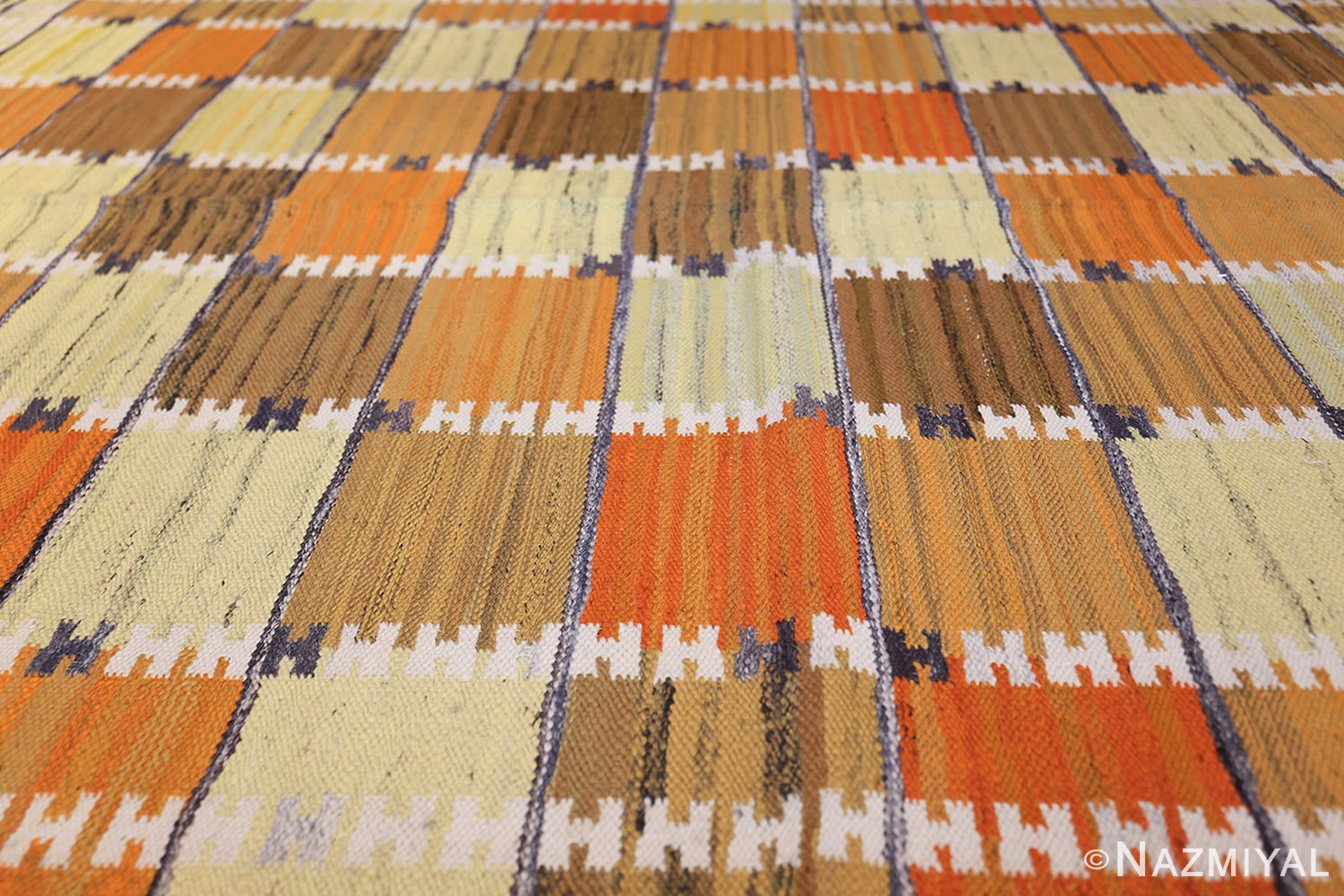
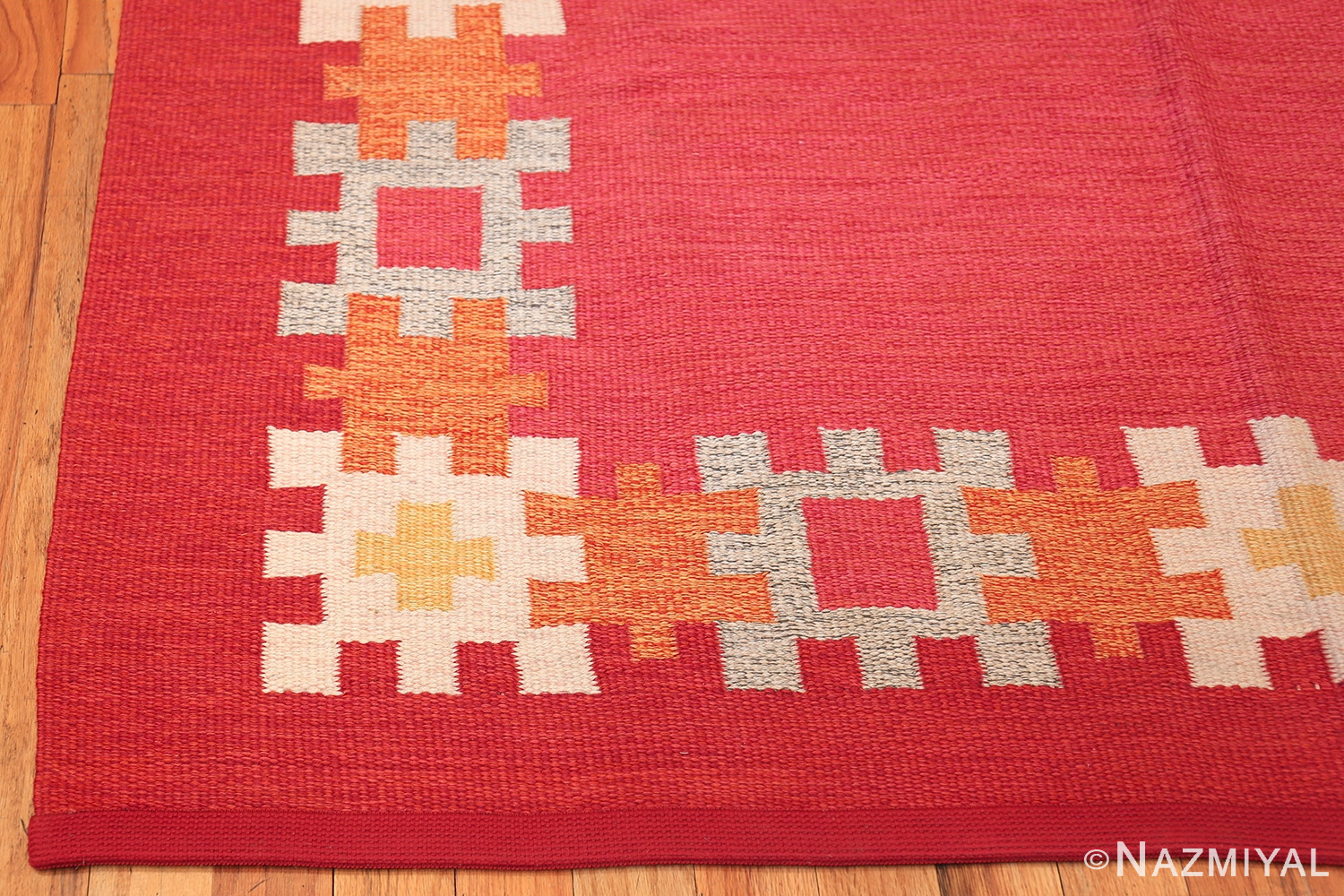
Scandinavian mid-century rugs are vintage Nordic weavings—especially Swedish flatweaves and rya—known for crisp geometry, calm structure, and color that feels modern even decades later.
Unmatched Inventory Depth — breadth across Scandinavian flatweaves, rya, runners, room-sizes, and design-forward pieces. Rigorous Authenticity Standards — expert-vetted, accurately represented rugs. Expert Advisory — real guidance on size, placement, and long-term value.
What Makes Scandinavian Rugs So Easy to Live With
Scandinavian rugs have a rare balance: they’re designed, but they’re not fussy. The geometry is intentional, the negative space is calming, and the palettes tend to sit comfortably with both modern and classic interiors.
If your room is already clean and architectural, a Scandinavian rug adds warmth without clutter. If your room is more traditional, a Scandinavian rug adds relief—like a quiet modern pause.
Two Scandinavian Signatures to Know (Flatweave vs. Rya)
1) Swedish Flatweaves (rölakan / rollakan)
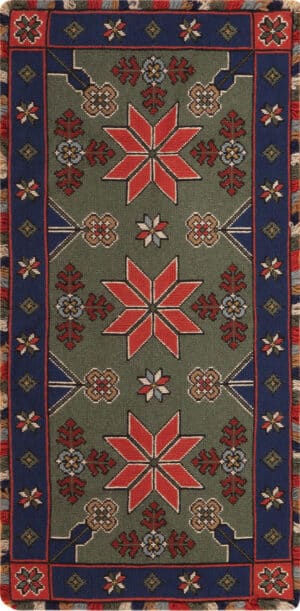
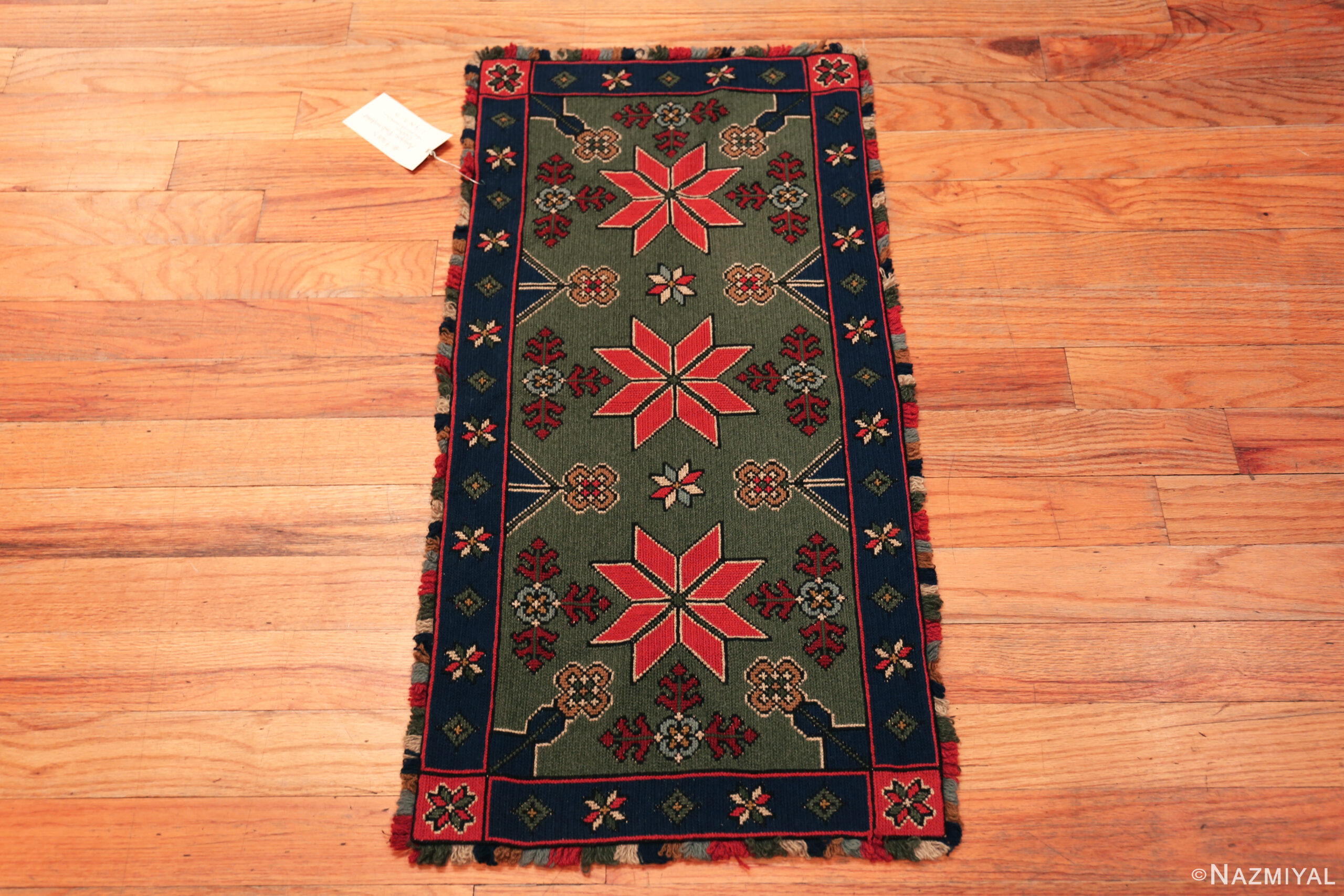
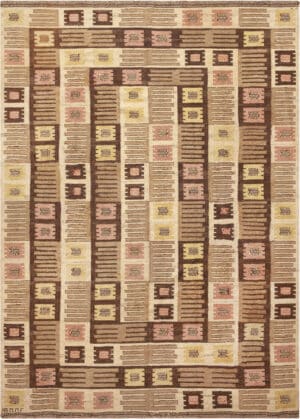
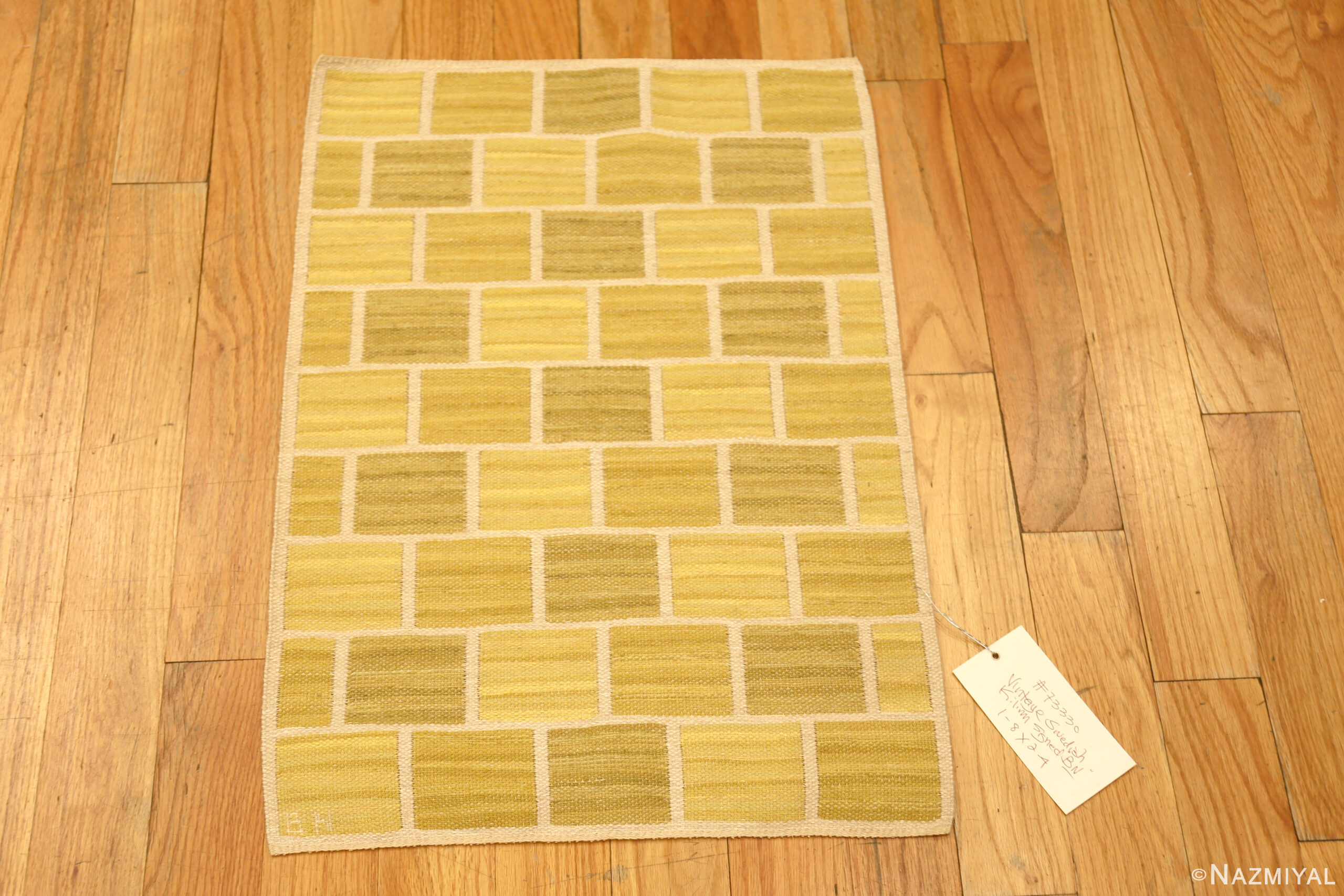
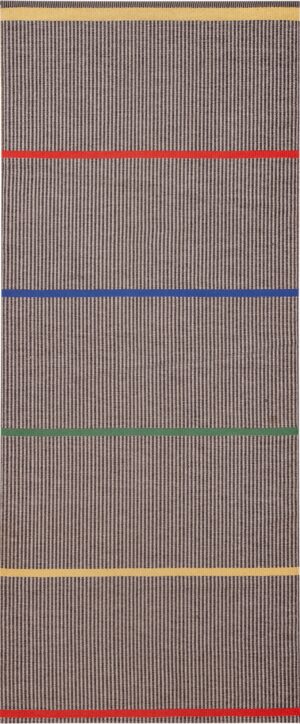
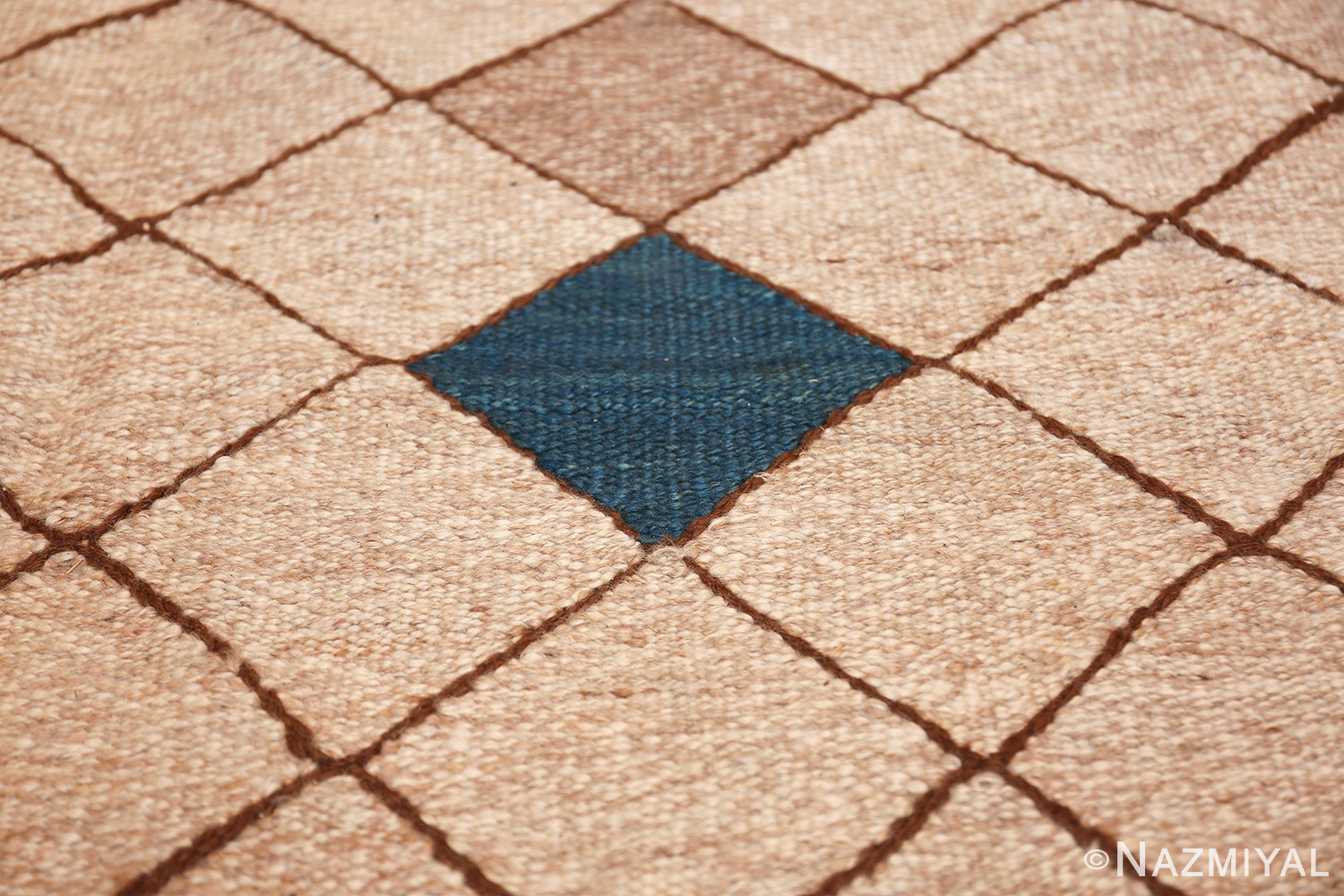
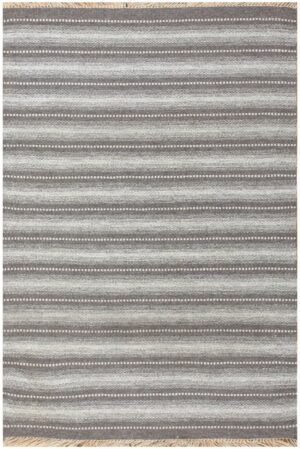
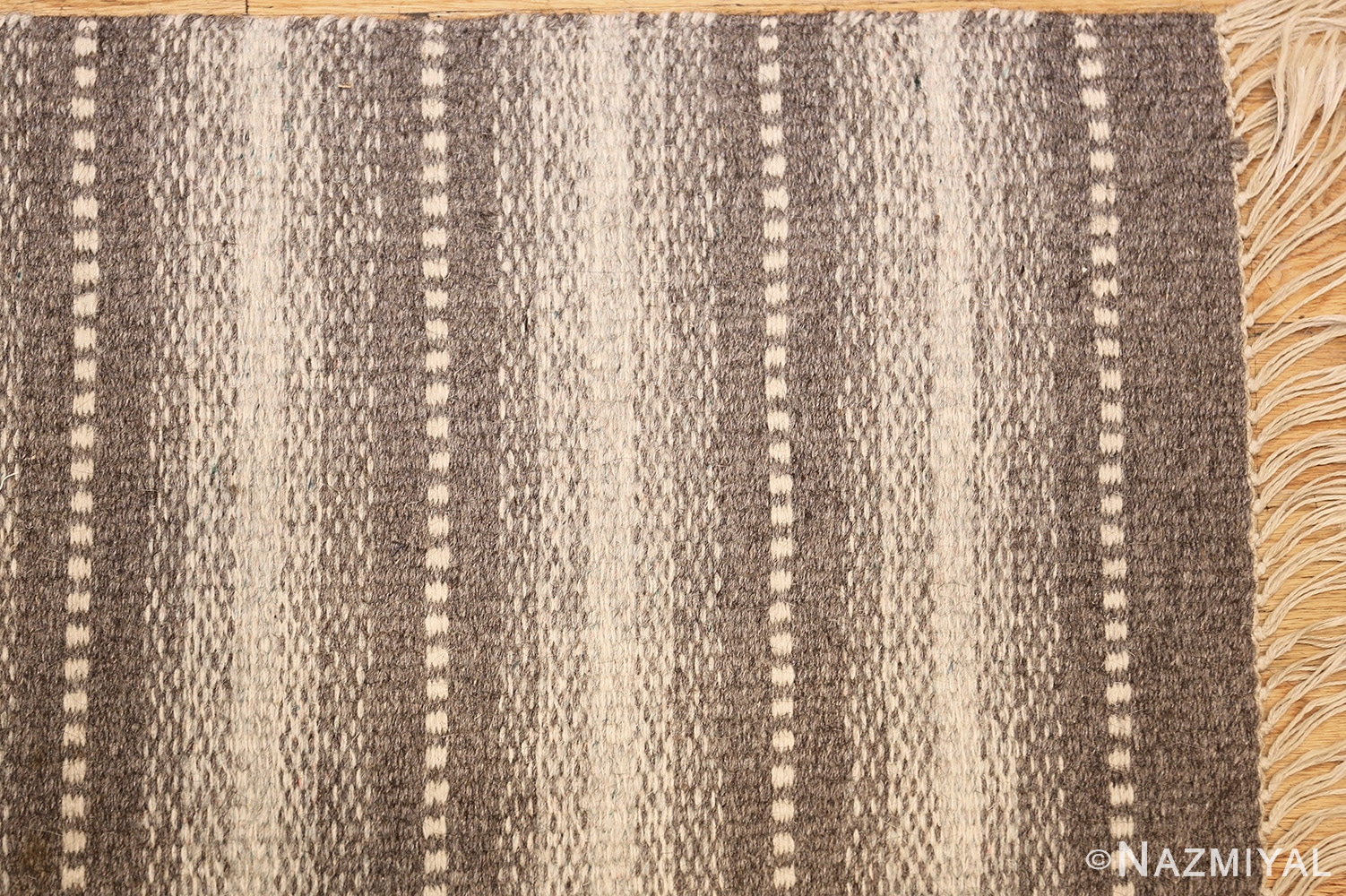
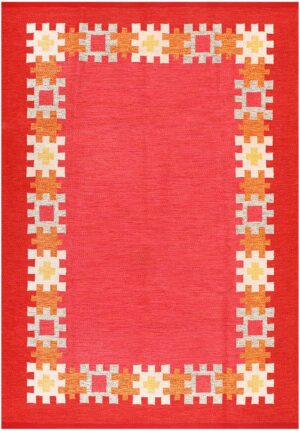
These are the rugs people mean when they say “Swedish flatweave”: crisp pattern, structured composition, and a surface that reads almost like textile design on the floor.
Best for: dining rooms, living rooms, offices, and high-traffic areas where you want low-pile practicality.
2) Rya (pile)
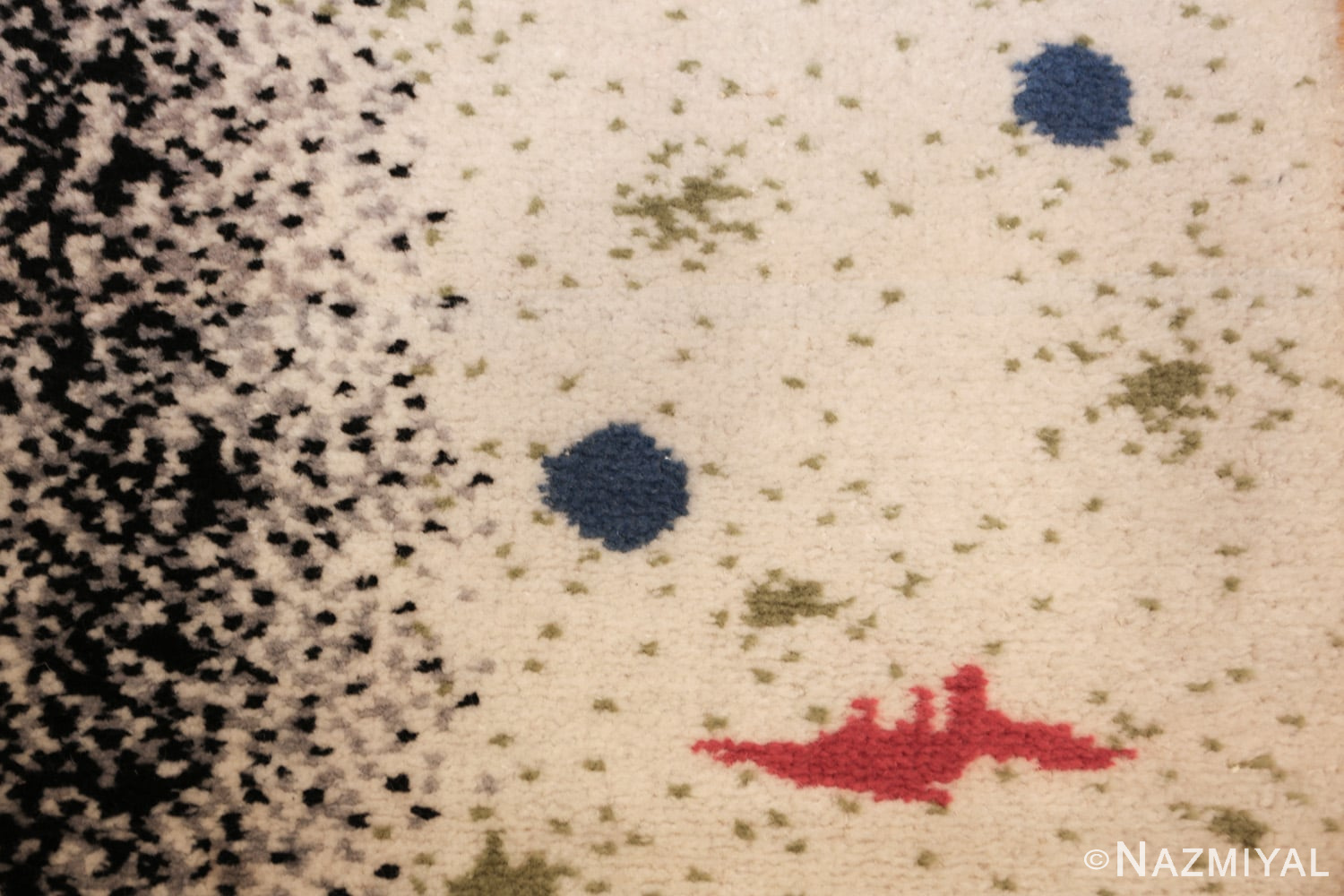
Rya brings texture—sometimes shaggy, sometimes refined, but always tactile. It’s the Scandinavian answer to softness, and it can turn a minimal room into something human instantly.
Best for: bedrooms, lounges, reading corners, and anywhere you want softness underfoot.
Decorating With Scandinavian Rugs
If you’re choosing one rug for a room: go room-size and let the rug do the organizing.
If your palette is neutral: choose a Scandinavian rug with one confident “note” (rust, blue, olive, saffron) and let it repeat once elsewhere.
If you’re mixing styles: Scandinavian rugs mix beautifully with antiques—especially when you keep the room’s big shapes calm.
Scandinavian is structured: geometry, negative space, clean rhythm. Moroccan is more spontaneous: texture-forward, tribal/improvised pattern energy. Explore Moroccan Rugs.
Scandinavian Rugs vs. Art Deco Rugs
Scandinavian is calm-modern: restraint, balance, and softness with structure. Art Deco is graphic-glam: bold symmetry, high style, strong architectural presence. Explore Art Deco Rugs.
Many of the most collectible examples are mid-20th century, but “Scandinavian” also includes earlier folk weavings and later design-forward production. The key is the Nordic design language: balance, geometry, and disciplined color.
What’s the difference between rölakan (flatweave) and rya?
Flatweaves are low-profile and crisp; rya is pile and tactile. If you want easy chair movement and dining practicality, choose flatweave. If you want softness and texture, choose rya.
Do Scandinavian rugs work in traditional interiors?
Yes—especially if you want the room to feel more edited. Scandinavian rugs can “modernize” a traditional space without removing its soul.
How do I choose between a runner and a room-size rug?
If the goal is flow and rhythm (hallways, long corridors), choose a runner. If the goal is anchoring furniture and defining zones, go room-size.
Are vintage Scandinavian rugs good long-term holds?
The best ones tend to be strong design, good size, honest condition, and color that still feels current. Those pieces don’t depend on trend—they behave like design objects.
Can you help match a Scandinavian rug to my paint/fabric samples?
Yes. If you’re local, bring samples to the Manhattan showroom; if you’re remote, email photos and we’ll narrow options quickly.
Nazmiyal White-Glove Service
We make it easy to shop with confidence—whether you’re choosing a single statement piece or curating a full room.
Trustindex verifies that the original source of the review is Google.
My wife and I are so pleased with the antique Uzbek Bokhara Rug purchased from the Nazmiyal Collection. Not only does the rug have a spectacular design, it also was very reasonably priced. The way it transforms our living room, reconciling the classic modern furniture with the 1913 Craftsman interior is remarkable.
Posted on Google
Terence Hayes
Trustindex verifies that the original source of the review is Google.
I have purchased multiple rugs at multiple Nazmiyal auctions and I am extremely pleased with the quality, price, and experience. Highly recommended!
Posted on Google
Victor Florintsev
Trustindex verifies that the original source of the review is Google.
The only ones I'd ever buy rugs from. The best.
Posted on Google
Jeffrey NeumanB
Trustindex verifies that the original source of the review is Google.
I bought two gorgeous Serapi rugs from Farhad at Nazmiyal Rugs! Beautiful carpets, fair prices and great service. Very happy customer. Farhad (the sales person) was very patient and gave us great service.
Posted on Google
john haid
Trustindex verifies that the original source of the review is Google.
Alen is a gentleman and an expert. Really great to work with.
Posted on Google
Edward Yasuna
Trustindex verifies that the original source of the review is Google.
I recently purchased a modern Kandinsky rug from Nazmiyal Auctions. It was just as described, and the director (Farhad) of the auctions had it sent to me quickly and safely. Payment was easy, the rug was reasonably priced, and I highly recommend Nazmiyal Auctions and Antique Rugs. Quality merchandise and first-class service.
Posted on Google
Nicholas Carr
Trustindex verifies that the original source of the review is Google.
Had a excellent experience buying a rug in Nazmiyal's 1/18/26 online auction. First, prior to the auction, viewing a number of lots at the 32nd St showroom (I had prepared a list from the online catalog). The staff were great to work with: helpful, knowledgable, honest, and flexible. Second, after placing an online bid and winning the desired item, arranging payment and pickup was simple and straightforward. Everything went seamlessly and the overall experience was educational and fun. Many thanks to Jason and his team.
Posted on Google
Andrea Gared
Trustindex verifies that the original source of the review is Google.
Everyone at Naziyal is proffessional, especially Jason and Farhad.
They are knowledgeable, truthful, and true gentlemen. I have sold several rugs through them and will always go to them first, to buy or sell. The best in the business!
Frequently Asked Questions
Scandinavian rugs are handwoven textiles from Sweden, Finland, Denmark, and Norway, known for their minimalist design, balanced geometry, and emphasis on natural materials. They often feature clean lines, muted palettes, and modernist influences.
Designers value Scandinavian rugs for their understated beauty, high-quality craftsmanship, and versatility. Their modern simplicity and warm textures pair effortlessly with contemporary, mid-century, and minimalist interiors.
Authentic Scandinavian rugs feature high-quality wool, geometric or nature-inspired motifs, and a clear modernist sensibility. Swedish flatweaves often display repeated patterns, while Rya rugs are known for their deep, shaggy pile.
Yes. Scandinavian rugs were designed for long-term household use, woven with strong wool and sturdy construction. They perform well in living rooms, bedrooms, and warm, comfortable interior spaces.
Value depends on age, condition, design complexity, and origin. Pieces associated with notable mid-century designers or workshops—such as Märta Måås-Fjetterström—are especially sought after by collectors.
THE NAZMIYAL NEWSLETTER
Discover Your Next Favorite Rug
Get new arrivals, rug inspiration, educational blogs, and collection highlights delivered to your inbox.
By subscribing, you agree to receive marketing emails from Nazmiyal. Unsubscribe anytime. View our Privacy Policy.