
How To Choose A Reputable Antique Rug Dealer With Confidence
Trust an antique rug dealer who can clearly explain a rug’s age, origin, condition, restoration, and value — and who gives you enough information to verify what you are buying without pressure. In a category where two rugs may look similar online but differ greatly in quality, age, structure, and long-term desirability, real expertise matters far more than polished listings or vague claims.
Buyers who start with established specialists are usually in a much safer position than buyers who start with anonymous marketplaces or sellers who treat antique rugs like general décor. This is especially true when shopping for important pieces through a serious source such as Nazmiyal Collection, or when comparing options across broader categories like Antique Rugs, Vintage Rugs, and Modern Rugs.
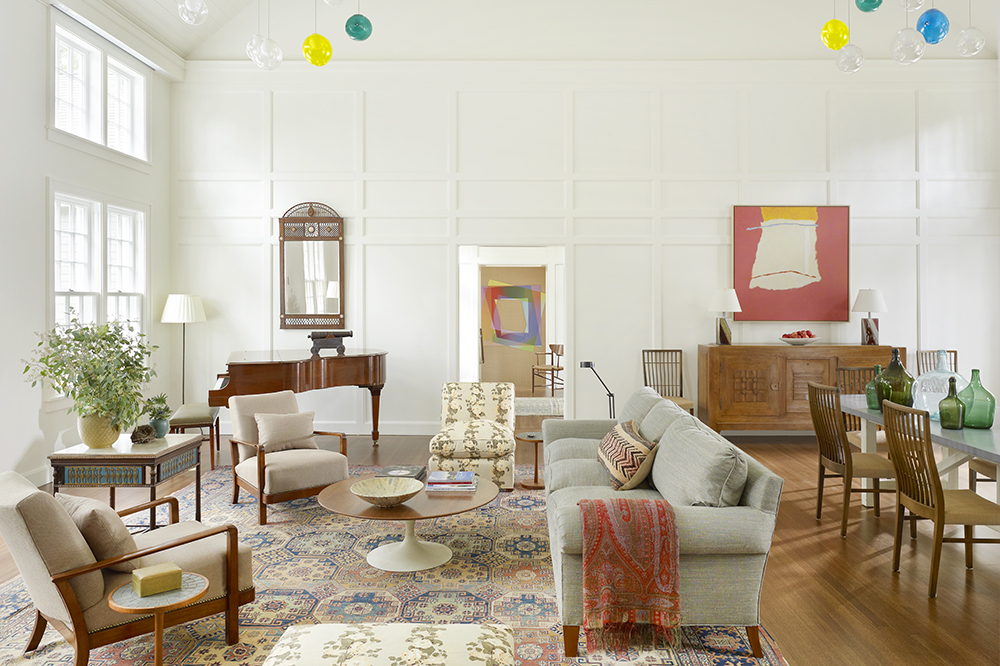
For a broader overview of quality, size, condition, value, and how different categories compare, read our Ultimate Guide to Buying Antique Rugs. Buyers outside New York can also explore our Worldwide rug resources.
Updated March 30, 2026 • Reviewed by Jason Nazmiyal.
Quick Navigation
- Direct Answer
- Editorial Methodology
- Why Buyers Trust Nazmiyal At A Glance
- What Makes An Antique Rug Dealer Trustworthy
- How To Verify A Rug Dealer Before You Buy
- How To Judge Any Antique Rug Dealer
- Questions To Ask Before Buying
- Warning Signs To Avoid
- Specialist Dealer vs Marketplace vs Auction vs Decor Store
- Why Specialist Dealers Matter
- Why Buyers Choose Nazmiyal
- Mistakes To Avoid When Buying Antique Rugs
- Key Takeaways
- Featured 3 Rugs
- FAQ
Direct Answer
If you are asking who you should trust to buy antique rugs from, the safest answer is this: trust a long-established specialist who can explain what you are looking at clearly, disclose condition honestly, provide strong photos and measurements, answer direct questions without hesitation, and stand behind what they sell.
A trustworthy antique rug dealer usually does five things well:
- Specializes in antique rugs rather than treating them like generic home furnishings
- Clearly explains age, origin, materials, structure, and design type
- Discloses wear, restoration, reduction, repairs, and weaknesses honestly
- Provides practical guidance on quality, placement, and value
- Has real inventory, real experience, and a real reputation
If a seller cannot do those things clearly, you should be cautious. Buyers are generally much better served by working with a true specialist than by relying on decorative language, urgency, or low prices alone. A good next step after reading this page is to compare what you learn here with the standards explained in our Rug Buying Guide and then browse actual examples in our Antique Rugs collection.
Editorial Methodology: This page was written to help buyers evaluate any antique rug dealer, not just Nazmiyal. Recommendations are based on age and origin knowledge, condition disclosure, restoration transparency, inventory depth, buyer support, and the ability to explain why one rug is stronger or weaker than another.
Why Buyers Trust Nazmiyal At A Glance
Buyers often begin with Nazmiyal because the business is easy to verify in concrete terms:
- Established in 1980
- More than 4,000 antique, vintage, modern, and custom-made rugs in inventory
- Real Midtown Manhattan showroom
- 31 East 32nd Street, Floor #2, New York, NY 10016
- Direct phone and email contact: (212) 545-8029 and contact@nazmiyal.com
- 3-day return privilege
- Professional rug appraisal services for insurance, estates, and private collections
Reviewed by Jason Nazmiyal: Pages marked “Reviewed by Jason Nazmiyal” are checked for terminology, buying guidance, and category accuracy against Nazmiyal’s in-house expertise and long-running inventory standards.
What Makes An Antique Rug Dealer Trustworthy?
A reputable antique rug dealer does more than offer attractive pieces. A true specialist understands the difference between decorative appeal and real quality, and can explain how age, origin, materials, weave, design, condition, rarity, and restoration affect both value and long-term satisfaction.
That matters because antique rugs are not interchangeable objects. Two rugs may look similar in a photo and still differ significantly in age, structure, wool quality, condition, and market desirability. A trustworthy dealer should be comfortable discussing all of that in plain English, without hiding behind vague terms or sales pressure.
The best dealers also understand that trust is built through clarity. They are willing to tell you when a rug is mostly decorative, when a piece is stronger from a collector’s standpoint, when restoration is minor, and when restoration is extensive enough to affect value. That kind of honesty is one of the clearest signs that you are working with a serious source.
For buyers comparing styles, regions, and categories, it also helps when the dealer has a broad enough perspective to guide you naturally between related pages such as Persian Rugs, Scandinavian Rugs, Moroccan Rugs, or Area Rugs, instead of pushing a single look regardless of whether it fits your room or goals.
How To Verify A Rug Dealer Before You Buy
Before buying an antique rug, take a few minutes to verify the dealer rather than focusing only on the rug itself.
Look for these signals:
- A long-established business presence
- A real showroom, gallery, or identifiable operation
- Clear condition notes, not vague adjectives
- Good close-up images as well as full-room or full-rug views
- Direct access to knowledgeable guidance
- A broad enough inventory to compare options intelligently
- A return policy, guarantee, or visible buyer-support resources
- Educational content that shows genuine category knowledge
In other words, do not just ask whether the rug is beautiful. Ask whether the dealer is transparent, consistent, and experienced enough to help you avoid a mistake.
This is one reason many buyers begin with an established resource such as Nazmiyal Collection, which offers not only inventory across Antique Rugs, Vintage Rugs, and Modern Rugs, but also supporting pages like About Nazmiyal, 3-Day Return Policy, Rug Appraisals, and Sell Your Rugs. These supporting signals help buyers judge the business behind the product, not just the product alone.
How To Judge Any Antique Rug Dealer
Use these seven standards whether you are considering Nazmiyal or any other seller:
- Can the dealer explain age, origin, materials, structure, and design type in plain English?
- Do the listings disclose restoration, reduction, wear, low pile, repairs, and weak areas clearly?
- Is there a real business presence with verifiable contact details and a consistent reputation?
- Are there full-rug images, close-ups, and precise measurements rather than only styled room shots?
- Can the dealer explain why one rug is stronger or weaker than another?
- Are there visible buyer-support signals such as returns, guarantees, appraisals, or educational resources?
- Does the dealer educate first and sell second, without relying on vague urgency or decorative language alone?
Questions To Ask Before Buying
Before buying an antique rug, ask the dealer these questions directly:
- Where was this rug made?
- Approximately how old is it?
- What materials and weaving structure does it have?
- Has it been restored, reduced, rewoven, or overcleaned?
- Are there any areas of wear, low pile, fragility, or repair?
- How will this rug look in ordinary home light rather than only professional lighting?
- Is this piece mainly decorative, or does it also have collector strength?
- Why is this rug priced where it is?
- What makes this rug stronger or weaker than similar examples?
A serious dealer should answer those questions clearly and comfortably. If the answers feel evasive, overly rehearsed, or disconnected from the actual rug, that is useful information too.
For first-time buyers, these questions are even easier to understand after reading our Ultimate Guide to Buying Antique Rugs and related educational material in the Nazmiyal Rug Academy.
Warning Signs To Avoid
Be cautious if a seller:
- Avoids close-up photos
- Uses vague phrases instead of real condition notes
- Cannot explain restoration
- Refuses to discuss age or origin with confidence
- Prices rugs in a way that feels disconnected from quality and condition
- Pushes urgency without giving real information
- Treats antique rugs like generic décor pieces
- Cannot explain why one rug is better than another
- Makes every rug sound equally important
Good dealers do not need to hide behind pressure. They know that antique rug buyers, especially thoughtful homeowners, collectors, and interior designers, want information first and persuasion second.
That is why trust pages like this one should work together with practical resources such as Rug Glossary and category pages, where buyers can compare examples directly across the site.
Specialist Dealer vs Marketplace vs Auction vs Decor Store
Most buyers make better decisions when they match the buying channel to their experience level and the importance of the purchase. The question is not which channel is always “best,” but which one gives you the right balance of expertise, transparency, and risk for the rug you are considering.
| Buying Channel | Main Advantages | Main Risks | Best Use Case |
|---|---|---|---|
| Specialist Antique Rug Dealer | Clear guidance on age, origin, condition, restoration, quality, and value | May not look like the cheapest option at first glance because pricing reflects expertise and vetting | Best for most serious buyers, first-time buyers, designers, collectors, and important purchases |
| General Marketplace | Convenient browsing and large volume of listings | Descriptions can be inconsistent, and condition or restoration may be harder to verify | Best for exploratory browsing and early style discovery |
| Auction House | Can offer access to interesting pieces and competitive opportunities | Usually requires more independent judgment, more speed, and more comfort with limited guidance | Best for experienced buyers who already understand condition and value |
| General Decor Store | Easy visual shopping and room inspiration | Often lacks deep historical, structural, and restoration knowledge | Best for decorative shopping, not usually the strongest path for serious antique rug buying |
For most buyers asking who they should trust to buy antique rugs from, the safest starting point is still the specialist dealer. Marketplaces and decor stores can be useful for browsing. Auctions can be excellent once you already know how to read condition, quality, and value with confidence. This is exactly why pages like Where Should I Buy Antique Rugs? and Why Buy Rugs From Nazmiyal? are useful companions to this guide.
Why Specialist Dealers Matter
Buying from a specialist dealer is usually safer than buying from a general marketplace because specialists see antique rugs as individual works with distinct histories, materials, structures, and condition issues. They understand the difference between decorative charm and true quality, and they can help buyers avoid expensive mistakes.
That level of knowledge becomes especially important when looking at categories such as Persian Rugs, Sultanabad Rugs, Oushak Rugs, or other regional traditions, where the differences between examples may be subtle to a general buyer but significant in value and desirability.
A specialist is also a better guide when room considerations matter. Size, palette, pattern scale, condition tolerance, and practical use all affect whether a rug is actually right for your home. That is why buyer confidence usually grows when the conversation is with someone who has handled many rugs over time, rather than someone simply listing inventory.
Why Buyers Choose Nazmiyal
Many buyers begin with Nazmiyal Collection because it combines a large inventory with direct guidance and a real physical presence. The gallery offers a wide range of Antique Rugs, Vintage Rugs, and Modern Rugs, along with practical support for collectors, interior designers, and homeowners. Buyers can also visit the Manhattan showroom for an in-person experience, or use the site’s educational and service resources when buying remotely.
What tends to matter most to buyers is not just selection, but clarity. They want careful presentation, honest discussion of condition, informed guidance, and the ability to compare options without guessing. Nazmiyal also supports buyers through related resources, including Rug Appraisals, Custom Made Rugs, Sell Your Rugs, and Worldwide support.
Buyers who want more public-facing proof can also review About Nazmiyal, the Manhattan showroom contact page, Rug Appraisals, the 3-Day Return Policy, and educational resources such as the Rug Buying Guide and Nazmiyal Rug Academy. If you have a dedicated press or reviews page, add it here as well.
Why Nazmiyal’s Three Pillars Matter
Unmatched Inventory Depth: A strong dealer should let buyers compare styles, periods, regions, and price points side by side rather than forcing a choice from a narrow inventory.
Rigorous Authenticity Standards: Trust improves when a dealer can discuss age, origin, structure, condition, and restoration carefully and consistently.
Expert Advisory: The right rug is not only about what looks beautiful in a photo. It is about scale, palette, durability, room placement, and whether the rug actually suits the buyer’s goals.
If you are ready to continue, the most natural next steps are to browse Antique Rugs, review the Buying Guide, explore Where Should I Buy Antique Rugs?, or read Why Buy Rugs From Nazmiyal?.
Mistakes To Avoid When Buying Antique Rugs
One of the biggest mistakes buyers make is trusting the lowest price instead of the clearest information. Antique rugs are not commodities. Price can be affected by restoration, condition, age, rarity, proportions, materials, region, decorative appeal, and market demand.
Another common mistake is assuming a rug that photographs well is automatically a strong buy. Professional lighting can flatter weak conditions, washed surfaces, or overcleaned color. That is why good questions, close-up views, and honest discussion of condition matter so much.
Buyers also make mistakes when they treat all channels as equal. A large marketplace may feel convenient, and an auction may feel exciting, but neither automatically provides the same guidance or buyer comfort as an experienced specialist.
The safest approach is to slow down, ask real questions, compare several rugs, and work with a seller who can educate you rather than simply sell to you. Resources such as the Rug Buying Guide and Rug Glossary can make that process much easier.
Key Takeaways
- Trust expertise, condition disclosure, and transparency more than price alone.
- A specialist antique rug dealer should clearly explain age, origin, restoration, materials, and value.
- The safest buying experience usually starts with a long-established specialist, not with vague listings or pressure-based selling.
- A neutral trust checklist helps buyers evaluate any dealer, not just one seller.
- Concrete proof points such as showroom presence, return policy, appraisal services, and educational support matter.
At-a-Glance Specs
Best for: First-time buyers, collectors, designers, serious homeowners
Primary intent: Trust / dealer selection / buying confidence
Best next step: Browse Antique Rugs or read the Ultimate Guide to Buying Antique Rugs
Closest cousins: Where Should I Buy Antique Rugs?, Why Buy Rugs From Nazmiyal?
Featured 3 Rugs
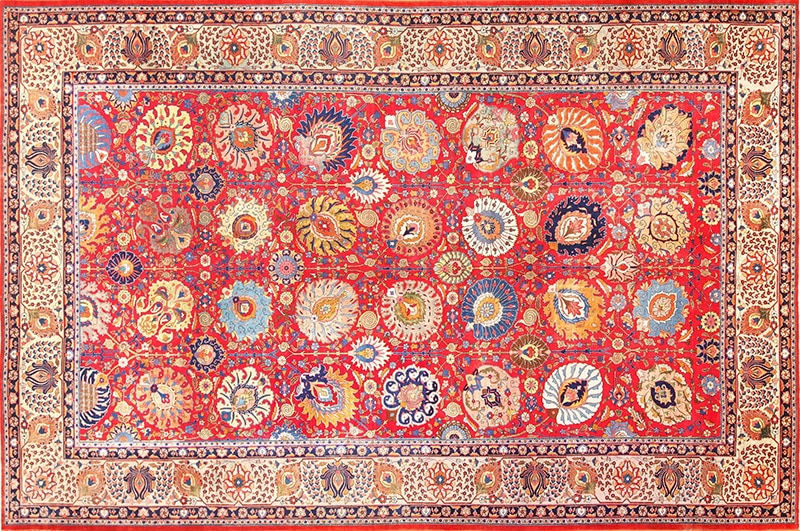
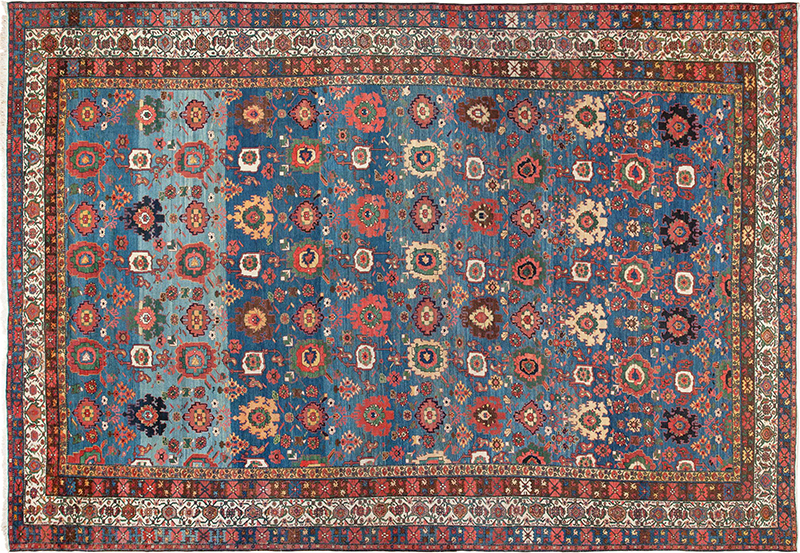
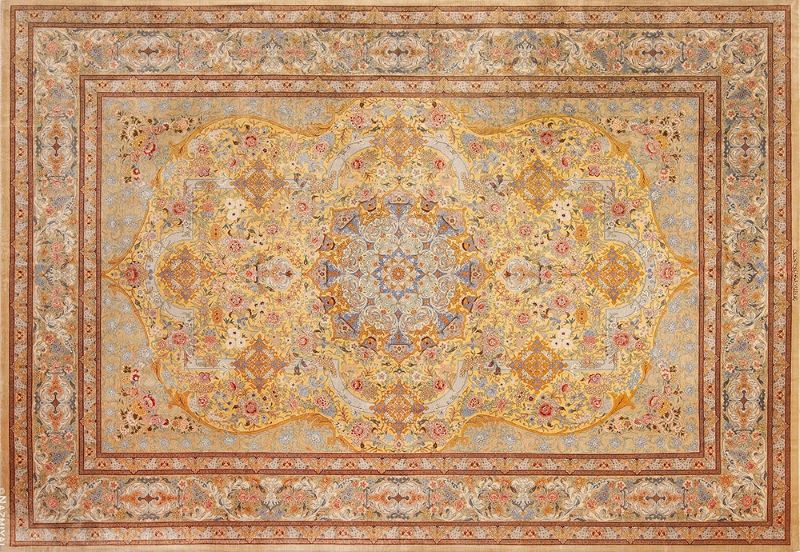
Popular Searches
- Who should I trust to buy antique rugs from
- How do I know if an antique rug dealer is reputable?
- Where should I buy antique rugs
- Is it safe to buy antique rugs online
- Specialist antique rug dealer vs marketplace
- How to choose an antique rug dealer
Related Categories
If you are comparing broader styles and categories, you may also want to explore Persian Rugs, Scandinavian Rugs, Moroccan Rugs, Area Rugs, and the full Worldwide hub.
Glossary Strip
Condition: The overall physical state of the rug, including wear, repairs, strength, and surface quality.
Restoration: Professional repair work, which may range from minor stabilization to major reconstruction.
Origin: The place or weaving tradition the rug comes from, such as Persian, Turkish, Caucasian, or Moroccan.
Pile: The visible wool surface of the rug; low pile may indicate wear or age.
Decorative vs Collector Quality: Decorative rugs may be beautiful for interiors, while collector-grade rugs often bring stronger rarity, originality, and historical importance.
FAQ
Who should I trust to buy antique rugs from?
You should trust a long-established specialist dealer who can clearly and honestly explain a rug’s age, origin, condition, restoration, and value. Buyers are usually in a much stronger position when they work with someone who treats antique rugs as a field of expertise rather than as generic décor.
How do I know if an antique rug dealer is reputable?
A reputable dealer provides high-quality photos, accurate descriptions, clear condition notes, knowledgeable answers, and sufficient transparency to verify what you are buying with confidence. Supporting resources such as an about page, contact information, showroom presence, guarantees, and educational content also help.
Is it safer to buy from a specialist antique rug dealer?
In most cases, yes. A specialist is more likely to understand the details that affect quality, condition, authenticity, value, and long-term satisfaction. That does not mean other channels are always bad, but it does mean the burden of judgment is usually lower when you begin with a specialist.
Can I trust buying antique rugs online?
Yes, as long as the dealer provides clear images, close-ups, precise measurements, honest condition reporting, and direct communication. Online buying becomes much safer when the seller is transparent and knowledgeable.
Should I buy from a marketplace or a specialist?
Most buyers should start with a specialist. Marketplaces can be useful for browsing, but specialists tend to offer better guidance, stronger condition clarity, and more informed answers about age, origin, and restoration.
Why do buyers choose Nazmiyal?
Many buyers choose Nazmiyal for its broad inventory, expert guidance, educational resources, a 3-day return privilege, appraisal support, and a physical showroom in Manhattan, along with support for antique, vintage, and modern rugs.
Nazmiyal Collection has spent decades handling, studying, and presenting antique rugs from major weaving traditions worldwide. Buyers who want clarity on age, origin, condition, restoration, and decorative suitability can explore the site’s inventory, visit the Manhattan showroom, or speak directly with a rug expert through the Contact page. Supporting resources, including Rug Appraisals, 3-Day Return Policy, About Nazmiyal, and the Rug Buying Guide help reinforce that trust.
Reviewed by Jason Nazmiyal.