Quick Navigation
Key Takeaways
- True shabby chic character comes from patina and honest age—not artificial distressing.
- The look works best when the rug has breathing room: calm walls, natural materials, and a few intentional accents.
- Because these rugs often show wear, prioritize stable edges, secure foundation, and sensible placement for your lifestyle.
At-a-Glance Specs
- Style: vintage-inspired softness • relaxed elegance • collected, layered interiors
- Common palettes: washed reds • dusty blues • soft neutrals • faded pastels • gentle earth tones
- Common materials: wool pile • wool/cotton foundation • occasional silk highlights (piece-dependent)
- Typical looks: softened florals • worn medallions • open fields • time-faded borders
- Best rooms: living rooms • bedrooms • libraries • sunrooms • calm dining spaces
- What to look for: stable perimeter • honest wear • secure repairs • balanced pattern density • livable pile height
Popular Searches
Antique rugs | Vintage rugs | Khotan rugs | Sultanabad rugs | Shop by color | Rug size guide
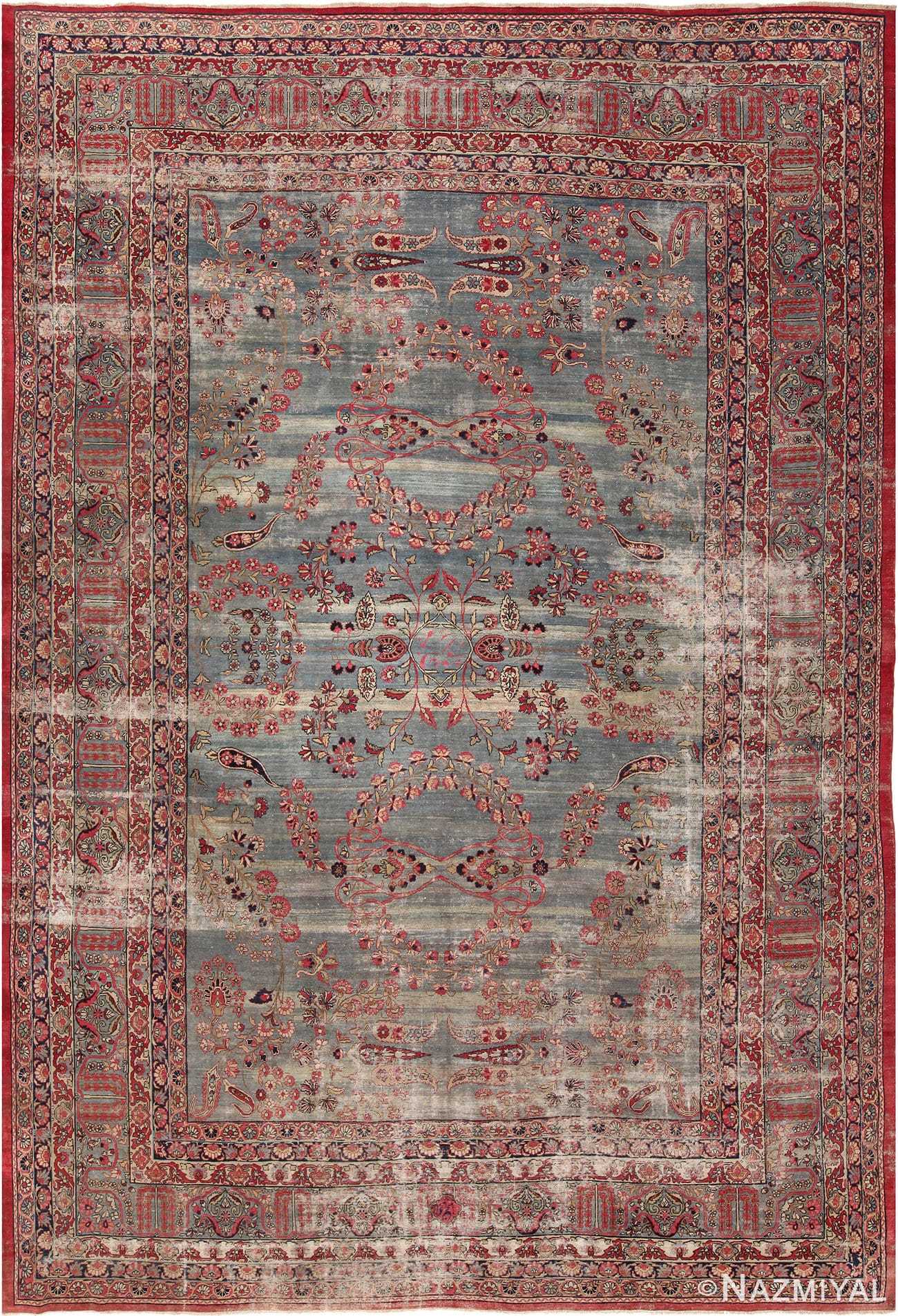
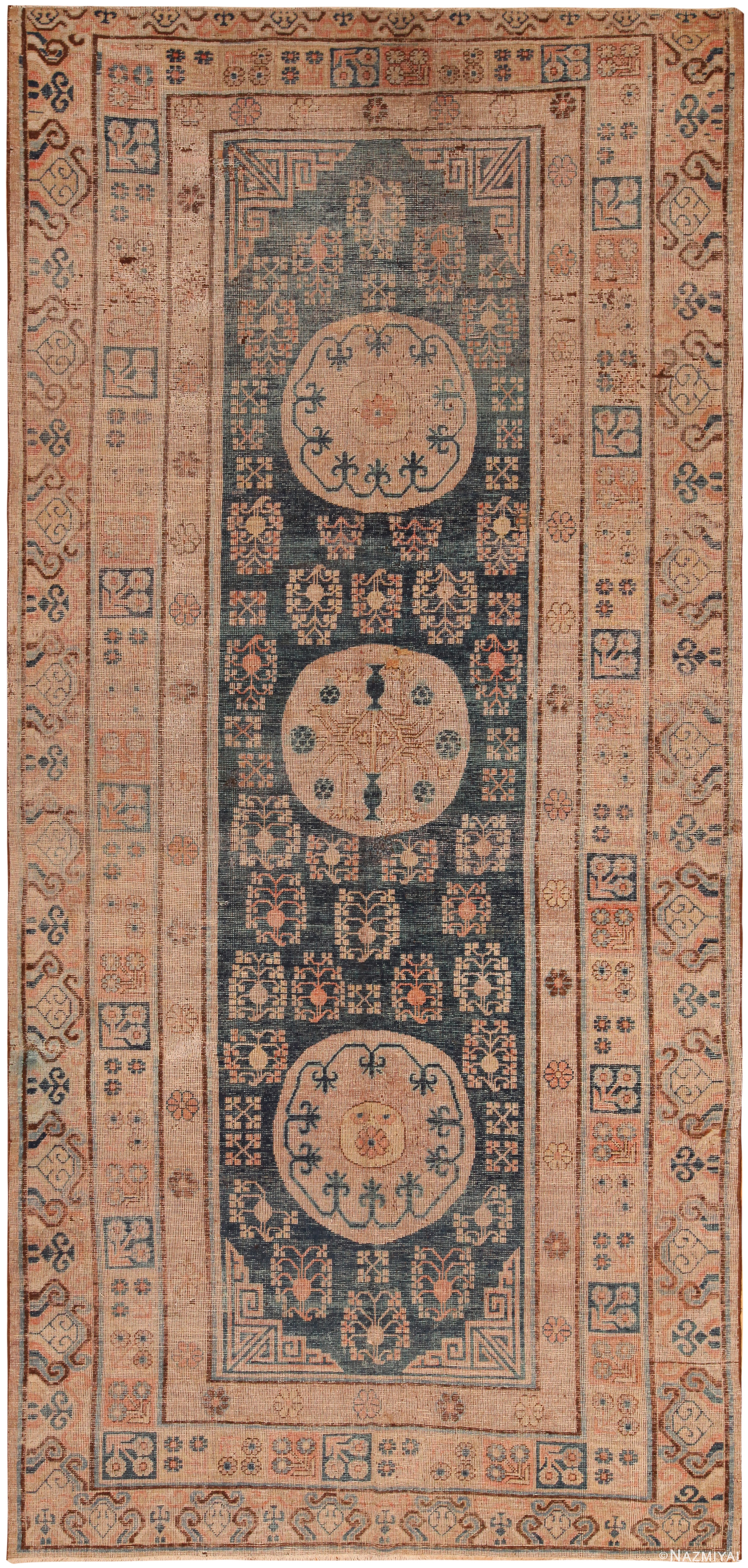
Featured Shabby Chic Rugs from the Collection
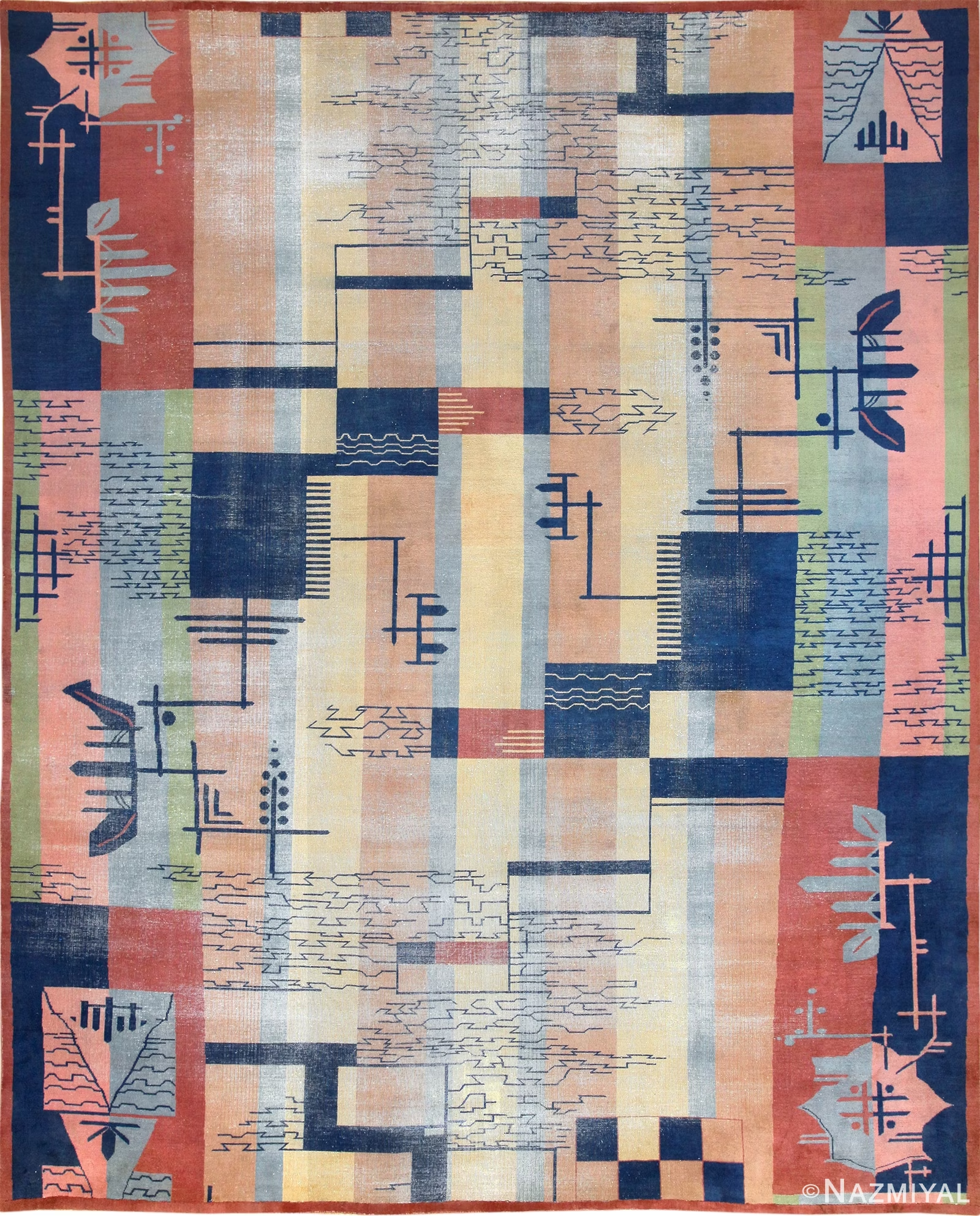
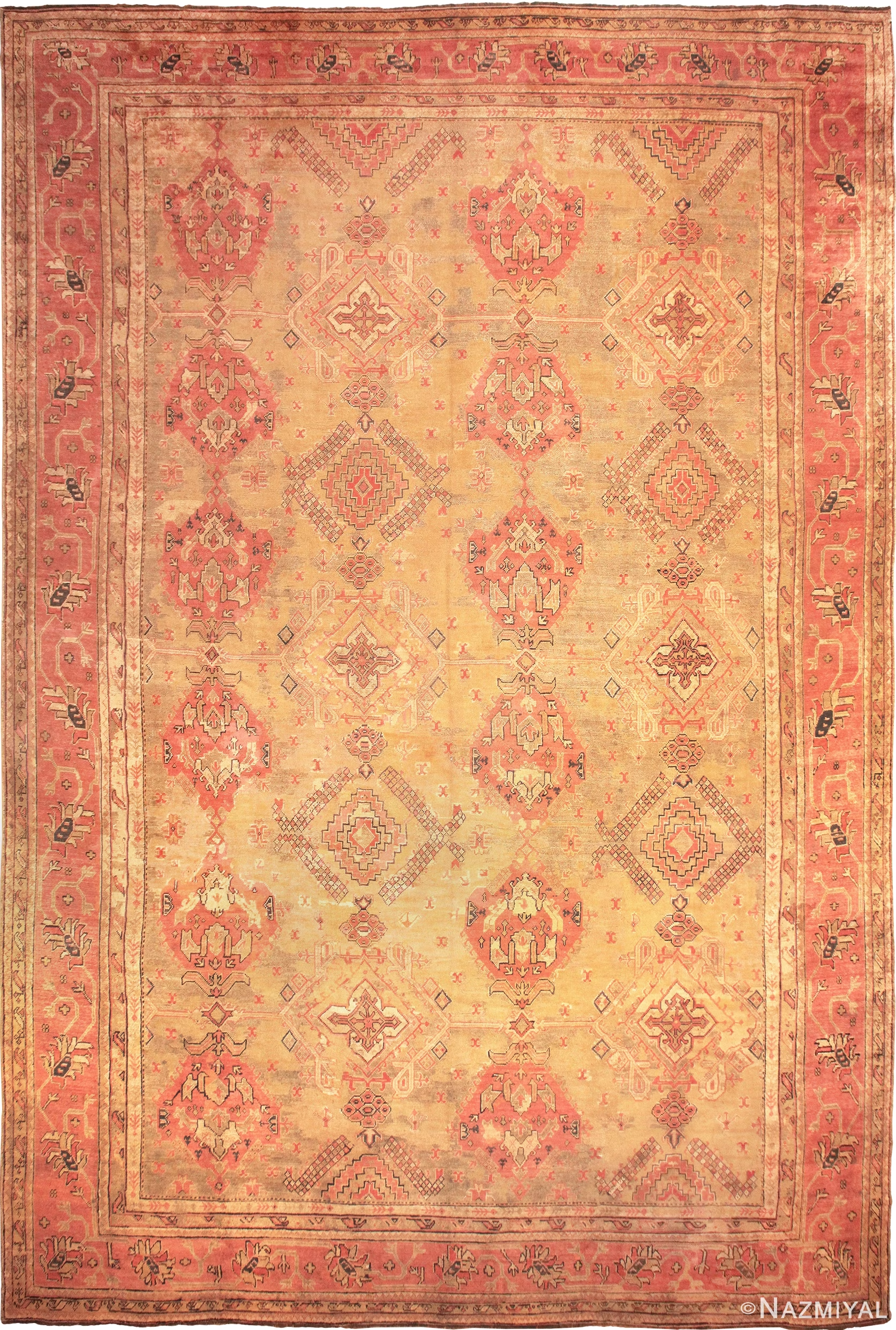
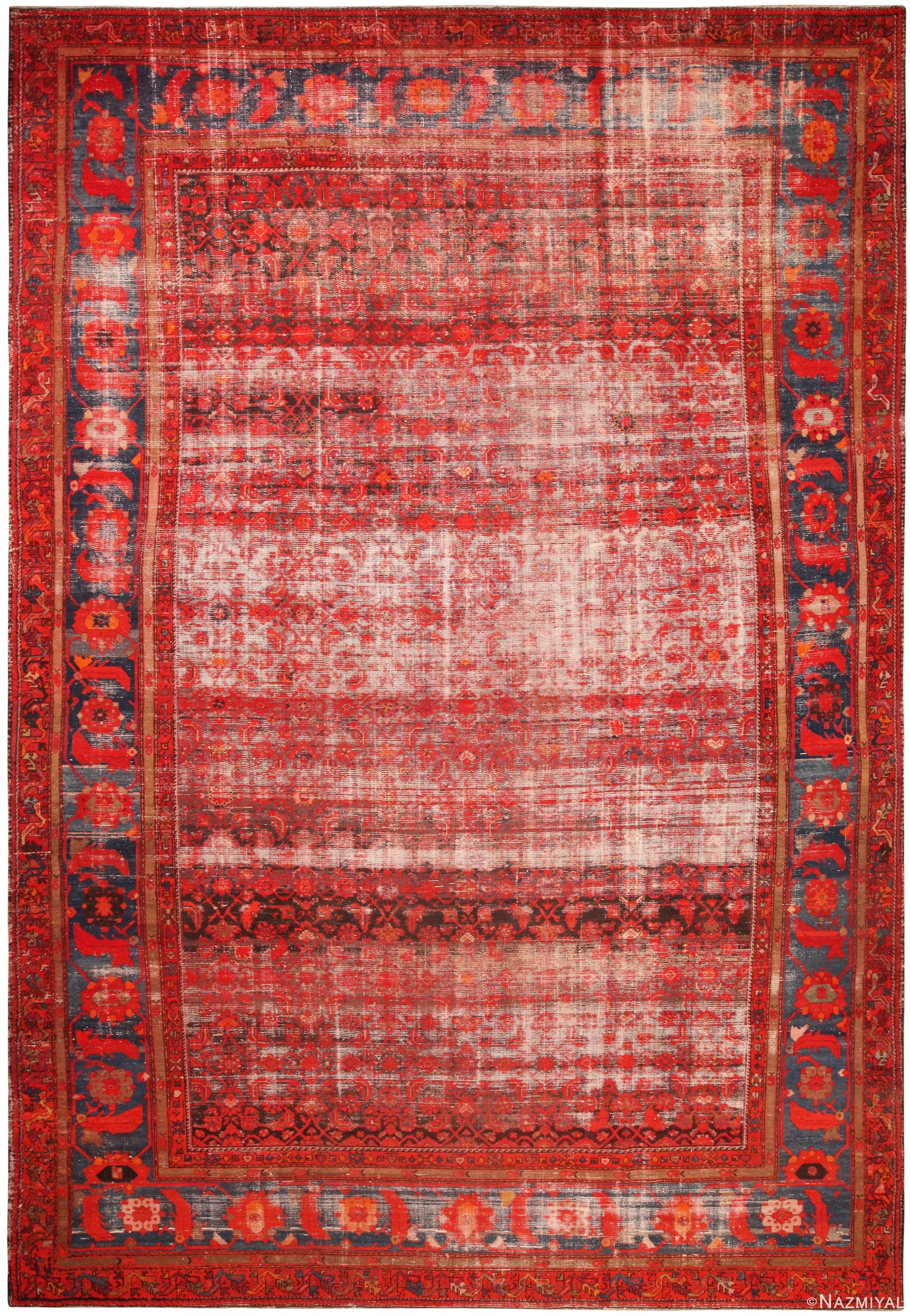
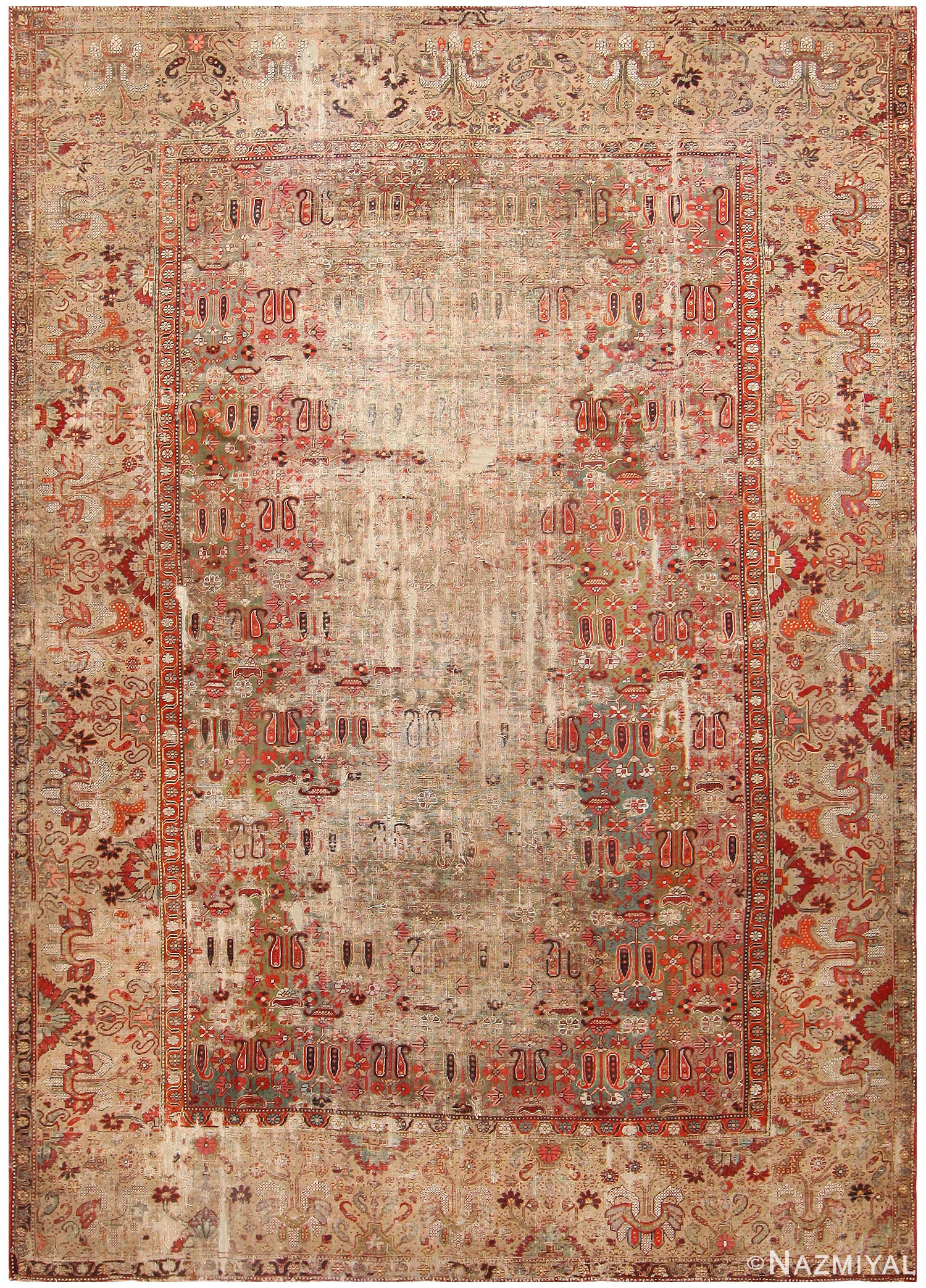
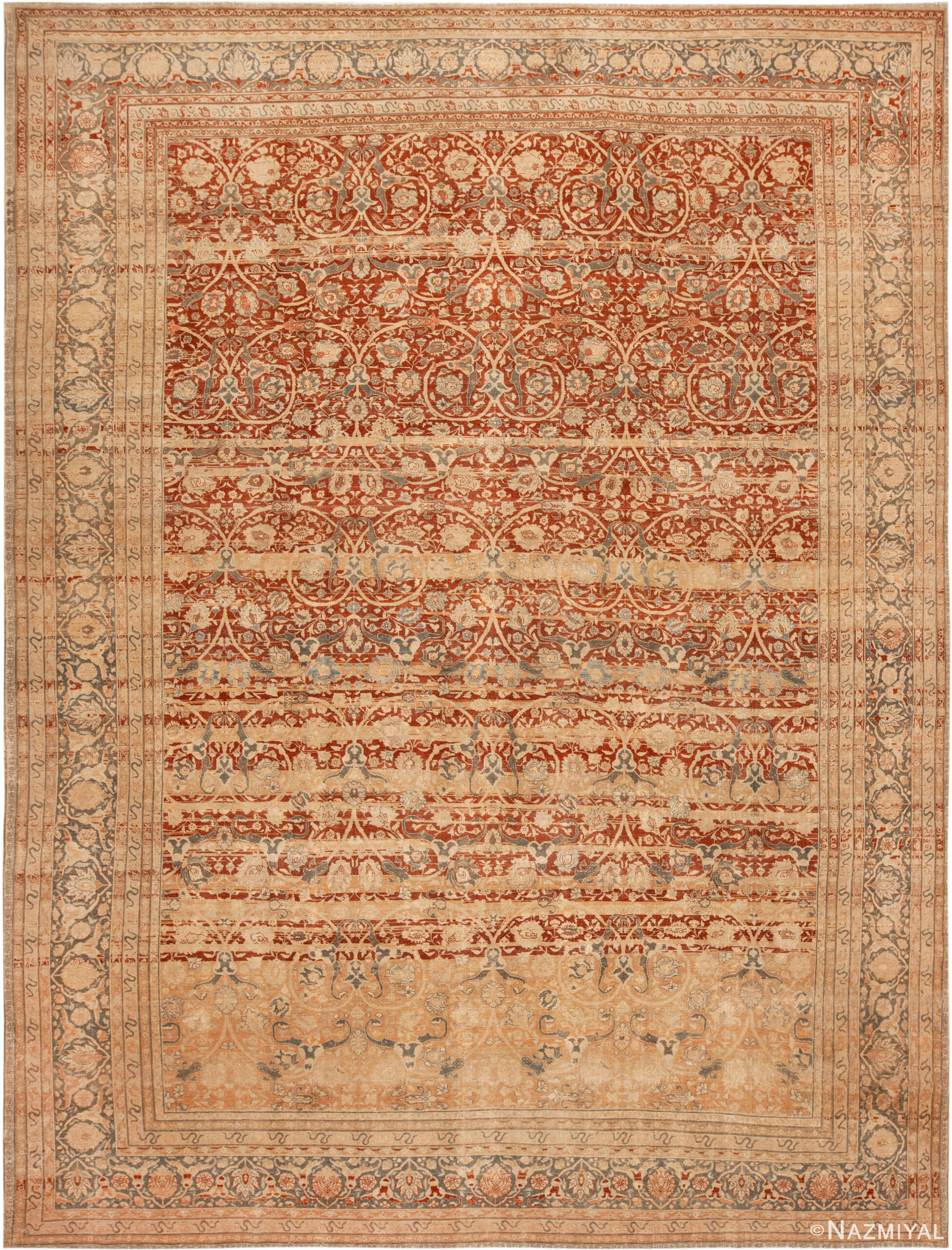
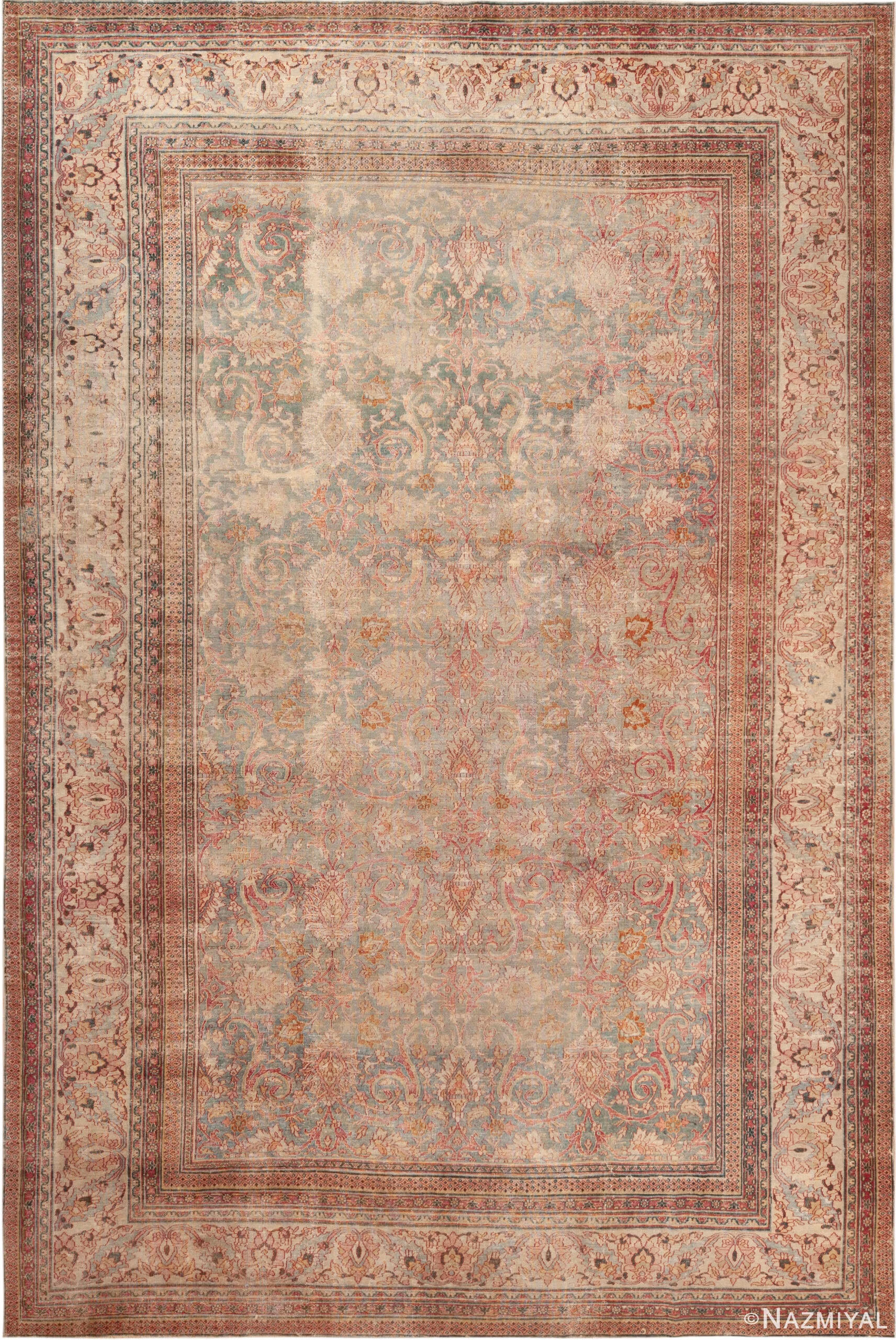
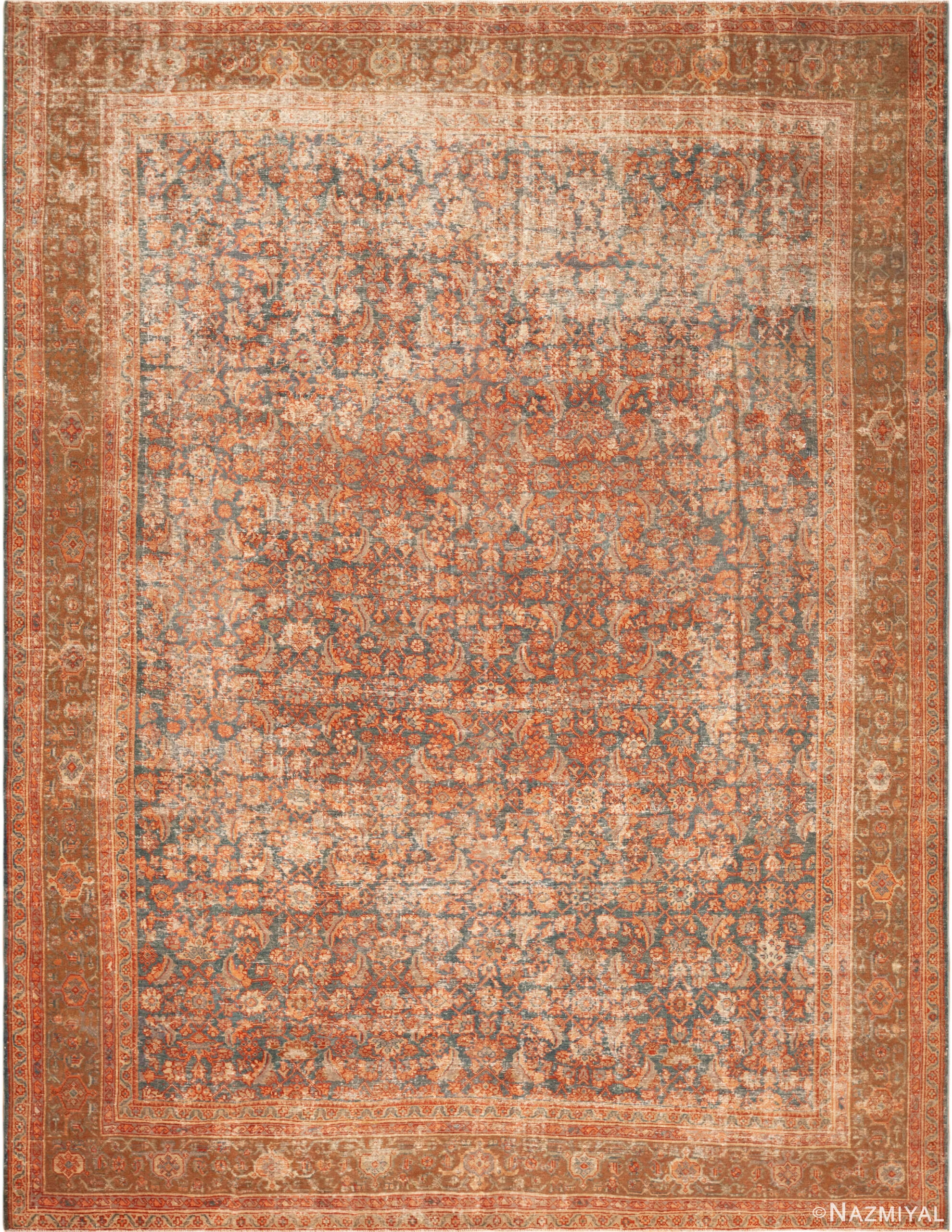
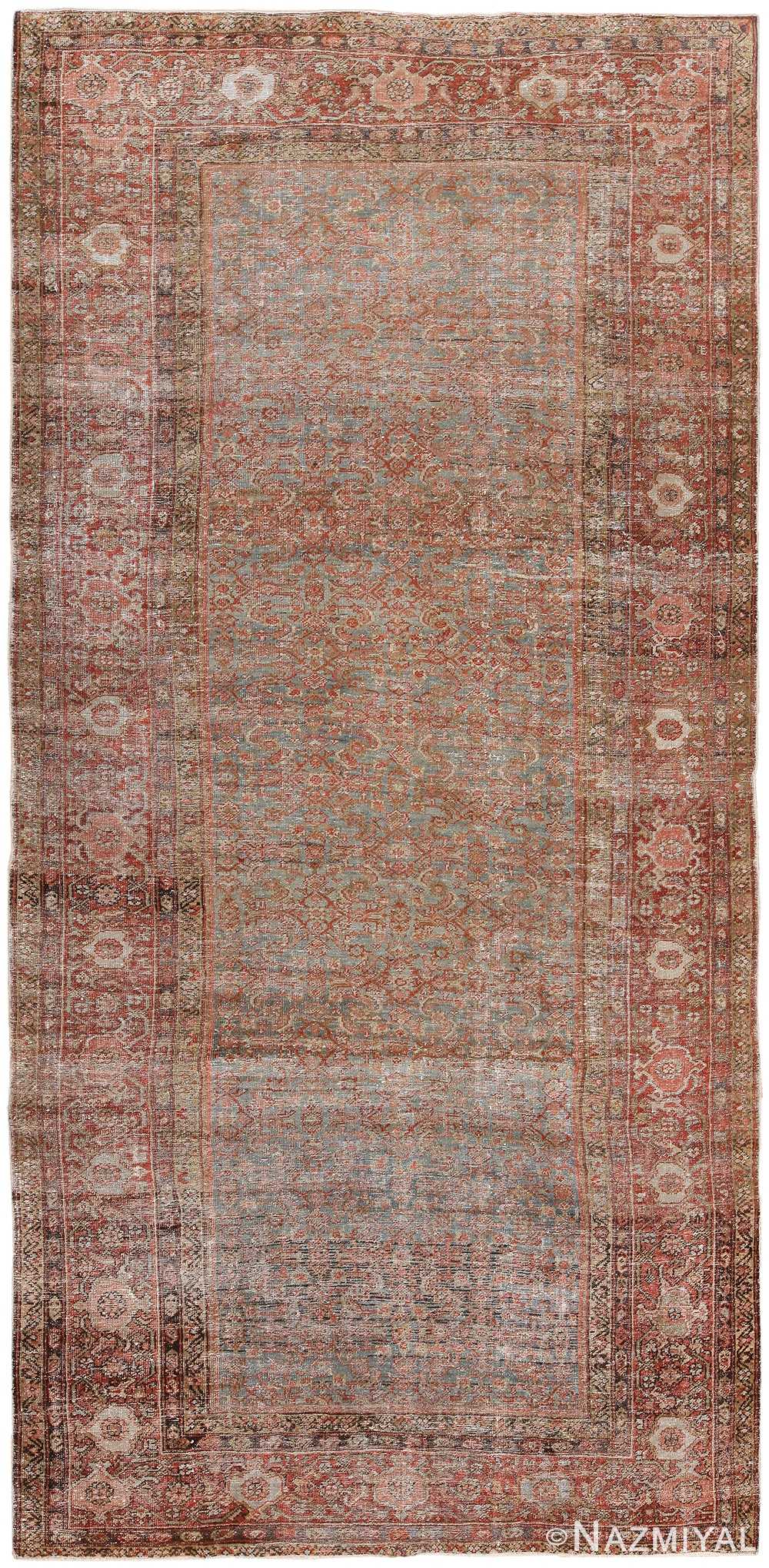
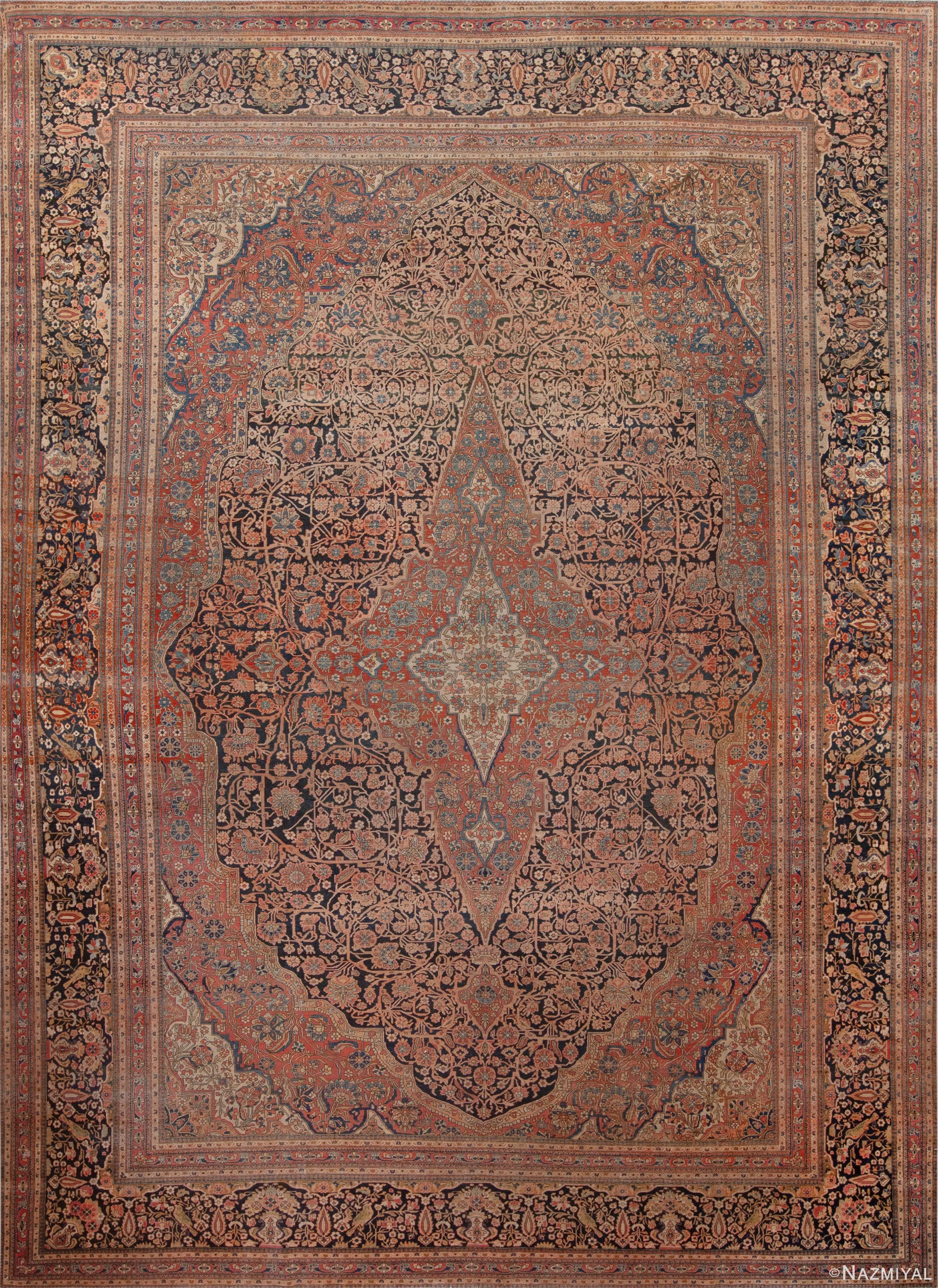
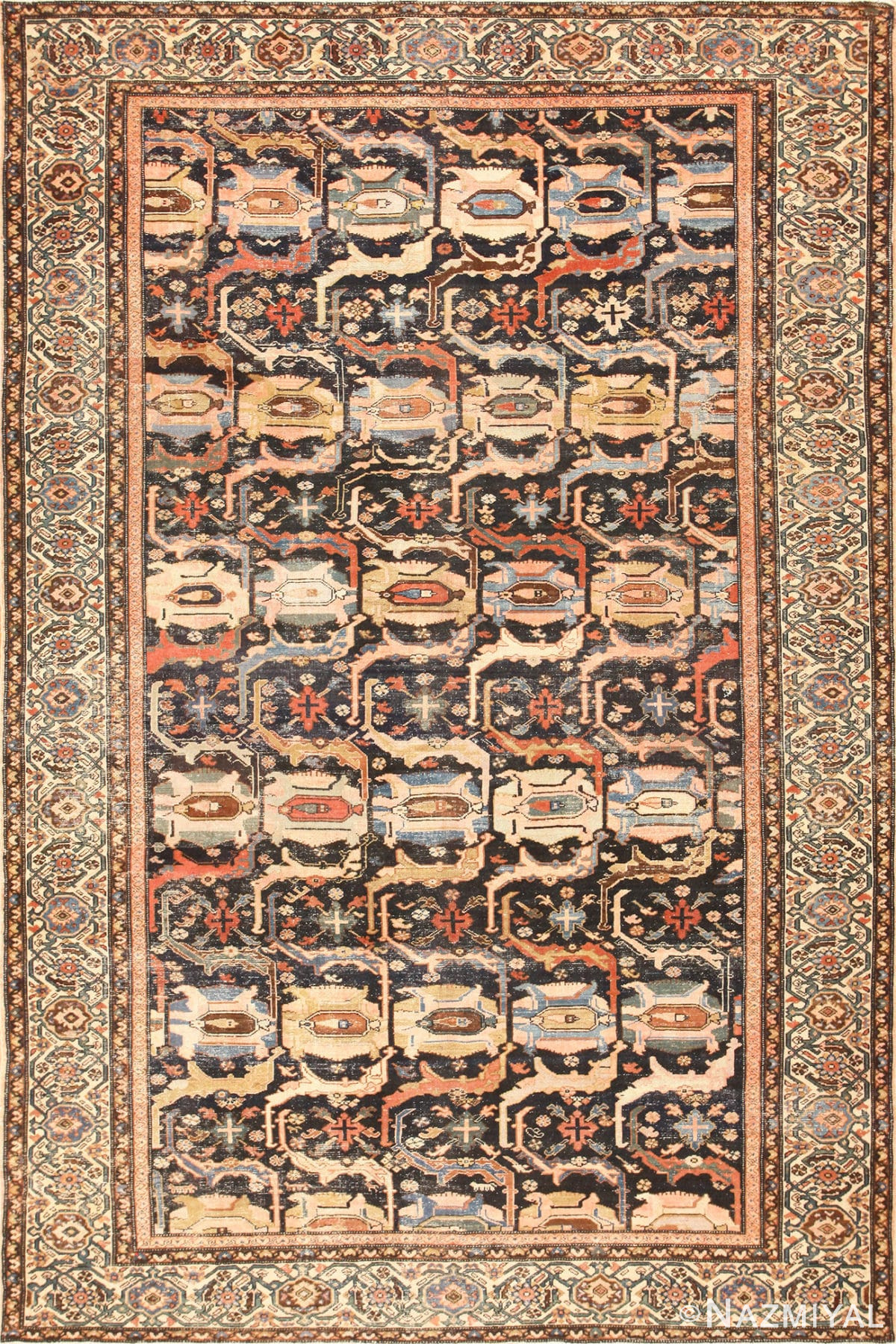
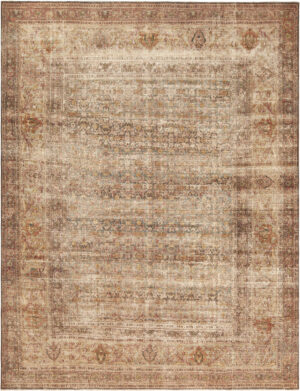
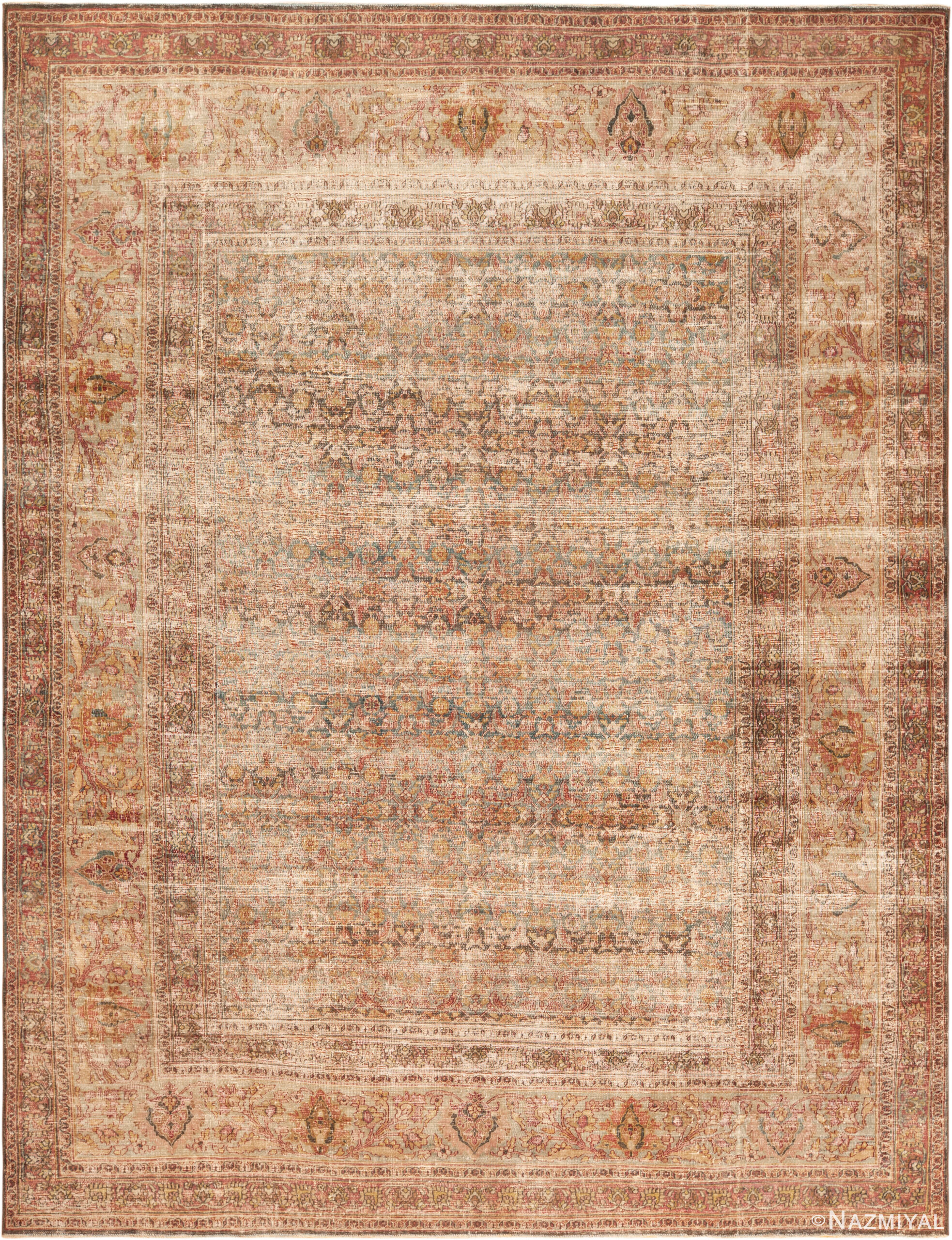
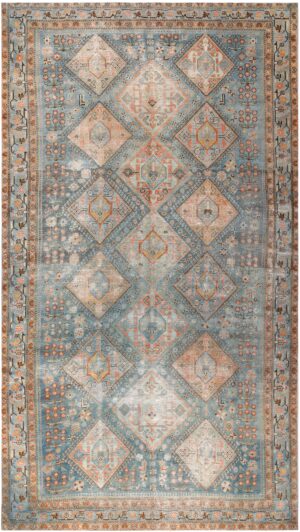
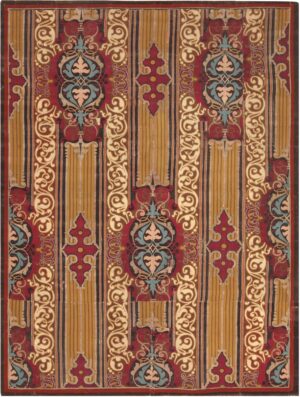
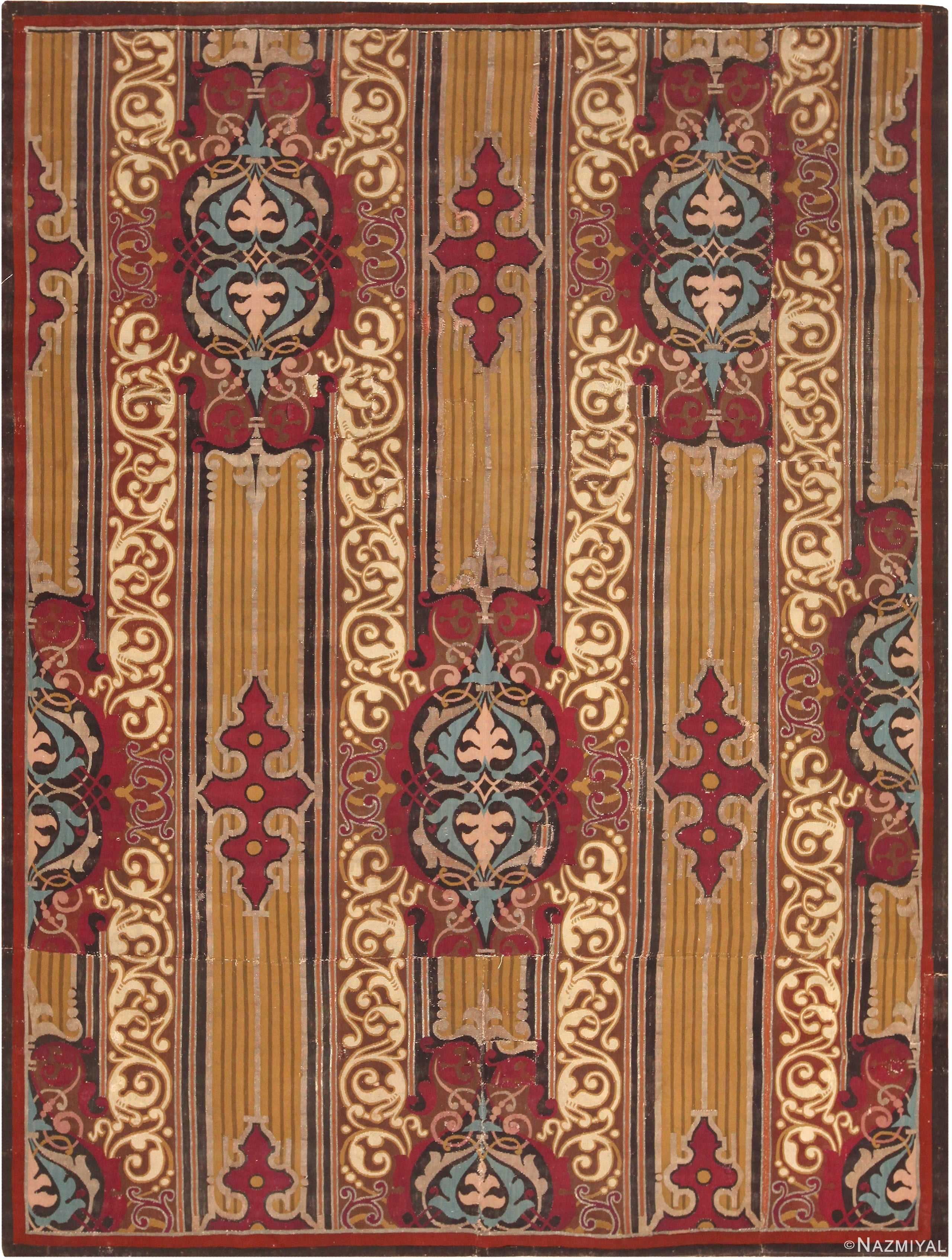
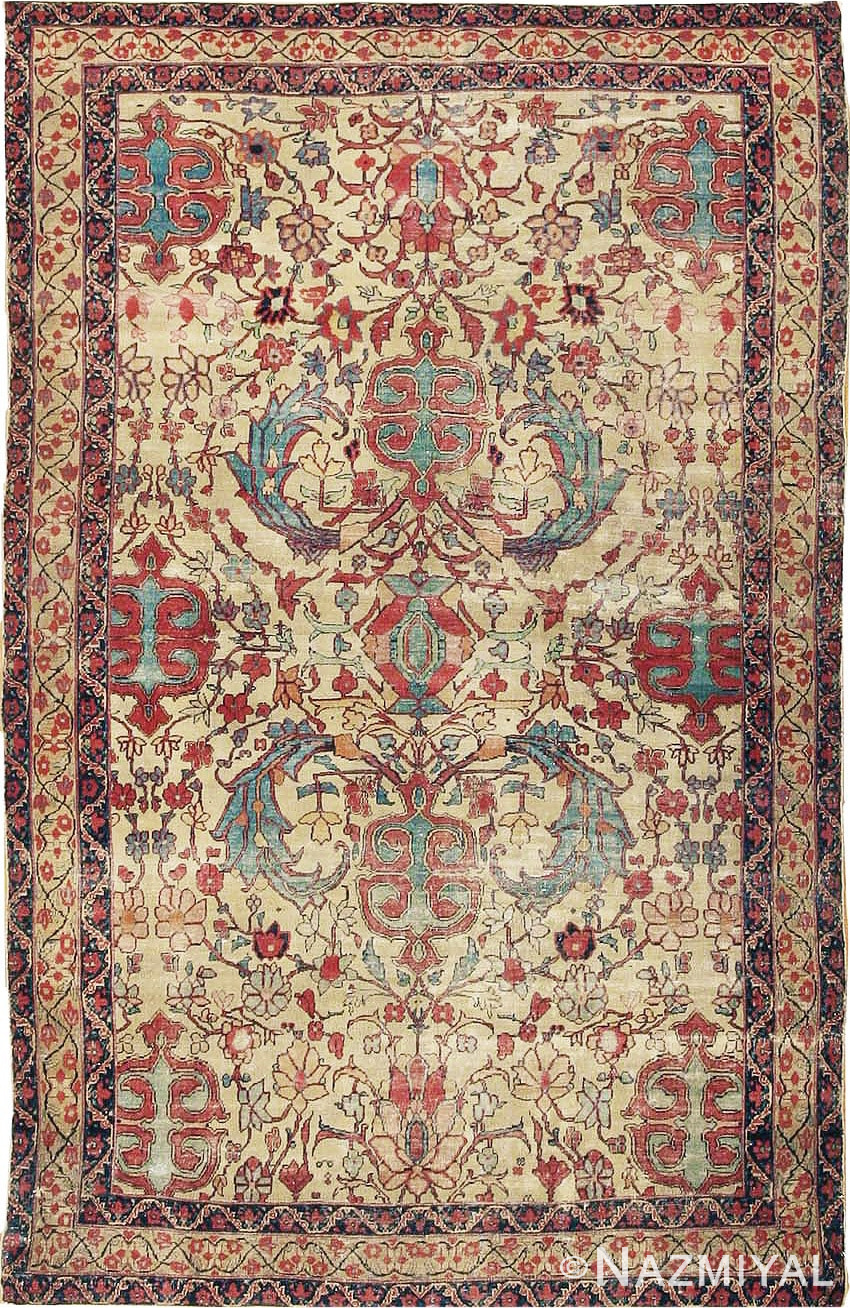
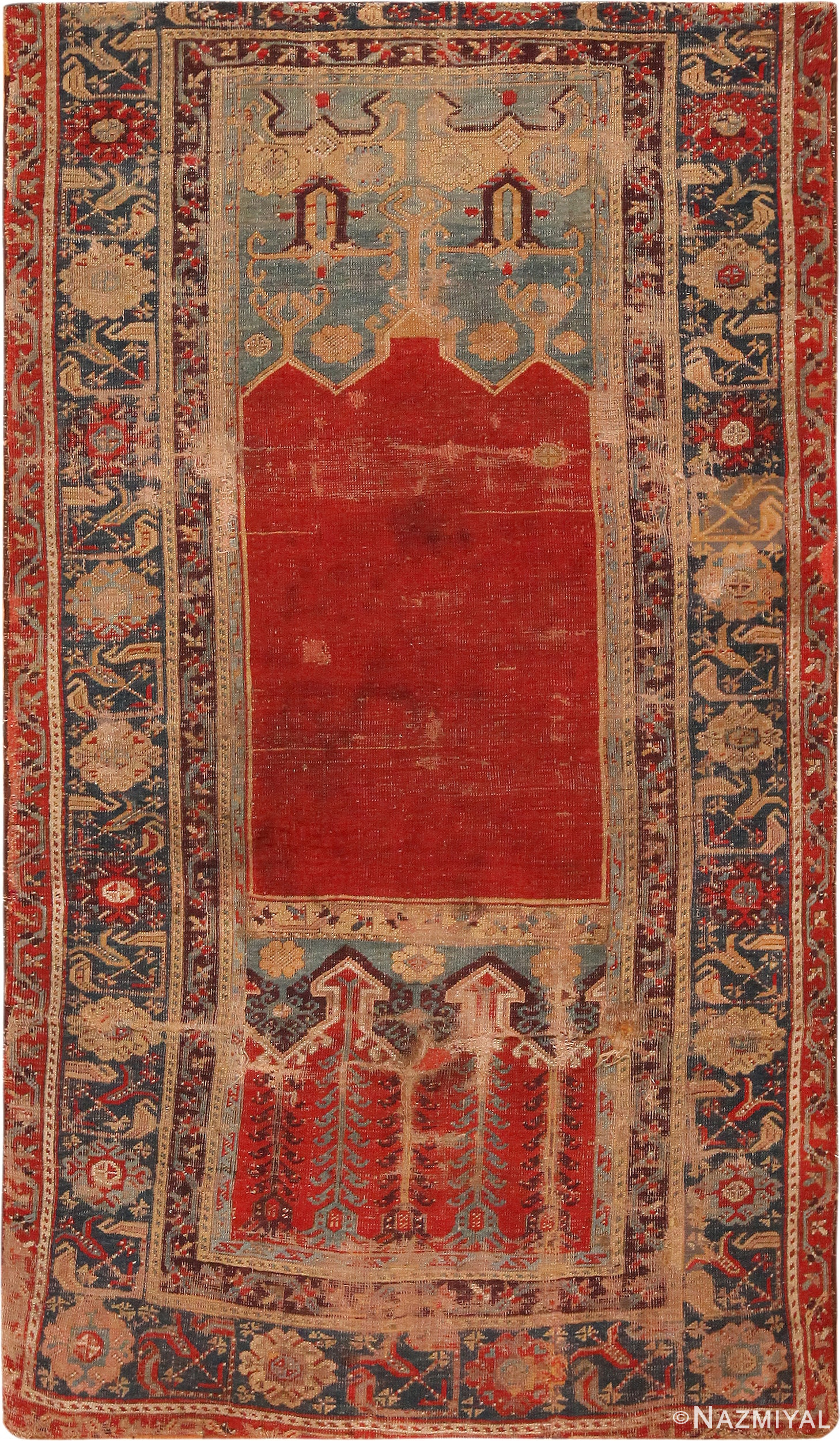
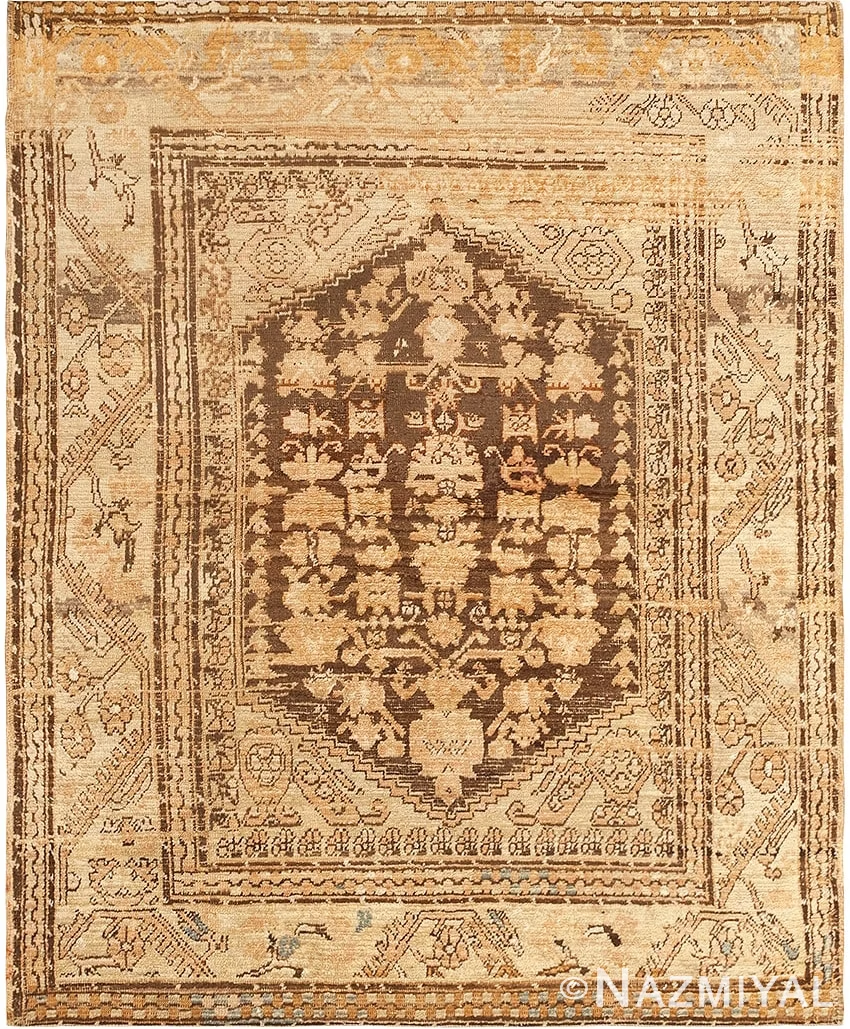
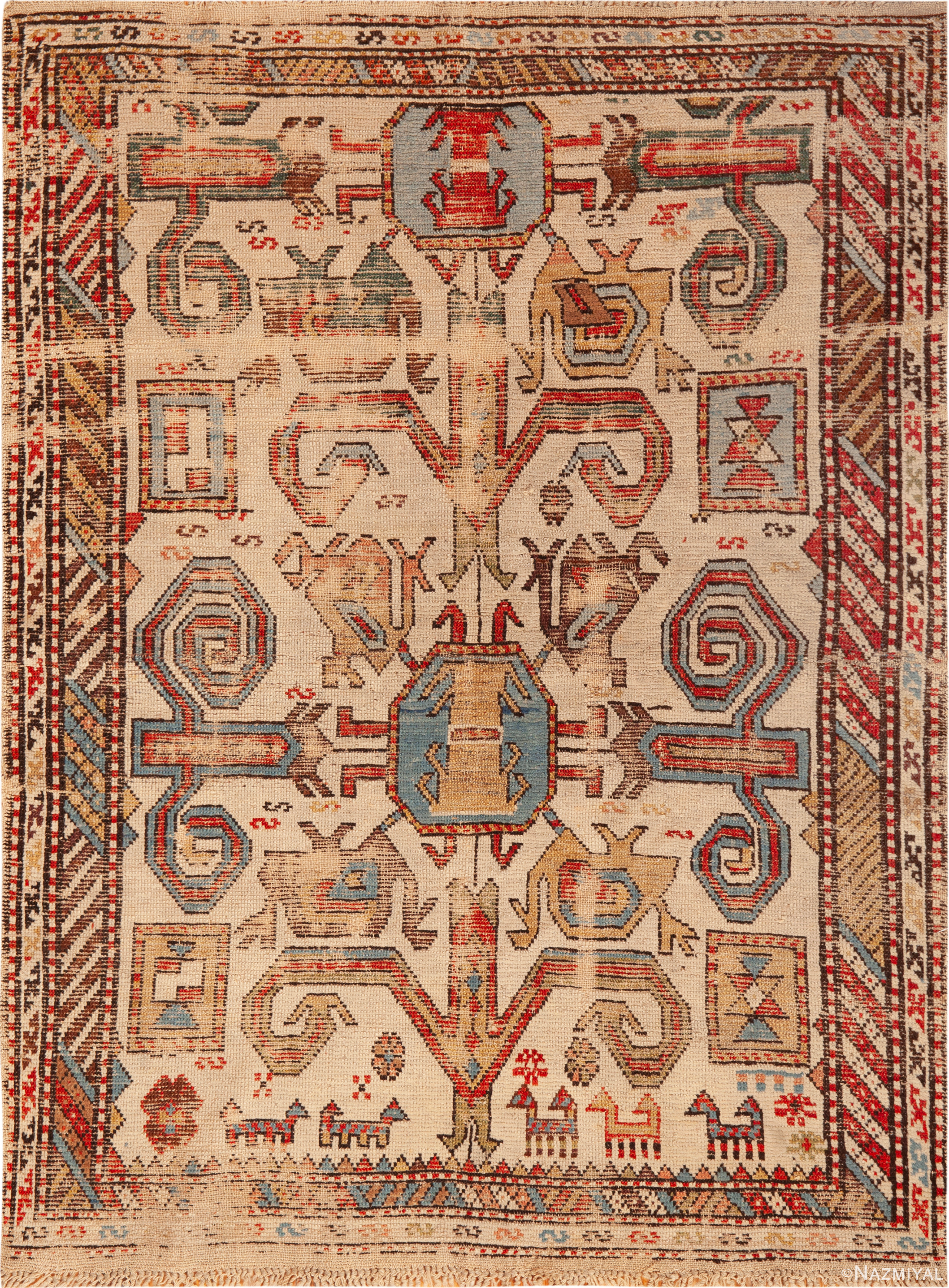
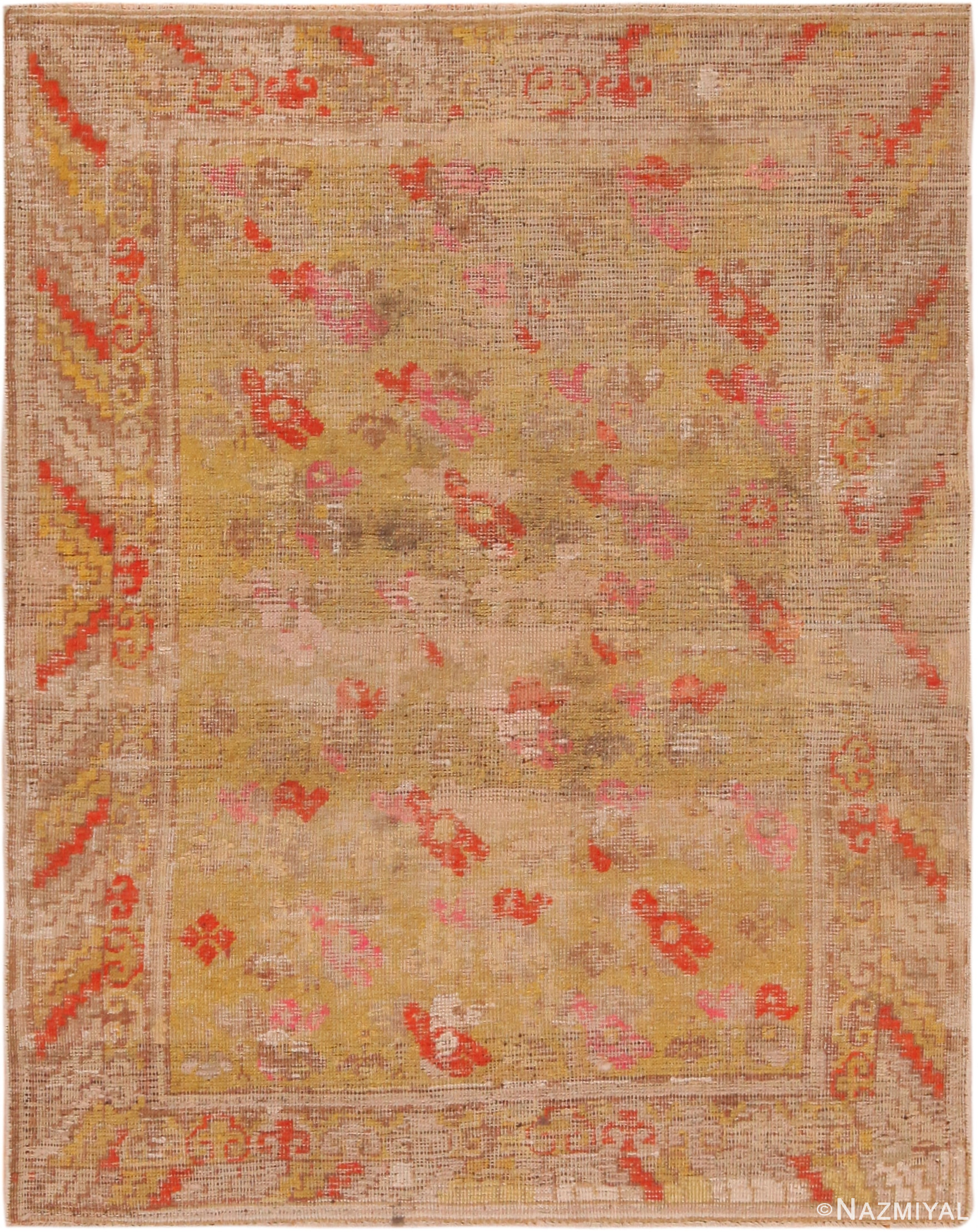
Inventory changes frequently. These featured rugs are examples of shabby chic style across different origins and decorative moods.
What Makes a Rug “Shabby Chic”?
Patina, softness, and “honest wear” (not a forced look)
The best shabby chic rugs feel effortless because they are: a softened surface, gentle contrast, and a relaxed visual rhythm that comes from age and use. In antique and vintage rugs, fading and wear can reveal a quieter palette underneath the original dyes—creating the airy, lived-in look designers love. The goal is not “damage,” but a rug that reads as comfortable, authentic, and beautifully settled into itself.
Why the style works in today’s interiors
Shabby chic décor is often described as relaxed luxury: collected pieces, natural textures, and a home that feels warm and personal rather than overly formal. A timeworn rug helps set that tone instantly—especially in rooms with light walls, linen upholstery, painted wood, and layered textiles. If you like a soft vintage look with global history behind it, these rugs are a natural fit.
Where shabby chic rugs often come from
Many of the most sought-after shabby chic rugs are antique and vintage pieces whose palettes and drawing age gracefully. Collectors and designers often gravitate toward softer, spacious designs from regions like East Turkestan (including Khotan rugs) and room-sized Persian workshop and village carpets that mellow into refined neutrals over time.
Condition checkpoints for a confident purchase
Because shabby chic rugs may show visible wear, evaluate them the way you would evaluate a fine antique textile: look for stable edges, secure ends, a sound foundation, and repairs that feel appropriate to the age and use. A rug can be beautifully timeworn and still be structurally dependable—those are the pieces that live best in real homes.
Decorating & Placement Guidance
Let the rug be the “soft focus” foundation
Shabby chic rugs excel when the room supports them: calm walls, natural materials, and a few accents that echo the rug’s quiet colors. Instead of matching everything, aim for harmony—repeat one or two tones (a throw, artwork, or a single upholstered piece) and keep the rest simple.
Scale and layout: make it feel intentional, not incidental
A worn, soft rug looks best when the room’s layout feels composed. In living rooms, prioritize a size that anchors the seating (front legs on the rug at minimum). In bedrooms, choose a generous size that frames the bed so the rug reads as a designed foundation rather than a small accent.
Match the era and mood to how you live
For collected depth and true history, start with an antique rug with a naturally softened palette. For lived-in charm and easy day-to-day decorating, explore vintage rugs. For a cleaner, lighter foundation with fewer competing motifs, a modern rug in gentle neutrals can give you a similar softness with a more streamlined feel.
Shabby Chic Rugs vs Khotan Rugs
If you love the shabby chic look, you’ll often love Khotan rugs—one of the most decorator-friendly families for airy color, open design, and graceful aging.
| Feature | Shabby Chic Rugs | Khotan Rugs |
|---|
| Core idea | Timeworn softness and relaxed vintage character | A specific East Turkestan tradition known for airy design and refined motifs |
| How it reads in a room | Soft focus, cozy, “collected” and effortless | Open, decorative, luminous—often very designer-friendly |
| Shopping mindset | Prioritize stable structure and tasteful, honest wear | Prioritize drawing, palette, and overall balance of field and borders |
Closest Cousins
- Khotan rugs — airy color and open design that often aligns beautifully with shabby chic interiors.
- Sultanabad rugs — room-sized Persian carpets that can mellow into refined, livable palettes.
- Oushak rugs — a classic decorator category known for softer color and easy placement.
Glossary
Patina: The soft, aged surface character that develops with time and use—often part of shabby chic appeal.
Abrash: Natural tonal variation in dyed yarns that creates depth and movement.
Distressed look: A softened, worn aesthetic—ideally from honest age rather than artificial treatment.
Foundation: The structural base (warps and wefts) that supports the pile and determines long-term stability.
For more definitions, see the rug glossary.
FAQ
Are shabby chic rugs the same as distressed rugs?
They overlap, but “shabby chic” usually refers to a softer, more romantic and collected interior mood. The best examples are antique and vintage rugs where the distress comes from age and patina.
Do shabby chic rugs hold up in high-traffic areas?
They can, depending on structure and condition. Prioritize stable edges, secure ends, and a sound foundation—and choose placement that fits your household.
How do I keep the look from feeling messy?
Give the rug breathing room: calm walls, natural materials, and a few intentional accents that echo the rug’s softer tones make the room feel curated rather than cluttered.
What rug types are most common in shabby chic interiors?
Decorator favorites include softened room-sized Persian carpets, airy Khotan rugs, and other pieces with mellow palettes and open, livable patterning.
What’s the easiest way to start styling shabby chic?
Start with the rug as the foundation, then repeat one tone elsewhere (a throw, art, or a single textile). This creates cohesion while keeping the room easy to evolve over time.
Three Pillars of the Nazmiyal Collection
- Unmatched Inventory Depth: A wide range of one-of-a-kind antique, vintage, and decorative rugs across major weaving traditions.
- Rigorous Authenticity Standards: Expert-vetted pieces, accurately represented so you can shop with confidence.
- Expert Advisory: Real guidance on size, placement, and value—tailored to your space and goals.
Nazmiyal White-Glove Service
We make it easy to shop with confidence—whether you’re choosing a single statement piece or curating a full room.
Nazmiyal Collection has been a trusted source for antique rugs and vintage carpets for over 45 years. Our NYC gallery curates one-of-a-kind pieces with an emphasis on authenticity, provenance, and lasting decorative value.
Need help? Call us at (212) 545-8029 or visit our New York City showroom to work with a rug expert.

 Size: 12 ft 4 in x 15 ft (3.76 m x 4.57 m)
 Size: 16 ft 3 in x 24 ft 7 in (4.95 m x 7.49 m)
 Size: 12 ft 8 in x 19 ft 9 in (3.86 m x 6.02 m)
 Size: 11 ft x 15 ft 5 in (3.35 m x 4.7 m)
 Size: 11 ft 4 in x 15 ft (3.45 m x 4.57 m)
 Size: 9 ft 10 in x 14 ft 4 in (3 m x 4.37 m)
 Size: 9 ft x 13 ft 7 in (2.74 m x 4.14 m)
 Size: 10 ft 3 in x 13 ft 5 in (3.12 m x 4.09 m)
 Size: 6 ft 7 in x 13 ft 3 in (2.01 m x 4.04 m)
 Size: 9 ft 9 in x 13 ft (2.97 m x 3.96 m)
 Size: 8 ft 6 in x 12 ft 9 in (2.59 m x 3.89 m)
 Size: 9 ft 2 in x 12 ft (2.79 m x 3.66 m)
 Size: 6 ft 7 in x 11 ft 8 in (2.01 m x 3.56 m)
 Size: 6 ft 4 in x 8 ft 3 in (1.93 m x 2.51 m)
 Size: 4 ft x 6 ft 7 in (1.22 m x 2.01 m)
 Size: 3 ft 3 in x 5 ft 8 in (0.99 m x 1.73 m)
 Size: 3 ft 7 in x 4 ft 9 in (1.09 m x 1.45 m)
 Size: 3 ft 8 in x 4 ft 8 in (1.12 m x 1.42 m)