
Antique Persian Doroksh Carpets from Khorasan with Refined Florals, Luster, and Soft Color
Doroksh rugs are a prized Khorasan tradition—valued for a fine weave, elegant drawing, and a quiet “glow” that makes the surface feel alive in changing light. They often read as more polished and decorator-friendly than many tribal Persian weavings, with balanced florals, garden imagery, and harmonized palettes that sit beautifully in classic or contemporary rooms. Explore our broader context within Persian rugs, and for curated inventory with expert guidance, start at Nazmiyal.
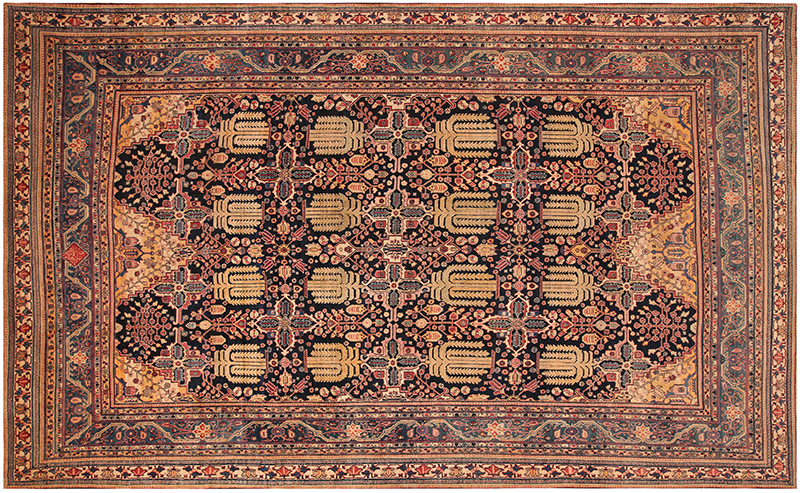
Doroksh rugs are antique Persian Khorasan carpets—often finely woven and quietly luminous—known for refined floral or garden compositions, durable wool, and palettes that decorate without shouting.
Quick Navigation
- Key Takeaways
- At-a-Glance Specs
- Featured Doroksh Rugs
- Shop Doroksh Rugs
- Why Nazmiyal (3 Pillars)
- How to Identify a Doroksh Rug
- Materials & Construction
- Decorating with Doroksh Rugs
- Value & Collecting Notes
- Related Rugs
- Related Categories
- Explore More
- Glossary
- FAQ
- Nazmiyal White-Glove Service
- Nazmiyal Link Map
Key Takeaways
- Doroksh rugs are known for a fine weave and “luster”—a surface glow that gives color extra depth.
- Many decorate like a classic “designer Persian”: refined florals or garden imagery with a balanced, livable palette.
- Collector value rises fast with drawing quality, condition, size, and rare color stories (especially large, room-shaping carpets).
At-a-Glance Specs
- Origin: Doroksh area, South Khorasan (northeastern Iran)
- Family: Persian Khorasan weaving tradition
- Typical motifs: florals • garden elements • vines • occasional allover “tree” or landscape themes
- Palette: softened reds • blues • warm neutrals • occasional luminous highlights
- Best rooms: living rooms • dining rooms • libraries • primary bedrooms • large hall spaces
Featured Doroksh Rugs
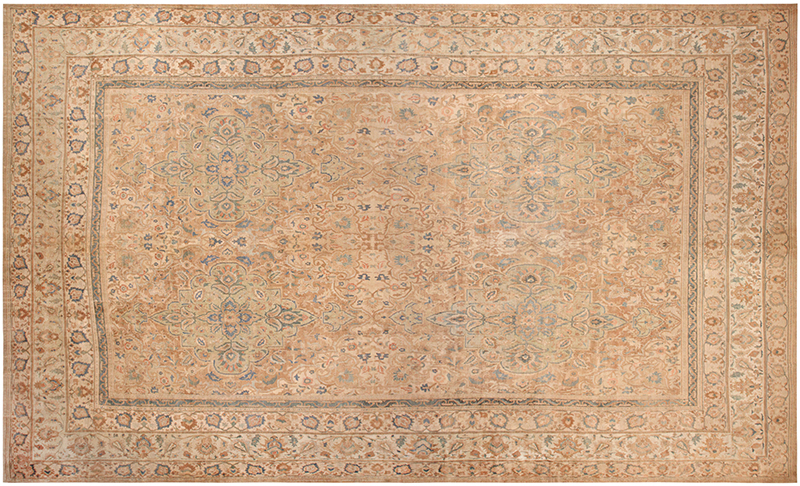
Fine Large Weeping Willow Tree Design Antique Persian Khorassan Doroksh Rug Circa: 1900 Size: 12 ft x 19 ft 9 in | Antique Persian Doroksh Rug Circa: 1900 Size: 18 ft 1 in x 29 ft 1 in |
Shop Doroksh Rugs
If you love the refined Khorasan look—florals that read sophisticated, color that feels settled, and surfaces with subtle depth—Doroksh is one of the smartest “live-with-it-every-day” Persian categories. Browse our wider selection of related pieces here: Khorassan rugs.
Why Nazmiyal? 3 Pillars of Nazmiyal
- Collector-grade curation: we prioritize drawing quality, age, and true decorative presence—not filler inventory.
- Real expertise: practical guidance on scale, palette, and condition so the rug fits your room and your goals.
- Full-room thinking: help pairing rugs with furniture, art, and light so the piece looks intentional (not accidental).
How to Identify a Doroksh Rug
Most Doroksh rugs sit inside the Khorasan family, but they often feel a touch more “finished” in the drawing. Look for finely articulated florals, garden vignettes, or elegant allover repeats, frequently with calm negative space and a color story that feels harmonized rather than high-contrast. Many examples also show a surface glow—what collectors call luster—that gives blues, reds, and neutrals extra depth as you move around the room.
- Design language: refined florals • vines • garden imagery • occasional tree/landscape themes
- Scale: strong tradition of room-size carpets, plus smaller formats for studies and bedrooms
- Overall impression: polished, balanced, and easy to decorate around
Materials & Construction
Doroksh rugs are typically wool-pile carpets with a weave that can be notably fine for the region, which supports crisp drawing and smooth transitions in floral work. When you’re evaluating quality, focus on clarity of pattern edges, consistency of handle, and how the wool takes dye—great examples feel “clean” even from across the room, but still reward you up close with detail.
- What to check: wool quality and sheen • even pile • tight corners • clean outlines in florals
- What to avoid: muddy palettes • overly harsh repairs • heavy oxidation that flattens contrast
Decorating with Doroksh Rugs
Doroksh rugs are a strong choice when you want Persian sophistication without visual noise. They can anchor traditional interiors (mahogany, brass, layered art) and also soften modern rooms by adding warmth and “handmade” texture. In a buying mindset, think in terms of era and feel: an antique rug brings patina and depth, while vintage rugs and modern rugs often shift the look toward cleaner, more contemporary presentation.
- Living rooms: choose a calmer field and let art/furniture carry the “edge.”
- Dining rooms: prioritize scale and condition; subtle patterns hide everyday life better than you’d think.
- Bedrooms: softer palettes read luxurious and restful—especially with warm wood and linen textures.
Value & Collecting Notes
Collectors pay for presence. A Doroksh rug that reads elegant from across the room, holds detail up close, and sits in a rare size (especially large, room-shaping carpets) can jump categories fast. Condition is a major driver: original pile, stable ends/selvages, and tasteful restoration matter more than almost anything else. Finally, color is king—unusual, well-balanced palettes and confident drawing tend to outperform loudness.
- Top value drivers: drawing quality • wool and luster • size • condition • rare color stories
- Collector sweet spot: refined florals with quiet negative space and a settled, usable palette
Related Rugs
Comparison: Doroksh Rugs vs. Khorassan Rugs
Doroksh rugs are often discussed as a more specific expression within the broader Khorasan family. If you want the wider category view (including pieces labeled Mashad and other regional designations), explore Khorassan rugs.
Related Categories
Explore More
To go deeper on where Doroksh fits inside the larger map of weaving regions, explore Rug Origins. If you’re browsing from abroad or curating for an international project, visit our Worldwide hub. For close neighbors in the Khorasan family, see Mashad rugs—and for a bolder geometric cousin that still decorates beautifully at scale, consider Serapi rugs.
Glossary
For more definitions, see our Rug Glossary.
- Khorasan (Khorassan): the broader northeastern Persian weaving region often associated with large, decorative carpets.
- Luster: a natural sheen in wool that gives color depth and a “glow” as light moves across the surface.
- Allover design: a repeating field pattern without a single dominant center medallion.
- Medallion: a central motif that anchors the composition, often framed by spandrels and borders.
- Selvage: the side finish of the rug; stability here often signals good long-term condition.
- Patina: the softened, time-earned surface character valued in well-aged antique rugs.
FAQ
Are Doroksh rugs the same as Khorassan rugs?
Doroksh is commonly discussed as a more specific designation within the wider Khorasan family—so you’ll often see overlap in labeling and design language.
What designs are most common in Doroksh rugs?
Refined florals, garden themes, and balanced allover repeats are common, sometimes with landscape or “tree” imagery that reads especially elegant in large carpets.
What makes a Doroksh rug more valuable?
Condition, drawing quality, strong color harmony, and size are major drivers—especially large room-size carpets with confident design and minimal restoration.
Do Doroksh rugs work in modern interiors?
Yes. Their refined drawing and calmer palettes often pair naturally with contemporary furniture, clean walls, and layered textures like linen, oak, and stone.
How should I choose the right size?
Use a furniture-first approach: decide whether you want front legs on, fully under, or “floating,” then confirm proportions with a sizing guide before committing.
Nazmiyal White-Glove Service
We make it easy to shop with confidence—whether you’re choosing a single statement piece or curating a full room.
- Authenticity Guarantee
- 3-Day Return Policy
- Worldwide Shipping & International Home Approval
- Designer Trade Program
- White-Glove Delivery