Denise Kuriger Design, Ltd.
Interior designer Denise Kuriger creates refined interiors shaped by proportion, natural materials, and a thoughtful balance between European sensibility and American ease.
“Great design should always serve the people who live within it. Beauty without function is decoration, but when a space nurtures how you want to live, that is when design truly succeeds.”

About the Designer
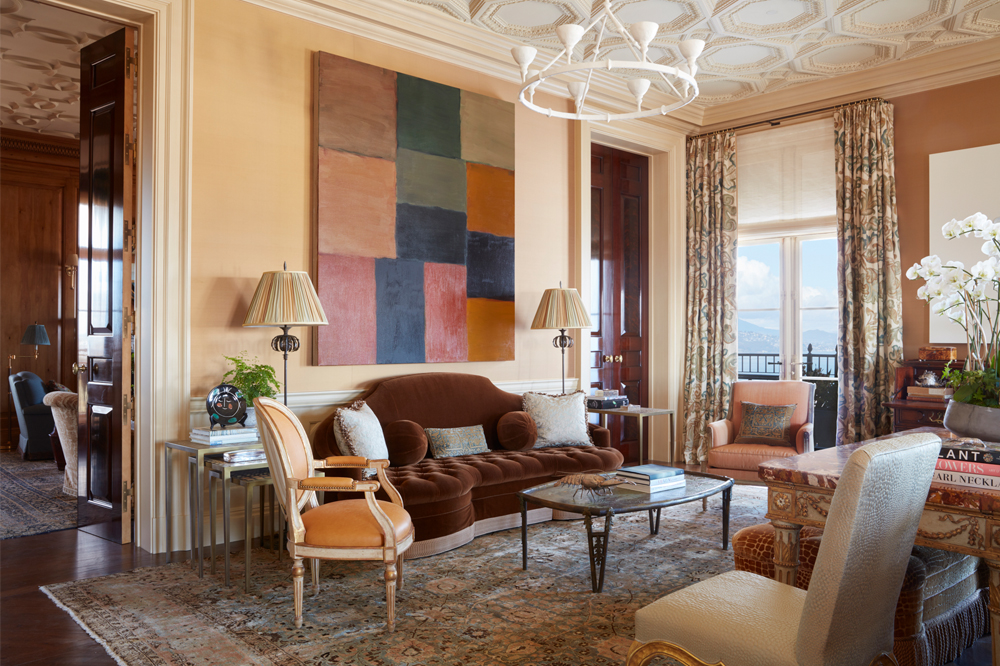
Interior designer Denise Kuriger leads Denise Kuriger Design, a studio known for creating interiors defined by proportion, natural materials, and thoughtful restraint. Raised on Long Island and influenced by her Swiss and French Canadian heritage, Kuriger developed a sensitivity to both European design traditions and the relaxed character of American living. Her projects often balance architectural clarity with warmth, combining carefully chosen materials, antique furnishings, and subtle color palettes. Through her work she aims to create environments that feel deeply personal while remaining harmonious with the architecture and lifestyle of the people who inhabit them.
Dive deeper into Denise Kuriger’s design approach, signature aesthetic, and recent collaborations through their official online portfolio.
Design Philosophy
Denise Kuriger approaches design as a deeply personal process that begins with understanding how people live within their homes. She believes that a successful interior must support daily life while also providing beauty and emotional comfort. Influenced by the elegance and restraint found in many European interiors, Kuriger focuses on proportion, spatial balance, and material authenticity when shaping a project. Her experience working with respected design firms such as Naomi Leff & Associates reinforced the importance of carefully studying each architectural context before introducing furnishings and materials. The result is an environment where every element feels intentional and aligned with the aspirations of the client.
Materials & Color Preferences
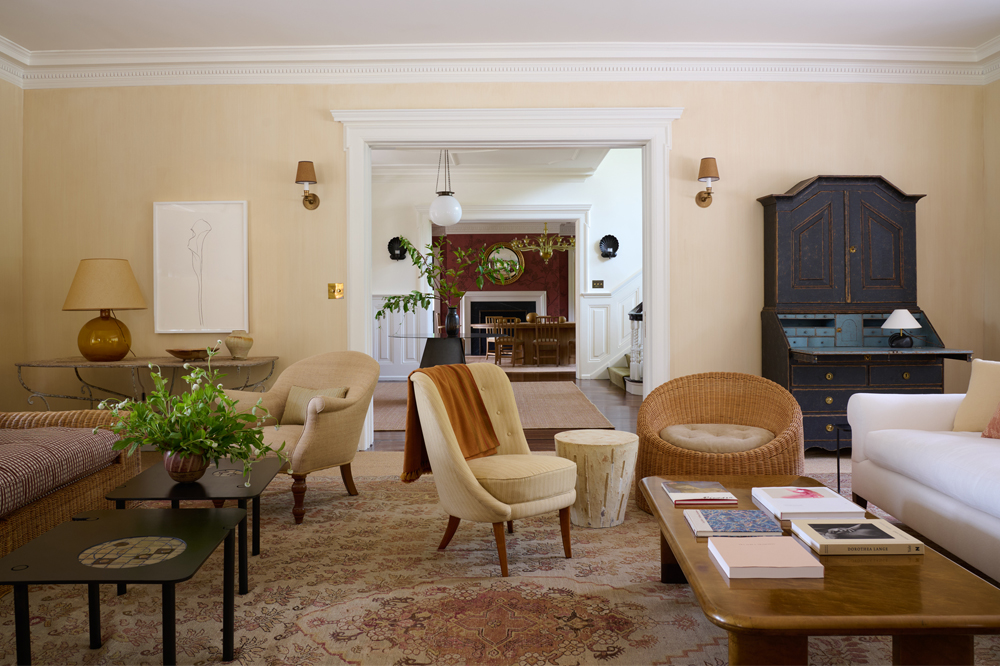
Natural materials form the foundation of many Denise Kuriger interiors. She frequently works with woods such as walnut and teak, textiles including linen and wool, and palettes that draw from warm and earthy tones. Recently she has been especially drawn to oatmeal colored fabrics, natural wool textures, and the richness of aged woods. These materials introduce softness and visual depth while maintaining a sense of authenticity. Kuriger believes that interiors should feel collected over time rather than assembled all at once, and the restrained use of natural materials helps achieve this atmosphere.
Sustainability & Craftsmanship
For Denise Kuriger, sustainability is closely tied to longevity and quality. She believes that the most responsible interiors are those that continue to feel relevant and functional for many years. Rather than frequently redesigning spaces, she encourages thoughtful choices that allow materials and furnishings to age gracefully. Antique and vintage pieces naturally support this philosophy because they already demonstrate durability and craftsmanship. Incorporating such elements brings history and character into a room while also supporting a more responsible approach to design.
Signature Approach
Denise Kuriger studies scale, proportion, and material relationships carefully before making design decisions. Her projects do not rely on a fixed visual formula but instead respond to the architecture of the space and the lifestyle of the client. She seeks to create environments that feel calm, balanced, and welcoming. The composition of each room is shaped gradually so that furnishings, textures, and colors work together in a way that feels natural and comfortable rather than forced. This approach allows every interior to develop its own identity while maintaining a sense of harmony.
Designer Q&A: Inspiration, Process & Perspective
How would you describe your design style in a few words?
Timeless, purposefully tailored, and rooted in a sensitivity to scale and proportion. I strive to create bespoke environments, like a perfectly fitted suit, that are both beautiful and shaped to support the best version of life lived within them.
What inspired you to become an interior designer?
Growing up on Long Island, I was surrounded by the understated elegance of the East End, which shaped my early aesthetic. My Swiss father and French-Canadian mother further grounded me in European design traditions. The interplay between American ease and European refinement made me see interiors as something deeply personal and transformative.
Who or what has influenced your aesthetic the most?
Travel has been profoundly influential, especially time spent in cities like Paris, where elegance and restraint are elevated to an art form. My years at Naomi Leff & Associates were equally formative, teaching me the discipline of rigorous investigation in every detail. I remain inspired by Italian craft and proportion, French elegance, and the clarity of American living.
Is there a signature material you find yourself using often?
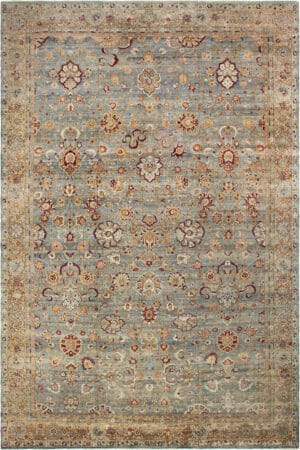
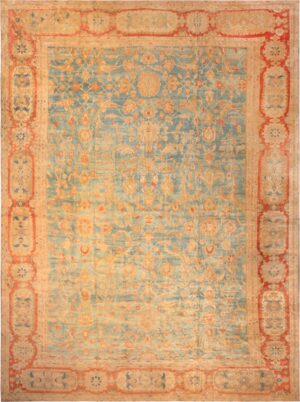
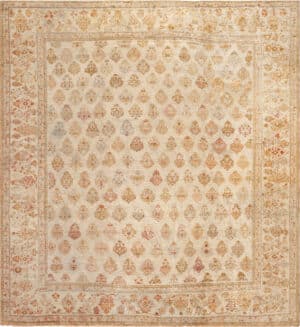
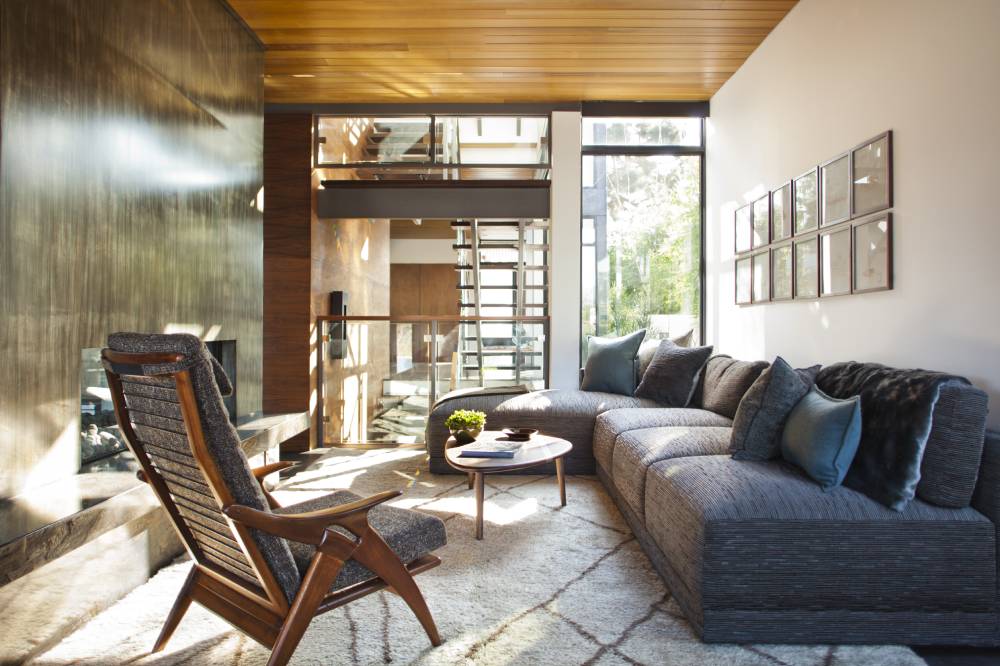
While I avoid imposing a signature “look,” I consistently return to natural materials, walnut, teak, linens, and of course antique rugs. A beautifully crafted rug adds soul and anchors the emotional tone of a room in a way few elements can.
How do fashion trends influence your interior work?
Fashion and interiors share the same vocabulary of proportion, texture, and color. I pay attention to fashion, but I don’t chase trends. When something resonates, it’s because it speaks to longevity rather than momentary appeal. The best interiors, like the best fashion, transcend trends.
Is there a palette or texture you’re loving right now?
Warm, earthy neutrals, oatmeal linens, natural wools, aged wood. These materials feel grounding and authentic, helping a home feel collected rather than decorated.
How do you balance timelessness with trends?
I stay connected to the client’s aspirations and the architectural context. When a choice truly serves the people who live in the space, it becomes timeless by default. If you love something deeply and it supports your lifestyle, it will age beautifully.
What are your thoughts on sustainability and antiques?
Sustainability is ultimately about longevity, designing spaces that don’t need to be redone every few years. Antiques and vintage pieces are inherently sustainable because they have already proven their worth. A vintage chair or antique rug adds depth, history, and soulful character that new pieces cannot reproduce.
What draws you to antique or vintage rugs?
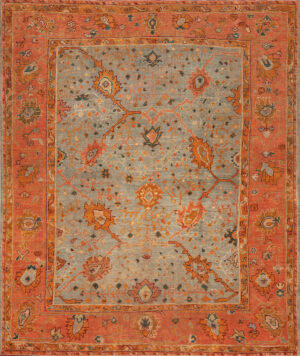
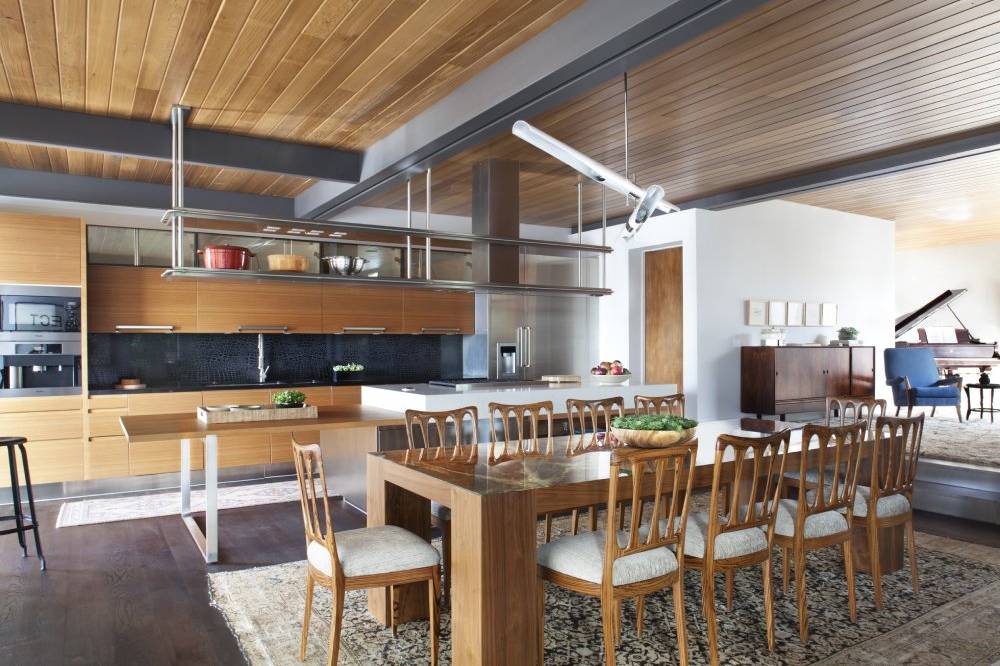
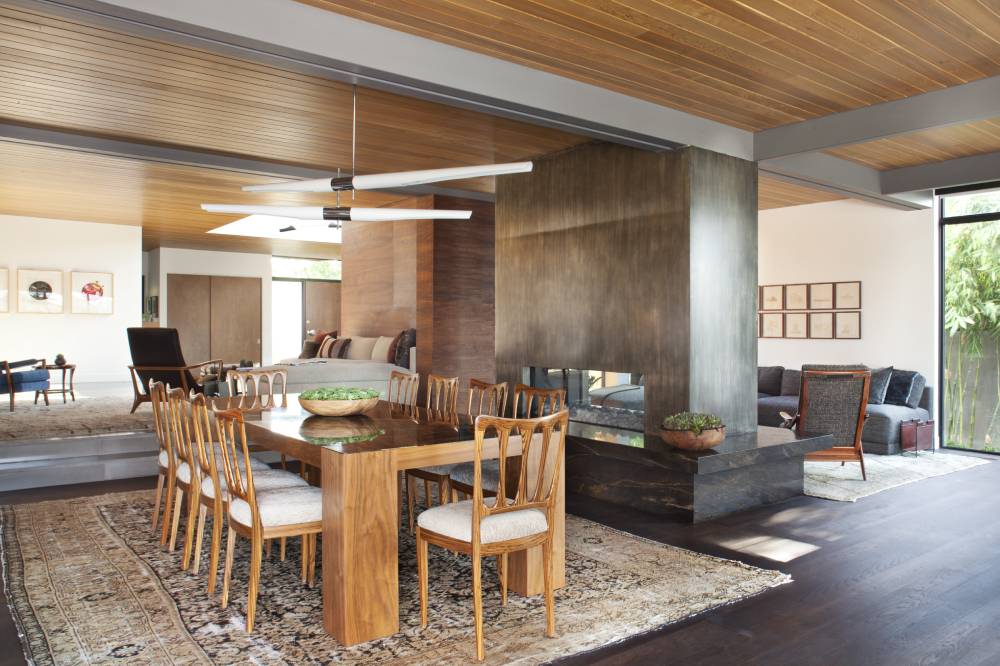
They bring irreplaceable soul into a home. In projects like Adelaide House, a Tabriz rug grounded the dining room and immediately elevated the entire composition. The patina, depth of color, and craftsmanship in antique rugs provide a beautiful counterpoint to modern architecture.
Do you have a favorite style from the Nazmiyal Collection?
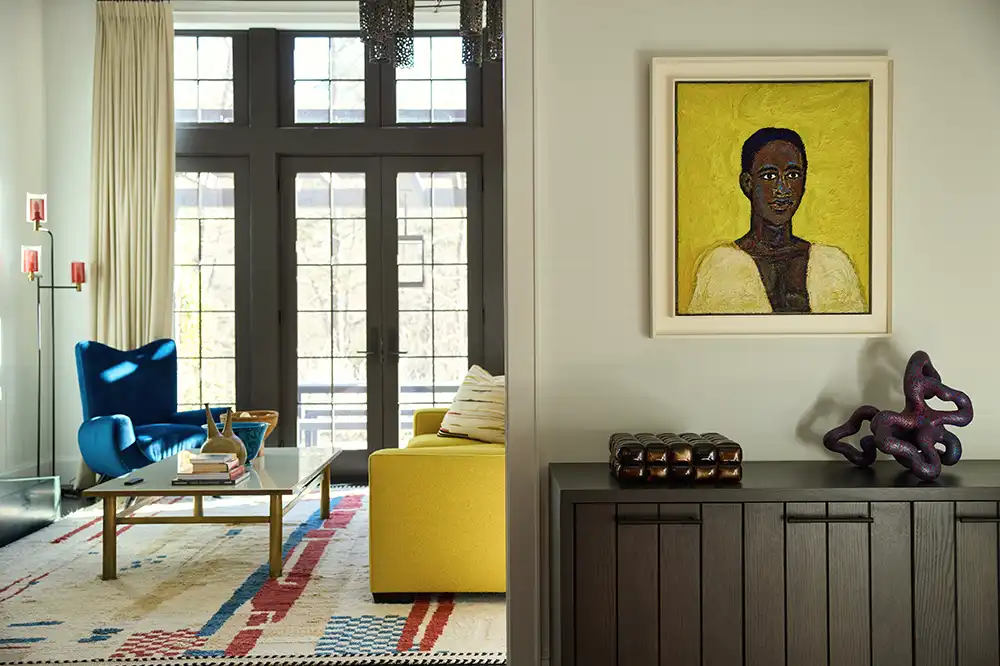
I’m especially drawn to tribal and geometric pieces, vintage Moroccan rugs and Persian Tabriz in particular. Their irregularity and hand-crafted energy bring warmth and authenticity into contemporary contexts.
How do you integrate rugs into a design scheme?
It depends on the rug. A spectacular antique piece can define the entire palette and structure of a room. In other cases, a rug adds the essential grounding warmth that completes a contemporary interior. I always consider rugs early, they are never an afterthought.
Any memorable experiences working with Nazmiyal?
What I value most is the collaborative process. It’s never about selling a rug, it’s about finding the right piece for the vision. That shared commitment makes every project a pleasure.
What advice would you give someone designing their first home?
Start with your own needs and aspirations rather than trends or magazine references. Live in your space before making major decisions, and invest in fewer, better things. Quality and intention always reveal themselves over time.
If you could design a space for anyone, who would it be?
Roger Federer. His precision, elegance, and effortless mastery align beautifully with how I think about design. We’d have a meaningful dialogue about restraint, proportion, and creating environments that perform beautifully while feeling completely natural.
Finish the sentence: Great design should always…
…serve the people who live within it. When a space nurtures the life you want to live, design truly succeeds.
Rugs & Nazmiyal Collaboration
For Denise, antique and vintage rugs are irreplaceable elements within a home, they offer a sense of soul, history, and craftsmanship that anchors and enriches a space. In projects like Adelaide House, a Tabriz rug served as the grounding force for the entire dining composition, elevating both the architecture and the furnishings around it. She is especially drawn to tribal and geometric pieces, including Moroccan rugs and Persian Tabriz, appreciating their irregularity, warmth, and handmade authenticity. Her collaboration with Nazmiyal is rooted in a shared commitment to finding the right rug for a project, not simply selecting one. That partnership of expertise, sensitivity, and vision allows her to integrate rugs as either the foundation of a design scheme or a beautifully expressive finishing layer.