
Rug Weaving Explained: Materials, Looms, Flatweaves, and How to Spot Quality
Rug making is the craft of building a textile on a loom, using a foundation of warps and wefts, then adding either pile (knots/loops) or flatwoven structure, where material choice and technique determine durability, feel, and value.
The fundamentals of rug weaving haven’t changed much in centuries: a loom, a foundation, and a disciplined sequence of steps that turn raw fiber into a finished carpet. What does change is the result: the difference between a hand-knotted rug with natural materials and a machine-woven piece can be felt in the texture, the drawing, the way it ages, and the way it lives in a room.
This guide breaks rug making down in plain language so you can understand how rugs are made, how quality is built, and what to look for when buying.
Search and shop our antique rugs online
Handmade Rugs vs Machine-Made Rugs
Handwoven Rugs (Why They Feel Different)
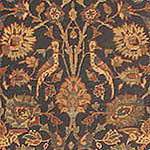 Handmade rugs carry “micro-decisions”. These are tiny shifts in tension, spacing, and color that give the rug personality and presence. The best handmade rugs also tend to age more gracefully, especially when natural dyes and good wool are involved.
More about Hand Made Carpets
Machine-Woven Rugs (What They Do Well)
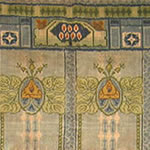 Machine-woven rugs can be consistent and clean. But their precision is also their limitation: execution is mechanical, and the “life” that comes from hand tension, dye variation, and human drawing usually isn’t there. They’re a different product, often useful but not the same category of object.
More about Machine-Made Rugs
Materials Used in Rug Weaving
Wool
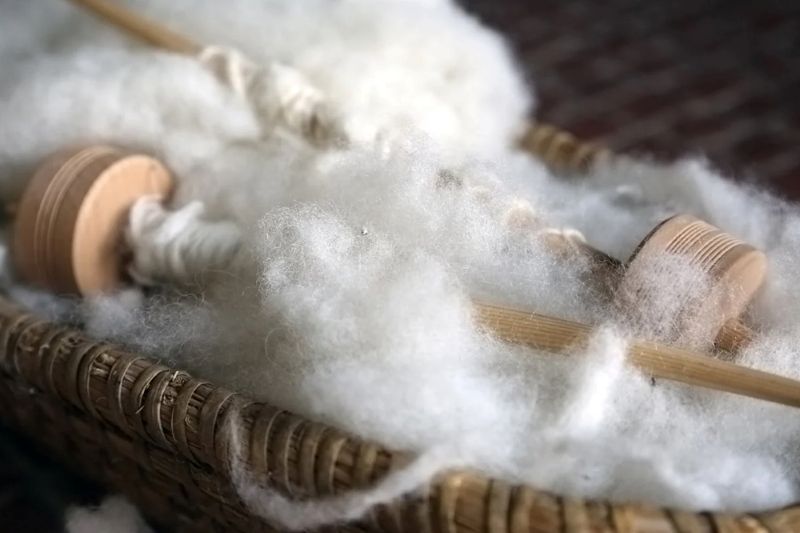
Wool is the workhorse: strong, resilient, and naturally elastic. Great wool also takes dye beautifully and can develop a soft patina over time.
Explore more about wool rugs.
Cotton (Foundation)
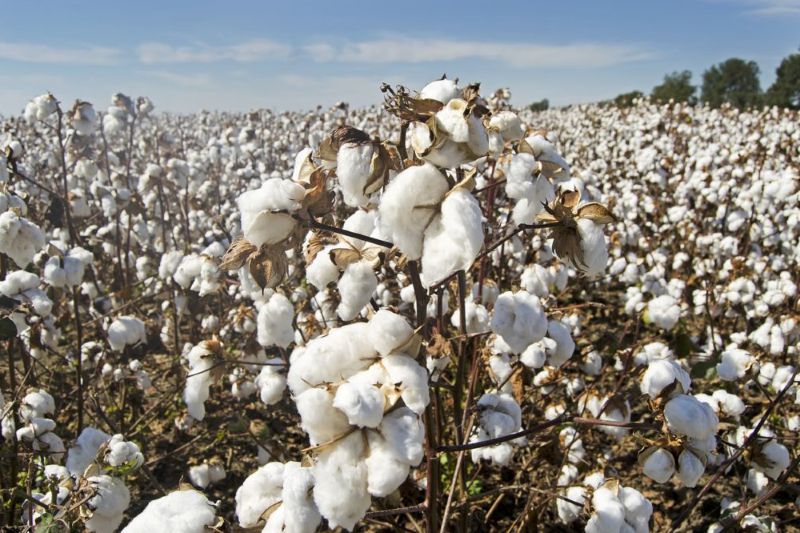
Cotton is commonly used for warps and wefts, what’s known as the rug’s “skeleton”. A stable foundation helps the rug keep its shape.
Explore more about cotton rugs.
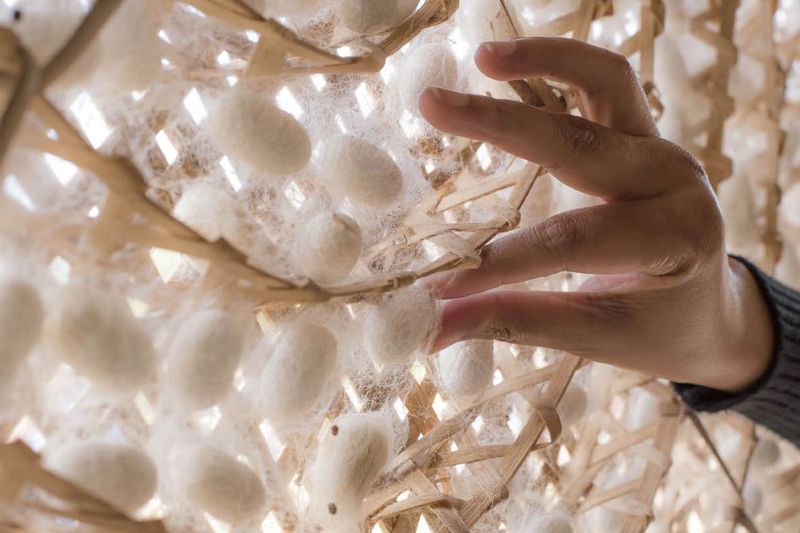
Silk
Silk adds a luminous sheen and enables very fine detail. It can be used throughout a rug or as highlight work for drawing and contrast.
Explore more about silk rugs.
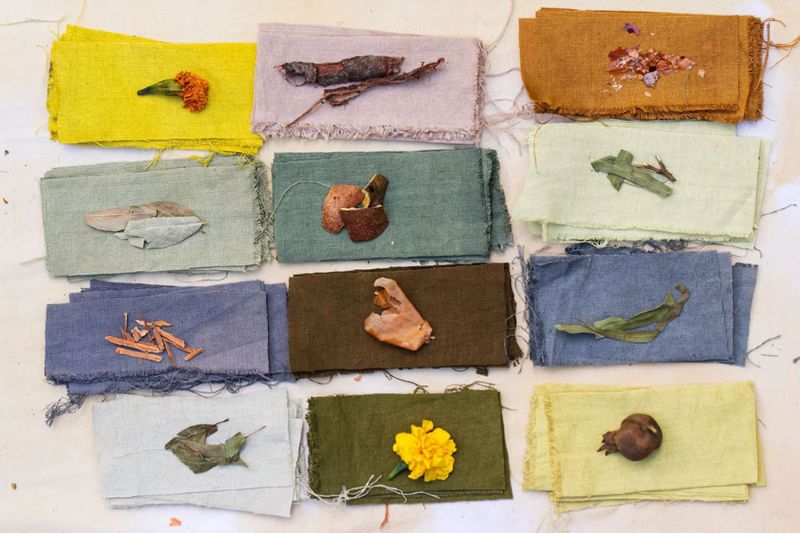
Dyes (Natural vs Synthetic)
Natural dyes tend to mature in a distinct way, often with depth and variation. Synthetic dyes can be stable too, but the look and aging behavior varies widely. Dye choice is one reason two rugs with “the same” color can feel completely different in person.
Looms, Foundation, Warps & Wefts (The Rug’s Skeleton)
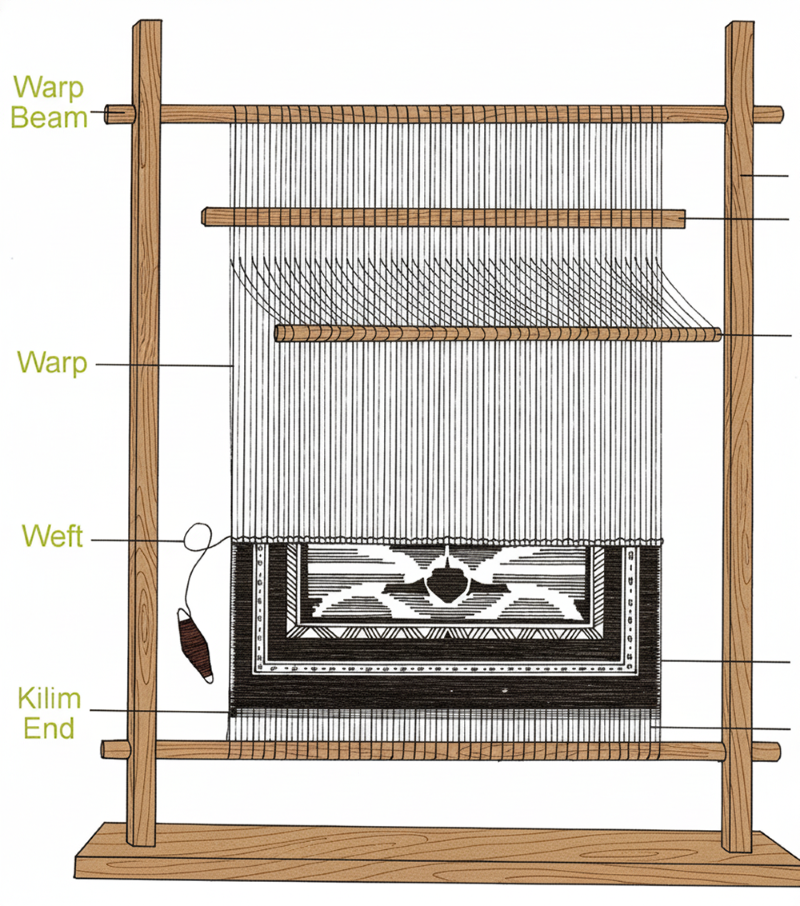
A loom is a framework that holds yarn under tension so weaving can happen. The vertical threads are the “warp“. The horizontal threads that pass through make up the “weft“. Together, warps and wefts form the foundation of the weave.
Nomadic weavers most often use horizontal looms, as they are portable and low to the ground. Conversely, village workshop settings prefer vertical looms because they’re a stable and scalable structure. Tools like a shed stick and heddles create space between warps so wefts can pass through efficiently.
Flatweave vs Pile Rugs (The Two Big Families)
Flatweaves (Kilim/Tapestry)
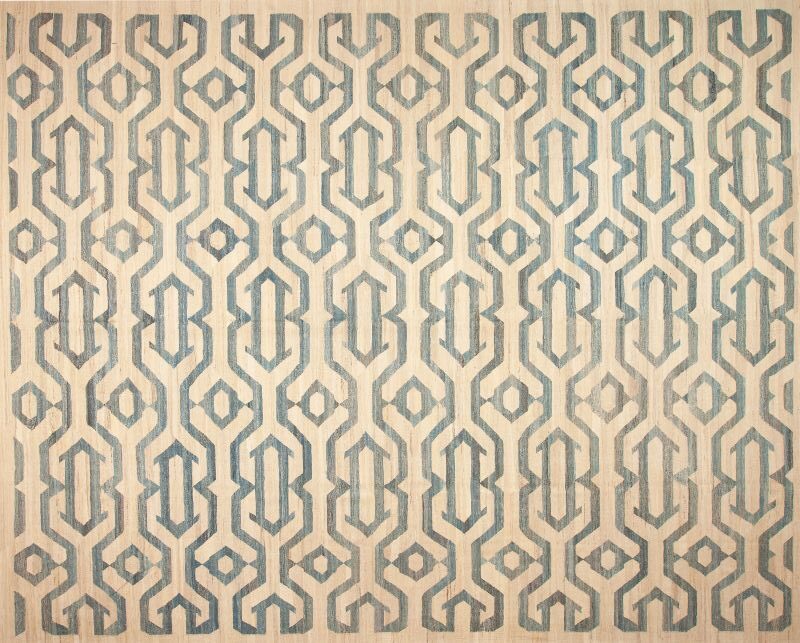
The passing of colored wefts through warps are what build designs without raised piles, thus creating flatweaves. They’re often lighter, flexible, and graphic, serving as tapestries as well as rugs.
Pile (Knotted) Rugs
Pile rugs add rows of “knots” and then secure them with wefts. The hanging ends of these loops make up the “pile” which is later clipped to a uniform height.
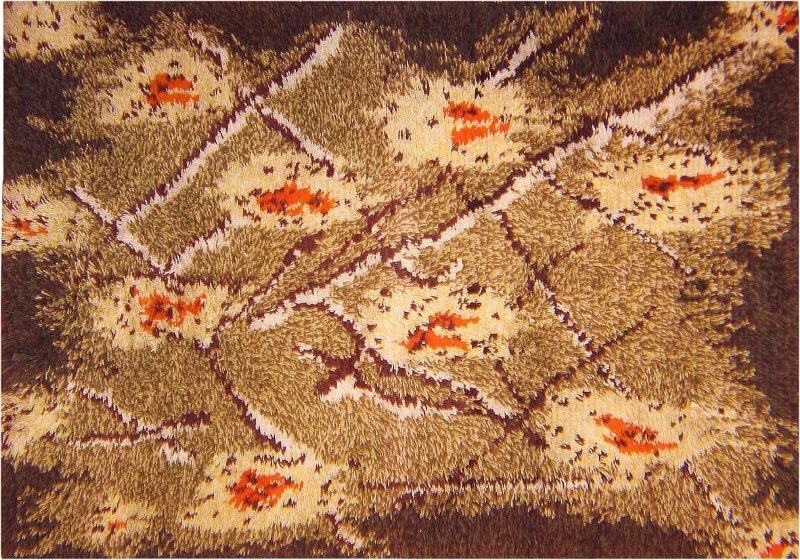
Types of Knots and What “Knot” Really Means
In pile rugs, knots are loops around adjacent warps. The two classic structures are:
- Symmetrical – often associated with Turkish or Ghiordes knots
- Asymmetrical – often associated with Persian or Senneh knots
Asymmetrical knots are either “open left” or “open right”, depending on the weaving direction. Knot structure affects clarity, flexibility, and sometimes regional identification.
Step-by-Step: How a Rug is Made, From Fiber to Finished Carpet
1) Prepare the Fiber
Wool is sorted, cleaned, and opened up to remove debris, while fibers are aligned so they can be spun.
2) Spin the Yarn
Yarn may be Z-spun or S-spun, and sometimes plied for strength and consistency.
3) Wash the Yarn
Washing removes oils and dust so dye takes evenly and the yarn handles cleanly.
4) Dye the Yarn
Yarn is dyed to achieve the palette using natural or synthetic dyes. Drying often happens in open air and sunlight.
5) Set the Loom
Warps stretch under tension. Initial wefts may be added to establish the base.
6) Weave the Rug
- Hand-knotted: knots/loops are tied row by row, then secured by wefts.
- Flatweave: colored wefts build the design directly.
- Soumak (wrapped-weft): yarns wrap over warps for a thicker, textured surface.
- Hand-tufted: tufts are inserted into backing with a tool, then glued/finished.
- Machine-woven: woven on power looms with mechanical consistency.
7) Finish the Sides and Ends
Selvages and end finishes prevent unraveling and protect the structure. Some rugs have kilim ends while others have braided or knotted fringes.
8) Clip and Shear the Pile (For Pile Rugs Only)
Weavers trim the rug pile to even height. Shorter piles often preserve crisp drawing. Higher piles can feel more plush and flexible.
9) Wash, Dry, and Final Correct
A final wash settles the yarn, opens the texture, and helps the rug read the way it should.
Finishing Details That Signal Quality
- Even, well-built selvages
- Secure ends so that there’s no loose foundation
- Balanced tension – ensure the rug lies flat with no rippling
- Clean drawing on the back
How to Judge Rug Quality
- Feel the wool – springy, resilient, not brittle
- Check dye behavior – look for depth; avoid harsh, flat, or bleeding colors
- Look at the back – clear structure, consistent foundation, honest wear
- Inspect the edges and ends – strong finishes matter more than people think
- Clarity of design – crisp where it should be, confident line work
- Condition reality – repairs are normal in antiques, quality repairs are what matters
Frequently Asked Questions
What’s the difference between hand-knotted and hand-tufted rugs?
Hand-knotted rugs are built knot-by-knot on a loom. Hand-tufted rugs insert yarn into a backing and finished with adhesives.
Are “knots” real knots?
In pile rugs, “knots” are loops wrapped around warps. The structure is consistent, repeatable, and secured by wefts.
Does higher knot count always mean a better rug?
Not always. Knot count can support detail, but wool quality, dyes, drawing, and finishing often matter just as much.
Why do some rugs have silk highlights?
Silk can sharpen detail and add a subtle sheen. It often emphasizes drawing, outlines, or specific motifs.
Why does the back of a rug matter?
The back reveals structure, consistency, and repairs more clearly than the front. It’s where quality shows itself.
Do natural dyes matter?
They often create depth and a particular aging behavior. However, well-made rugs can use either. What matters is stability and aesthetic result.
How long does it take to make a rug by hand?
Depending on size and complexity, weeks to many months. Fine workshop carpets can take much longer.
What’s the simplest way to start learning?
Learn the difference between flatweave and pile, then learn basic materials (wool/cotton/silk), then study one region at a time.
Where can I find quality hand-made rugs?
Nazmiyal Antique Rugs has an extensive collection of quality hand-made carpets.