QUICK NAVIGATION
Key Takeaways
- Senneh rugs are known for fine weave and crisp, precise drawing—they feel “designed,” not accidental.
- Many of the best examples come from a golden age of regional production and show exceptional color control.
- Their distinctive structure often shows a textured/bumpy back—a hallmark collectors recognize quickly.
At-a-Glance Specs
- Origin: Sanandaj (Senneh), Iranian Kurdistan (Northwest Persia)
- Weave / Structure: Fine weave; single-weft construction with interlaced warps (classic Senneh trait)
- Look: Crisp geometry + refined florals; allover and medallion formats
- Common sizes: Famous in scatter/accents, also found in runners and room-size carpets
- Palette: Rich but controlled—navy, madder red, ivory, soft earth tones; occasional jewel accents
- Best for: Studies, libraries, bedrooms, hallways, layered interiors, “quiet luxury” rooms
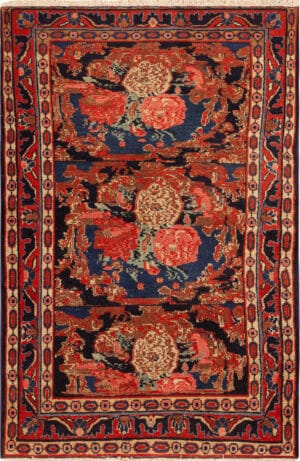
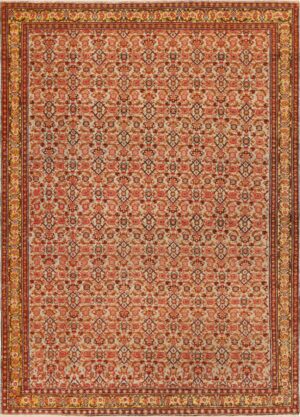
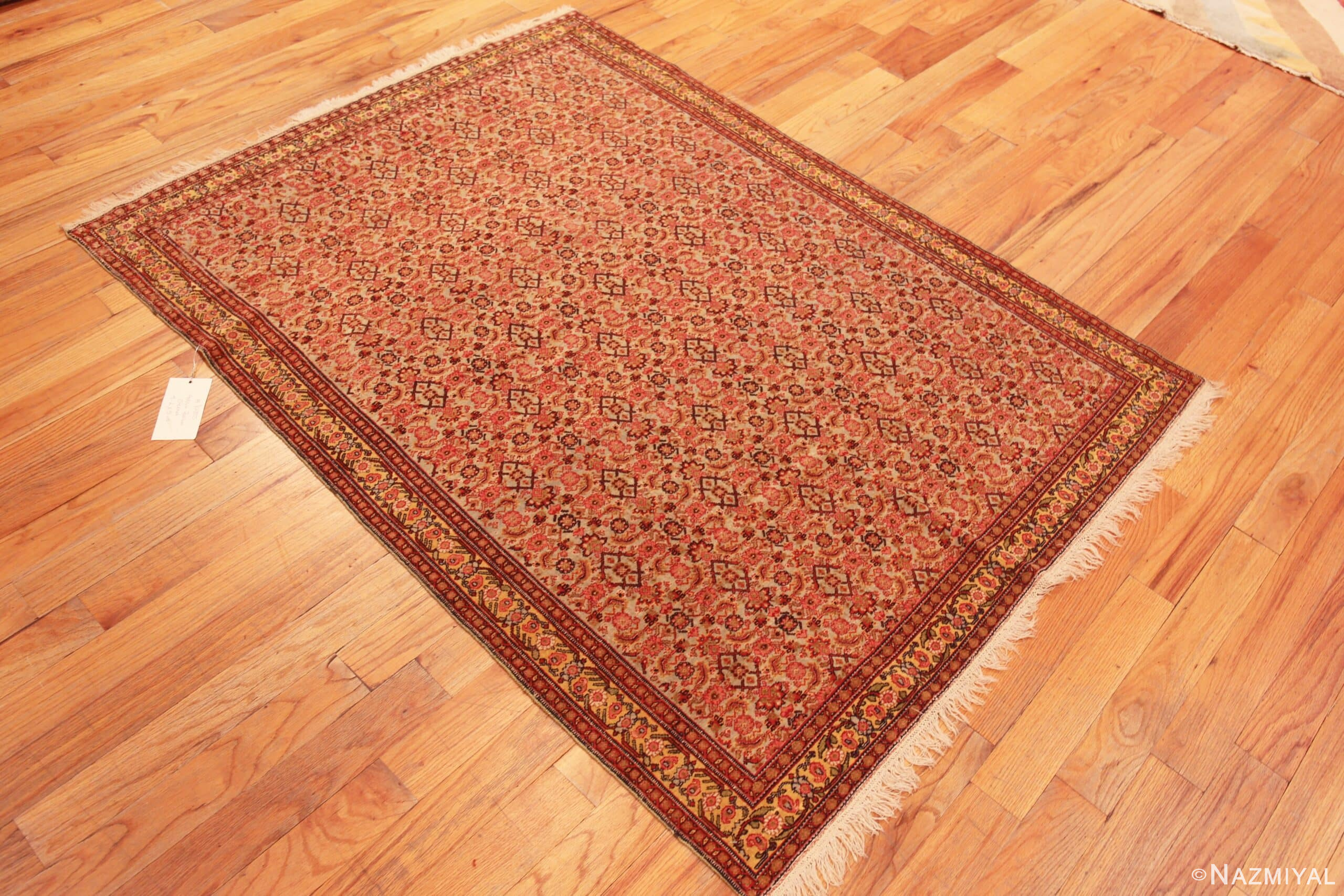
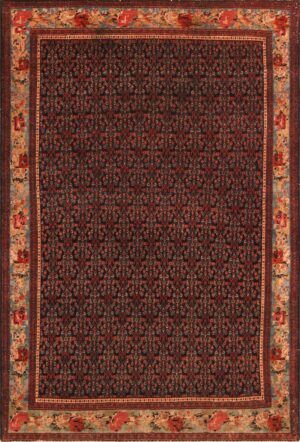
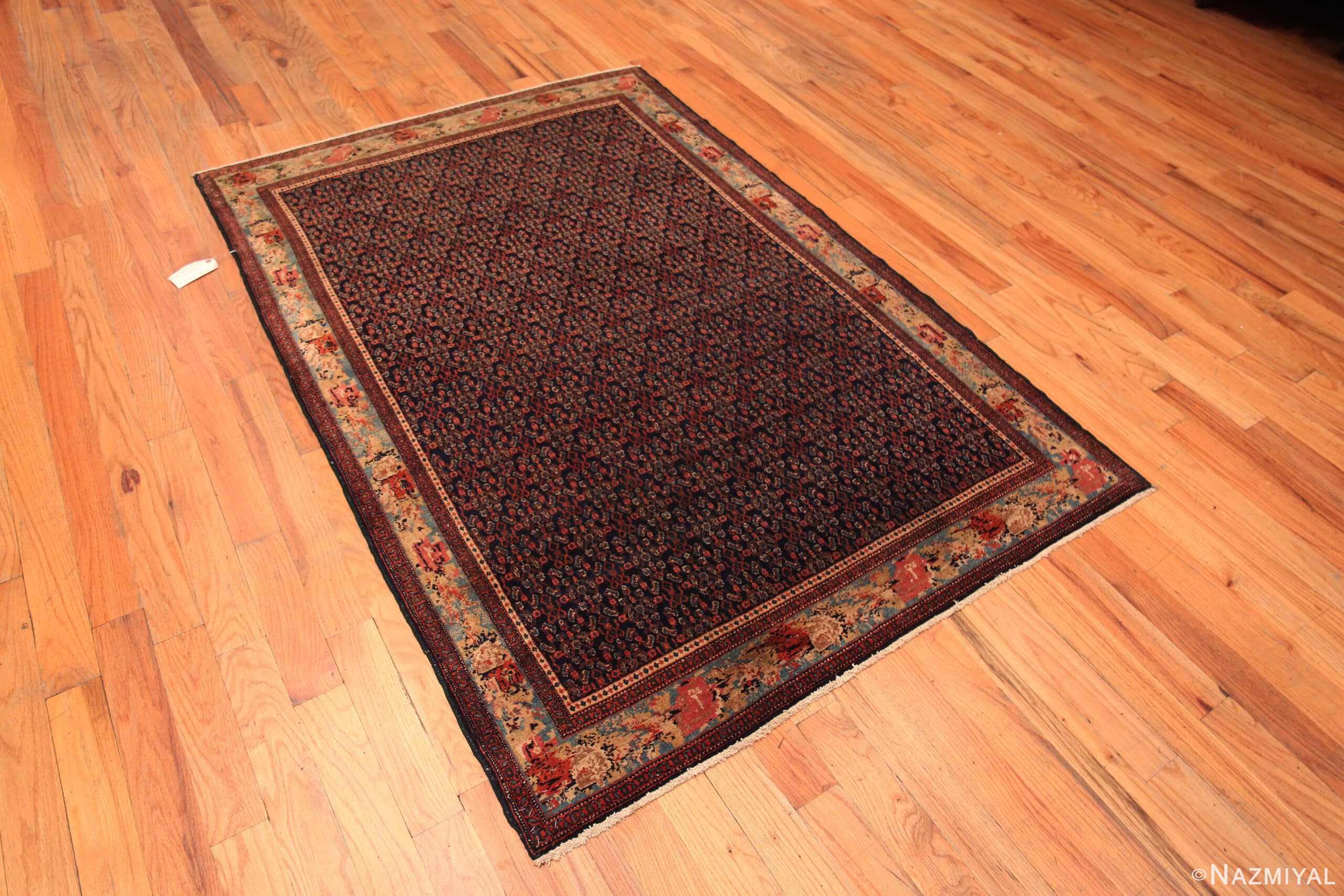
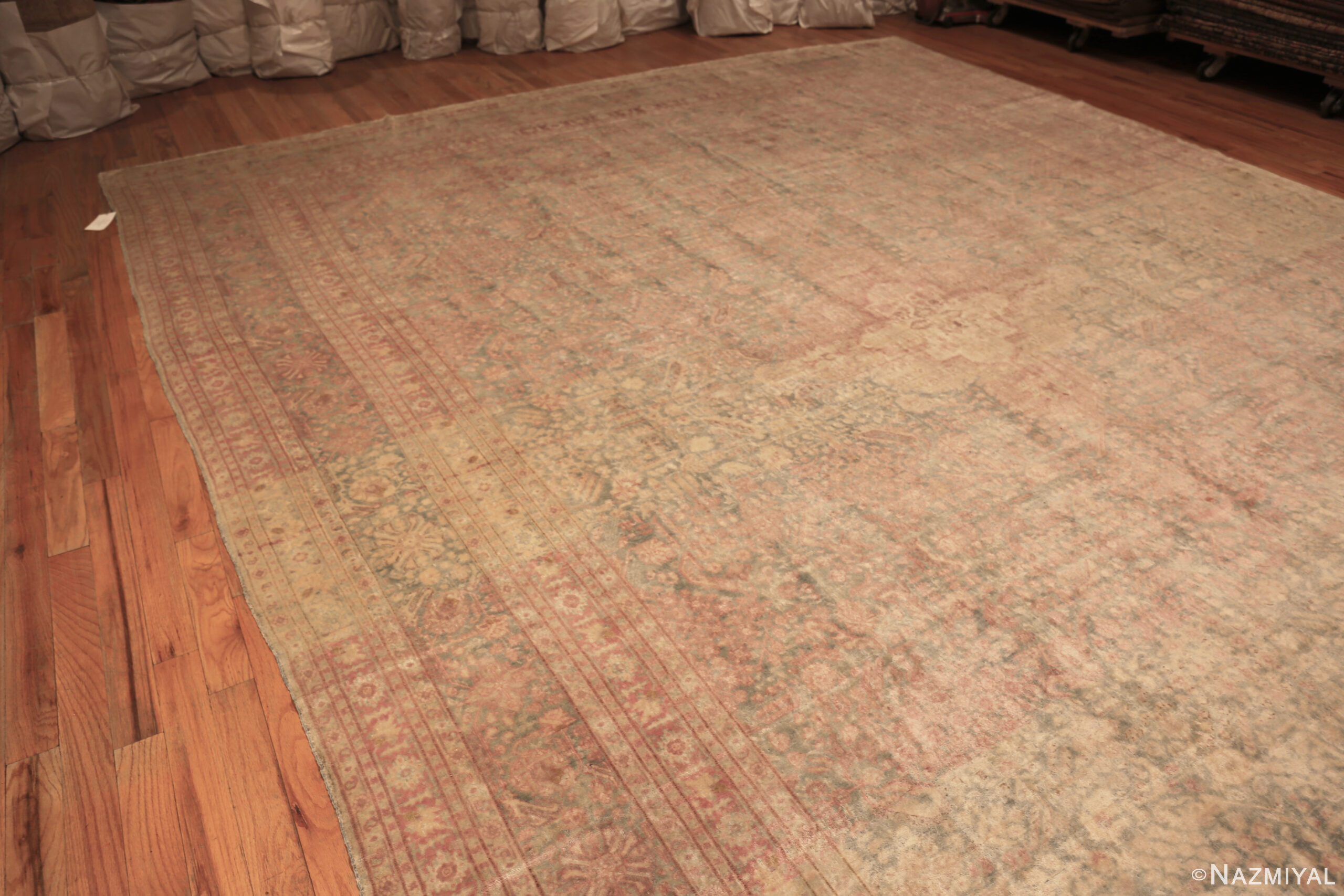
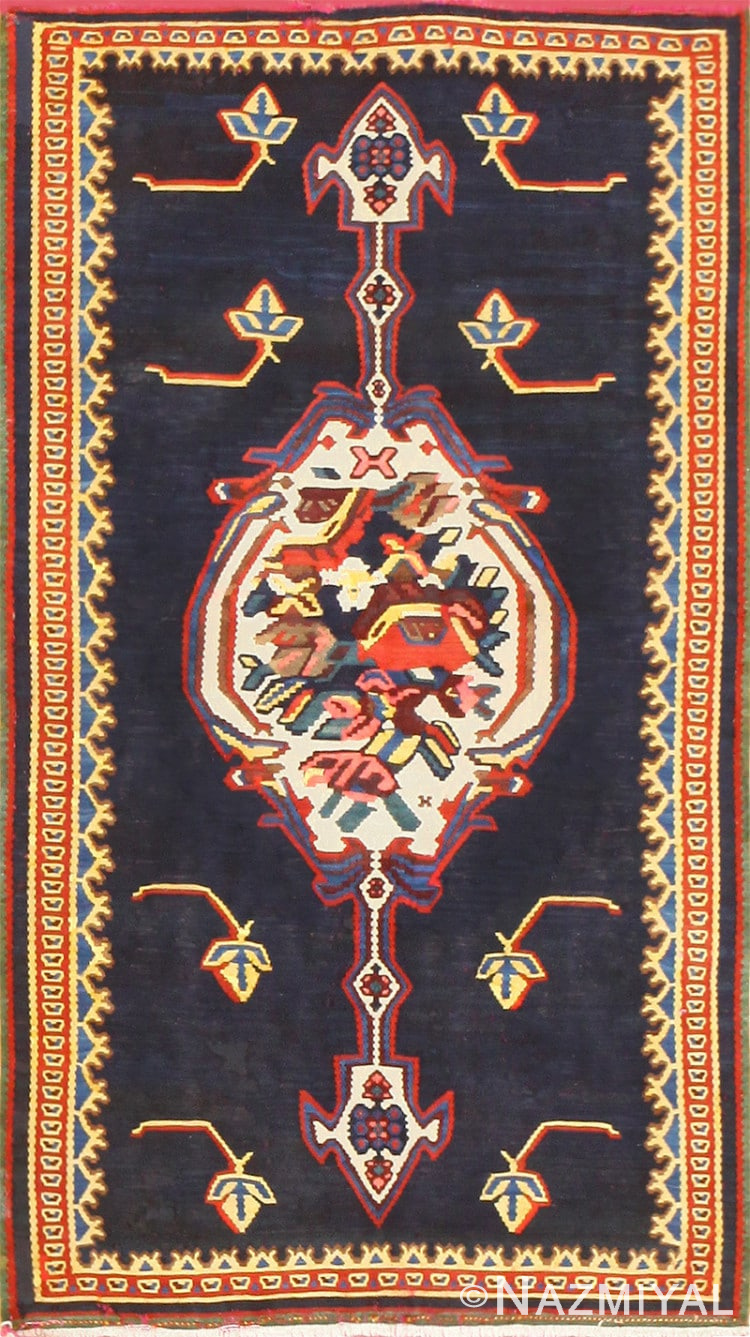
Featured From the Nazmiyal Collection
Featured 3
What Makes a Senneh Rug a Senneh?
Senneh rugs are celebrated for something you can feel and see at the same time: a refined structure that allows for razor-clean drawing. The best examples have a smooth, articulate surface where small details stay readable—curving vines, tiny rosettes, delicate borders, and repeating motifs that lock into rhythm.
You’ll find Sennehs in both allover patterns (an elegant “wallpaper” effect) and medallion compositions. Either way, the signature is the same: precision.
Where Do Senneh Rugs Come From?
“Senneh” refers to the city of Sanandaj (historically called Senneh) in Iran’s Kurdistan region. Because of geography and weaving traditions, many Senneh carpets are often associated with Kurdish weaving communities and regional design dialects.
If you like the Senneh “voice,” you may also enjoy browsing Persian Rugs broadly—especially when comparing workshop-style refinement versus village character.
How Senneh Rugs Are Made
Collectors often recognize Senneh rugs by their structure. Traditional Senneh weaving is known for:
- a fine, tightly controlled weave that supports detailed patterning
- classic structural traits that can produce a distinct textured back
- yarn handling that keeps outlines sharp and motifs disciplined
This is the hidden reason Senneh rugs decorate so well: they don’t blur in the room. They read.
Design Language
Many antique Senneh rugs feature traditional regional patterns that repeat with incredible balance. A well-known Senneh tradition includes long-running motif families (collectors often reference patterns like Gol-i-Bolbol when discussing classic Senneh design language).
If you’re decorating a room with lots of art, books, or architectural detail, Senneh allover designs are especially useful—your eye gets richness without visual chaos.
Color
One reason designers love Senneh is the palette discipline. You’ll see saturated colors—navy, madder, ivory, walnut, soft greens—but rarely in a loud way. The color is confident, not flashy, which makes Senneh rugs easy to use in both classic and modern interiors.
Sizes & Placement
Antique Persian Senneh rugs are famously strong in small accent/scatter sizes—perfect under a writing desk, beside a bed, in an entry moment, or layered over natural textures. They also exist in larger room-size formats when you want the same refinement on a grander scale.
Placement ideas that work beautifully:
- under a desk or reading chair (the pattern reads close-up)
- hallway moments (tight drawing holds up visually in narrow spaces)
- bedrooms (adds warmth without dominating)
- layered over sisal or a large neutral foundation rug
Decorating With Senneh Rugs
Senneh rugs are especially strong when you want a refined pattern that still feels lived-in. Designers often treat them as a “quiet luxury” anchor—detailed enough to reward close viewing, disciplined enough to stay calm under furniture.
- Antique Rugs: choose this lane when you want true patina and historic presence from a curated Antique Rugs selection.
- Vintage Rugs: if you want a softer, more relaxed room feel, compare options in Vintage Rugs.
- Modern Rugs: if you want a cleaner read (especially in minimal interiors), browse Modern Rugs alongside Senneh.
Collecting & Value
When you’re evaluating a Senneh rug, the best pieces usually win on:
- clarity of drawing (clean outlines, confident pattern)
- condition (especially corners, ends, and any old repairs)
- color quality (depth, harmony, and attractive aging)
- personality (the small irregularities that make it real)
If you want help choosing, contact us and we’ll curate options by size, palette, and budget—then show close comparisons within our Persian Rugs category.
Senneh Rugs vs. Kurdish Rugs
Senneh rugs and Kurdish rugs overlap culturally and geographically, but they often feel different in a room.
Senneh Rugs
- typically more refined and “drawn”
- crisp detail; controlled pattern rhythm
- often reads elegant and decorative
Kurdish Rugs
- often bolder, more tribal, more graphic
- heavier forms; stronger rustic energy
- great when you want raw character
Explore Kurdish Rugs.
Also Compare: Senneh Rugs vs. Malayer Rugs
If you like village Persian rugs but want to compare refinement levels, explore Malayer Rugs as a rustic-village counterpoint to Senneh’s precision.
Explore More
If you like origin-first browsing (country → region → city), use Rug Origins. For international projects and destination browsing, our Worldwide Rugs (Countries & Cities) hub is the fastest way to scan by geography.
Why Nazmiyal
Unmatched Inventory Depth — one of the world’s deepest selections
Rigorous Authenticity Standards — expert-vetted & accurately represented
Expert Advisory — real guidance on size, placement, and value
Primary CTA: Speak With a Rug Expert
Glossary
- Abrash: Natural shade variation in hand-dyed wool that adds movement and depth.
- Herati / Mahi: A repeating “fish” / rosette lattice pattern seen across many Persian traditions.
- Allover design: Pattern distributed evenly across the field (no single dominating center).
- Medallion: A central focal motif anchoring the composition.
- Single-weft construction: A structural approach associated with classic Senneh weaving that supports crisp detail.
FAQ
Are Senneh rugs Persian rugs?
Yes—Senneh (Sanandaj/Sineh) rugs are part of the Persian rug tradition, produced in Iran’s Kurdistan region.
Are Senneh rugs usually allover designs?
Many are, and it’s one of the reasons they decorate so easily—pattern stays balanced under furniture and art.
Are Senneh rugs always small?
They’re famous in scatter sizes, but they also exist as larger room-size carpets.
How can I tell a Senneh rug quickly?
Look for crisp drawing, refined detail, and the structural “feel” (many traditional examples show a distinct texture on the back).
Do Senneh rugs work in modern interiors?
Absolutely. Their disciplined geometry and controlled color make them surprisingly modern—even when the rug is antique.
Can Nazmiyal help me choose a size and palette?
Yes. Use Speak With a Rug Expert and we’ll curate options based on your room, budget, and style goals.
Nazmiyal White-Glove Service
We make it easy to shop with confidence—whether you’re choosing a single statement piece or curating a full room.
If you want help narrowing Senneh options by size, palette, and room type, contact us and we’ll guide you quickly and honestly.
Trust Footer
Reviewed by: Jason Nazmiyal — Nazmiyal Antique Rugs (New York City)
Learn more About Nazmiyal.
Nazmiyal Link Map