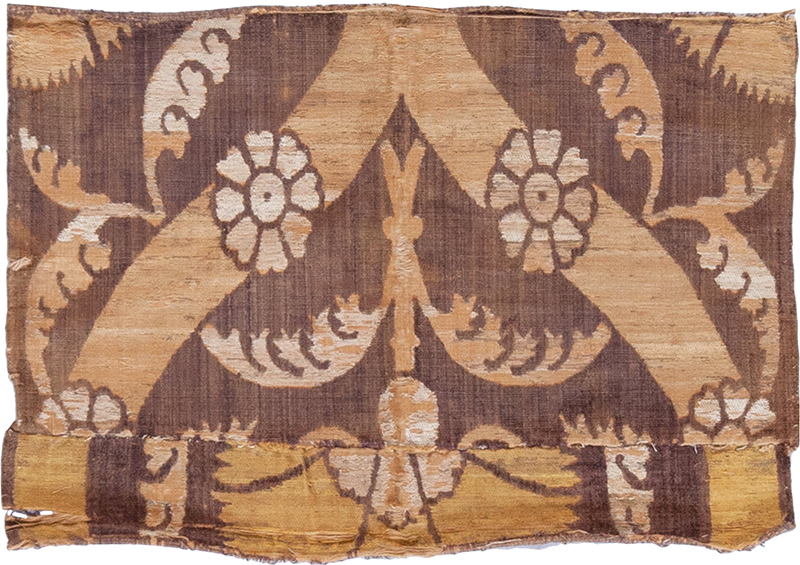
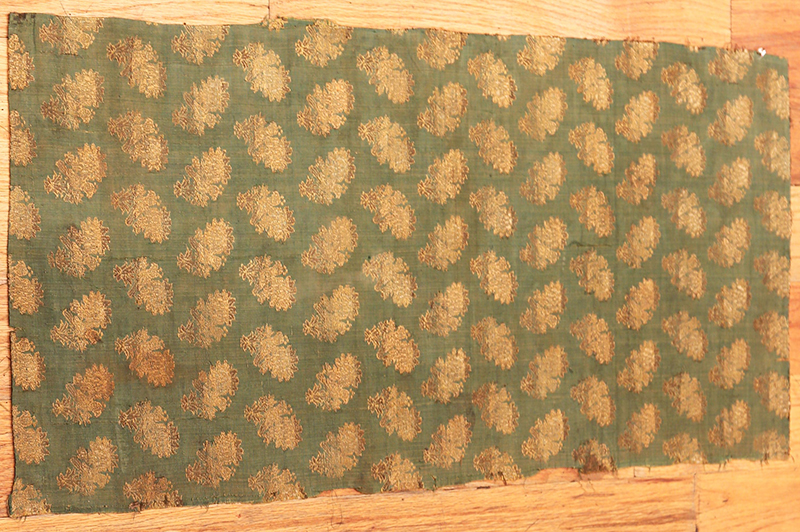
Antique Ottoman Silk Embroideries with Naturalistic Florals, Gold Thread, and Courtly Craft
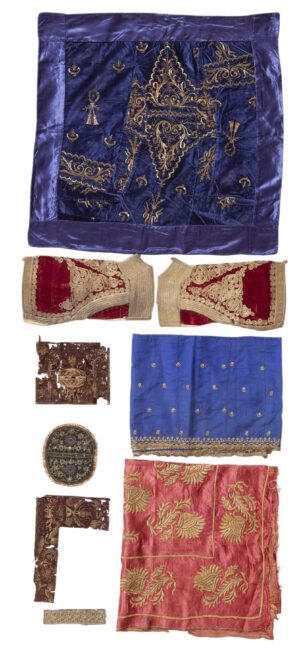
Ottoman embroidery textiles are collectible works of decorative art—often silk (and sometimes metal-thread) pieces made for refined interiors, ceremonial use, or display. The best examples balance luminous materials with confident drawing: floral sprays, medallion-and-corner layouts, and soft, elegant color that can feel surprisingly modern on the wall. This page highlights what to look for, how to evaluate condition, and how Ottoman taste evolved alongside European influence from the 16th through 19th centuries. For a broader view of related works across regions and techniques, explore our antique textiles and embroideries collection at Nazmiyal.
Ottoman embroidery textiles are antique Turkish court and workshop textiles—often silk and occasionally metal-thread—recognized for naturalistic florals, refined palettes, and exceptional needlework intended for elite domestic and ceremonial settings.
Curated quality: we focus on pieces with strong drawing, credible age, and decorative presence.
Specialist guidance: help comparing materials, stitches, and condition so you buy with clarity.
White-glove support: straightforward help for approvals, shipping, and collector-level service.
How to Identify Ottoman Embroidery Textiles
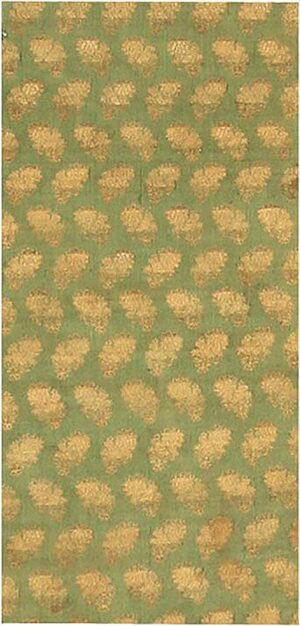
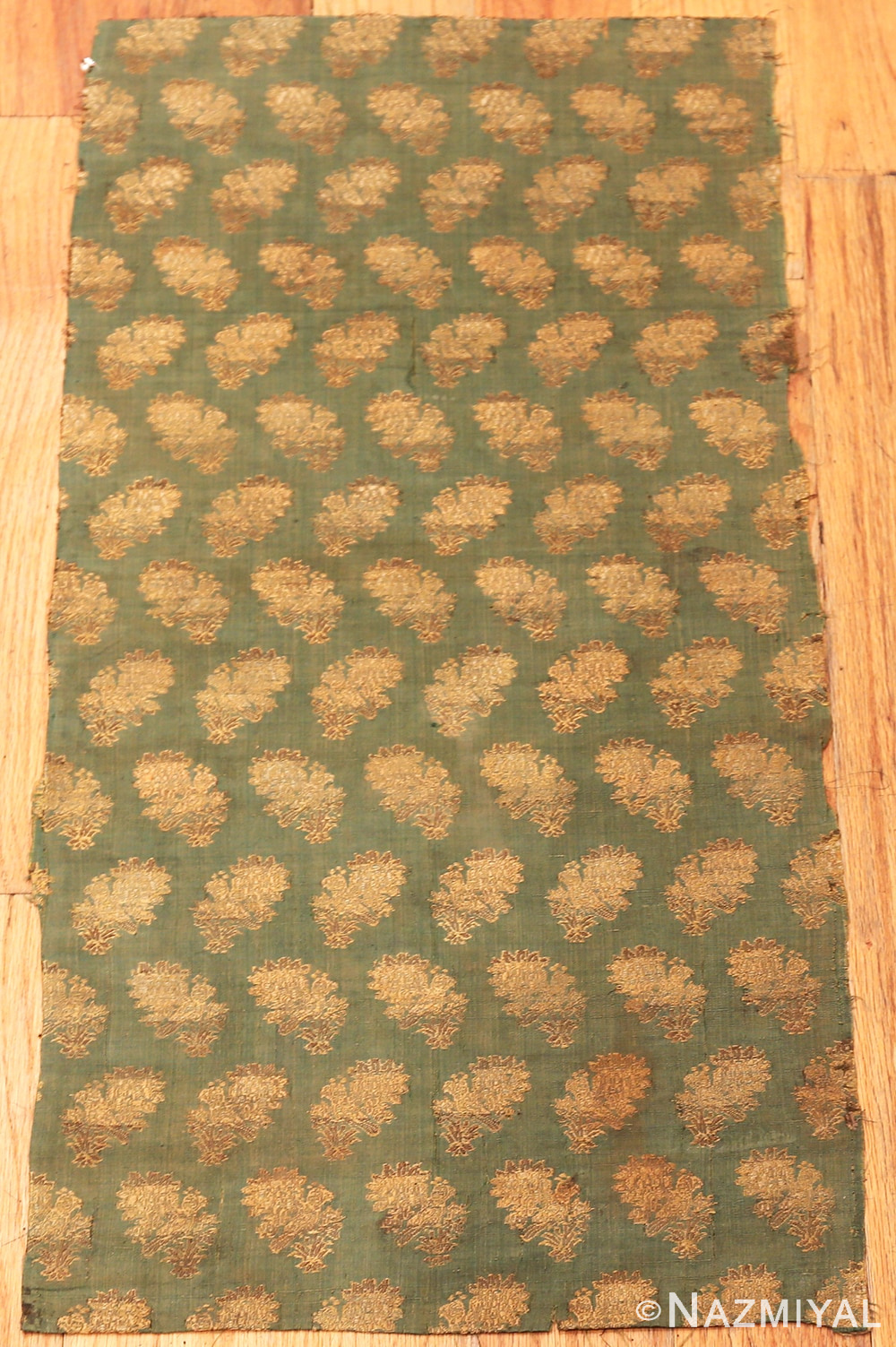
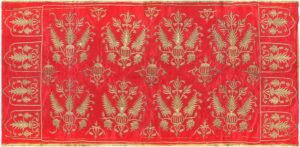
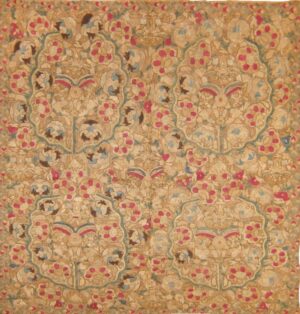
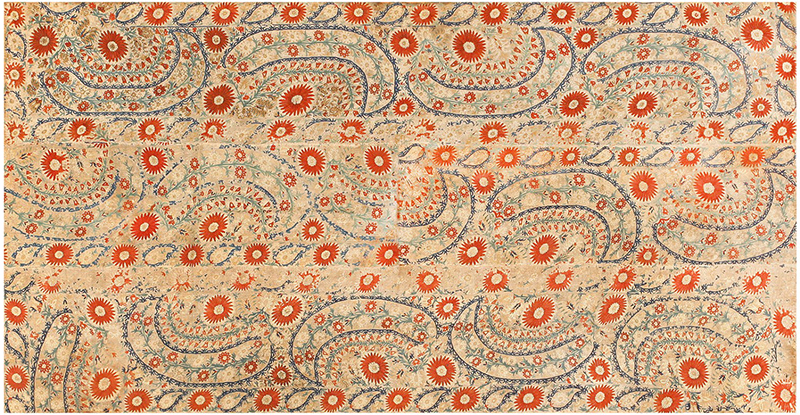
Ottoman embroideries often stand out for their poised naturalism—flowers read as botanical, not merely stylized. Many examples organize florals in staggered rows across a satin ground, while others adopt a medallion-and-corner framework more familiar to carpet collectors. Look for confident spacing, consistent stitch direction, and motifs that remain crisp when viewed from several feet away (important for wall display).
Naturalistic florals: roses, carnations, tulips, and leafy sprays rendered with courtly restraint.
Medallion logic: subtle center emphasis and balanced corners, sometimes framed by a continuous floral perimeter.
Finish details: clean edges, stable ground fabric, and thoughtfully resolved corners (not hurried or distorted).
Materials & Techniques
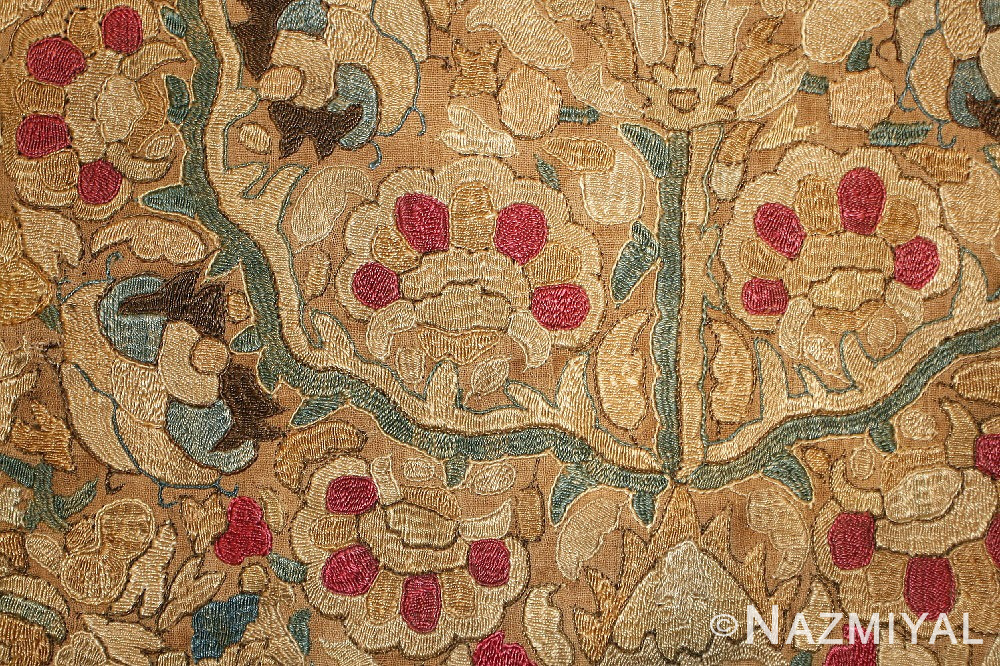
Silk is the headline material—valued for sheen, depth of color, and the way it makes fine linework legible. Some Ottoman pieces incorporate metallic gold thread to create raised relief in stems or accents, while others appear as velvet panels (including voided velvet, or catma) associated with historic Turkish silk production. Collectors also compare select Ottoman silks to refined Persian textile taste; for context, see Persian rugs and their shared courtly design vocabulary.
Ground fabrics: silk satin and silk weaves that enhance luminosity and soften color transitions.
Thread types: silk floss; occasional metal-thread highlights for sparkle and dimensionality.
Stitch character: consistent tension, even density, and clean transitions at curves and petal edges.
Decorating with Ottoman Embroidery
These pieces excel as textile art: frame them, float-mount them, or treat them as a soft counterpoint to hard architectural lines. If you decorate with layered history, pair Ottoman embroidery with curated antique rugs; for a lighter, collected look, mix in complementary vintage rugs; and in cleaner spaces, contrast the embroidery’s detail against the restraint of modern rugs.
Wall placement: hang at eye level and allow breathing room; the silk sheen reads best with indirect light.
Color strategy: echo one accent tone (pink, saffron, green) in a pillow or ceramic, and keep the rest quiet.
Scale: larger embroideries can anchor a room like a painting; smaller formats shine in groupings.
Value & Collecting
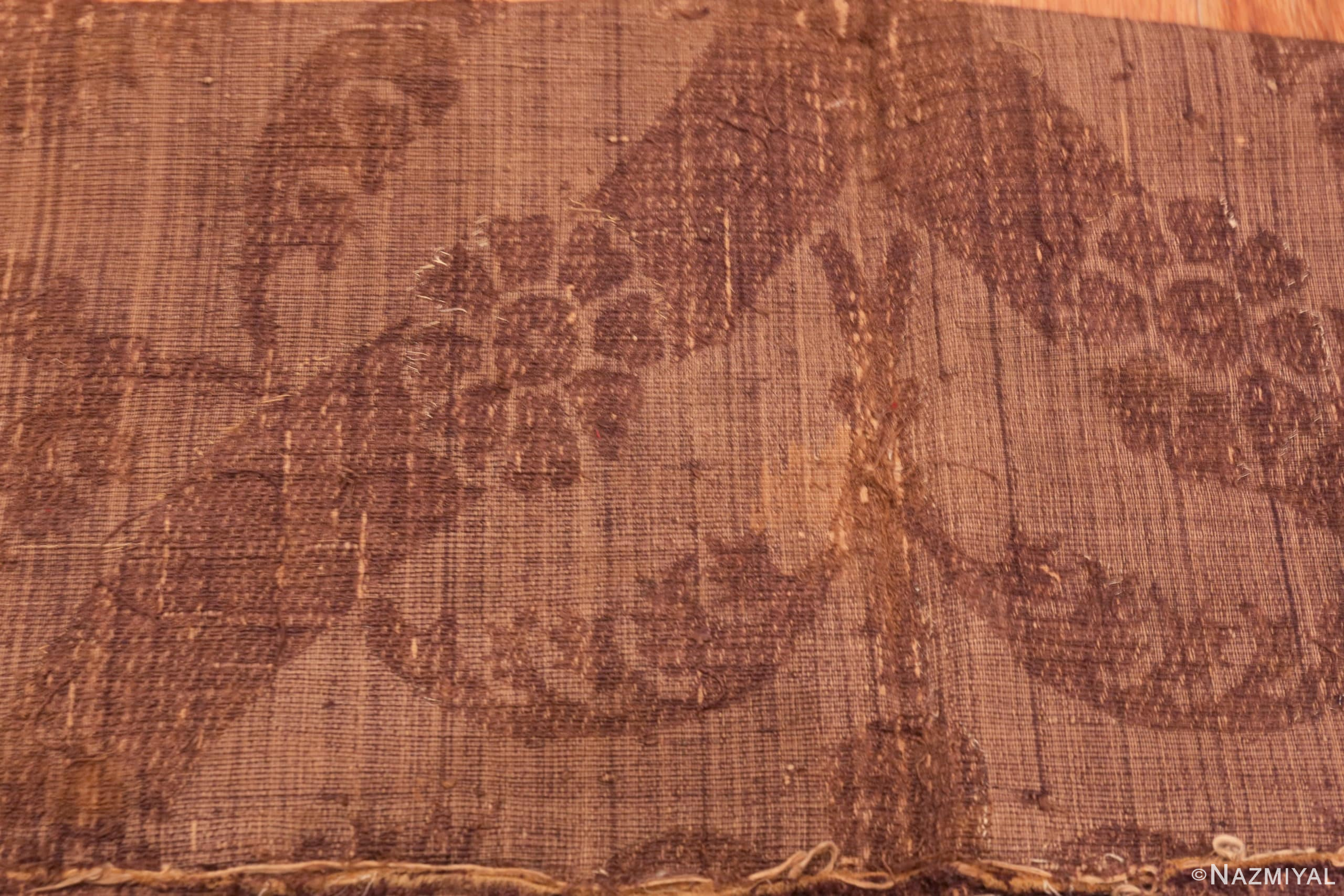
Ottoman embroideries are condition-sensitive: silk can shatter with age and light exposure, and metallic threads can abrade. Value typically increases with strong preservation, clear drawing, and materials that still feel luminous rather than brittle. Provenance and workshop attribution can add interest, but for most buyers the most important test is simple: does the piece still “read” as court craft at a glance?
Condition first: look for stable ground fabric, minimal splitting, and intact high points.
Design clarity: crisp florals and balanced spacing outperform busier pieces with weaker drawing.
Rarity: early examples and unusual formats (velvet panels, strong medallion systems) can elevate collectability.
Related Rugs
If you’re drawn to Ottoman embroidery but want the closest “next category” for browsing and comparison, your closest cousin is antique textiles and embroideries, where you’ll find Ottoman works alongside other stitched and woven traditions.
To compare Ottoman work to other weaving and embroidery traditions by geography, explore Rug Origins, or browse the broader international view via Worldwide.
Glossary
Catma (voided velvet): a velvet technique with raised patterning, associated with historic Turkish silk production.
Metal thread: metallic yarn (often gold-toned) used to add shimmer and relief in stems and accents.
Medallion-and-corner: a layout with a central focal element and coordinated corner motifs.
Floral spray: a naturalistic botanical cluster arranged as a repeat or staggered row.
Ground fabric: the base cloth (often silk satin) onto which embroidery is worked.
Relief work: raised stitching that creates dimensional texture on the surface.
What makes Ottoman embroidery textiles collectible?
The combination of luminous silk, refined floral drawing, and court-level craftsmanship—often enhanced with metal-thread accents—makes them highly desirable as decorative art and historical objects.
Are these meant to be used on the floor like rugs?
Generally, no. Most Ottoman embroidery textiles are better treated as wall pieces, framed works, or occasional-use covers rather than floor furnishings.
How do I evaluate condition in antique silk embroideries?
Check for splitting or shattering in the silk ground, abrasion on raised or metallic threads, and any weak areas around edges or folds.
What motifs are most common?
Naturalistic florals—roses, carnations, tulips, leafy vines—arranged as repeats, staggered rows, or subtle medallion-and-corner layouts.
Do Ottoman embroideries show Persian influence?
Many share a courtly design vocabulary and refined taste that collectors also recognize in Persian luxury arts, even when Ottoman materials and stitch techniques create a distinct look and feel.
How should I display an Ottoman embroidery textile?
Use conservation-minded framing or mounting, avoid direct sunlight, and allow the silk’s sheen to read under soft, indirect lighting.
Nazmiyal White-Glove Service
We make it easy to shop with confidence—whether you’re choosing a single statement piece or curating a full room.
Trustindex verifies that the original source of the review is Google.
My wife and I are so pleased with the antique Uzbek Bokhara Rug purchased from the Nazmiyal Collection. Not only does the rug have a spectacular design, it also was very reasonably priced. The way it transforms our living room, reconciling the classic modern furniture with the 1913 Craftsman interior is remarkable.
Posted on Google
Terence Hayes
Trustindex verifies that the original source of the review is Google.
I have purchased multiple rugs at multiple Nazmiyal auctions and I am extremely pleased with the quality, price, and experience. Highly recommended!
Posted on Google
Victor Florintsev
Trustindex verifies that the original source of the review is Google.
The only ones I'd ever buy rugs from. The best.
Posted on Google
Jeffrey NeumanB
Trustindex verifies that the original source of the review is Google.
I bought two gorgeous Serapi rugs from Farhad at Nazmiyal Rugs! Beautiful carpets, fair prices and great service. Very happy customer. Farhad (the sales person) was very patient and gave us great service.
Posted on Google
john haid
Trustindex verifies that the original source of the review is Google.
Alen is a gentleman and an expert. Really great to work with.
Posted on Google
Edward Yasuna
Trustindex verifies that the original source of the review is Google.
I recently purchased a modern Kandinsky rug from Nazmiyal Auctions. It was just as described, and the director (Farhad) of the auctions had it sent to me quickly and safely. Payment was easy, the rug was reasonably priced, and I highly recommend Nazmiyal Auctions and Antique Rugs. Quality merchandise and first-class service.
Posted on Google
Nicholas Carr
Trustindex verifies that the original source of the review is Google.
Had a excellent experience buying a rug in Nazmiyal's 1/18/26 online auction. First, prior to the auction, viewing a number of lots at the 32nd St showroom (I had prepared a list from the online catalog). The staff were great to work with: helpful, knowledgable, honest, and flexible. Second, after placing an online bid and winning the desired item, arranging payment and pickup was simple and straightforward. Everything went seamlessly and the overall experience was educational and fun. Many thanks to Jason and his team.
Posted on Google
Andrea Gared
Trustindex verifies that the original source of the review is Google.
Everyone at Naziyal is proffessional, especially Jason and Farhad.
They are knowledgeable, truthful, and true gentlemen. I have sold several rugs through them and will always go to them first, to buy or sell. The best in the business!
THE NAZMIYAL NEWSLETTER
Discover Your Next Favorite Rug
Get new arrivals, rug inspiration, educational blogs, and collection highlights delivered to your inbox.
By subscribing, you agree to receive marketing emails from Nazmiyal. Unsubscribe anytime. View our Privacy Policy.