Egyptian Rugs
Mamluk, Cairene & Historic Egyptian Weavings
Showing all 2 results
- Size: 15 ft 2 in x 17 ft 6 in (4.62 m x 5.33 m)
- Size: 8 ft 9 in x 16 ft 3 in (2.67 m x 4.95 m)
Showing all 2 results

Showing all 2 results
Showing all 2 results
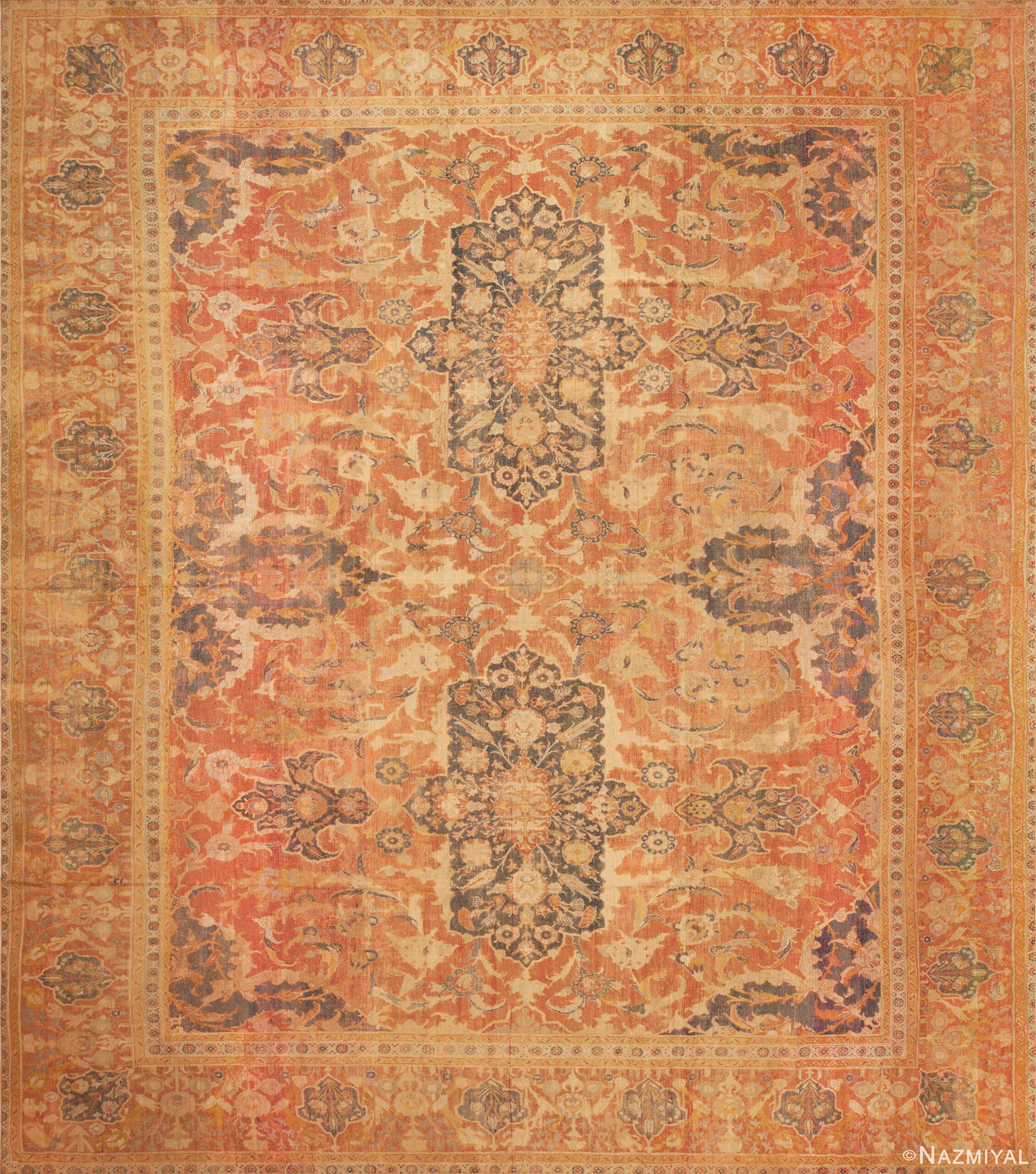
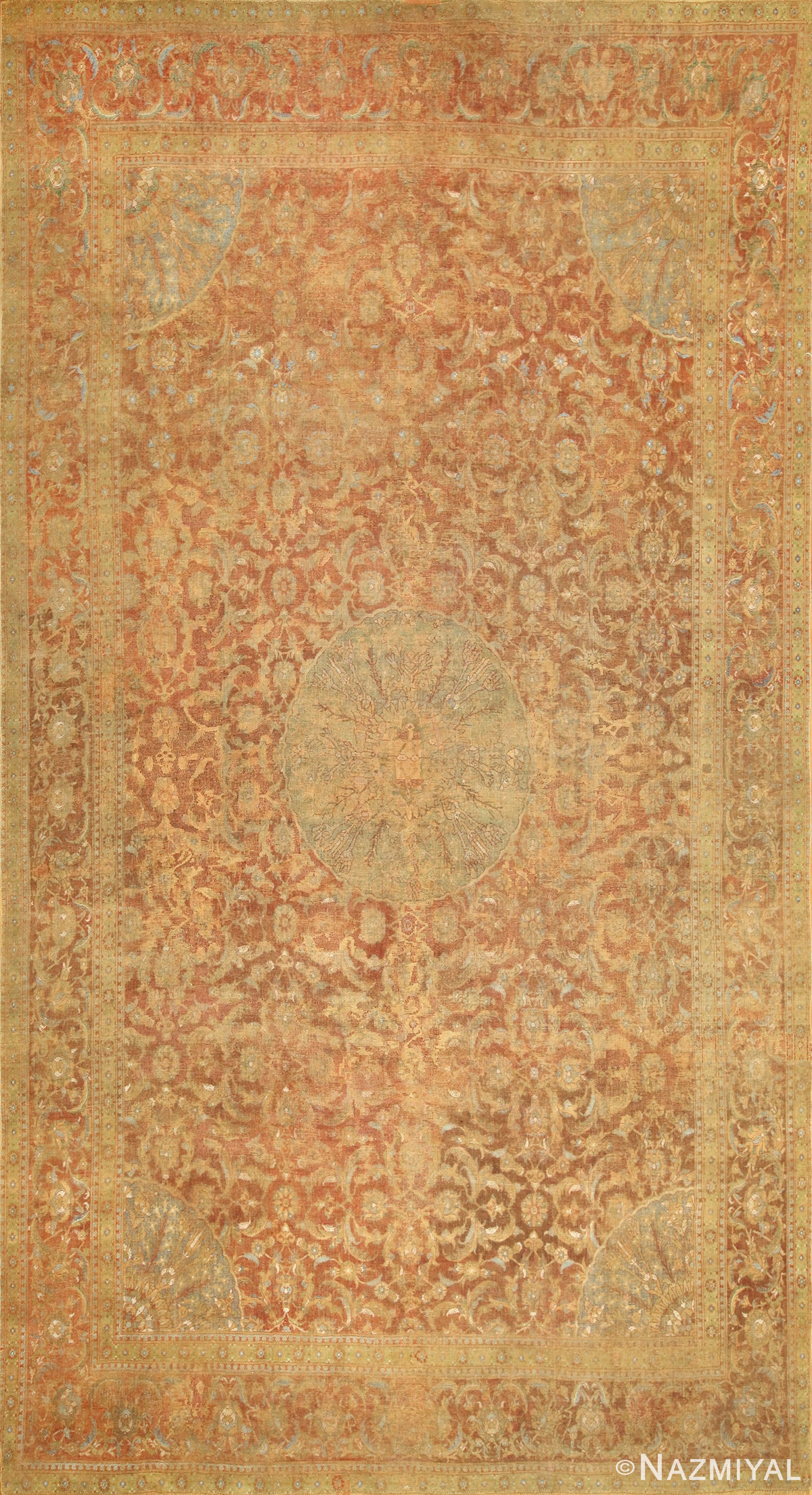
Ottoman workshops produced a variety of carpet designs with familiar elements of flowers, palmettes, lotuses, medallions, arabesques, cloud bands. Rugs will all-wool construction thought to come from Cairo–established rug-weaving center when conquered by the Ottomans in 1517. Mamluk rugs have a limited palette of colors, geometric patterned design and used the Senneh or Persian knot.
Among the lesser known antique rug centers of the world is Egypt, but lesser known does not equate to lesser in terms of quality, color, design, and historical robustness. Perhaps Egyptian rugs remain inconspicuous in the world of antique rugs because Egypt lies in the shadow of some of the world’s rug producing giants of yesterday and today (Persia and Turkey for two). Regardless, Egyptian rugs, particularly those woven in Cairo during the 16th and 17th centuries, are some of the most beautiful rugs ever woven given their unique and lively color palette and ancient design motifs.
Beginning in 1250, the Mamluk Sultanate ruled over Egypt until the Ottomans conquered the old lands in 1517. During their almost 200 year rule, the Malmuk people became known for their skills in trade and craft. Mainly working with wood and metals, they also created unique floor cloths called “Damascene” rugs, with the center of its production being based in Cairo.
Unlike many of the world’s cultures who made rugs in the 1300’s, the Mamluk incorporated both counterclockwise and clockwise spun wool the manufacturing processes of their Egyptian rugs. The main colors used in the weaving of these ornate carpet workings were pale blue, light green, and a bright red that helped define the shapes in the artistic plan. At the end of the Mamluk rule in Egypt, the craftsmen and weavers in the lands adopted some of the designs of their Ottoman counterparts, telling a story about the conquests of the Ottoman Empire in the art.
Adornments, intricate flowers, and celestial shapes were part of the overarching design of the old artwork, which is extended in lines along the carpet’s surface. The image designs on the surface of the Egyptian rugs have similarities to the floor mosaics that were also made by the Mamluk. These elaborately crafted rugs were mainly manufactured for the courts, but some Mamluk craftsmen were able to export their works to countries like Italy where the Demascene floor cloths were in high demand and price. The manufacturing of these ornate antique Egyptian rugs continued on through the early 1600’s.
Egyptian rugs are renowned for their exceptional quality, craftsmanship, and unique designs.
While Egyptian rugs share some common characteristics, it’s important to note that variations exist based on the specific region, weaving technique, and cultural influences. Each rug is a unique work of art, reflecting the craftsmanship and heritage of the artisans who create them.
The ancient Egyptians did use carpets as floor coverings that could be considered similar to what we now call area rugs. Although the ones from ancient Egypt were probably not necessarily made with the same techniques or materials commonly associated with modern rugs. Instead of the pile rugs that we are familiar with today, the ancient Egyptians used woven mats and rugs made from natural materials such as reeds, rushes, palm leaves, or linen.
These woven mats served both practical and symbolic purposes in ancient Egyptian homes. They were used to provide insulation against the cold or protection from the hot sand on the floors. Additionally, these mats often featured simple geometric patterns or designs that could hold symbolic significance, reflecting the cultural and religious beliefs of the time.
While the concept of area rugs as we understand them today may not have existed in ancient Egypt, the use of woven floor coverings was a common practice to enhance the comfort and aesthetics of living spaces. Over time, as trade and cultural exchanges increased, more sophisticated weaving techniques and designs influenced the development of the art of carpet weaving in the broader region. This laid the foundation for the intricate and ornate carpets that would become associated with Egypt and other parts of the Middle East in later periods.