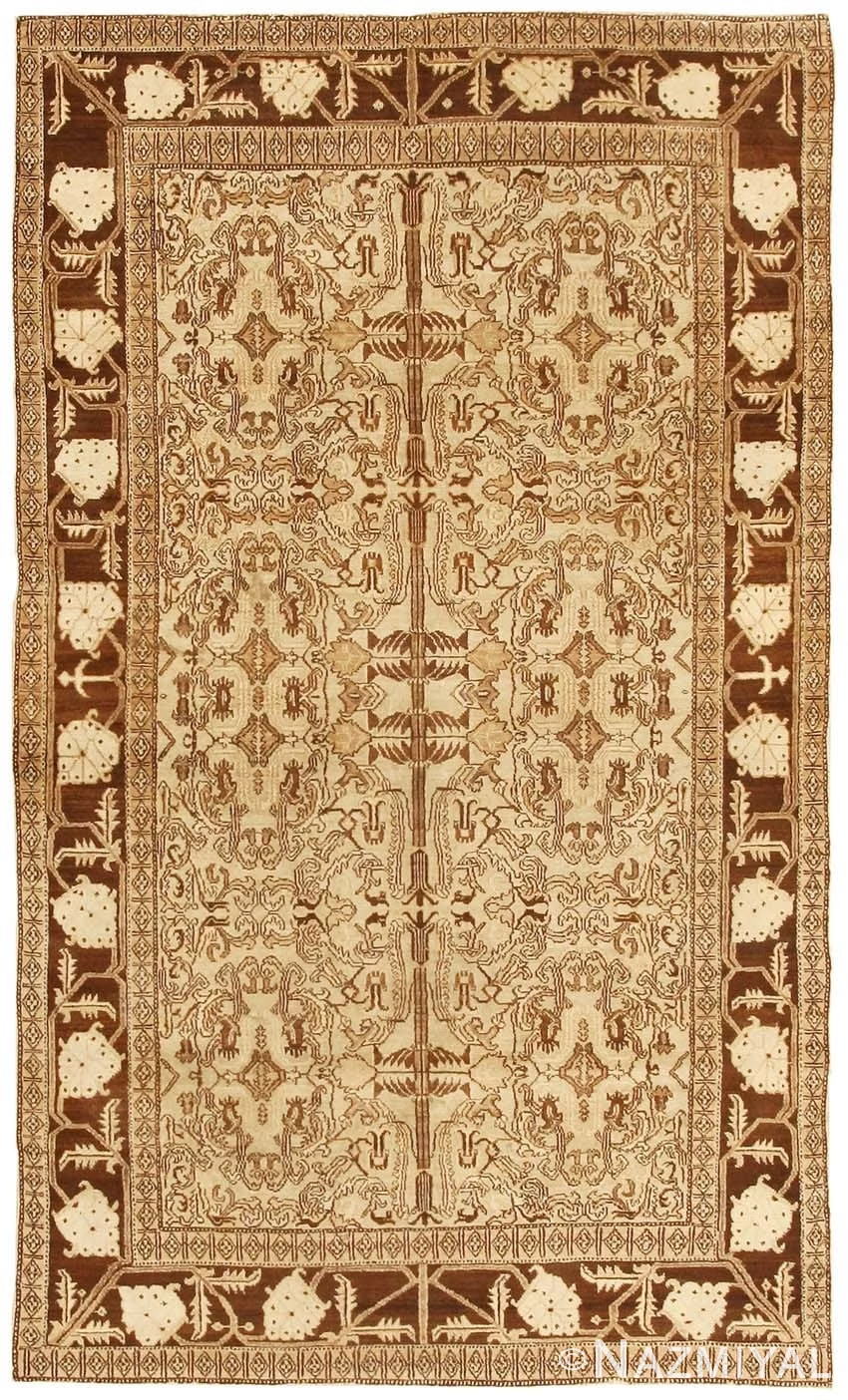
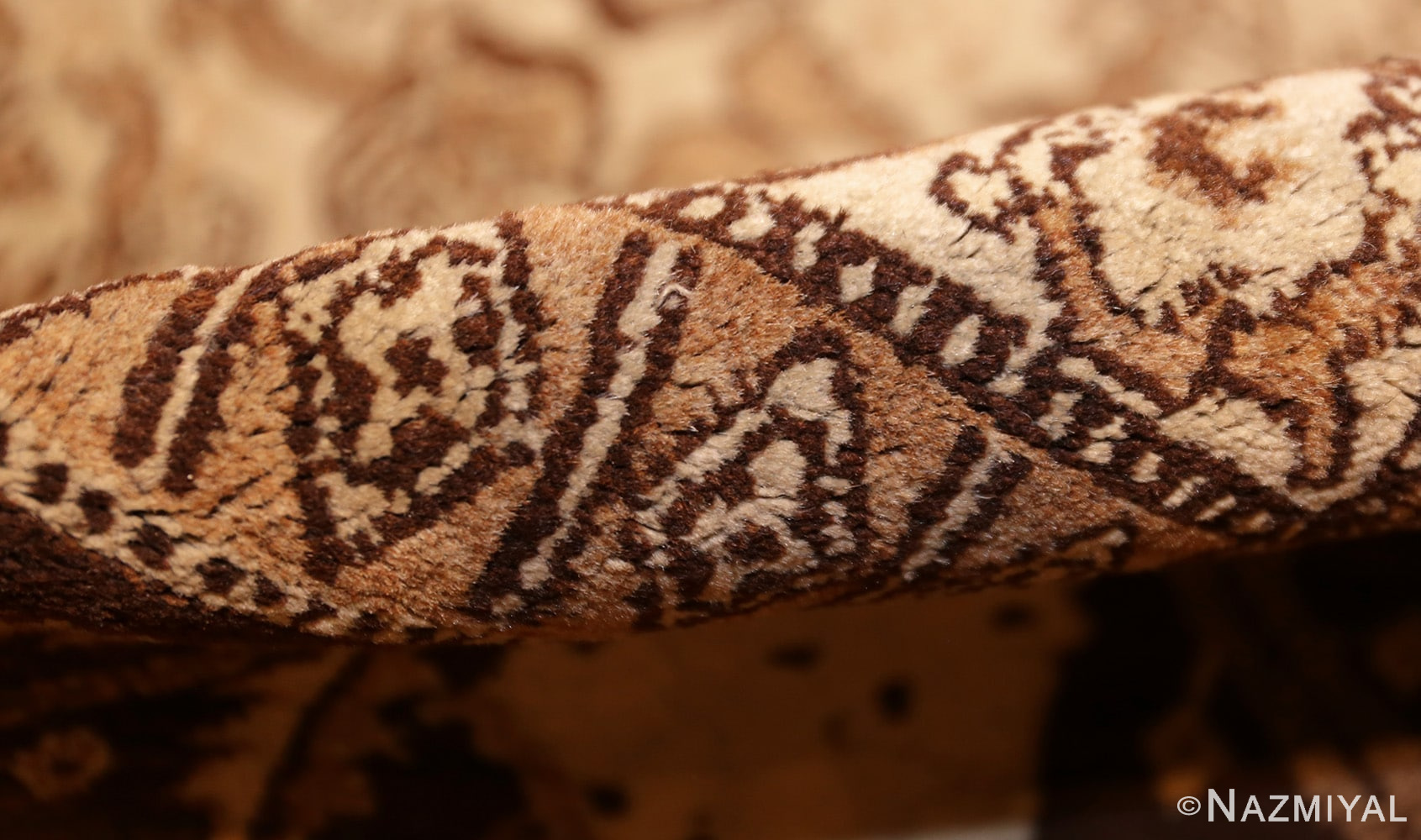
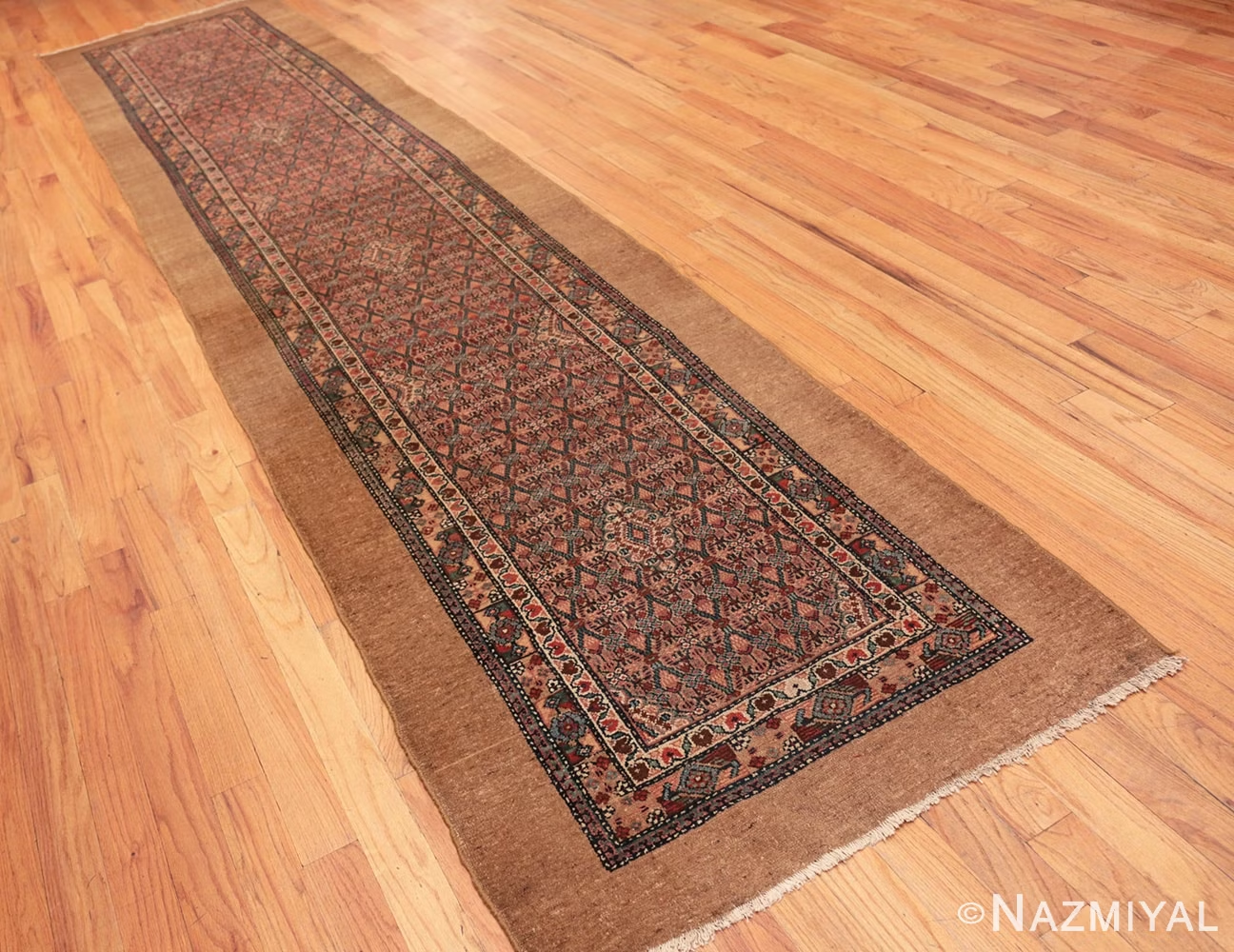
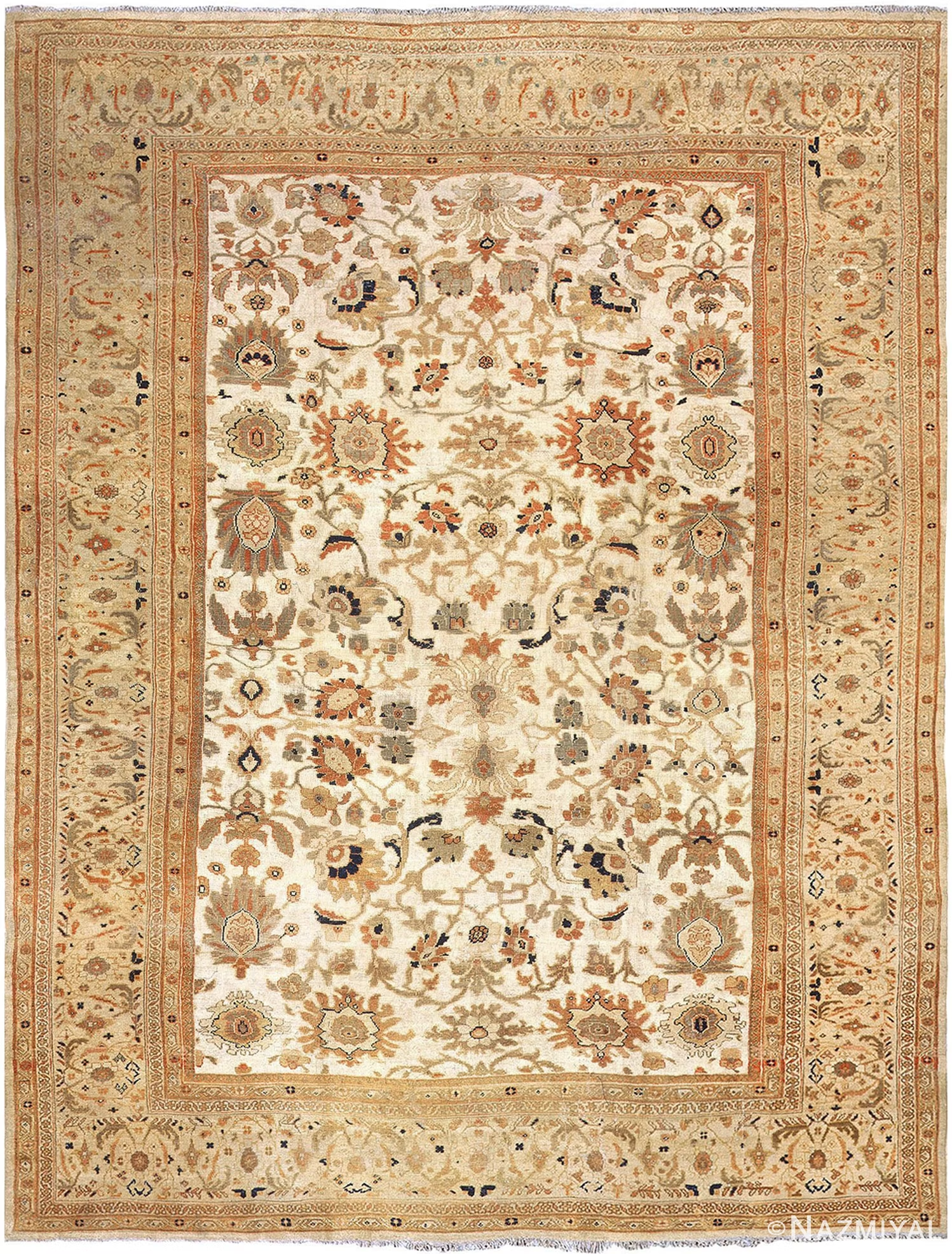
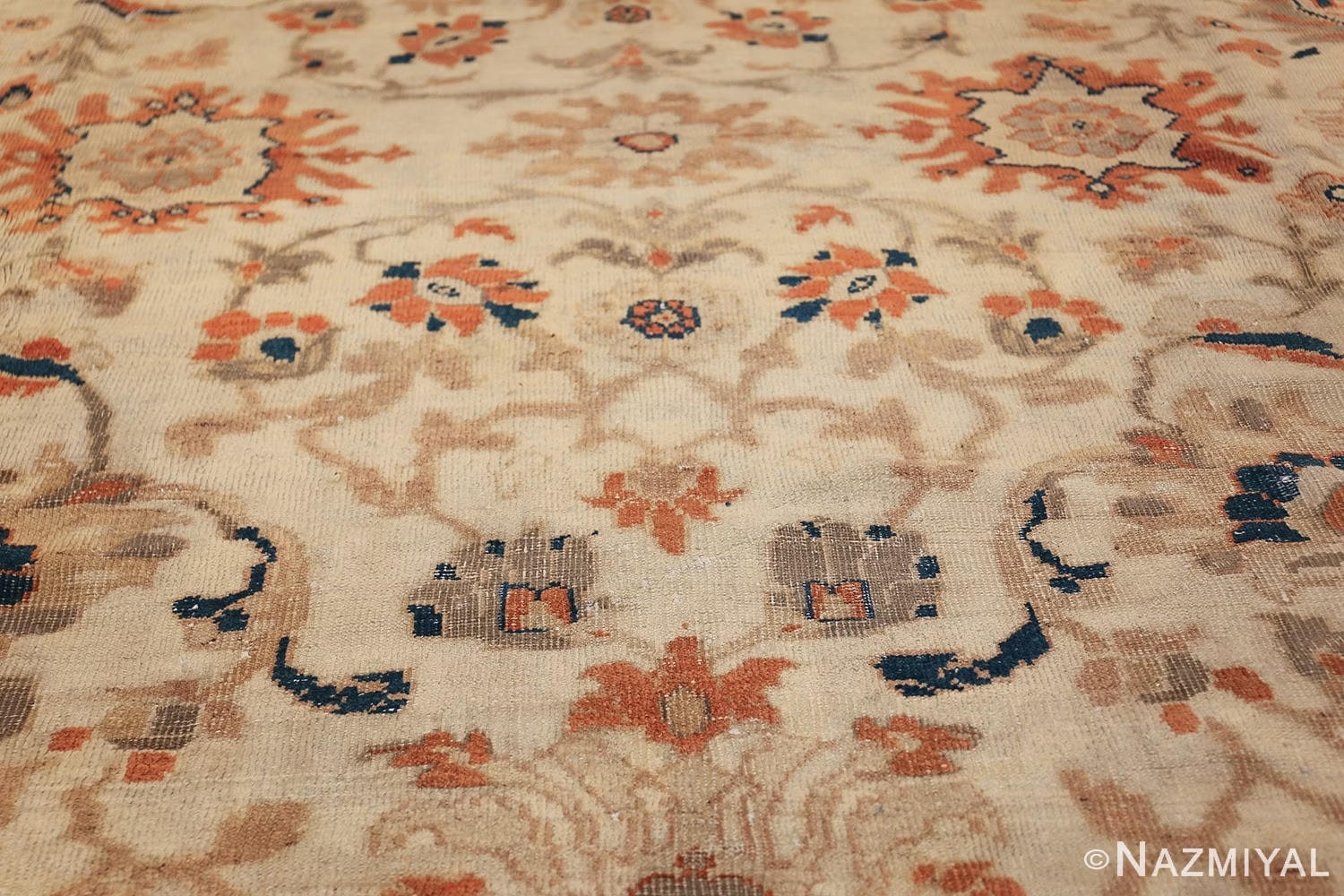
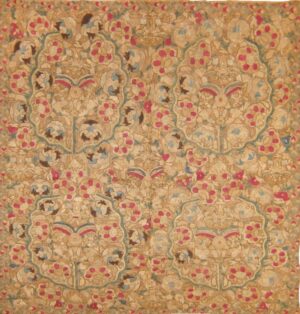
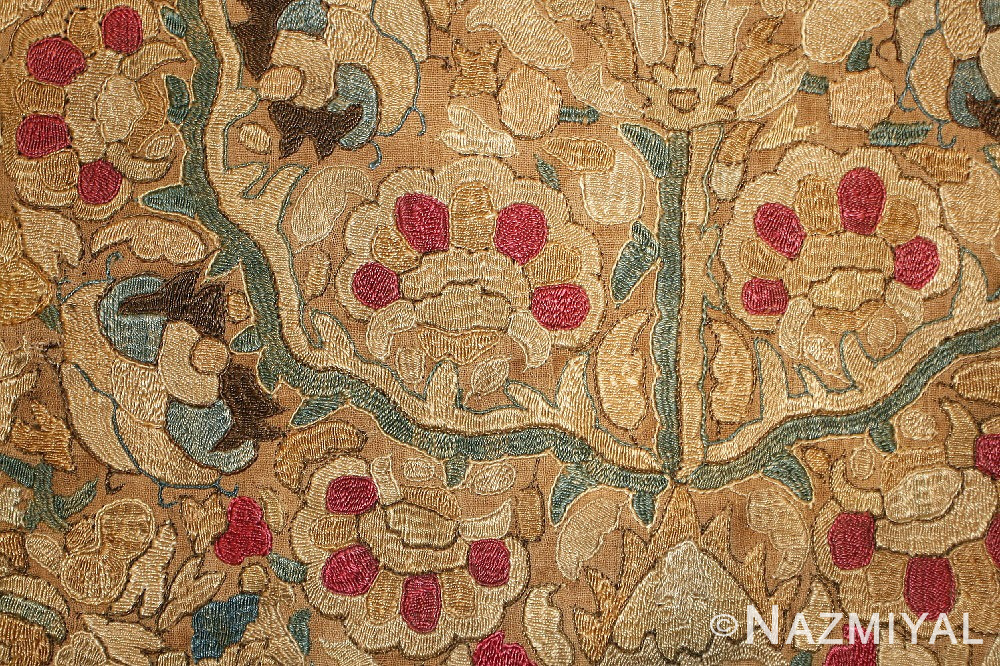
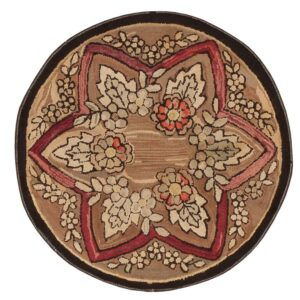
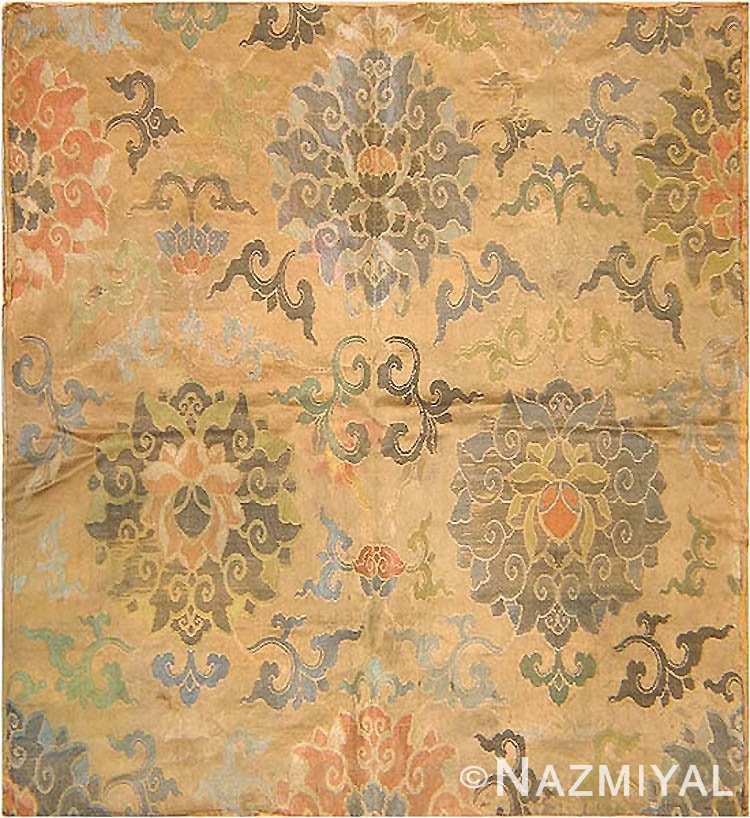
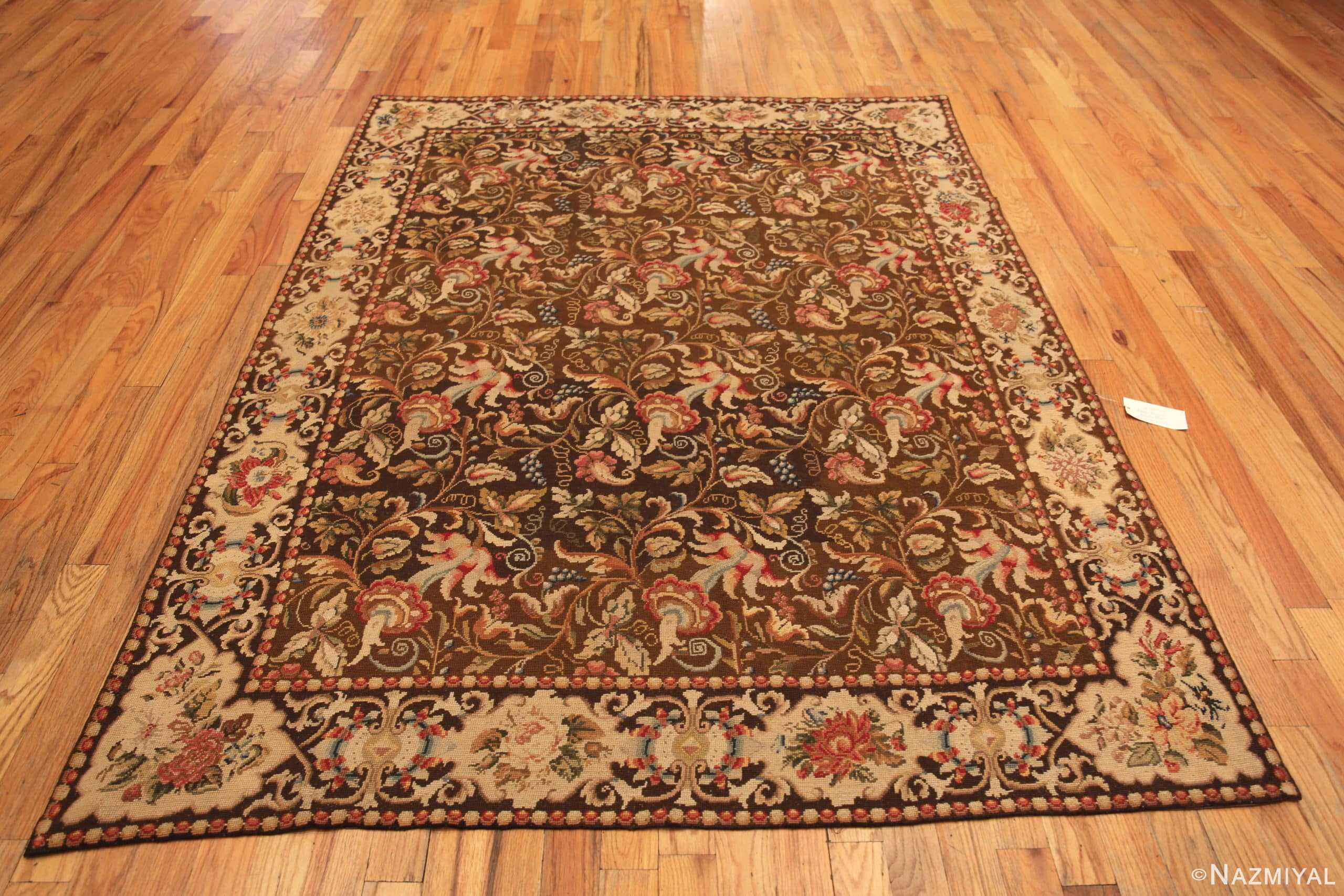
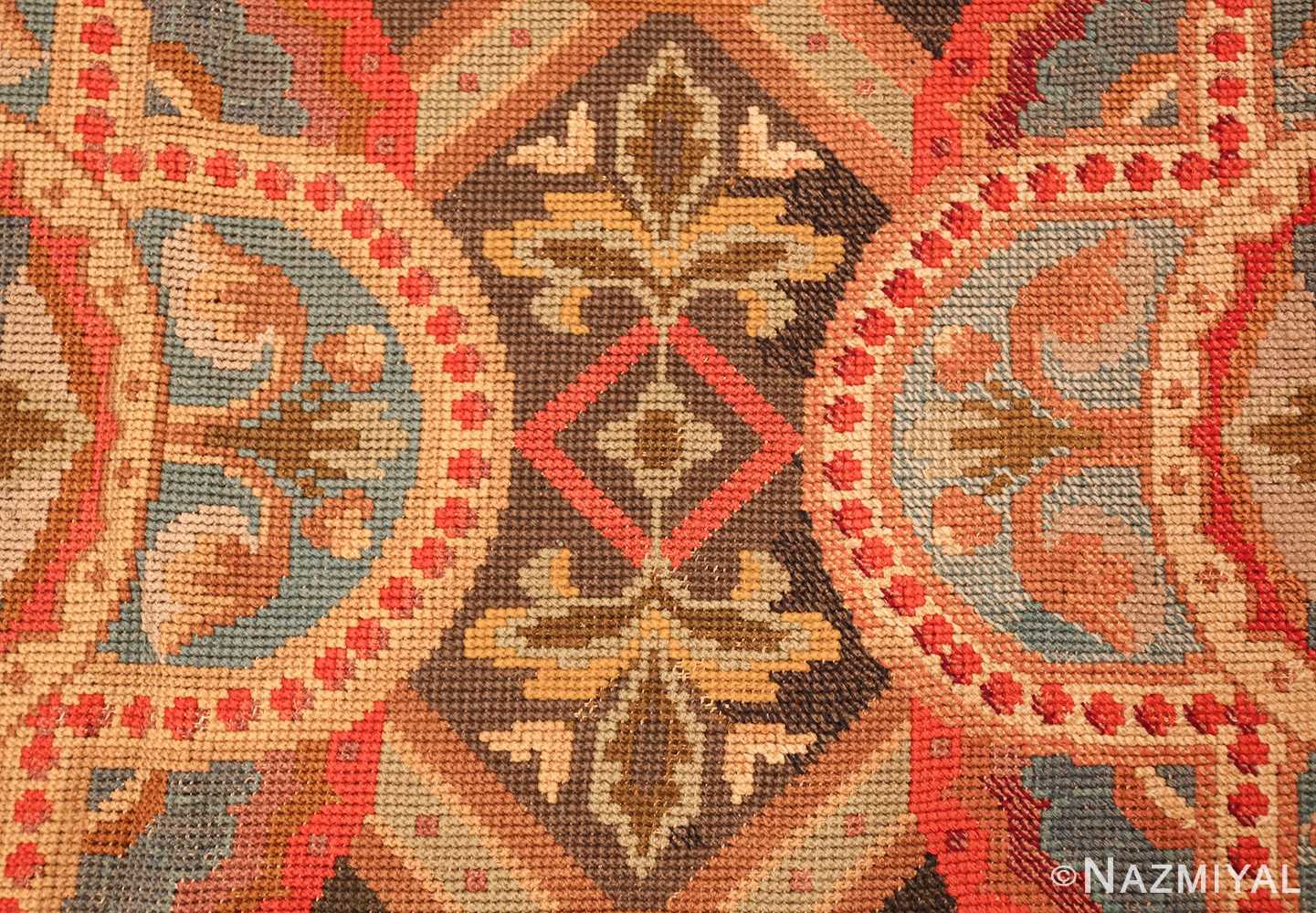
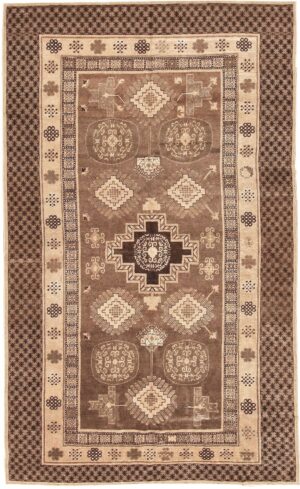
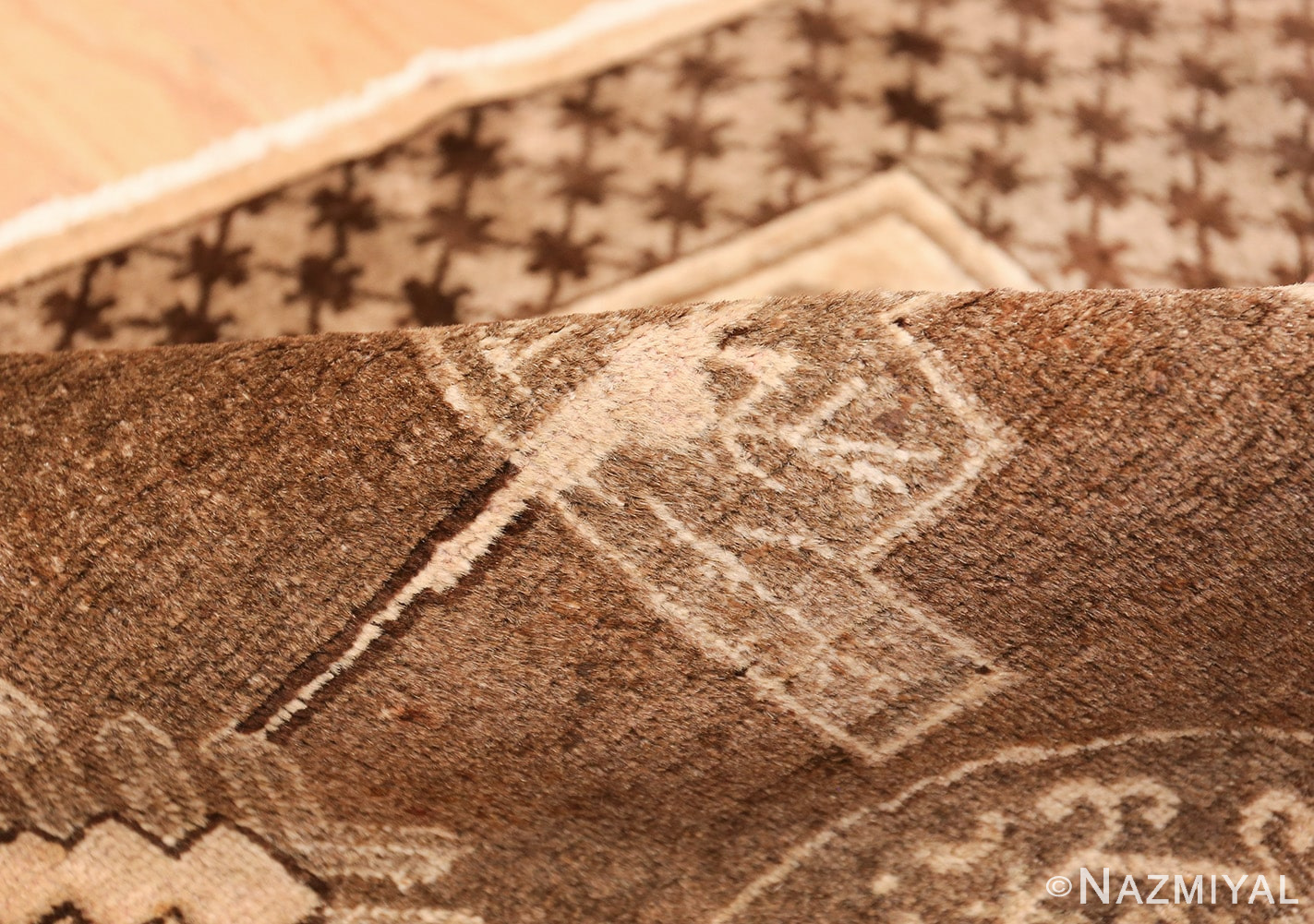
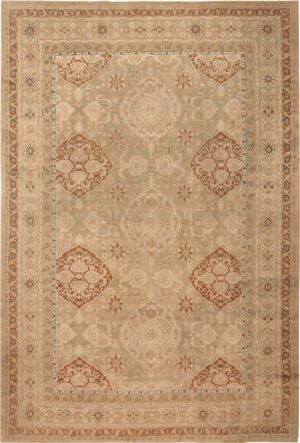
Unsurprisingly, earth tones are largely inspired by nature. There are some beautiful aesthetics you can develop if you look to the natural habitats of some of these tones and textures. For example, the flowing beauty of a sun baked field of wheat or the shaggy, agouti coat of a wolf.rnrnSome good news for your décor project is that earth tones are coming into style as more and more people turn away from the cool tones of previous years. Even if you don’t care about being stylish, there is no denying the benefit of seeing more decorative choices on the shelves that match your tastes.rnrn1) Create Depth With TexturernMany colors in this palette are relatively muted. At first, this may seem like there is no way to make them pop. However, duller colors create great opportunities for playing with textures. This can create an eye-catching sense of depth. For example, you could combine several earth-colored, small tiles or even pebbles in an organic pattern to decorate a bathroom wall. This creates a lively texture that is significantly merrier than the colors alone.rnrnHowever, it doesn’t lose the relaxed, welcoming feel of the earth tones. Lighter colors, such as white sand and light browns, can pair well with whites and medium wood colors to create an airy space. This works especially well in a space that gets plenty of natural light.rn2) Splash In Some Bright Colors To Offset The Earth Tone Colored DecorrnOften, combining accents with more subtle tones is the key to making a space work. For example, you could have a room with an earth-colored vintage rug with natural fibers. Adding an armchair or even a throw pillow in a brighter color can add some extra energy to the room.rnrnIf you can ensure that the accent complements the earth tones, this will look beautiful. Colors such as green or chartreuse tend to go very well with earth tones. Some burnt but vibrant reds also work excellently for this style.rn3) Lean Into the Calmness with Earth TonesrnOne of the wonderful aspects of earth tones is how calming and zen they are. You can lean into this peaceful feeling to create a warm, relaxing home interior. If working with an exterior space, consider taking this tip literally with a Zen garden. For interior spaces, try using some muddied colors along with tones like wheat or stone.rnrnThen, use some comfy furniture and cozy, pile rugs to create a personal oasis inside your home. The rich feel of olive green or mustard can work well with more historic homes and furniture. This helps create a calming sense of timelessness.rn4) Use a Clay Monochrome PaletternIf you’ve ever visited the Southwestern United States, you’ve likely seen this design in action. Use a monochromatic palette with clay colors. Consider brighter, redder clay tones as accents and lighter, more yellow clay colors for more subtle tones. This works excellently with an antique or vintage Oriental rug.rnrnThe earthy colors of the rug design pair perfectly with the clay colors. In some cases, you may be able to directly match some of the colors from the rug against the walls or artwork. This is a beautiful color palette. It has an immense amount of potential.rn5) Bring In Some NaturernIf you want to make your earth tones work, why not bring in a bit of nature? You can do this with plants, of course. However, consider also looking for furniture made from more natural materials. For example, a driftwood table can work excellently with earthy colors on the walls and floor. Obviously, you don’t need to use genuine driftwood, but authenticity can be nice. Seeds, feathers and rocks can all add a natural touch to your interior.rnrnTo make this work, you need to be thoughtful about the pieces you select. Think of them as art pieces in your home. They need to be curated and displayed properly to be effective. Otherwise, you run the risk of just adding clutter.



 On Hold