
Updated: April 10, 2026 · Reviewed by: Jason Nazmiyal
Buying an antique rug becomes much easier when you know how to judge authenticity, condition, restoration, value, and dealer credibility.
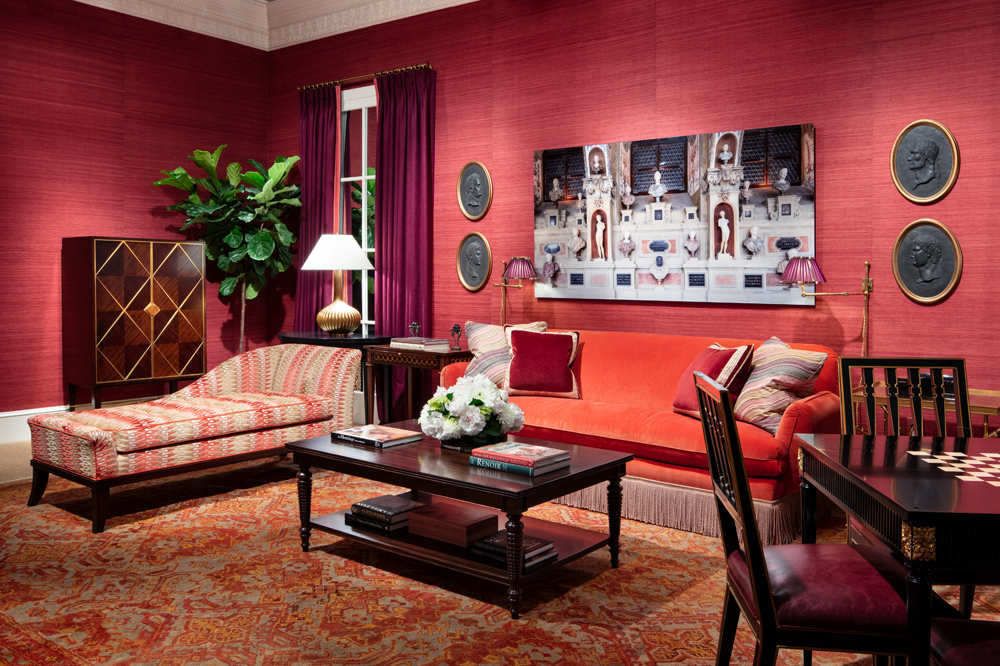
Buying an antique rug is not just about finding something old and attractive. A good purchase depends on authenticity, condition, quality of design, color, rarity, and whether the seller can explain clearly what the rug is and why it is priced the way it is. The safest path is to buy from a knowledgeable specialist who can disclose condition honestly, explain any restoration, and help you understand whether a rug is decorative, collectible, or both.
For many buyers, the hardest part of buying an antique rug is not choosing the color or size. It is knowing whether the rug is real, whether the price makes sense, whether restoration is acceptable, and whether the seller can be trusted. This guide brings those questions together in one place and walks through the issues that matter most before you buy.
This guide from Nazmiyal Collection is meant to help you understand what matters before you buy, what questions to ask, and where buyers most often go wrong.
Many antique rugs from the Nazmiyal Collection have also been exhibited, donated, or loaned to leading museums and cultural institutions. Explore our Museum Donations, Loans & Collaborations.
Quick Navigation
What Makes an Antique Rug Worth Buying
Age alone is not enough. A rug becomes worth buying when beauty, integrity, and usability come together in a convincing way. Some rugs are simply old. Others are genuinely memorable examples of their type and continue to hold visual and practical value long after they were made.
- Design quality: Does the drawing feel balanced, confident, and alive?
- Color: Do the colors feel harmonious, distinctive, and usable in a room?
- Condition: Is the structure sound, and are the visible issues acceptable for the category?
- Integrity: Does the rug still feel true to itself, or has it been over-restored?
- Rarity: Is it a stronger or harder-to-find example within its family?
- Decorative value: Will it anchor a room in a way that feels natural and lasting?
- Collector value: Does it offer something beyond decoration, such as rarity, finesse, or historical interest?
A good antique rug does not need to be perfect. It needs to be honest, compelling, and strong enough as an example to justify the attention and price it commands.
The First Questions Every Buyer Should Ask
Before you commit to a rug, ask the questions that determine whether you are looking at a serious piece or simply responding to surface charm.
- Is it truly antique, or just described that way?
- What condition issues should I know about?
- Has it been restored, and if so, how much?
- Is the asking price fair for this quality level?
- Is this rug mainly decorative, mainly collectible, or both?
- Why is this example better or weaker than another similar-looking one?
- Is the size and proportion right for the room I have in mind?
These questions immediately shift the buying process away from impulse and toward judgment. That is usually where better decisions begin.
The 10 Most Important Buying Questions
The pages below form the core of the buying cluster. Together, they answer the questions most buyers ask before making a decision.
- How do I know if an antique rug is real?
- How can I tell if an antique rug is overpriced?
- Is this antique rug worth buying, or is it just old?
- What should I look for before buying an antique rug?
- How much should I pay for an antique rug?
- Are restored antique rugs worth buying?
- What are the red flags when buying an antique rug?
- Why are some antique rugs so expensive?
- Can I buy an antique rug online safely?
- What makes one antique rug more valuable than another?
How Buyers Make Mistakes
Most buying mistakes come from focusing on the wrong thing first. Buyers often respond to age claims, bargain language, or attractive room photos before they have evaluated whether the rug itself is strong enough to justify the purchase.
- Confusing old with valuable
- Overlooking repairs or hidden condition issues
- Judging only from poor or incomplete photography
- Shopping by price before shopping by quality
- Accepting vague descriptions without asking follow-up questions
- Buying from someone who cannot explain the rug clearly
| Common Mistake | Better Approach |
|---|---|
| “It is old, so it must be valuable.” | Ask whether it is a strong example of its type. |
| “The price seems low, so it must be a bargain.” | Check whether low price reflects weak condition, heavy restoration, or ordinary quality. |
| “The room photo looks beautiful, so the rug must be strong.” | Review front, back, corners, ends, and close-up details before deciding. |
| “The seller says it is fine.” | Ask specific questions about age, structure, restoration, and pricing logic. |
Where to Buy Antique Rugs Safely
Where you buy matters because antique rugs require explanation. A strong seller should be able to discuss authenticity, age, restoration, condition, category, and why one example is more desirable than another.
| Buying Path | Usually Best For | Main Risk |
|---|---|---|
| Specialist dealer | Buyers who want context, clarity, and guidance | You still need to compare quality carefully, but you are usually working with more explanation and accountability |
| Auction house | Experienced buyers and collectors comfortable making faster judgments | Limited guidance and less room for detailed back-and-forth |
| Marketplace platform | Buyers browsing widely and comparing many listings | Descriptions, photography, and expertise may vary significantly |
For deeper guidance on trust and decision-making, read Who Should I Trust to Buy Antique Rugs From?, compare buying paths in Where Should I Buy Antique Rugs?, and review The Ultimate Guide to Buying Antique Rugs for broader guidance on dealer reputation and why many buyers prefer working with a specialist dealer rather than a marketplace.
What Affects Price Most
An antique rug is not overpriced simply because it is expensive. It is overpriced when the quality of the example does not justify the number. Price usually moves because of a combination of factors, not just one.
- Rarity within the category
- Strength of drawing and composition
- Color harmony and desirability
- Condition and structural integrity
- Degree and quality of restoration
- Size and format
- Collector demand and market appeal
Buyers who want broader category context can compare Antique Rugs, Persian Rugs, Vintage Rugs, Modern Rugs, or explore international buying and delivery through Worldwide.
Quick Comparisons
| Looks Convincing at First Glance | Actually Strong on Closer Review |
|---|---|
| Age claim sounds impressive | Age, structure, condition, and explanation all support one another |
| Price feels attractive | Price makes sense for the quality of the example |
| Listing photo looks beautiful | Front, back, corners, ends, and details all hold up |
| Seller sounds confident | Seller answers direct questions clearly and specifically |
FAQ
Is every old rug valuable?
No. Age matters, but it is only one factor. A rug becomes more desirable when age is matched by quality, condition, color, drawing, and overall integrity.
Is restoration always a bad thing?
No. Sensible, well-executed restoration is common and can be entirely acceptable. The real question is whether the restoration is honest, limited, and respectful of the rug’s original character.
Can I buy an antique rug online safely?
Yes, provided the photography is strong, the condition reporting is clear, the restoration is disclosed honestly, and the seller can answer detailed questions directly.
What is the most important thing to check before buying?
The most important thing is whether the rug is a strong, honestly represented example of its type. That usually means checking authenticity, condition, restoration, quality, and whether the price makes sense together.
Get Expert Help Before You Buy
If you are considering a specific piece, it often helps to get a second opinion on age, origin, condition, restoration, and price before making a decision. A good specialist should be able to explain what matters, what does not, and whether the rug is a good fit for your room and your goals as a buyer.
You can also review broader educational resources through the Area Rug Guide and check room-planning basics with the Rug Size Guide before speaking directly with a specialist.
For direct questions about a specific rug or project, contact Nazmiyal Collection.