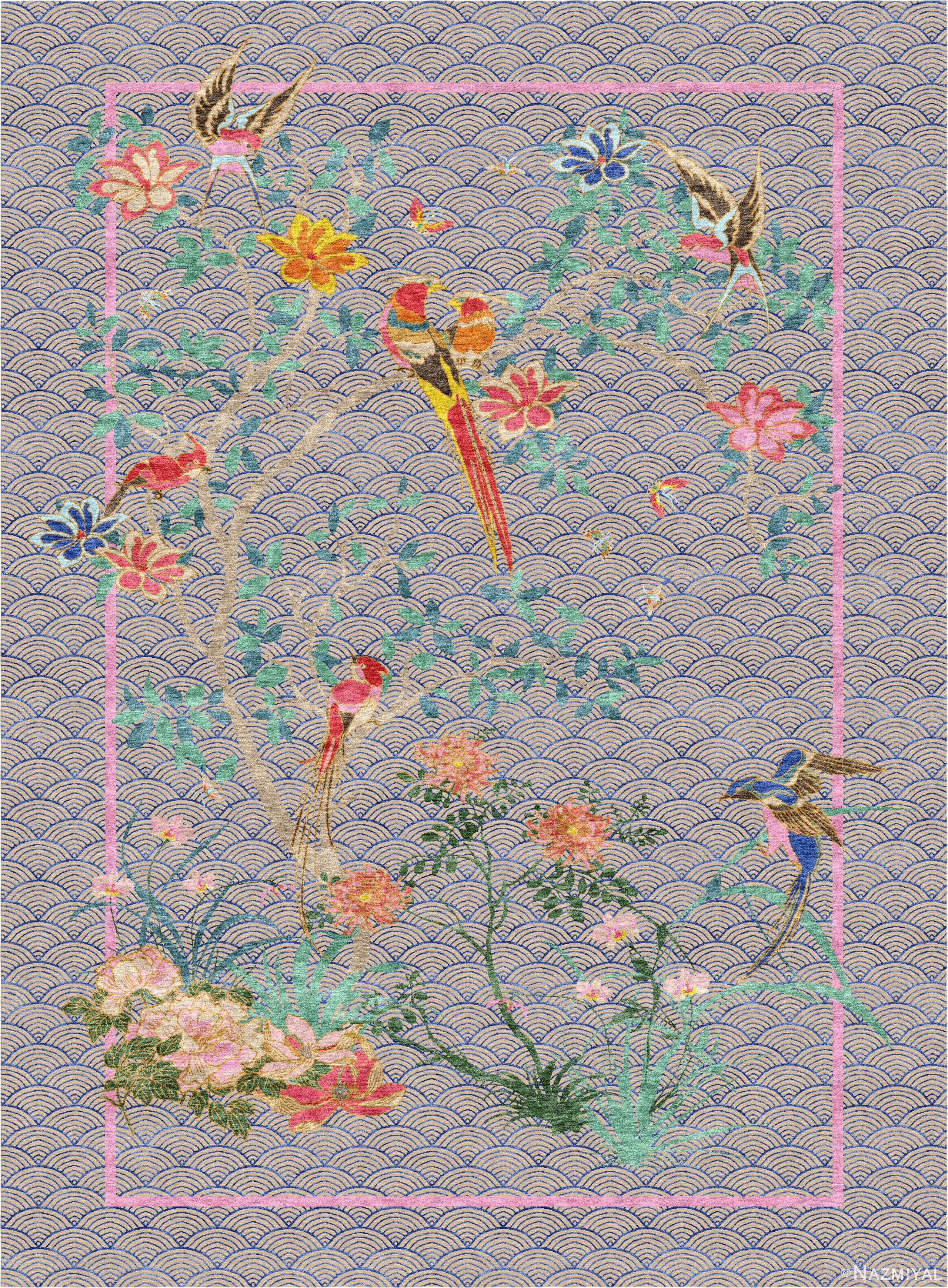
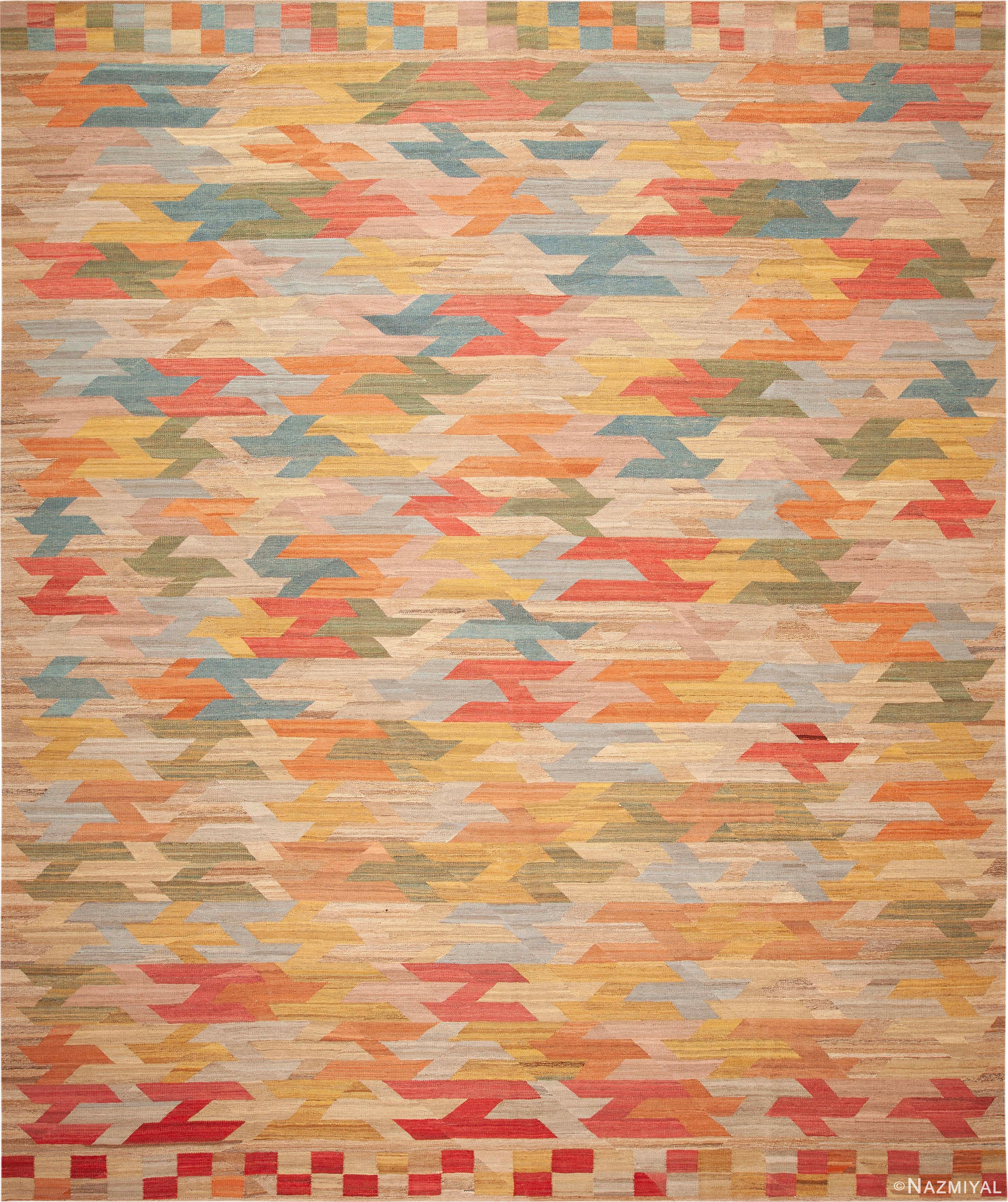
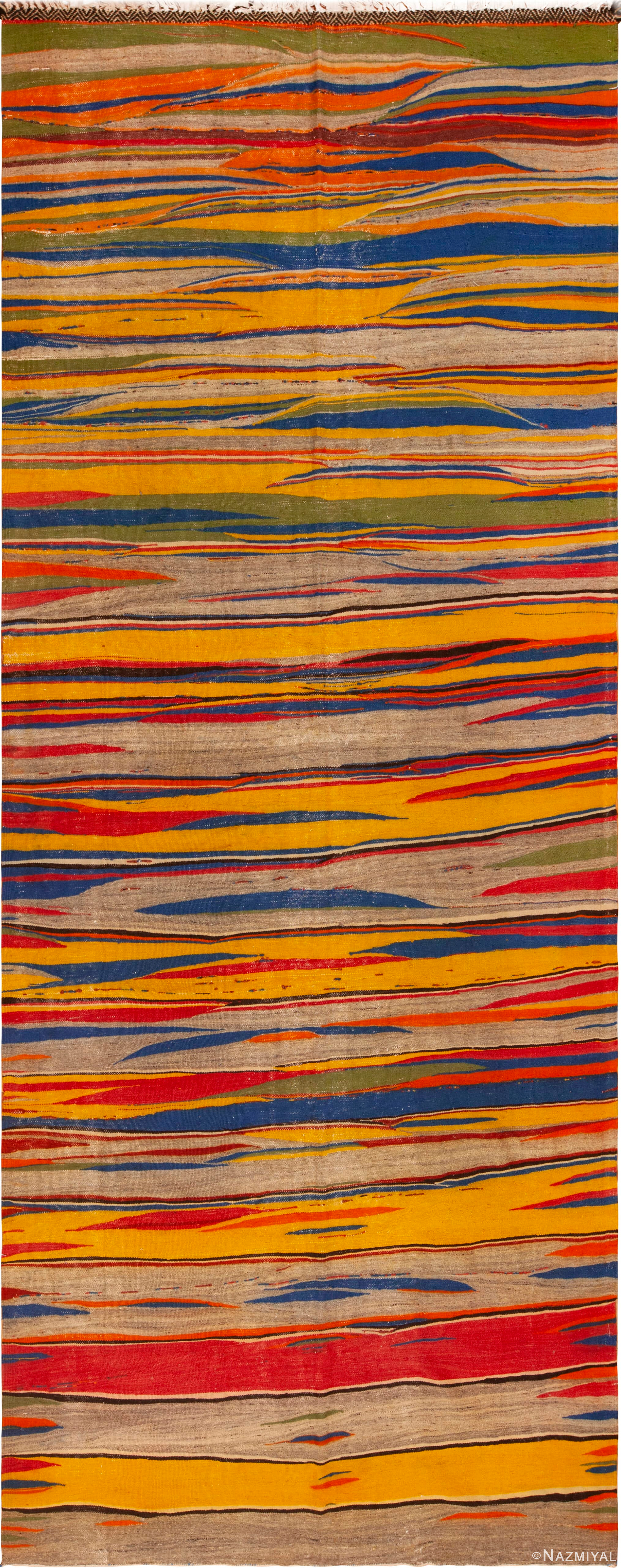
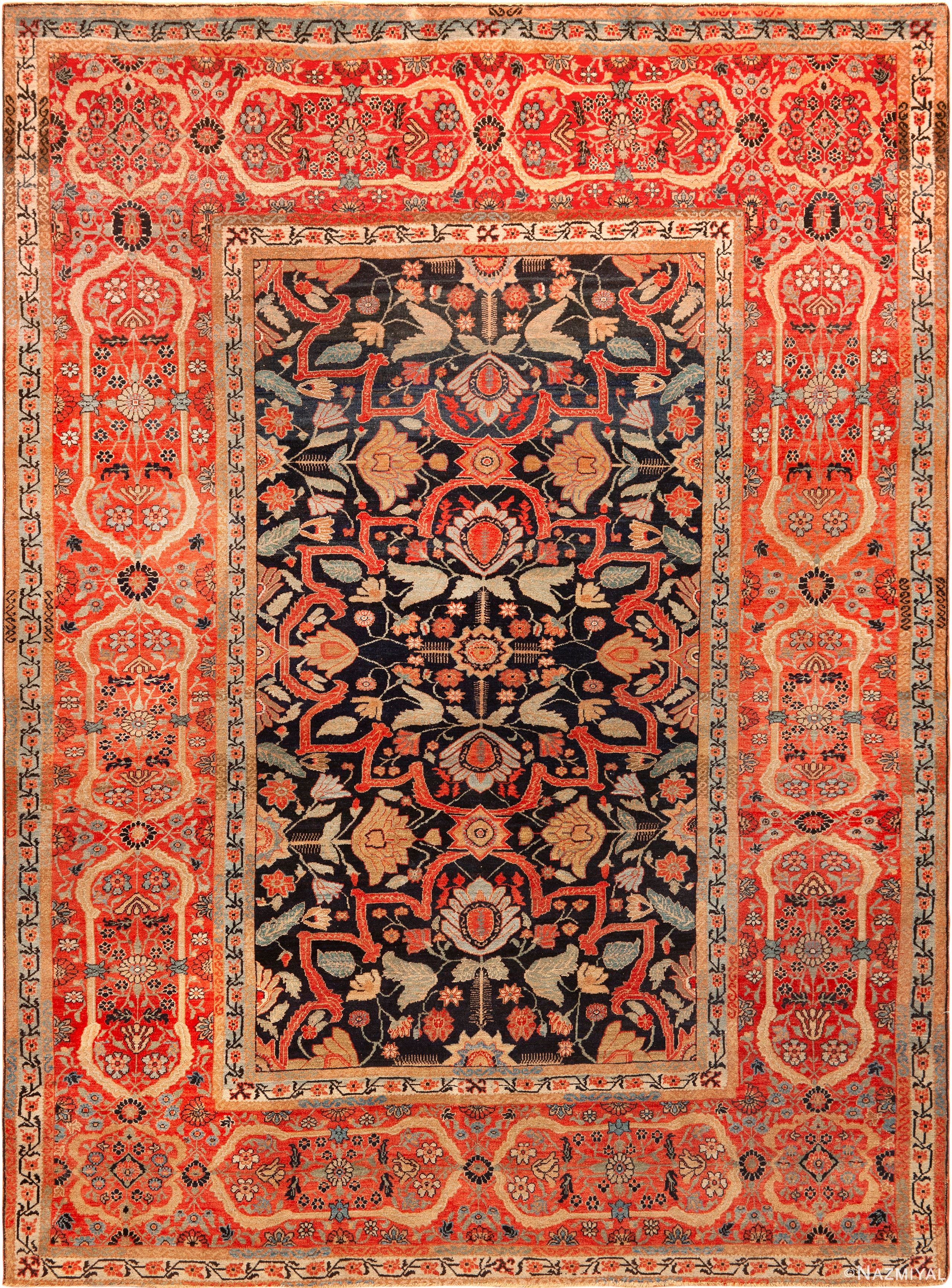
Yes, wool is generally considered to be a good material for an area rug. People love the feel of wool underfoot within their living spaces.
Here are some of the reasons why wool is a great fiber for weaving area rugs:
Durability: Wool is a naturally resilient and durable fiber. It has excellent tensile strength, meaning it can withstand heavy foot traffic and maintain its shape over time. A well-made wool rug can last for many years, making it a good long-term investment.
Softness and Comfort: Wool fibers are soft and plush, providing a comfortable surface to walk on. They offer a warm and cozy feeling underfoot, making wool rugs particularly desirable for areas where comfort is important, such as living rooms or bedrooms.
Insulation and Warmth: Wool has natural insulating properties, which means it helps to regulate temperature and can provide warmth during colder months. It retains heat well and can help to create a cozy atmosphere in a room.
Stain and Soil Resistance: Wool fibers have a natural resistance to stains and dirt due to their structure and lanolin content. Lanolin is a natural oil found in wool that acts as a protective coating, making wool rugs relatively easy to clean and maintain.
Sound Absorption: Wool has excellent sound-absorbing qualities, helping to reduce echoes and noise levels in a room. This makes it a good choice for areas where noise reduction is desired, such as living rooms or home offices.
Wool rugs offer many advantages. That said, you should make sure to take care of your rug by vacuuming it periodically and sending it out to be professionally cleaned every few years.
What is the origin of the wool rug?
Wool rugs have a long history and have been crafted in various regions around the world for centuries. The origin of these rugs is closely tied to the availability of sheep and the tradition of weaving.
Here are some key points about the origin of wool rugs:
Ancient Traditions: The use of wool for textiles, including rugs, dates back to ancient times. Many civilizations, including those in the Middle East, Central Asia, and Europe, used wool from local sheep for weaving.
Middle East and Persia: The Middle East, especially regions like Persia (modern-day Iran), has a rich tradition of crafting wool rugs. Persian rugs, known for their intricate design wool rugs and high-quality craftsmanship, often use wool sourced from local sheep.
Nomadic Tribes: Nomadic and pastoral communities, such as the Berber tribes in North Africa or the tribal groups in Central Asia, have historically relied on sheep for their wool. These communities produced handwoven wool rugs with designs that reflected their cultural identity.
Europe: In regions of Europe with a strong textile tradition, wool rugs were crafted using locally sourced wool. Countries like England, Scotland, and Ireland, for example, have a history of producing woolen textiles.
Asia: Various Asian countries, including India, China, and Nepal, have a long tradition of weaving wool rugs. Tibetan wool, known for its softness and durability, is often used in the production of rugs in the Himalayan region.
New Zealand: New Zealand is known for its high-quality wool, and some contemporary wool rugs are made from New Zealand wool due to its softness and natural resilience.
Australia: Australia is another significant producer of wool, and Australian wool is used in the textile industry, including the manufacturing of wool rugs.
The specific characteristics of wool, such as its natural resilience, softness, and ability to take dyes well, make it a popular choice for rug making. The tradition of crafting wool rugs has evolved over time, incorporating various designs, techniques, and regional influences. Today, these rugs continue to be produced globally, each reflecting the unique characteristics of the region where they are made.
How is Wool Harvested and Woven into Rugs and Carpets?
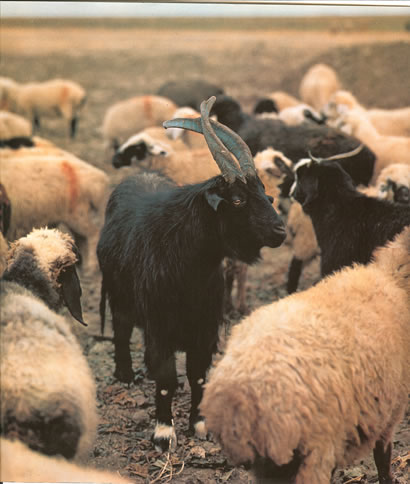
Wool is the most common material used in making area rugs, at least in regard to the pile or the flat-woven facing of the rug. It comes primarily from sheep, although goat hair can be used as well. The quality of these fibers can and does vary enormously.
Some sheep produce wool that is soft and lustrous, with a silky sheen that is enlivened by proper illumination. Others may have wool that is more dull and un-reflective… but those that are more lustrous are generally moist or lanolin-rich. They are far healthier and more durable than those that are dry.
Raising sheep
One of the most important choices that weavers make is the quality of the wool they use. It affects the cost and value of a rug, as well as its ability to stand up to use. Some, however, were chosen for their fineness, softness and textural delicacy.
Some of the wool comes from the neck and belly of the sheep, like Angora, or, in the case of Indian Pashmina, from the downy layer close to the skin of the animal. Wool may also be used for the foundation of the rug as well as for the pile or facing.
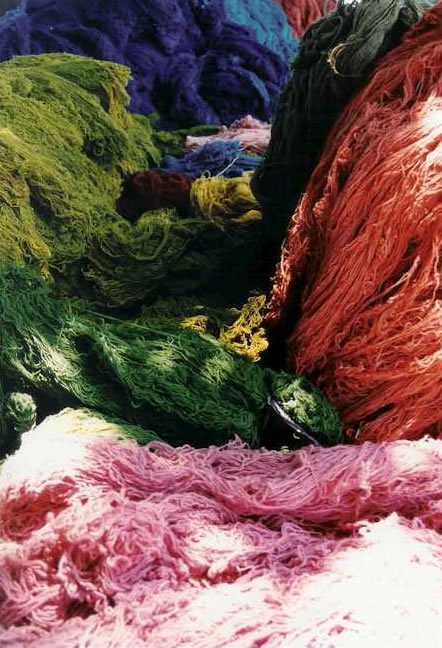
Dying Wool for Weaving Antique Rugs
The rug weavers who used wool fibers to construct the carpet’s foundations were mostly tribal, nomadic or tribes people. Therefore, their rugs are more typical of the village rug weaving where the designs are more primitive and the construction would not be as fine.
Learning about wool and rugs
As you may already know, there are different qualities of wool available for purchase. Even though there are various others, two are the main factors that are taken into account when assessing the quality of a certain wool. The first one is the length of the average individual strand of hair (where longer strands have a higher level of quality). The second important factor for assessing the quality of wool is the part of the animal where the hair grew. When it comes to wool, the finer and thinner strands of hair are the most desirable due to being softer and having a longer staple. In addition to these, there are external factors that may affect the quality of wool. Some of the most important ones are the type of habitat, climate, altitude and vegetation.
It’s important to mention that there are various sub types and byproducts of wool. Often, sellers make false claims regarding these types of material.
In order to help you avoid confusion, below are the accurate meanings of the terms that are used to describe wool for rugs:
For Starters, what is wool?
Simply put, wool is hair that is harvested from certain animals. Most commonly, wool is taken from sheep. However, it may also be harvested from other animals such as goats and camels. A quick and easy way to determine whether something is made of wool is by removing a small knot and burning it. If it is real wool, the burnt knot will produce a smell that is very similar to that of burnt human hair.
What are The Different Types of wool in the rug weaving industry?
New Zealand Wool: This is a type of wool that is generally recognized for its long staple and amazing softness. Its high quality has a lot to do with the low altitude and abundant vegetation of the country. Often, New Zealand Wool is mixed with wool of less quality to lower costs.
Gazni Wool: Coming from high-grazing sheep that live in the mountainous regions of Afghanistan, Gazni Wool is a high-quality type of wool that is normally used in Peshawar weavings. It stands out due to its soft and yet firm texture. When treated correctly, it has a very slippery feel that turns into a crisp and solid feel when it is clipped.
Semi-Worsted Wool: This byproduct is the result of combing unprocessed wool in order to extract the strands that have more length and better quality. After being isolated, the high-quality wool strands are mixed with medium-grade strands, resulting in semi-worsted wool.
Worsted Wool: Similarly to semi-worsted wool, worsted wool results from the process of combing the wool in order to extract the strands that have excellent quality. Unlike semi-worsted wool, however, worsted wool is not combined with any other wool in order to maintain the excellence of its quality.
Qurk / Kork Wool: Qurk is the term that is used to refer to the wool that is taken from the neck, belly and underarms of sheep. It is considered to be the best type of wool to be taken from a sheep. Typically, this wool is used for the finest and more expensive weavings. Kork is usually found in high-quality oriental rugs such as Kpsi Isfahan and Nain. Untreated Qurk wool is characterized by its compact, firm and dull texture.
Pashmina Wool: Taken from the coat of Himalayan goats, Pashmina is one of the rarest and most expensive types of wool in the world. Silky, soft and long, Pashmina wool is cherished for its quality.
Manchester Wool: This is a highly-appreciated type of wool that is mostly used to make a type of run known as the “Manchester Kashan”. This is a type of rug that is known for its luster and long-staple fiber. Manchester wool is extracted from a particular type of sheep known as the Merino sheep. Even though the Merino sheep originates in Australia, this type of wool got its name because it was first processed in Manchester, England.
Mohair: Harvested from the Angora Goat, Mohair is a fine, long-stapled, soft and silky type of wool. Because Mohair wool is rare and very expensive, rugs made with it are difficult to come across.
Camel Hair Wool: Normally used for traditional weaving such as the Serab, camel hair wool is very appreciated in some parts of the world. However, camel hair rugs are no longer as popular in the United States as they were near the turn of the 19th century.
*Chemically Washed Wool Rugs: In order to give it a softer feel and a more lustrous finish, wool can be treated using different chemical substances. If done correctly, these chemical washes can be done without damaging the fibers of the wool. However, when overdone, the process can damage the rug. This result is even more likely when chemical washing is used on low-quality rugs to give them the appearance of having a higher quality. The level of damage can be assessed by the amount of shedding that occurs when the rug is agitated.
What is dead wool?
Dead Wool: This is the term that is used to refer to coarse, brittle and generally low-quality wool. Normally, it’s used to produce cheap rugs in high volume. Because it sheds easily and profusely, this type of wool has a short lifespan.
Many times, “dead wool” is call as such because it was sourced from a dead animal.
How to Know if Wool is Healthy?
Judging the quality and health of wool is not an easy thing to do. As a matter of fact, it takes many years of trial and error to become an expert. However, there are ways in which a novice can tell if a rug is of sub-standard quality. Perhaps the most noticeable sign of sub-par quality in a rug is shedding. Even though it’s normal for a new Oriental rug to shed a small amount during the first few months, this shedding should be a cause for concern if it’s too extensive. A quick and easy way to detect low-quality wool is by using the agitation test. First, thoroughly vacuum the face of the rug. Next, agitate the wool several times by combing it back and forth with your hand.
You may notice that a small amount of loose wool has surfaced. If the surfaced wool can be rolled up into a ball that is bigger than the actual height of the pile, it’s very likely that the rug is made of low-quality wool. At the same time, it may be helpful to simply feel the texture of the wool. If it’s too coarse, hard or brittle to the touch, it’s very likely that the rug is made with low-quality wool as well. Apart from being less pleasurable to the touch, a rug that is made with low-quality wool has a shorter lifespan than one made with high-quality wool.
Are wool rugs hard to keep clean?
Wool rugs are generally considered to be relatively easy to keep clean compared to some other types of rugs or carpets. However, like any home furnishing, they do require regular maintenance to ensure their longevity and appearance.
Here are some factors to consider when it comes to cleaning wool rugs:
Pros of Wool Rugs:
Natural Resilience: Wool fibers have a natural resistance to stains and dirt due to their unique structure, which includes an outer layer that repels liquid and dirt particles.
Durability: Wool rugs are known for their durability and can withstand heavy foot traffic without showing significant wear and tear.
Insulation: Wool is an excellent insulator, which means that wool rugs can help regulate room temperature and reduce energy costs.
Water Repellency: Wool has a natural water-resistant quality, which can make it easier to clean up spills before they soak in.
Cons of Wool Rugs:
Absorption: While wool repels liquids initially, if spills are left untreated, they can eventually penetrate the fibers and lead to staining.
Lint and Shedding: Wool rugs can shed fibers, especially when they are new. This shedding can diminish over time but can be a minor maintenance concern.
Special Care: While wool is relatively resistant to staining, certain substances like red wine or oil-based spills can be more challenging to remove from wool fibers.
Tips For Cleaning Wool Rugs
To keep your wool rug clean and well-maintained, consider these tips:
Regular Vacuuming: Vacuum your wool rug regularly to remove dirt, dust, and debris. Use a vacuum cleaner with a rotating brush or beater bar, as long as it can be adjusted to a gentle setting to avoid excessive fiber pulling.
Rotate the Rug: Periodically rotate the rug to ensure even wear and tear, especially in high-traffic areas.
Immediate Spill Cleanup: Address spills immediately by blotting the area with a clean, absorbent cloth to prevent the liquid from soaking into the fibers. Avoid rubbing, as this can push the stain deeper.
Gentle Cleaning Solutions: For more thorough cleaning, use a mild detergent mixed with water. Test the solution on an inconspicuous area of the rug first to ensure it doesn’t cause any discoloration or damage.
Professional Cleaning: Depending on foot traffic and overall use, consider getting your wool rug professionally cleaned every 1-2 years to remove deep-seated dirt and stains. Make sure the cleaning service is experienced with handling these types of rugs.
Proper care and maintenance can significantly extend the life and appearance of your wool rug. Always follow the manufacturer’s care instructions and take appropriate measures to protect your investment.
Why Wool Rugs?
There are many reasons why wool rugs have stood the test of time while being stood on for decades.
If we look at the history, the concept of using a wool rug appears to have origins from the area of Northern Iran. According to scientific research, knotted pile carpets made from the shearing of sheep and goats for their wool and hair was present there around the 7th millennium.
In addition, the oldest carpet in the world was found in Siberia and dates back to approximately the 5th century B.C and is known as the “Pazyryk Carpet”. This ancient piece of history was woven using wool pile.
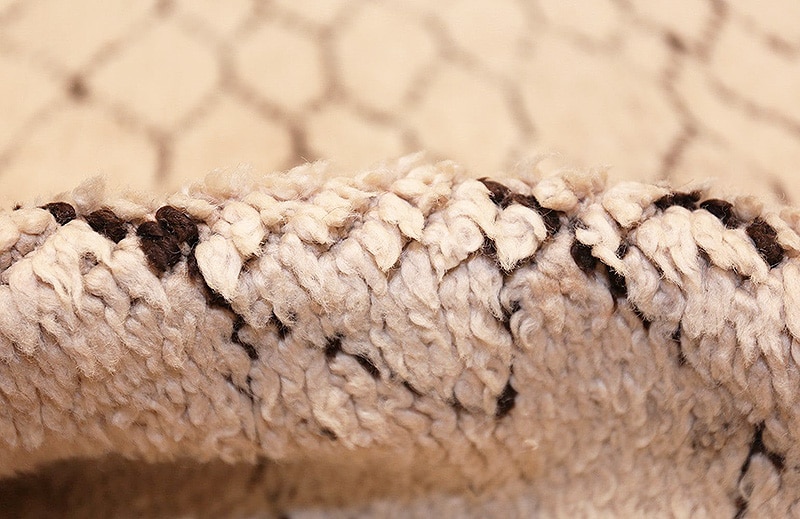
Moroccan Wool Rugs
Sheep grow back their woolly coats season after season which is why wool is a resource that can easily be replenished. Some sheep are bred specifically for their wool which makes cultivating that material relatively easy and accessible.
Wool is a very versatile and soft material that can easily be dyed in so many different colors. From neutral color to more saturated, wool is to carpet weavers as paint colors are to painters.
From Persian to Moroccan to Southwestern to modern and traditional, so many styles can suit homes or businesses in any decorative design.
Another lovely feature about this material for a rug is its long lasting durability. Wool is seen as (and had been proven to be) one of the most durable natural fibers. Wool rugs are also easy to clean and maintain.
A wool rug has always been kind to the environment or considered planet-friendly. The fiber is a natural and sustainable material which leaves a much smaller carbon foot print compared to a rug made from synthetic fibers.
Trustindex verifies that the original source of the review is Google.
The only ones I'd ever buy rugs from. The best.
Posted on Google
Jeffrey NeumanB
Trustindex verifies that the original source of the review is Google.
I bought two gorgeous Serapi rugs from Farhad at Nazmiyal Rugs! Beautiful carpets, fair prices and great service. Very happy customer. Farhad (the sales person) was very patient and gave us great service.
Posted on Google
john haid
Trustindex verifies that the original source of the review is Google.
Alen is a gentleman and an expert. Really great to work with.
Posted on Google
Edward Yasuna
Trustindex verifies that the original source of the review is Google.
I recently purchased a modern Kandinsky rug from Nazmiyal Auctions. It was just as described, and the director (Farhad) of the auctions had it sent to me quickly and safely. Payment was easy, the rug was reasonably priced, and I highly recommend Nazmiyal Auctions and Antique Rugs. Quality merchandise and first-class service.
Posted on Google
Nicholas Carr
Trustindex verifies that the original source of the review is Google.
Had a excellent experience buying a rug in Nazmiyal's 1/18/26 online auction. First, prior to the auction, viewing a number of lots at the 32nd St showroom (I had prepared a list from the online catalog). The staff were great to work with: helpful, knowledgable, honest, and flexible. Second, after placing an online bid and winning the desired item, arranging payment and pickup was simple and straightforward. Everything went seamlessly and the overall experience was educational and fun. Many thanks to Jason and his team.
Posted on Google
Andrea Gared
Trustindex verifies that the original source of the review is Google.
Everyone at Naziyal is proffessional, especially Jason and Farhad.
They are knowledgeable, truthful, and true gentlemen. I have sold several rugs through them and will always go to them first, to buy or sell. The best in the business!
Posted on Google
Lori Silverberg
Trustindex verifies that the original source of the review is Google.
Posted on Google
Jesse Zilberman
Trustindex verifies that the original source of the review is Google.
Excellent customer service! Alen was very helpful over the phone and email. The rug we acquired was stunning, and photos do not do it justice. I would definitely work with Alen and team again!
Posted on Google
Rachel Paul
Trustindex verifies that the original source of the review is Google.
Jason was incredibly kind and helpful! I work for a small museum that had some rugs we had no information on. Jason responded to us quickly and gave us the information we needed for free! Incredible service, we are super thankful for his help!

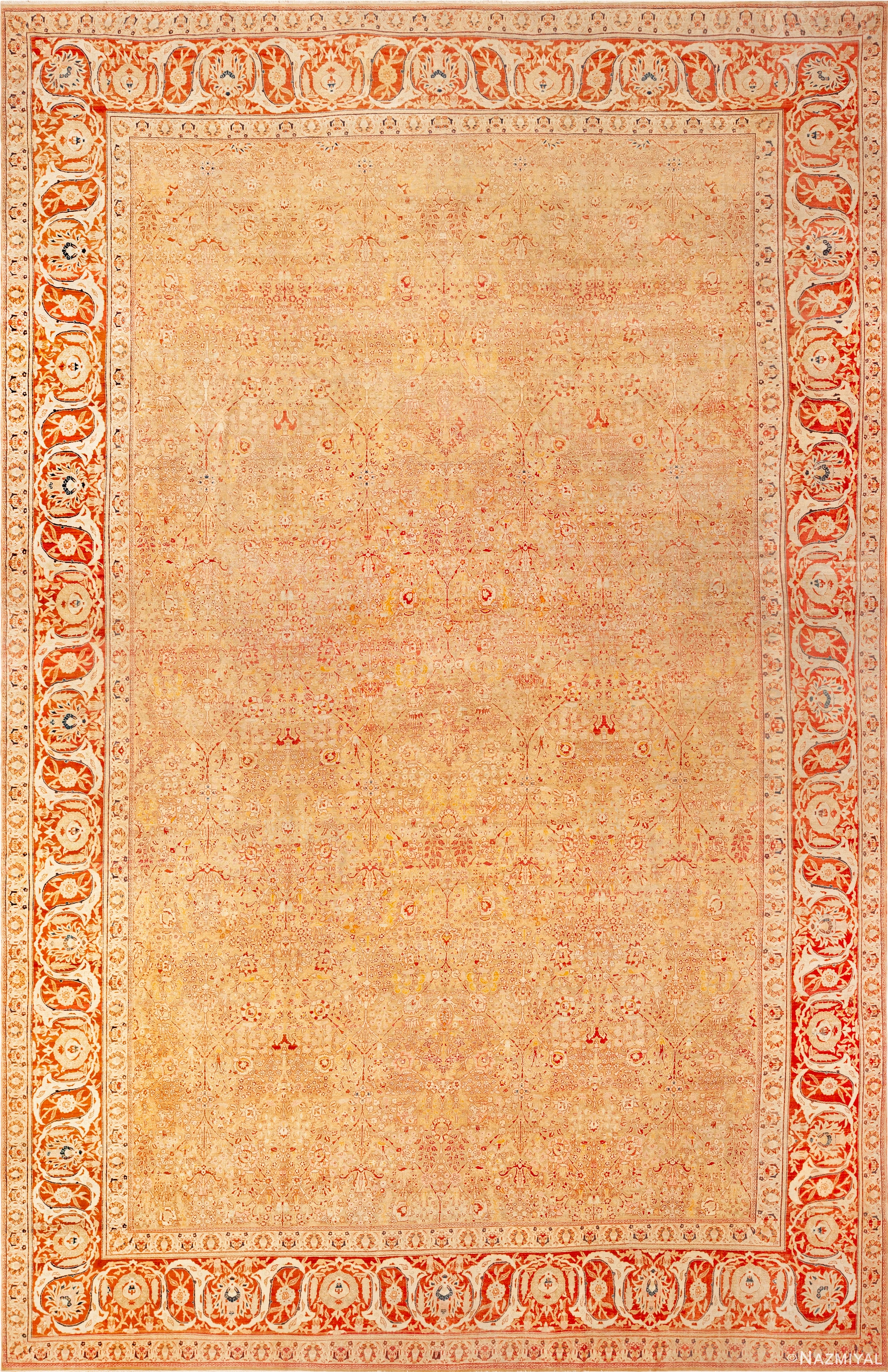
 Luxury Antique Oversized Persian Tabriz Rug with Sophisticated Floral Pattern and Coral Border 73648Size: 13 ft 7 in x 21 ft 7 in (4.14 m x 6.58 m)
 Size: 9 ft x 13 ft 7 in (2.74 m x 4.14 m)
 Size: 9 ft x 12 ft (2.74 m x 3.66 m)
 Size: 5 ft 8 in x 7 ft 4 in (1.73 m x 2.24 m)
 Size: 12 ft 5 in x 15 ft 5 in (3.78 m x 4.7 m)
 Size: 10 ft 3 in x 11 ft 5 in (3.12 m x 3.48 m)
 Size: 6 ft 10 in x 10 ft (2.08 m x 3.05 m)
 Size: 11 ft 7 in x 15 ft 3 in (3.53 m x 4.65 m)
 Size: 9 ft x 12 ft 3 in (2.74 m x 3.73 m)
 Size: 4 ft 3 in x 5 ft 8 in (1.3 m x 1.73 m)
 Size: 11 ft 3 in x 12 ft (3.43 m x 3.66 m)
 Size: 3 ft 9 in x 9 ft 3 in (1.14 m x 2.82 m)
 Size: 11 ft 10 in x 18 ft (3.61 m x 5.49 m)
 Size: 8 ft 4 in x 9 ft 11 in (2.54 m x 3.02 m)
 Size: 11 ft 2 in x 13 ft (3.4 m x 3.96 m)
 Size: 7 ft 2 in x 9 ft 9 in (2.18 m x 2.97 m)
 Size: 7 ft 1 in x 10 ft (2.16 m x 3.05 m)
 Size: 9 ft 4 in x 12 ft 10 in (2.84 m x 3.91 m)
 Size: 8 ft x 11 ft (2.44 m x 3.35 m)
 Size: 13 ft 4 in x 16 ft (4.06 m x 4.88 m)