How To Keep Up with Rug Maintenance, Carpet Care and Clean A Rug At Home
One of the more frequently asked rug related questions that we get has to do with how best to maintain and how to clean a rug at home after it has been purchased. That is why we put together this comprehensive guide to how to maintain and clean an area rug at home.
How to Keep Up With Rug Maintenance
Good oriental rugs, antique rugs, or even first-rate hand made rugs, have a proven track record when it comes to investment. Like any other investment you may own, your house, antique paintings and furniture you must keep up with rug maintenance in order to help maintain their value.
With old rugs, the upkeep is easier than you may think. Naturally one needs to keep it clean so we suggest vacuuming your rugs regularly based on how much traffic they get (see below for more info about maintaining your rug’s cleanliness and how best to vacuum it).
For example, a library rug that you walk on just a few times a day would not need vacuuming more than once or twice a month but your entry hall rug which gets the most traffic and dirt would probably need to be vacuumed once a week.
Every three to four years we suggest you have your rugs picked up and professionally cleaned. Also to help wear the evenly we suggest rotating your rug every time it comes back from cleaning.
This simple but very effective measure will aid in adding many years to the life of your rug. When it comes to fraying, unraveling or holes we suggest getting immediate assistance. As in life, the more you put it off the worse off you may be in the long run.
A small hole or wear area will grow and grow and before you know it a minor and inexpensive matter could evolve into an avoidable headache which can cost you hundreds even thousands more than if you had attended to it immediately.
Removing Footwear
Many people worry about rug maintenance. One way to avoid the wear and tear of high volume foot traffic is to restrict the use of footwear in the home.
In many countries where rug weaving is a respected and accepted art form, both residents and visitors are required to remove hard soled footwear upon entering a residence. Bare feet or those protected only by socks, put less stress on rug fibers. In addition, by removing your shoes, you can keep soil, dirt and debris from the outside world from being tracked throughout the home as well as your clean rug.
Even when placed in high traffic areas, it’s important, for the longevity of the rug, to clean it only when it’s truly needed. Rugs in both high and low traffic areas of the home may only need to be cleaned once every few years.
A professional rug cleaner can give any rug a thorough cleaning but make sure to do so only when it’s really needed.
How to Tell if a Rug Needs to be Cleaned
There are a few ways to determine if it is time to shampoo a home’s rugs. One way to examine larger rugs is by holding up one edge of the rug and kicking the bulk of the carpet from underneath. If the impact causes a generous cloud of dust or debris to be released, that’s an indication that a deep cleaning is needed, but bear in mind that carpet fibers and some dust is to be expected.
A method that will work on any sized rug is to kneel down and use one’s hand to uncover dirt. The hand should be rubbed vigorously against the rug’s pile fibers in an arching motion for five to 10 seconds. If this causes the individual’s hand to become dirty, the carpet or rug should be cleaned soon.
A final method involves looking at the underside of the rug. Bend it back over itself, so the warp and weft can be examined. Signs of dirt here indicate that a deep cleaning is needed. If the dirt is embedded this deep into the rug, a typical vacuuming will not be enough to pull out the dirt.
DIY Rug Stain Removal And Cleaning Maintenance
Dealing with carpet and rug stains can be a nightmare if rug maintenance is not approached properly. Some approaches may even make the stain worse, permanently set it into the fibers, or destroy the quality of the fibers.
Top 10 DIY Area Rug Maintenance Rules For When You Clean Your Rug At Home By Yourself
- Deal with all stains swiftly to prevent them from bonding with carpet and rug fibers.
- Avoid being too liberal with cleaning solutions. Affected fibers should be thoroughly moistened with the solution, but not sitting in a pool of liquid that could spread the stain to unaffected fibers and make cleaning and drying even more difficult.
- Only use cold water to dilute cleaning solutions. While certain materials may be removed more easily with hot water, the heat serves to seal in displaced color pigments into the carpet’s fibers.
- Only use cleaning fluids when necessary. Many spills can be removed without the risk of dispersing the particles with liquid cleaning solutions.
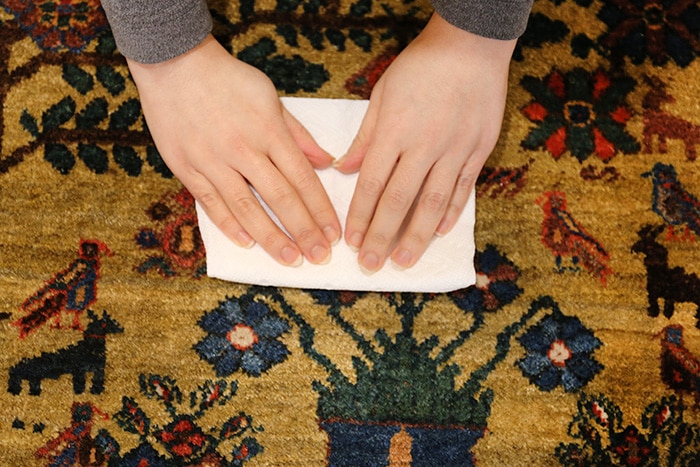
- Stains should never be scrubbed or rubbed. Use a repetitive dabbing motion of press, release, and readjust cloth…. press, release, and readjust cloth… repeat the process as needed.
- Never use colored or printed cloths or paper goods to clean a stain. White cotton cloths and rags are ideal
- Start at the edge of the stain or spill and move toward the center.
- Use a garment brush or a toothbrush with soft haired bristles if needed to gently brush out residual stain residue.
- If needed, a hair dryer or fan may be used to dry the cleaned area, especially if the rug is in a high traffic area where any leftover moisture will wick dirt.
- Restore the carpet or rug pile with a clean soft bristled toothbrush. Make sure to stroke the fibers in the direction of the pile / with the nap and not against it.
Preparing The Spot Treating Solutions For Rug Maintenance
There are several rug maintenance DIY spot cleaning solutions that are usually safe and effective to clean your rugs which include:
- Vinegar – A vinegar solution of either 100% vinegar or 50 / 50 vinegar and water is one of the safest and most effective solutions for most stains.
- Detergent – Mix a tablespoon of translucent dish detergent, such as liquid Dawn, with a tablespoon of cold water.
- Ammonia – Mix a tablespoon of household ammonia into half a cup of cold water.
- Oil solvent – Examples include mineral spirits and nail polish remover.
How To Apply The Spot Cleaning Solutions While You Clean Your Rugs:
Never pour spot cleaning solutions directly on the carpet or rug because it often leads to overly saturating the fibers and possibly acting as a conduit to spread the stain. Instead, pick a method based on the size and depth of the stain, including;
- Spray bottle
- Applying the solution directly to a cloth
- Eye dropper or medicine dropper
- Ladle or spoon
- Q-Tip
How to Care for Burn Stains:
Burn markings should never be rubbed or scrubbed at. Dabbing methods also will rarely remove soot on burnt carpet. Carefully push the unaffected fibers away from the burned section. The burn will often be on the surface or top portion of each carpet fiber. In this case, use craft or cosmetic scissors to snip the burnt section of each carpet fiber away. Use a garment brush to overlap unaffected fibers around the snipped pieces.
How to Care for Asphalt Stains:
Use a blunt object, such as a spoon, to gently scrape as much of the asphalt off as possible. Lightly apply an oil solvent solution directly over the stain to moisten it. Use a cloth to dab to solution and stain away. Continue the effort until all the asphalt is lifted. A detergent solution may be used to finish cleaning up any residual staining.
How to Care for Wax and Gum Stains:
Wax and gum will harden if ice is applied over either of them. Leave the ice for five minutes so that the wax pieces or gum is hard enough to be broken free of the rug or carpet fibers. Any remaining traces of the wax’s color may be removed with the solvent and dab technique.
Wax has an alternative method should it not come up easily following an ice treatment. A brown paper bag may be laid over the wax. Swiftly run a warm iron across the bag, never leaving it idle in one place, until the wax adheres to the bag. Keep in mind that this method does pose a fire and burn risk.
How to Care for Oil and Grease Stains:
Use a spoon or blunt object to gently scrape away hardened particles. Use an oil solvent solution and the dab technique until oil is lifted. Follow up with a detergent solution and the dab technique. Dry and bush if needed. An ammonia solution and the dab method may be necessary for set-in, stubborn stains.
How to Care for Liquid Spill Stains:
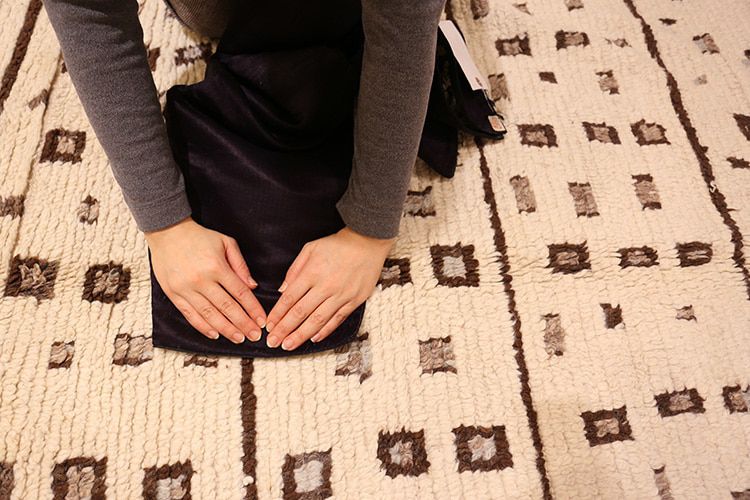
Begin by absorbing and removing the spillage itself by blotting with a dry colorless cloth as follows: Lay the cloth over the spillage to absorb surface liquid, never pressing down. Repeat until surface liquid is completely absorbed. Use a second dry cloth to press down directly on the stain to remove deeper spillage. This two-step absorptive technique helps to ensure surface spillage isn’t pressed deeper into the carpet or rugs fibers. And, this in of itself may often remove the stain.
If stain remains, apply a detergent solution and the dab technique. Any residual stains may be removed with a vinegar solution and the dab method. Harshly-colored beverages may require an ammonia treatment with the dab method. Thoroughly dry the cleaned area. If necessary, use a garment brush to restore the natural placement of the fibers.
How to Care for Blood Stains:
Use the two-step absorption process to remove surface liquid without deeper penetration. Go with a detergent solution and the dab method first. Ammonia solution and the dab method may be used to remove any residual staining. Thoroughly dry.
How to Care for Chocolate Stains:
Use a spoon to scrape off any bits of chocolate. Use a detergent solution to dab the stain. Ammonia and the dab method may be used for difficult stains. Dry and brush if needed.
How to Care for Coffee Stains:
Use the two-step method to absorb the liquid. Apply and ammonia solution to the stain and let it sit for two to three minutes. Use the dab method to remove the stain. Reapply ammonia as needed and repeat until the stain is lifted. Dry thoroughly.
How to Care for Glue Stains:
Saturate a cloth with vinegar. Dab and gently pull upwards against the carpet fibers. Repeat until all the glue is lifted. Follow up with a detergent solution or minimal amount of alcohol solution may be necessary to remove any residual stickiness.
How to Care for Ice Cream Stains:
Scrape away as much of the ice cream as possible with a spoon. Use the dab method with an ammonia solution to remove any stains. Dry and brush if needed.
How to Care for Condiment Stains:
Scrape away as much of the ketchup, mustard, mayo as possible. Dab away any remaining condiment from the surface gently. Apply a detergent solution and use the dab method to lift deeper residue. If stain remains, use an ammonia or vinegar solution and the dab method. Dry and brush if needed.
How to Care for Ink Stains:
Ink is like the gladiator of stains, but it’s not without a DIY stain solution. Spray the stain thoroughly with hairspray. Wait 10 – 15 minutes for it to dry and adhere to the ink. Use a soft-haired garment brush dipped in a 50 / 50 vinegar to water solution to lift the stain.
How to Care for Lipstick Stains:
Scrape away as much of the lipstick as possible. Dab away any remaining lipstick from the surface gently. Apply a detergent solution and use the dab method to lift deeper residue. If stain remains, use an ammonia or vinegar solution and the dab method. Dry and brush if needed.
How to Care for Nail Polish / Paint / Shoe Polish Stains:
Scrape away any dried or liquid polish. Dip a cotton-tip cosmetic stick into nail polish remover. Dab at the stain, using a new cotton stick as needed until the bulk of the stain is removed. Follow up with a detergent solution, clean cloth, and the dab method. Difficult colors may require an ammonia solution and the dab method.
How to Care for Soot Stains:
These dried particles shouldn’t be moistened. Instead, use a vacuum with a nozzle attachment to suck up the particles. Be sure to place the nozzle head just above the particles, avoiding pressing them into or rubbing them across the carpet or rug.
How to Care for Vomit Stains:
Scrape the vomit from the carpet or rug with a spoon. Use a vinegar solution and the dab method to both disinfect the fabric and remove the stain. Follow up with a detergent solution if needed. Thoroughly dry.
How to Care for Urine Stains:
Urine removers often damage carpets and don’t even sanitize them. Use the two-step method to absorb the liquid. Use the dab method with 100% vinegar solution to disinfect, remove odors, and remove the stain.
How to Care for Wine Stains:
Use the two-step method to absorb all excess fluids. Use the dab method and a vinegar solution to lift any remaining stains. Dry thoroughly.
Special Considerations Before Starting Any Rug Maintenance and Carpet Cleaning Project:
- Applying anything to a stain has the potential to worsen the stain and/or otherwise damage the carpet or rug. If this isn’t an acceptable risk, contact a professional cleaning service as soon as possible.
- Specialty flooring, such as Oriental carpets, antique rugs, silk rugs, fine Persian rugs (to name but a few) may require professional cleaning services.
- Know your chemicals! Certain chemicals, such as bleach and ammonia should never be mixed. Doing so may produce chemical burns to the lungs, skin, and eyes and could even have fatal consequences. Always know what chemicals are being used and how to use them safely for the health of humans and fabrics.
- If in doubt of a product and material being compatible, use a test swatch first.
- In drying, keep in mind any pads underneath carpet and rugs. Leaving moisture underneath can create mold, dry rot and mildew.
How To Do Rug Maintenance Yourself
Yes, you can do your own rug maintenance and it’s not always necessary to hire professionals for a good rug cleaning.
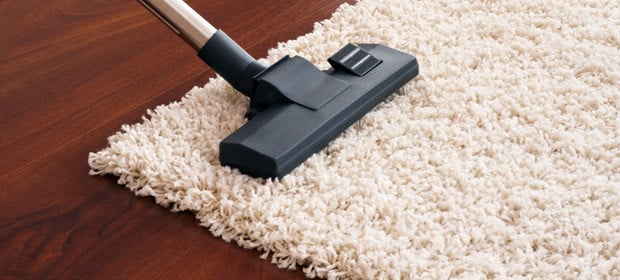
- Vacuum each side of the rug thoroughly to clean it of excess debris. By both sides we mean vacuuming the backside of the rug first (the vibrations will shake loose dust and debris that are deeply embedded in the rug). After collecting all the dust from the floor, flip the rug to its front side and vacuum the face. Repeat this until there is very little to no dust left in the rug.
- Once the rug is dust free, its time to Shampoo the face / front side of the rug. Use only cool water, along with a mild liquid dish soap or shampoo specifically made for rugs. A good tool for this would be a soft brush with long bristles or a high-quality sponge that won’t shed. Wet the brush liberally with the water, soap and the bubbly suds. Brush the fibers firmly in the direction of the nap, careful not to apply too much pressure.
There are a couple things to consider in selecting the proper detergent for this type of cleaning job. In choosing the best detergent, check ingredients to ensure it doesn’t contain ammonia of any kind. Also, it’s a good idea to test one small segment of the carpet for color runs, before proceeding to shampoo the entire rug. - For a deep clean, use a lot of the solution water. Then use the brush or sponge to scrub away from the carpet, so dirty water will be pushed out of the fibers. Repeat this process several times for best results. Rinse the rug thoroughly with clean, running water, ensuring to wash out excess soap and lingering soil.
- For a lighter clean or for cleaning antique rugs specifically, we suggest using very little water. You may even only want to use the soapy suds and brush them lightly into the rug’s pile. By constantly washing the brush in the water, you will remove the dirt from the rug and wash it off in the solution.
- If you cleaned your rug with a lot of water, try to squeeze out all the excess water. The best tool for this is a rubber window / floor squeegee, but one’s hands may work in a pinch. Push the excess water out in the direction of the nap and repeat this process as needed to get as much of the water out.
- Dry the rug completely, front and back. Lay the rug flat on the floor with the face of the rug pointing up. Then place items underneath it allow air to circulate through the rug until it feels dry to the touch (this will help ensure that it wont get damaged by dry rot setting in). If you have the ability to hang it that may be the best. To hasten the drying process you may want to use fans to push more air through and around the rug.
- Any stiffness in the rug’s fibers can be brushed out with a vacuum or a soft bristled brush after the now clean rug has dried out completely.
A Note About White Vinegar and Cleaning Your Rugs
The majority of oriental rugs use acid fast and natural rug dyes. When adding the white vinegar to carpet washing water, the solution is given a higher acidic rating, which strengthens the bond between the dye and the fibers of the rug. This process creates better protection against color running or fading.
Whether a liquid spill or a pet accident involving solid matter, always finish by sponging the area with cool and clean water. Absorbent towels or a non shedding brush is best for this part of the process, though a soft bristled brush may also be used.
Push in the direction of the nap, but bear in mind that scrubbing too hard could cause the fibers to loosen. Towels should be placed under the rug to keep the underlying floor and any padding from soaking up the water (though we do strongly suggest that you remove the under pad before you begin cleaning your rugs).
Be sure that the backside of the rug is completely dry, before removing the towels…. both the nap and underlying side of the rug should both be thoroughly dry.
How To Get The Dust Out Of Your Rug
The first thing you should do when doing rug maintenance, is shake the dust off of them. A lot of times a carpet needs nothing more than the dust shook off of it for it to look good and smell fresh again.
To get the dust out of your Oriental rug, follow these steps:
- Physically pick the carpet up by one end and shake it like you were trying to make a picnic cloth lie flat
- Hang the rug over a line and gently beat the dust out with a rug beater.
- Turn the rug over so it is upside-down and vacuum the back of the rug. The vibrations should loosen up the dust that is embedded deep in the pile and cause the dust to fall to the floor. Then just get rid of the dust that fell to the floor and vacuum the face. Keep doing this till you see that there is no more dust collection on the floor when you turn the rug over (please note that for this to work, you need a vacuum that has bristles and you should move the vacuum slowly).
How to Clean and Maintain Oriental Rugs and Antique Carpets
Oriental rug cleaning can be tricky. If you use the wrong cleaning solutions, you may inadvertently damage the rug and cause the colors to run or bleed. When you are cleaning oriental rugs, (especially the old ones that are worth hundreds or thousands of dollars), you should trust professional cleaners to do the job.
How To Make Spot Cleaning Solutions for Your Rug
Use a mixture of dish washing detergent and warm water to clean spots out of rugs. Take a bowl and place about two cups of warm water (hot or boiling) in it. Then add a few drops of liquid dish detergent in the bowl. Use a whisk, and whisk the mixture together so that it creates bubbles at the top.
Before you attempt to use any cleaner on your rug, turn the carpet over and find a place on the back that will not be noticed if it gets “messed up”. You will want to test a spot that is at least as big as a silver dollar. Then try and apply the cleaner to see if it is going to make the colors bleed or create any other damages to the carpet.
Make sure you let the newly cleaned area completely dry before deciding whether or not the cleaner is going to be effective and “safe”.
How To Apply The Cleaning Solution To Your Rugs
Clean the rug using mostly the bubbles and not much water. You do not want to get the area wet, simply clean. Next, take a soft bristled brush, dip a few of the bristles in the cleaning solution you created and lightly rub it over the stained area of the rug.
Rub very gently so that you do not do any damage to the fibers of the carpet… This is very important! If you get vigorous, you could actually break some of the threads and cause permanent damaged. Blot the area dry with a soft, clean cloth.
If the stain does not fully lift out, repeat the steps until the carpet is cleaned. This can be a painstaking process, but take the time and do it right.
This rug blog about Rug Maintenance and Carpet Care at Home was published by Nazmiyal Antique Rug Gallery in NYC.