
Exquisite Carpets from the Far East: An Introduction
The Far East has a long history of tradition and is an area that has produced some of the most beautiful carpets in the world. It is a vast territory of diverse cultures, languages and artistic traditions. It is difficult to define an all-encompassing Far East carpet style because there are hundreds of traditions. Let’s sample some of the treasures that this area of the world has to offer.
What is the Far East?
The term “Far East” refers to a region located in the easternmost part of Asia. It is often used to describe countries and territories in East Asia and Southeast Asia. The specific countries and areas considered to be part of the Far East may vary depending on the context and perspective.
The Far East generally includes the following regions:
- East Asia: This subregion includes countries such as China, Japan, South Korea, North Korea, and Taiwan. These countries are situated on the eastern coast of the Asian continent and are collectively referred to as East Asian countries.
- Southeast Asia: This subregion comprises countries in the southeastern part of Asia, typically including countries like Vietnam, Thailand, Indonesia, Malaysia, the Philippines, Singapore, Cambodia, Laos, Myanmar (Burma), and Brunei.
The term “Far East” was historically used by Westerners to distinguish the region from the Middle East, which is located in Western Asia and North Africa. Today, the use of the term is somewhat less common, and many people prefer more specific designations like East Asia and Southeast Asia to describe the individual regions.
While the term “Far East” might not be as commonly used in contemporary geographical discussions, it remains historically significant and has shaped how Westerners viewed and referred to the Asian continent in the past.
Far East Carpets
The Far East encompasses China, Eastern Russia, Japan, North Korea, South Korea, Siberia, Taiwan, Cambodia, East Timor, Thailand, and the Pacific Islands. The Far East has as many flavors and styles of carpet as it has food and terrain. Carpet weaving is an ancient tradition in the Far East, and some even speculate that carpet weaving might have begun in the region.
The oldest carpet ever uncovered was from the 5th Century B.C. and is known as the Pazyryk carpet. It was from a burial mound in Siberia. Several rugs exist from Syria, Iraq and Afghanistan that date to the first century A.D.
Throughout the Far East, you can find a range of materials, including cotton, silk, wool, and camel. Wool is the most common material by far. Regional variations in sheep produce a wide range of wool with different characteristics. When one considers Far East rugs as a group, it becomes apparent that certain design elements are found, regardless of the origin of the carpet. For instance, most of them are based on a design that uses a field surrounded by borders. The designs within these two major areas of the rug provide the colors and designs that distinguish carpets from the various cultures. The Pazyryk carpet and other ancient carpets have this familiar field and borders design.
This prevalence of this basic layout can be attributed to the history of how carpet weaving spread throughout the area. Carpet weaving is thought to have originated in the nomadic tribes of central Asia. The carpets were made for utilitarian purposes to provide flooring and walls for their tents. The purpose was to protect them from the elements and cold climate. Carpets were used by everyone from city dwellers to rural peoples.
When the Turkic tribes arrived in Anatolia in 1071, they brought their traditional weaving methods with them. These carpets with their border and field design spread throughout the Far East and eventually became the most familiar pattern, even though each area gave the basic design their unique symbols, color combinations and patterns.
Far Eastern Chinese Carpets
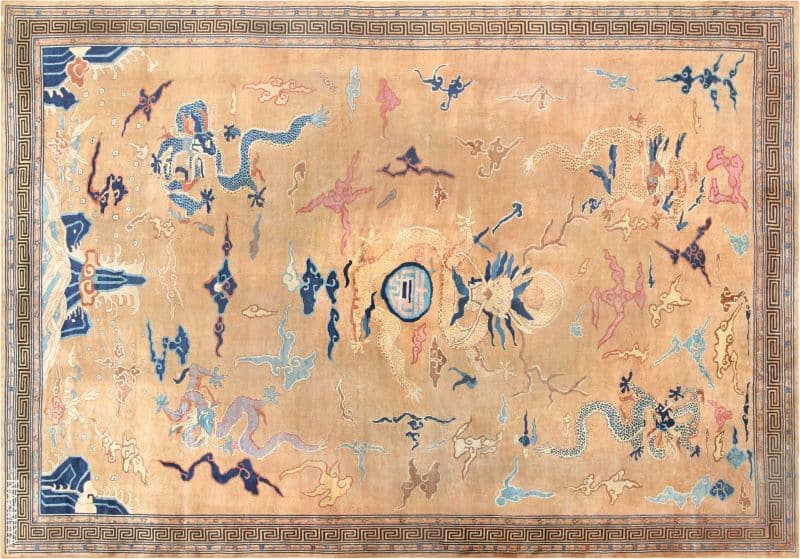
Carpets of the Far East range in design from the formal, schooled creations of the Chinese Imperial cities to the rustic, tribal creations that almost look like a freehand drawing. Perhaps the best-known carpets are those from China. Artwork indicates that carpets were present in China as far back as 2,000 years ago. They were used heavily in the Imperial courts as a sign of status and power. Although woven carpets were known, the first knotted carpets did not begin to appear until about the 15th century.
The main, and oldest, carpet weaving provinces are Suiyan, Ningxia, Kansu, and parts of Mongolia. Carpets from these areas have a different sense of space and design than Turkish and Persian carpets. They still have the basic border and field layout, but the design within them tends to be sparser with more space between each design. They often feature designs such as Chinese writing, dragons, lotus flowers, phoenix and clouds. The running dog border is also a common design in the area. Sometimes Chinese carpets will only have a solid color border and field, highlighting the beautiful colors and the play of light on the fibers.
Mongolian Far Eastern Carpets
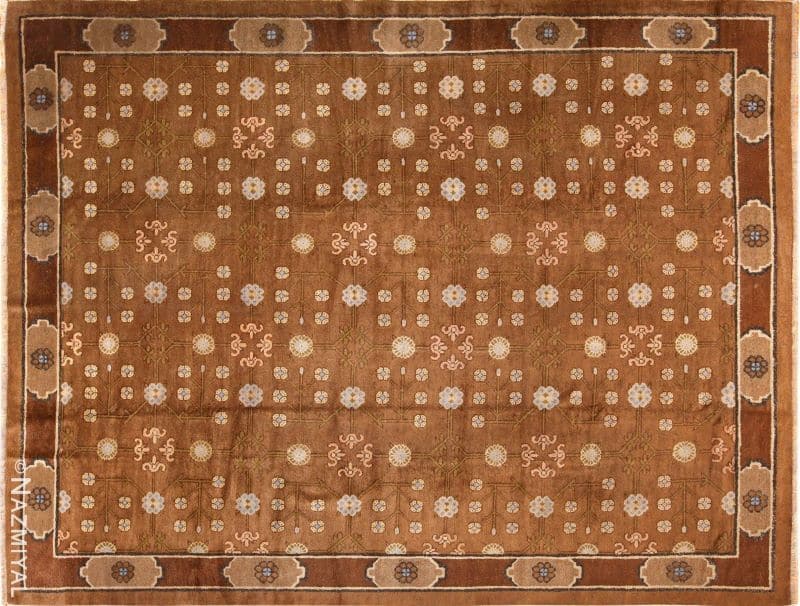
Mongolian carpets are woven by people who must endure a harsh climate. Their carpets are known for a thick, dense pile that is exceptionally soft and warm. They tend to use a combination of Chinese and Persian designs. They are often in warm, earthy browns and colors that reflect the landscape from which they came. Mongolian carpets are a particular class of carpets in the Far East that are beautiful to behold.
Indian Far East Carpets
Carpets from India are another important class of carpets. They often incorporate silk and vivid colors. They draw inspiration from the carpets of Persia and the Orient, but they add a unique style. Some of the favorite designs from India feature tigers, peacocks, and brightly colored flowers.
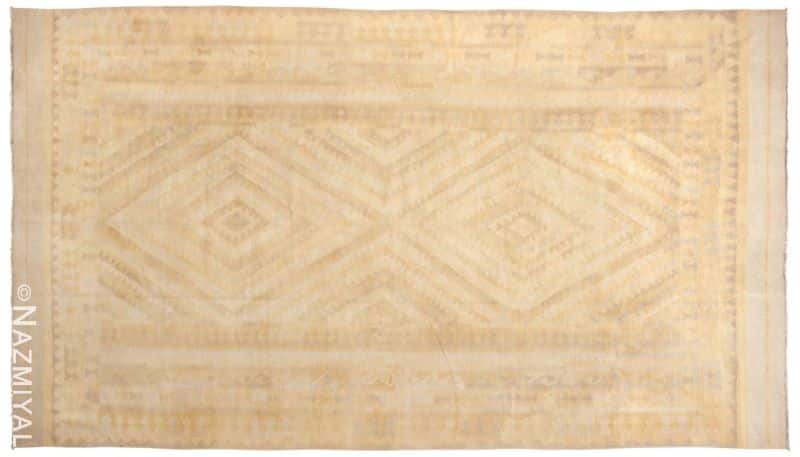
Dhurries are a traditional form of carpet that has been almost overshadowed by the formal Mughal pile carpets. However, Dhurries hold a special place in Indian carpet history. They are light and are created using a tapestry technique. They feature stripes, Islamic images and geometric designs. They are often rendered in simple forms that appear primitive.
Tibetan Carpets from the Far East
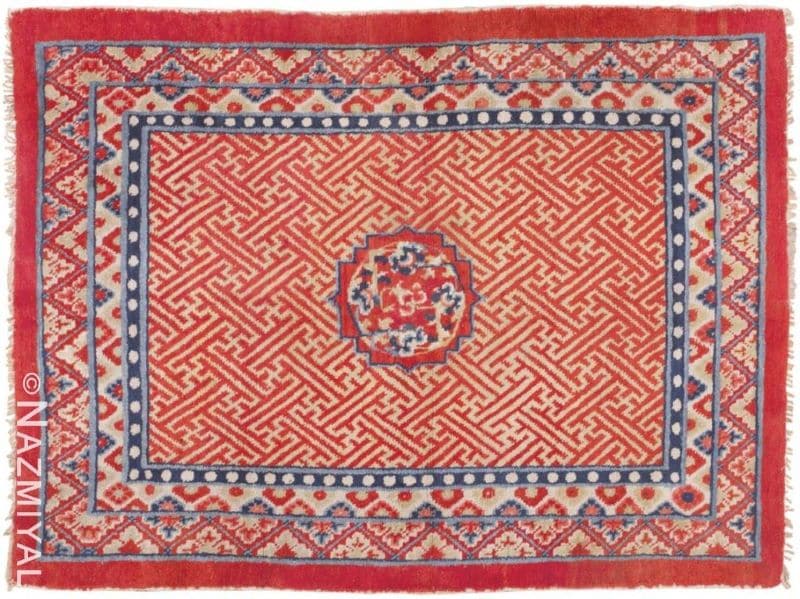
Tibetan carpets are a unique class of rugs because their knotting techniques are different from those used in other parts of the world. Rather than using the Turkish or Persian-style knot, they use a knot that is only used in Tibet. This knot makes an exceptionally strong and durable carpet. Sometimes, carpets from Tibet are not pile woven, but they consist of colorful cashmere felt. Designs are embroidered or appliqued onto the foundation. The wool used for felt and woven rugs are from a special type of sheep that has strong, warm fleece.
Far East Ikat Textiles
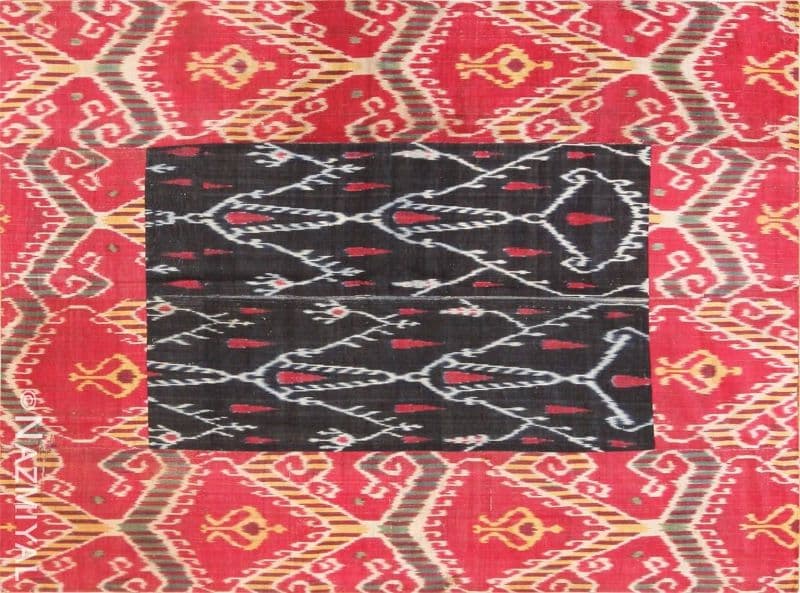
Ikat is a specific type of design that is considered one of the oldest designs in the world. It looks a bit like an abstract tie-dye. They are in beautiful colors, often in shades that are seen in few other places. Special techniques enhance the range of colors in the rugs. They feature repeated diamond and triangle designs and are typical of a lower knot count. They are often only in the range of 40 knots per square inch. These carpets are admired for their beautiful colors.
Far Eastern Bokara Carpets
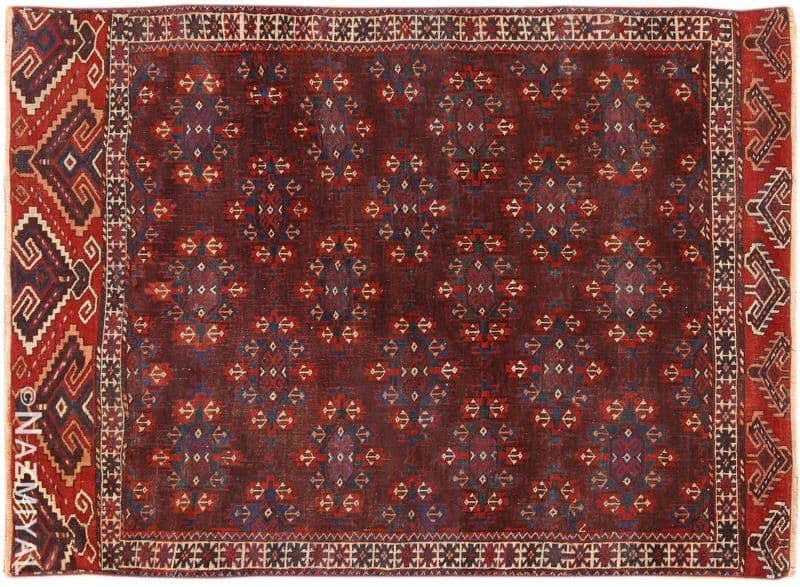
Carpets from Bokara are considered some of the most beautiful in the world and are treasured for their soft piles and beautiful tones. They are known for their recognizable diamond motifs and symmetrical design. They also use octagonal motifs that are known as the Elephant’s Foot design. Bokhara rugs are classified according to the tribe that wove them.
The soft feel of Bokara rugs is the result of a unique weaving technique that uses a double row of pile knots. The second row of the pile is left longer so that each row has a long row and a short row. This technique is what creates the softness for which these rugs are known.
Choosing a Far East Carpet
These are only a few examples of the different types of rugs found throughout the Far East. Each one is a reflection of the culture and history of the people who created it. There are some exquisite examples from every area of the Far East, which can make it challenging to make a choice. The region is expansive, and it can be difficult to narrow the choices down to a particular area or place. In the end, only you can make the choice that is right for you.
People like music that is put together in a way that moves us and touches something inside. The same can be said for the beauty of oriental carpets. Some of them have color and design combinations that touch something inside of us and move us. It is a special harmony that only does not come around often. Each person will have a different carpet that speaks to them in this special way. Finding that carpet is the best way to choose a Far East carpet.
Of course, one could go the traditional route and base the decision on color, form, and a style that matches the interior design. There is certainly nothing wrong with this selection method, but the best way to choose a carpet that you will be happy with for a long time is to find the one that speaks to you in this special language all its own. Feel free to browse our collection of Far East carpets, and hopefully, you will find that special one that calls to you with its song of color and design that creates the perfect match