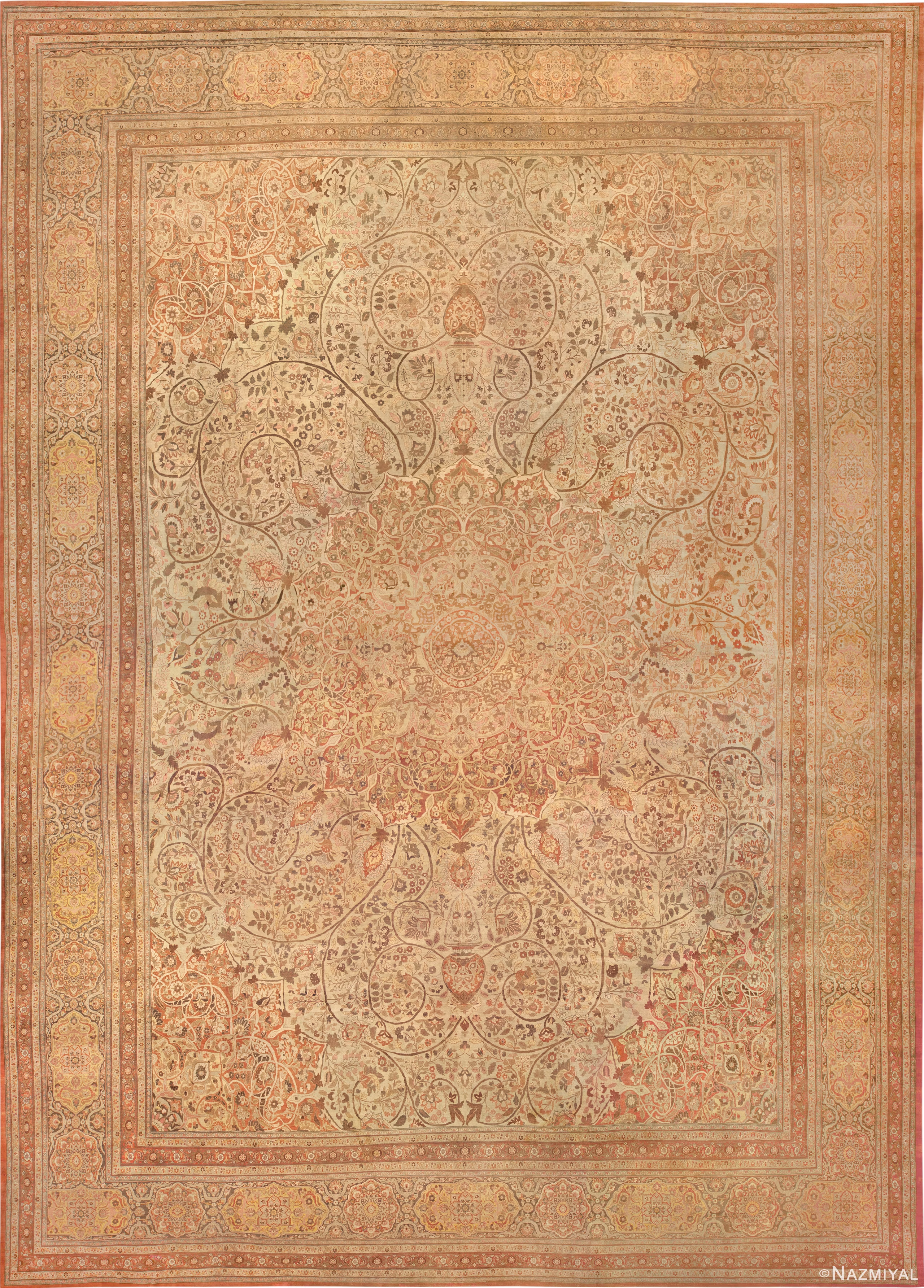
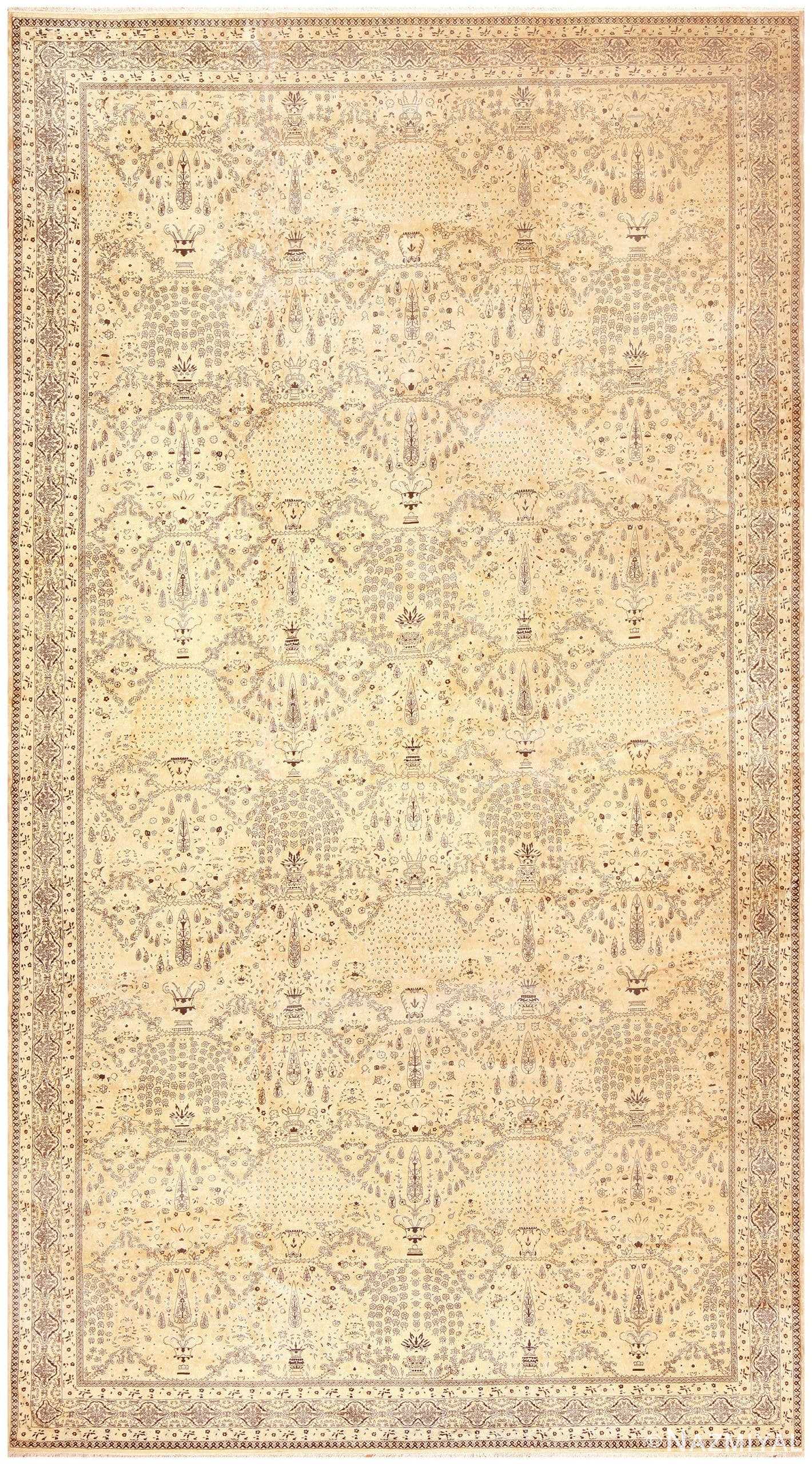
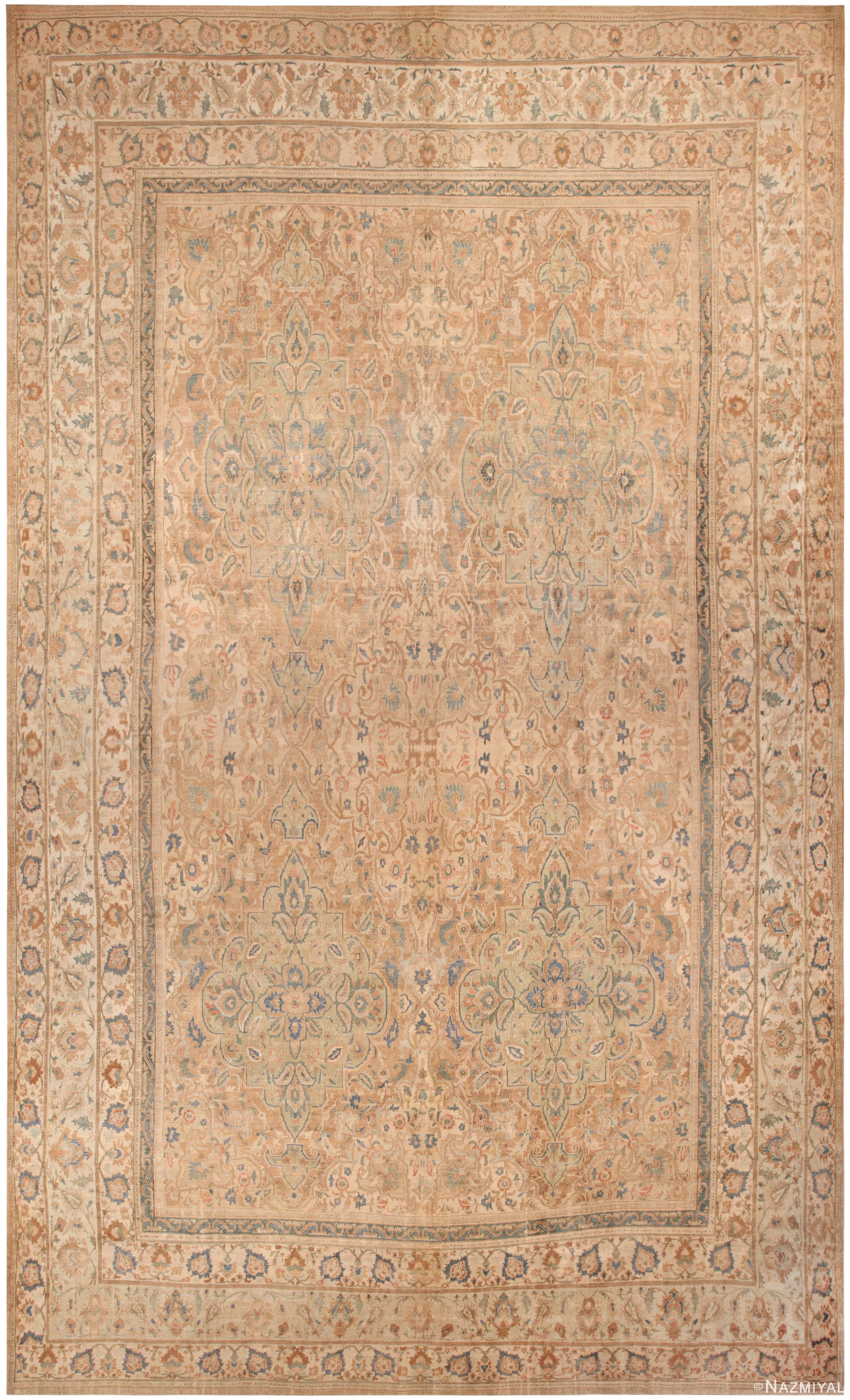
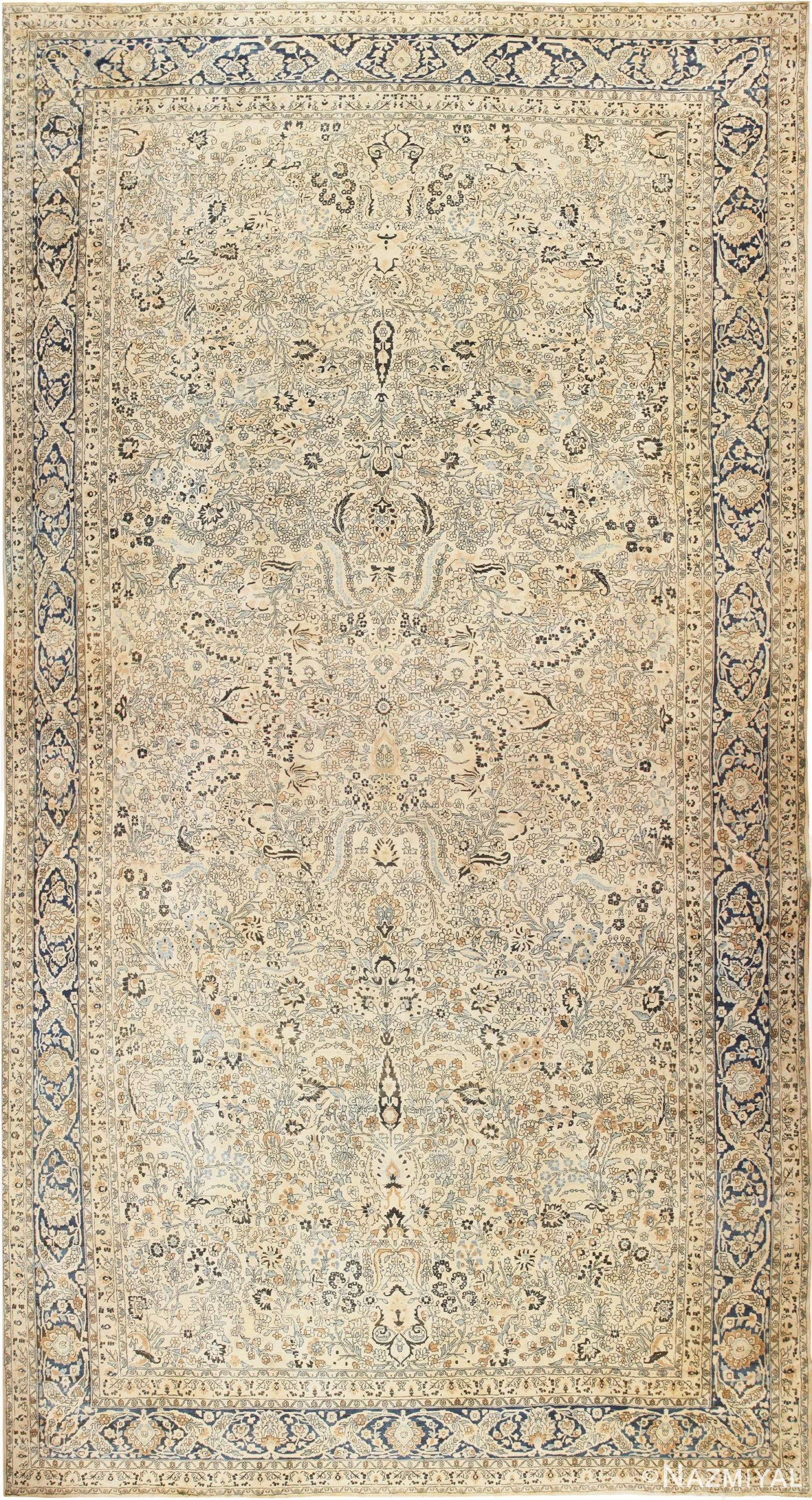
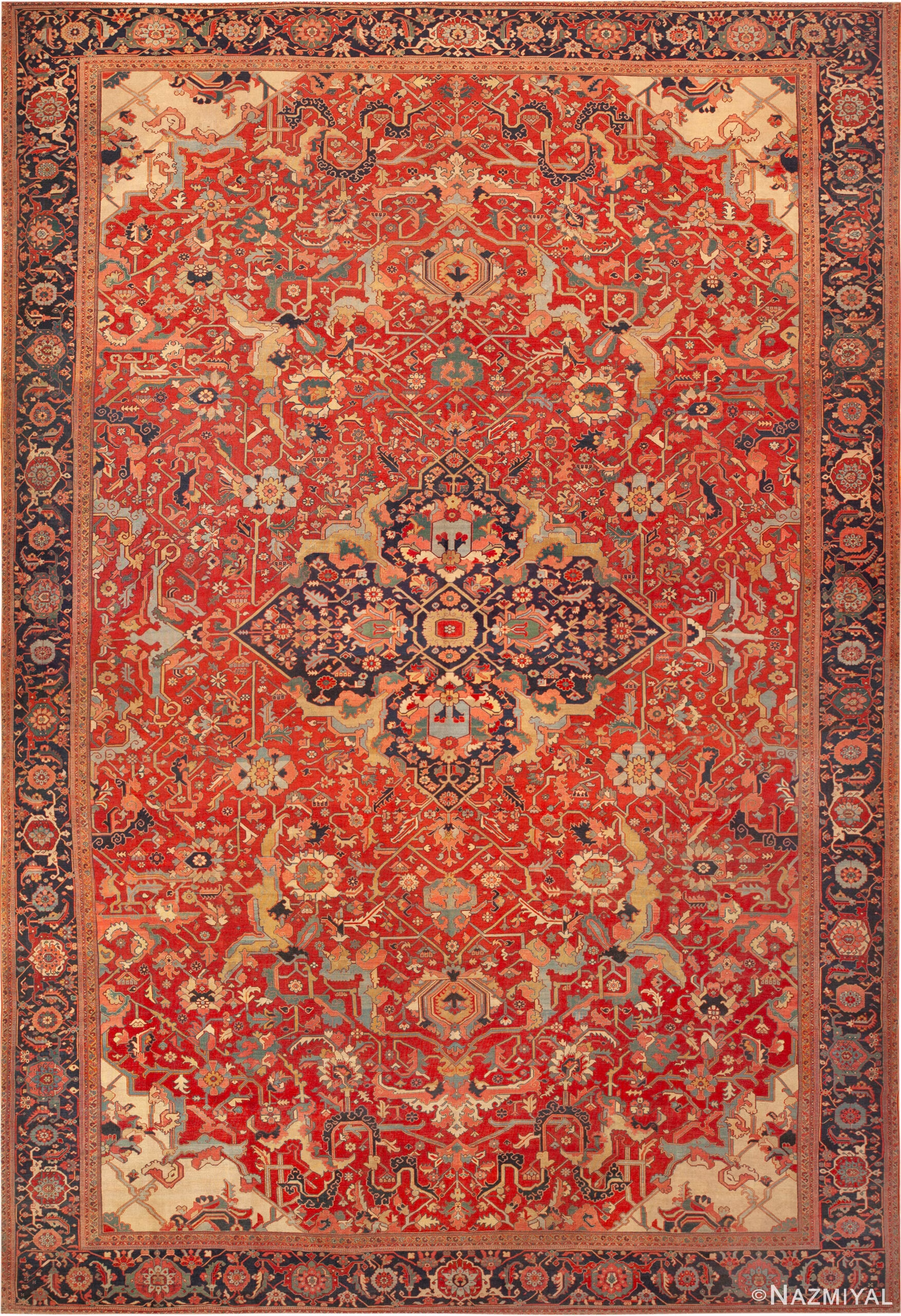
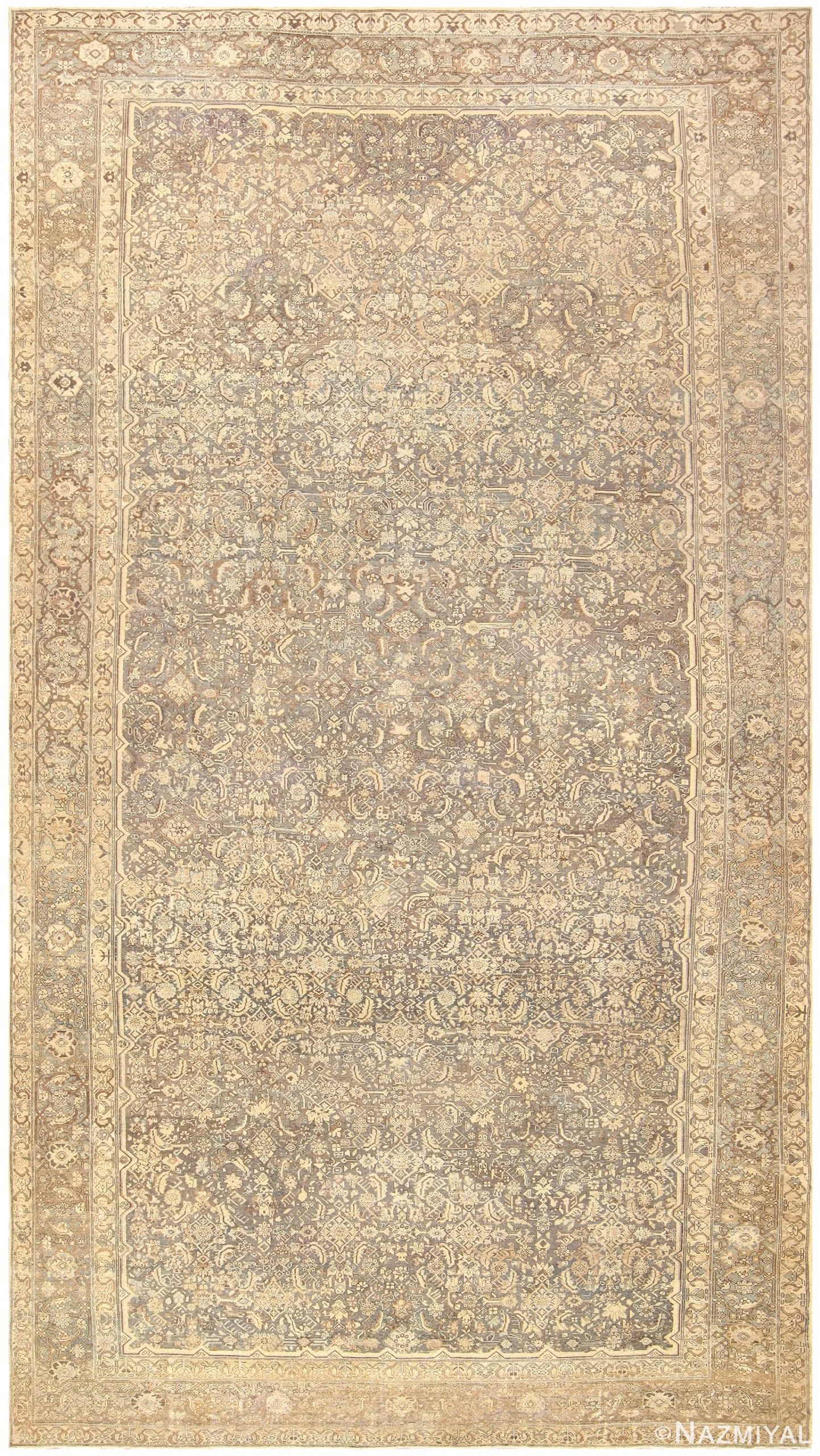
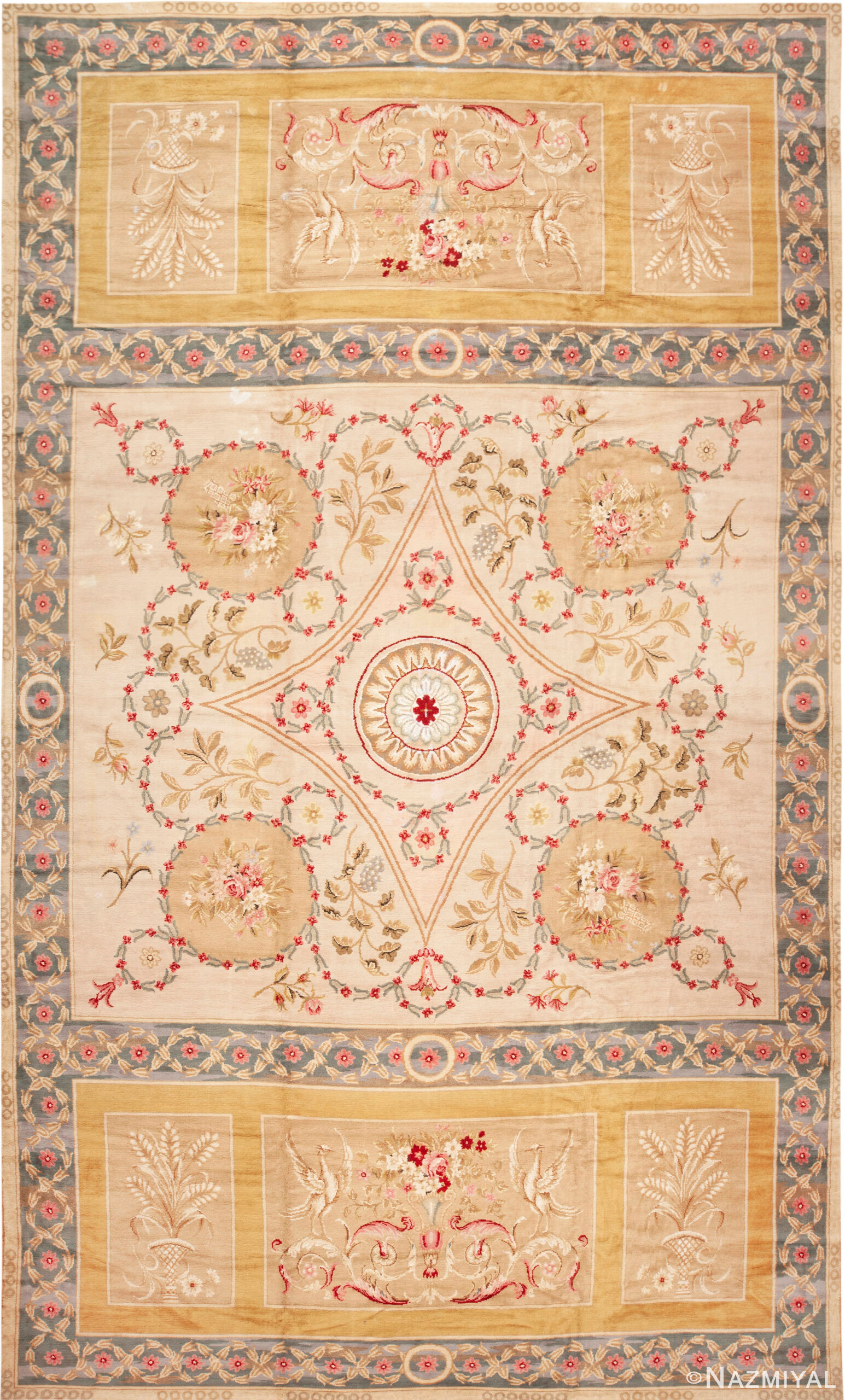
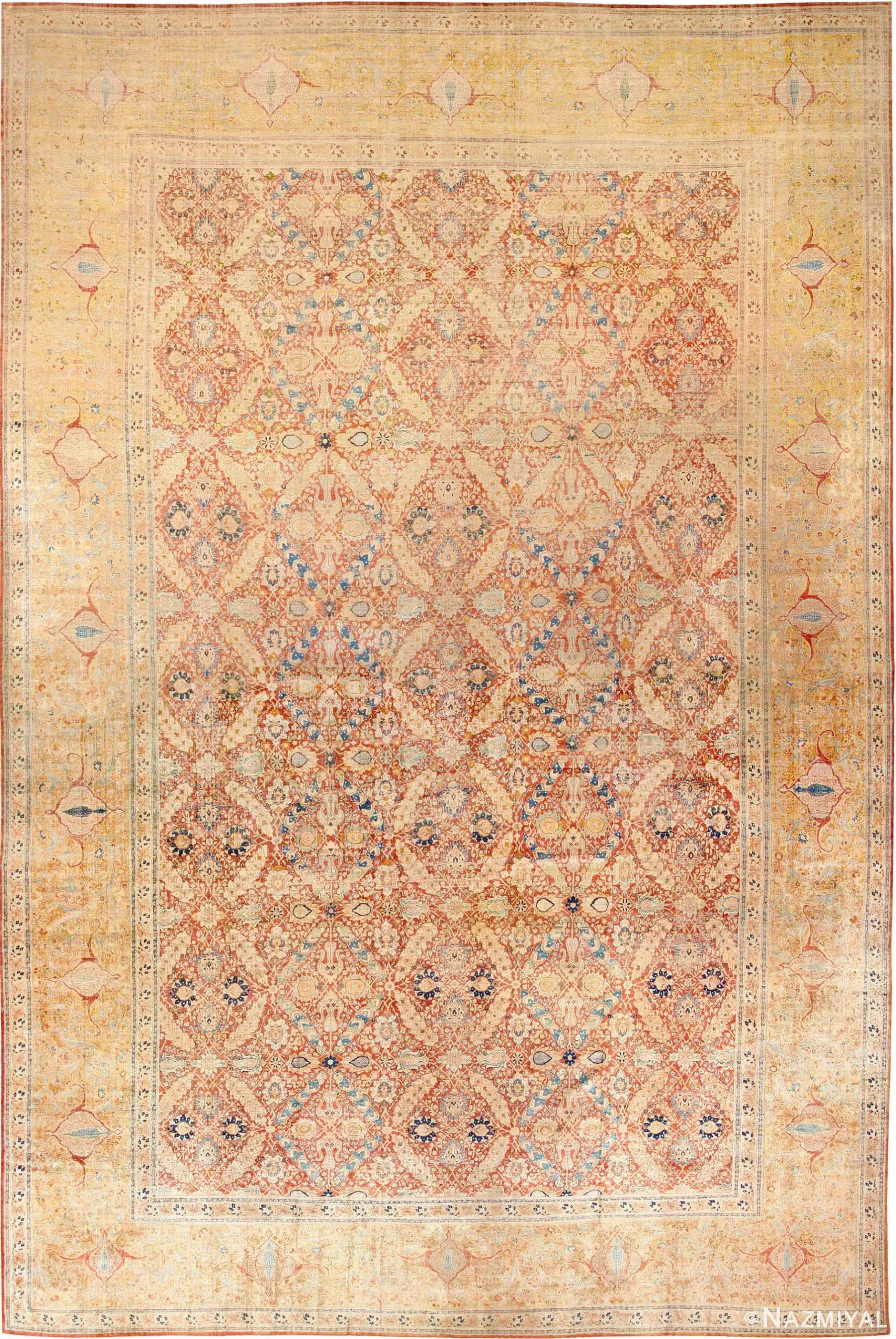
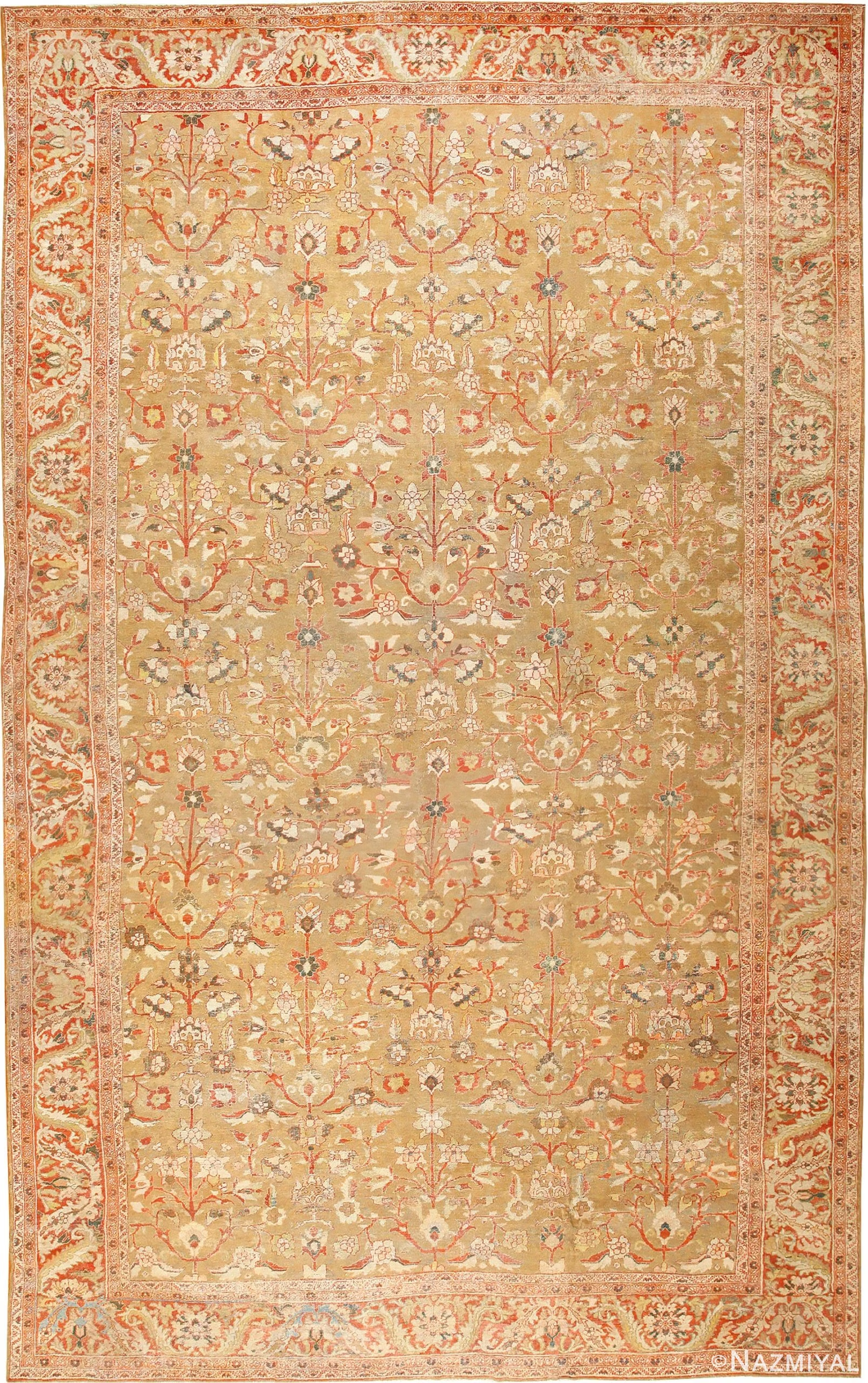
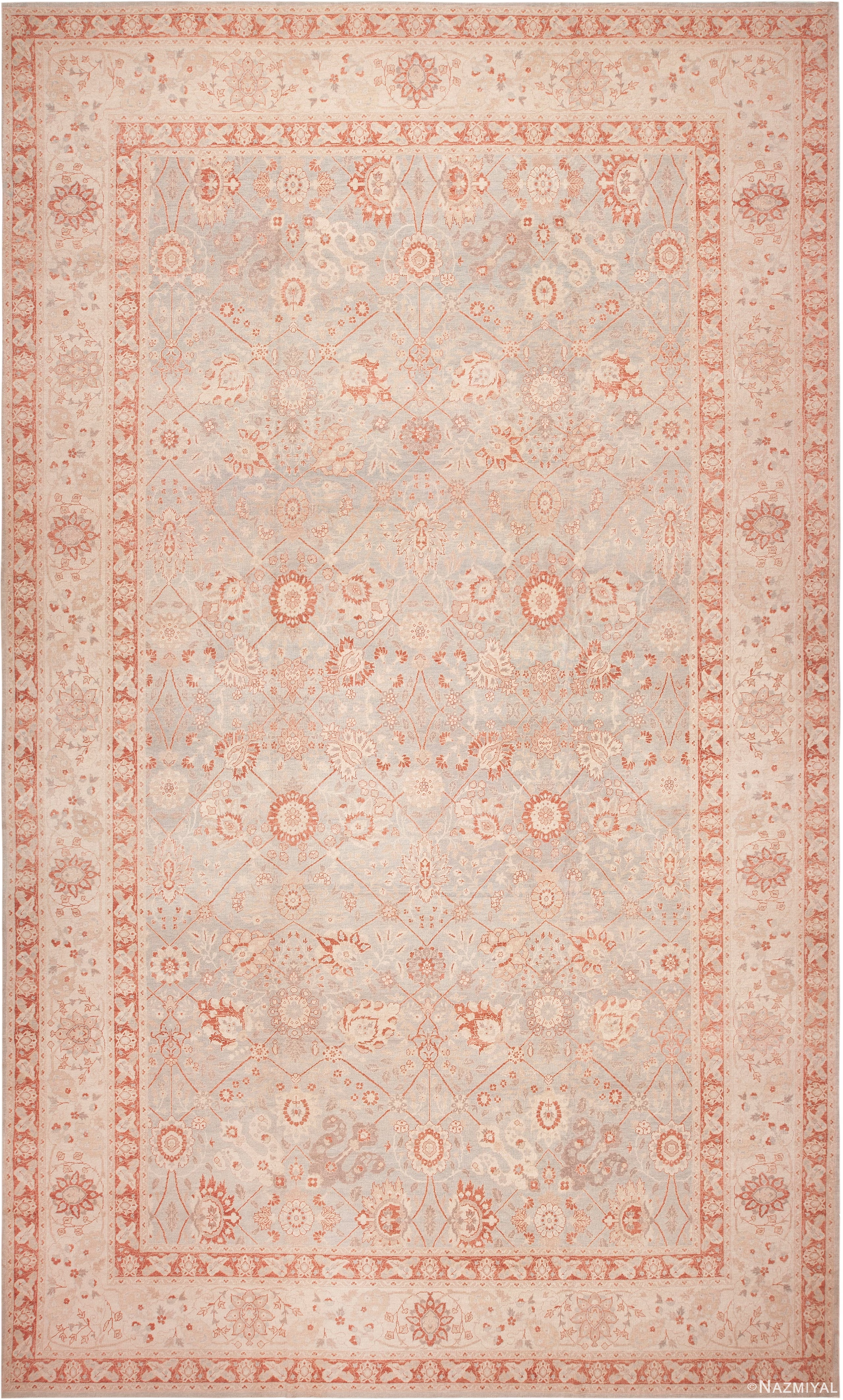
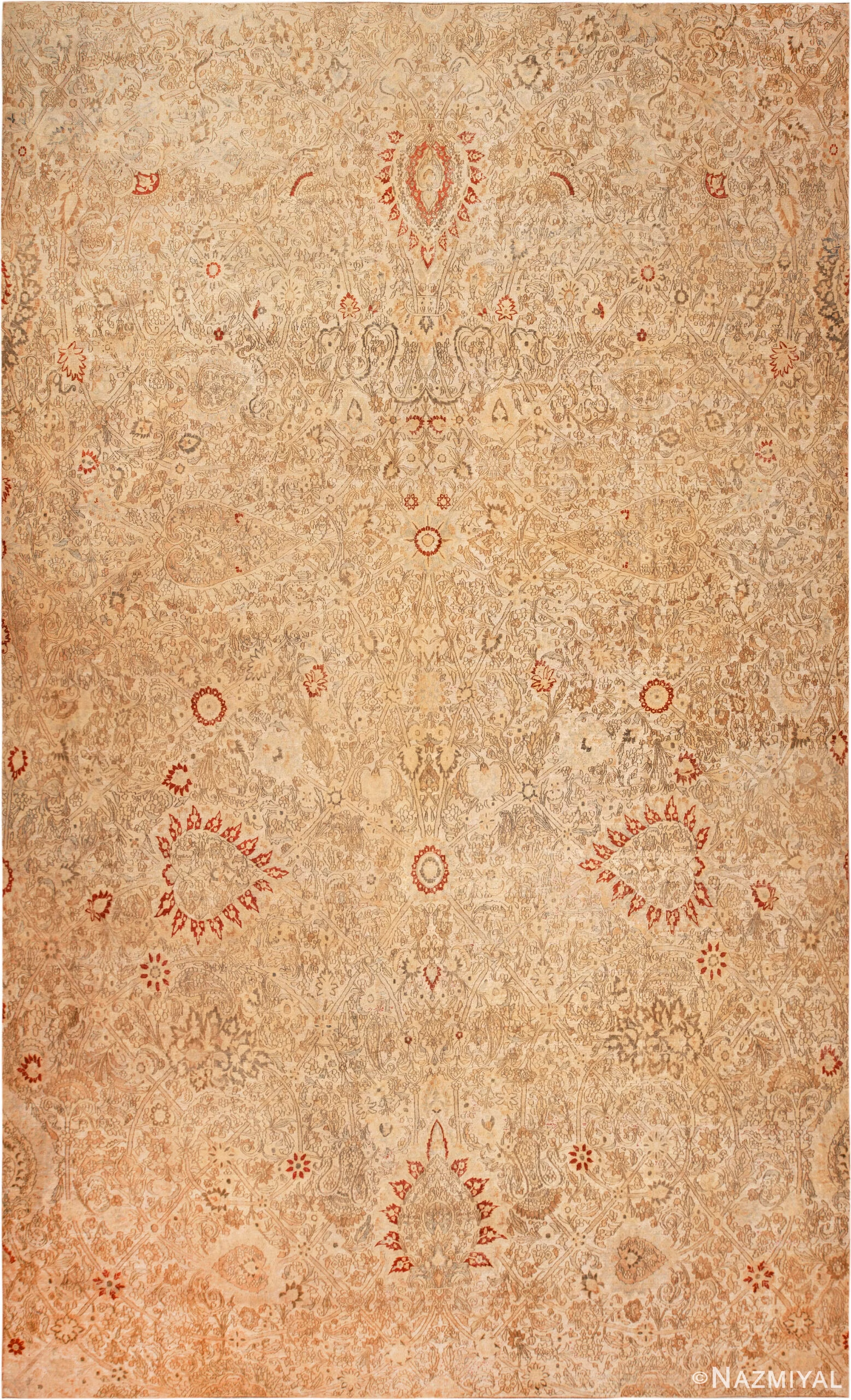
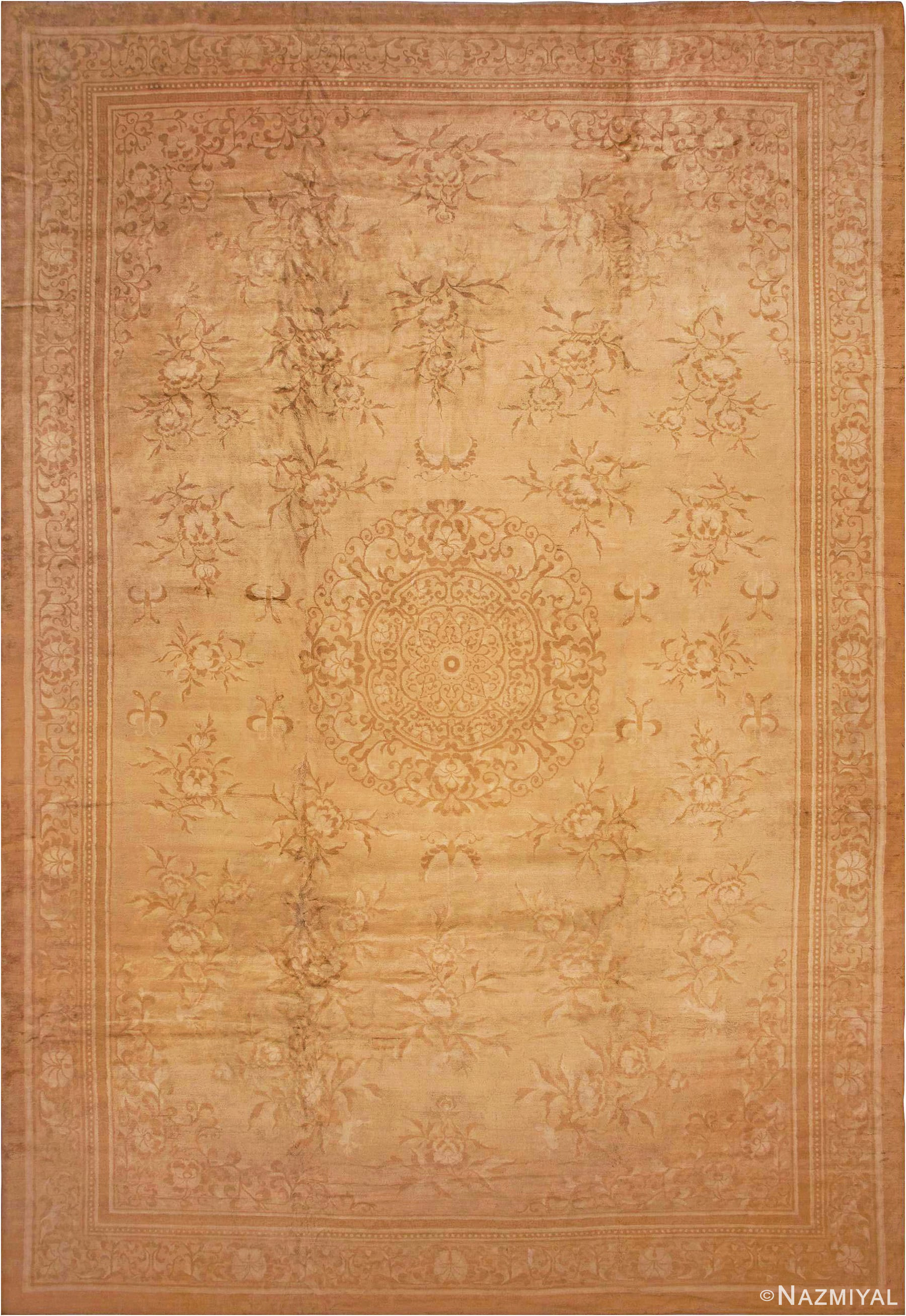
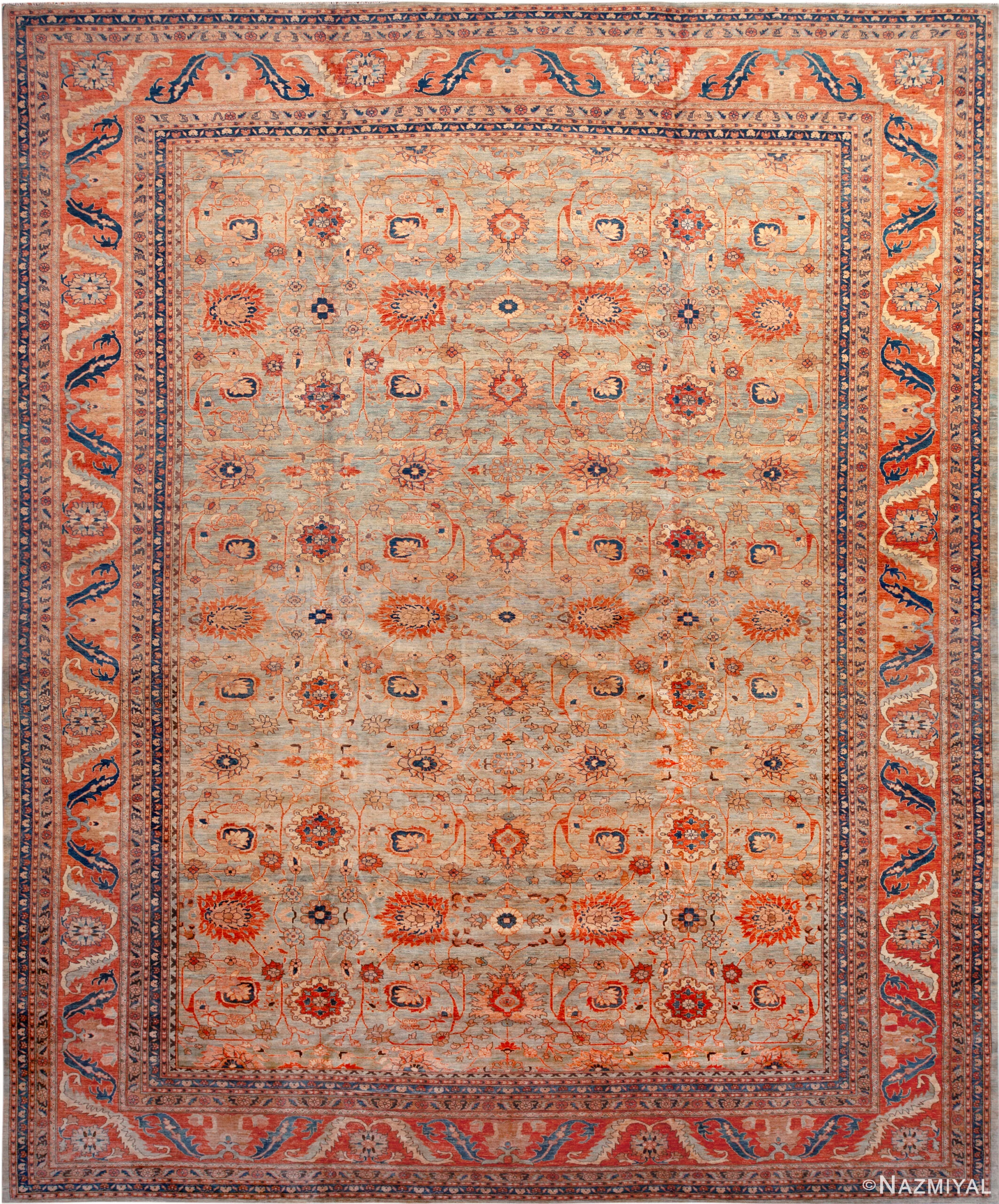
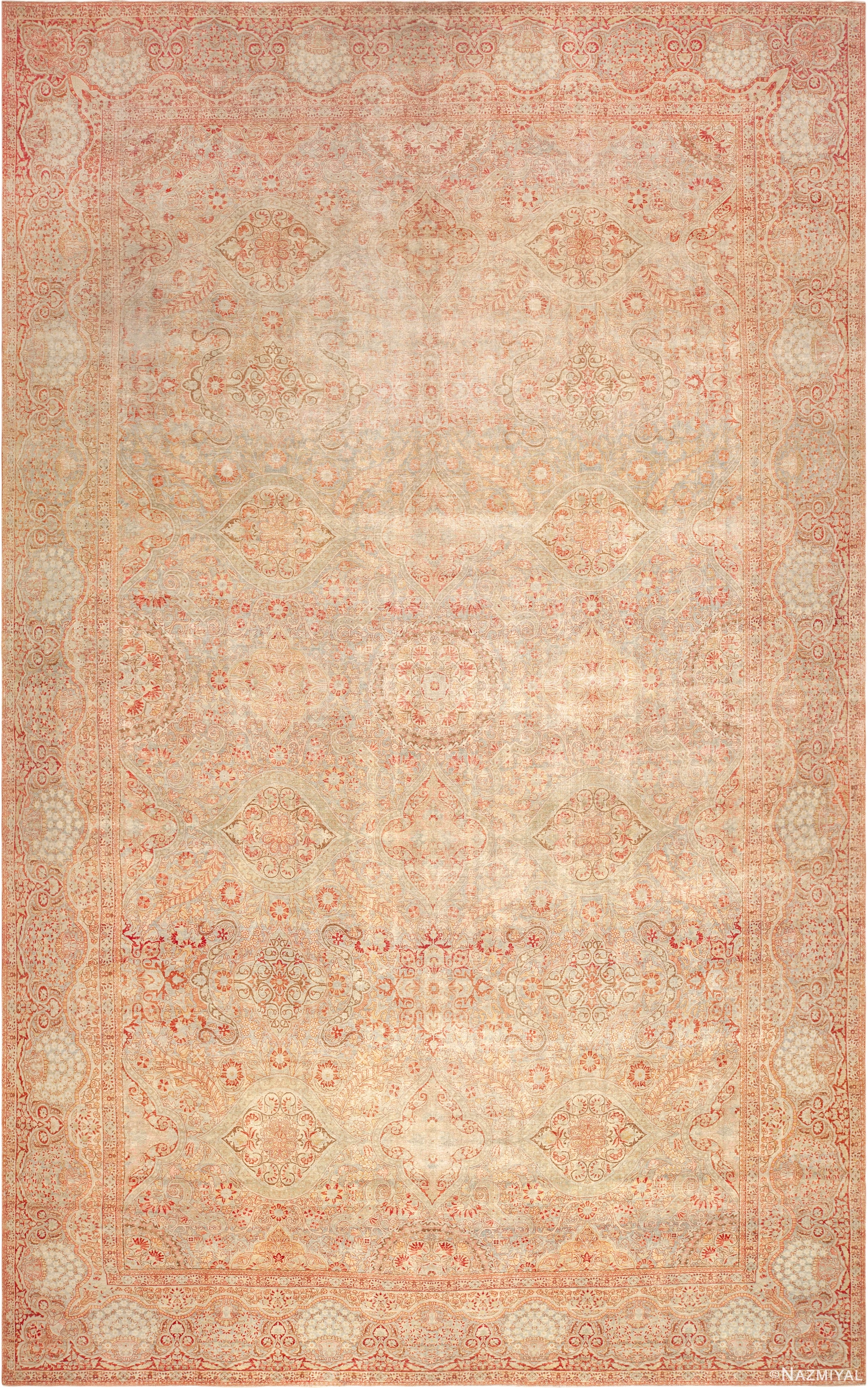
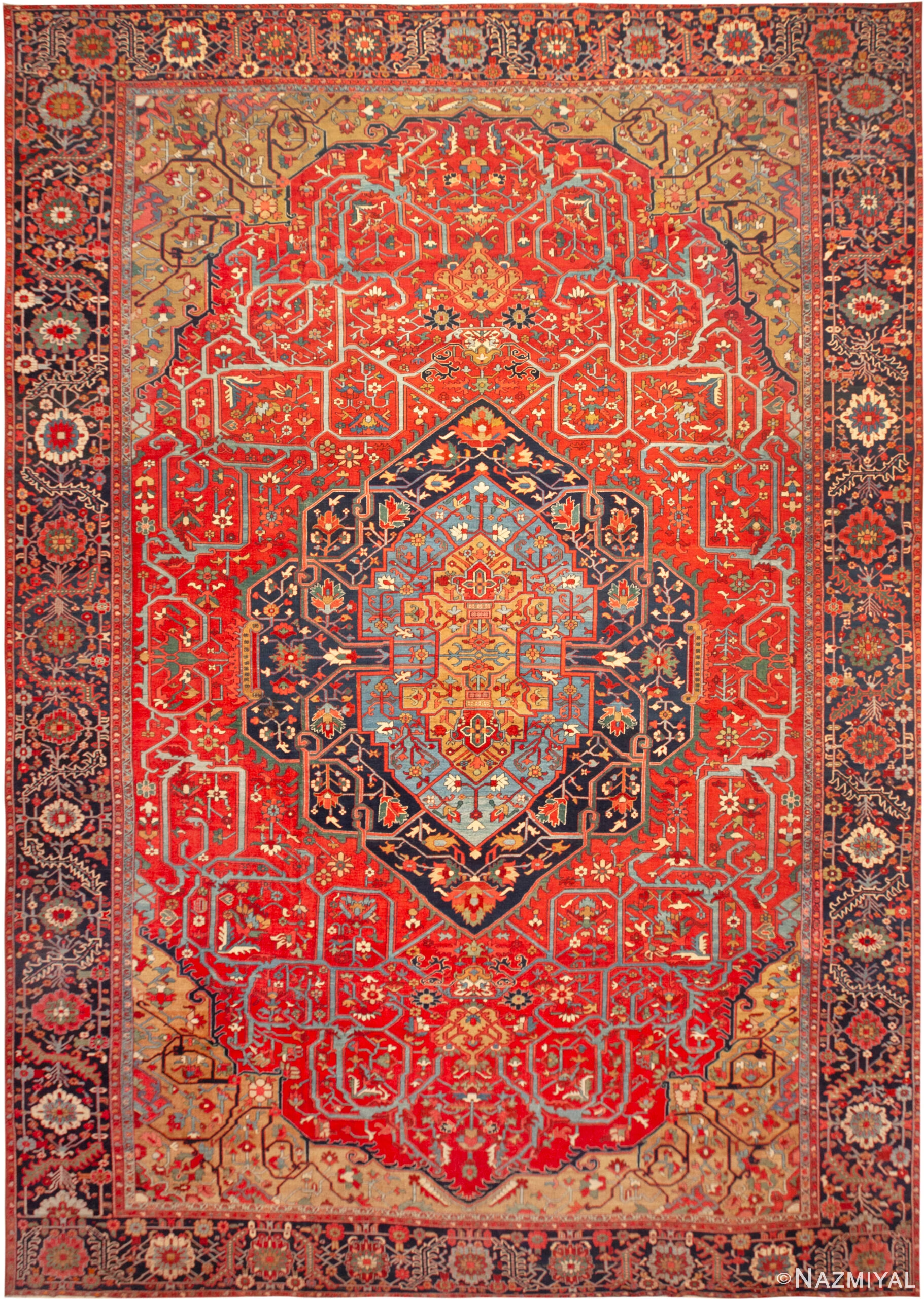
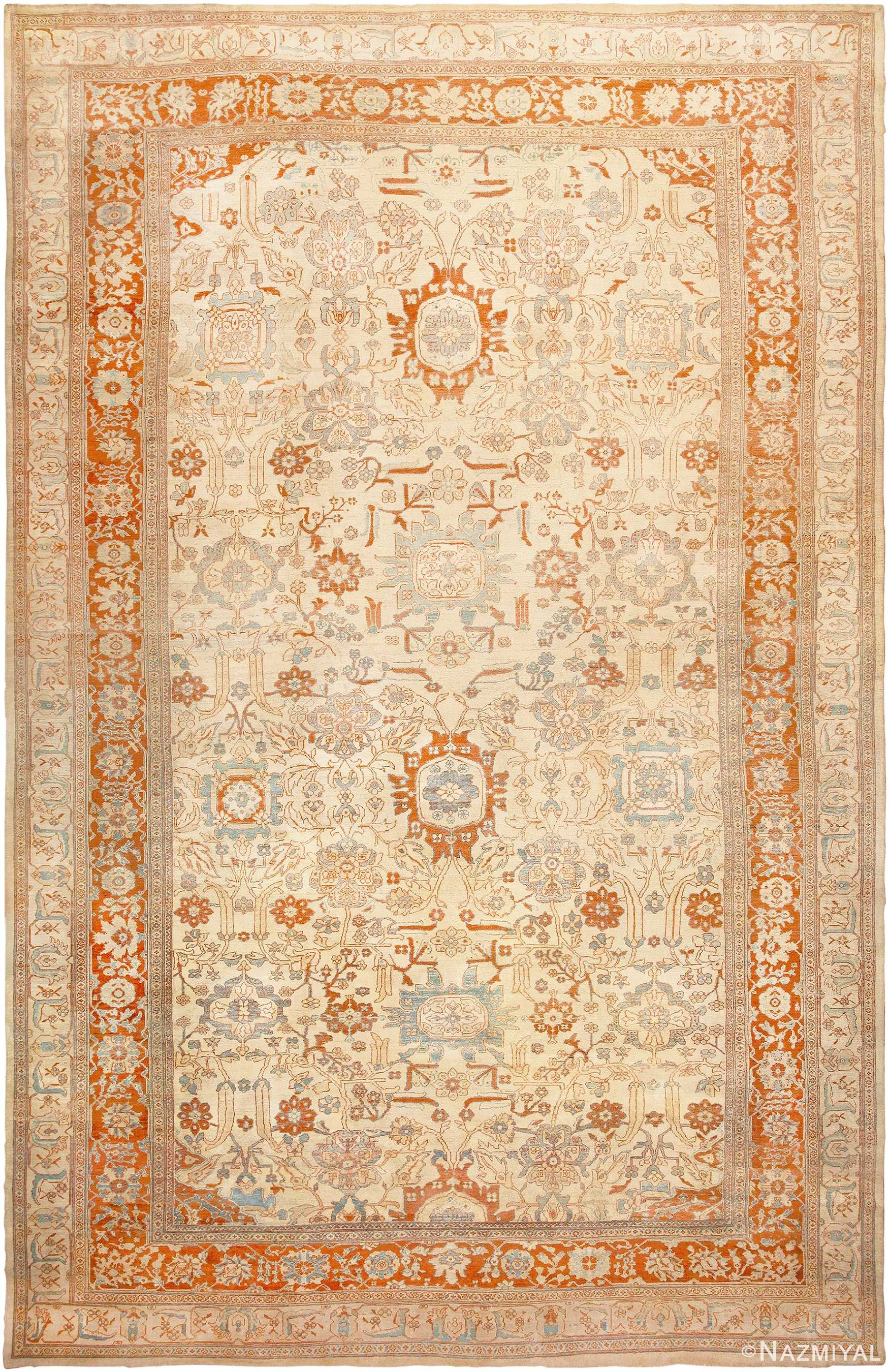
Antique Decorative Rugs – One of the great commonplaces of the rug market is the supposed distinction between antique rugs of the sort sought after by collectors and those that appeal to clients who are primarily interested in decorating their homes or offices.
This sweeping distinction that involves a range of underlying oppositions are the difference between the design traditions used in village or tribal rugs and those used in urban rug production, the difference between small rugs and trappings versus larger or room-sized rugs, a rich and varied palette versus one that is cooler and more limited, and a knowledgeable interest in the rare and esoteric as opposed to a desire for what is simply beautiful or attractive.
Antique rug collectors come off as scholars more or less, endowed to one degree or another with a learned historical perspective. They tend to approach rugs from the vantage of ethnography. They are interested in tribal or regional distinctions and the place of a given piece in a larger development.
They want pieces made for local use, which they see as authentic, in opposition to rugs made simply for commercial export. They tend to acquire pieces of scatter size or smaller that typified tribal village rugs and tribal weaving, where larger rugs were less common. Collectors accept and admire the often quirky or wild design sensibility and coloration of tribal and village rugs.
People who appreciate decorative rugs, on the other hand, are interested in acquiring ornamental floor coverings that work within a larger, coordinated system or plan of interior furnishing. Consequently, they tend toward rugs that are bigger, whose designs and coloration are more subdued or less obtrusive, and therefore capable of blending in more easily with their surroundings.
Since most of the rug inventory, of this size, tended to be made in urban-centered workshops, it was the more sophisticated oriental design tradition of the cities that became synonymous with the notion of the antique decorative rugs and the taste to which they appeal. Owners of antique decorative rugs are also assumed not to be immediately concerned with the historical development or rarity of the pieces they acquire, but primarily with their visual appeal.
Seen in these terms, the difference between collectible and antique decorative rugs would seem to be a gulf as wide as the Grand Canyon. But as with all polar oppositions, those sketched above are predicated on assumptions, often simplistic, which obscure and distort what is really a more complex situation.
Collectors interested in antique nomadic tribal weavings do acquire larger rugs or main carpets, just as those interested in classical Persian, Turkish, or Indian carpets must consider buying pieces fifteen to twenty feet long or more. Collector pieces of this sort will inevitably go on the floor, and as such they must function as interior furnishings, or, dare one say, as antique decorative rugs. And while actual statistics may be lacking, it is virtually certain that many collectors use even scatter size rugs as floor covering, or as furniture throws, where they function as an integral part of the interior decor. Nor is it clear that collector pieces are essentially equitable with tribal and village rugs.
Collectors of early Turkish, Persian, and Indian rugs are clearly interested in pieces with classic Islamic urban design, the same types of design that inspired most of the antique decorative rugs of the nineteenth and early twentieth century. What is more, various urban-derived small sized Turkish and Persian rugs of the nineteenth century, Hereke, Ghiordes, Farahan or Kerman, are considered collectible. From this perspective much of the distinction between collectible and antique decorative rugs collapses.
To put it somewhat differently, many, perhaps most collector rugs can also be decorative rugs, while some, but not all decorative rugs are collectible. So, if antique tribal and / or classical pieces with richer color and strident designs, even smaller ones, can be used as antique decorative rugs, then what aspects of the conception of antique decorative rugs discussed above do in fact distinguish them from collector pieces? It is the notion that essentially decorative rug buyers have no real interest in the history and development of designs, and that they are looking for rug selections with subdued design and coloration.
But who says that the affluent, tasteful, highly educated buyers who largely constitute the clientele for decorative antique area rugs have no interest in the history or artistic development of the piece they acquire, or that with some encouragement, they could acquire such interests? And who says that they want designs and colors that will fade into the woodwork so as not to overwhelm the surrounding upholstery and window treatments?
These too are simplistic assumptions, and to the extent that they are true, they may not represent the genuine, unfettered sensibilities of the clients themselves, but rather the opinions and strategies of the interior designers who represent them and who define and control market trend?
The proclivity of many interior designers or decorators for antique decorative rugs with neutral or soft coloration and less obtrusive, allover repeat designs is well known in the rug trade, and it should come as no surprise that rug dealers cater to such taste in the interest of selling rugs. But what is less clear is whether the designers are catering in turn to the taste of their clients, or whether they are in fact imposing their own taste for their own reasons on those clients.
It is far easier to coordinate a room around an unobtrusive rug than to do so with a piece whose design and color make any kind of expressive artistic statement. But if decorators encouraged their clients to appreciate central medallion designs and the beauty of saturated vegetable dyes, and if they took the trouble to impart something of the history behind the designs, who is to say that market trend might not be vastly different than it is now?
Nor are collectors without responsibility for the polarized view of collectible and antique decorative rugs. Why is it that an outstanding Serapi, Bakshaish, or Sultanabad carpet should not be collectible, although few if any collectors would admit it? As marketplace rugs produced for commercial export, they apparently lack the cultural authenticity that is so enticing to collectors.
But why? Serapi, Bakshaish, and Sultanabad carpets arose from a larger, conscious revival of traditional rug production in nineteenth-century Iran, much the same as nineteenth century Kazak, Karabagh, or Shirvan rugs represent a similar revival in the Caucasus.
And why do we assume that pieces which still entice collectors – nomadic tribal rugs like Turkomans or the great village weavings of the Caucasus – would automatically have more cultural authenticity, when it is documented that their production in the late nineteenth century was fostered and controlled by the Czarist Russian government precisely for commercial export to the West?
There can be no doubt that a divide between collector and antique decorative rugs is widely thought to exist among rug enthusiasts, but it predicated largely on subjective perspectives which have become so ingrained over time that they have acquired the status of unquestioned validity.
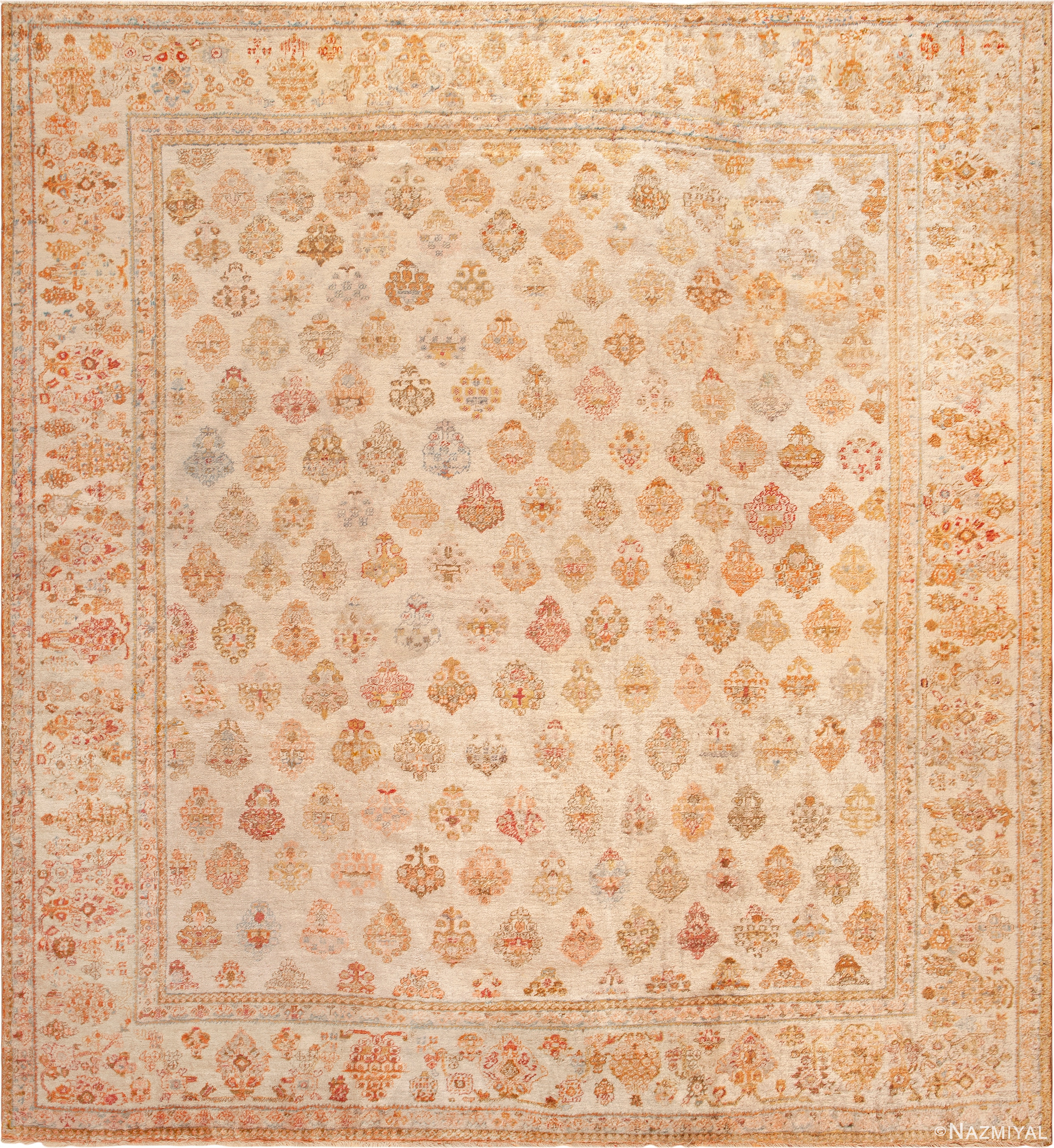
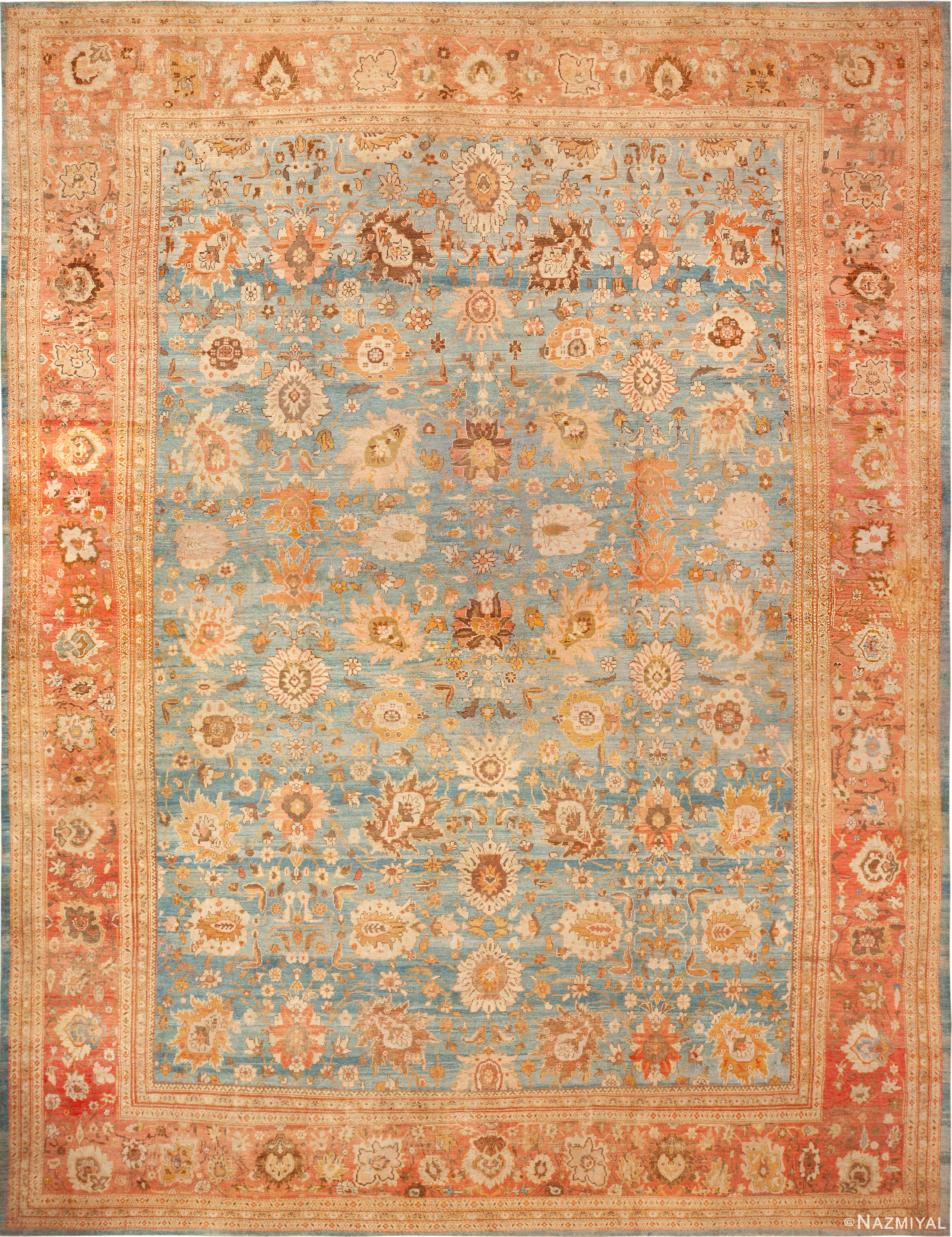
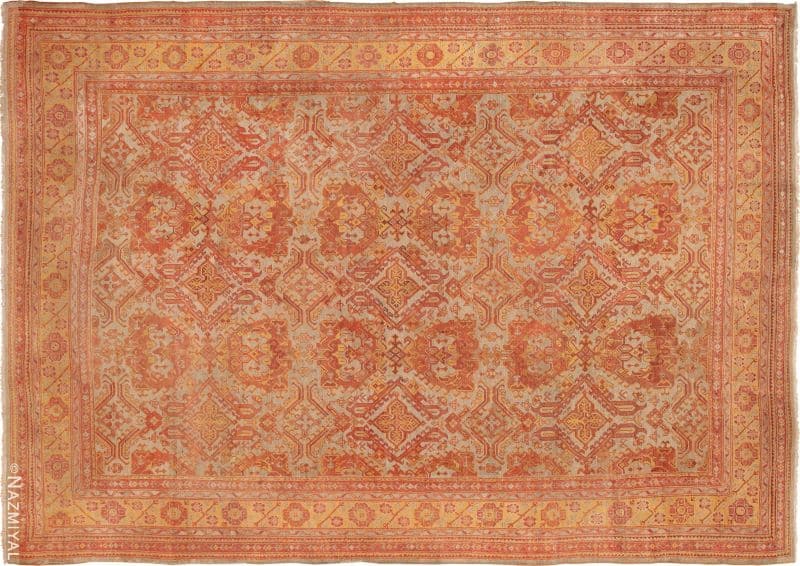
Large Decorative Antique Turkish Oushak Rug (Sold)
It may be useful to conclude by examining number 896 from the Nazmiyal Collection, seen above, a carpet that does not fall readily into the collectible or decorative categories, and which poses a sort of challenge to collectors and decorative rug buyers alike. This is an early twentieth century antique English piece produced as part of the Arts and Crafts Movement. Its design is based closely on classical Turkish rugs of the so-called Small Pattern Holbein type made in the fifteenth and sixteenth centuries.
The field has a pattern of quatrefoil medallions and interlace roundels staggered alternately in vertical columns. The border is of the so-called pseudo – Kufic type with interlacing reminiscent of the field, perhaps the most interesting border type known on Turkish rugs of this type. Even the coloration of the piece with its emphasis on reds, blue greens, aubergine, and gold flows the Turkish prototypes closely.
Now who are the buyers for antique decorative rugs? Certainly no collector. But why not. The piece is a genuine Arts and Crafts antique, and like all good antiques it has the aura of another time and place. A collector would have the knowledge to appreciate the historical reference so central to the Arts and Crafts Movement.
A collector, moreover, might appreciate this rug as the heir to a longstanding English tradition for imitating Holbein pattern rugs that began with needlework copies of Elizabethan times. At 10 x 12 feet, this piece would make an ideal room-size decorative rug for an owner with a collector mentality, especially since Small Pattern Holbein rugs themselves were never made in so large a size.
Yet to acquire this piece a collector would have get beyond the idea that this is not an authentic, original early Turkish carpet. But what rug has such authenticity. We now know that the small pattern Holbein carpets were themselves close adaptations of earlier and contemporary Timurid carpets produced in Iran.
And how about the clients for antique decorative carpets? Would they see this for the impressively decorative work of art that it is, or would they consider it not decorative because the colors were too strong, or the design too bold and dense.
In actuality this rug would make a spectacular anchor or focus of a well-designed interior carefully coordinated with the right furniture and upholstery, or perhaps even with Arts and Crafts furnishings. And if the client were inclined such Arts and Crafts taste, might they not also enjoy the idea that the piece exemplified the Movement’s penchant for historical allusion or reference?
In the end, this carpet appears neither collectible nor decorative simply because received opinion would judge it in this way. It is perhaps time that antique rug collectors as well as the clientele for the decorative rug market and the interior designers who serve them all broaden their horizons somewhat.
Pigeon holing categorizations are supposed to help people, but in reality they do not, they only provide constraints. As things stand now, Nazmiyal 896 poses an interesting question – how good can any standard of judgment be that would fail to accommodate a rug of such charm, beauty, and interest?
The imperfect antique decorative rug becomes the perfect design statement! Antique area rugs are valued for different reasons. There is the antique rug that is in pristine condition, and truly representative of its style, whether it be a Kazak, Shirvan, Heriz, Sultanabad etc. Muted colors are far more desirable these days, especially faded blues and beiges to tan.
Antique Decorative Rugs and Carpets From Floor Covering to the Wall
Often when discussing art the topic lingers on paintings and perhaps the odd sculpture. The focus remains on hanging art: objects seen but not used. This western conceptualization of art overlooks the artistic qualities ingrained in non-Western societies.
One sector in particular that does not receive its merited recognition is the rug and carpet industry. Made for design and functionality rugs encompass the marriage between art and daily life. These qualities make rugs a valuable source for understanding the historical and societal aspects of their period.
When looking at a carpet or a rug the value is often first placed on its functionality. Yet, this is common when incorporating any piece into a space. The questions asked concern the details, the ability to function within a space, and the quality. An unraveling of its richness commences, detailing a history that is often overlooked. Unlike hanging art where the object is meant to be seen purely for its design, rugs and carpets are more under the radar.
The antique Tabriz Persian Rug 43187, a small prayer rug, is representative of the expressive and particular imagery used by weavers. Functionality at its key, its lightweight character cannot deceive the detailed attention used on the animals and figures adorning the center. Each look brings a new awareness opening the eye to subliminal details.
Rooted in the commercial aspects of daily life rug production is influenced by changing trends. Meant for both public and private spaces the designs alternate to reflect the demands of the consumer. Variables such as space and architecture are taken into account. The space limits the design making it necessary for makers to account for architecture and home design. Tied to the market, antique carpets and oriental rugs are able to portray local traditions as well as more current styles. This union between the public and the private world makes the antique rug and carpet industry a microcosm of the shifting trends.
Like paintings, rugs provide a fine attention to detail and color. The designs use symbols that are particular to their region. Attention to religion, politics and changing cultural values are engrained within these rugs.
Changes in production create a different look–alienating one period from another. Made for a palace the antique Cairene rugs, articulate the craftsmanship of the Mamluk Dynasty rugs and carpets from the court workshops. The more attention given to these exquisite antique oriental rugs the more that is learned about a bygone era.
Production methods, choice of design, color palette–are all considerations that reflect the limitations and creativity of these pieces. Restrictions to a loom makes these pieces difficult and time-consuming to produce. As one notices the detailing, the labor and the finesse of the hand that created the piece is understood.
Decorative rugs and carpets provide a new scope into art. An area often overlooked is now becoming increasingly popular. Trends are beginning to reflect the interconnection between various cultures, thereby creating greater venues for the appreciation of antique rugs and carpets. As more awareness is raised in the art world of the decorative quality of rugs is the art behind the pieces better appreciated and treated at their true value.
             Posted on Google        Victor Florintsev     Trustindex verifies that the original source of the review is Google. The only ones I'd ever buy rugs from. The best.         Posted on Google        Jeffrey NeumanB     Trustindex verifies that the original source of the review is Google. I bought two gorgeous Serapi rugs from Farhad at Nazmiyal Rugs!  Beautiful carpets, fair prices and great service.  Very happy customer.  Farhad (the sales person) was very patient and gave us great service.         Posted on Google        john haid     Trustindex verifies that the original source of the review is Google. Alen is a gentleman and an expert.  Really great to work with.         Posted on Google        Edward Yasuna     Trustindex verifies that the original source of the review is Google. I recently purchased a modern Kandinsky rug from Nazmiyal Auctions.  It was just as described, and the director (Farhad) of the auctions had it sent to me quickly and safely.  Payment was easy, the rug was reasonably priced, and I highly recommend Nazmiyal Auctions and Antique Rugs.  Quality merchandise and first-class service.         Posted on Google        Nicholas Carr     Trustindex verifies that the original source of the review is Google. Had a excellent experience buying a rug in Nazmiyal's 1/18/26 online auction.  First, prior to the auction, viewing a number of lots at the 32nd St showroom (I had prepared a list from the online catalog). The staff were great to work with: helpful, knowledgable, honest, and flexible.  Second, after placing an online bid and winning the desired item, arranging payment and pickup was simple and straightforward. Everything went seamlessly and the overall experience was educational and fun. Many thanks to Jason and his team.         Posted on Google        Andrea Gared     Trustindex verifies that the original source of the review is Google. Everyone at Naziyal is proffessional, especially Jason and Farhad.
They are knowledgeable, truthful, and true gentlemen. I have sold several rugs through them and will always go to them first, to buy or sell. The best in the business!         Posted on Google        Lori Silverberg     Trustindex verifies that the original source of the review is Google.          Posted on Google        Jesse Zilberman     Trustindex verifies that the original source of the review is Google. Excellent customer service! Alen was very helpful over the phone and email. The rug we acquired was stunning, and photos do not do it justice. I would definitely work with Alen and team again!         Posted on Google        Rachel Paul     Trustindex verifies that the original source of the review is Google. Jason was incredibly kind and helpful! I work for a small museum that had some rugs we had no information on. Jason responded to us quickly and gave us the information we needed for free! Incredible service, we are super thankful for his help!

 Size: 11 ft 3 in x 12 ft (3.43 m x 3.66 m)
 Size: 9 ft 10 in x 14 ft 10 in (3 m x 4.52 m)
 Size: 22 ft 5 in x 32 ft (6.83 m x 9.75 m)
 Size: 16 ft x 29 ft 6 in (4.88 m x 8.99 m)
 Size: 18 ft 1 in x 29 ft 1 in (5.51 m x 8.86 m)
 Size: 14 ft 4 in x 28 ft (4.37 m x 8.53 m)
 Size: 17 ft 9 in x 27 ft 10 in (5.41 m x 8.48 m)
 Size: 4 ft 6 in x 26 ft 6 in (1.37 m x 8.08 m)
 Size: 13 ft 6 in x 25 ft 9 in (4.11 m x 7.85 m)
 Size: 14 ft 9 in x 24 ft 9 in (4.5 m x 7.54 m)
 Size: 15 ft x 24 ft 6 in (4.57 m x 7.47 m)
 Size: 14 ft 8 in x 24 ft 4 in (4.47 m x 7.42 m)
 Size: 15 ft 10 in x 24 ft (4.83 m x 7.32 m)
 Size: 17 ft 4 in x 23 ft 9 in (5.28 m x 7.24 m)
 Size: 13 ft 8 in x 23 ft 8 in (4.17 m x 7.21 m)
 Size: 15 ft 4 in x 23 ft 8 in (4.67 m x 7.21 m)
 Size: 18 ft x 23 ft 6 in (5.49 m x 7.16 m)
 Size: 14 ft 2 in x 23 ft 6 in (4.32 m x 7.16 m)
 Size: 16 ft 6 in x 23 ft 4 in (5.03 m x 7.11 m)
 Size: 2 ft 4 in x 23 ft (0.71 m x 7.01 m)
 Size: 14 ft 5 in x 22 ft 3 in (4.39 m x 6.78 m)