Nov 09 2011

Oriental Rugs

 Oriental Rugs


Antique Oriental Rugs

Antique Oriental Rugs

 Antique Oriental rugs have always been synonymous with exotic luxury, elegant design, and a comfortable, highly aestheticized environment. From the earliest times, humans have needed to embellish and ornament the circumstances in which they lived, and the medium of woven carpets soon emerged to meet such requirements. Carpet production is attested from ancient times. Flatwoven floor coverings are probably as old as textiles and architecture. The oldest knotted pile carpets can be attested by the sixth century B.C., but their production may well be considerably older. Some experts believe that pile carpets originated among tent-dwelling nomadic peoples to the east of Central Asia as a more decorative substitute for animal hides, providing comfort and insulation as well as decoration. Carpet making reached the Near East through contact with such nomadic peoples. Since relations between Central Asian nomads and the Near East were more or less constant, the production of pile carpets in the latter region was probably stimulated and influenced by nomadic traditions again and again.

Antique Oriental Rugs

Antique Oriental Rugs

This process first becomes clear in the medieval period, between the eleventh and the fourteenth centuries, when various Central and East Asian peoples like the Turks and Mongols came to power across the eastern Islamic world, bringing with them traditions of carpet making that were by now many centuries old. The earliest Near Eastern carpets of this kind are those of Seljuk Turkey and those made in Iran under the Mongol and Timurid dynasties. Carpets of this kind now began to have highly complex designs influenced by contemporary textiles, especially silks.

Antique Oriental Rugs

Antique Oriental Rugs

From this period on, the knotted pile carpet became an increasingly standard feature of Islamic art and high culture, and soon it captured the attention of wealthy Europeans as well. Already by the thirteenth century merchant travelers like Marco Polo remarked on the beauty of the Oriental carpets they encountered on their journeys, and soon such carpets began to be imported into Venice and thence to the rest of Europe. While actual early carpets of this kind are rarely preserved, European painting by the great masters from Giotto and Ghirlandaio to Holbeim, van Eyck, Lotto, and Vermeer constantly depict carpets from Turkey and Iran. Such paintings document the importance that the Oriental rug had attained by this time as a quintessential symbol of cosmopolitan taste and affluence. So valued were these carpets that there were various attempts to imitate or adapt them in Europe.

Antique Oriental Rugs

Antique Oriental Rugs

After the seventeenth century Europeans briefly lost interest in the Oriental carpet. This probably reflected developments in the Near and Middle East, where all the great ruling dynasties collapsed or went into regression, bringing about a corresponding roll-back in the quantity and quality of carpet production. During this hiatus European carpet production was stepped up, creating the Aubusson and Savonnerie types in a Neo-Classical western style. Carpet production in Spain, which had begun under Muslim rule in the Middle Ages, also moved in to meet the European demand for rugs.

Antique Oriental Rugs

Antique Oriental Rugs

In the second half of the nineteenth century, rug weaving in Iran went into a great period of revival under the highly retrospective Qajar dynasty, re-awakening the European interest for Oriental rugs and creating a new American market for them as well. This eventually led to a revival or expansion of carpet production in Turkey and also a revival of Indian carpet weaving under British rule. At this time Chinese rugs, whose production went back to ancient times, finally became known in quantity to European and American markets.

Antique Oriental Rugs

Antique Oriental Rugs

From that time on the western world became used to an endless variety of Oriental rugs and carpets whose production continues into the present time. The most notable recent developments are the revival of vegetable dyes and hand-spinning of wool, which had largely died away in the course of the twentieth century. Such new productions capture much of the quality and original flavor of antique Oriental rugs. But only a genuine antique can preserve the soul and spirit of  weaving  Oriental rugs, an art form that reaches back virtually unbroken to the earliest times. Antique Oriental rugs are not only objects of great beauty and rarity; they are a much-needed bridge to a bygone world of consummate skill and expressiveness that is vastly different from the mass-culture of modern western experience.

2 responses so far

Nov 07 2011

Antique Rugs Buyers Guide Chapter 5

Antique Oriental rugsA buyers guide


Chapter 5 – What Is The Value Of My Antique Rug & Appraisals

Antique Sultanabad Rugs

Antique Sultanabad Rugs

In closing we would just like to comment on a question that we get every single day – “what is my rug worth”? The truth of the matter is that is a loaded question and a slippery slope. We have already established that antique oriental rugs vary in price / caliber. But there is also the supply and demand aspect as well . Since tastes and decorating styles are always changing it would be impossible for “regular people” to find out on their own the true value of a piece on their own. Say a person inherits a rug that is 12′ x 18′ and they were told that it is a Persian Tabriz from the late 19th century – we wouldn’t be lying if we said that it could be worth anywhere from $1,000 – $1,000,000. Opening up an auction catalogue or trying to compare your piece with other rugs you think are comparable will get you nowhere and fast. The easiest way would be to simply call a reputable dealer, send them some images and let him know what kind of an appraisal you would like to receive.

There are a few different price categories:

1 – Cash value – is how much a dealer would be willing to pay for it today.

2 – Auction Value – What will an auction house be willing to take it in for / reserve it for (the reserve price is the min price that a piece needs to fetch before it sells. If it does not sell then the consigner — you  — will most likely need to pay for illustration charges, insurance and pickup and delivery fees).

Vintage Moroccan Rugs

Moroccan Rugs

3 – Fair retail market value – Would be the price that a person would expect to pay if they were to walk in to a retail store and see that rug.

4 – Replacement Value – Is the value that you would need to insure the item for if god forbid the rug is stolen or damaged  (since it is very hard to estimate future values – this type of price estimate should be a higher value than the other types listed above).

A full written appraisal would cost you at the very least $500 if not more (and would most likely require the appraiser to see the rug in person). A verbal appraisal will usually cost around $100- $200 (and can rely on emailed pictures only). The reason that a full written appraisal costs more than a verbal one is that once the appraisal document is signed and delivered it is considered a legal document and the person who supplied it might (at a later date) get called into court to testify and lay his credibility on the line.

Here is an example of what you should do for a verbal appraisal: Antique Rug Appraisals

Antique Rugs Gallery New York

Antique Rugs Gallery New York

It would be extremely difficult  to estimate the value of a rug you are trying to sell without having it assessed by someone who deals with these pieces every day. As we have mentioned before, an antique rug’s value is not easily determined (there’s no way to generalize any group of rugs and say that since a rug is a certain size, has certain dyes, and has a certain design it is worth “X” amount of money). One would really have to understand not only the rug itself but the current market  demands as well. The antique rug market is a niche market and very similar to any other art form – they are very subjective and are constantly changing. The bottom line to selling an antique rug is to be educated. Learn about the market and about the piece you are trying to sell, find a good dealer that will be willing to be straight forward with you, get the rug appraised by an independent appraiser (but keep in mind that they will probably give you a retail value estimate — it will be difficult to sell it at that price so don’t be disappointed if you get offers for half or even less of the retail value), and spend some time researching antique rugs in general. Following these guidelines will ensure you get top dollar for your grandma’s old rugs :)


No responses yet

Nov 04 2011

Antique Rugs Buyers Guide Chapter 4

Antique Oriental rugsA buyers guide


Chapter 4 – Things to Consider Before Finalizing The Deal


Some rug dealers might ask more for rugs and some might ask less but if you know what you are looking for and have done your due diligence you should feel confident in your choice.

Buying Antique Rugs

Buying Antique Rugs

Before paying for the rug it would be wise to make sure to have the dealer go over the condition with you and ask him to put it in writing along with the age, description and price. Some of the better antique carpet dealers (those who stand behind their prices and pieces) might even be willing to take in the rug for store credit if down the line you want to upgrade your rug for a better piece or just want a new size or look (if the rug has not been damaged then for the most part – dealers should be willing to stand behind the rug and price).

If you are looking at the higher-end antique carpets you might want to have it looked at by an independent appraiser prior to finalizing the sale but with that said – no one could ever know the true value better that the dealer who buys and sells them on a daily base.

Remember that it is your money and it is important that to make sure that you have been given a fair deal. Asking a different rug dealer to evaluate your rug (prior to purchasing it) is not a wise avenue to pursue since 9 out of 10 times you will not get the real information. You can always call up a reputable antique appraisers association and ask them to recommend an independent appraiser in your area. If a dealer is honest he should have no problem with you wanting to have it looked at. If you get the feeling (at any time) that the dealer is apprehensive or gives you the run around about having it appraised then that should set off an alarm and it would probably be better to walk away.

Things to watch out for and or consider:

1- Going out of business sales are almost always misleading. Since antique rugs will always

Beware Of GOB's

Beware Of GOB's

have a market and value (unlike new rugs), a 75% off price tag should be taken with a grain of salt. Again – an educated consumer is the best consumer and if you have done your research then you will know if you are truly getting a fair deal. One other thing that you need to take into account when buying anything from a going out of business sale is what might happen once the business closes down. It is always best to have someone who will be there for you down the line something happens to it or if you would simply like to trade your rug in (GOB’s will always have a big sign that all sales are final so – buyer beware!!!).

Buying-Antique-rugs-auction

Buying-Antique-rugs-auction

2- Buying at auction vs. buying from a dealer. Like with anything else in the world knowledge is power. If you know what you are looking for, have done your research and are familiar with the prices then you could find good deals in both places (dealers and auctions).

If you are thinking of buying an item from auction the you should consider these factors:

1- You might not have the option of trying it out in the space before you buy it.

2- Restoration – All reputable dealers will take care of any restoration or cleaning that is needed prior to the rug being delivered and laid down in your home. When purchasing items at auction it is up to the consumer to get the piece restored, picked up and delivered (all of which will cost you money).

3 – Delivery – Dealers (if they are local enough) will usually come to your house, move the furniture, place the rug and move everything back – a service that most reputable dealers do not charge for. For items purchased at auction – the consumer would have to arrange all of those things.

4 – Pads – Some dealers will be willing to buy the padding for you (and make sure it is trimmed down to match the actual size of the rug). This will save you a little bit of money and energy (since you would not have to crawl on the floor and trim it yourself).

5- If you are buying at auction, don’t forget to calculate the buyer’s premium which can vary from auction house to auction house.

6- Since you will be responsible for any and all services that the rug might need it would be wise to get an estimate for the restoration charges.

7- Getting swept up in the moment is something that happens all to often. Therefore you should always have a price in mind before you start bidding and hope that no one else likes it as much as you! Lasting you want to do is over pay so make sure you set a cap (and don’t forget to factor in the commission that the auction house will tack on to the hammer price)

So the bottom line is that if you know what you are doing then you can find good buys from auctions as well as dealers – but again knowledge is power!

Check Back On Monday For Our 5th And Last Chapter in Our Antique Oriental Rugs – A Buyers Guide.

No responses yet

Nov 03 2011

Antique Rugs Buyers Guide Chapter 3

Antique Oriental rugs – A buyers guide


Chapter 3 – Deciding What To Buy And Who To Work With


Antique Rugs - Establishing Your Taste

Antique Rugs - Establishing Your Taste

1 – Budgets: For most people, the rug will be one of the most expensive items in the room (if not the most expensive item). In all actually the rug will set the decorating tone for the room so you should strive to get something you love. Sometimes it is better to wait a bit and  if needed – save up a little more so that you don’t end up spending a considerable amount of money for something that is just okay. In the long run, people who just buy a piece solely because it is the best one they have seen for their budget end-up kicking themselves for not spending a little bit more forsomething they truly love and adore.

2 – Size: Before you physically go out shopping you must first determine the size that isAntique Oriental Rugs - Finding The Right needed. Measure the space that you would like to cover and then make sure to see how much you deviate from that “perfect size”. The more flexible you are willing to be with the size – the more options you will have to see. Please note that there are absolutely no rules about placing a rug in a room and we can say from personal experience that we have seen people buy rugs that are bigger than the actual room and on the flip side we have also seen people buy a 6’ x 9’ for a 20’ x 40’ room so keep an open mind. (If you are able to find a piece that speaks to you and you love the colors, style, design and price you should not rule it out right away based on its size – the first thing people usually compromise on is the size).

Antique Rugs - The Perfect look3 – Look / Feel:  As mentioned above, rugs are usually one of the most expensive item in the room so it really makes sense to start from the rug (this is in line with most high-end interior decorators who will always opt to start the design process by first finding the right rug). For the most part, finding that one perfect rug is not as easy as finding the perfect fabric – there are far more fabrics that you could find to work with rugs than vice versa. The easiest way to establish your taste is to see what types of rugs, colors and patterns are out there and the fastest way to do that would be by starting online. The internet is a great tool for learning and establishing your taste.

This is why we, at the Nazmiyal Collection, have invested so much time and energy into building our website. Not only can you spend hours browsing the collection (which is one of the most comprehensive ones) you will also find one of the largest online sources of information about these great works of art. You can also stop by your local rug dealer to see some pieces in the flesh and get a feel for the different textures, patterns and price points.

Finding Antique Oriental Rugs

Finding Antique Oriental Rugs

Once you have established the budget, size range and general look / feel that you want then you are ready to start shopping. Educating yourself about what to buy is as important as educating yourself on where (or from whom) to buy. If you are looking at antique rugs you must make sure that you work with a dealer or gallery that has a good amount of inventory as well as a good reputation (both of these points are extremely important). Most of the smaller dealers might only have one or two rugs that may work, a more established dealer who has been in the business for a while will probably have a large selection to chose from. Reputable is also extremely important so don’t be afraid or feel embarrassed  to ask for references, doing some research online or simply asking around – especially if you are looking at high priced items. Once you have narrowed down your search, know what you are looking for and have a feel for the type of rug you want then  it is your responsibility to compare prices. This can be achieved by physically going to more than one dealer or simply searching the internet.

Nazmiyal Collection

Nazmiyal Collection

Once you have found the rugs you think will work – make sure you try them out in the space before you commit to buying anything. Lighting, furniture, fabrics all affect the how a rug will look in the space but once you lay it down in its spot you will know for sure if it is the right piece. While some dealers might charge and others don’t, almost all local dealers will be willing to bring over the rugs to your house and lay them down for you to see. With that said, if you are buying your rugs online then you might be surprised to learn that some of the more reputable dealers might even offer to cover the shipping to you. Also, (and this is a big one) you must make sure to read any shipping and return policies as well as any satisfaction guarantees that the dealer offers.

Examples of such policies can be found below:

Satisfaction Guarantee  / Purchase Policy 


No responses yet

Nov 02 2011

Antique Rugs Buyers Guide Chapter 2

Antique Oriental rugs – A buyers guide 


Chapter 2 – Things to consider before beginning the physical search  


Here are a few points that you would need to consider before embarking on your quest to find the perfect antique oriental rugs:

$10,000,000 Rug

$10,000,000 Rug

1 – Budget:  Where you buy and from whom is an important factor. Antique rugs range tremendously in price – some of the reasons for this are as follows:

a) Quality – It takes longer to weave a new rug if it has more kpsi (knots per square inch) so naturally the finer a new rug is the more expensive it will cost. Antique rugs are different as the KPSI will only impact the price if you are comparing the quality of two pieces that are pretty much identical in every other way (the finer rug MIGHT cost more in that instance).

b) Size – With new rugs, the cost / price is directly proportionate to the size. The bigger the rug is, the more expensive it will be (as long as you are comparing to pieces from the same exact production line). With antique rugs this is not the case. For example, recently a piece sold in Christies London for nearly $10,000,000 and it was about 5′ x 8′ (The $10,000,000 Rug)… Antique rugs must be evaluated individually (based on a slew of factors – some of which are included in this article).

c) Condition: Please note that some repair and restoration should be expected when looking at antique rugs, but the general rule is that if the rug is in good condition it will cost more than if it were in poor condition.

16th Century Cairene Rugs

16th Century Cairene Rugs

d) Age: As a general rule – older pieces are generally more expense. The age of a rugs is not the major factor when pricing a rug unless one is considering an early pieces (from the 1800′s and earlier) and even then there are other factors that need to be taken into account.

f) Current Design Trends: While beauty might be in the eyes of the beholder, there are trends, looks, colors and patterns that will determine if a rug is considered “hot” or “not”. America for example is a decorative market -  this means that “we” in the USA are driven by colors and pattern more so than by quality or “how good” the piece is in its essence. While the Europeans demand is for somewhat opposite since they want an honest to goodness good piece and the colors / pattern are less of a factor. One example that exemplifies this point is the fact that antique carpets in America (not in Europe) a rug that has a central medallion motif will cost much less than the rug that has an allover designed. Rugs that have well defined central medallion designs will generally cost at least 30% less than those that have an allover design.

Here are two images:

Antique Oushak Rugs

Antique Oushak Rugs

Antique Oushak Rug

Antique Oushak Rug


Both of these are antique Oushak rugs from Turkey. They both have the same general feel and are about the same size but since one (Oushak Rug # 44475) has medallion it is far less expensive. The reason for this discrepancy in price is simple… in the USA we are fixated on centering everything – so if you have a rug with a central design most people / interior designers  feel compelled to make ensure that the central  design in the rug will perfectly aligned with the room and furniture which makes it harder to place.

Check back tomorrow for the third part of our Antique Oriental Rugs – A Buyers Guide

No responses yet

Nov 01 2011

Antique Rugs Buyers Guide Chapter 1

Antique Oriental rugsA buyers guide 


Chapter 1 – an introduction


Antique Tabriz Rugs

Antique Tabriz Rugs

One of the most asked questions we receive is: “I want to buy an antique oriental rug but don’t know where to start and what to look for”.

So with that in mind we have decided to tackle head on! First of all, one needs to understand that antique rugs and carpets are collectible items and are sought after by collectors, dealers, interior designers and private clients.  They are magnificent works of art and as the years go by they are becoming rarer. So let’s start with the basics – in order for a rug to be considered “antique” it needs to be at least 80 years old this is contrast to paintings or furniture which need to be over 100 years old. The simple explanation  is that rugs are expected to be used & walked on  not just looked at (since most people will never walk on a Wassily Kandinsky chances are that it will survive for a longer period of time).

Vintage Scandinavian Rugs

Vintage Scandinavian Rugs

One of the greatest misconception surrounding antique rugs is that  they are expensive.  Funnily enough, in reality some antique rugs might be less expensive than a new rug. Let me explain… any decent to good new rug production will cost at least $80/ft2 – while the more exclusive productions will cost much more (unlike antique rugs, the new productions are priced by size – the bigger the rug — the more square feet — the more it will cost).  So based on the above mention, a 9’ x 12’ new rug that costs $80/ft2 will cost the retail consumer about $8,600 (please bear in mind that the rugs in this price range are not necessarily commercial grade, but, at the same time, they will not be the best of the best either). In the high-end furniture market it is not unheard of for a 9’ x 12’ rug to sell for well over $20,000 so my question is simple: If someone is willing to spend a substantial amount of money in a piece then why not get something that has some intrinsic value (not to mention the obvious fact that new rugs will never have the patina or class that the antique rugs will have)? New rugs have no real resale value so it is as if you bought a new $20,000 couch — once you take it home it will not be worth anything near to what you paid for it. 

Please check back tomorrow for the second chapter in our antique rugs buyers guide blog

No responses yet

Oct 31 2011

Why Buy Antique Rugs?

Antique Khotan Rugs

Antique Khotan Rugs

Buying Antique Rugs… We are currently in the midst of a major revival of traditional, hand-made rug weaving virtually throughout the rug-producing regions of the world. This movement began several decades ago in Turkey, initially at the instigation of European rug aficionados like Rainer Boehmer. Known by the acronym DOBAG, or Project DOBAG, the goal was not only to reproduce more authentically the range of designs current in Turkish weaving up through the nineteenth century, but to do so in handspun, vegetable-dyed wool. While it took a few years for weavers to recover the knack of using handspun fibers and combining the varying shades of color inherent to vegetable dyes, the results were impressive and they began to sweep the new rug market. Soon weavers were producing vegetable-dyed, handspun copies or close adaptations of various nineteenth century rugs types in Afghanistan, India, China, and Iran. By the late nineteen nineties, such production had become standard, largely supplanting the less authentic design trends and synthetic dyes that had come to dominate oriental rug weaving throughout the twentieth century. Consequently, it now seems to many potential rug buyers that they no longer need to go to the expense of buying an antique rug. Nowadays it is possible to acquire new rugs with the same sort of color, design, wool quality, and technical standards of the ones produced a hundred years ago or earlier in perfect condition for a fraction of the price. But is this really the case? Are new rugs of this sort really the equivalent of the ones they are copying or recreating?

Antique Tabriz Persian Rug

Antique Tabriz Persian Rug

The answer depends on how closely one looks, or, to put it differently, how discriminating a buyer one is. For the vast majority of rug buyers, new rugs will suffice. In fact, many new rug buyers made be satisfied with machine-made rugs. Certainly, customers looking for quality modern design rugs will inevitably be drawn to new production pieces. But for those who enjoy traditional oriental carpets in Persian , or pieces of tribal and nomadic type, the pieces that are currently being produced will only meet their needs to a point. There is more to a rug than the specific configuration of its design, and while the use of handspun wool and vegetable dyes may recover traditional techniques, there is no substitute for the effects of time. What new rugs can never recreate, however well-made they may be, is the cultural milieu in which they were produced, the environment and experience that directly governed the weaver”s approach to pattern and design. And new rugs, so long as they are new, cannot have the delicate patination of the color and the polished surface that give antique rugs so much of the appearance for which they are prized. That only comes with time.

Antique Khotan Rugs

Antique Khotan Rugs

Let us expand a bit on these last two points. Cultural milieu or experience is extremely difficult to quantify and explain, but there can be no doubt that this is what imparted so much of the distinctive character that antique rugs still project to a discerning viewer. Rug weaving and design were an integral part of the culture of the people who made them up until the early twentieth century. Rug weaving was analogous to the traditional music of their culture or to their literature and mythology. It was part of their cultural or social structure, Today little of that culture remains intact as a living phenomenon, It has been supplanted by a new cultural outlook permeated by western conceptions arriving via film, TV, and the internet. The people making rugs today no longer think and observe the way their ancestors did. Consequently they can never produce traditional culture as a living, creative activity in the manner of their forebears. They can attempt to replicate it for commercial purposes, and they may even come remarkably close, but it can never really be the same. That is why a discriminating rug enthusiast cannot be satisfied by a new rug. There is a certain quality of life that affected the way old rugs were designed and made that cannot be recaptured today.

In the same way the passage of time affects rugs materially or physically. This is not always a good thing. Rugs wear down over the years. They can be affected by dryness and damp. They can become damaged and in need of repair. But over time antique rugs that have been properly cared for also acquire qualities that are admired and prized. Unlike many of the synthetic colors that came into use in the later nineteenth and early twentieth centuries, natural vegetable dyes are remarkably resistant to fading, but they do soften or mellow a bit, especially at the tips of the fibers of the pile. This “patina” effects the play of light on the surface, varying the appearance of the colors, making them more translucent, and imparting a quality of depth, especially in conjunction with the irregular textures of high-quality handspun wool. Even a certain amount of wear is desirable. The shorter the pile, the crisper the design appears to be. The slow wearing of the pile also polishes it, making it even more lustrous and velvety. Only time can confer this gracefulness of age, as one may put it.

Antique Bakshaish Rugs

Antique Bakshaish Rugs

All the special qualities that make antique rugs desirable create market demand, which, in turn, intersects with rarity and availability to establish market price. Antique rugs are more expensive than new rugs because their number is finite, and because it becomes increasingly difficult to supply demand as rugs are purchased and disappear into private collection. Those who can appreciate the qualities and distinctions outlined above have long known that they must be willing to pay for them competitively, hence the higher price of antique rugs. But there is a silver lining here, so to speak. Antique rugs hold their value and even appreciate over time. If properly maintained by their owners, they can easily be resold or traded in against a new purchase. They are an investment, like any other fine antique or a piece of real estate. New rugs offer no such opportunity. They may someday be prized as antiques; only time will tell. But the day after they are purchased, they are worth considerably less than they were before. In my opinion, the pleasure that an antique rug offers to an informed and appreciative viewer makes it well worth the price. But when one takes into account the investment potential of a fine antique rug, the reasons to acquire one increase dramatically. Even those who are indifferent to the aesthetic qualities of antique rugs can see the financial advantage in acquiring them. But for those who can appreciate their beauty, antique rugs make a far more desirable and useful investment than a stock portfolio.

One response so far

Sep 27 2011

Nazmiyal Launches New NDesign&Style Blog

Published by under Uncategorized


Nazmiyal Antique Oriental Rugs Launches New Blog

Nazmiyal Design and Style Blog

Style and interior design have found a new home at NDesignandStyle.com. Nazmiyal Collection and Nazmiyal.com are proud to present a compilation of the world’s best design trends, including inspiring contemporary interiors, trend reports, vacation guides and the latest in men’s fashion… [read more]


No responses yet

Sep 13 2011

Antique oriental rugs and interior design trends

Decorating Your Home with Antique Oriental Rugs

When you think about upscale interior design, antiques and fine art are naturally the first items that come to mind. Antiques have an undeniable ability to add personality and character to the décor of any home. Because of their uniqueness many people opt to incorporate antiques into their living spaces. Whether it is something handed down through generations or found in an antique shop many homeowners make “antiquing” a hobby in order to add personal flair to their homes.

Antique Tabriz Rugs

Tabriz Rugs

An antique is an item that is at least 80 – 100 years old and for the most part they are both decorative as well as collectible. An antique item is desired and collected because of its age, beauty, rarity, and use. One type of antique that many people collect for their homes are antique rugs. Funnily enough, many of the antique carpets are comparable and at times even cheaper in price than brand new rugs. Once you establish your budget, size requirements and overall look and feel your quest for the right piece begins!

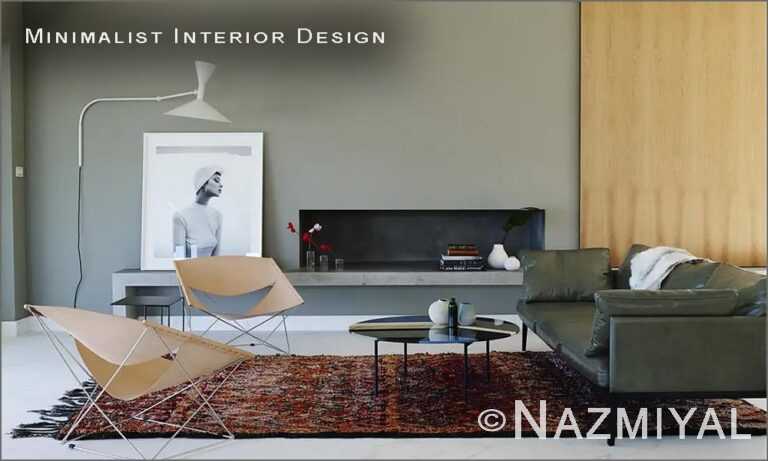
Antique rugs may be found in many different looks and colors. The more “traditional” style carpets such as Tabriz, Kashan and Khorasan will usually have intricate patterns and can be found in a wide array of colors from the jewel tones to the light and airy. These types of pieces give a regal and elegant look to most rooms. However, modern design tends to be simpler in taste and style. Many of the designs in recent years favor a more minimalistic approach to the interior design. Incorporating antique carpets with subtle colors and a more abstract look (like arts and crafts or art deco) will go a long way and will add a warmth and texture to the space.

Moroccan RugsAnother type of antique carpet that is often used in more modern settings are Moroccan rugs. Moroccan rugs are a fabulous way to invite warmth and create a bright and appealing atmosphere in your home. The simple tribal geometric patterns of these rugs (some of which are taken from the Tattoo designs of the Berber tribes) have been used for some-time to allow a sophisticated look to go with modern furniture. Many historic homes boast these vintage Moroccan rugs such as one of America’s most famous architects of the modern era: Frank Lloyd Wright.

Although, it is more traditional to display your antique carpet on the floor, it can also be displayed on the wall as a work of art (which the antique carpets and vintage rugs actually are). In the right lighting you will be able to see the artistry behind these artisanal antique rugs.

A rug tends to be the most expensive item in a room when decorating so it is imperative to get a piece that you will love for a long time. It is also important to purchase the rug from a dealer that you trust. A good dealer will provide you with information, images, and history of the rug as well as give you the option to trade in the rug for a different piece in the future. Be wary of dealers who tell you that the rug will be worth much more in “X” years because there is no way to estimate what any piece will fetch in the future as demands will always change to fit the ever-changing interior design trends. It is best to establish a good relationship with your dealer since down the line you might want to acquire a better piece or might simply want a different look.

So, why buy an antique rug? They clearly allow a very versatile and stylish look for your home decor. With their patina (that can only come with age), texture and their variety of colors and designs, they can liven up any modern, traditional or casual room and make your interior look picturesque and magnificent.

Over the years the trends, patters, and design of interiors have been reinventing themselves every few years but the demand and appreciation for antique oriental rugs has remained. Great antique carpets, just like great paintings will never go out of style and the demand has only increased over the years.

3 responses so far

Aug 31 2011

Buying Antique Rugs

New York Rug Dealer
New York Rug Dealer

We have a few tips to make the process easy, and enjoyable. If at all possible, start the design of a room by first finding the perfect antique rug. There are many fabric swatches that will complement any fabulous rug but while not impossible, it is more restricting to find rugs that you love that will work with fabrics.

To begin the adventure of buying antique rugs two things must be established before we have fun. We need to know size, and you need to establish a budget. Measure your room; determine the minimum and maximum size you can use. Determine the use of the room. Are your purposes and / or aesthetic sense served better by one large rug, or several smaller rugs?

Interior Design New York

Once you have determined the size and budget, the adventure of finding the right rug for you can begin. If you have already picked a color scheme, or are buying a rug for an already furnished room, make sure you bring swatches with you.

Antique Rug Dealer

Once you have selected a rug, or  rugs, most reputable dealers are happy to have you view the rug in your home, before finalizing the sale. Usually the moment you see the rug in your space, you will know if it is the right one for you.


The end product, the purchase, should be as enjoyable, educational and fulfilling as the search itself.

No responses yet

« Prev - Next »