Quick Navigation
Key Takeaways
- “Early” typically signals pre-1800 production—pieces from a period when scarcity, survival, and condition matter as much as beauty.
- Because early rugs are fragile by nature, conservation-minded condition (stable foundation, honest repairs, careful handling) is essential.
- These rugs can still be lived with, but they shine best in lower-traffic rooms where their artistry can be appreciated up close.
At-a-Glance Specs
- Typical dating: often pre-1800 (piece-dependent)
- Common origins: Persia • Ottoman/Turkey • Caucasus • Mughal India • China (varies)
- Construction: hand-knotted pile carpets • flatwoven textiles (region-dependent)
- Typical looks: courtly florals • hunting scenes • medallion systems • archaic geometry • early workshop drawing
- Best rooms: libraries • formal living rooms • studies • collector interiors • low-traffic “gallery” spaces
- What to look for: stable foundation • coherent drawing • honest, well-executed repairs • readable palette • documented context when available
Quick Browse
Antique rugs | Vintage rugs | Modern rugs | Rug origins | Rug size guide
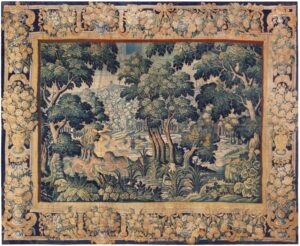
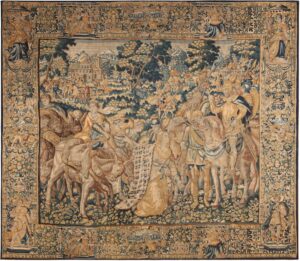
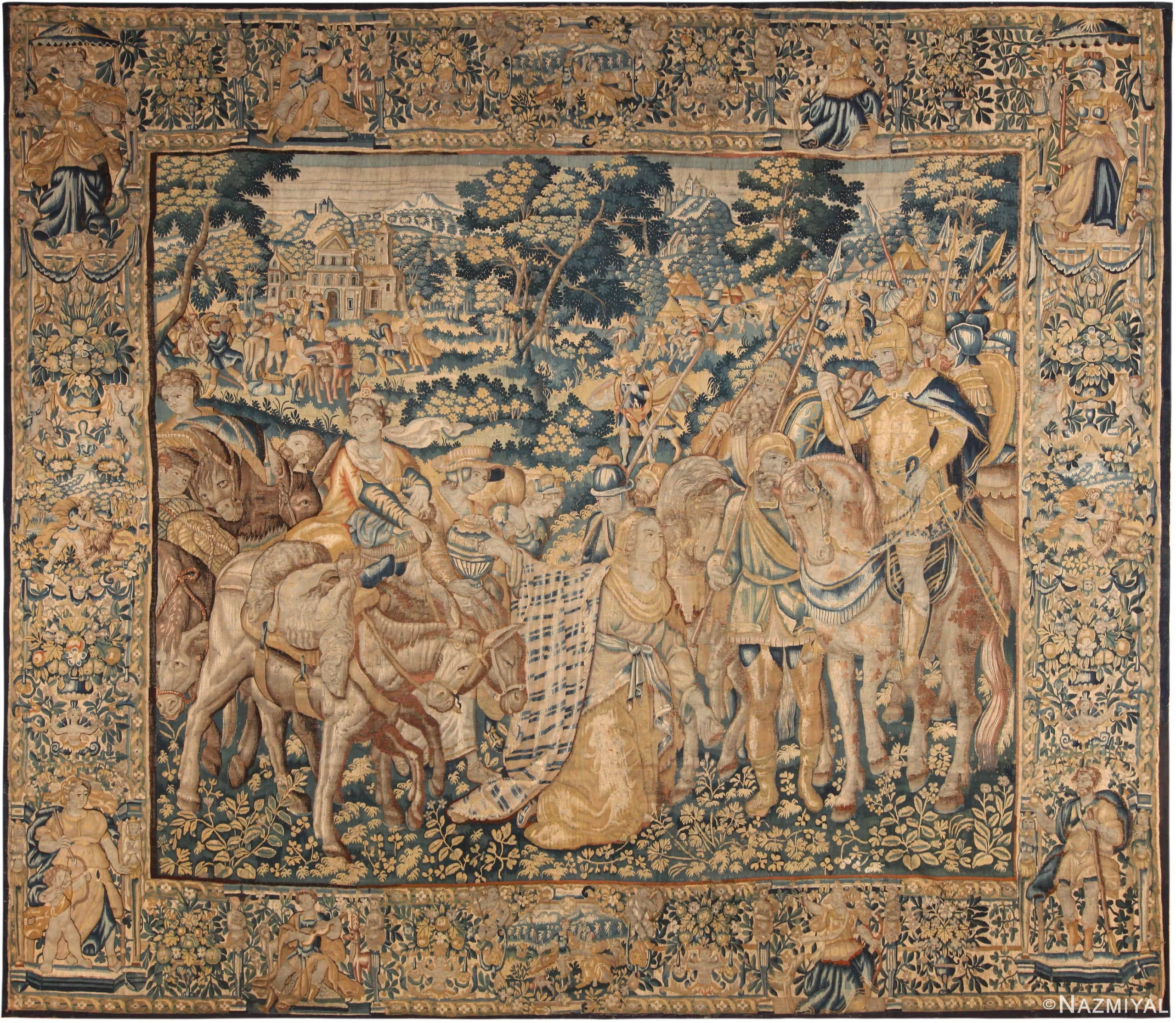
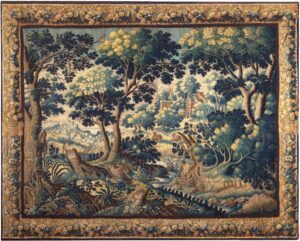
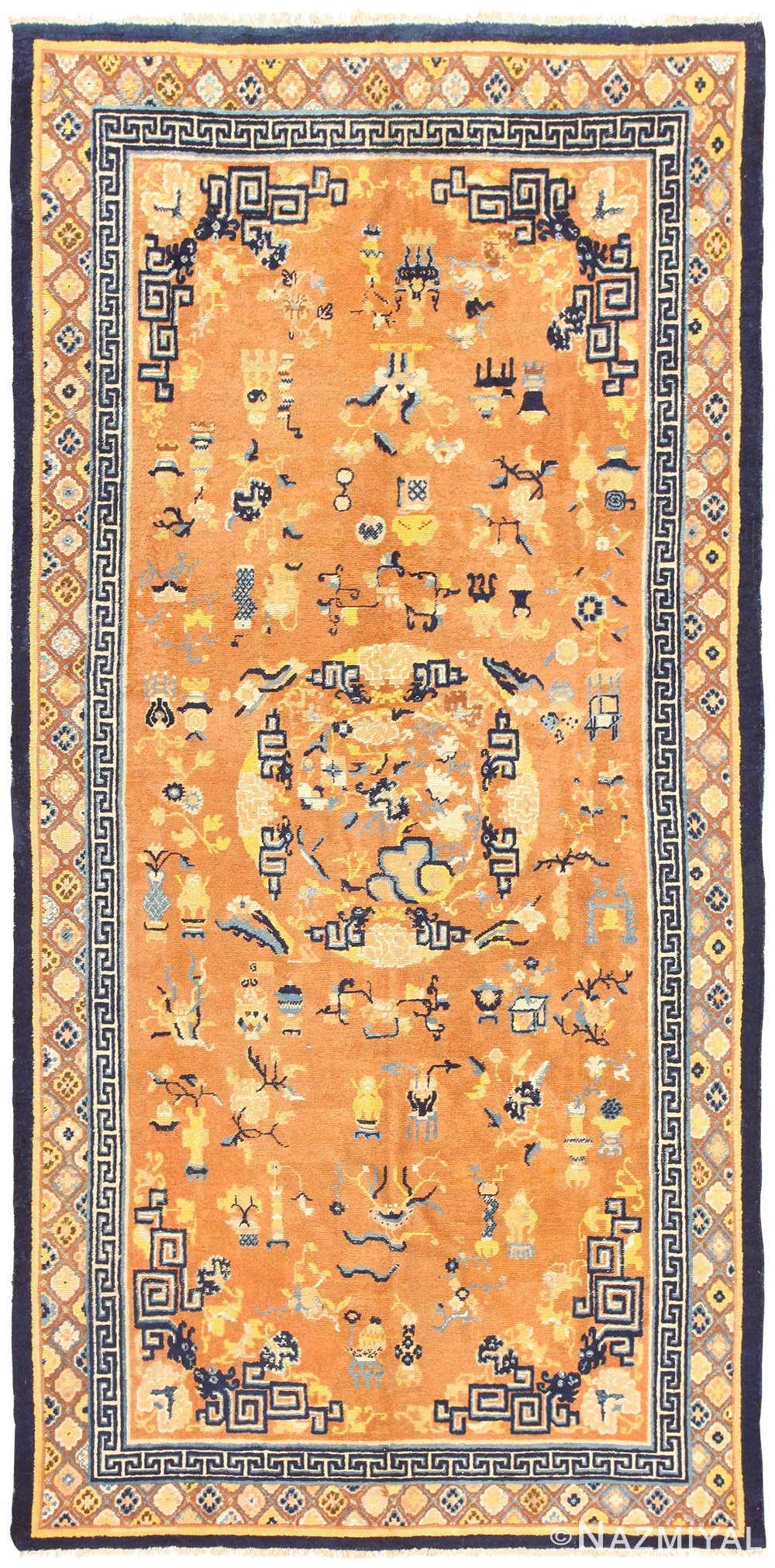
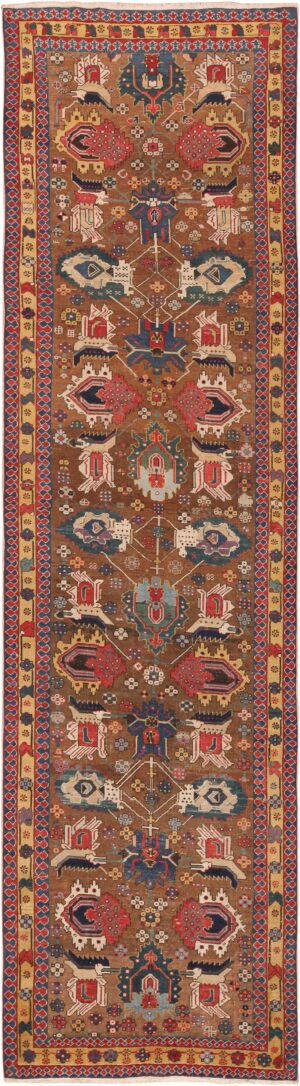
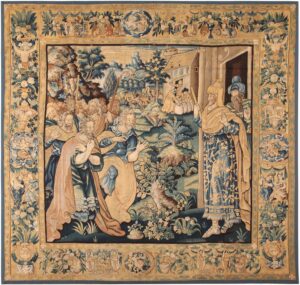
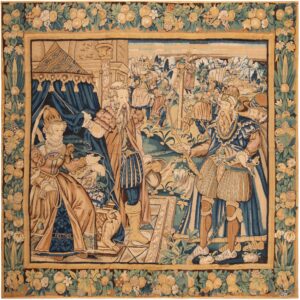
Featured Early Rugs from the Collection
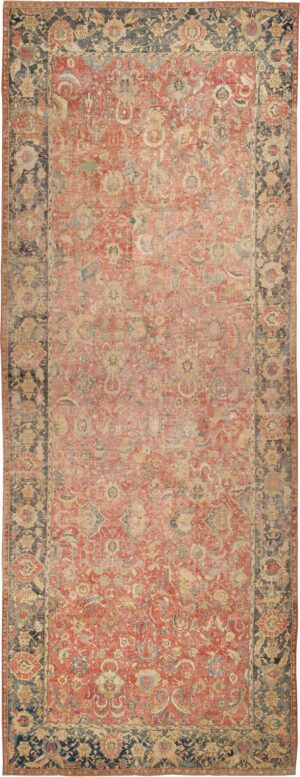
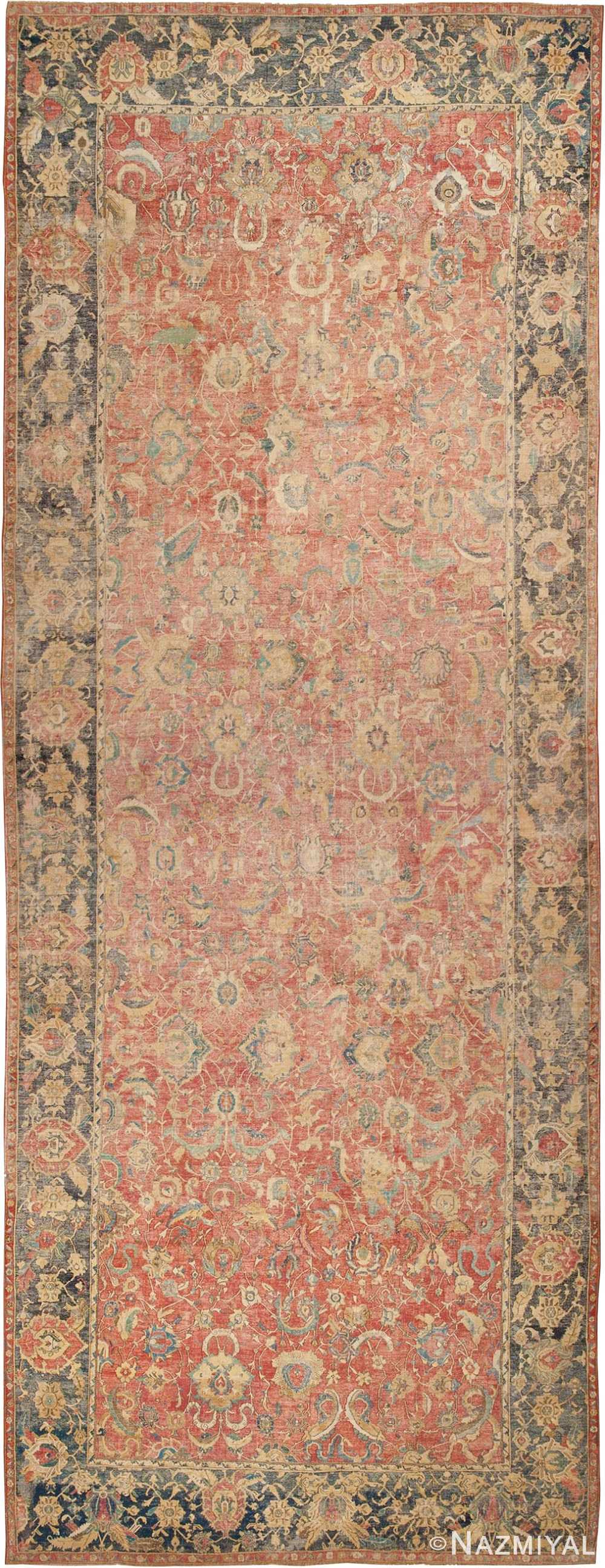
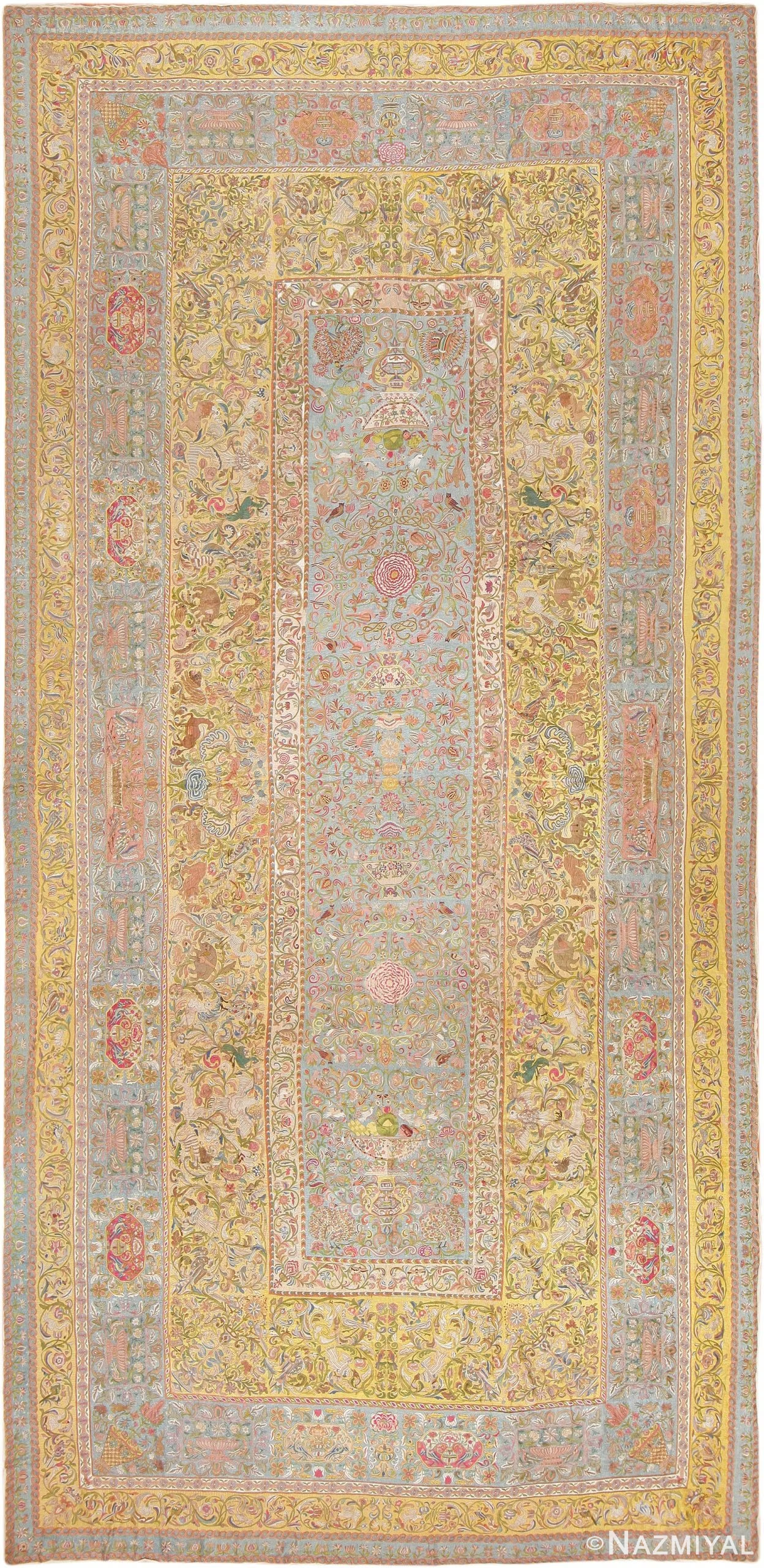
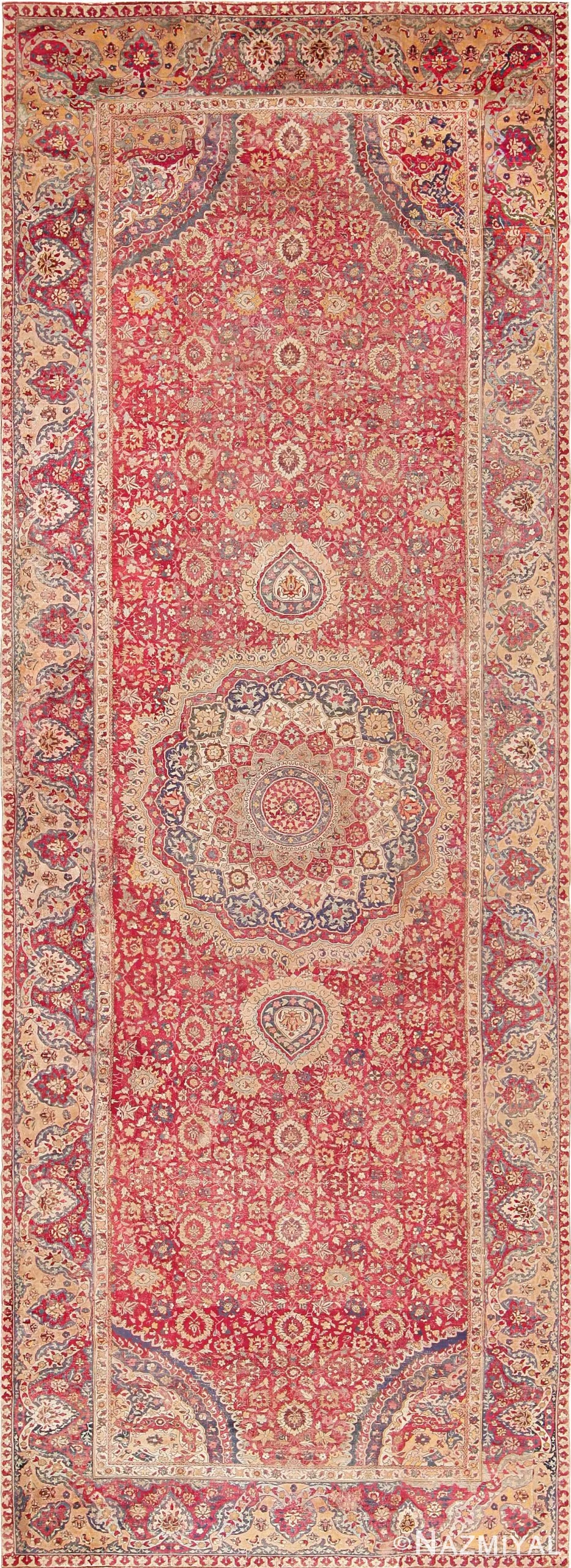
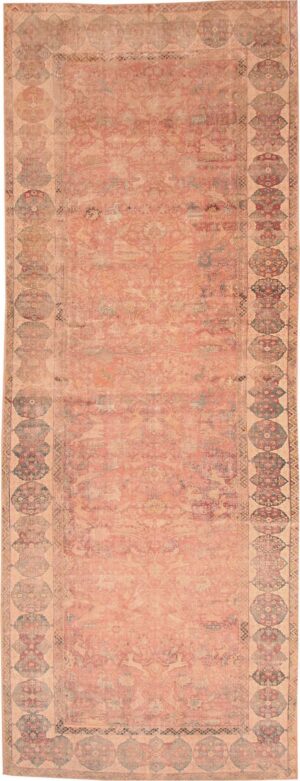
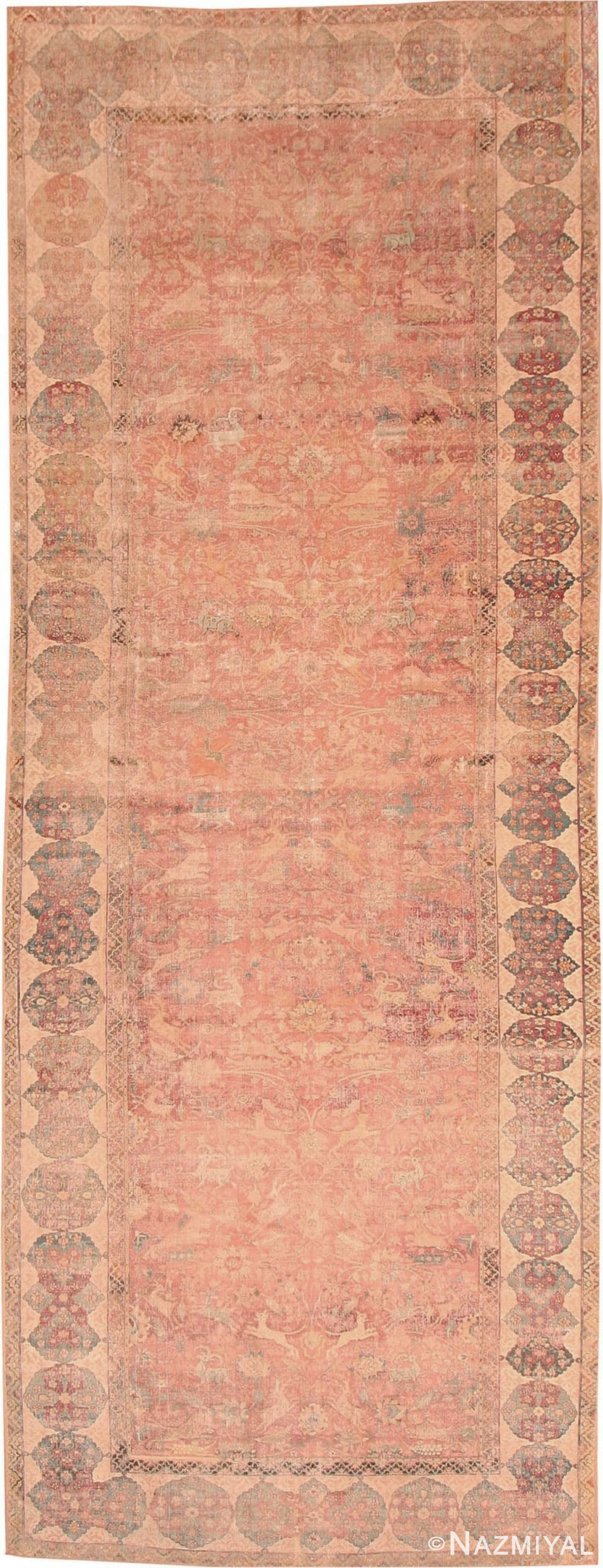
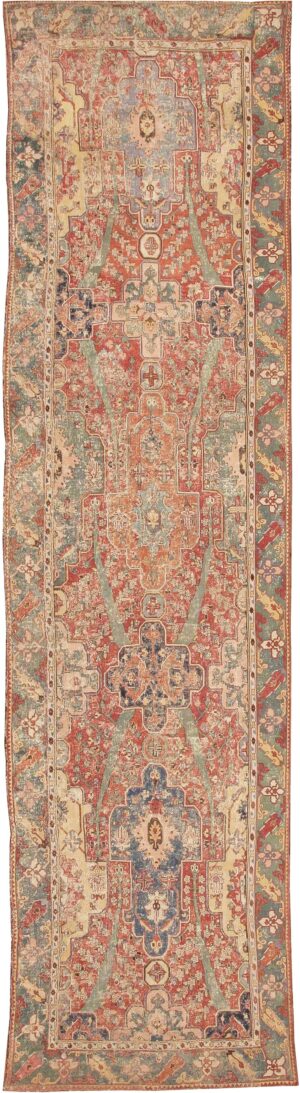
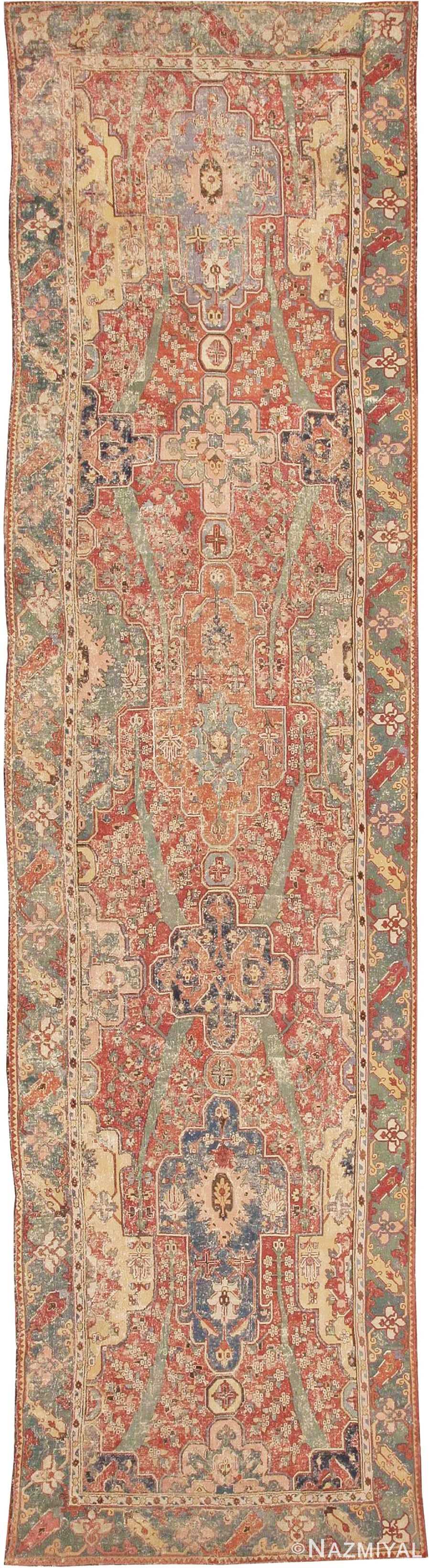
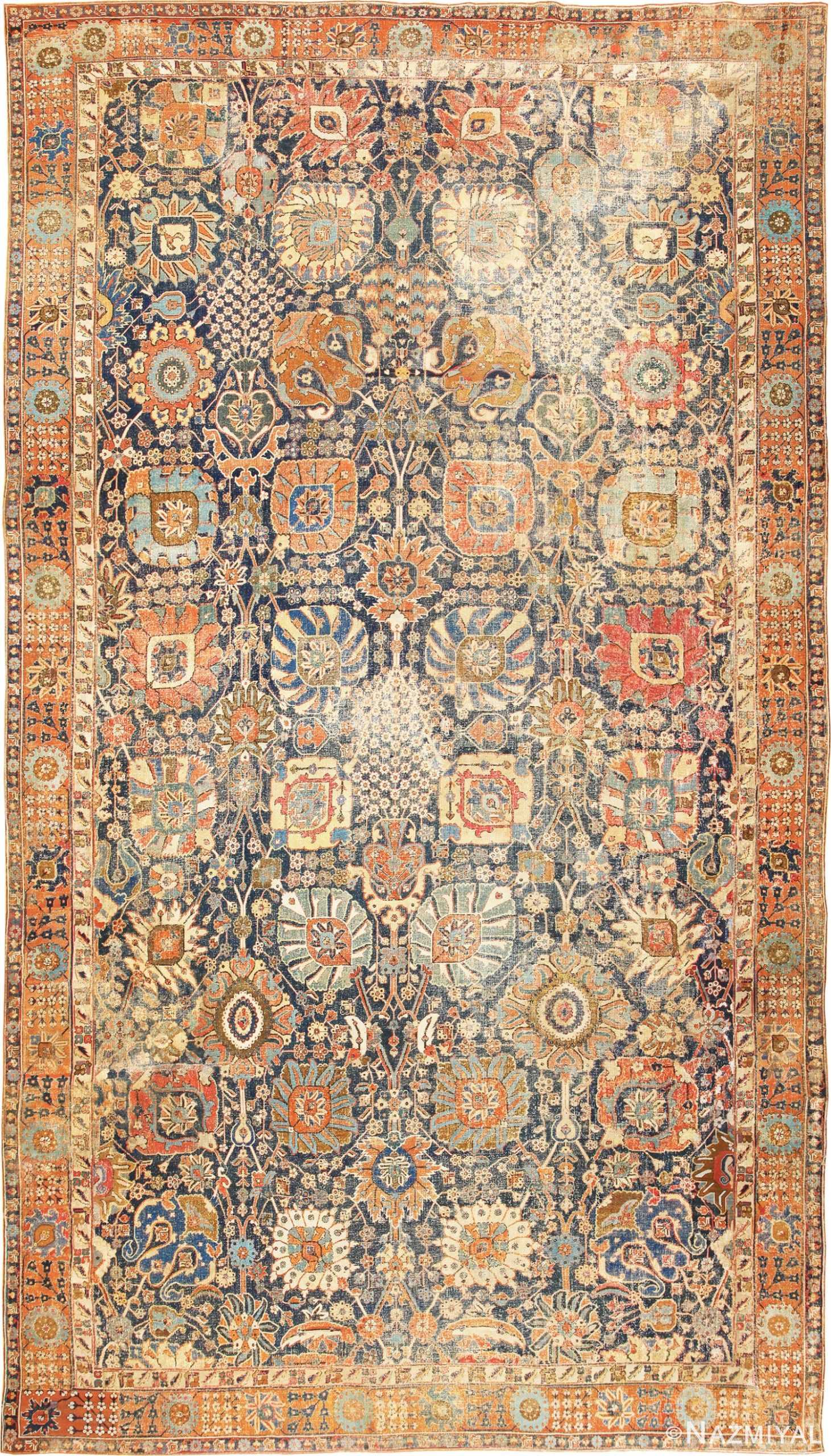
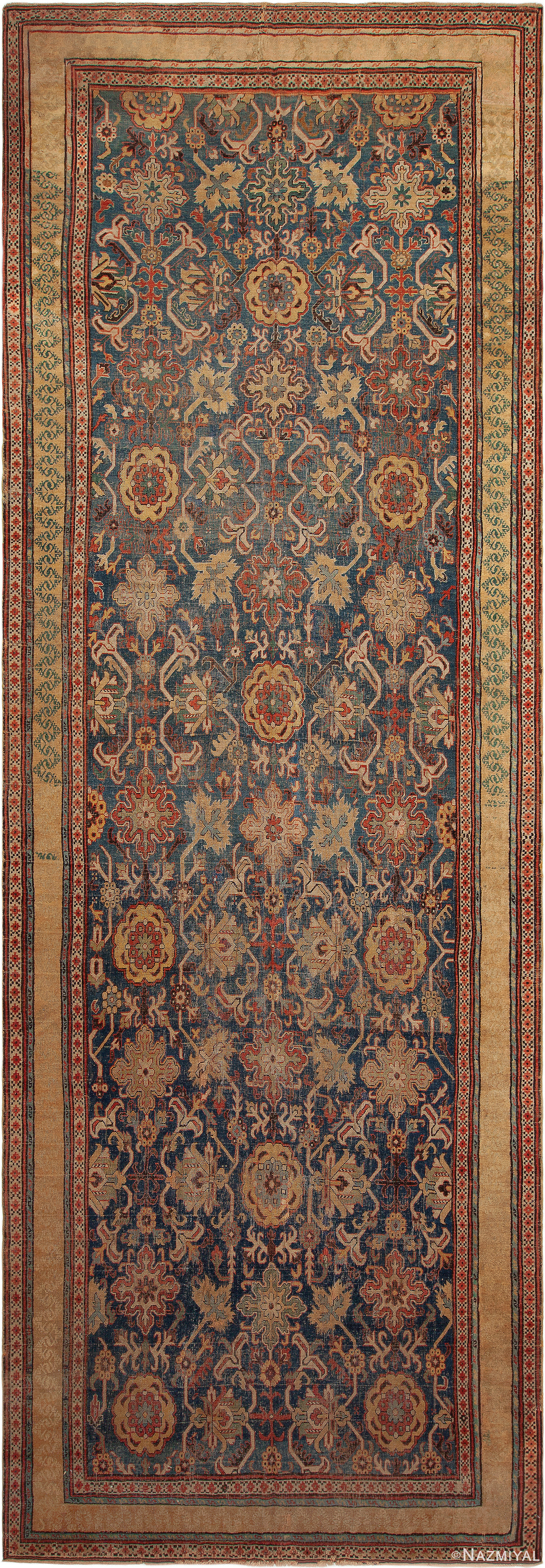
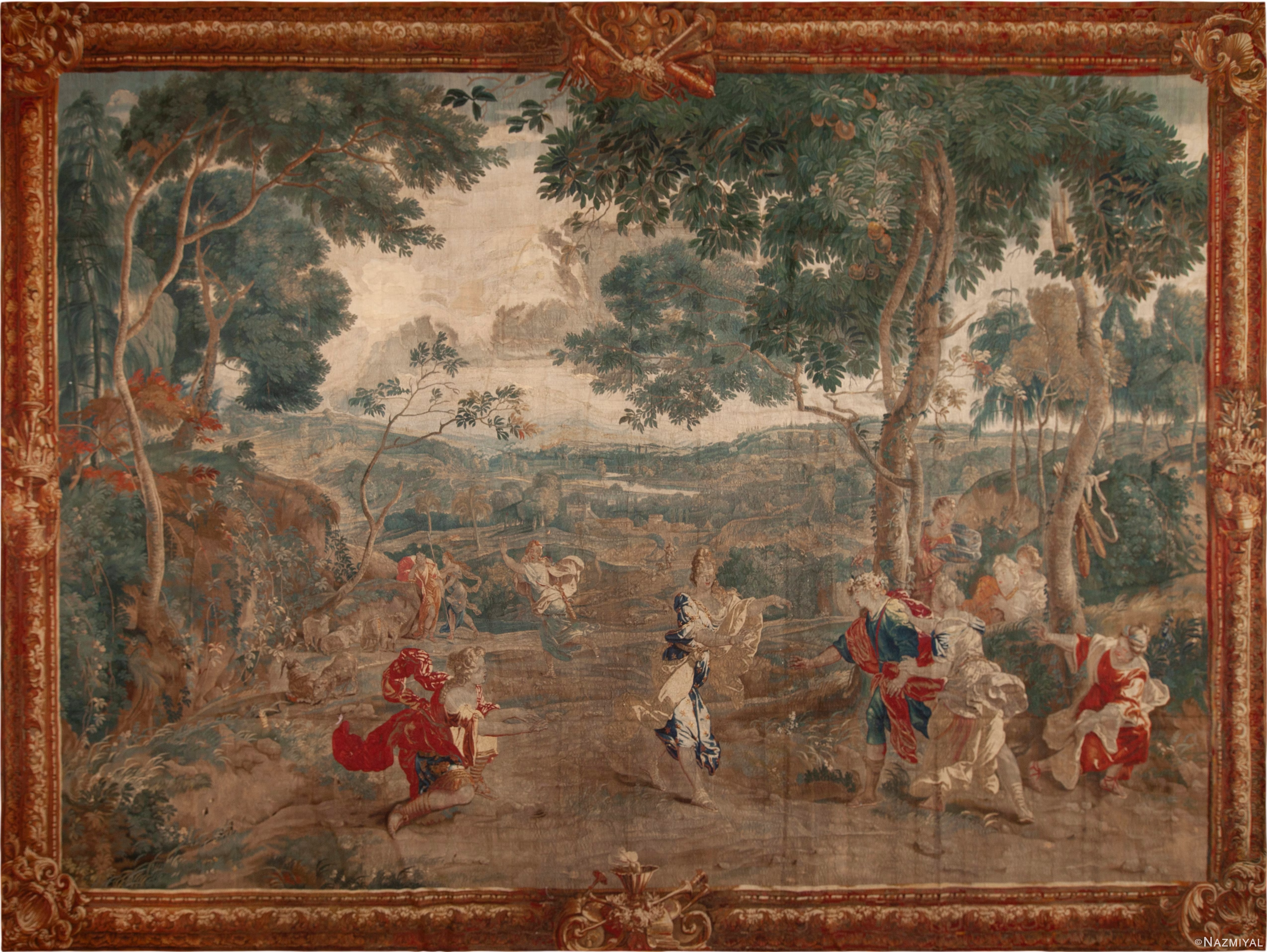
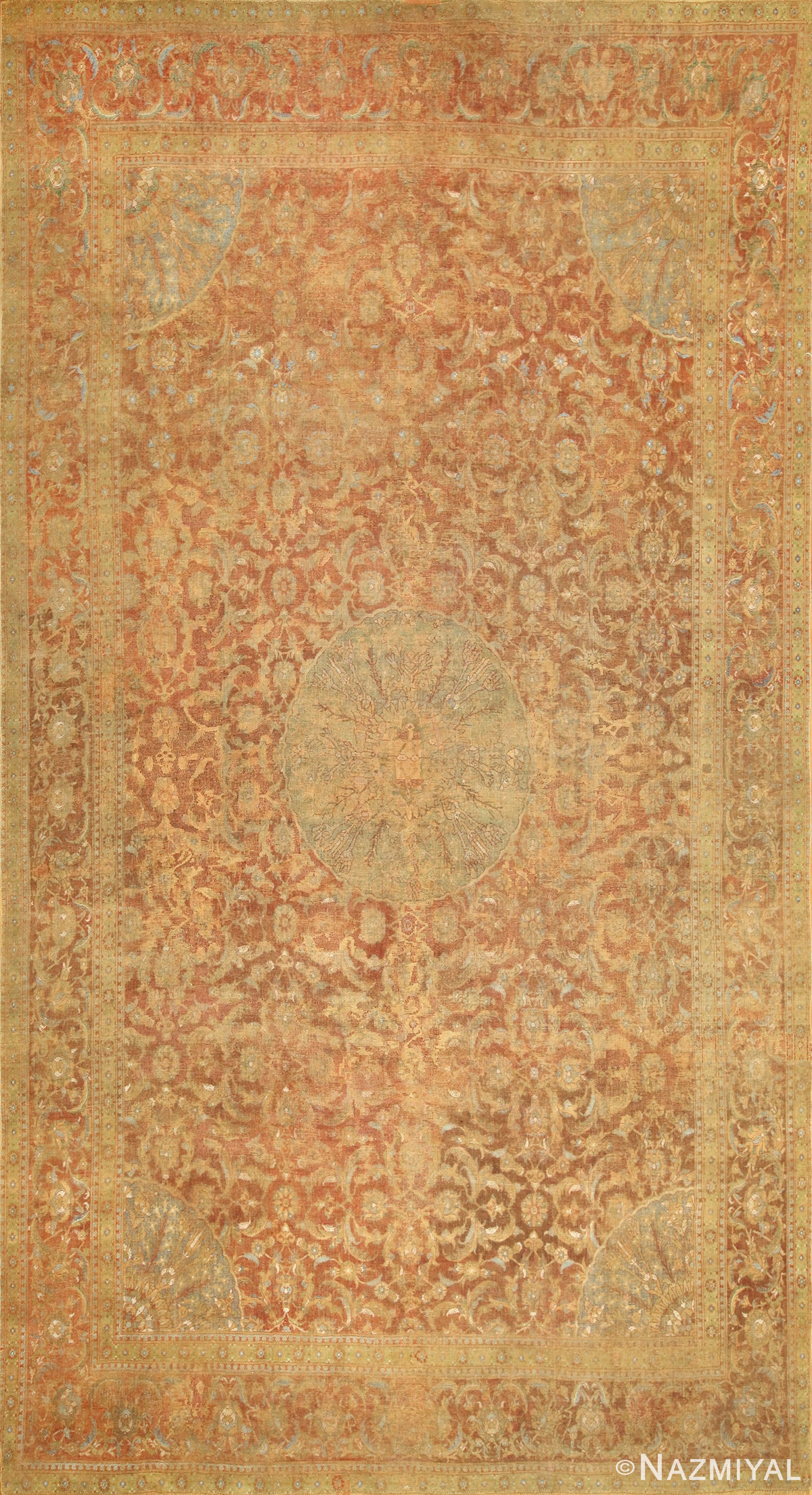
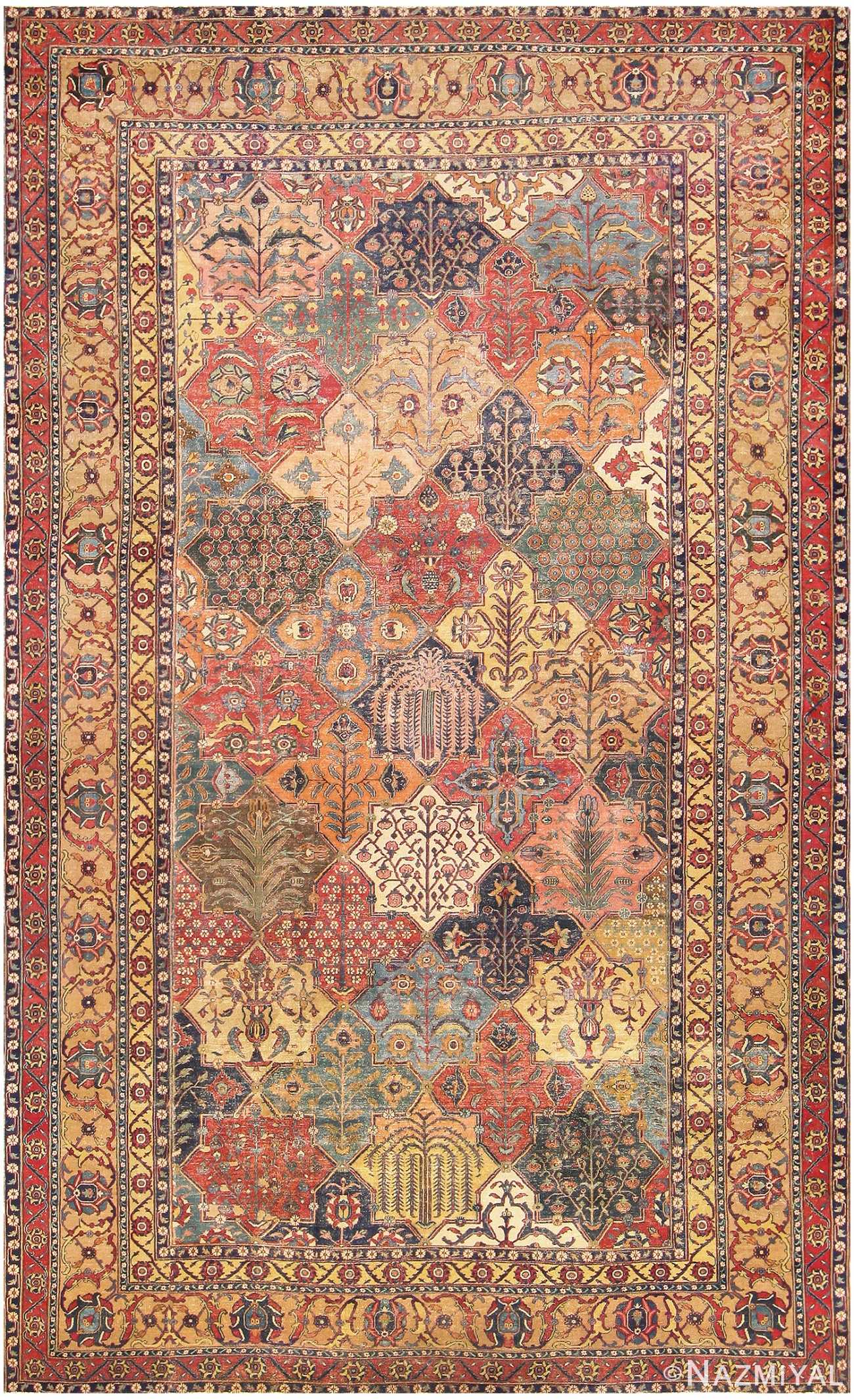
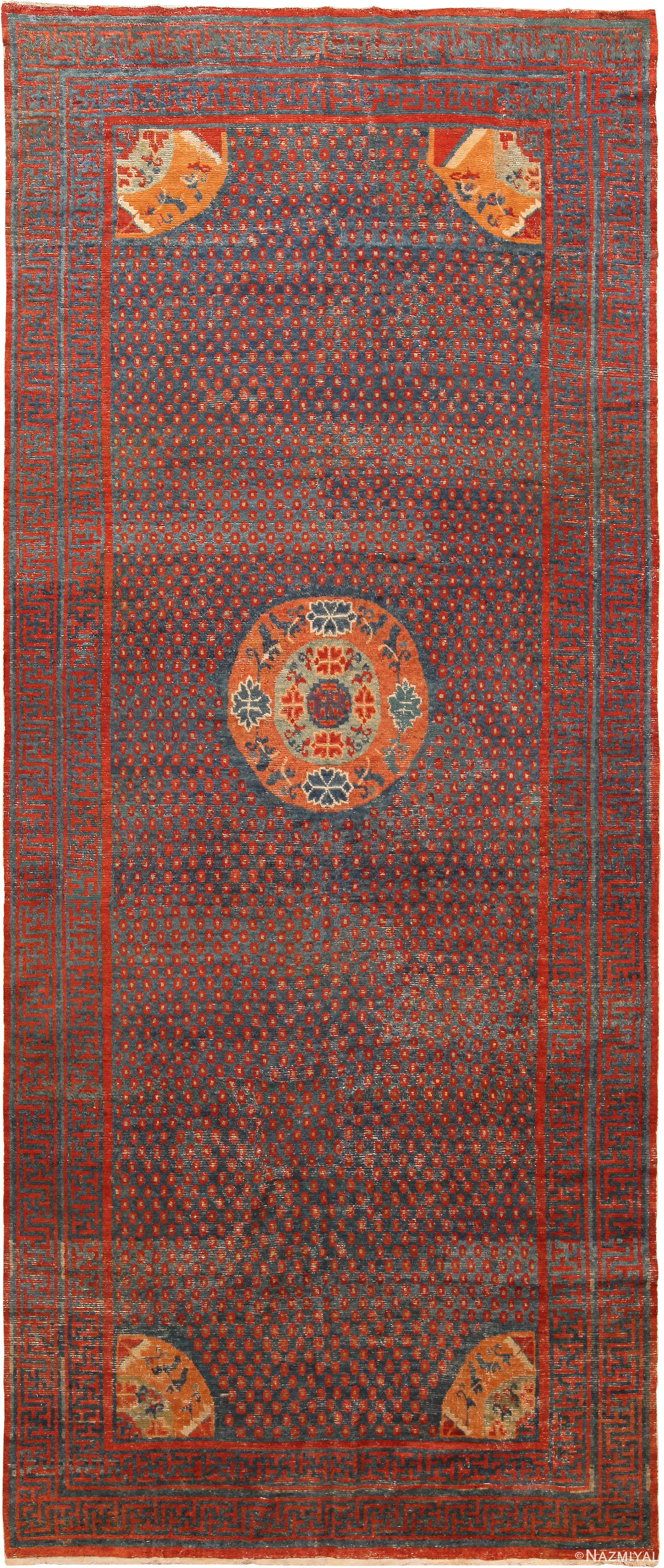
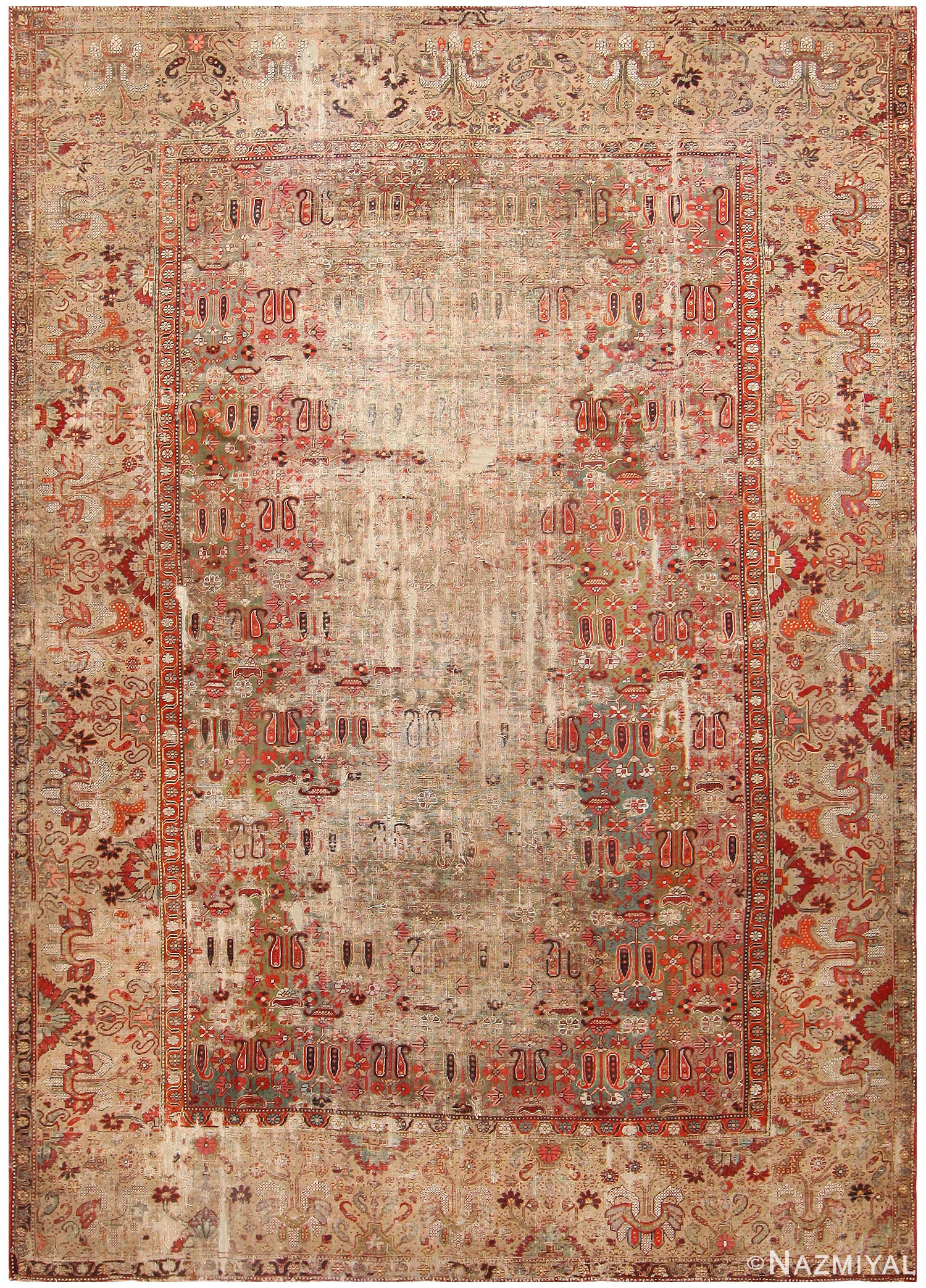
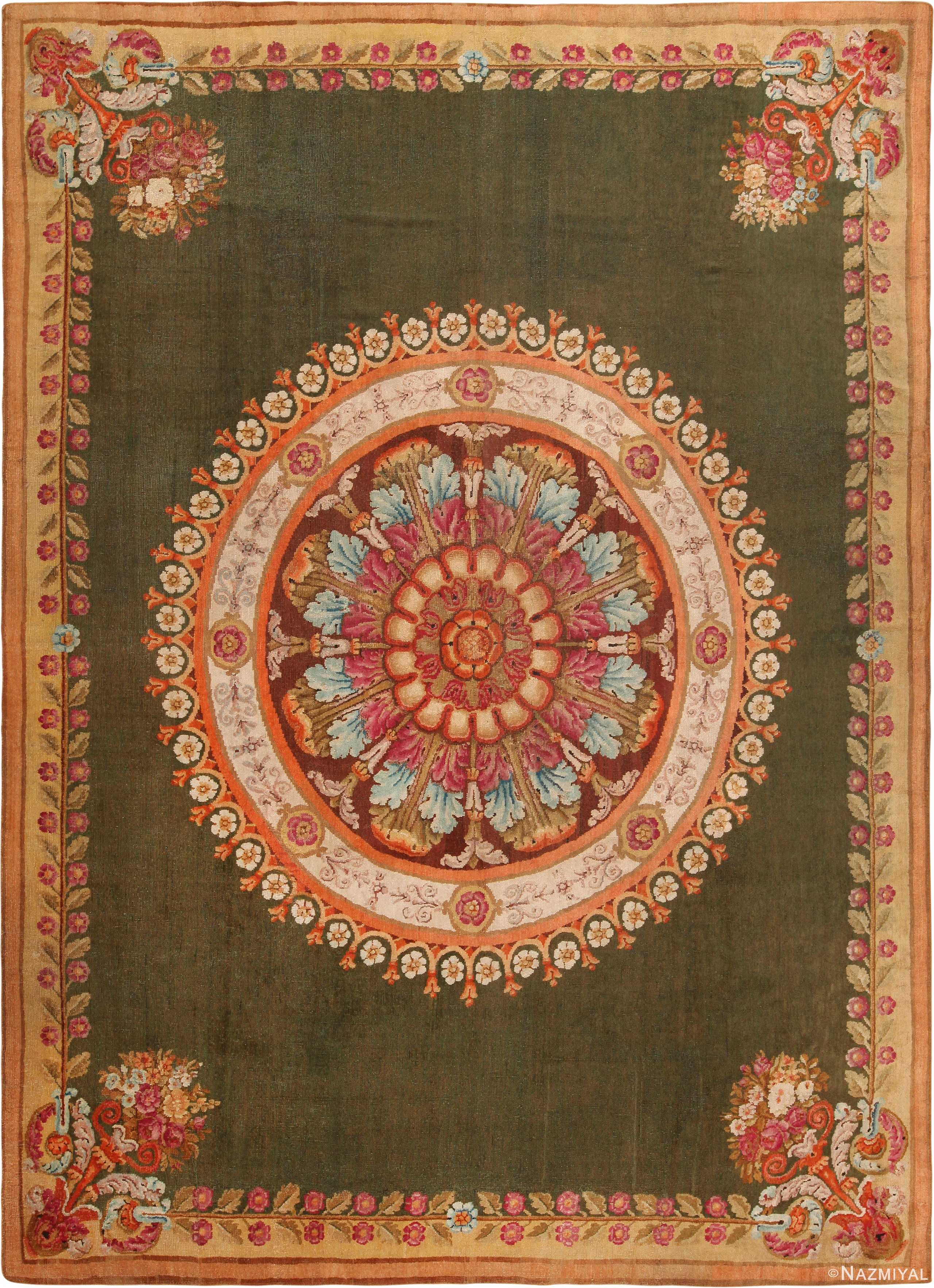
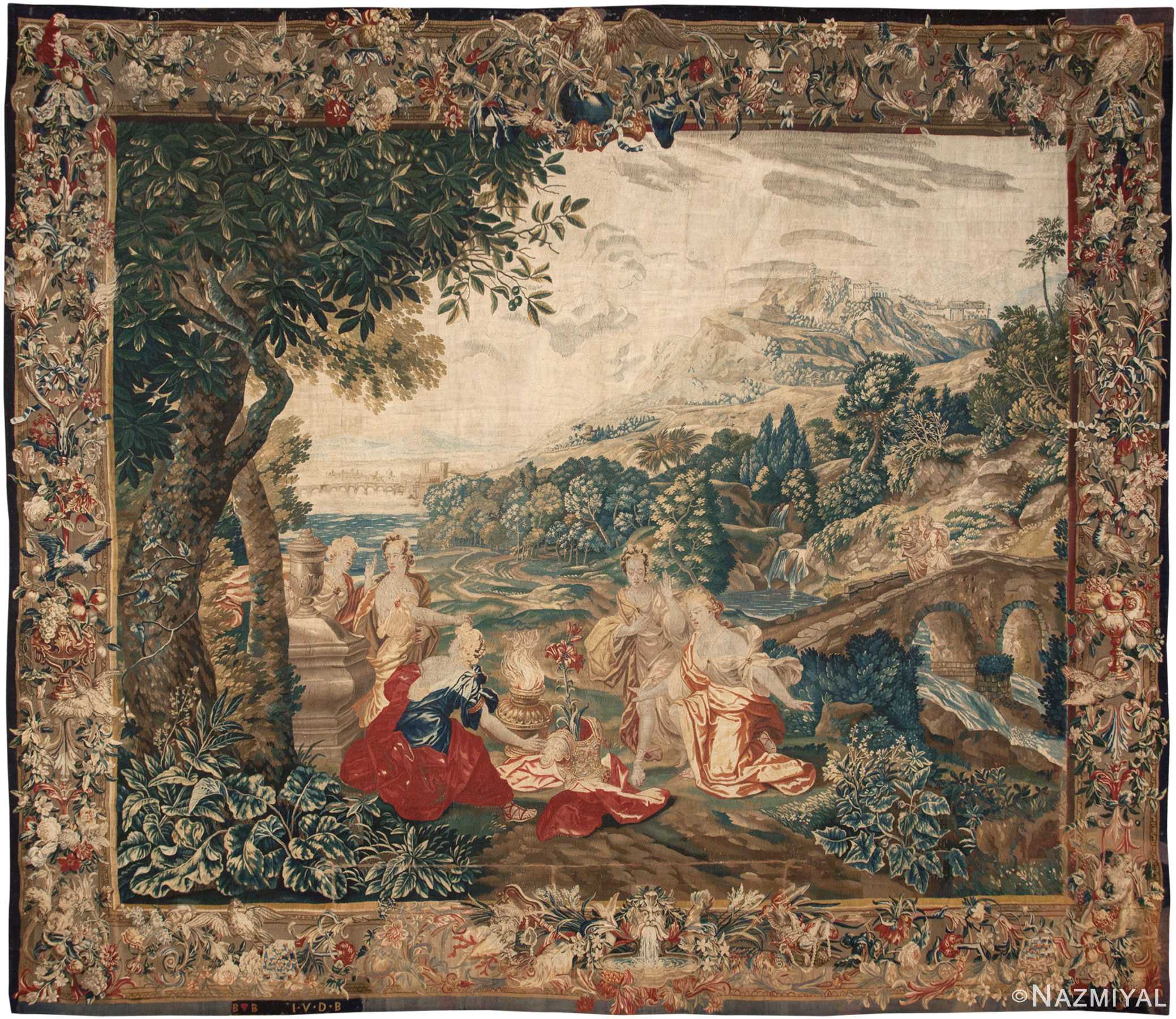
Inventory changes frequently. These featured pieces are examples of early rugs and important antique carpets across different regions and design languages.
What Makes a Rug “Early”?
Early vs “antique”: the dating difference that matters
In common market usage, “antique rugs” often refers to pieces from roughly the mid-1800s through the early 1900s. “Early rugs” typically point to much older production—often pre-1800—when carpets were made under different economic conditions, workshop systems, and patronage structures. Because survival rates drop sharply as you move back in time, early rugs are naturally rarer, and condition becomes a primary factor in value and livability.
How specialists date and attribute early rugs
Dating an early rug is rarely about a single detail. Experts look at a constellation of evidence: structure (knot type, foundation, weave character), design language (motif vocabulary and how it’s drawn), palette and dye behavior, and how the whole composition “belongs” to a time and place. When you want to browse by region and weaving family, use rug origins as a starting point.
Condition & Conservation
What “good condition” looks like for a centuries-old rug
Early rugs almost always show age. What matters is whether the foundation is stable, repairs are honest and well-executed, and the design still reads clearly. A few carefully handled restorations can be part of responsible stewardship—especially when they preserve structure and prevent further loss.
Where to place early rugs in a home
For everyday living, place early rugs where traffic is lighter: studies, formal sitting rooms, bedrooms, and collector interiors. If you want a similar look with more day-to-day flexibility, compare with later-period pieces in the broader antique rugs selection.
Decorating & Placement Guidance
Let the rug be the artwork
Early rugs often carry a refined “quiet power.” Keep surrounding décor calm so the drawing and proportion can lead: neutral walls, considered lighting, and a few material echoes (wood, stone, linen) that support the rug without competing with it.
Choose the era that matches your lifestyle
If you want maximum historical presence and rarity, start here with early rugs. If you want collected character with easier daily use, explore antique rugs and vintage rugs. For contemporary rooms that need a cleaner visual foundation, browse modern rugs.
Early Rugs vs Antique Rugs (Common Market Period)
| Feature | Early Rugs | Antique Rugs (Typical Market Use) |
|---|
| Typical dating | Often pre-1800 (piece-dependent) | Often mid-1800s to early 1900s (piece-dependent) |
| Availability | Extremely rare; survival rate is low | Broader selection; still finite and collectible |
| Primary buyer focus | Historical significance, craftsmanship, preservation | Decorative impact, condition, period character |
| Best placement | Low-traffic rooms, collector settings | Broader home use across living spaces |
Popular Searches
17th century rugs | 19th century rugs | Investment rugs | Persian rugs | Caucasian rugs | Rug size guide
Closest Cousins
- 19th century rugs — a more available collectible period with strong decorative range.
- 17th century rugs — a focused subset for collectors who want the earliest survivals.
- Mughal rugs — early Indian court carpets with a distinct ornamental language.
Glossary
Early rugs: Historically significant carpets and flatweaves often produced before 1800 (piece-dependent).
Pre-commercial period: A broad term collectors use for production before large-scale export and mass market standardization.
Foundation: The structural base of the rug (warps and wefts) that supports the pile or weave.
Conservation: Stabilization and preservation-minded work intended to protect the rug’s structure and integrity.
For more definitions, see the rug glossary.
FAQ
What rugs are considered “early”?
In collector usage, “early rugs” often refers to pieces made before 1800, though the correct dating is always piece-dependent. The term signals rarity, survival, and historical significance more than a single universal cutoff.
Are early rugs usable as floor coverings?
Some are, but placement matters. Early rugs are best in low-traffic rooms where they can be appreciated and protected. Many collectors treat them as functional art—used thoughtfully rather than heavily.
What should I look for when buying an early rug?
Prioritize structural stability, coherent design, and honest repairs. Because early rugs are scarce, condition and conservation quality are major differentiators in both value and long-term enjoyment.
How should I care for an early rug?
Use gentle, regular maintenance (light vacuuming without aggressive brush settings), rotate occasionally, keep out of harsh direct sun, and consult specialists for cleaning or repairs rather than using harsh household treatments.
Are early rugs considered investment pieces?
Many collectors view them as historically important and inherently finite works of art. Market value depends on rarity, condition, provenance, and aesthetic strength—so it’s best to buy what you love, guided by expertise.
Three Pillars of the Nazmiyal Collection
- Curated, one-of-a-kind inventory: A specialized selection of rare rugs and textiles spanning eras and origins—built for collectors, designers, and serious buyers.
- Expertise & transparency: Clear descriptions, responsible guidance, and deep category knowledge shaped by decades in the field. Learn more about Nazmiyal.
- Service that supports confidence: From selection help to logistics, we make it easier to buy important pieces responsibly—especially when they require careful handling and placement.
Nazmiyal White-Glove Service
We make it easy to shop with confidence—whether you’re choosing a single rare piece or curating a full room.
Nazmiyal Collection has been a trusted source for antique rugs and vintage carpets for over 45 years. Our NYC gallery curates one-of-a-kind pieces with an emphasis on authenticity, provenance, and lasting decorative value.
Need help? Call us at (212) 545-8029 or visit our New York City showroom to work with a rug expert.

 Size: 11 ft 4 in x 30 ft (3.45 m x 9.14 m)
 Size: 13 ft 2 in x 26 ft (4.01 m x 7.92 m)
 Size: 9 ft x 24 ft 8 in (2.74 m x 7.52 m)
 Size: 7 ft 7 in x 20 ft 4 in (2.31 m x 6.2 m)
 Size: 5 ft 4 in x 20 ft 4 in (1.63 m x 6.2 m)
 Size: 11 ft 5 in x 20 ft 2 in (3.48 m x 6.15 m)
 Size: 6 ft 6 in x 18 ft 6 in (1.98 m x 5.64 m)
 Size: 12 ft 5 in x 16 ft 7 in (3.78 m x 5.05 m)
 Size: 12 ft 3 in x 16 ft (3.73 m x 4.88 m)
 Size: 9 ft 10 in x 15 ft 9 in (3 m x 4.8 m)
 Size: 6 ft 7 in x 15 ft 6 in (2.01 m x 4.72 m)
 Size: 11 ft x 15 ft 5 in (3.35 m x 4.7 m)
 Size: 6 ft 4 in x 15 ft 2 in (1.93 m x 4.62 m)
 Size: 10 ft 5 in x 14 ft 1 in (3.17 m x 4.29 m)
 Size: 11 ft 8 in x 13 ft 7 in (3.56 m x 4.14 m)
 Size: 10 ft x 12 ft 10 in (3.05 m x 3.91 m)
 Size: 11 ft 4 in x 12 ft 10 in (3.45 m x 3.91 m)
 Size: 10 ft x 12 ft 5 in (3.05 m x 3.78 m)
 Size: 6 ft 2 in x 12 ft (1.88 m x 3.66 m)
 Size: 3 ft 3 in x 11 ft 9 in (0.99 m x 3.58 m)
 Size: 8 ft x 11 ft 4 in (2.44 m x 3.45 m)
 Size: 10 ft 8 in x 11 ft 3 in (3.25 m x 3.43 m)
 Size: 10 ft 2 in x 10 ft 9 in (3.1 m x 3.28 m)