Antique Sultanabad Carpet At The Morgan Library by Nazmiyal

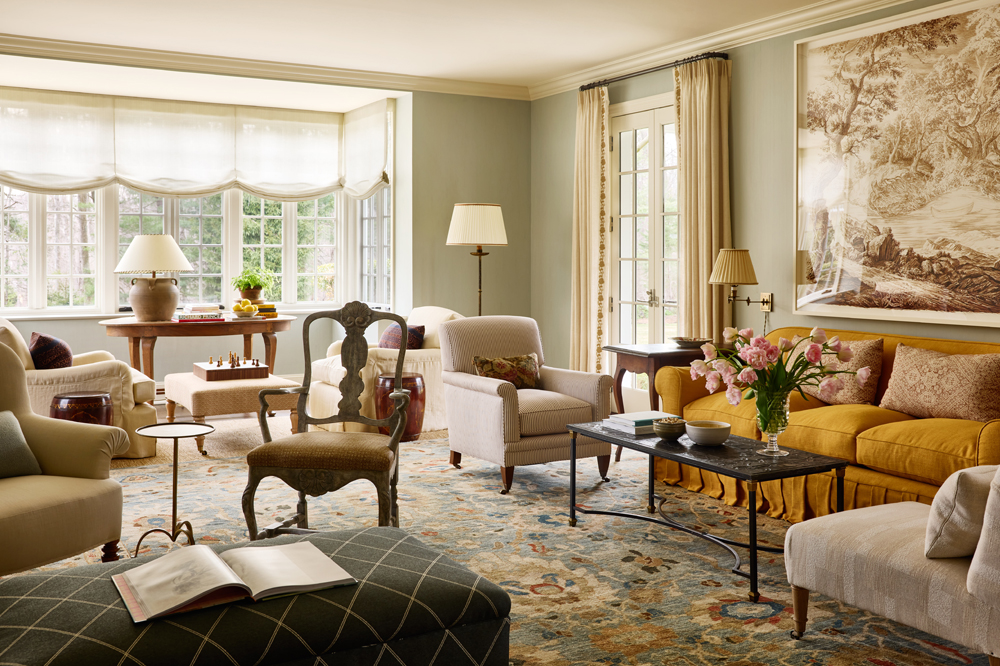
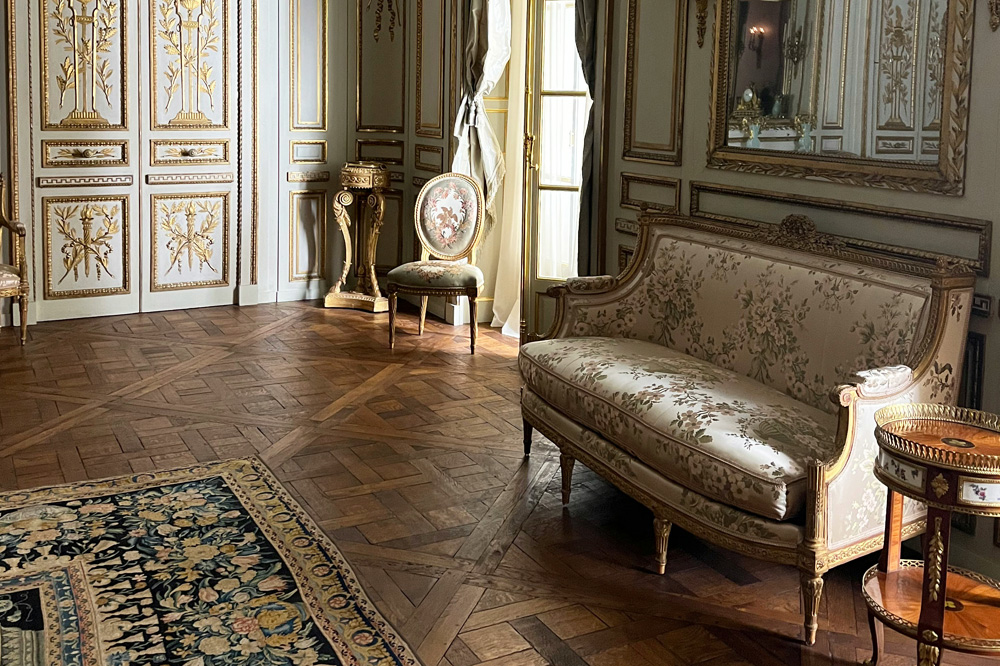
The Morgan Library & Museum Acquires Antique Sultanabad from Nazmiyal CollectionOn October 30th, 2010 the Morgan Library & Museum, which houses one of the world’s greatest collections of artistic, literary, and musical works, is getting a new look. In addition to housing one of the world’s premier collections of fine art and literature, the Library itself is a breathtaking testament to the rich history of architecture and design. Now, after 100 years, the McKim building is undergoing renovations to restore and enhance the charm inherent to the building with a beautiful antique Sultanabad from Nazmiyal. William Griswold, director of the Morgan Library & Museum says of the McKim building: “The McKim building is the heart and soul of The Morgan Library & Museum. Not only does it embody the taste and vision of the museum’s founder and patron, Pierpont Morgan, but over the years its beautiful rooms have become synonymous with all that makes the Morgan special. No visit is complete without a tour of the McKim building, and now, with this ambitious project and the installation of some of the Morgan’s outstanding treasures, that experience will be greatly enhanced.”

“We are both honored and excited to have been a part of this exciting project – the Pierpont Morgan’s multi-tiered library is now truly the most beautiful room in New York City” Nazmiyal Antique Rugs & Carpets

You can visit the Morgan Library & Museum’s website. to learn more about the McKim building as well as the current exhibitions and performances at the library.

Nazmiyal Rugs on Exhibition at the Whitney Museum

October 21st, 2010 – January 9th, 2011
Nazmiyal Rugs on Exhibition at the Whitney Museum Visitors to the Whitney Museum of American Art will have the opportunity to see an unprecedented collection of works from painter and sculptor Paul Thek displayed on a dramatic backdrop of antique carpets from the Nazmiyal Collection. In the first U.S. retrospective since the influential artist’s death, the New Yorker’s work returns to his hometown in this highly-anticipated exhibition billed as a one of the season’s must-see museum events.[...] read more

Antique Rug Color Dyes – Dyes to Die For

Whether your taste in carpets leans towards all-over floral patterns or more primitive tribal designs the first factor in selecting a carpet is color. It’s the beauty of blending colors that creates a harmonious composition that makes Persian carpets so enchanting. Natural dyes made from natural materials, vegetable, plant or animal bases (bark, nutshells, berries and occasionally insects) produce the most luminous, warm and sombre shades.
Among collectors it’s widely agreed upon that synthetic or analine dyes should not be compared to vegetable dyes. The passage of time and long term effects of using synthetic dye is unpredictable; change of color altogether and dyes eating into the rug are common. It’s clear to see the difference between the lustre and sheen of a naturally dyed antique rug compared to the dull uniform color that is produced through the use of chemical dyes.
There is more to the process than just mixing dye with boiling water. Each plant has its own special properties and the dyer skillfully and knowledgeable prepares the yarn accordingly. The dyers craft is an ancient one passed down through the generations from father to son. He is an artisan whose traditions and secrets are highly regarded.


The crushed roots of madder; a climbing plant that grows wild over much of the East produces shades of red. It belongs to the genus Rubia; the root used is that of the Rubia tinctorum. The roots contain three coloring matters alizarin and purpurin which are both red and xanthin which is yellow.


Cochineal a female bug of the species Dactylopius coccus which lives on cactus was imported in 1856 to obtain a more vivid red.


Saffron, tumeric, sumac and the fruit of Perisan buckthorns were used for yellows.


Greens were produced by combining indigo with yellow. Though Chinese green dye is obtained from Rhamnus chlorophorus a genus of shrubs.


Different blue tones are made from the leaves of the indigo plant. The color is achieved by both the number of times the yarn is immersed in the dye vat as well as the length of dyeing time.


Tyrian purple dye is found in shellfish.


Henna yields orange.


Beige is made from barley


And black, brown and grey dyes were mainly made from the shells of nuts and the leaves and husks of nut trees. The dyeing process starts with the preparation of the color. Sometimes curds or sour milk is mixed into the dye to achieve lighter colors, the color is then diluted in a vat. The quantity of water varies based on the desired shade. The wool is then placed in boiling water and after being heated for the desired amount of time the wool is allowed to cool in the dye. The final stage in the dyeing process is to make the color fast. Once the carpet is ready, it is immersed in cold water to rinse any excess coloring and finally laid out in the sun to dry. Variations in color, streaked or uneven shading known as abrash or changes in the dye lot due to the quality of water or texture of wool add to the charm and life of the rug. Color is key, and carpets made with natural dye are to die for. Natural dyes age in a graceful way producing a mellow,faded color palate that remains unrivalled.

Nazmiyal’s Silk Heriz Featured in Canadian Architecture & Design

Silk HerizCanadian Architecture & Design

Nazmiyal Collection was recently featured in Canadian Architecture & Design for our Antique Silk Heriz #7996. This piece is an extrememly rare example of Heriz weaving measuring 12′ x 18’6″ and woven entirely of silk.