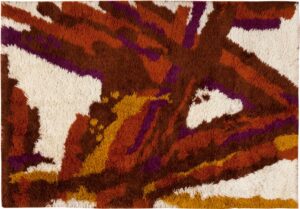
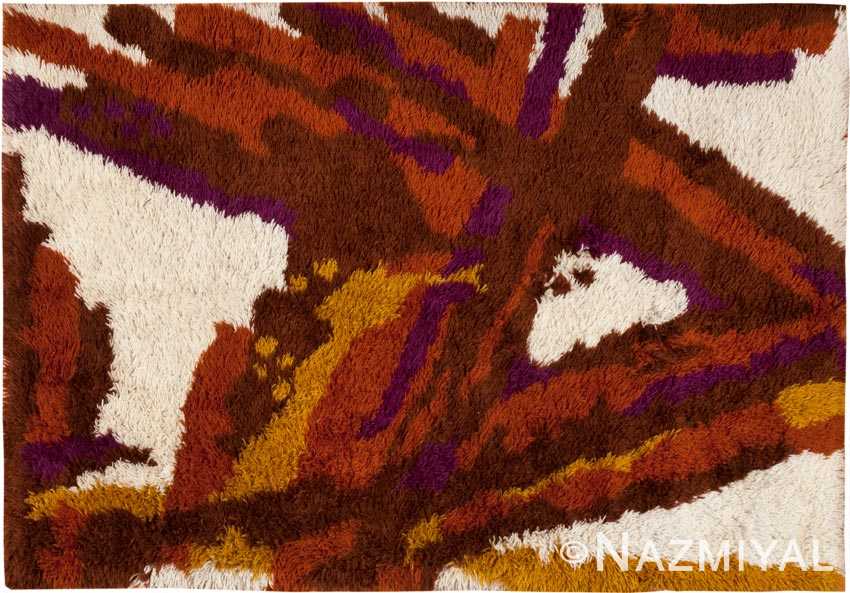
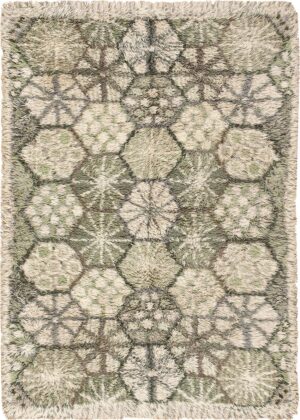
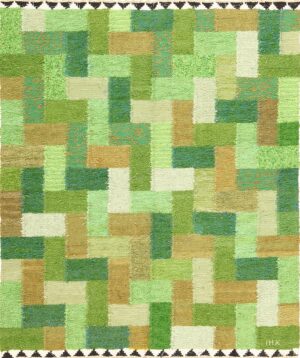
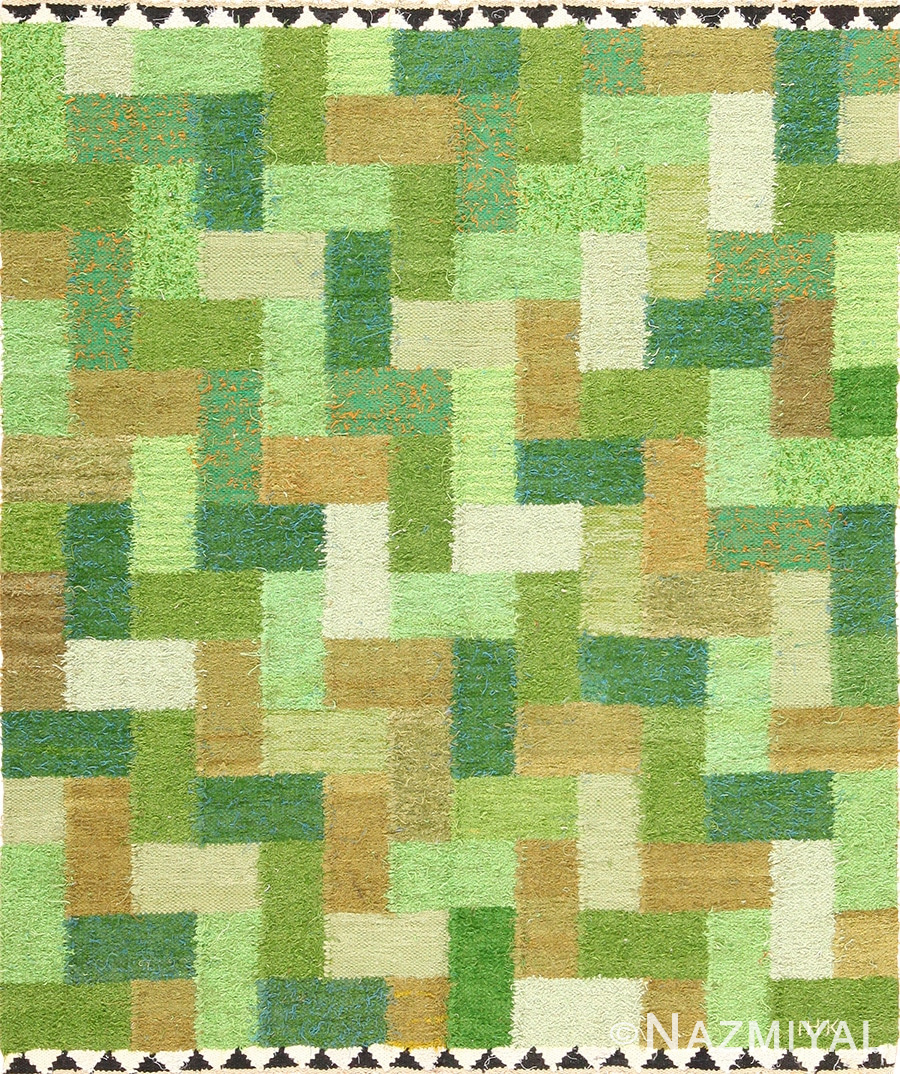
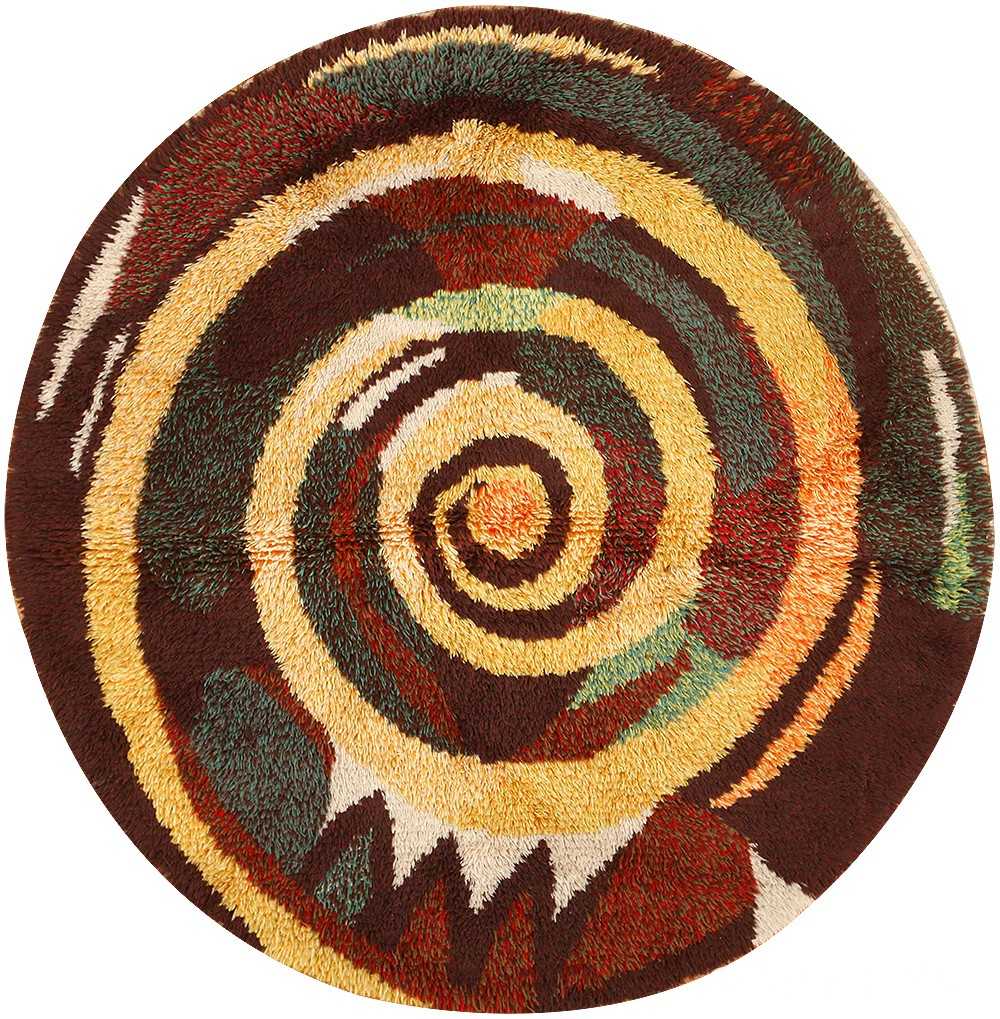
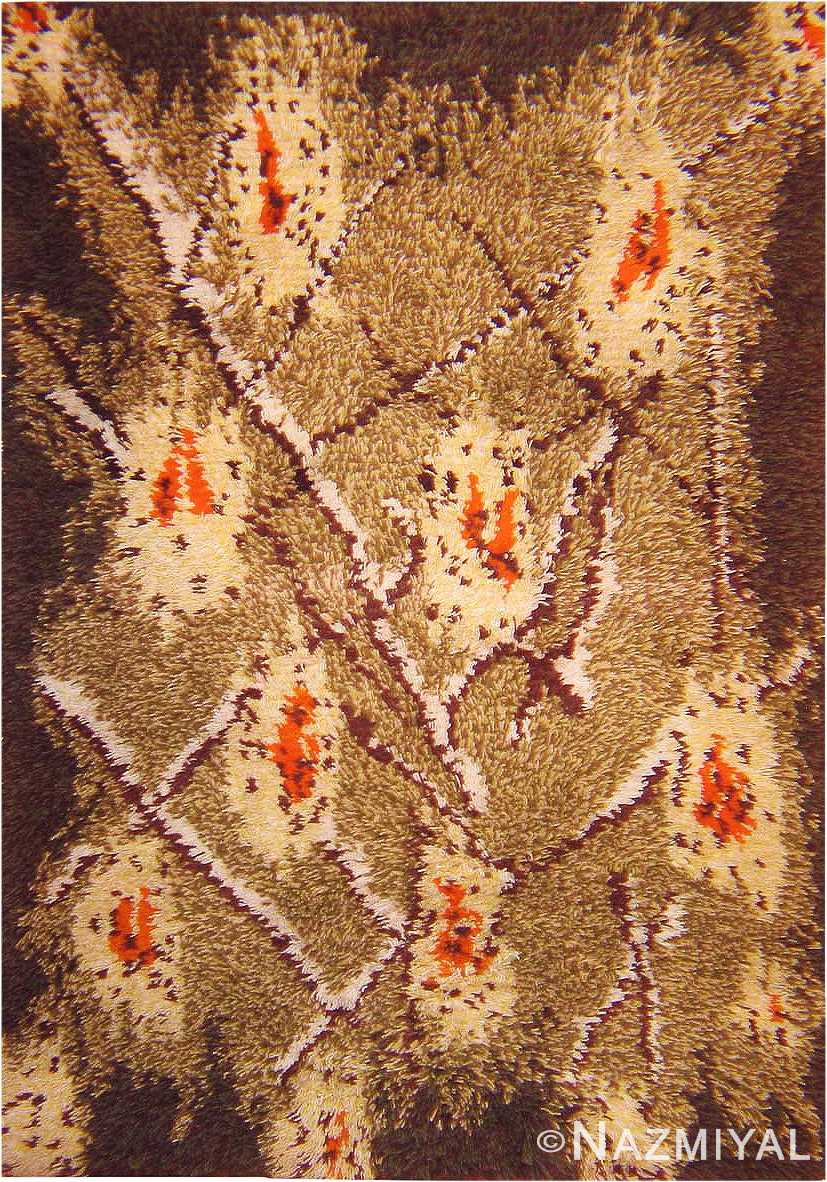
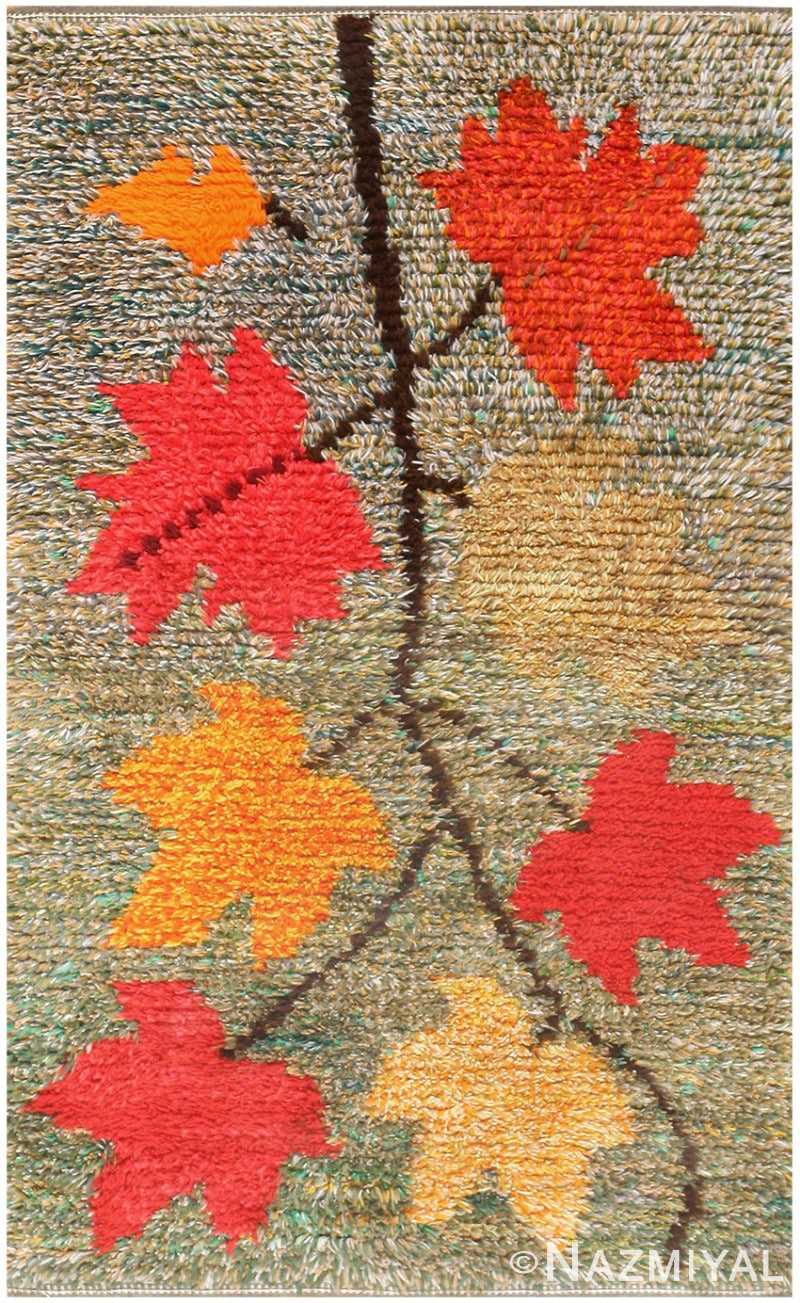
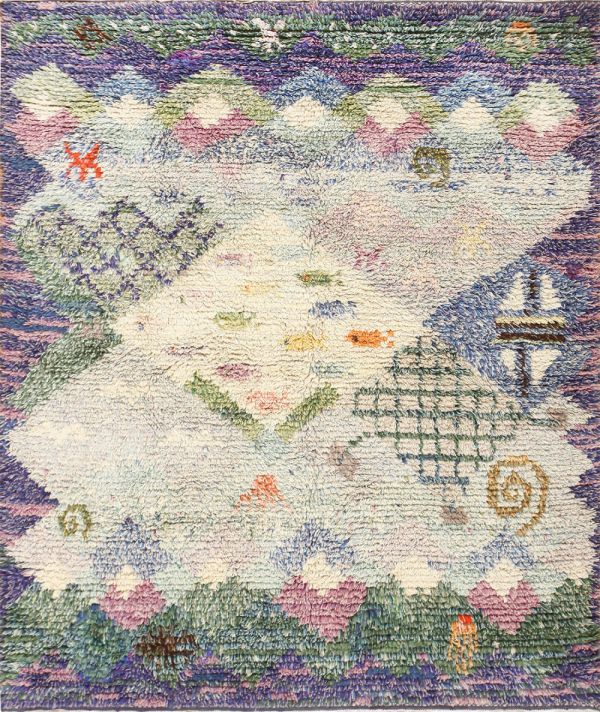
Vintage rya rugs are traditional Scandinavian long-pile textiles—especially associated with Swedish and Finnish weaving—prized for shaggy warmth, graphic modernist design, and a distinctly tactile, plush surface.
These rugs are beloved for their long, shaggy pile, cozy warmth, and bold mid-century color stories—often woven in Sweden and Finland as highly textural folk-modern design pieces. At Nazmiyal Collection, you’ll find curated rya-style carpets ranging from graphic geometrics to painterly abstractions, sized for bedrooms, lounges, and statement living rooms. For broader Nordic context (and to compare rya to Swedish flatweaves), explore our Scandinavian rugs hub.
Updated February 5, 2026 • Reviewed by Jason Nazmiyal
For a faster shortlist, filter by size first (room-size vs accent), then decide whether you want a bold color statement or a calmer, neutral-forward Scandinavian look.
Why Nazmiyal Collection? 3 Pillars of Nazmiyal Collection
When you’re shopping a highly textural category like rya rugs, details matter—pile health, foundation stability, and period-appropriate design language.
Unmatched Inventory Depth: A broad Scandinavian selection that makes it easier to compare pile, palette, and composition side-by-side.
Rigorous Authenticity Standards (expert-vetted & accurately represented): Clear, practical descriptions focused on what you can see, feel, and place in a real home.
Expert Advisory (real guidance on size/placement/value): Help matching scale and texture to your room, lifestyle, and design goals.
Identification & Construction
A vintage rya rug is often easy to spot from across the room: the surface reads plush and shaggy, with designs that feel modern even when they’re decades old. Many Swedish and Finnish examples lean into clear geometry—stripes, blocks, and simplified motifs—so the pile becomes part of the design. Look for an intentional “handmade line” quality: shapes may be slightly irregular, but they should feel confident rather than accidental.
Construction-wise, rya rugs are fundamentally about pile. The long fibers create warmth and softness, and they also create a distinctive visual depth (light catches the pile differently as you move). Condition checks are practical: inspect for pile thinning in traffic lanes, edge wear, and foundation integrity. If you’re comparing Scandinavian production to other regions and traditions, our Rug origins hub is a helpful reference point.
Decorating & Placement Guidance
Designers use rya rugs when they want texture to do the heavy lifting: a shag pile softens hard surfaces, warms minimalist rooms, and makes a space feel livable without adding clutter. In bedrooms, ryas feel especially good underfoot; in living rooms, they can anchor seating and make clean-lined furniture feel more inviting. For a layered, collected look, pair a rya with curated Antique rugs, clean-lined Vintage rugs, and graphic Modern rugs by repeating one or two tones from the rug in art, pillows, or upholstery.
Because of the pile height, ryas are usually less ideal under rolling desk chairs or dining chairs that slide frequently—if that’s the room’s main function, consider a flatter weave. And if you’re comparing Scandinavian texture to more intricate, pattern-dense traditions, browsing Persian rugs can help you decide whether you want texture-led comfort or motif-led ornament.
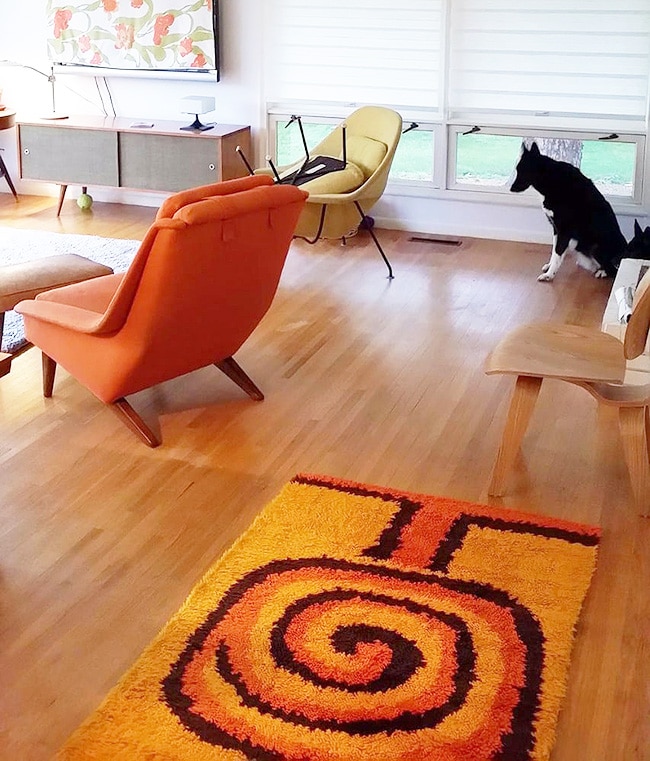
Home Decorating With Vintage Swedish Rya Rugs
A vintage Swedish rya rug adds warmth and texture to clean-lined Scandinavian interiors.
Vintage Swedish Rya Rug in A Home Decor Setting
History of Vintage Swedish Rya Rugs
Rya textiles have deep Scandinavian roots and were historically tied to warmth and practical use—then, later, to decorative craftsmanship. By the mid-20th century, rya rugs aligned perfectly with modern interior tastes: strong color, simplified motifs, and a tactile surface that made minimalist rooms feel human. Many vintage examples also reflect the broader Scandinavian design emphasis on balance, negative space, and functional beauty.
Rya Rugs vs Vintage Shag Rugs
Rya rugs are a cornerstone of the shag idea, but not every shag rug is a Scandinavian rya. If you’re texture-first shopping, this comparison helps you decide whether you want a specifically Nordic design language or a broader mid-century shag look.
Rya: A Scandinavian long-pile textile tradition prized for warmth and shaggy texture.
Ryijy: A closely related Finnish term often used for long-pile Scandinavian textiles similar to rya.
Pile: The raised surface fibers on a rug; in ryas, pile is intentionally long and plush.
Flatweave: A woven textile with no pile; typically easier under dining chairs and in higher-traffic rooms.
For more terms (materials, dyes, motifs, and condition language), see the Rug glossary.
FAQ
What makes a rya rug “vintage”? In most market usage, “vintage” typically refers to 20th-century production (often mid-century), distinct from contemporary rugs and older antique examples.
Are rya rugs only from Sweden? No—Sweden is central to the tradition, but Finland is also closely associated (often using the term “ryijy”), and Scandinavian production can span multiple areas.
Are rya rugs durable? Many are durable, but pile height and weave density matter. Check foundation stability and pile wear in traffic lanes before placing in heavy-use areas.
Do rya rugs work in modern interiors? Yes—mid-century Scandinavian design reads clean and architectural, while the shag pile adds warmth that keeps minimalist rooms from feeling cold.
How do I choose the right size? Start with furniture layout: for living rooms, aim to fit front legs of seating on the rug; for bedrooms, consider a large rug under the bed or runners at the sides.
How should I care for a vintage rya rug? Vacuum gently (avoid aggressive beater bars), rotate periodically, and address spills quickly. For deeper cleaning, consult professional rug care.
Nazmiyal White-Glove Service
We make it easy to shop with confidence—whether you’re choosing a single statement piece or curating a full room.
Nazmiyal Collection has been a trusted source for antique rugs and vintage carpets for over 45 years. Our NYC gallery curates one-of-a-kind pieces with an emphasis on authenticity, provenance, and lasting decorative value.
Need help? Call us at (212) 545-8029 or visit our New York City showroom to work with a rug expert.
             Posted on Google        Victor Florintsev     Trustindex verifies that the original source of the review is Google. The only ones I'd ever buy rugs from. The best.         Posted on Google        Jeffrey NeumanB     Trustindex verifies that the original source of the review is Google. I bought two gorgeous Serapi rugs from Farhad at Nazmiyal Rugs!  Beautiful carpets, fair prices and great service.  Very happy customer.  Farhad (the sales person) was very patient and gave us great service.         Posted on Google        john haid     Trustindex verifies that the original source of the review is Google. Alen is a gentleman and an expert.  Really great to work with.         Posted on Google        Edward Yasuna     Trustindex verifies that the original source of the review is Google. I recently purchased a modern Kandinsky rug from Nazmiyal Auctions.  It was just as described, and the director (Farhad) of the auctions had it sent to me quickly and safely.  Payment was easy, the rug was reasonably priced, and I highly recommend Nazmiyal Auctions and Antique Rugs.  Quality merchandise and first-class service.         Posted on Google        Nicholas Carr     Trustindex verifies that the original source of the review is Google. Had a excellent experience buying a rug in Nazmiyal's 1/18/26 online auction.  First, prior to the auction, viewing a number of lots at the 32nd St showroom (I had prepared a list from the online catalog). The staff were great to work with: helpful, knowledgable, honest, and flexible.  Second, after placing an online bid and winning the desired item, arranging payment and pickup was simple and straightforward. Everything went seamlessly and the overall experience was educational and fun. Many thanks to Jason and his team.         Posted on Google        Andrea Gared     Trustindex verifies that the original source of the review is Google. Everyone at Naziyal is proffessional, especially Jason and Farhad.
They are knowledgeable, truthful, and true gentlemen. I have sold several rugs through them and will always go to them first, to buy or sell. The best in the business!         Posted on Google        Lori Silverberg     Trustindex verifies that the original source of the review is Google.          Posted on Google        Jesse Zilberman     Trustindex verifies that the original source of the review is Google. Excellent customer service! Alen was very helpful over the phone and email. The rug we acquired was stunning, and photos do not do it justice. I would definitely work with Alen and team again!         Posted on Google        Rachel Paul     Trustindex verifies that the original source of the review is Google. Jason was incredibly kind and helpful! I work for a small museum that had some rugs we had no information on. Jason responded to us quickly and gave us the information we needed for free! Incredible service, we are super thankful for his help!

 Size: 7 ft 6 in x 10 ft 3 in (2.29 m x 3.12 m)
 Size: 4 ft 6 in x 6 ft 5 in (1.37 m x 1.96 m)
 Size: 4 ft 6 in x 6 ft 3 in (1.37 m x 1.9 m)
 Size: 5 ft x 6 ft (1.52 m x 1.83 m)
 Size: 6 ft x 6 ft (1.83 m x 1.83 m)
 Size: 3 ft 6 in x 5 ft (1.07 m x 1.52 m)
 Size: 3 ft x 4 ft 7 in (0.91 m x 1.4 m)
 Size: 3 ft x 4 ft 7 in (0.91 m x 1.4 m)