Quick Navigation
Key Takeaways
- Kilims are flatwoven (no pile), so they read more graphic, feel lighter, and layer easily in collected interiors.
- Because many are reversible, you can rotate for wear and enjoy pattern clarity from both sides.
- For best long-term livability, prioritize weave tightness, edge stability, and clean color changes—especially in high-traffic rooms.
At-a-Glance Specs
- Construction: flatwoven (no knotted pile)
- Common materials: wool weft • cotton or wool foundation (piece-dependent)
- Typical looks: bold geometry • tribal symbols • banded compositions • medallions and hooked motifs • stepped and diamond forms
- Best rooms: living rooms • dining rooms • bedrooms • hallways (especially runners) • layered “collected” spaces
- Typical sizes: runners • room-size 8×10+ • oversized pieces for open plans
- What to look for: tight weave • stable selvages • clean ends • honest wear (without structural weakness) • a palette that supports your furnishings
Popular Searches
Large rugs | Oversized rugs | Runner rugs | Geometric rugs | Tribal rugs | Shop by color | Rug size guide
Featured Kilim Rugs from the Collection
Inventory changes frequently. These featured pieces are examples of kilim style across different design moods and production eras.
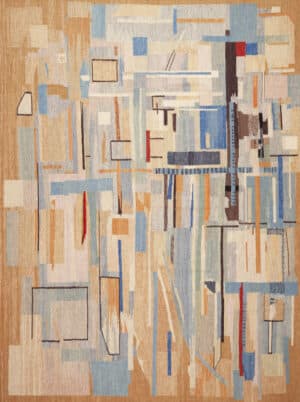
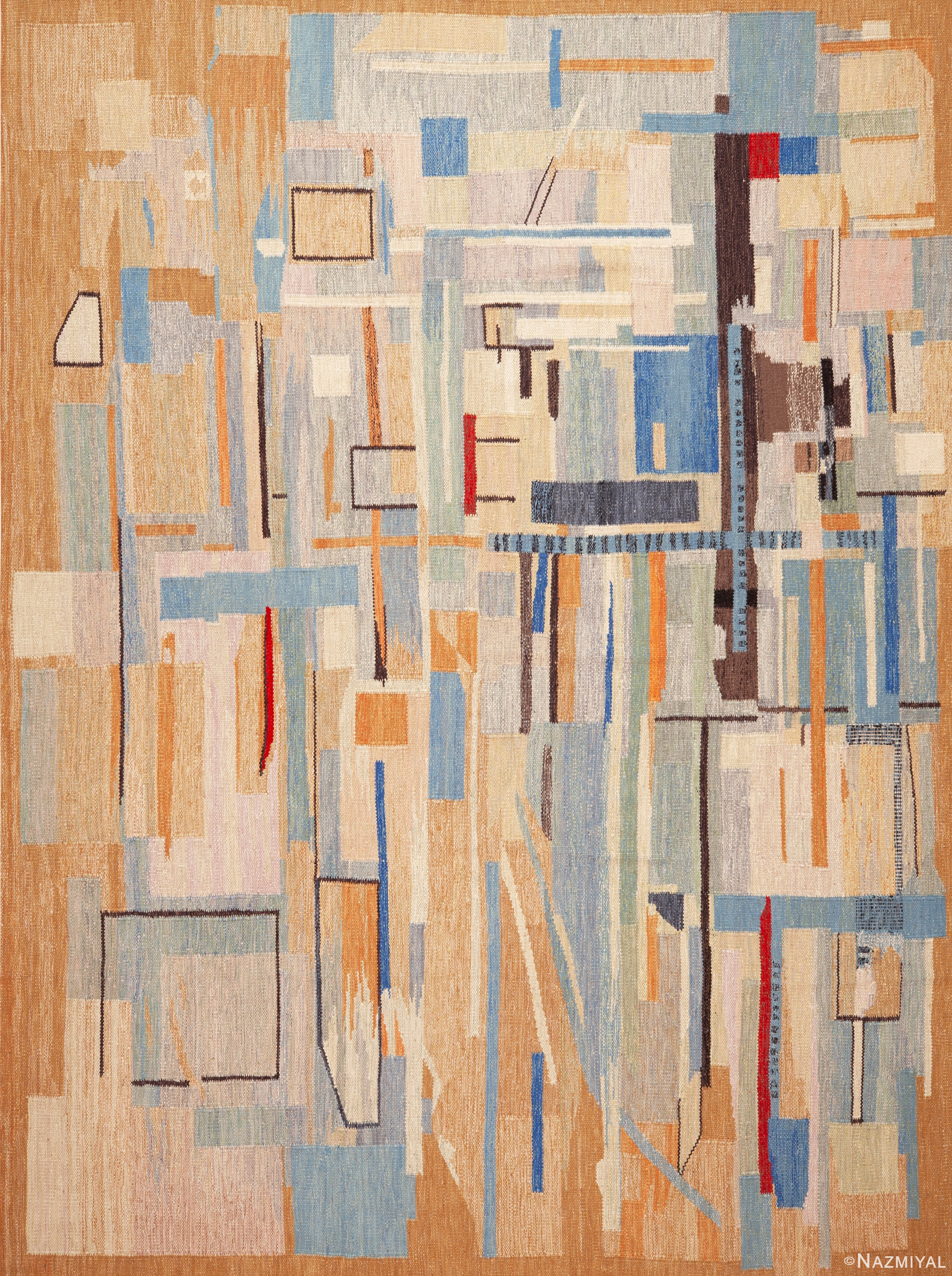
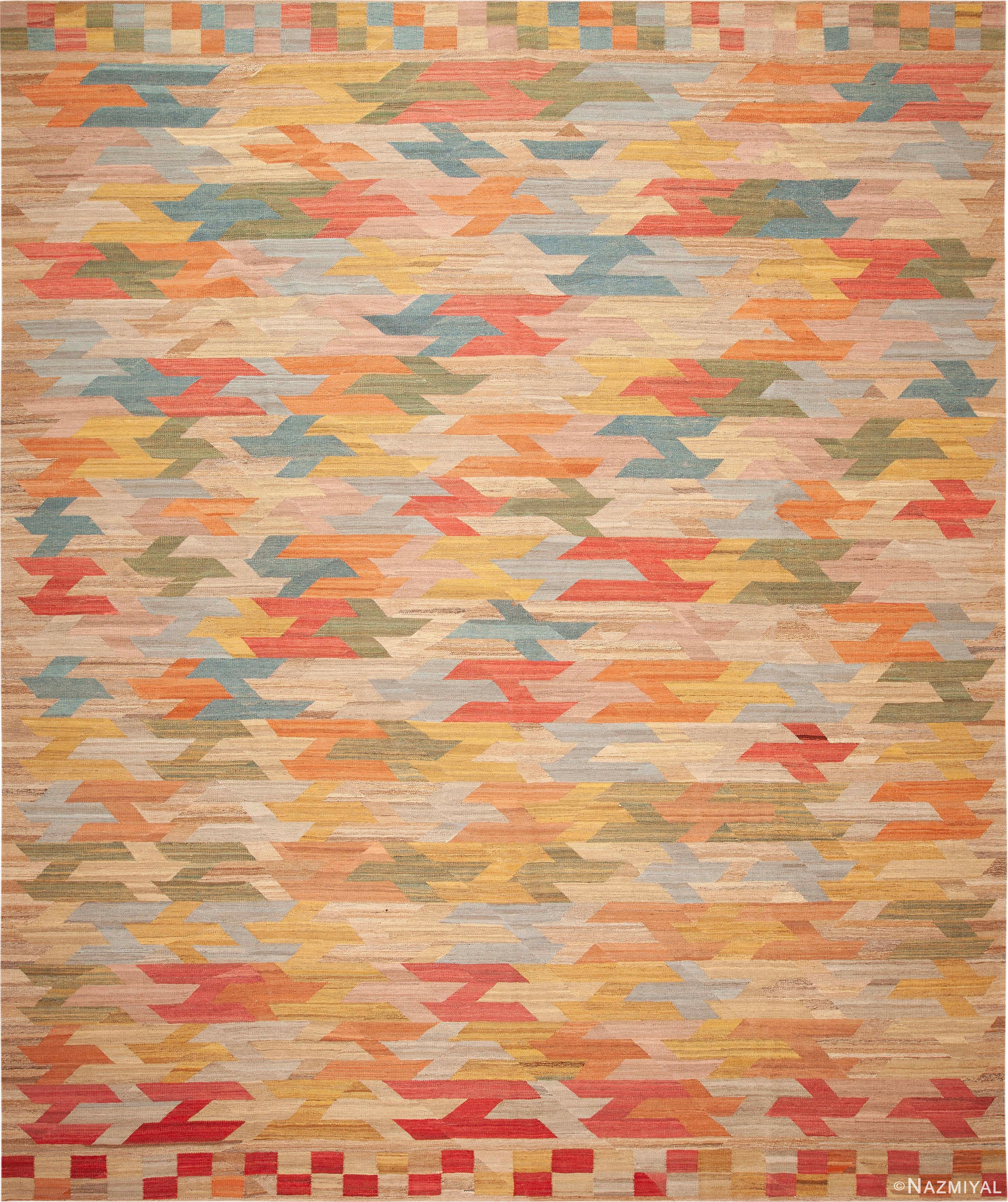
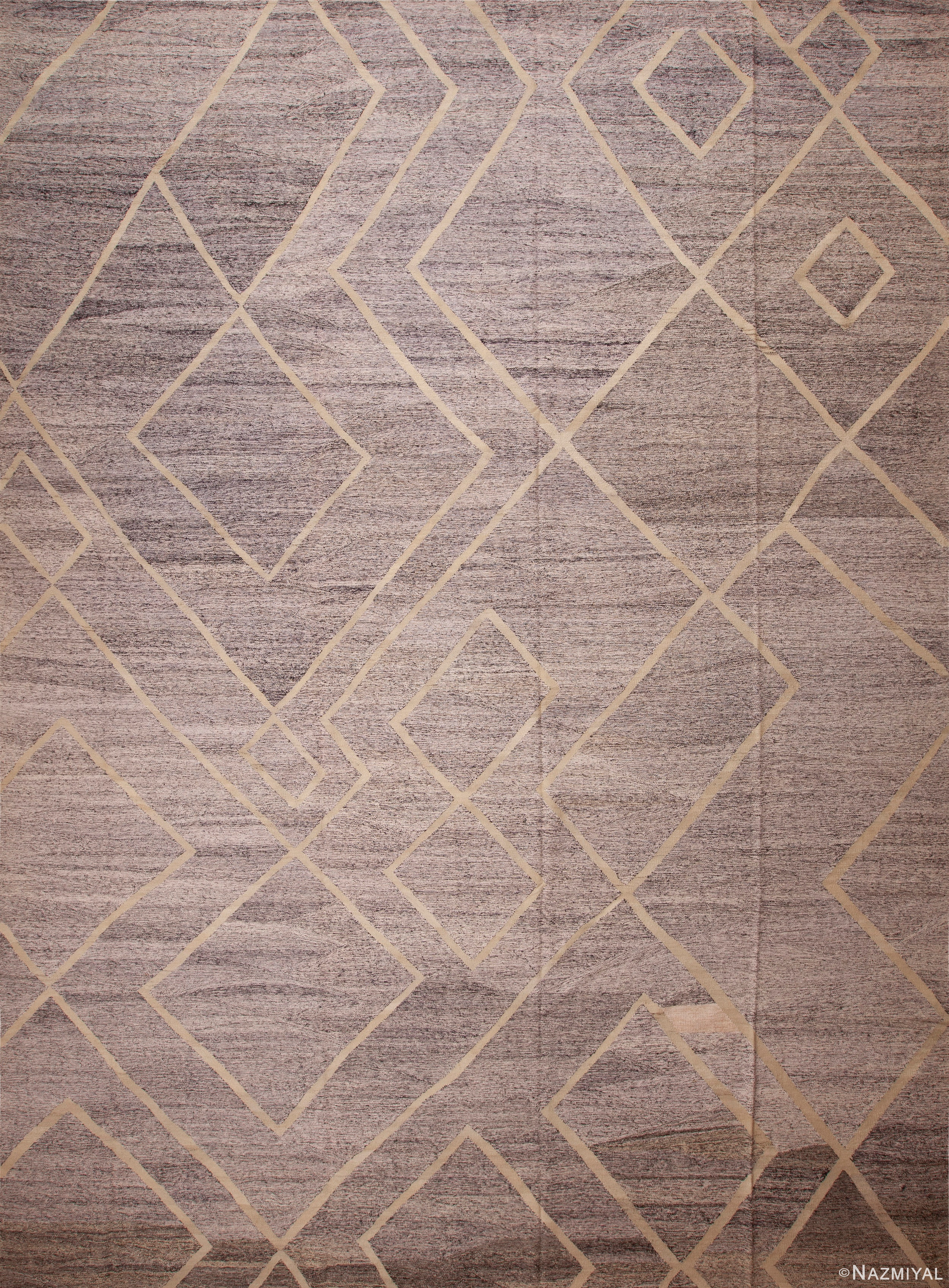
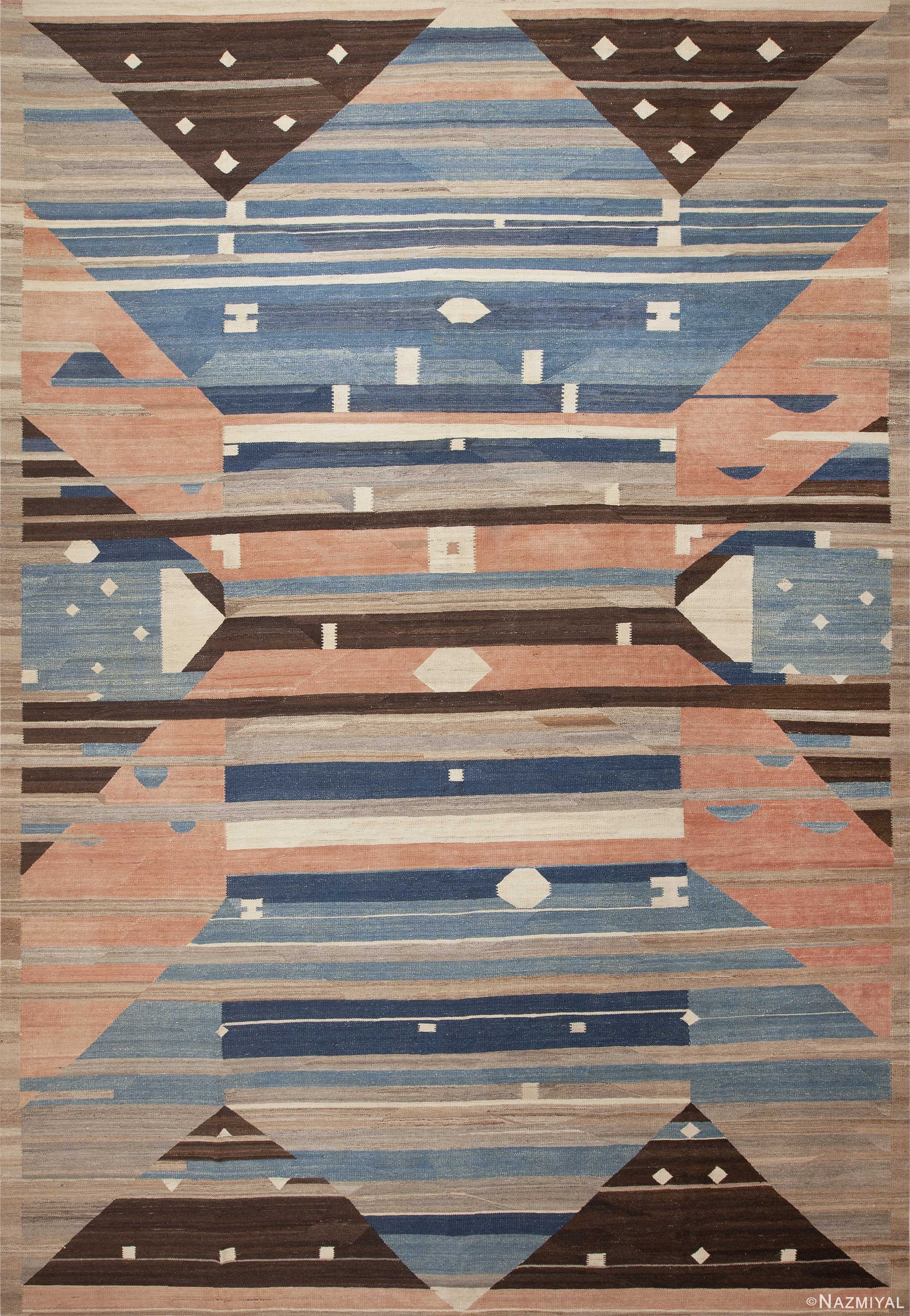
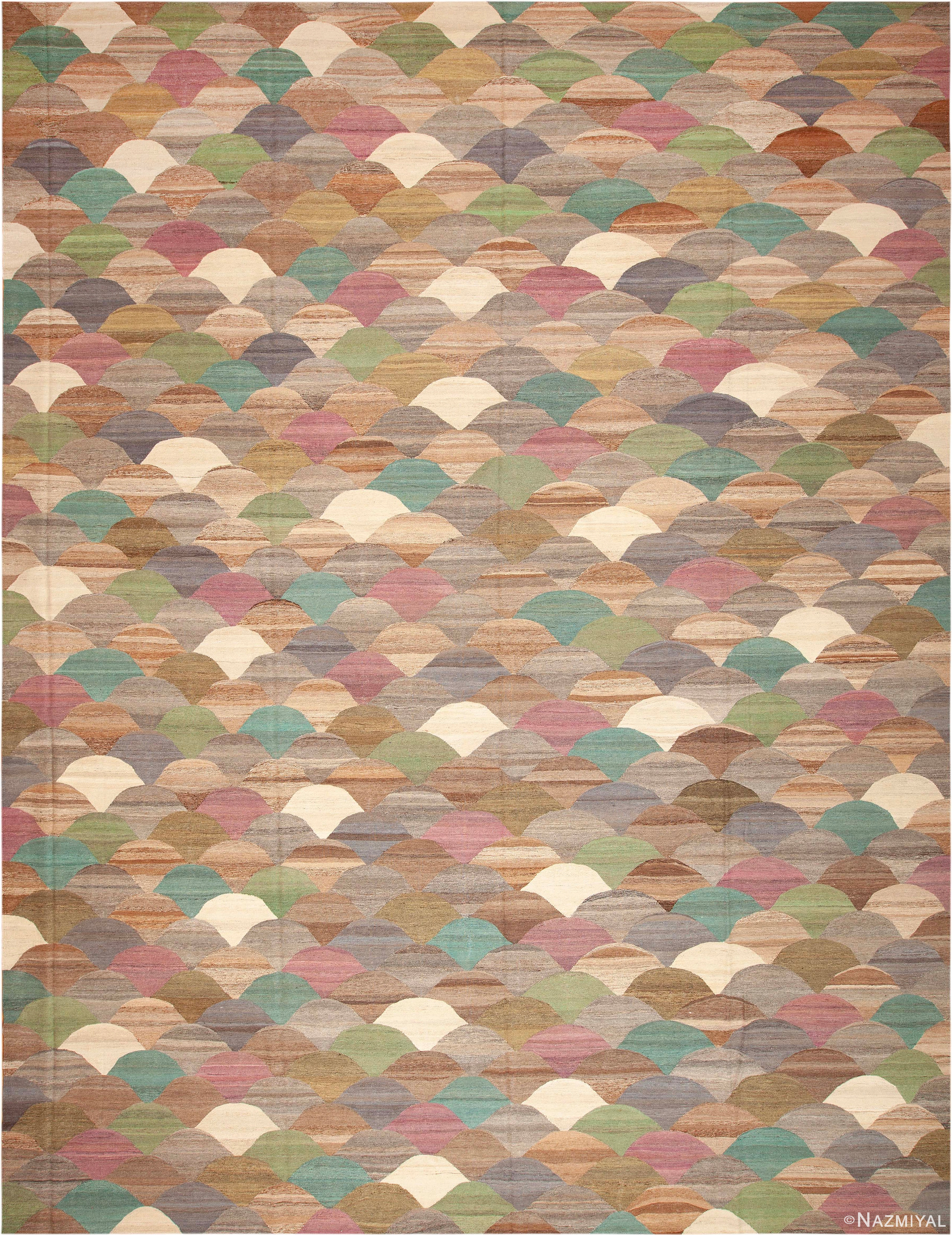
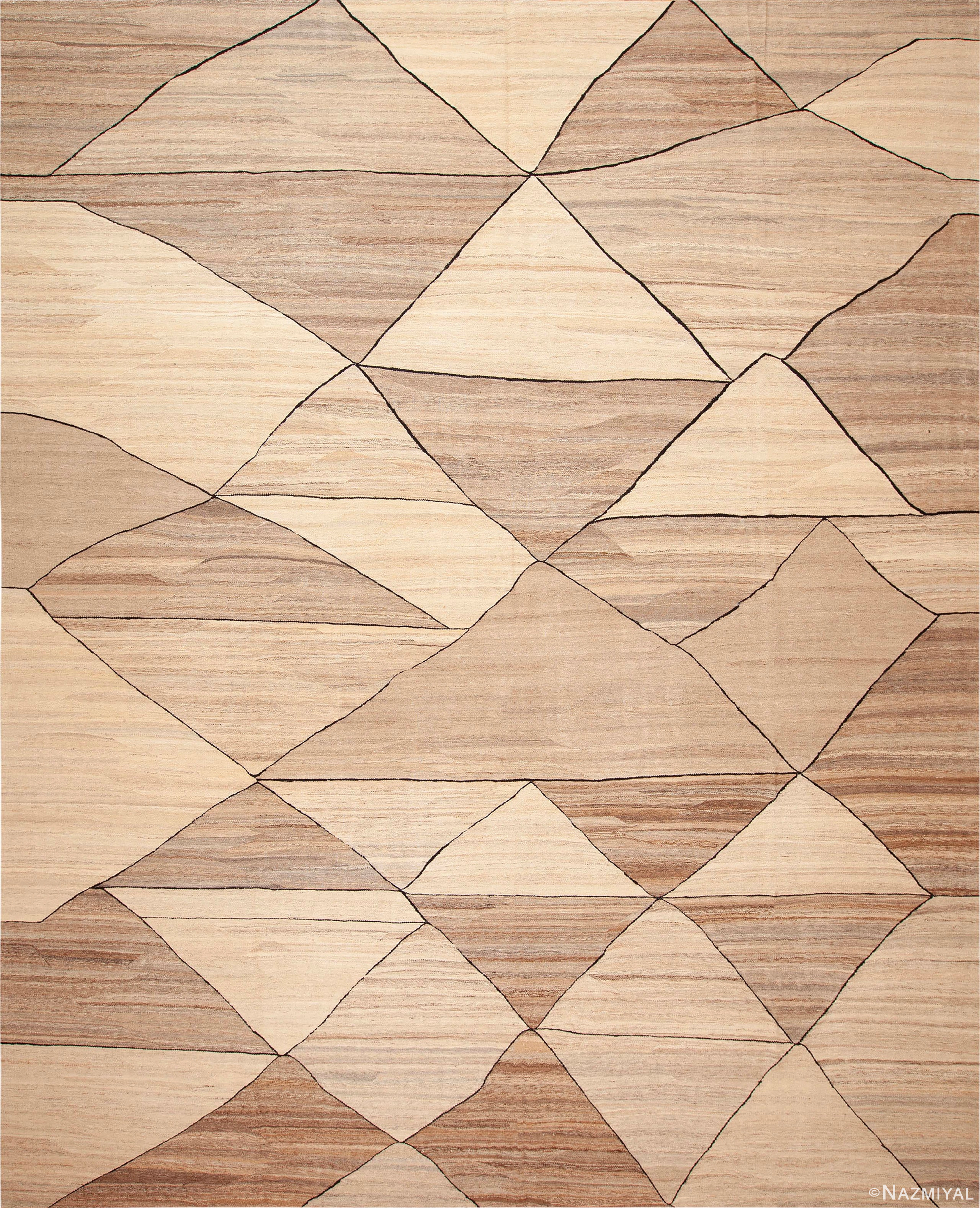
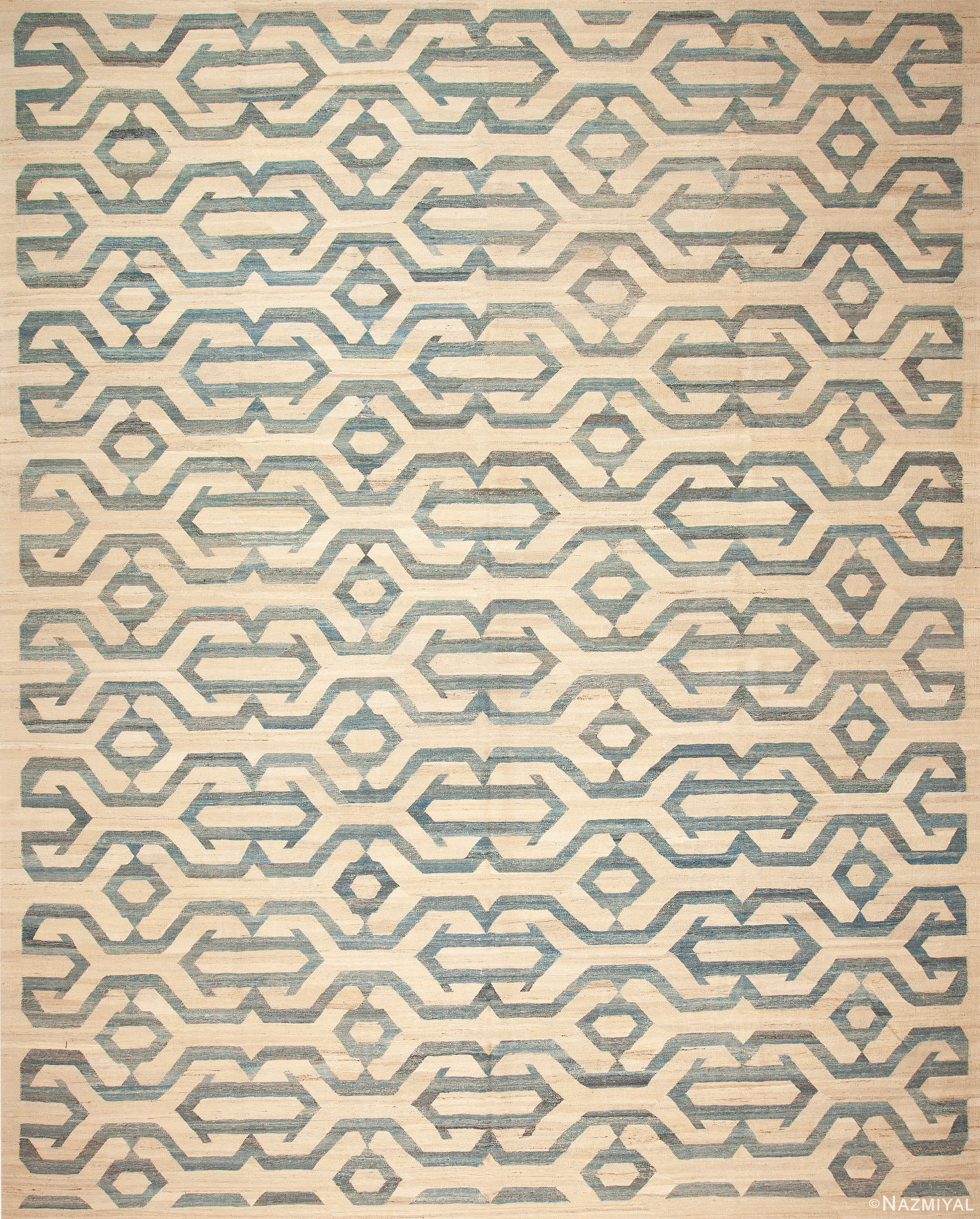
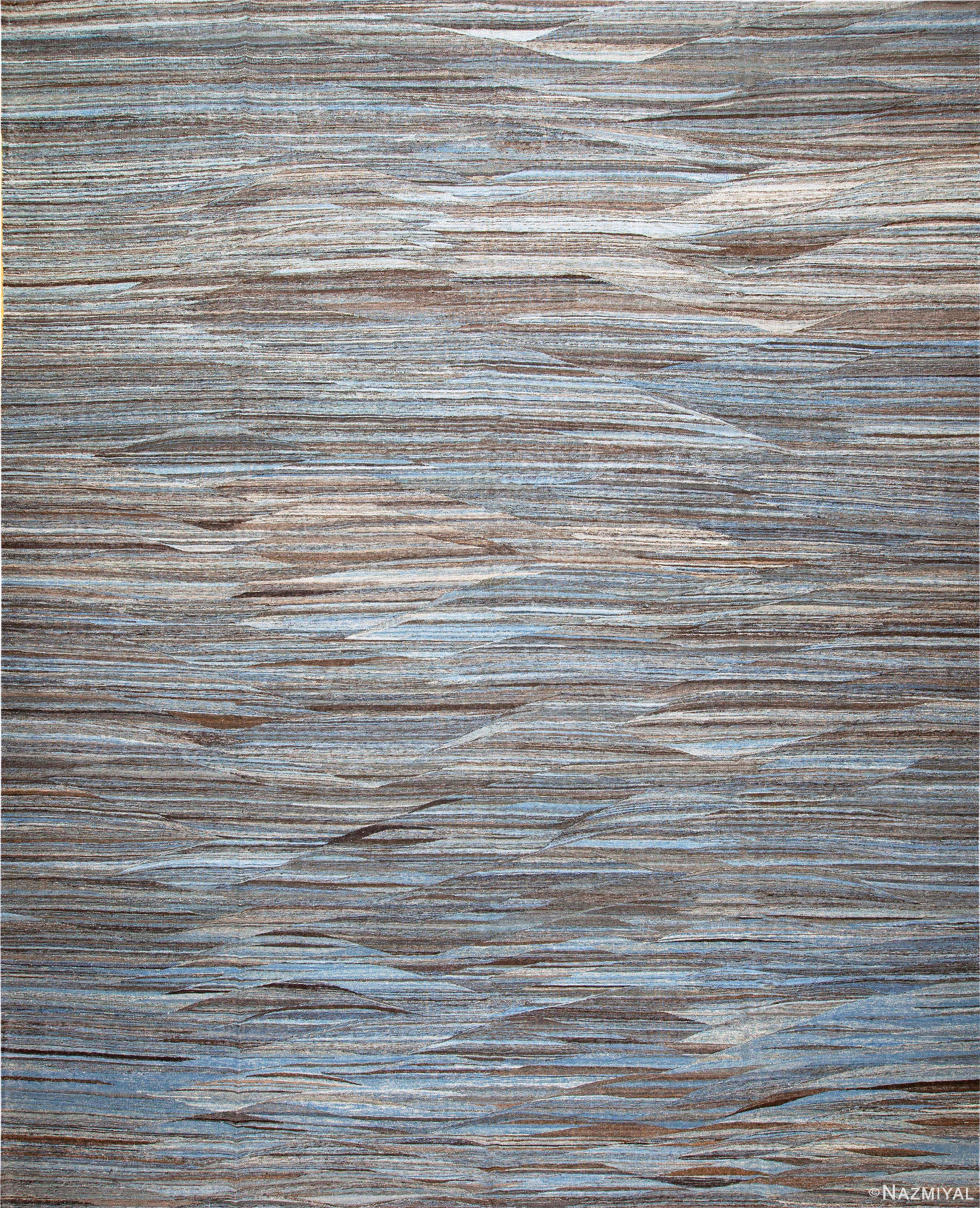
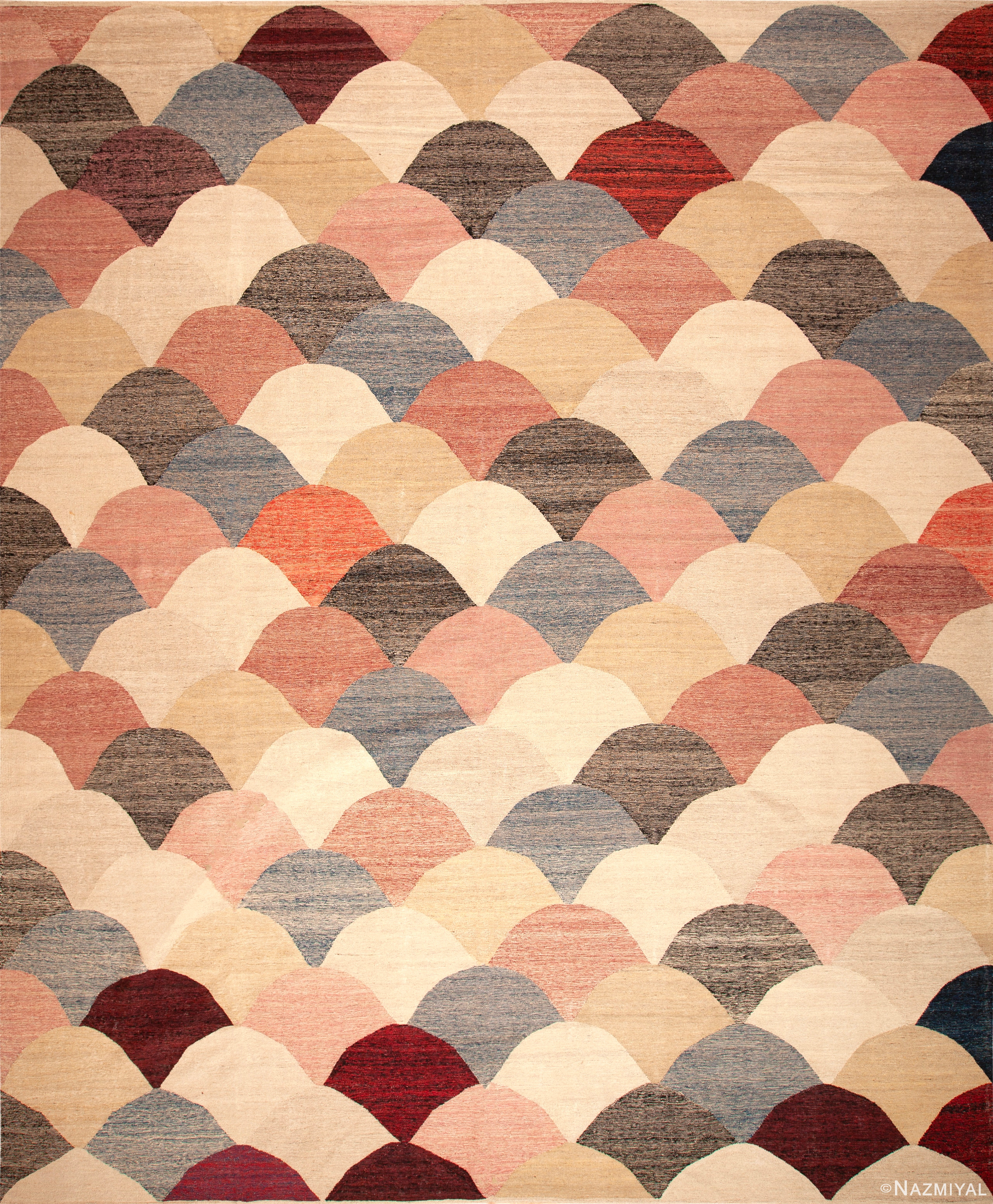
Large Modern Contemporary Kilim Rug 11916
Circa: Modern • Origin: Central Asia • Size: 13 ft 7 in x 17 ft 7 in • SKU: #11916

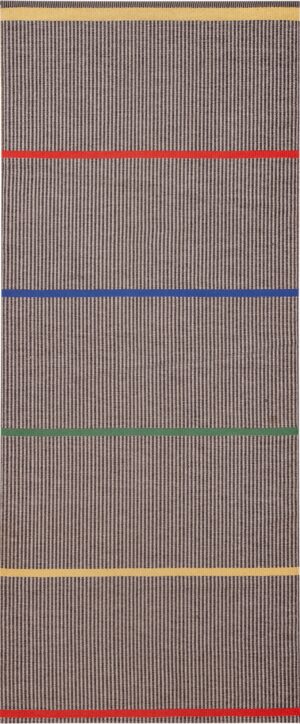
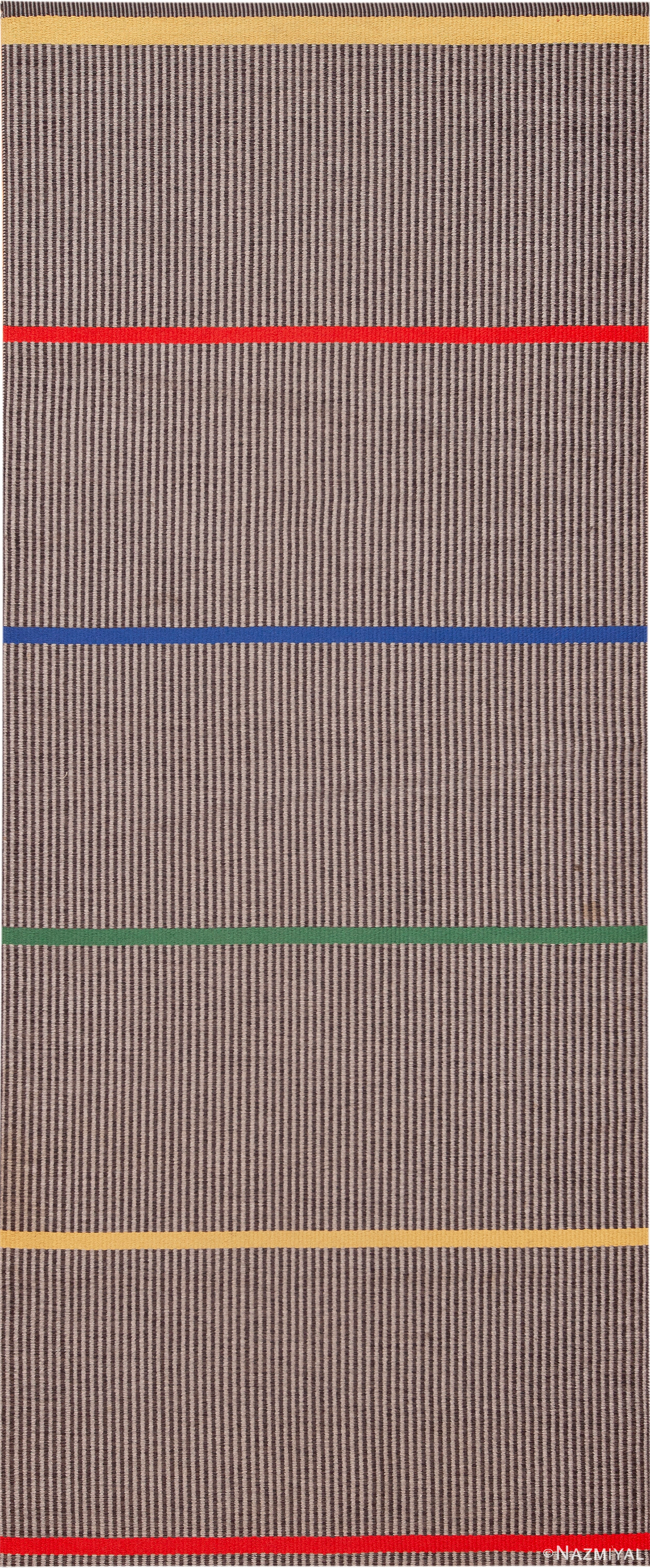
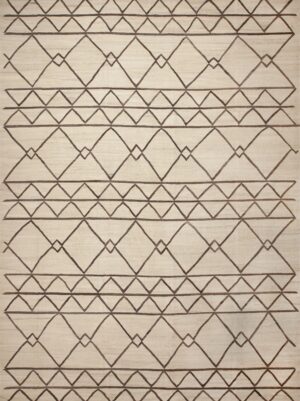
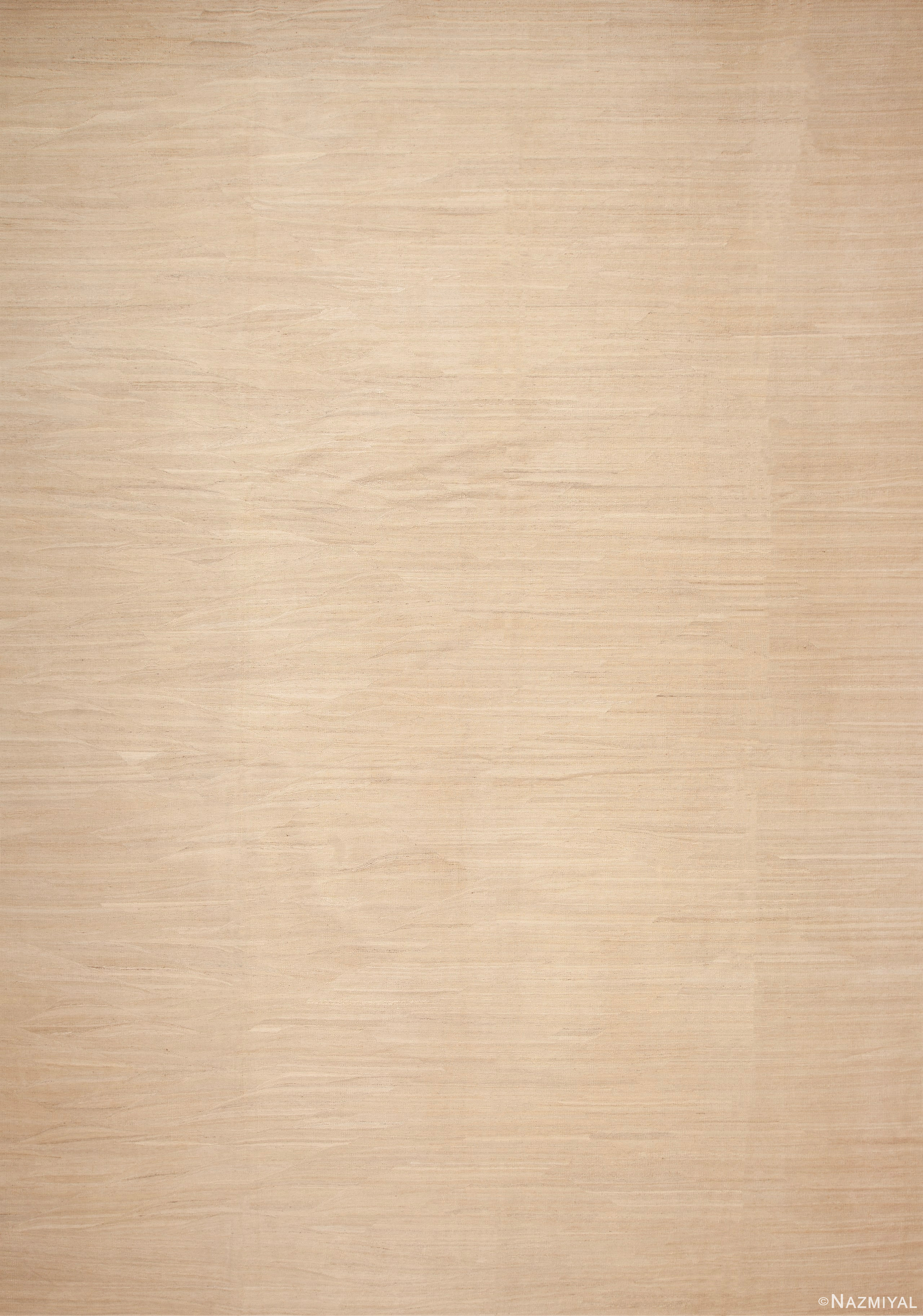
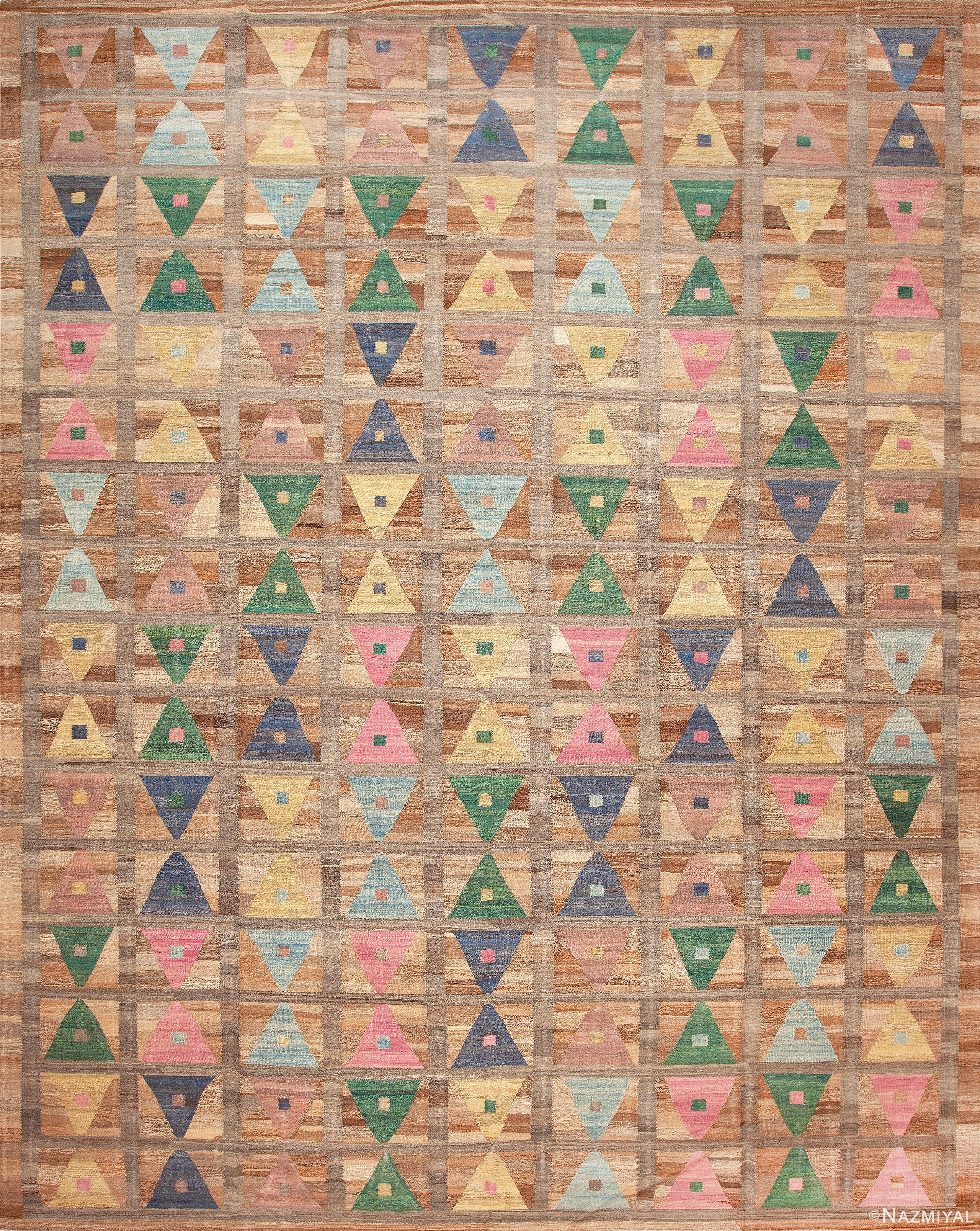
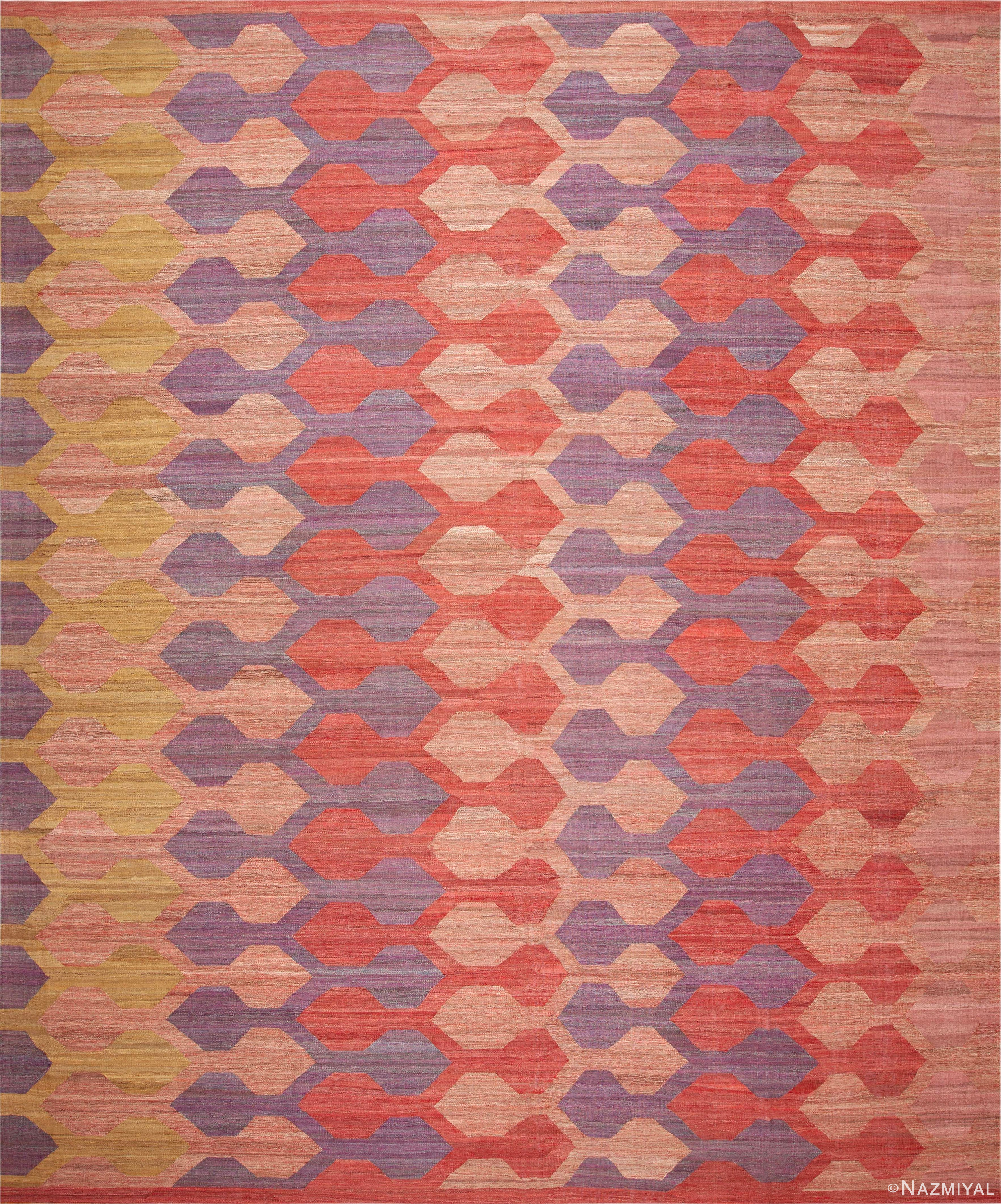
Minimalist Beauty – Modern Contemporary Turkish Kilim Rug 73371
Circa: Modern • Origin: Turkey • Size: 10 ft x 14 ft 3 in • SKU: #73371
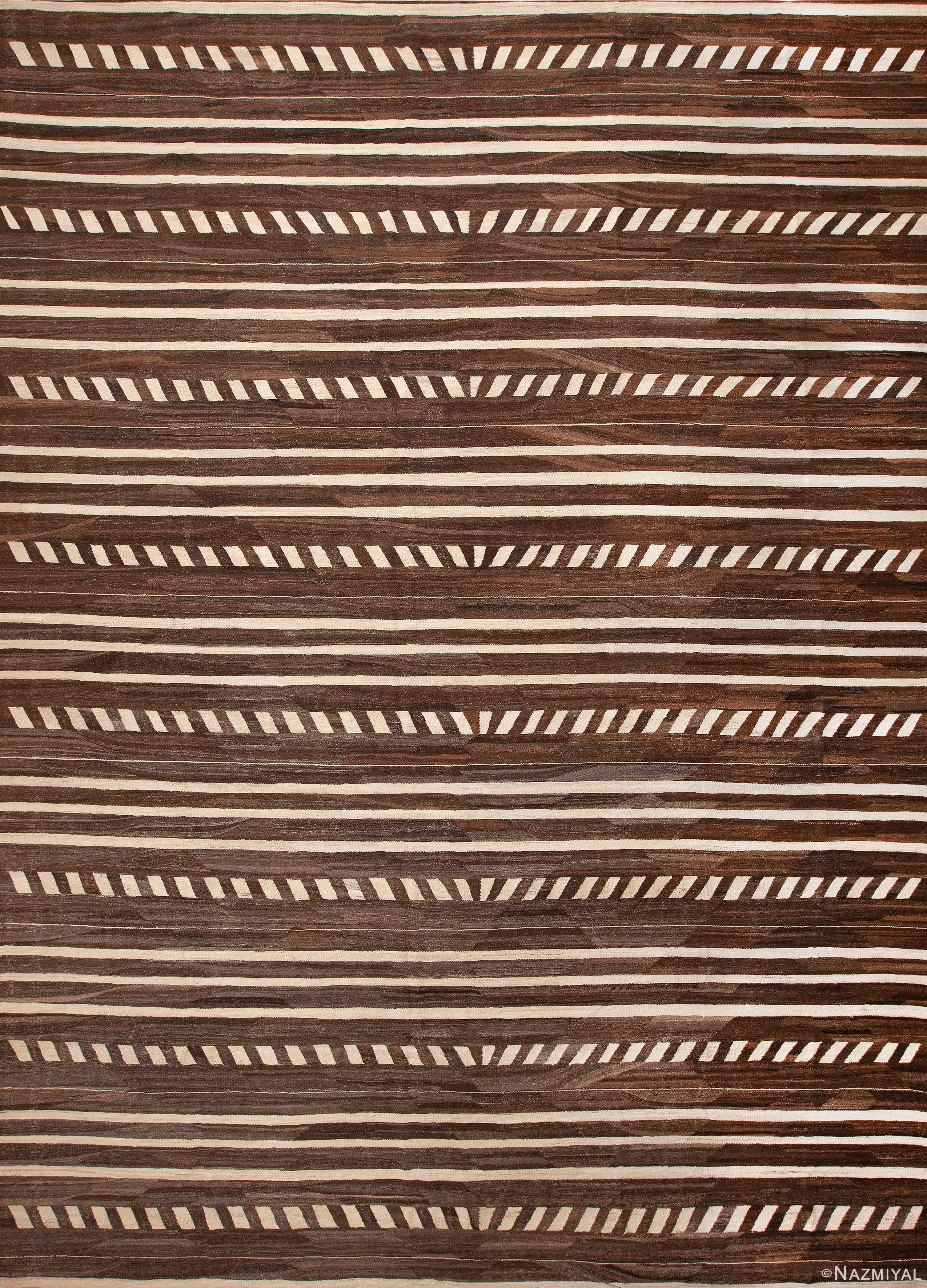
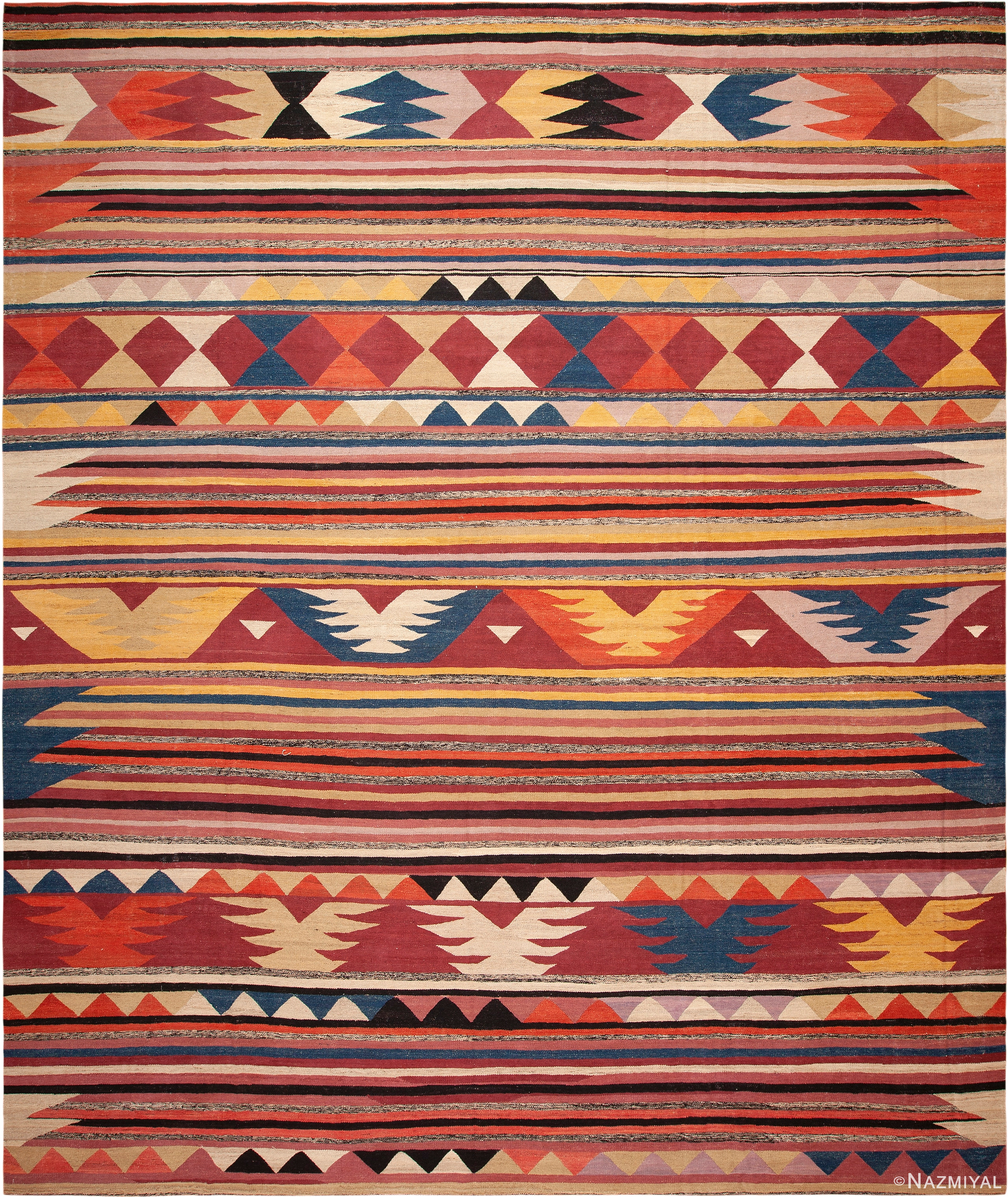
Small Vintage Persian Kilim Rug 60364
Circa: Mid 20th Century • Origin: Persia • Size: 6 ft 2 in x 7 ft 7 in • SKU: #60364
Why Nazmiyal Collection? 3 Pillars of Nazmiyal Collection
When you buy a kilim, the details matter: weave integrity, honest condition, and how the piece will live in your home. Our approach is built on three pillars:
- Unmatched Inventory Depth
- Rigorous Authenticity Standards (expert-vetted & accurately represented)
- Expert Advisory (real guidance on size, placement, and value)
Identification & Construction
What you’re looking at when a kilim “feels flat”
Kilims are built by interweaving warp (vertical) and weft (horizontal) threads—without tying pile knots. That’s why they look crisp and graphic, often with sharp-edged motifs and clean color blocks. Many pieces are reversible, and the pattern is typically visible on both sides (sometimes with slight differences in clarity depending on the weave style).
Edge stability, weave tightness, and the “best kind” of wear
Because kilims are thinner than pile rugs, edges and selvages carry a lot of structural responsibility. Look for stable sides, clean ends, and a weave that feels firm rather than loose. Honest age-related wear can be charming—especially in tribal flatweaves—but the structure should still feel sound and deliberate.
For regional design dialects and collecting context, compare Persian rugs with bold-geometry traditions in Caucasian rugs.
What’s the Difference Between a Rug and a Kilim?
A “rug” usually refers to a textile floor covering in general, but in everyday use it often implies a pile rug (knotted or woven with a raised surface). A kilim is specifically flatwoven, with no pile—so it tends to be lighter, more graphic, and easier to layer.
Decorating & Placement Guidance
Use kilims to add pattern without visual heaviness
Kilims are ideal when you want bold design but don’t want a thick, plush surface. Their flatter profile helps them read as “graphic architecture” in a room—especially in modern, bohemian, and collected interiors.
Layering: the easiest way to make a flatweave feel plush
If you love kilim pattern but want more softness underfoot, layer a smaller kilim over a larger neutral rug. This preserves the kilim’s crisp motif character while giving the room a warmer, more cushioned foundation.
Choosing the era that matches how you live
For time-earned character and collector-grade authenticity, start with antique rugs. For easier day-to-day decorating with patina and variety, explore vintage rugs. For cleaner lines and calmer fields, a modern rug in kilim style can deliver the flatweave look with a simpler composition.
Care & Durability
Are kilim rugs durable?
Generally, yes—especially when the weave is tight and the edges are stable. Because there’s no pile to crush, kilims can be excellent in hallways and dining rooms. In very high-traffic areas, rotate regularly and use a pad to reduce shifting and friction.
Can you vacuum a kilim rug?
Yes. Use gentle suction and avoid aggressive beater bars if your vacuum is very powerful. Pay extra attention to edges and fringes (if present), and avoid catching loose threads.
Do kilim rugs need a rug pad?
A pad is strongly recommended on smooth floors. It improves grip, adds comfort, protects flooring, and helps the kilim lay flatter and look more composed.
Kilim Rugs vs Soumak Rugs
If you’re choosing between a kilim and a close flatweave cousin, start with structure. Soumak rugs are also low-profile, but the wrapping technique can create a subtly raised, corded texture that feels different underfoot.
| Feature | Kilim Rugs | Soumak Rugs |
| Technique | Flatwoven with weft/warp interlacing (no pile) | Flatweave with wefts wrapped around warps (often more texture) |
| Feel | Very flat, crisp, graphic | Low-profile with subtle relief and a “corded” hand |
| Best for | Layering, dining rooms, hallways, modern graphic impact | Pattern clarity with a touch more texture; statement tribal geometry |
| What to prioritize | Tight weave, stable selvages, clean ends | Firm structure, stable edges, sound wrapping on the back |
If your priority is plushness and warmth, a pile rug may be the better match—but if you want crisp geometry and a lighter profile, kilims and soumaks are often the most practical textile-forward options.
Closest Cousins
- Soumak rugs — a close flatweave cousin with a subtly raised, corded surface.
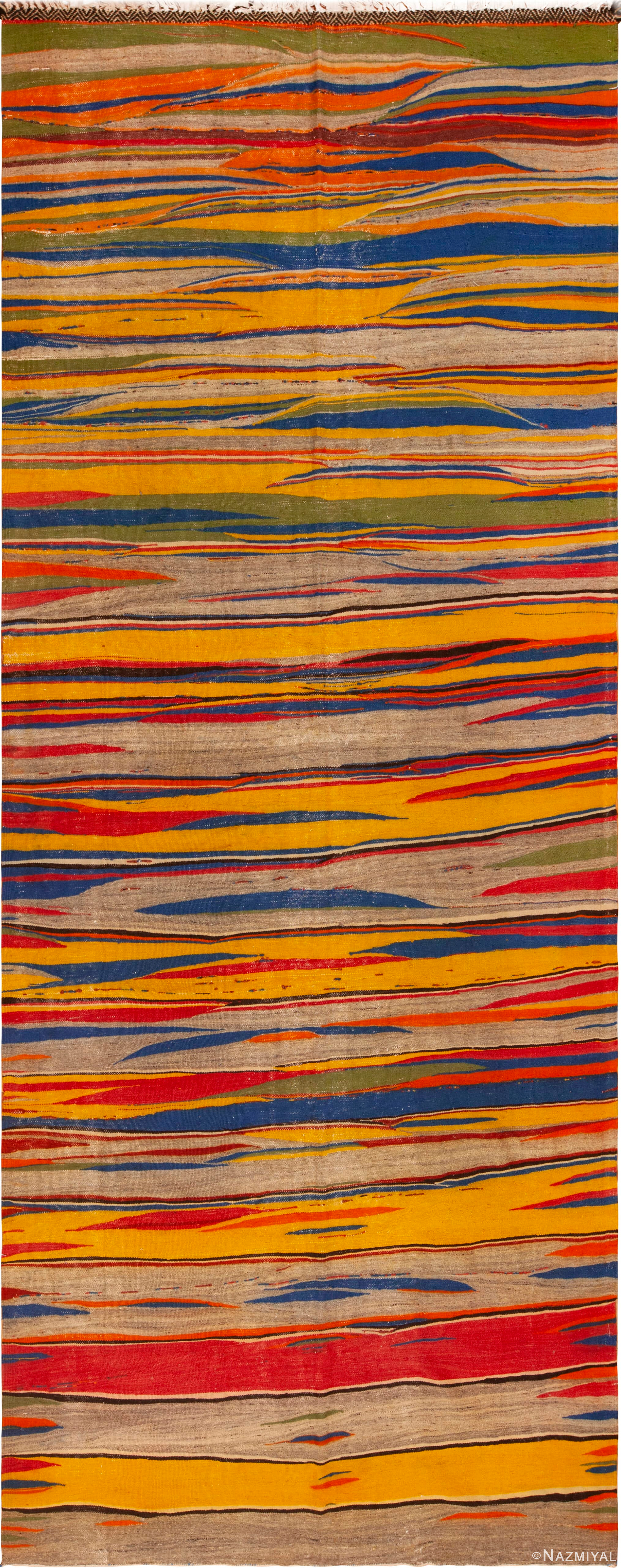
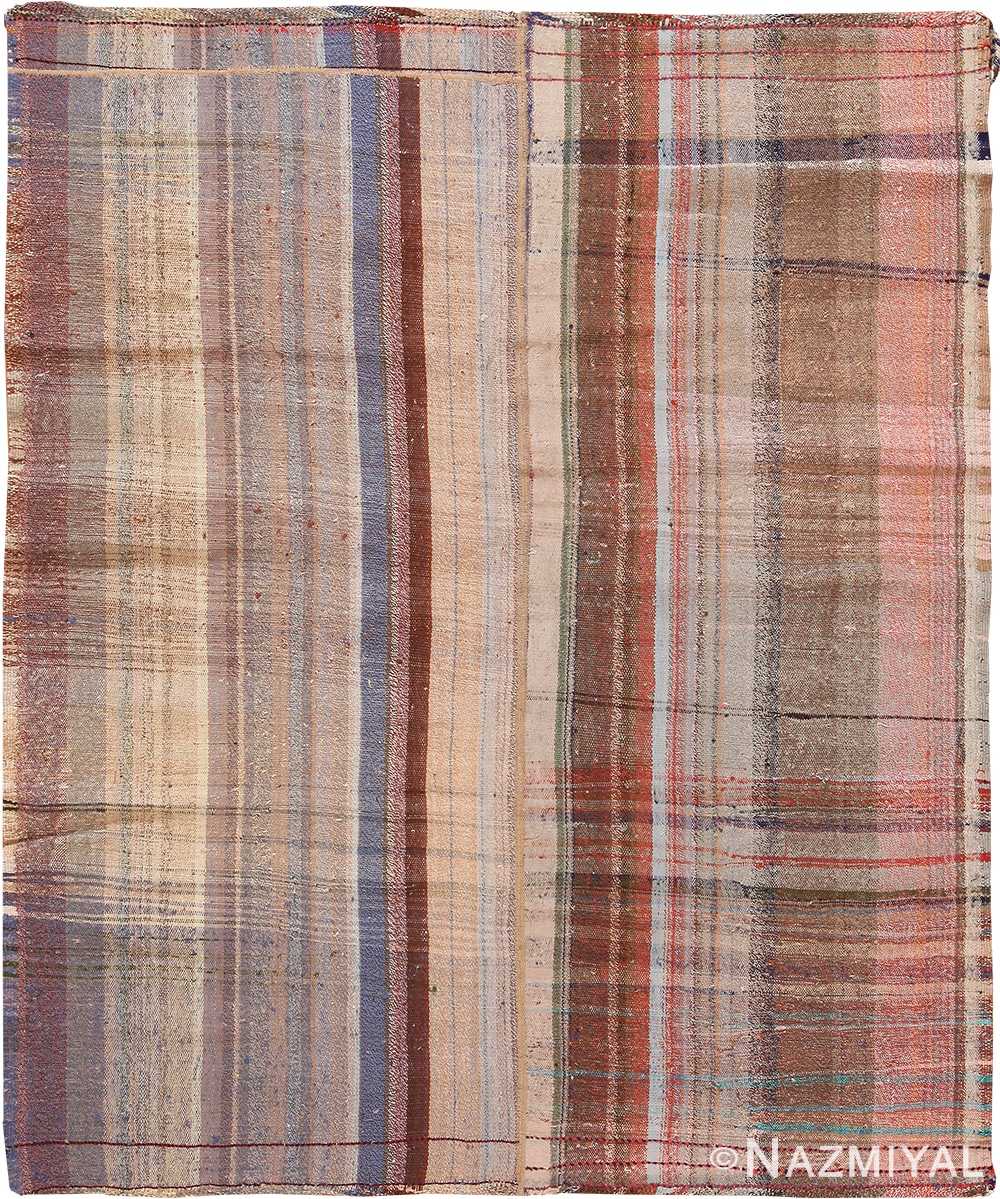
- Flat woven Persian jajims — stripe-forward flatweaves with their own regional structure and design dialect.
Glossary
- Flatweave: A textile made by interweaving warp and weft without pile knots.
- Warp / weft: Warp threads run lengthwise; weft threads are woven across them to build structure and pattern.
- Selvage: The finished side edge that helps keep the weave stable.
- Reversible: Many kilims can be flipped, since the design is formed by the weave rather than pile.
For more definitions, see the rug glossary.
FAQ
Are kilim rugs handmade?
Many kilims are handwoven on looms, though construction can vary by region and period. The defining feature is that they are flatwoven (no knotted pile).
Do kilims work in high-traffic areas?
They can—especially tighter weaves with stable edges. Use a pad, rotate regularly, and keep the rug lying flat for best results.
Why do kilims look more “graphic” than pile rugs?
Because the pattern is formed by color changes in the woven threads rather than by pile knots, motifs often resolve with sharper, more geometric edges.
Do kilim rugs need a pad?
A pad is strongly recommended. It reduces slipping, adds comfort, protects the floor, and helps the kilim look more composed.
What’s a good first kilim if I’m new to flatweaves?
Start with a medium-contrast piece in a practical size (a runner or a room-size rug), and build the room’s accents from one or two colors pulled from the kilim.
Nazmiyal White-Glove Service
We make it easy to shop with confidence—whether you’re choosing a single statement piece or curating a full room.
Nazmiyal Collection has been a trusted source for antique rugs and vintage carpets for over 45 years. Our NYC gallery curates one-of-a-kind pieces with an emphasis on authenticity, provenance, and lasting decorative value.
Need help? Call us at (212) 545-8029 or visit our New York City showroom to work with a rug expert.


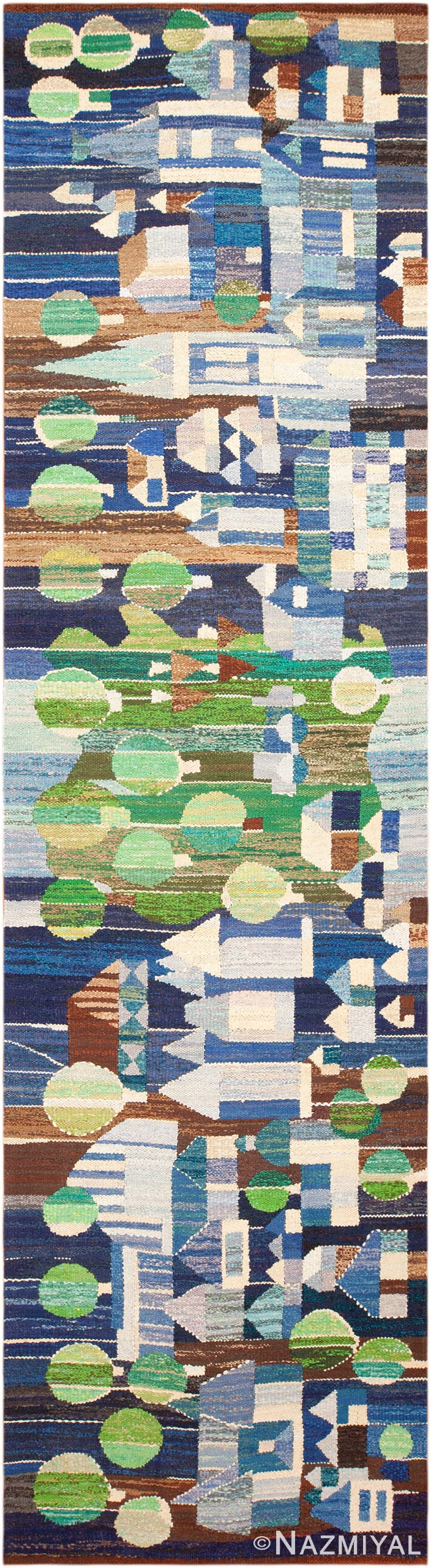
 Size: 3 ft 9 in x 9 ft 3 in (1.14 m x 2.82 m)
 Size: 13 ft 4 in x 16 ft (4.06 m x 4.88 m)
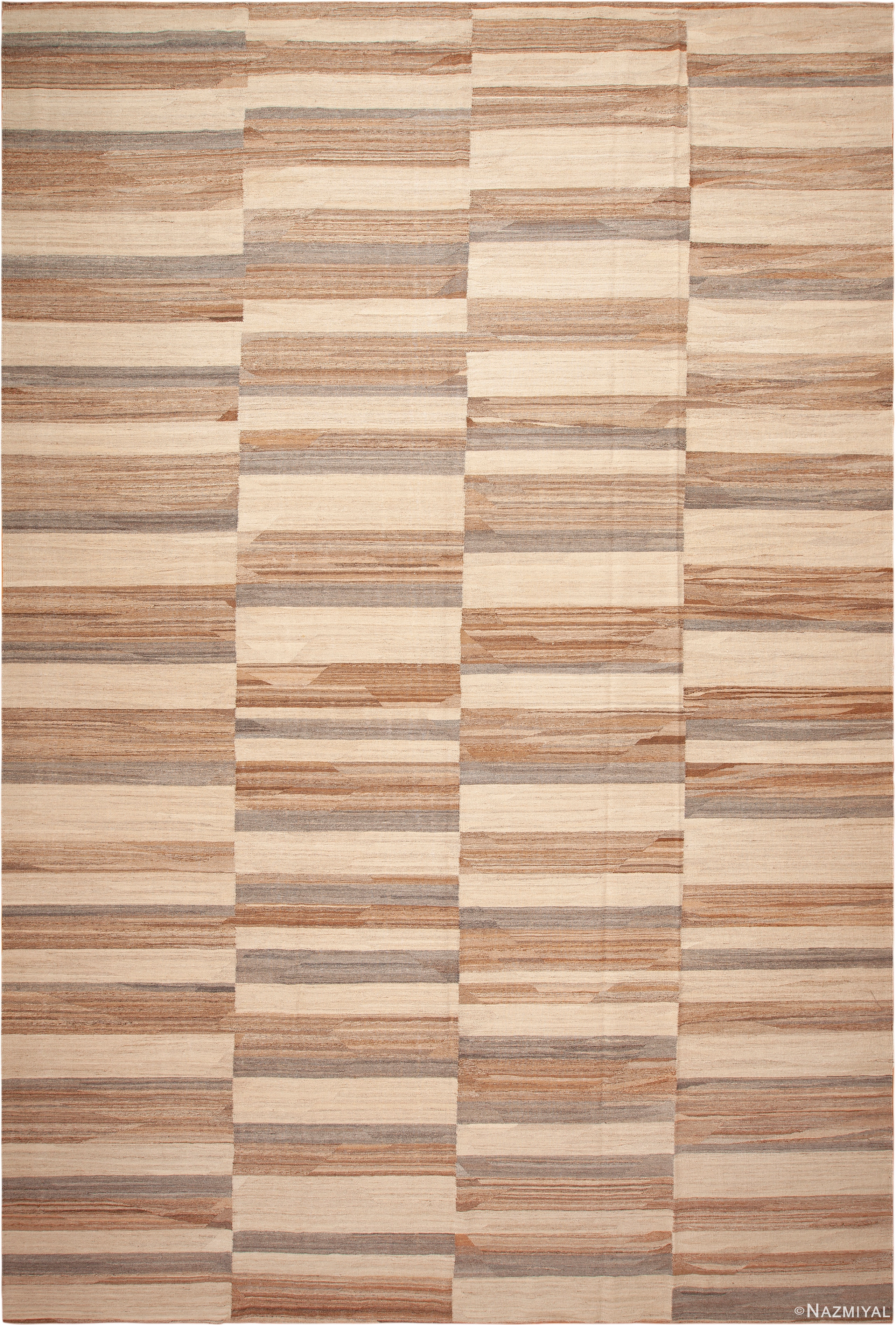
 Size: 17 ft 5 in x 34 ft (5.31 m x 10.36 m)
 Size: 4 ft 5 in x 20 ft (1.35 m x 6.1 m)
 Size: 5 ft x 19 ft 4 in (1.52 m x 5.89 m)
 Size: 14 ft 4 in x 19 ft 1 in (4.37 m x 5.82 m)
 Size: 13 ft 1 in x 19 ft (3.99 m x 5.79 m)
 Size: 13 ft 2 in x 19 ft (4.01 m x 5.79 m)
 Size: 13 ft 7 in x 17 ft 7 in (4.14 m x 5.36 m)
 Size: 12 ft 4 in x 17 ft 6 in (3.76 m x 5.33 m)
 Size: 12 ft 9 in x 16 ft 9 in (3.89 m x 5.11 m)
 Size: 13 ft 6 in x 16 ft 1 in (4.11 m x 4.9 m)
 Size: 13 ft 3 in x 16 ft (4.04 m x 4.88 m)
 Size: 13 ft x 16 ft (3.96 m x 4.88 m)
 Size: 13 ft x 16 ft (3.96 m x 4.88 m)
 Size: 13 ft 2 in x 15 ft 11 in (4.01 m x 4.85 m)