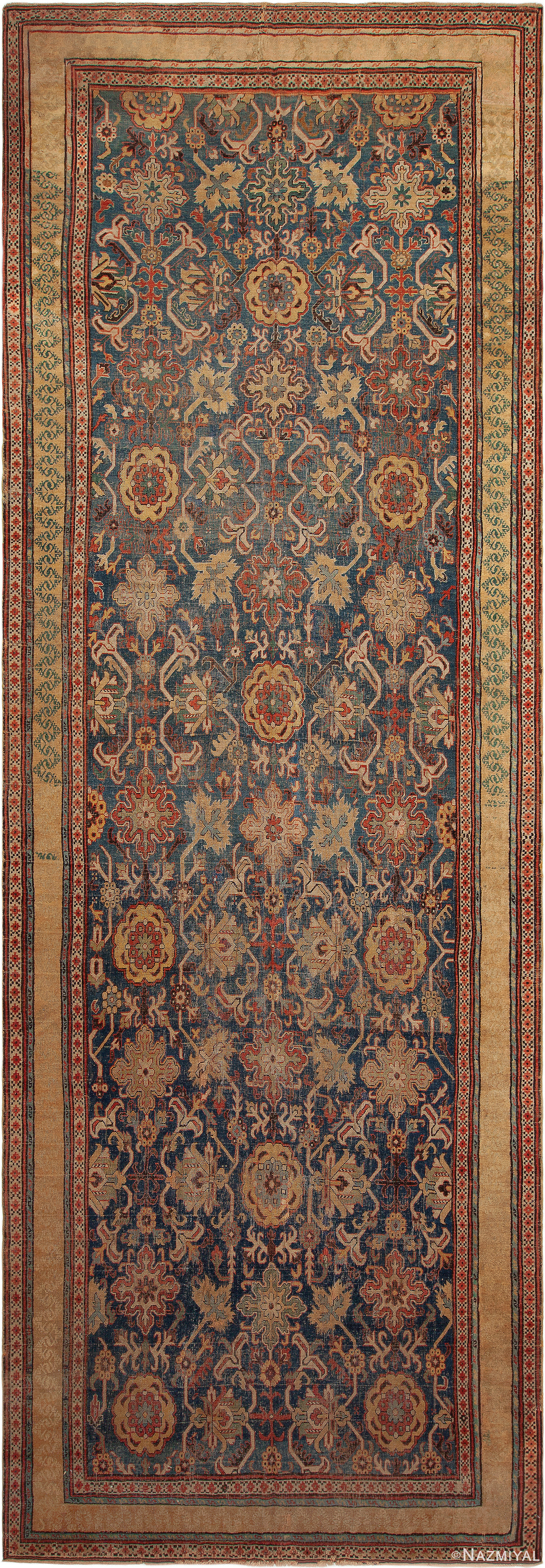
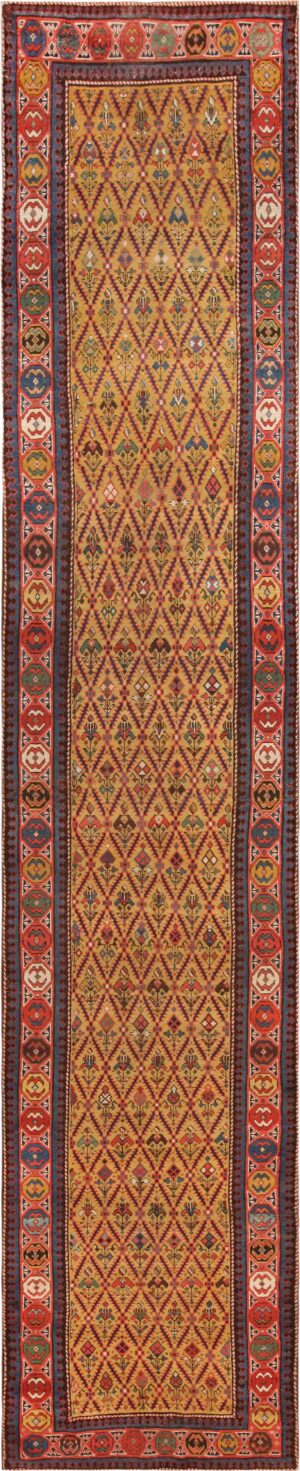
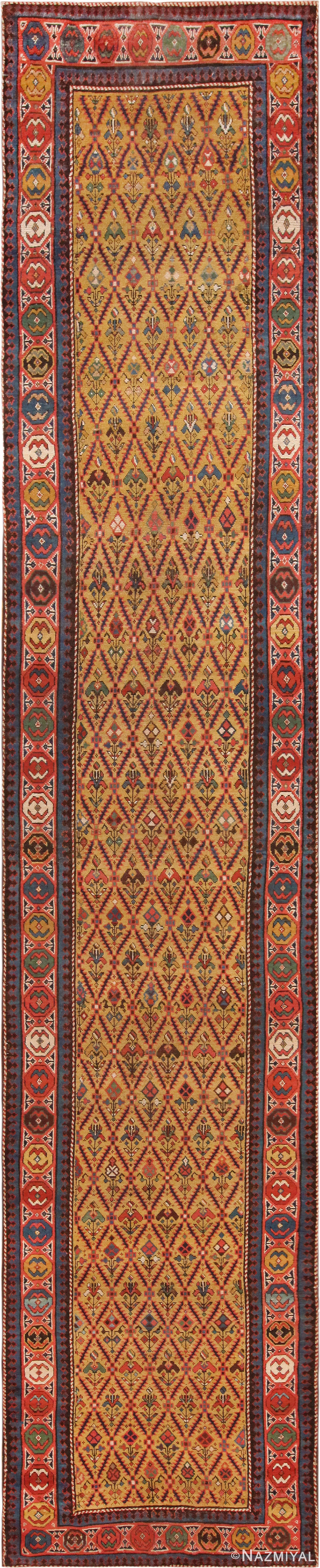
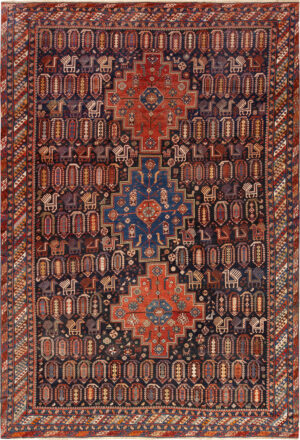
Antique Kazak, Shirvan, Karabagh and Kuba Rugs with Bold Tribal Geometry
Caucasian rugs are hand-knotted wool carpets from the Caucasus region, prized for bold tribal geometry, symbolic motifs, and high-contrast palettes.
Caucasian rugs are among the most graphic antique tribal carpets—confident geometry, crisp borders, and saturated color that still feels modern a century later. Woven across the Caucasus (Azerbaijan, Armenia, Georgia, Dagestan, and surrounding districts), these rugs translate symbols into design: stars, rosettes, hooked forms, and prayer layouts that read like floor art. At Nazmiyal Collection, we curate and authenticate standout examples within our Antique Rugs inventory so you can shop the current selection below and choose the right scale, palette, and weaving character for your space.
Updated February 16, 2026 • Reviewed by Jason Nazmiyal
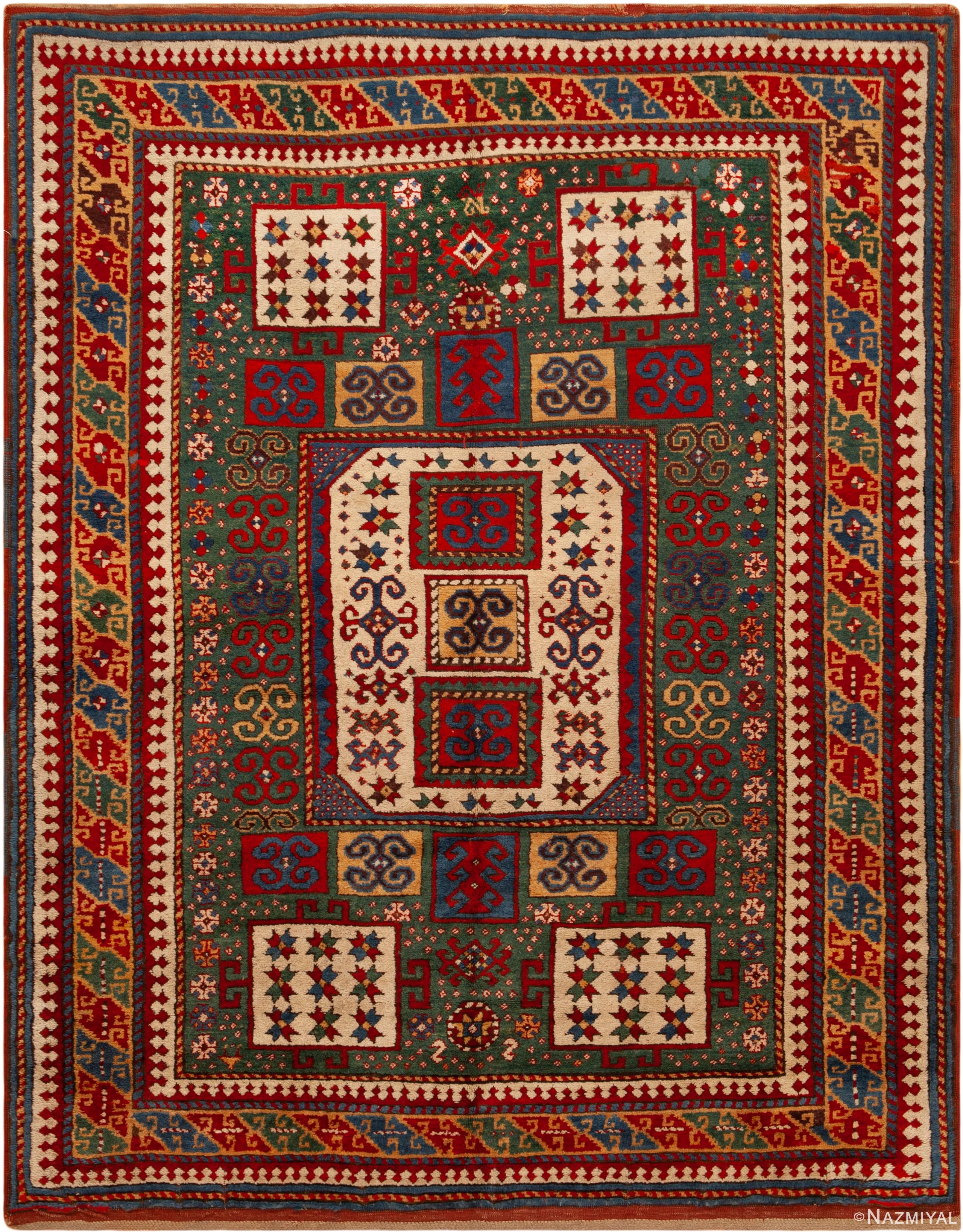
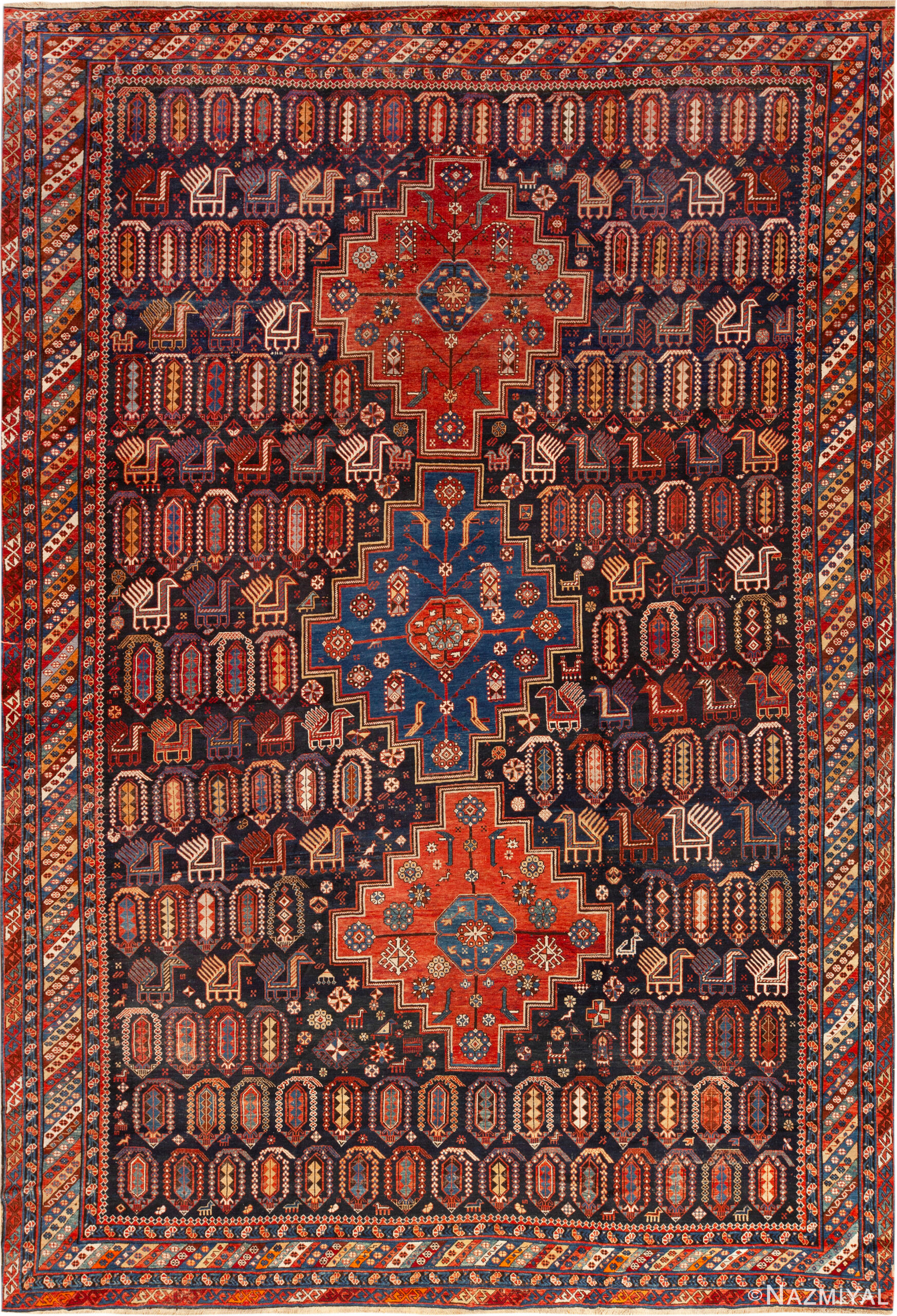
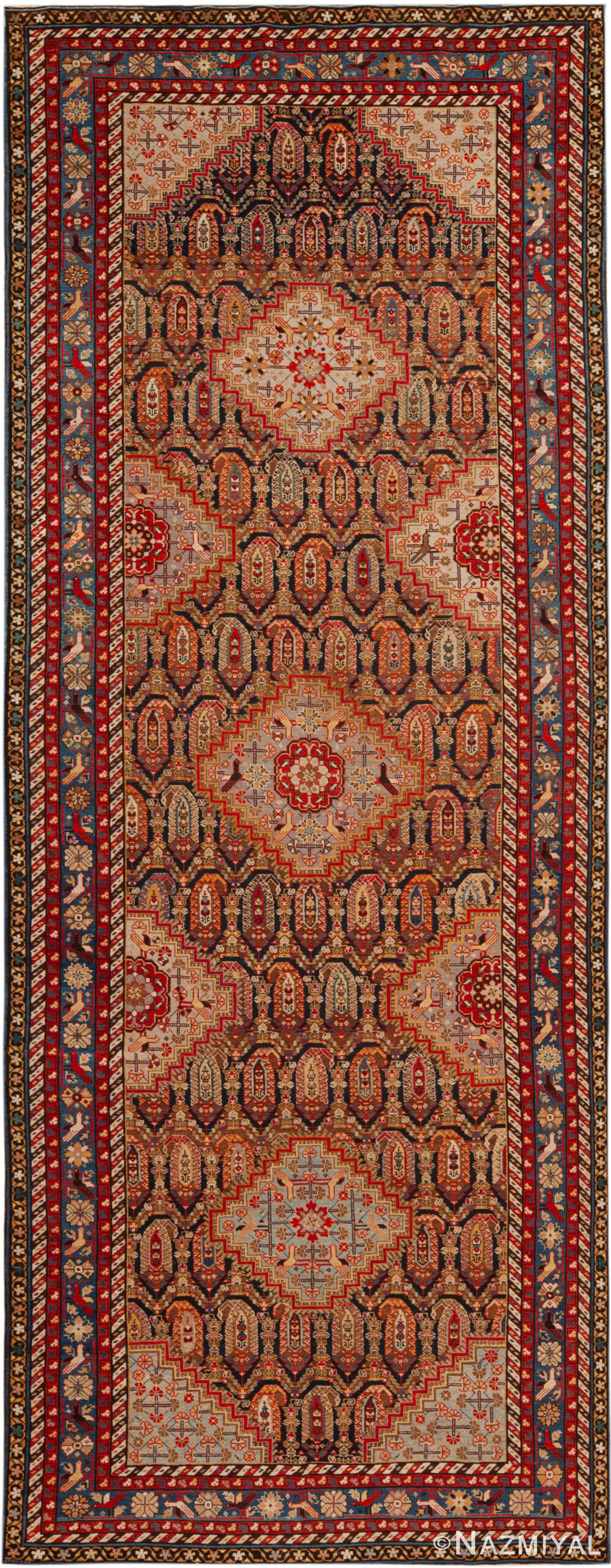
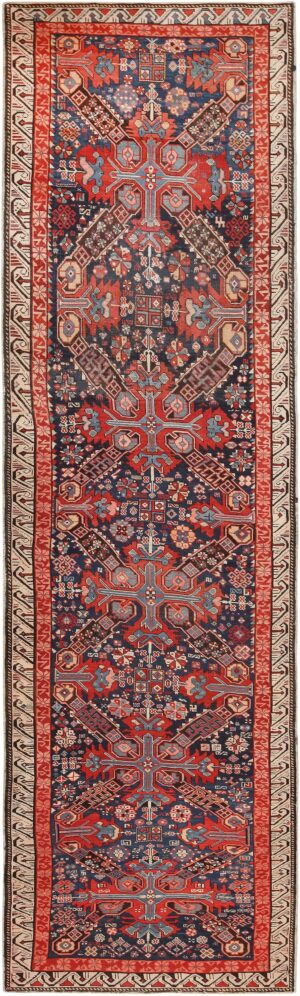
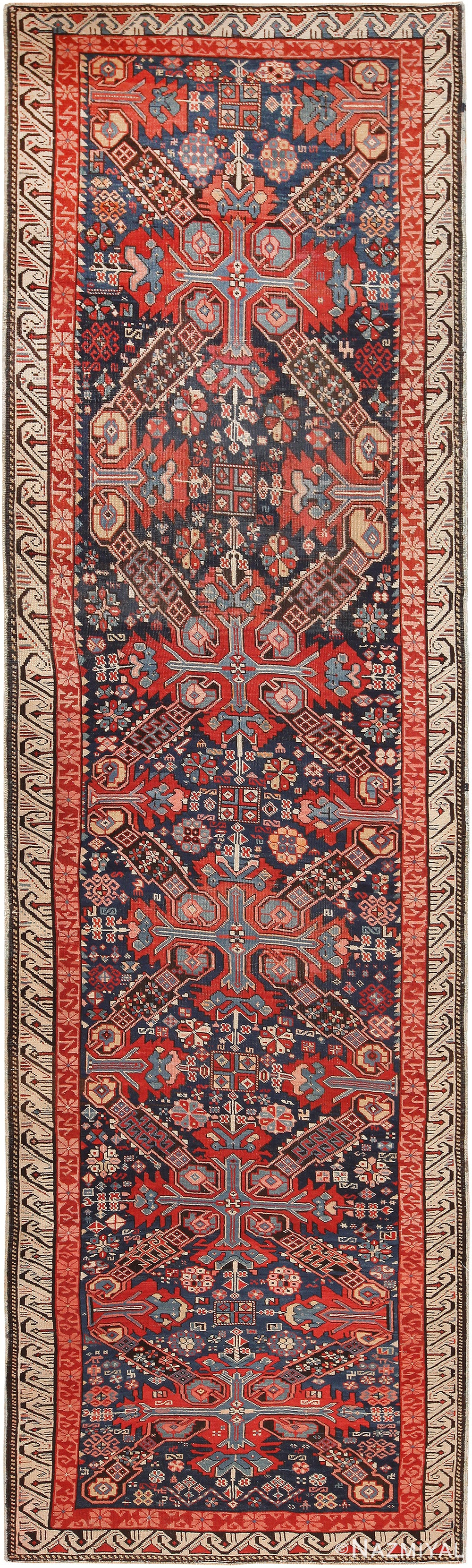
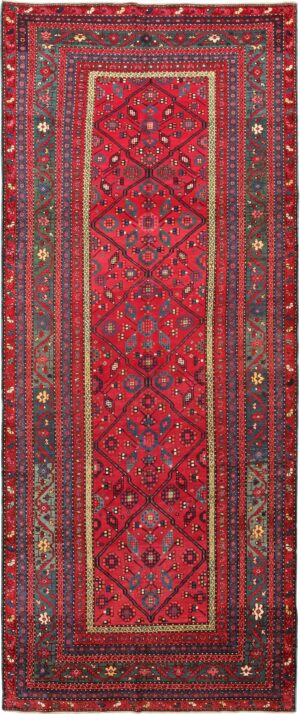
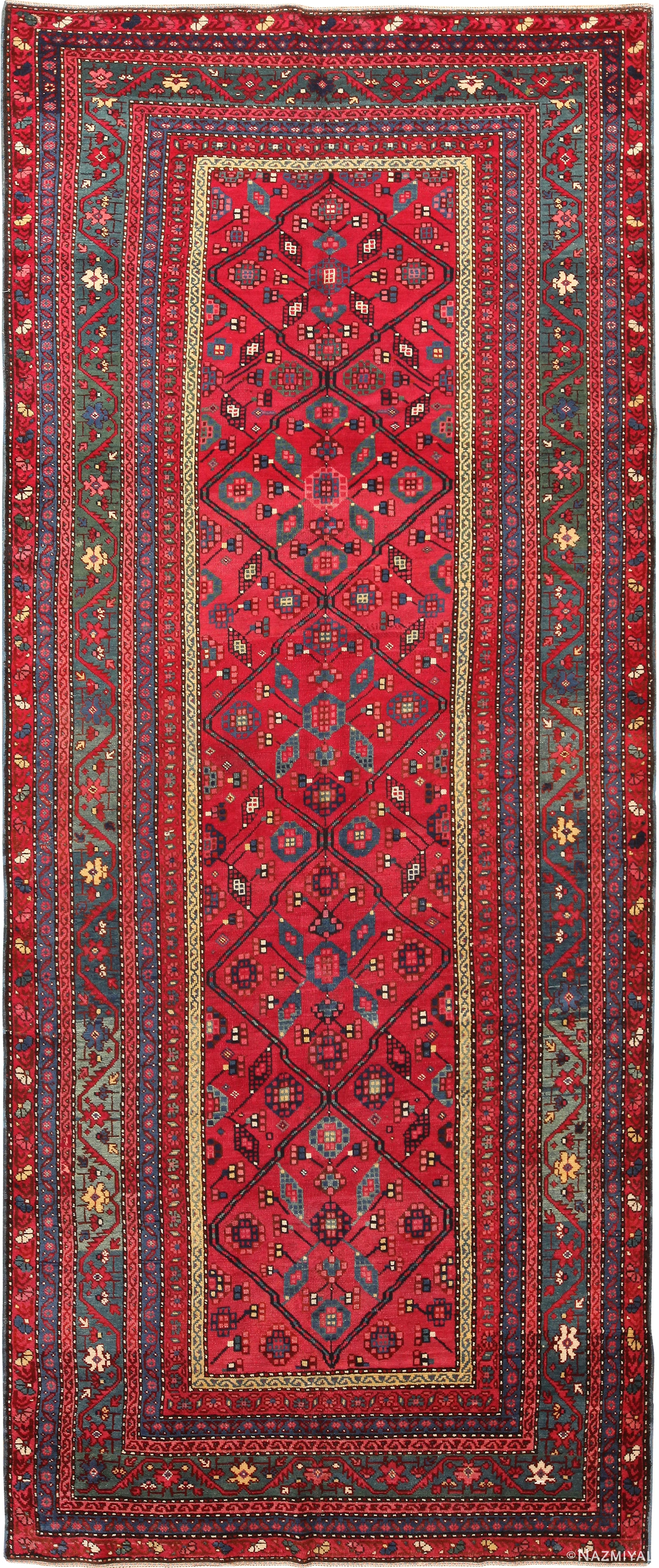
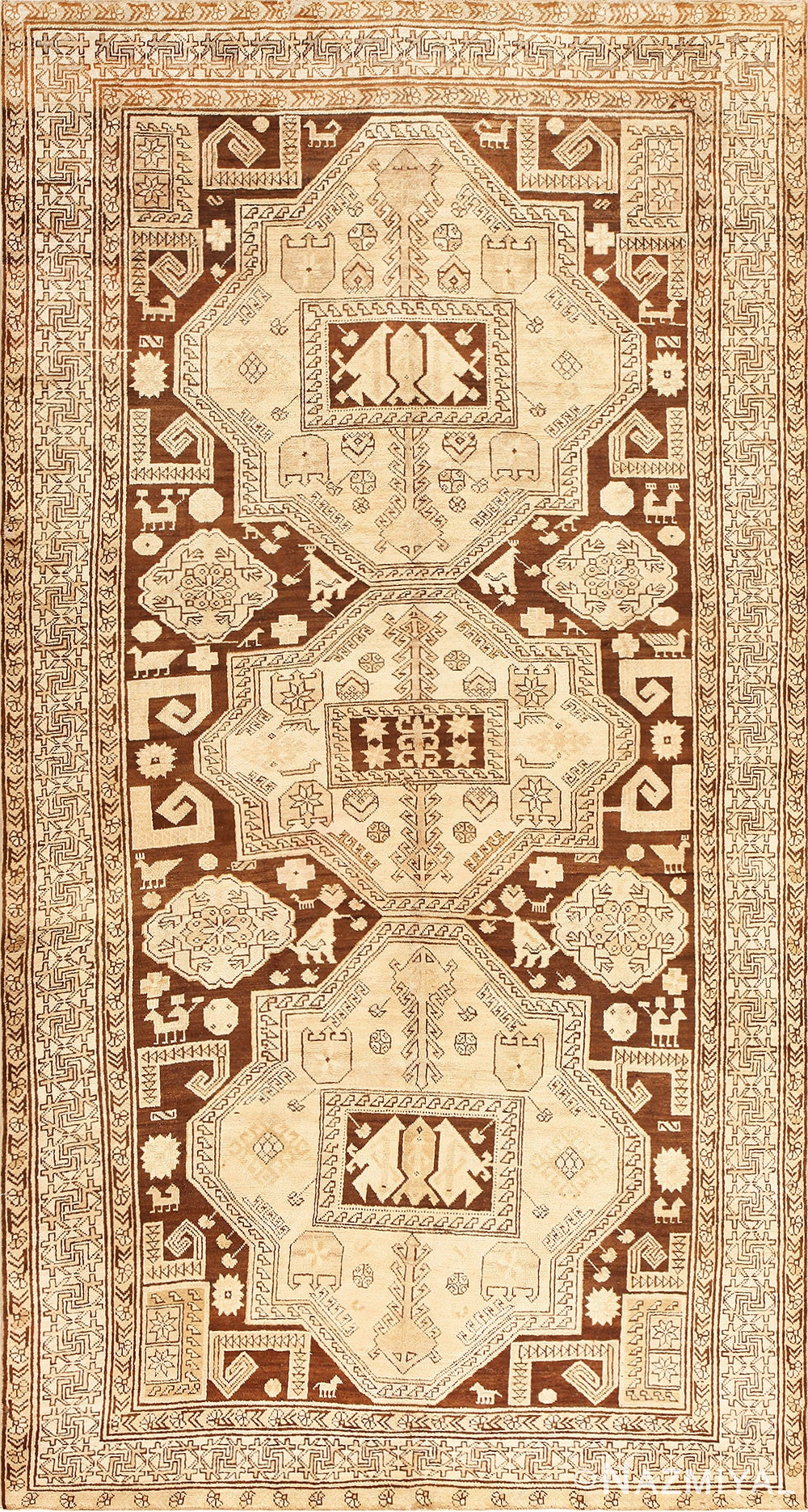
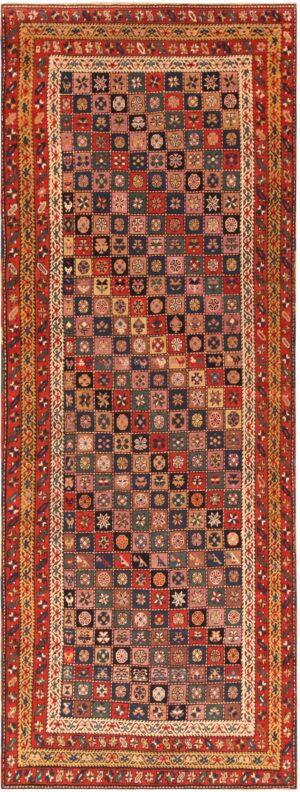
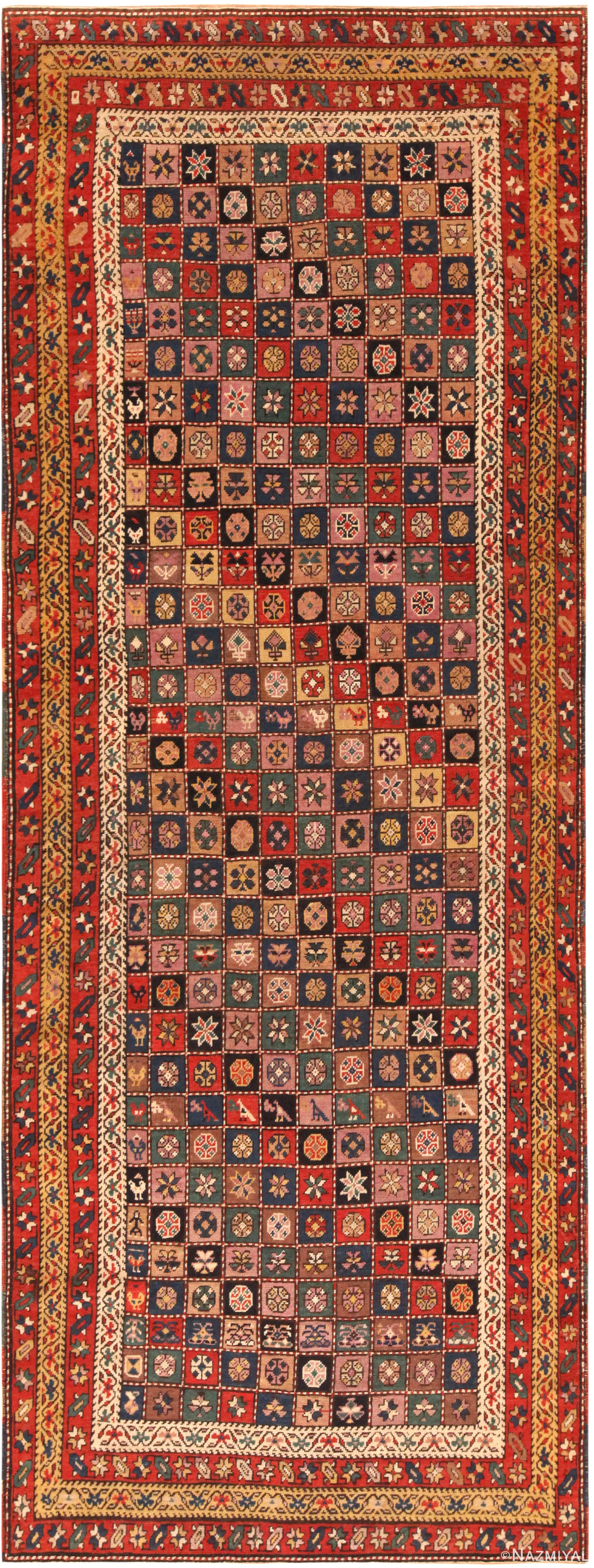
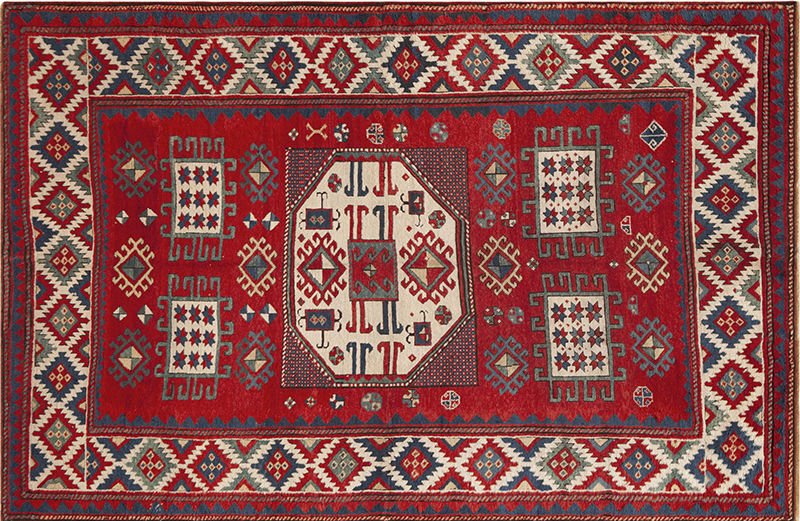
Charming Red Bold Geometric Antique Caucasian Kazak Rug #73852 — c. 1900 • 5 ft x 7 ft 7 in. View Rug #73852
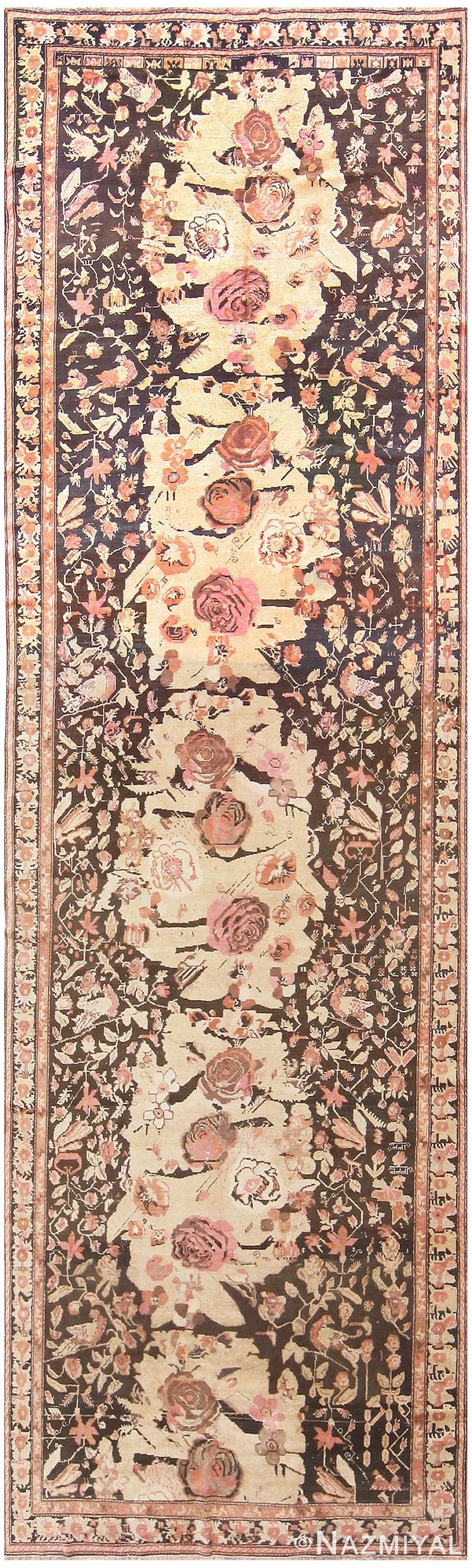
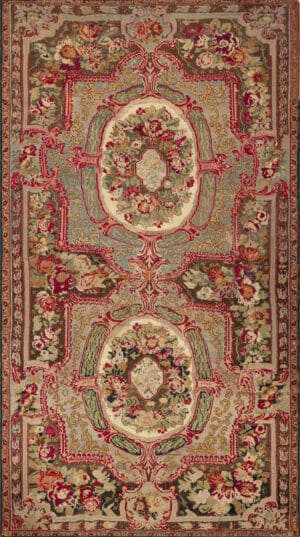
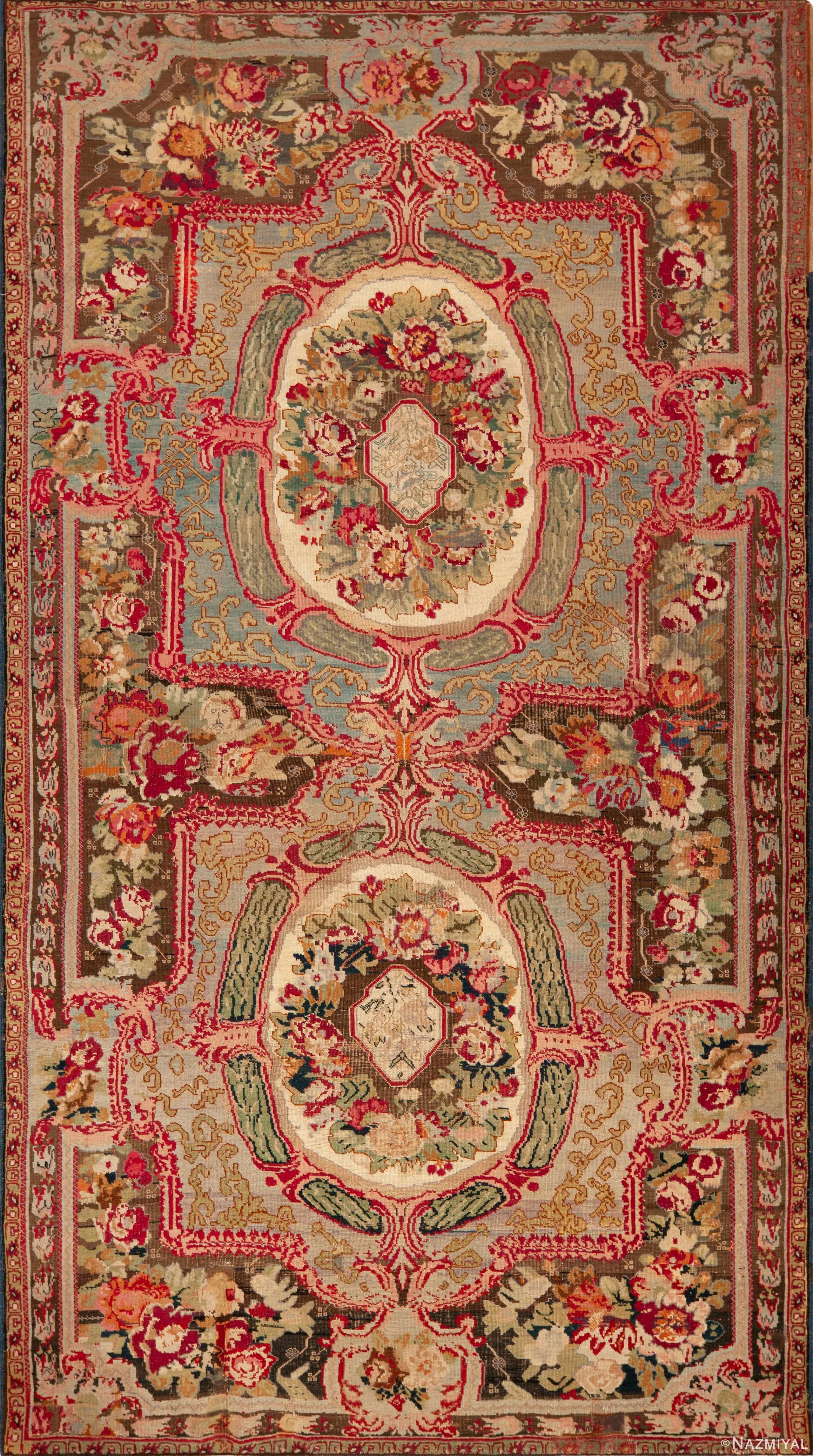
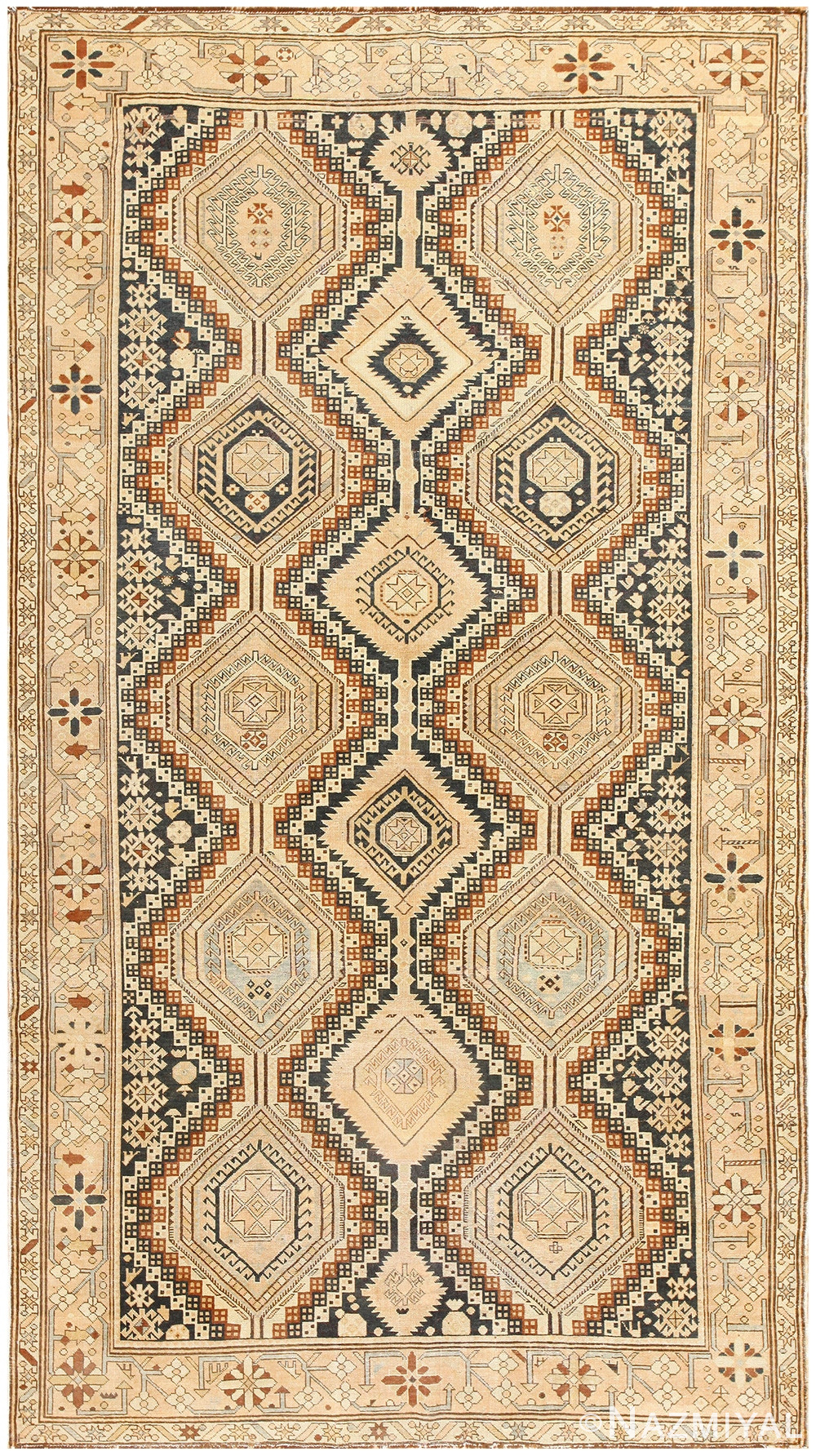
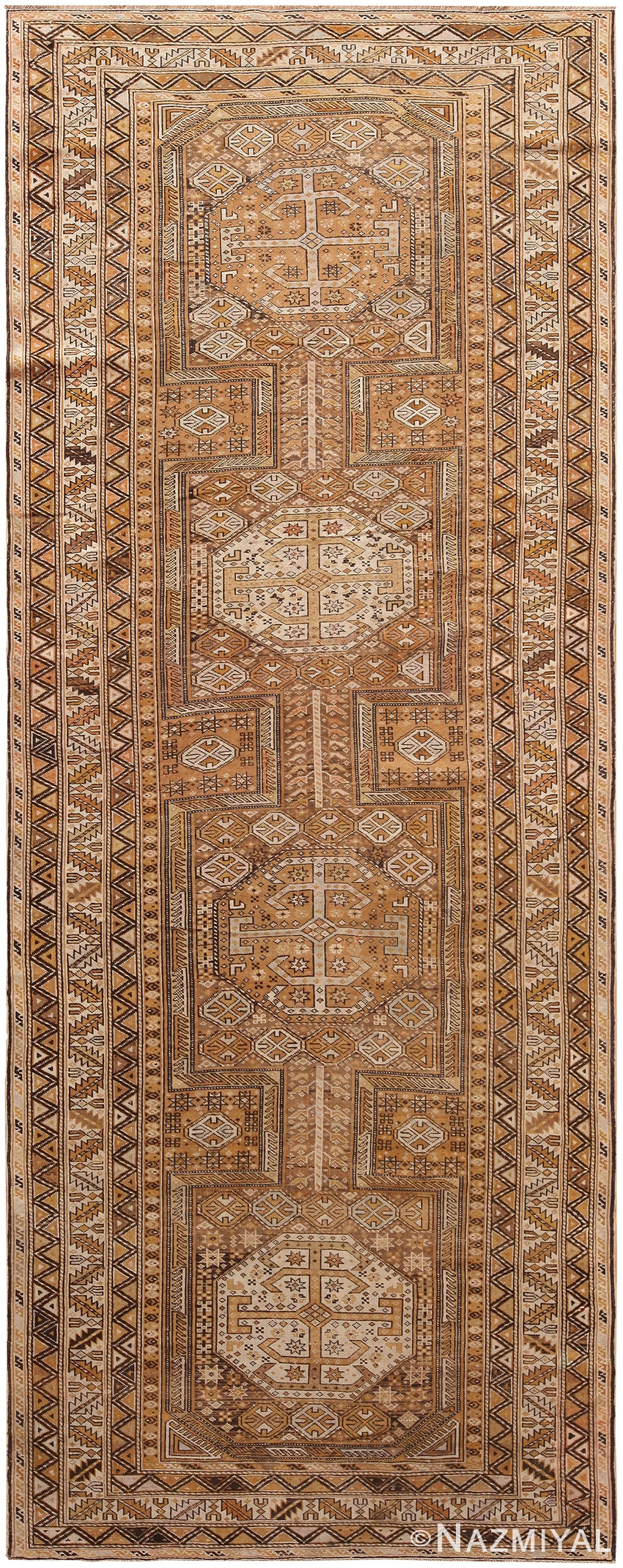
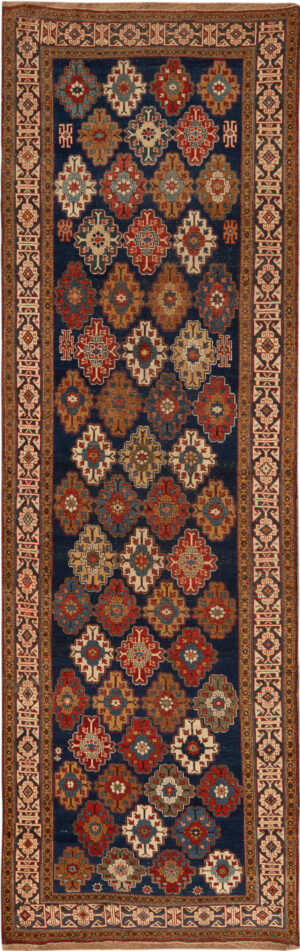
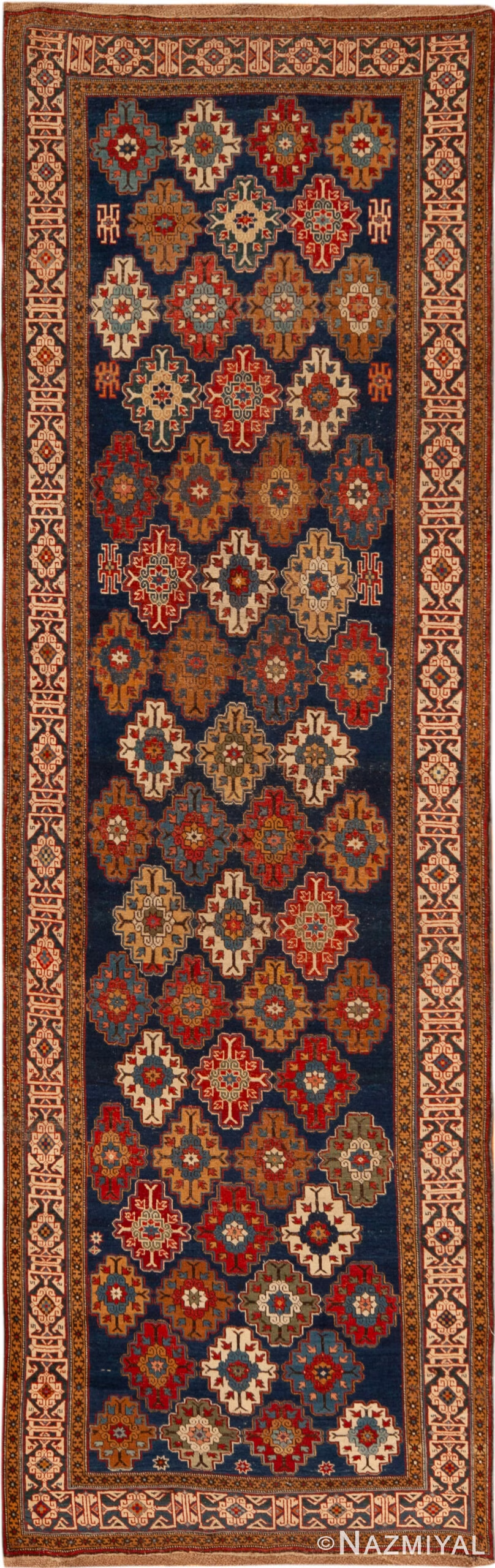
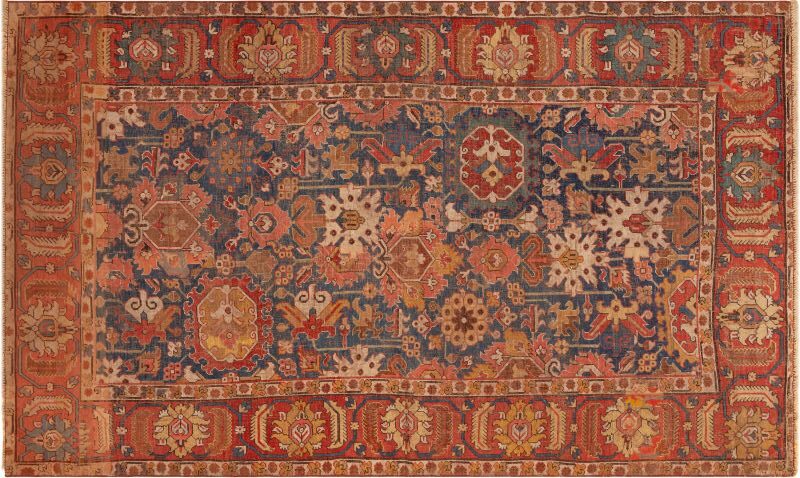
Historical Weave Antique 18th Century Caucasian Kuba Rug #73511 — late 18th century • 5 ft x 8 ft 3 in. View Rug #73511
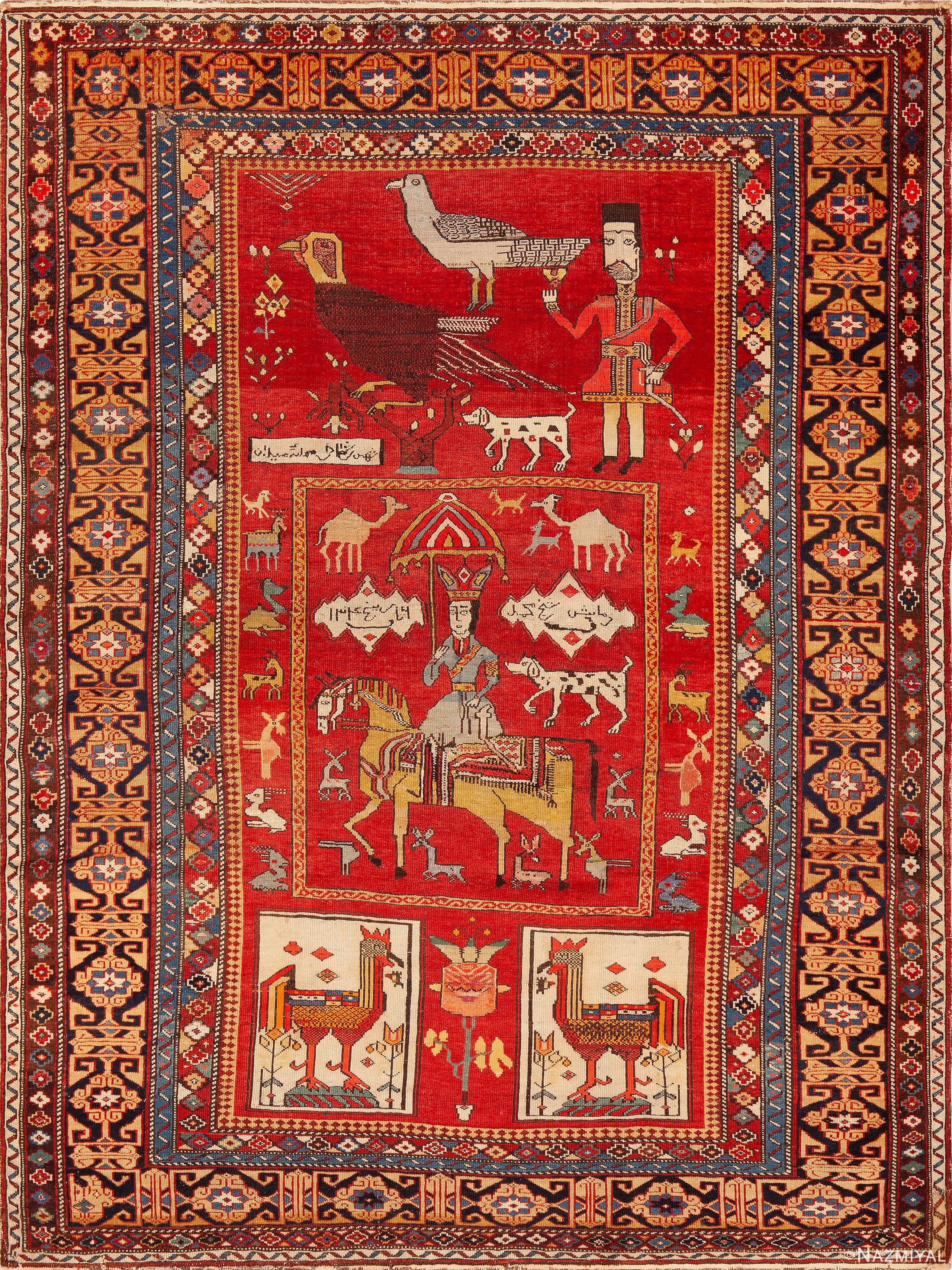
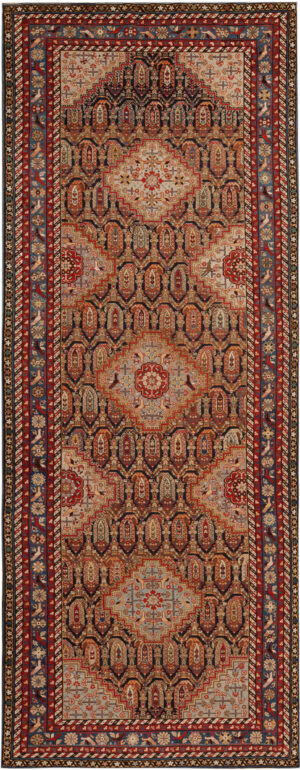
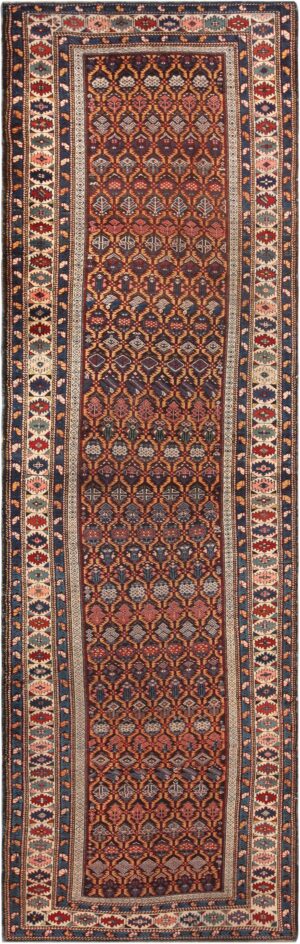
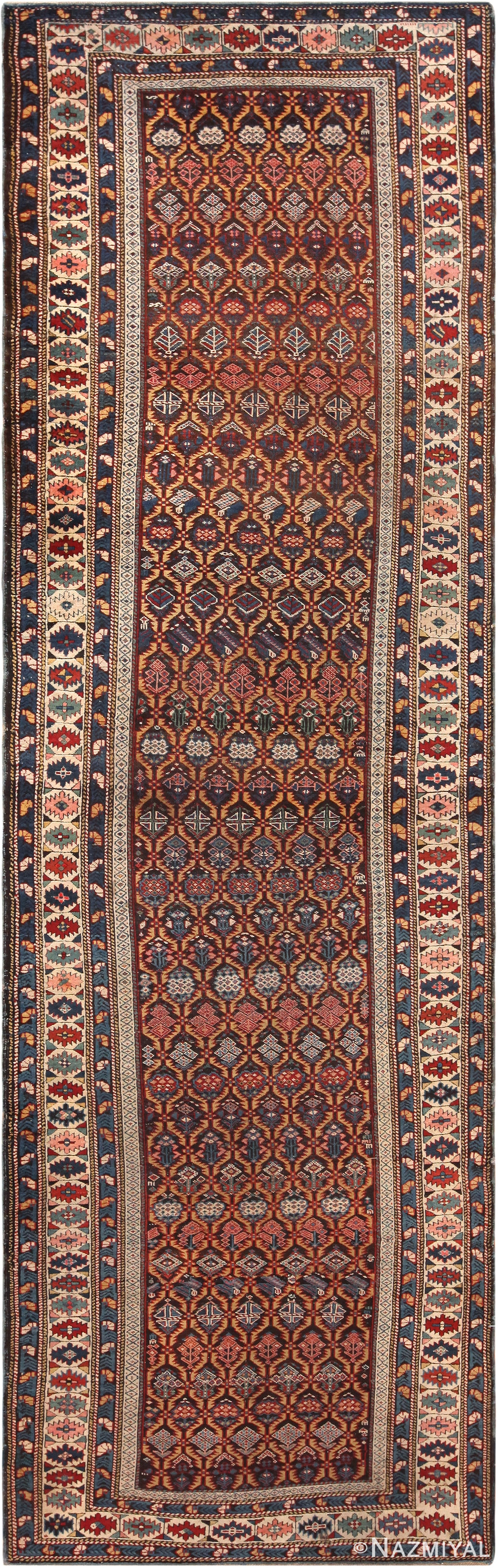
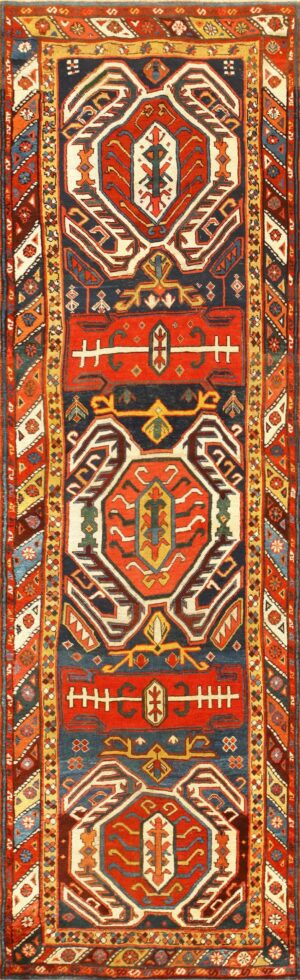
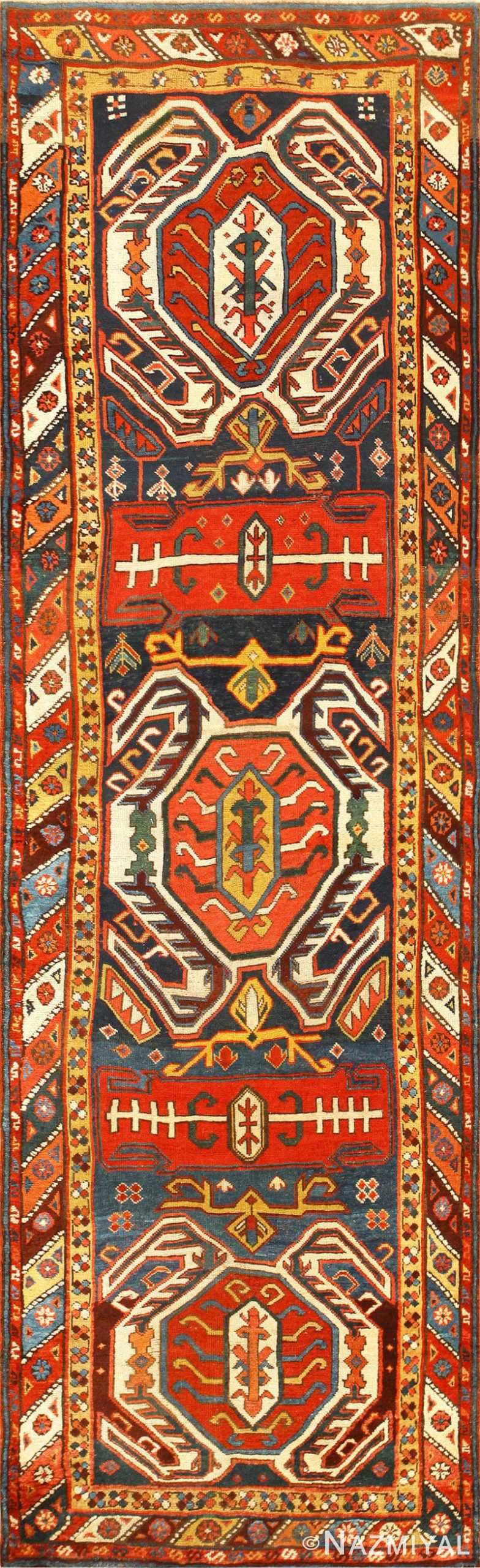
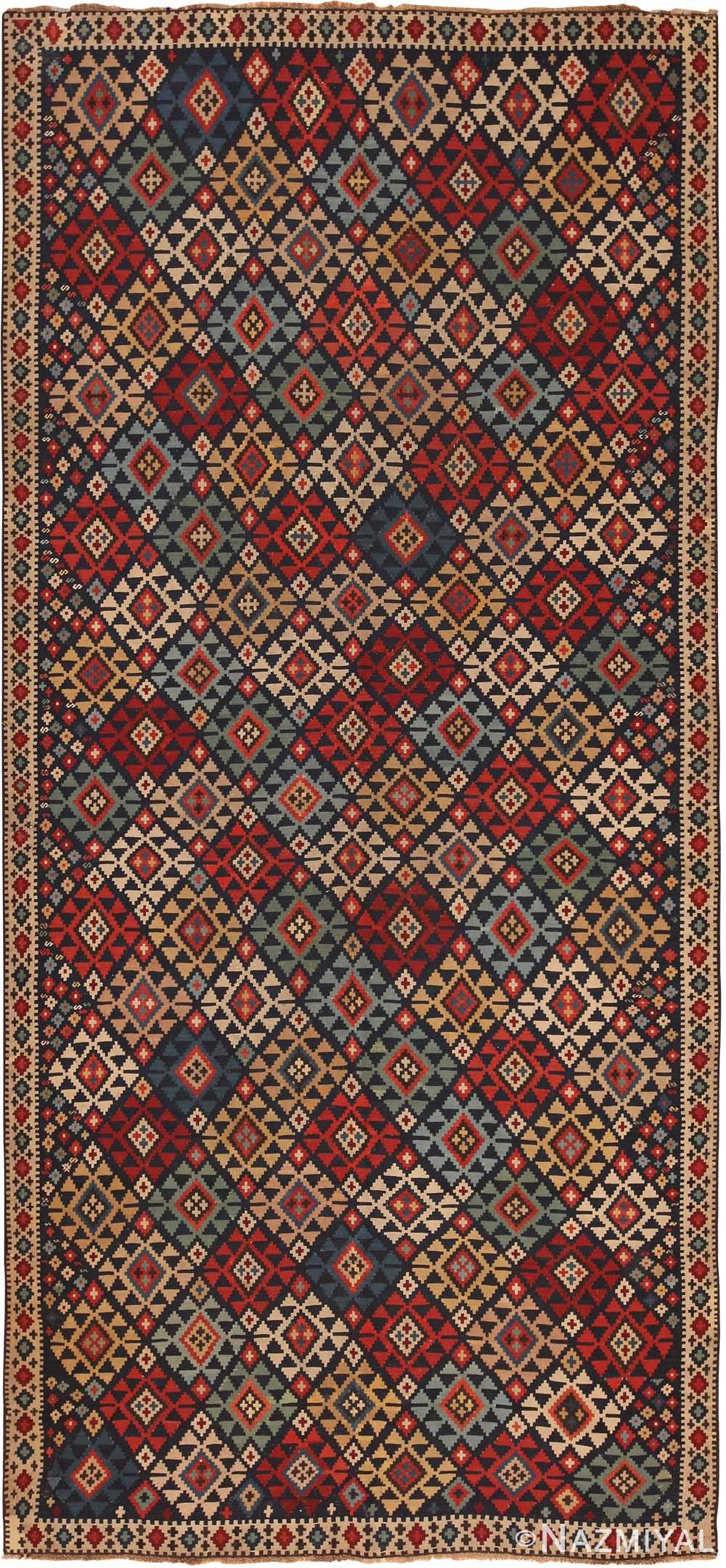
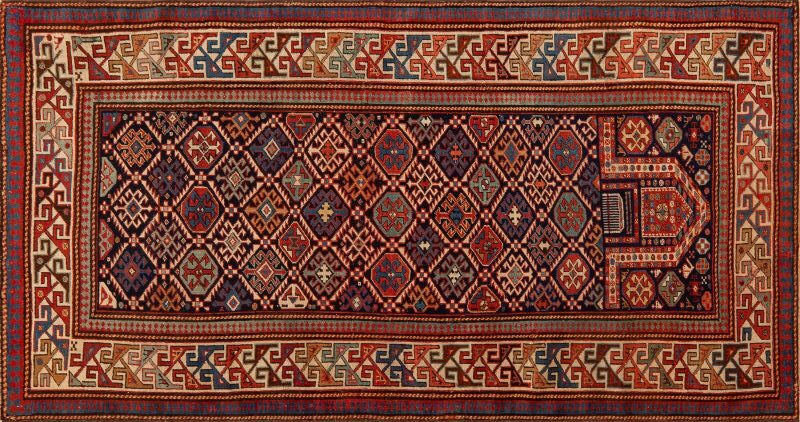
Striking Antique Dagestan Prayer Rug with Geometric Design #73701 — c. 1900 • 3 ft 2 in x 5 ft 11 in. View Rug #73701
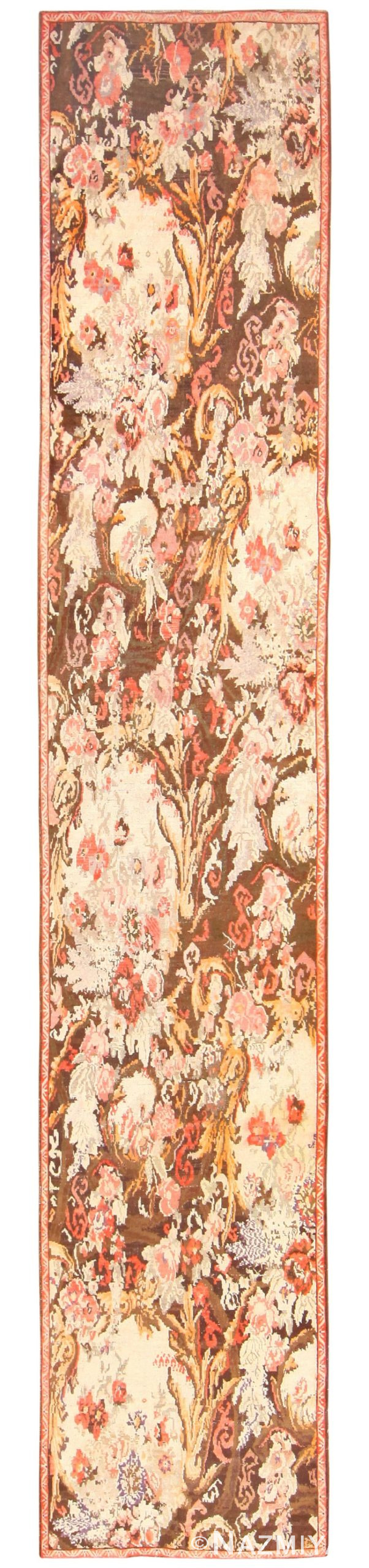
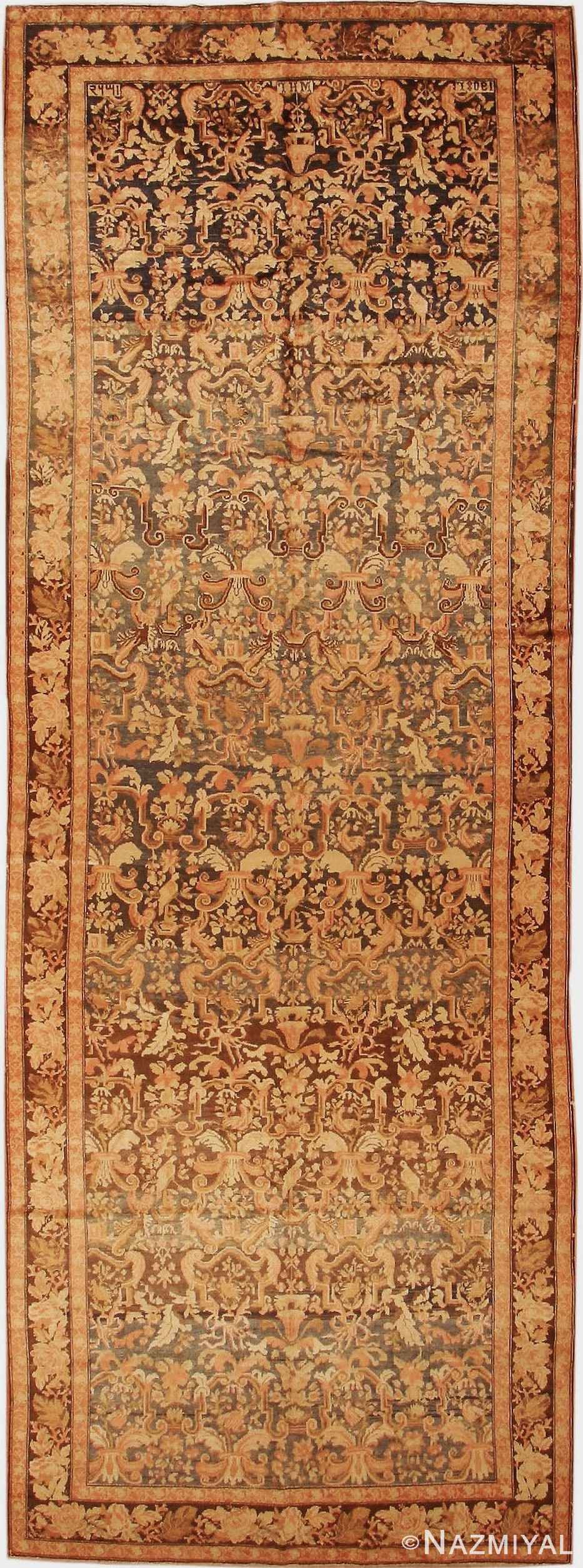
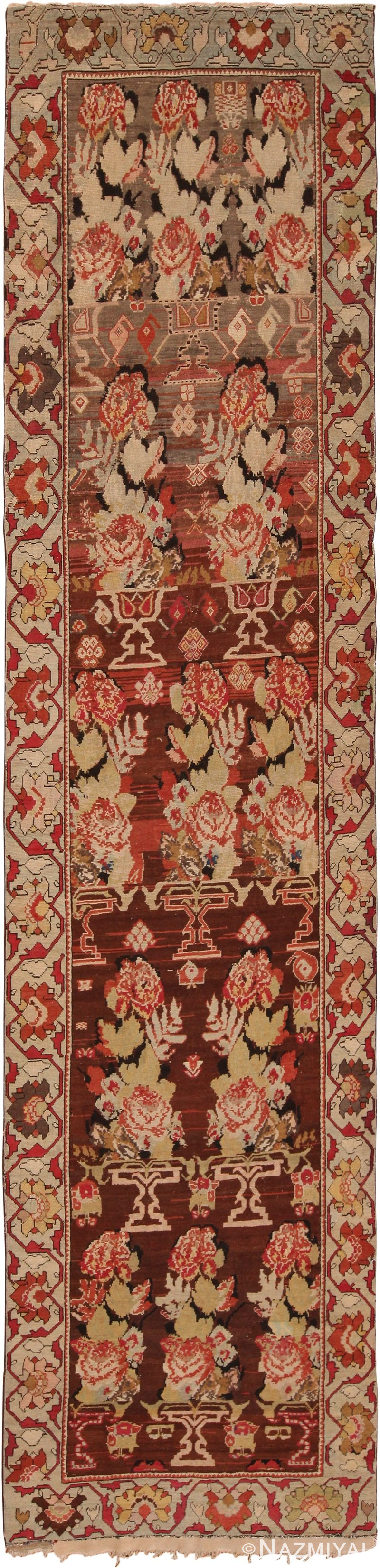
Charming Red Bold Geometric Antique Caucasian Kazak Rug Nazmiyal Collection #73852 Historical Weave Antique 18th Century Caucasian Kuba Rug Nazmiyal Collection #73511 Striking Antique Dagestan Rug – Caucasian Prayer with Geometric Design Nazmiyal Collection #73701
Identification & Construction
What are Caucasian rugs?
In the rug world, “Caucasian” refers to carpets woven in and around the Caucasus—an area between the Black Sea and the Caspian Sea—producing some of the most character-forward village and tribal rugs ever made. They’re loved for sharp geometry, clear spacing, and motifs that read like symbols rather than decoration.
Where they’re made
Caucasian rugs come from a patchwork of weaving districts associated with present-day Azerbaijan, Armenia, Georgia, and regions such as Dagestan. Each area has its own color habits, drawing style, and signature motifs; if you like to browse by geography, start with Rug Origins.
Design language & motifs
Geometric medallions (often stacked or repeating)
Star and rosette forms and other symbolic devices
Border architecture that frames the composition like a blueprint
High contrast so the pattern stays legible from across the room
Materials & construction
Wool pile with practical, durable foundations intended for real use
Natural-dye character is common in strong antique examples, often showing attractive abrash
Condition checkpoints: edges, ends, and corners should be stable; major distortions or weak foundations matter more than minor surface wear
Care, cleaning & restoration
Vacuum gently (avoid aggressive beater bars on antiques).
Rotate periodically for even wear and color exposure.
For deep cleaning, use specialists experienced with antique dyes and structures: professional rug cleaning.
Decorating & Placement Guidance
Let the rug set the palette: pull one red, one blue, and one neutral from the field and borders, then repeat them in small touches.
Pair with quiet furniture: clean-lined seating and warm woods keep Caucasian geometry feeling intentional—not busy.
Mix eras confidently: a strong Caucasian rug anchors a room the same way great Antique Rugs can, then you can bridge adjacent spaces with Vintage Rugs and sharpen contrast with Modern Rugs.
International projects: for shipping and coordination, use our Worldwide resource.
Caucasian Rugs vs Persian Rugs
Caucasian rugs and Persian rugs can live beautifully side-by-side, but they speak different design languages. If you want graphic structure and symbol-driven geometry, Caucasian rugs are often the cleanest choice; if you want a wider range from tribal to workshop refinement (including more curvilinear drawing), Persian rugs offer a broader spectrum.
Caucasian rugs
Persian rugs
Graphic geometry, high contrast, “symbol-first” motifs
Broader range: tribal to city/workshop; often more curvilinear/floral
Strong border architecture; crisp spacing and legibility
From bold tribal borders to intricate workshop framing and allover florals
Commonly small room sizes, runners, prayer formats, tribal statements
Full range of sizes and compositions across many major weaving traditions
Best when you want a focal “floor artwork” that anchors minimalist or eclectic rooms
Best when you want everything from refined classic décor to expressive tribal character
Closest Cousin
Persian Rugs — the most common comparison when deciding between tribal geometry and broader classical traditions.
Related Categories
Kazak Rugs — bold medallions and powerful color; often the “statement” Caucasian look.
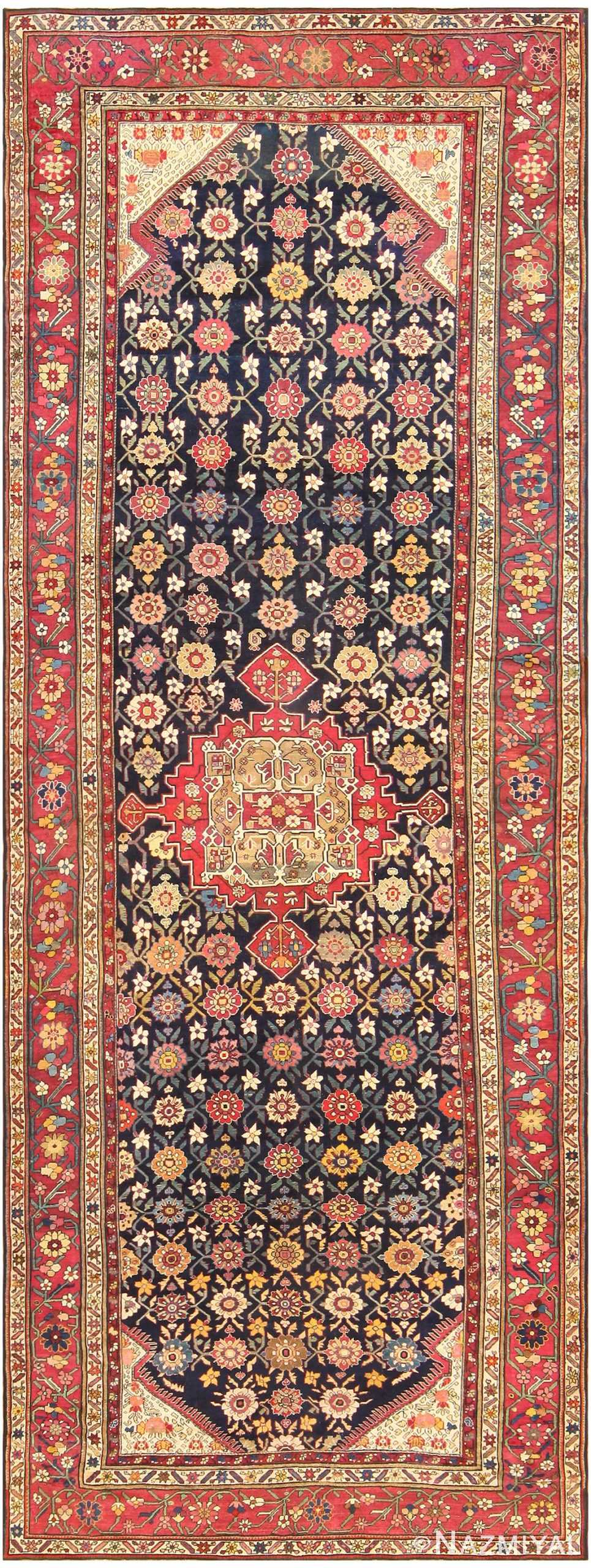
Shirvan Rugs — finer weaves with intricate patterning that stays geometric and readable.
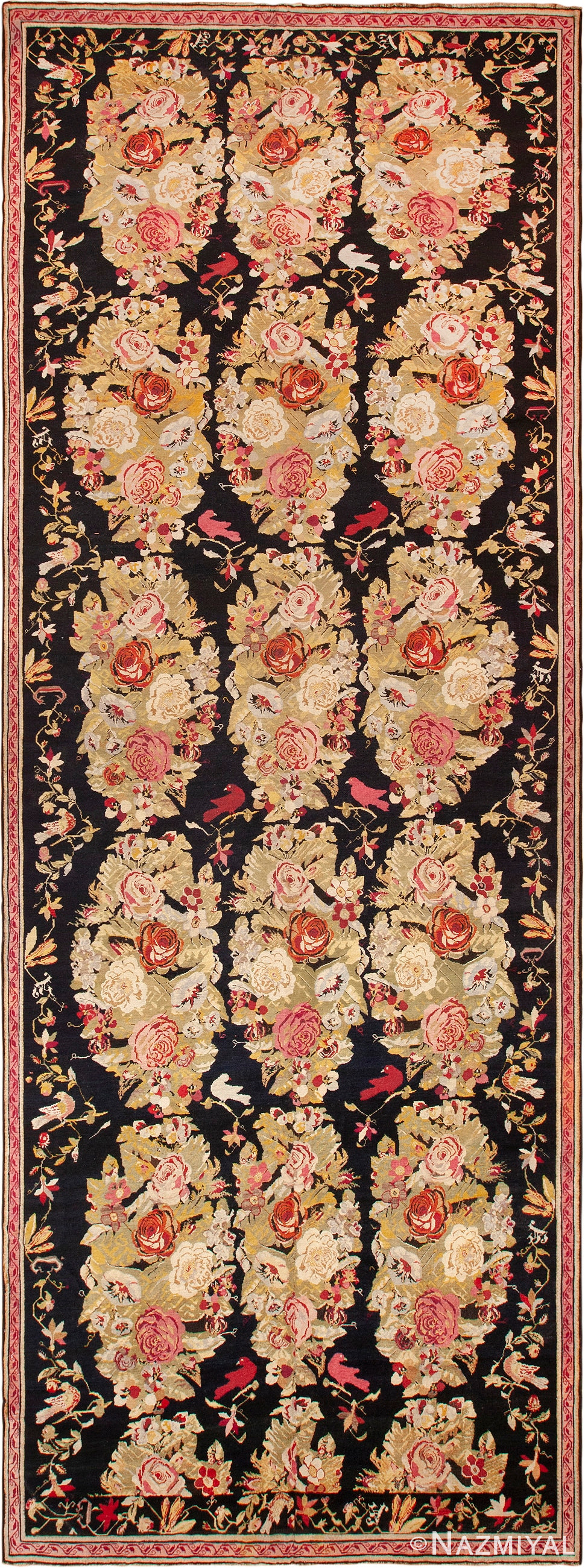
Karabagh Rugs — expressive florals and saturated palettes with strong regional character.
Kuba Rugs — crisp drawing and dense detail, often with elegant allover pattern logic.
A Caucasian rug is a handwoven carpet associated with weaving districts in and around the Caucasus region, recognized for bold geometry, tribal symbolism, and strong color.
Are Caucasian rugs considered tribal rugs?
Many are village or tribal in character. If you love that aesthetic, explore our broader Tribal Rugs collection.
Do Caucasian rugs work in modern interiors?
Yes—because the patterns read like graphic art. They anchor minimalist rooms and add structure to eclectic spaces.
Are Caucasian rugs Persian?
They’re distinct traditions, but they’re often compared because they share regional proximity and long historical exchange. For Iranian weavings, browse Persian Rugs.
How do I pick the right size?
Start with the furniture footprint: living rooms often want front legs on the rug; dining rooms need clearance for pulled chairs; hallways favor runners and gallery shapes. Use our rug size guide to plan confidently.
Can an antique Caucasian rug be restored?
Yes, when restoration respects the original structure and materials. A good repair should disappear visually and preserve the rug’s integrity.
Nazmiyal White-Glove Service
We make it easy to shop with confidence—whether you’re choosing a single statement piece or curating a full room.
Nazmiyal Collection has been a trusted source for antique rugs and vintage carpets for over 45 years. Our NYC gallery curates one-of-a-kind pieces with an emphasis on authenticity, provenance, and lasting decorative value.
Need help? Call us at (212) 545-8029 or visit our New York City showroom to work with a rug expert.
             Posted on Google        Victor Florintsev     Trustindex verifies that the original source of the review is Google. The only ones I'd ever buy rugs from. The best.         Posted on Google        Jeffrey NeumanB     Trustindex verifies that the original source of the review is Google. I bought two gorgeous Serapi rugs from Farhad at Nazmiyal Rugs!  Beautiful carpets, fair prices and great service.  Very happy customer.  Farhad (the sales person) was very patient and gave us great service.         Posted on Google        john haid     Trustindex verifies that the original source of the review is Google. Alen is a gentleman and an expert.  Really great to work with.         Posted on Google        Edward Yasuna     Trustindex verifies that the original source of the review is Google. I recently purchased a modern Kandinsky rug from Nazmiyal Auctions.  It was just as described, and the director (Farhad) of the auctions had it sent to me quickly and safely.  Payment was easy, the rug was reasonably priced, and I highly recommend Nazmiyal Auctions and Antique Rugs.  Quality merchandise and first-class service.         Posted on Google        Nicholas Carr     Trustindex verifies that the original source of the review is Google. Had a excellent experience buying a rug in Nazmiyal's 1/18/26 online auction.  First, prior to the auction, viewing a number of lots at the 32nd St showroom (I had prepared a list from the online catalog). The staff were great to work with: helpful, knowledgable, honest, and flexible.  Second, after placing an online bid and winning the desired item, arranging payment and pickup was simple and straightforward. Everything went seamlessly and the overall experience was educational and fun. Many thanks to Jason and his team.         Posted on Google        Andrea Gared     Trustindex verifies that the original source of the review is Google. Everyone at Naziyal is proffessional, especially Jason and Farhad.
They are knowledgeable, truthful, and true gentlemen. I have sold several rugs through them and will always go to them first, to buy or sell. The best in the business!         Posted on Google        Lori Silverberg     Trustindex verifies that the original source of the review is Google.          Posted on Google        Jesse Zilberman     Trustindex verifies that the original source of the review is Google. Excellent customer service! Alen was very helpful over the phone and email. The rug we acquired was stunning, and photos do not do it justice. I would definitely work with Alen and team again!         Posted on Google        Rachel Paul     Trustindex verifies that the original source of the review is Google. Jason was incredibly kind and helpful! I work for a small museum that had some rugs we had no information on. Jason responded to us quickly and gave us the information we needed for free! Incredible service, we are super thankful for his help!

 Size: 5 ft 8 in x 7 ft 4 in (1.73 m x 2.24 m)
 Size: 4 ft 3 in x 5 ft 8 in (1.3 m x 1.73 m)
 Size: 7 ft 10 in x 21 ft 1 in (2.39 m x 6.43 m)
 Size: 7 ft 5 in x 19 ft 7 in (2.26 m x 5.97 m)
 Size: 3 ft 9 in x 19 ft (1.14 m x 5.79 m)
 Size: 6 ft 7 in x 18 ft 7 in (2.01 m x 5.66 m)
 Size: 6 ft 6 in x 18 ft 6 in (1.98 m x 5.64 m)
 Size: 3 ft x 16 ft 10 in (0.91 m x 5.13 m)
 Size: 11 ft x 15 ft 9 in (3.35 m x 4.8 m)
 Size: 5 ft 3 in x 15 ft 4 in (1.6 m x 4.67 m)
 Size: 3 ft 6 in x 13 ft 8 in (1.07 m x 4.17 m)
 Size: 4 ft 11 in x 13 ft (1.5 m x 3.96 m)
 Size: 6 ft 7 in x 11 ft 8 in (2.01 m x 3.56 m)
 Size: 3 ft 6 in x 11 ft 6 in (1.07 m x 3.51 m)
 Size: 6 ft 3 in x 11 ft 3 in (1.9 m x 3.43 m)
 Size: 4 ft 8 in x 11 ft (1.42 m x 3.35 m)
 Size: 3 ft 5 in x 11 ft (1.04 m x 3.35 m)
 Size: 4 ft 3 in x 10 ft 9 in (1.3 m x 3.28 m)
 Size: 5 ft 3 in x 10 ft 7 in (1.6 m x 3.23 m)
 Size: 3 ft 10 in x 10 ft 6 in (1.17 m x 3.2 m)
 Size: 3 ft 3 in x 10 ft 5 in (0.99 m x 3.17 m)